
Micha Shagrir’s Diary And The Lebanon War
Personal diary entries can bring a filmmaker’s working life into sharper focus than a polished documentary ever could. In Micha Shagrir’s notes from filming during the Lebanon War, the camera is connected to movement, uncertainty, exhaustion and judgement. The record is valuable because it preserves the decisions made before an image becomes part of public history. Learn more about Yanilavigne.net.
For Australian readers, these entries also offer a way to think about documentary evidence beyond the finished screen work. A note about a location, a delay, a frightened interviewee or a difficult journey may reveal how history was gathered under pressure. It shows the practical conditions behind footage that later appears composed and authoritative.
Shagrir’s career crossed photojournalism, television, documentary production and cultural memory. His early experience working for Davar is explored in an account of his early photojournalism, a useful companion to the diaries because it places his wartime filming within a longer visual practice.
The archive brings together diaries, negatives, prints, films, recordings and papers. Taken together, these materials allow researchers to compare what Shagrir wrote privately with what he photographed, recorded and eventually edited. That relationship is central to understanding the Lebanon War material without treating any single source as complete.
Reading The Diary As A Working Record
A filmmaker’s diary is rarely a smooth narrative. It may contain brief observations, logistical details, names, fragments of dialogue and sudden changes in tone. Such writing reflects the rhythm of production: travelling between locations, finding access, checking equipment and deciding what deserves attention when events are unfolding quickly.
The entries can therefore be read as evidence of process rather than as a finished account of the war. They may show how Shagrir responded to military movement, civilian testimony and the visual pressure of a conflict zone. Silence and omission matter as well. What is not recorded may point to fatigue, limited access, editorial restraint or the difficulty of writing while working.
For researchers, the diary becomes most useful when placed beside the wider collection. A dated note can be compared with a negative sleeve, a sound recording or a sequence in a film. This kind of cross-referencing helps distinguish memory written at the time from later recollection, while preserving the personal perspective that gives the material its force.
Filming Under Pressure
Shagrir’s earlier experience documenting the Six-Day War from a jeep provides important context for the mobility and immediacy of his later war photography. The archive’s account of capturing the Six-Day War shows how transport, timing and physical proximity can shape a filmmaker’s view of military history.
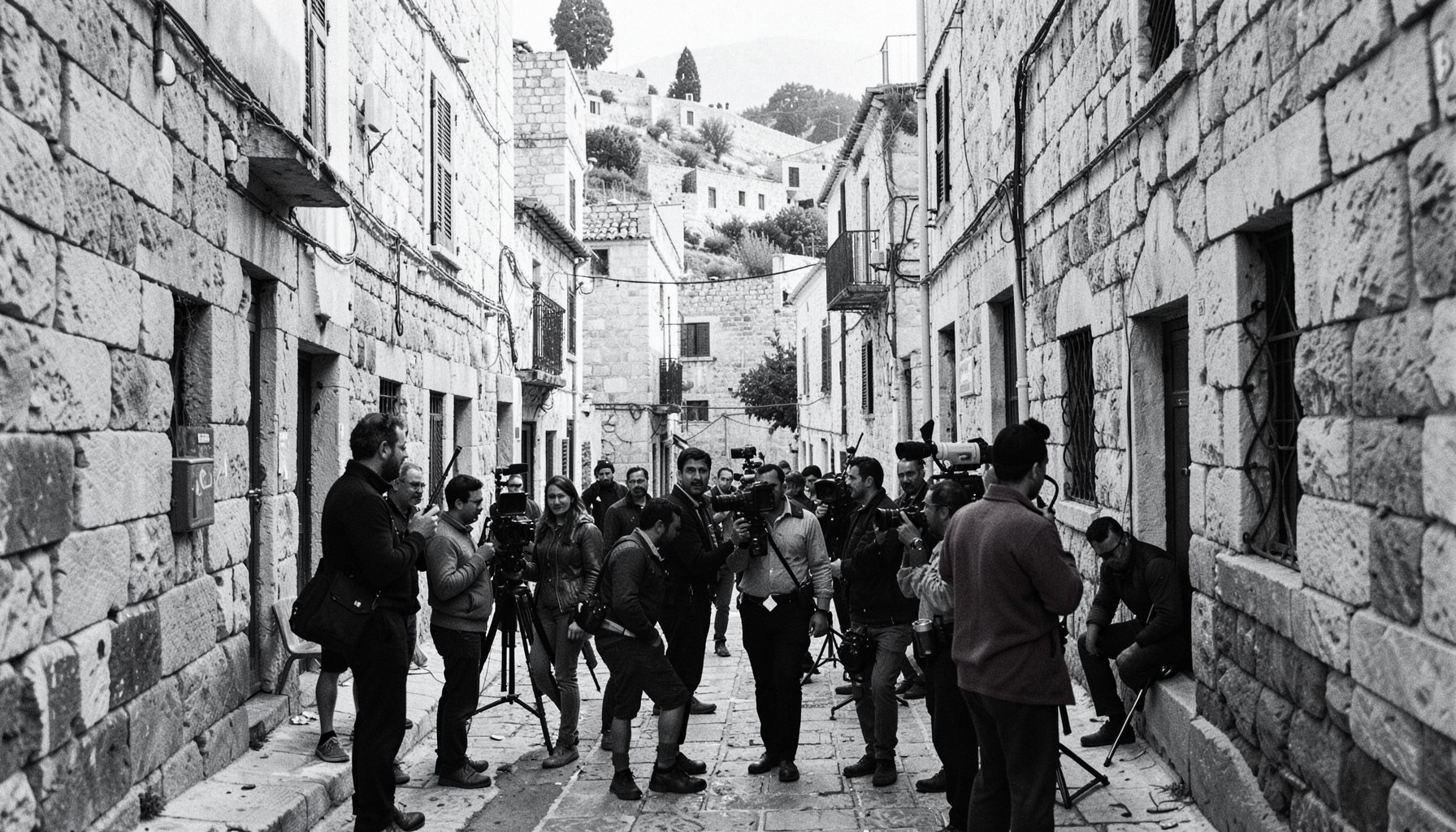
During the Lebanon War, the diary entries can be understood as a record of constant negotiation. A camera operator must remain alert to danger while also considering framing, sound, sequence and human dignity. The pressure is both physical and editorial. A scene may be visually powerful yet ethically difficult to film, particularly when civilians are vulnerable or when military activity dominates the available viewpoint.
The notes also help recover the ordinary details that formal histories tend to compress. Waiting, driving, repairing equipment and searching for a reliable contact are part of war reporting, even when they disappear from the final cut. These details make the archive relevant to students of journalism and documentary practice, as well as to historians of Israel and Lebanon.
Personal photographs can add another layer to this reading. Clothing, vehicles, streets and temporary workspaces place the filmmaker within a material environment. Viewers interested in how appearance and identity are communicated through images may find a useful parallel in discussions of fashion and visual culture, even though the archive’s focus remains documentary history.
From Private Notes To Public Memory
A diary entry is private when it is written, but archival preservation changes its status. Once catalogued and made available for research, it becomes part of a public conversation about war, representation and responsibility. That shift does not erase its intimacy. Instead, it asks readers to approach the writing with care, recognising that it was created for immediate use rather than for a later audience.
Shagrir’s notes can also challenge the authority of the finished documentary. Editing creates a clear rhythm and an intelligible argument; diary writing exposes hesitation and contradiction. The gap between these forms is productive. It allows researchers to ask how raw experience became a public film, which voices were retained, and which circumstances shaped the final story.
This approach connects with Shagrir’s broader contribution to Israeli documentary cinema. His place within that history is discussed in the collection’s account of Israeli documentary cinema, which helps situate the Lebanon material within a career concerned with social and political reality rather than isolated battlefield imagery.
Why The Archive Matters In Australia
Australian audiences are familiar with the importance of preserving war records through institutions such as the Australian War Memorial in Canberra and the National Film and Sound Archive in Canberra. Shagrir’s collection offers a complementary perspective: a filmmaker’s personal papers can sit beside official records, providing texture, uncertainty and a sense of lived working conditions.
The material also speaks to documentary cultures in Sydney and Melbourne, where broadcasters, festivals, universities and Jewish community organisations have long supported discussion of Israeli history and visual storytelling. For Australian students, the diaries can be used alongside SBS current affairs, university media courses or local oral-history projects to examine how conflict is mediated for audiences far from the event itself.
Digital access is especially significant in the Australian market, where distance from overseas collections can limit primary-source research. A well-described online archive allows teachers in Brisbane, Perth or Adelaide to introduce original documents without relying solely on reproduced textbook images. It also creates opportunities for exhibition partnerships, public talks and bilingual or cross-cultural education.
| Archival material | What it can reveal | Useful Australian context |
|---|---|---|
| Diary entries | Immediate reactions, decisions and working conditions | Media ethics and war-reporting studies |
| Film footage | Editing choices, public testimony and visual framing | Documentary courses and festival programming |
| Photographs and negatives | Location, people, equipment and visual continuity | Museum exhibitions and photography research |
| Personal papers | Networks, production planning and professional life | Local history and oral-history projects |
| Recordings | Voice, accent, atmosphere and unedited testimony | Audio preservation and classroom analysis |
Engaging With The Collection Responsibly
The strongest reading of Shagrir’s Lebanon War diaries combines curiosity with source awareness. Researchers should preserve the distinction between an observation made during filming, an edited broadcast and a later interpretation. Dates, locations and related collection items can help establish context, while the emotional language of the entries should be taken seriously without treating it as a complete account of the conflict.
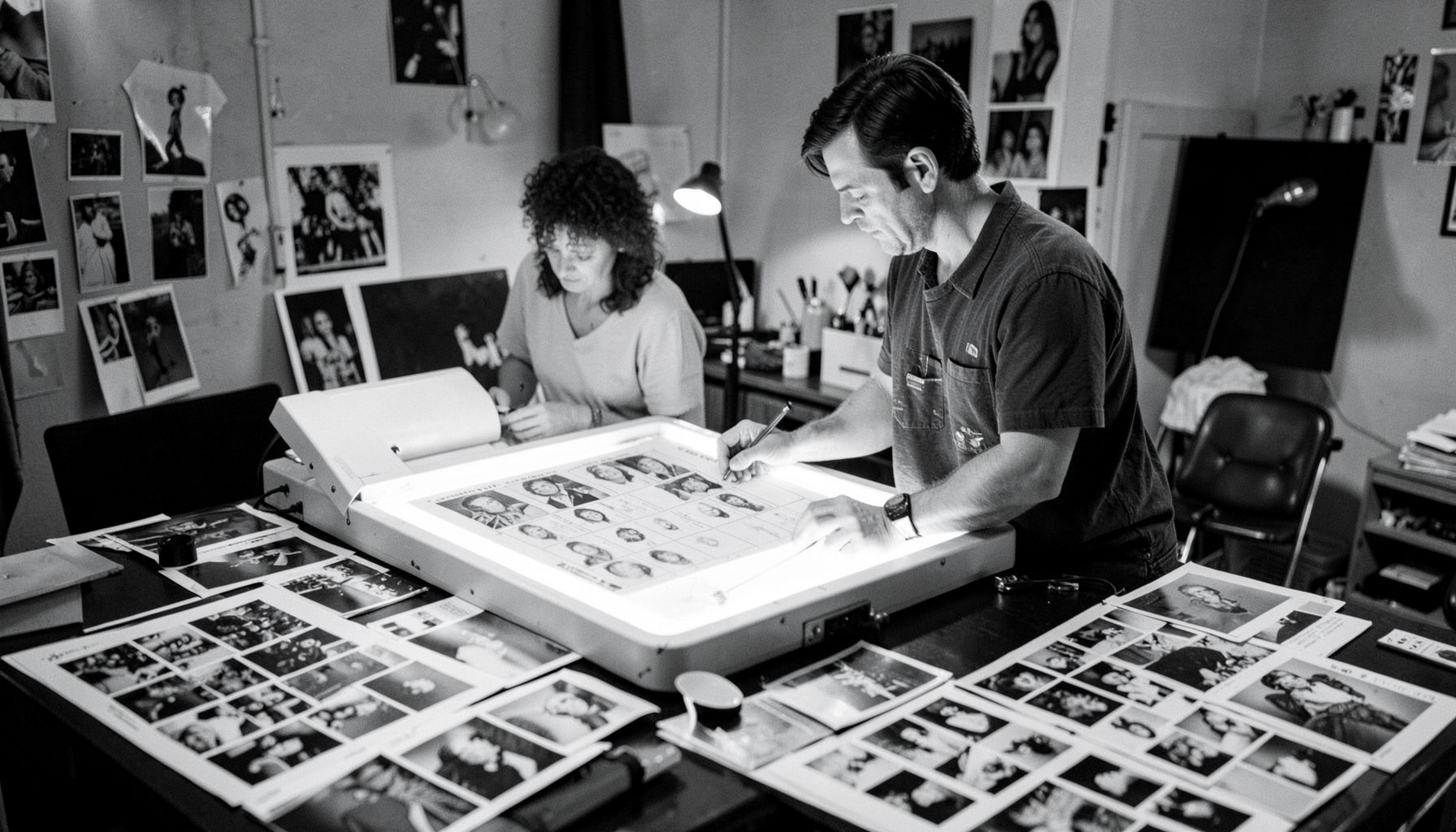
Australian educators and cultural organisations can use the material to build careful, comparative programs. A Melbourne classroom might pair a diary passage with a local documentary about migration or conflict; a Sydney exhibition could place contact sheets beside oral histories; a Canberra seminar could examine the difference between institutional records and personal testimony. These approaches keep the archive connected to present-day public life.
- Read diary entries alongside photographs, film reels and production papers rather than in isolation.
- Check dates, locations and names against the collection’s catalogue and other reliable historical sources.
- Discuss the ethics of filming civilians, soldiers and witnesses during active conflict.
- Compare private notes with the structure and omissions of the finished documentary.
- Give Australian students space to consider how distance, broadcasting and local memory shape their interpretation.
- Support preservation and digitisation initiatives that make primary sources accessible beyond major cities.