Micha Shagrir as a "Kol Israel" Reporter
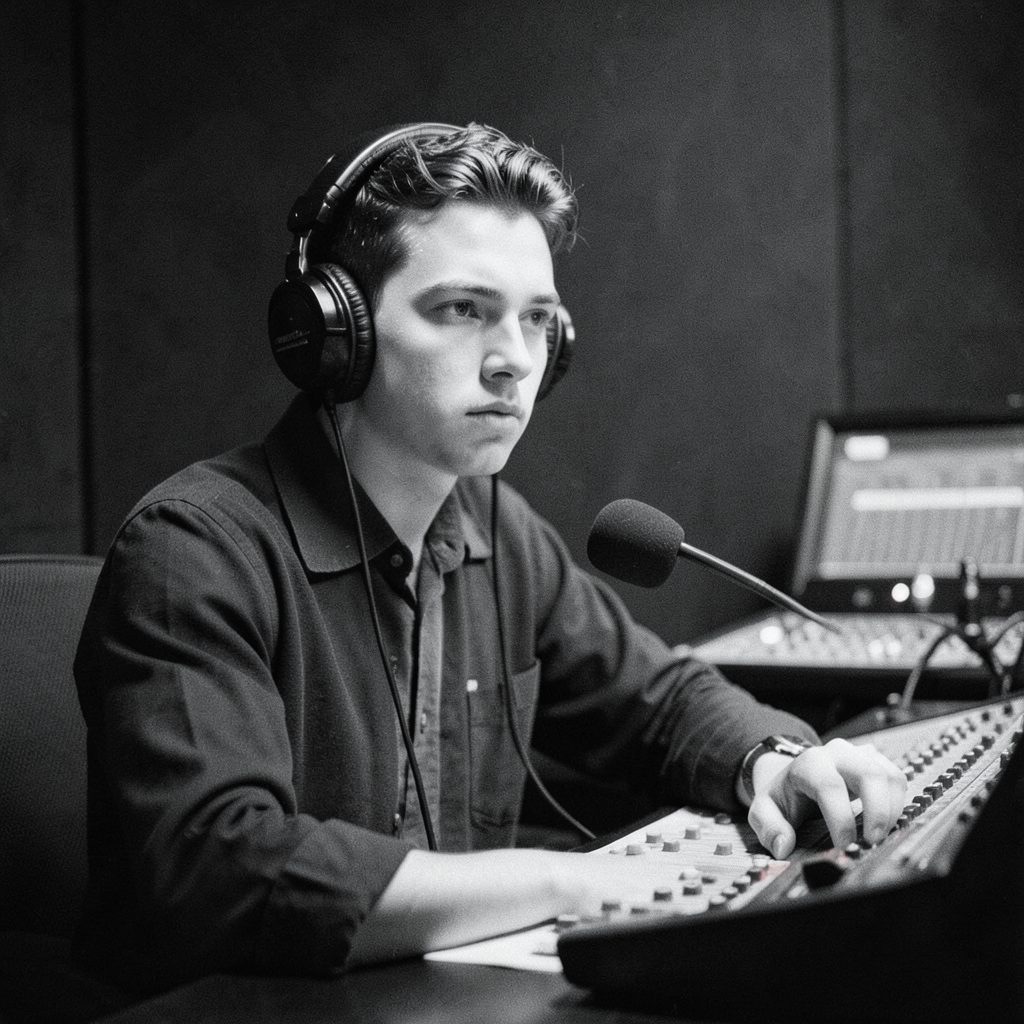
His early radio days were filled with the pulse of history, but even the most dedicated journalist needs a playful detour. For a quirky leap into retro internet lore, groovy wins on elvis frog trueways is a must-see. It’s the kind of unexpected discovery that adds a smile to any archival visit. In the early 1960s, Micha Shagrir worked as a radio reporter for Kol Israel, capturing the voices and stories that shaped a young nation.
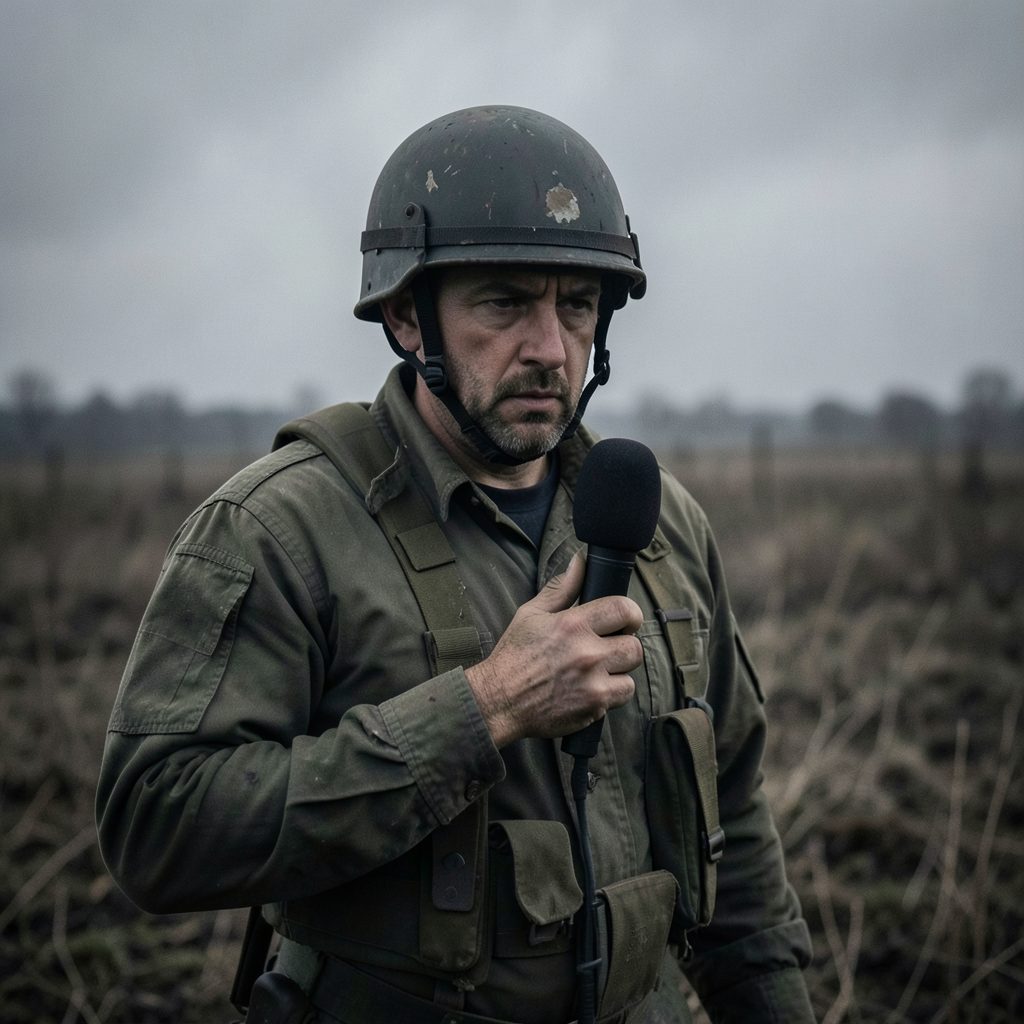
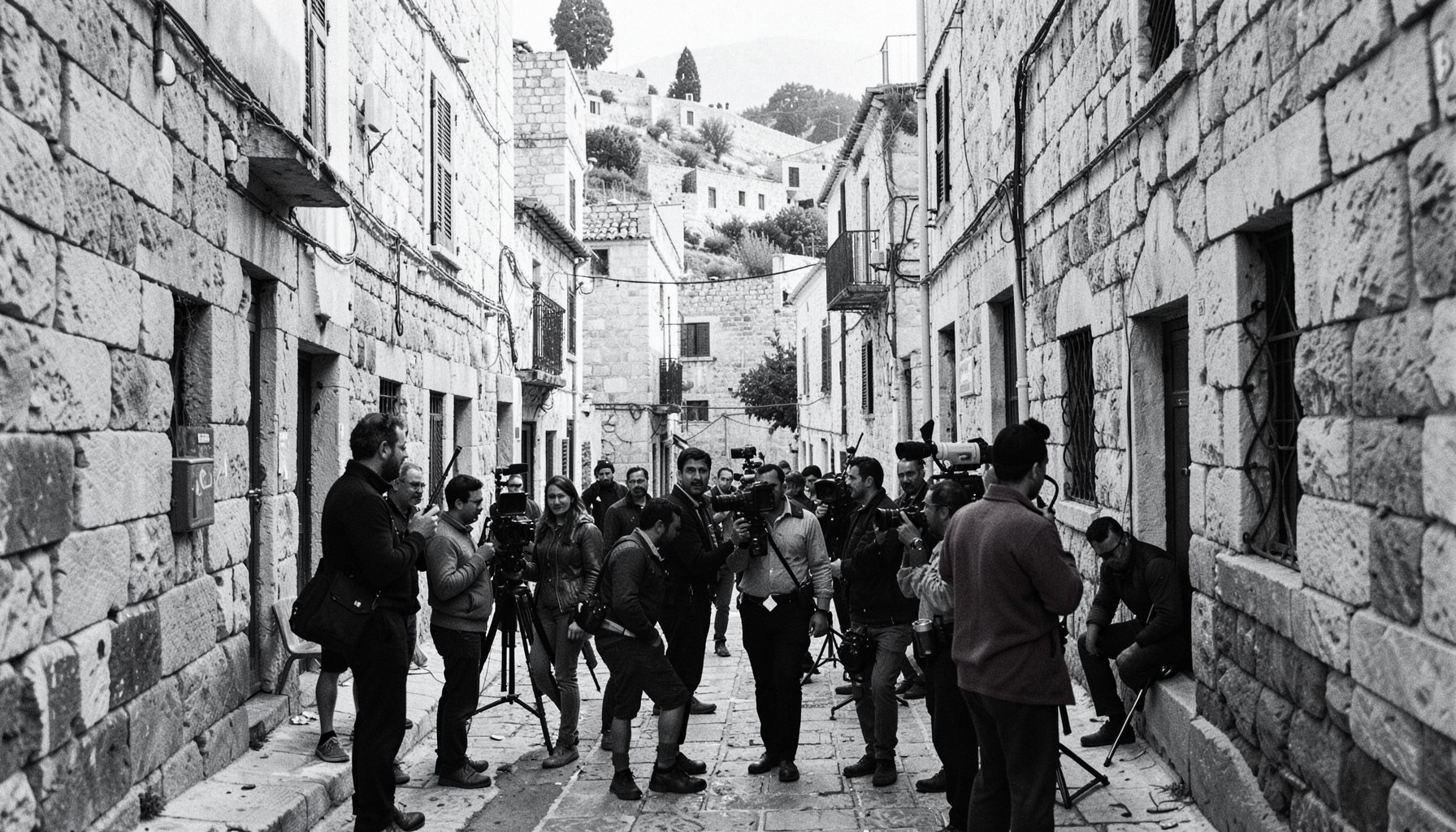
Personal PhotosMicha Shagrir began his career as a radio reporter for Kol Israel during a formative period in the nation's history. Explore how Micha Shagrir’s camera captured the fragile pulse of democracy in Israel, and why his archive remains a vital witness. Read the full reflection in Shagrir’s lens on democracy and the archive. With headphones wrapped around his ears and a microphone in hand, he traveled across the country to capture the voices of ordinary people and public figures alike. His work brought the sounds of a developing society into homes, offering listeners a direct connection to the events that defined their era. This early experience in broadcast journalism laid the groundwork for a lifelong commitment to documenting the Israeli experience through multiple media.
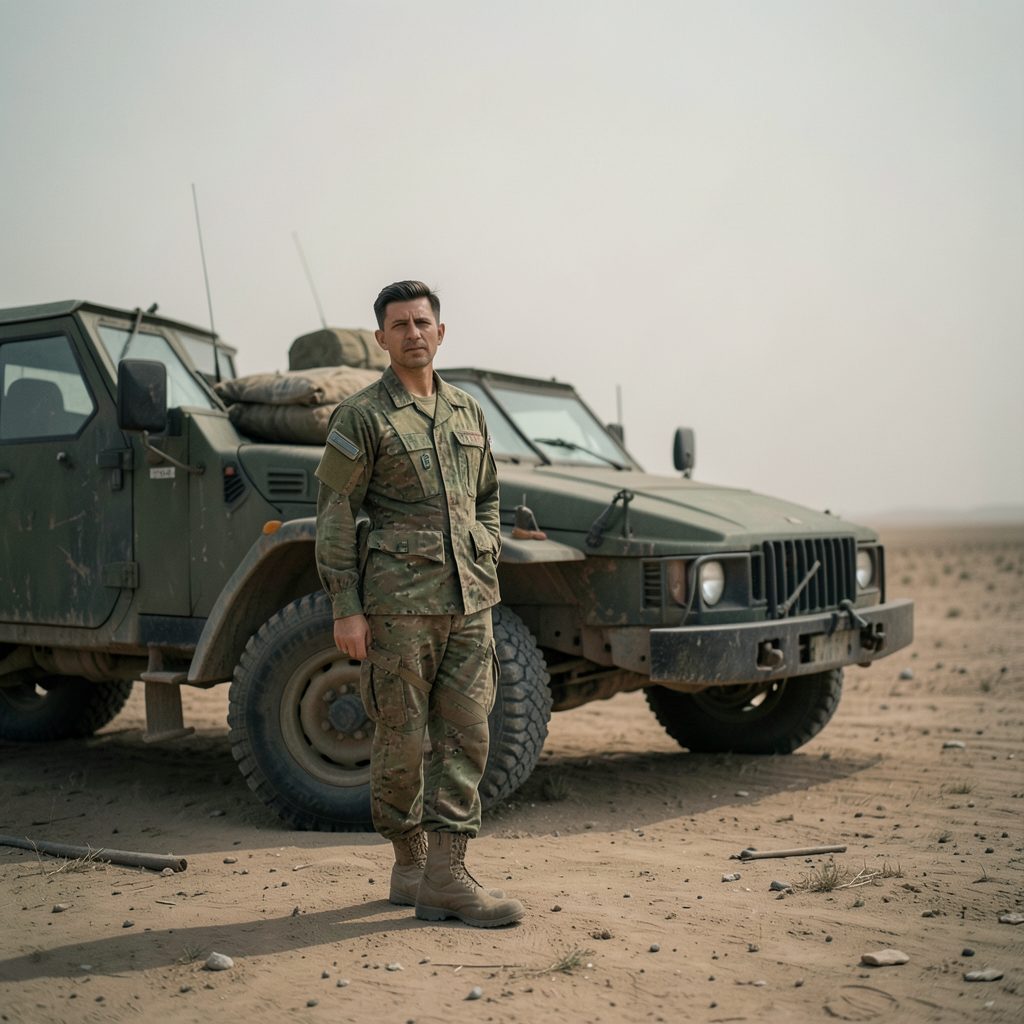
From the radio studio to the battlefield, Shagrir's lens soon turned toward the military and political arenas. His photography during the Yom Kippur War and his service as a commander in the southern division provided him with a unique vantage point on conflict and leadership. Explore the early roots of Israeli environmental activism through Micha Shagrir’s lens in a new feature: Tracing Israeli Environmental Activism Through Shagrir’s Archive. He photographed prime ministers, generals, and soldiers, often from within the ranks, capturing moments of tension, exhaustion, and resolve. These images remain a powerful visual record of Israel's security challenges and the human cost of war.
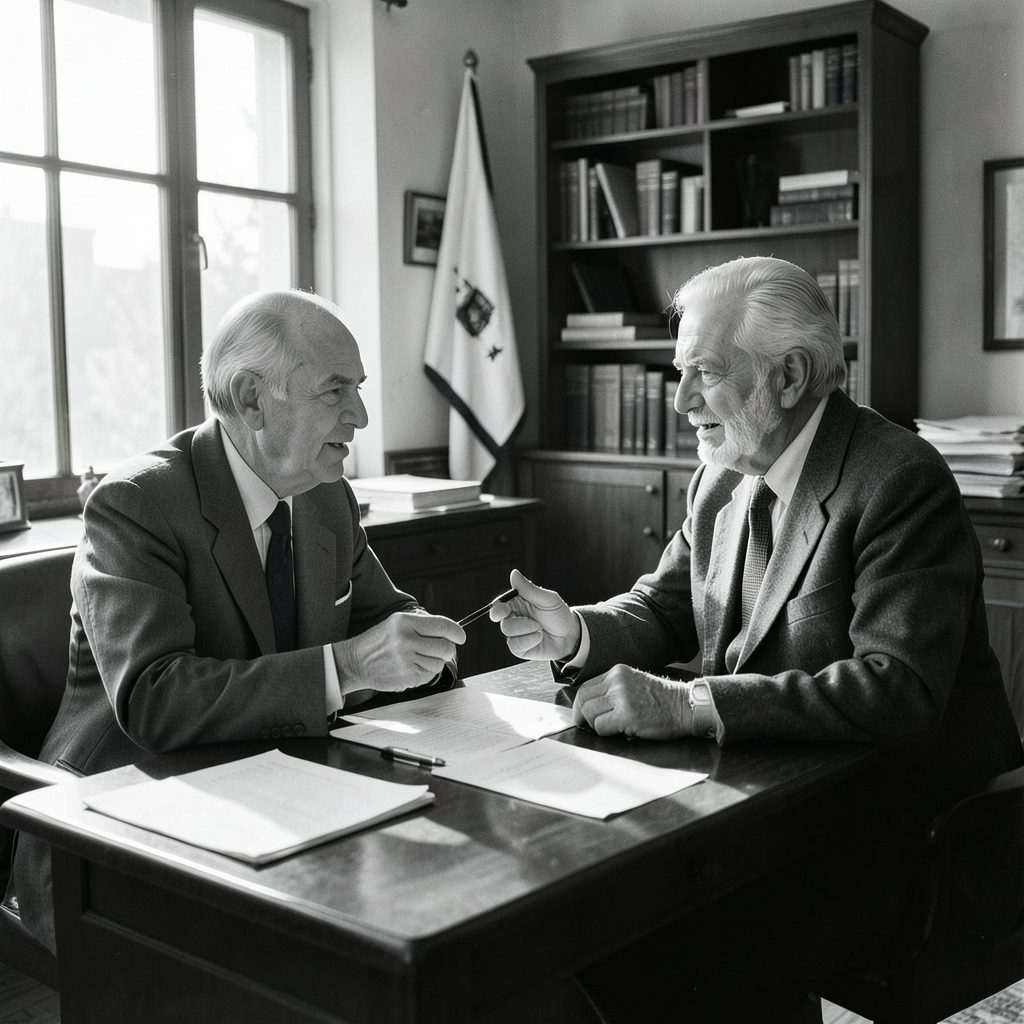
Explore Shagrir’s intimate photographic documentation of Russian immigrants arriving in Haifa during the 1990s, a pivotal moment in Israeli social history. Shagrir’s Record Of Russian Immigrants In 1990s Haifa Shagrir's portrait work extended into the highest echelons of government, including David Ben-Gurion, Moshe Dayan, and Ariel Sharon. His ability to gain access to these leaders was rooted in trust and a deep understanding of the political landscape. He did not merely document official ceremonies; he captured the unguarded expressions and subtle interactions that revealed character and conviction. These portraits are now considered essential visual documents of the nation's founding generation and its military architects.
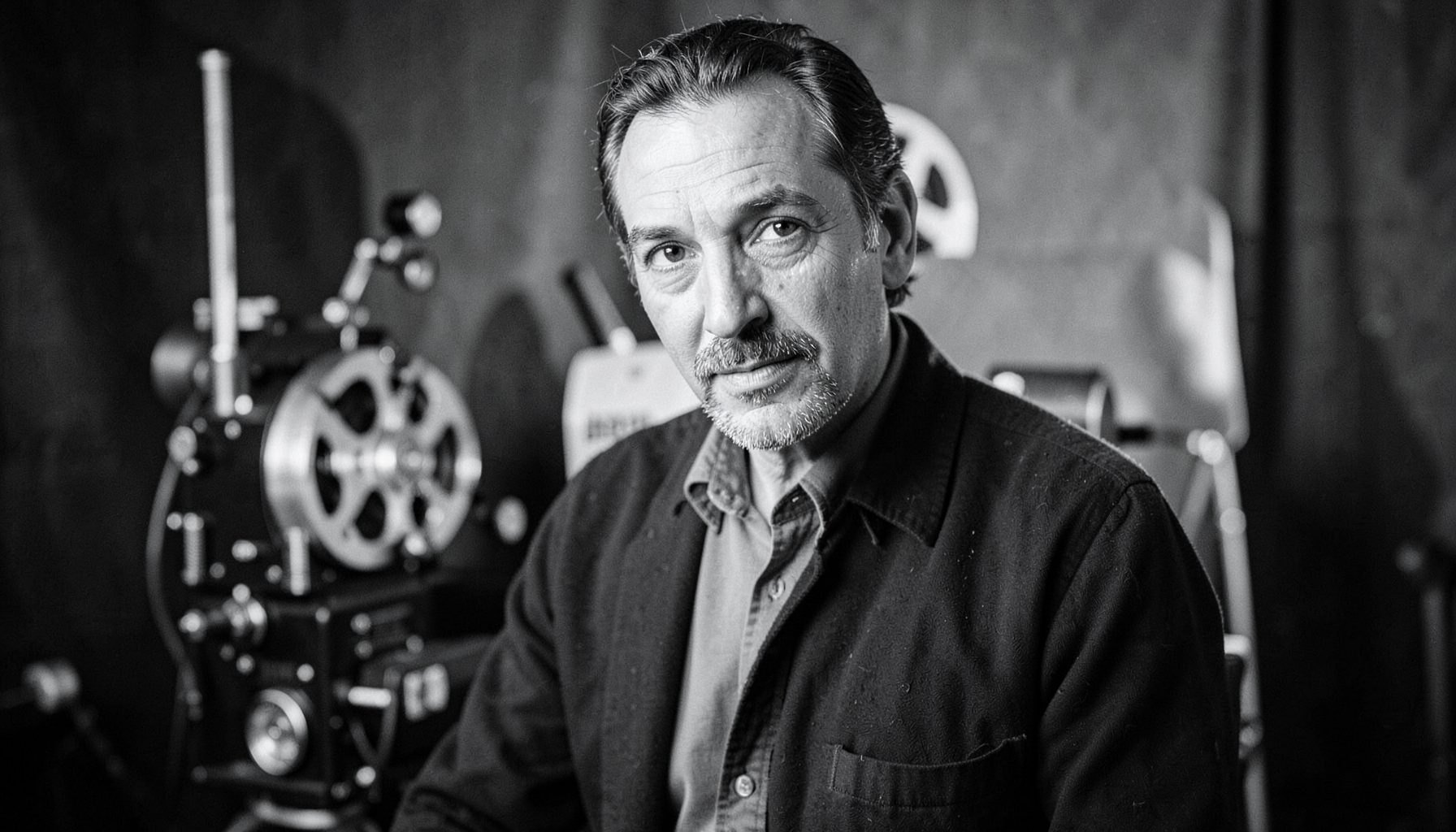
Beyond still photography, Shagrir established himself as a prolific filmmaker and producer. His documentary work explored themes of identity, memory, and national narrative, often focusing on individuals whose stories had been overlooked. He approached each project with a journalist's curiosity and an artist's sensitivity, weaving together archival footage, interviews, and original cinematography. His films have screened at festivals and on television, contributing to the broader cultural conversation about Israeli society and its complexities.
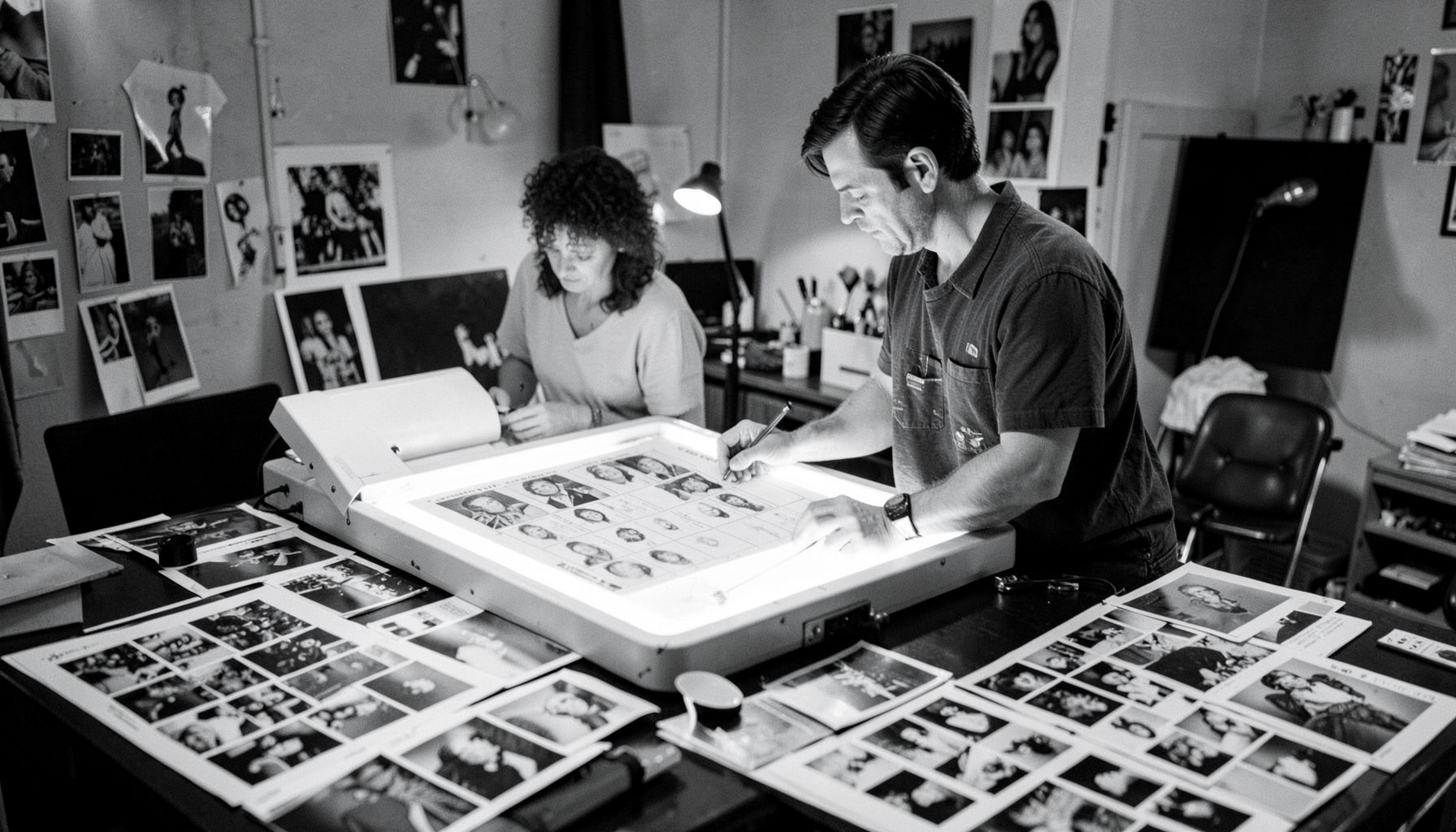
The Shagrir Collection houses an extensive archive of negatives, prints, and personal papers that span decades of activity. This repository is a resource for historians, curators, and researchers seeking primary source material on Israeli political and military history. The collection includes not only published works but also contact sheets, unpublished outtakes, and handwritten notes that offer insight into Shagrir's creative process. Preserving this archive ensures that future generations can continue to study and interpret his visual legacy.
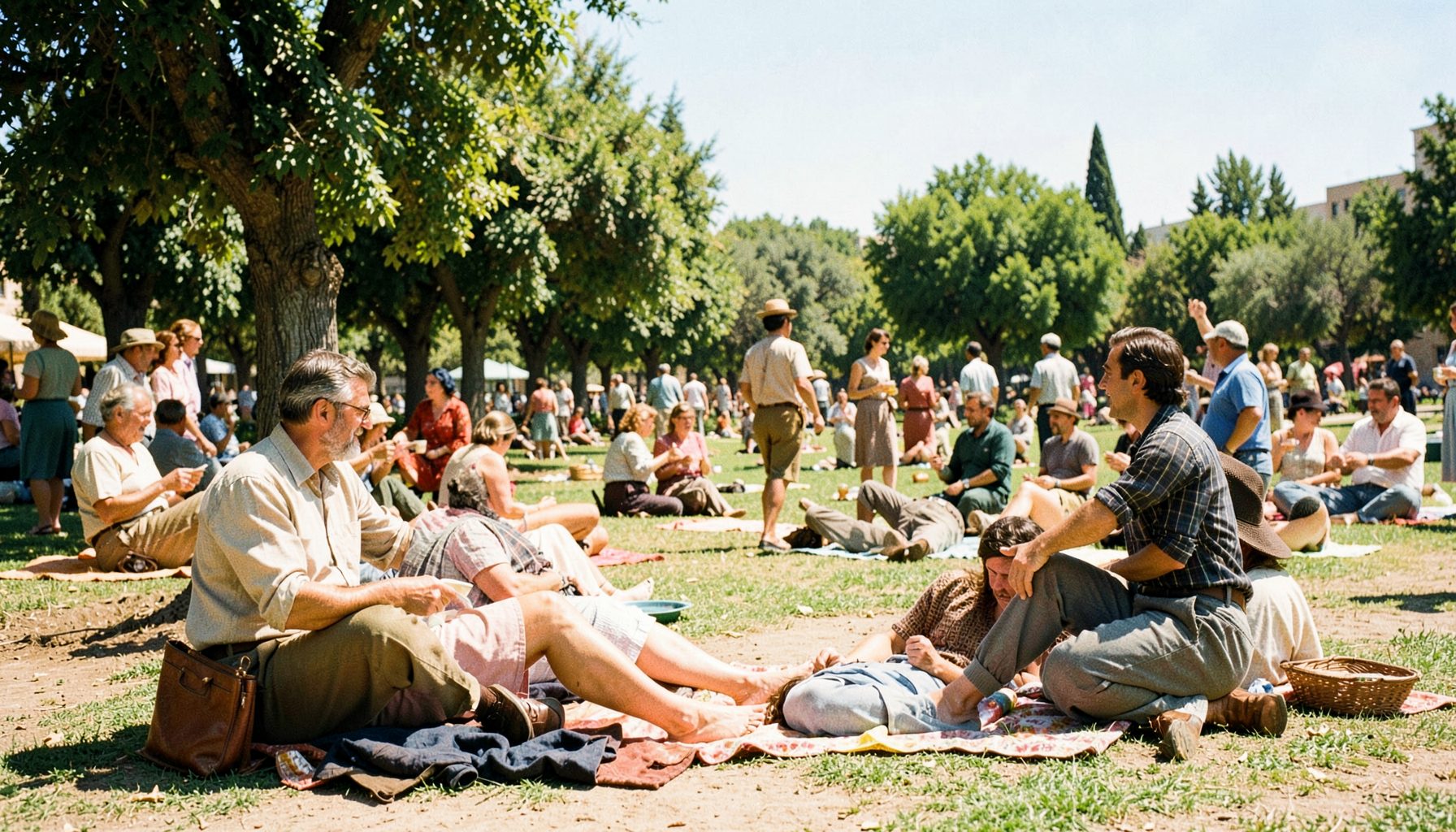
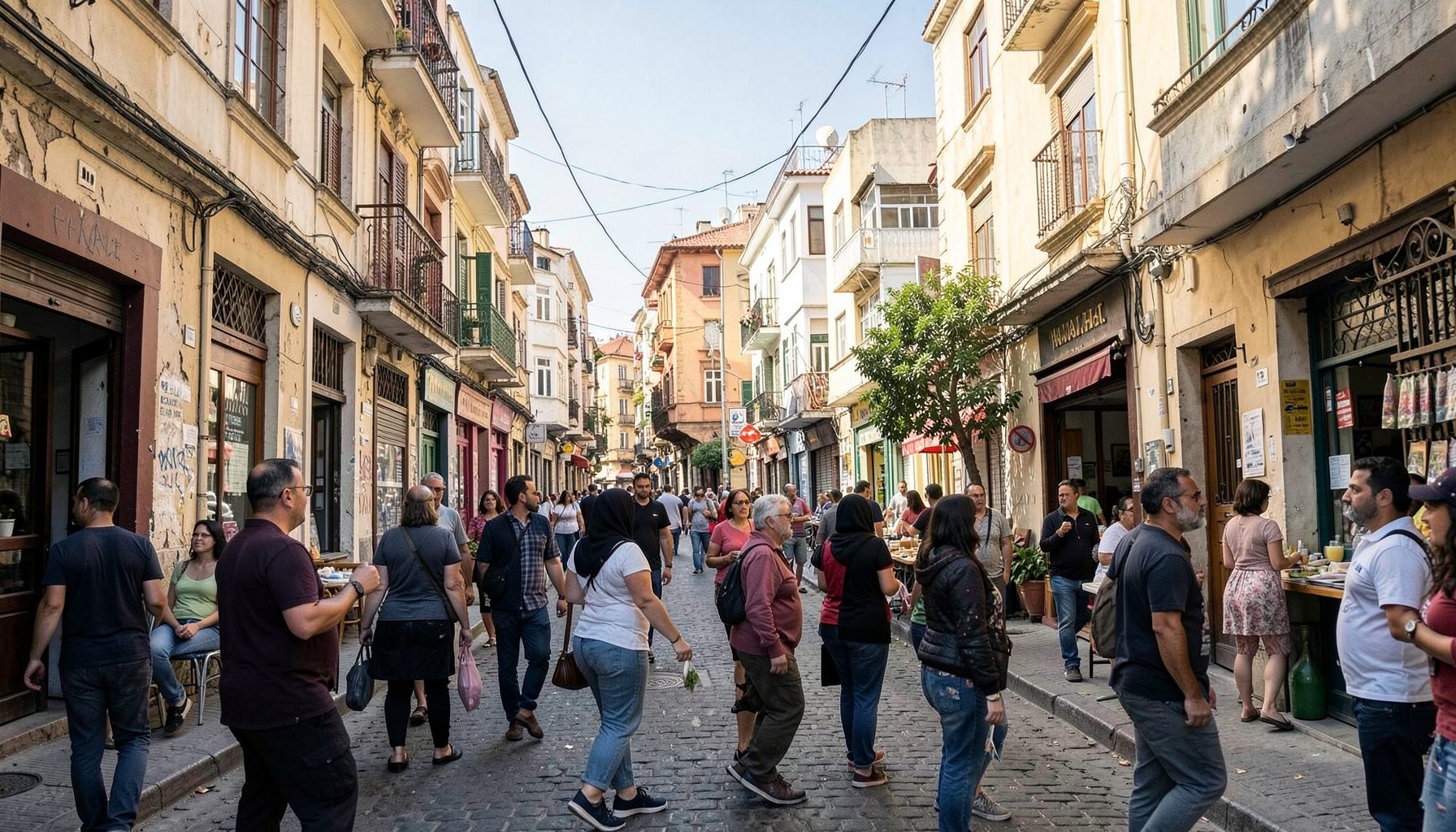
A recurring theme in Shagrir's work is his focus on the individual within larger historical currents. Whether photographing a soldier resting in a caravan near the Suez Canal or interviewing a civilian in a Jerusalem market, he maintained a humanistic approach. His images and recordings reveal empathy and an instinct for storytelling that transcends the merely factual. This perspective sets his work apart from institutional documentation, offering a more intimate and personal view of events that shaped a nation.
Shagrir's career coincided with the rise of modern Israeli media, and he played a role in shaping its journalistic standards. As both a reporter and a photographer, he understood the power of images and sound to influence public opinion. He was committed to accuracy and context, believing that responsible documentation required more than just being present. His body of work reflects a dedication to ethical storytelling and a belief in the importance of a free and independent press in a democratic society.
Supporters and donors have played a vital role in maintaining and expanding the Shagrir Collection. Their contributions enable ongoing digitization, cataloging, and exhibition of materials that might otherwise remain inaccessible. This collaborative effort between the archive and its community ensures that Shagrir's work continues to reach new audiences. Educational programs and public exhibitions further extend the collection's impact, allowing students and the general public to engage directly with primary historical sources.
The editorial design of the Shagrir Collection website reflects the same clarity and precision that characterized Micha Shagrir's own work. With a clean sans-serif typeface, subtle section dividers, and restrained use of color, the site prioritizes content and readability. Category tags and archival references are presented in a compact, magazine-like format that allows visitors to navigate the collection efficiently. This thoughtful presentation honors the material it contains, creating a digital space where history can be explored with focus and intention.