
Micha Shagrir And The Rise Of Israeli Documentary Cinema
Israeli documentary cinema grew from a country trying to record itself while its institutions, borders and public life were still taking shape. In this setting, filmmaking was rarely a detached exercise. Cameras followed soldiers, families, workers, politicians and new immigrants, creating visual records of a society negotiating conflict, modernisation and competing memories.
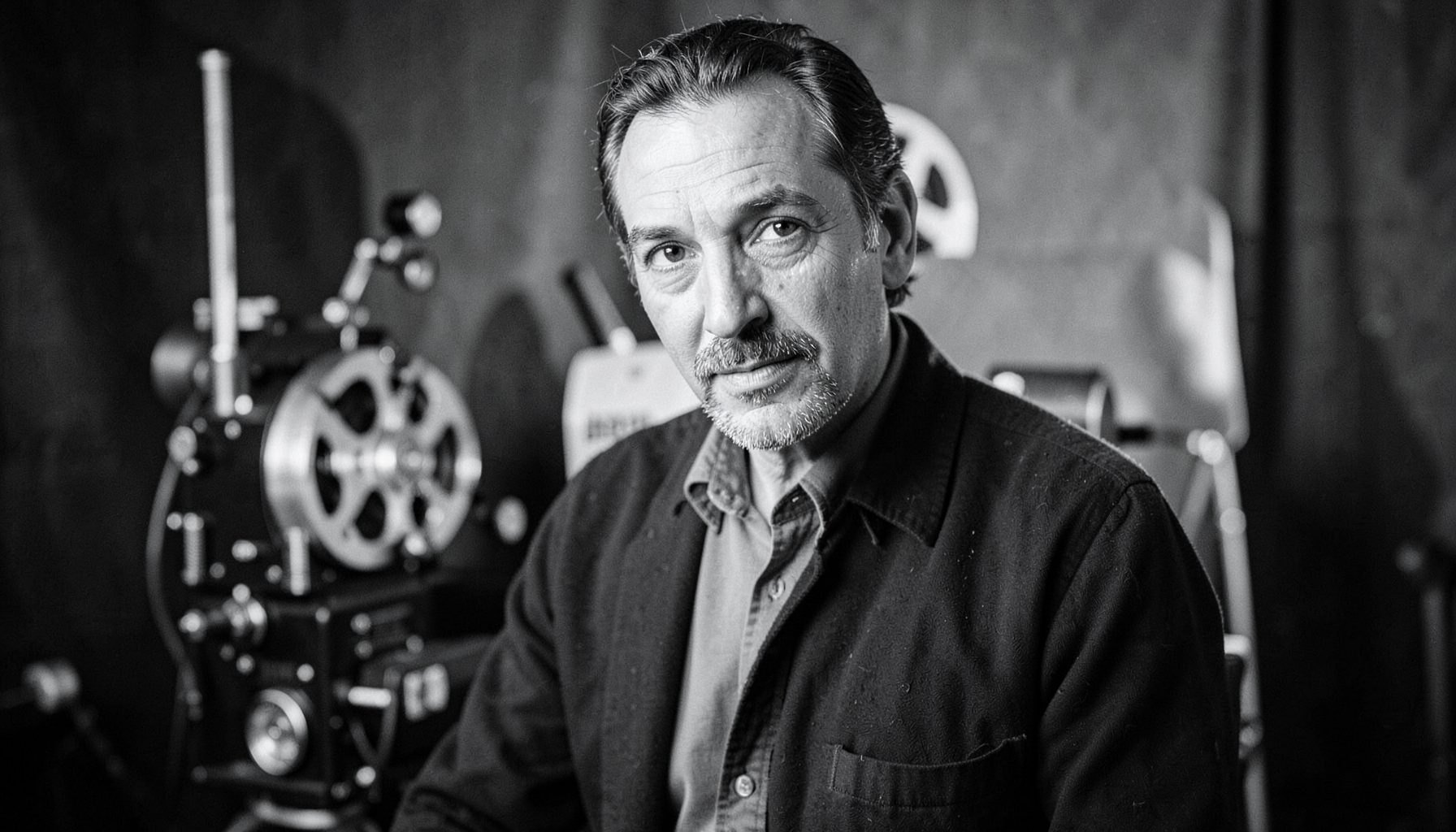
Micha Shagrir occupied a distinctive place within that development. He worked as a filmmaker, producer, photographer and journalist, moving between documentary production and the wider media world. His career shows how non-fiction film could serve as reportage, historical evidence and a form of cultural conversation.
The Shagrir Collection brings these strands together through films, photographs, negatives, recordings, papers and other primary sources. It offers more than a career biography: it reveals how documentary images were made, circulated and preserved across several decades of Israeli political and social history.
For Australian audiences, the collection has a particular resonance. People familiar with the documentaries of the Australian Broadcasting Corporation, SBS or the National Film and Sound Archive of Australia will recognise the importance of archives that preserve both finished programmes and the material behind them. Shagrir’s work invites a similar reading of Israel’s changing public record.
A Camera In A Young State
Documentary filmmaking in Israel developed alongside the construction of a new state and the expansion of mass media. Newsreels, television reports and commissioned films helped explain military events, political decisions, settlement and everyday life to audiences who were themselves living through rapid change. The boundary between journalism and documentary was often fluid.
Shagrir’s practice belonged to this energetic environment. His subjects could carry immediate news value while also revealing longer historical patterns: the language of public authority, the rituals of national identity and the personal cost of political decisions. By paying attention to people as well as events, he helped broaden the emotional range of Israeli non-fiction film.
This approach is useful for Australian viewers because it resembles the way local documentary has often connected public issues with individual testimony. A film about a remote community, a migration story or a veterans’ experience can become a record of national life when it gives ordinary voices enough room to challenge official accounts.
From Reportage To Historical Testimony
Shagrir’s background in journalism shaped his sense of timing, evidence and public responsibility. Documentary images could respond quickly to current events, yet they could also acquire new meaning years later. A sequence originally made for a news audience might become evidence of how a government presented a war, how civilians spoke about displacement or how a social movement was framed.
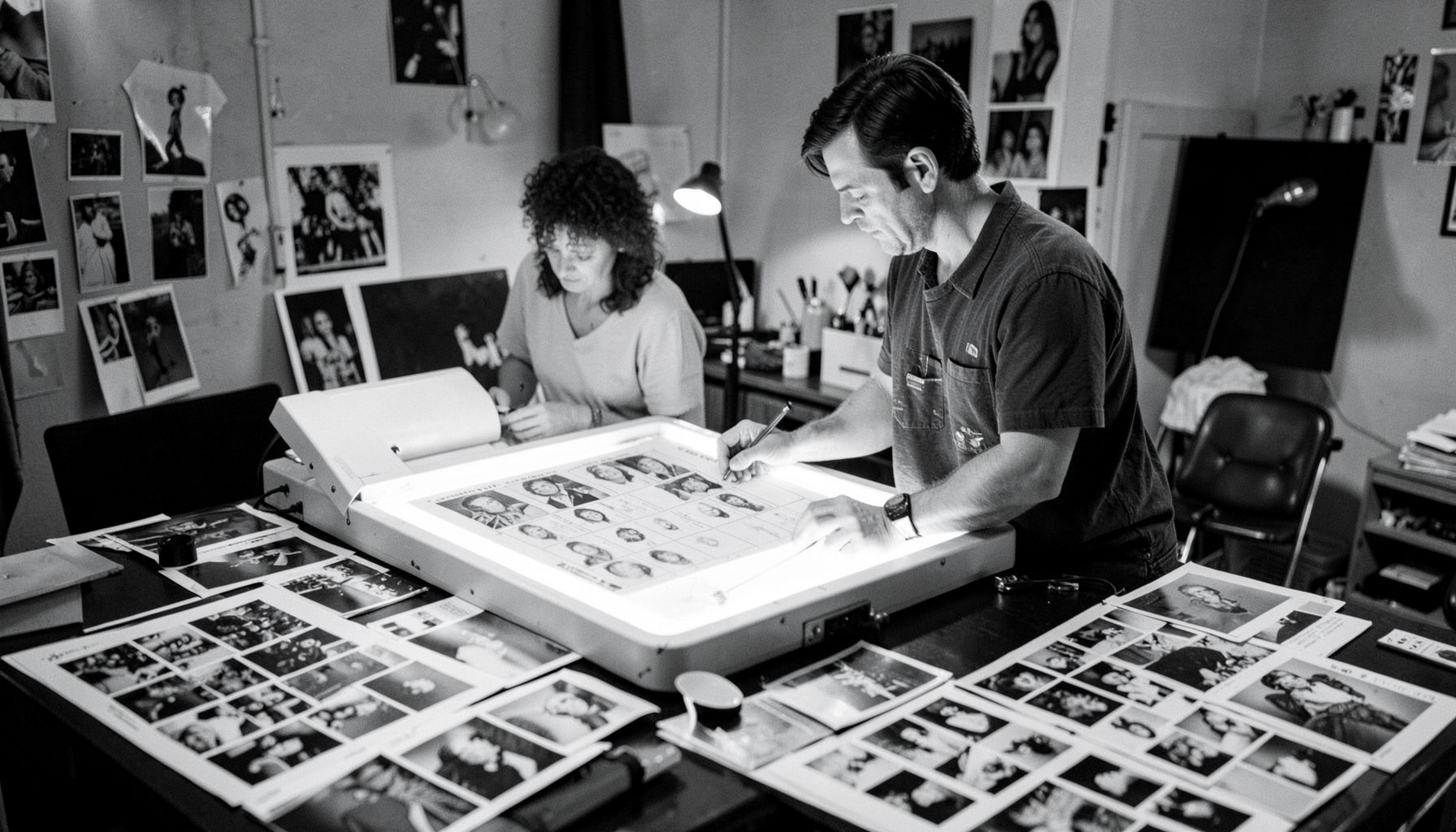
That changing meaning is central to the collection. Original negatives, contact sheets, prints, sound recordings and production documents can show decisions that disappear from a finished film. They may reveal alternate images, repeated interviews, handwritten notes or technical compromises. Such traces help researchers understand the production process rather than treating the screen image as a complete and neutral record.
The distinction matters in an age of constant digital recording. A phone video can spread globally within minutes, while its context may be lost just as quickly. Shagrir’s preserved materials demonstrate why metadata, provenance and careful description matter when visual journalism becomes part of the historical archive.
People, Power And The Everyday Frame
The political history surrounding Shagrir’s work is important, but documentary cinema also gains strength from its smaller observations. A face held in close-up, a pause during an interview, a crowded street or a family photograph can complicate the official story. These details make history tangible without reducing it to spectacle.
Photography was especially valuable in this respect. Still images can isolate gestures and relationships that moving footage passes over. In an archive, photographs may also connect public work with private life, showing colleagues, locations, travel and the practical conditions of production. They help researchers trace networks across filmmaking, journalism and cultural institutions.
For an Australian audience, this attention to the everyday may recall oral-history projects in Melbourne, Sydney or regional Queensland, where the tone of a speaker and the setting of an interview can matter as much as the statement itself. It also reflects how SBS documentaries often build understanding through a combination of personal testimony, archival footage and social context.
What The Collection Makes Visible
The archive’s value lies in the range of materials held together around one working life. Films provide the public narrative; photographs reveal visual habits; papers and recordings preserve planning, correspondence and memory. Together, they allow visitors to study both media history and the events represented by that media.
Key research possibilities include:
- Comparing final documentaries with surviving photographs, negatives or production records
- Tracing how political and military events were presented to Israeli audiences
- Studying interview styles, editing choices and documentary storytelling methods
- Examining links between journalism, broadcasting, photography and public culture
- Following the preservation history of fragile analogue formats
This breadth also supports exhibitions and education. Students can learn that a film is made through many decisions involving access, framing, sound, editing and distribution. Researchers can investigate how historical evidence is shaped before it reaches a cinema, television screen or classroom.
Preservation requires practical support as well as intellectual interest. Digitisation, cataloguing and storage are expensive, particularly when collections include ageing film stock, magnetic recordings and photographic materials. People who want to help sustain this work can learn about the collection’s supporting partners, whose contribution helps expand access to primary sources.
A Resource For Australian Researchers And Audiences
The collection has clear relevance for Australian universities, museums, filmmakers and community historians. Scholars working on documentary ethics, Middle Eastern history, migration, conflict reporting or visual anthropology may find connections with Australian holdings. The National Film and Sound Archive in Canberra, state libraries and university repositories face comparable questions about selection, access and long-term preservation.
There is also a useful local market perspective. Australian audiences often discover international documentaries through film festivals, public broadcasters, subscription platforms and cultural institutions rather than through commercial cinema alone. In Sydney and Melbourne, festival programmes can place historical films beside contemporary investigative work; in Perth, Adelaide or Hobart, touring exhibitions and cinematheque screenings can provide different routes into archival material.
The way people talk about documentary matters here, too. Terms such as “real stories”, “community history” and “on the ground” often carry more appeal than specialised academic language. Presenting Shagrir’s work through those accessible ideas can help connect an Israeli archive with viewers who already value First Nations testimony, migrant histories and public-interest journalism.
Researchers seeking permissions, access information or collection details can use the archive’s research contact to establish an appropriate starting point. Clear communication is essential when a project involves unpublished photographs, audiovisual excerpts or materials whose rights may involve several parties.
Viewing, Teaching And Reusing Archival Material
An archive becomes active when people can interpret its contents responsibly. Teachers might use a photograph beside a documentary excerpt and ask students what each format includes or leaves out. Filmmakers can examine editing rhythms and interview structures, while historians can compare personal testimony with official records. These approaches make media literacy part of historical study.
Reuse also requires care. Copyright, moral rights, privacy and permissions can differ between photographs, films, written documents and sound recordings. Researchers should check the collection’s copyright guidance before reproducing material in a publication, exhibition, classroom resource or new film.
The comparison below shows how Shagrir’s documentary practice can be understood beside related forms of non-fiction media. These categories overlap, yet each places different pressure on time, evidence and audience.
| Form of non-fiction media | Primary purpose | Typical relationship with time | Archival value |
|---|---|---|---|
| News report | Explain a current event quickly | Immediate and short-term | Records public framing at a particular moment |
| Television documentary | Explore an issue through research and testimony | Medium-term, shaped for broadcast | Preserves arguments, voices and production choices |
| Photojournalism | Convey an event or condition through still images | Instantaneous yet open to later reinterpretation | Captures visual detail and social atmosphere |
| Oral history | Preserve personal memory and experience | Reflective, often recorded after events | Documents emotion, language and contested recollection |
| Shagrir’s broader archive | Connect films, images, papers and recordings | Spans production and later historical use | Enables research into both events and media-making |
Seen this way, Micha Shagrir’s importance extends beyond individual films. His body of work belongs to the rise of Israeli documentary cinema because it joined immediacy with reflection, journalism with visual storytelling, and public history with personal evidence. The preserved collection keeps those relationships available for future viewers, including Australians encountering Israel’s past through the craft of documentary.