Six Days from a Jeep Seat: Shagrir's Frontline Lens in 1967
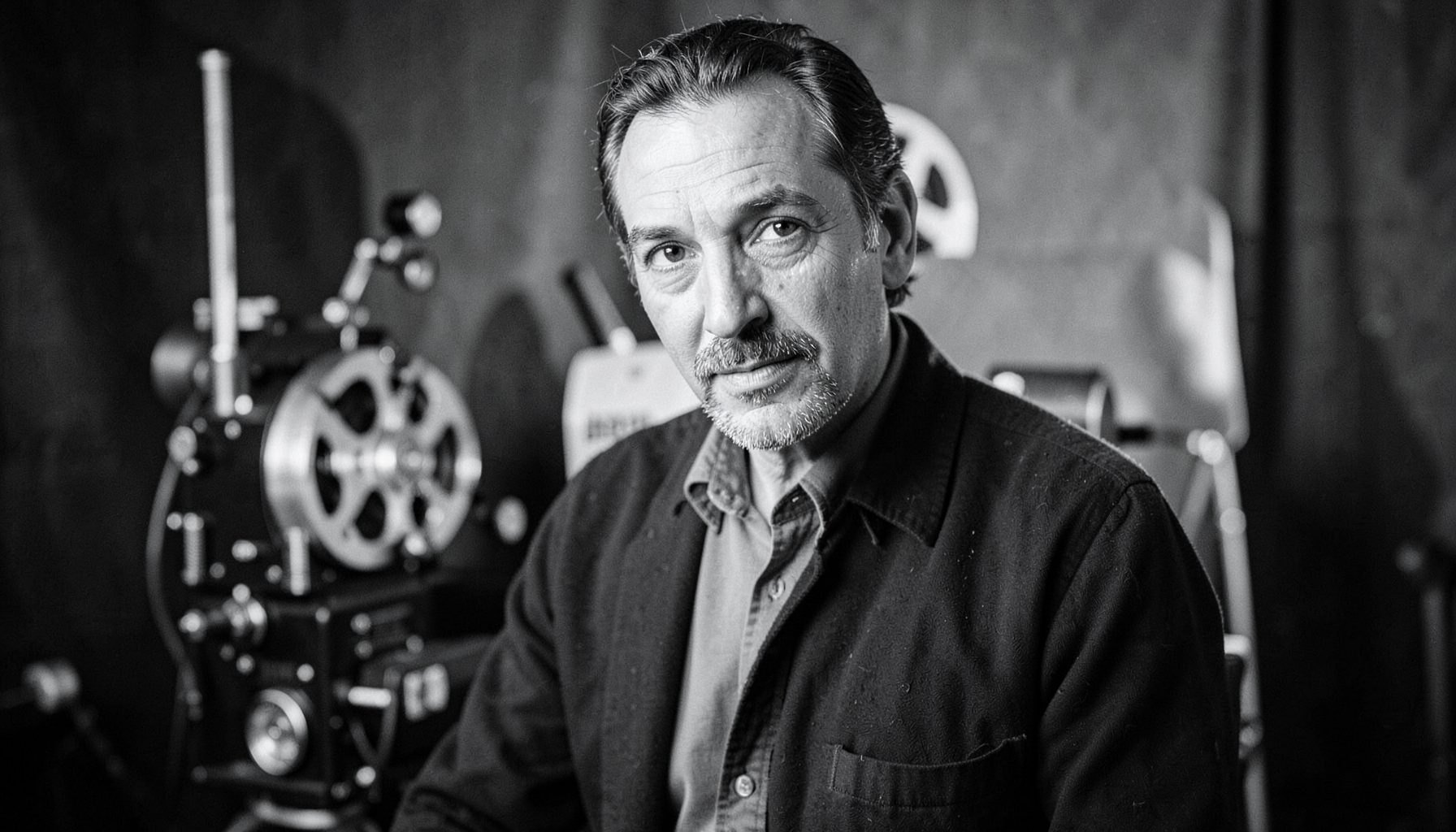
When the order came down in June 1967, Micha Shagrir did what photographers and cameramen across several generations had learned to do when history accelerated: he grabbed a camera, found transport, and pointed his lens forward. What made his coverage of the Six-Day War different from anyone else's was the vehicle itself. Shagrir drove a jeep through the Sinai and into the newly contested ground of the West Bank, recording the conflict from the passenger seat rather than a fixed observation post. The result was a body of footage that felt closer to ground truth than the polished newsreels that had dominated earlier conflicts.
Filming from a moving platform was technically punishing in 1967. Zoom lenses were heavy, gyro stabilisers were rare, and the 16mm cameras Shagrir favoured required a steady shoulder to keep the frame usable. A jeep, however, offered speed, mobility, and the ability to keep pace with advancing units while still providing a relatively stable filming position compared with a tank's gun barrel or a soldier on foot. That combination of reach and rough stability was exactly what documentary film needed to convey the scale of a war that unfolded across three fronts in under a week.
The footage Shagrir and his team captured has since travelled far beyond the Middle East. Researchers in Sydney, documentary programmers in Melbourne, and educators across Australia have drawn on his reels to study how visual journalism shaped public understanding of one of the twentieth century's most consequential conflicts. What follows is an account of the day that launched that journey, the techniques that made it possible, and the reasons his jeep-mounted camera work still resonates.
Before Sunrise at the Convoy Yard
Shagrir's day began well before first light. A military liaison officer had arranged transport from Tel Aviv to the staging area in the south, and the photographer had prepared his equipment the night before, loading spare magazines, extra film stock, and a backup Bell & Howell into the footwell. As dawn broke over the convoy yard, the air already smelled of diesel, dust, and the nervous energy that precedes any major offensive. He checked his exposure meter one final time, swung himself into the passenger seat, and tapped the driver on the shoulder.
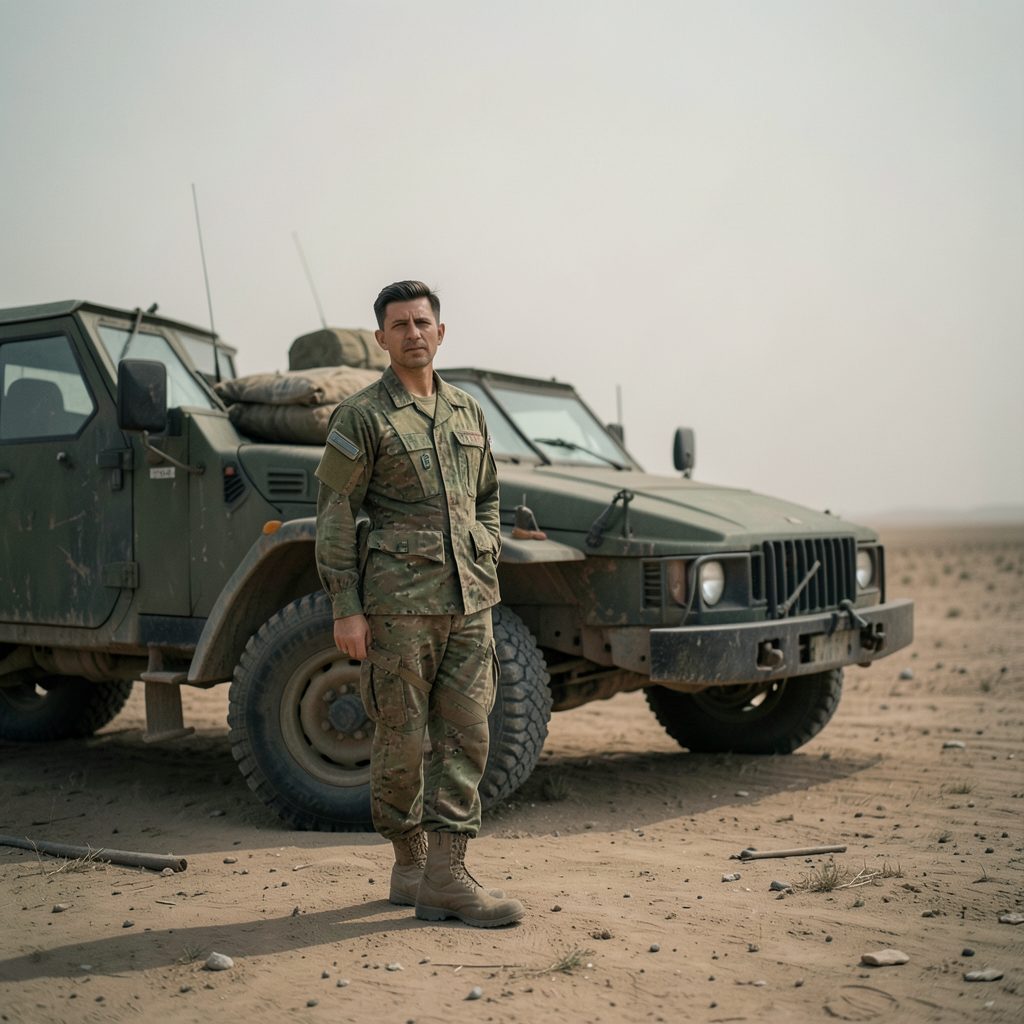
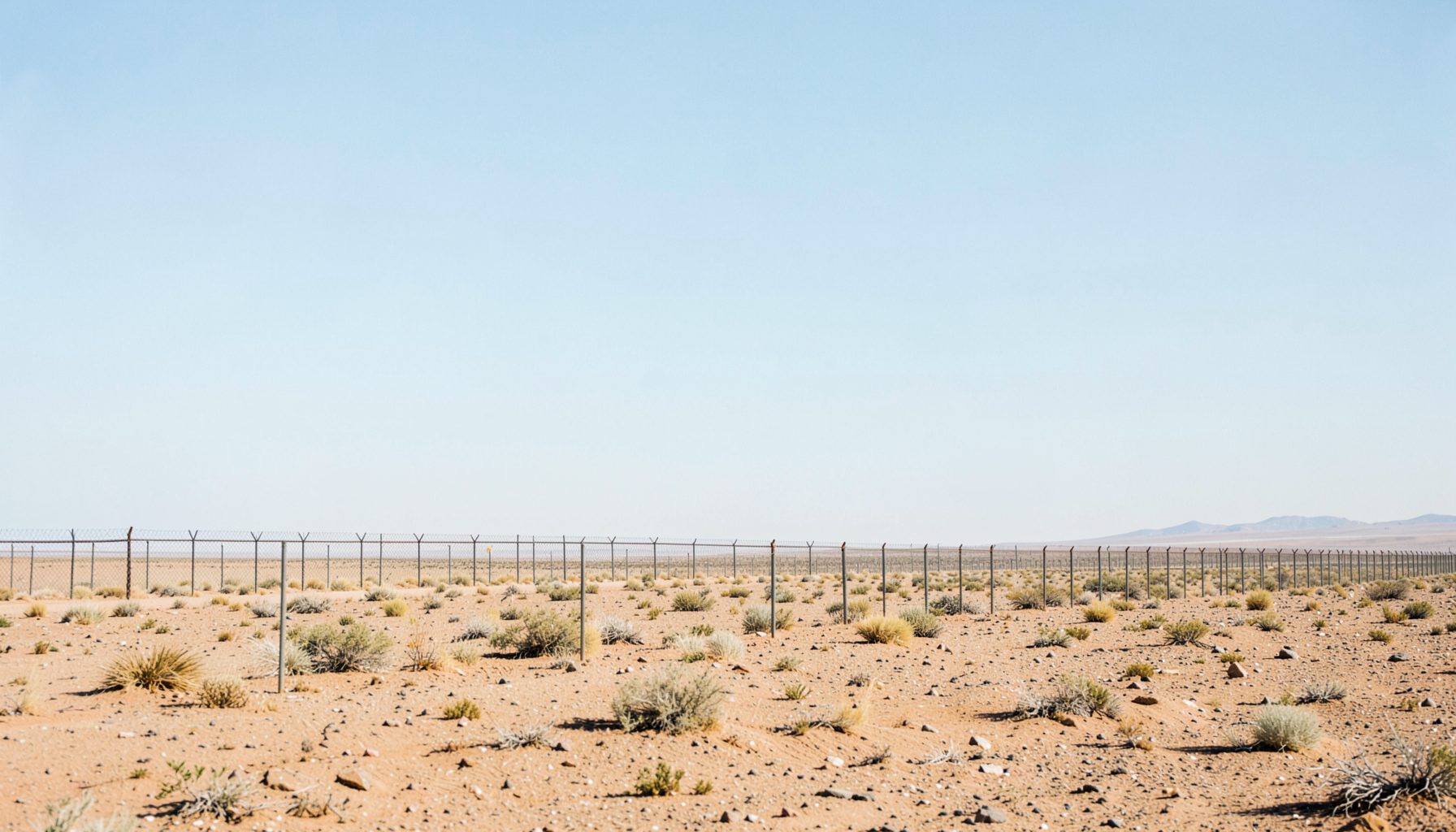
The route southward crossed terrain that would be familiar to anyone who has driven through the Australian outback near Broken Hill or through the red sand country of South Australia's north. The horizon stretched flat and pale, the dust rising in plumes that hung in the early light. Shagrir kept the camera low, occasionally letting it rest on the jeep's side panel for stability, snapping reference shots of the convoy stretching behind them. Those opening frames would later anchor news bulletins in living rooms from Tel Aviv to Brisbane.
By the time the column reached its forward position, the sun had climbed and the sky over the Sinai was the colour of bleached bone. Shagrir stepped out of the jeep just long enough to stretch, change magazines, and scribble a note in his production book. Inside the script margin he wrote a single word in Hebrew: "Go." It was the cue to his sound recordist, perched on the vehicle's rear, that the next take was rolling.
A Camera That Had to Move
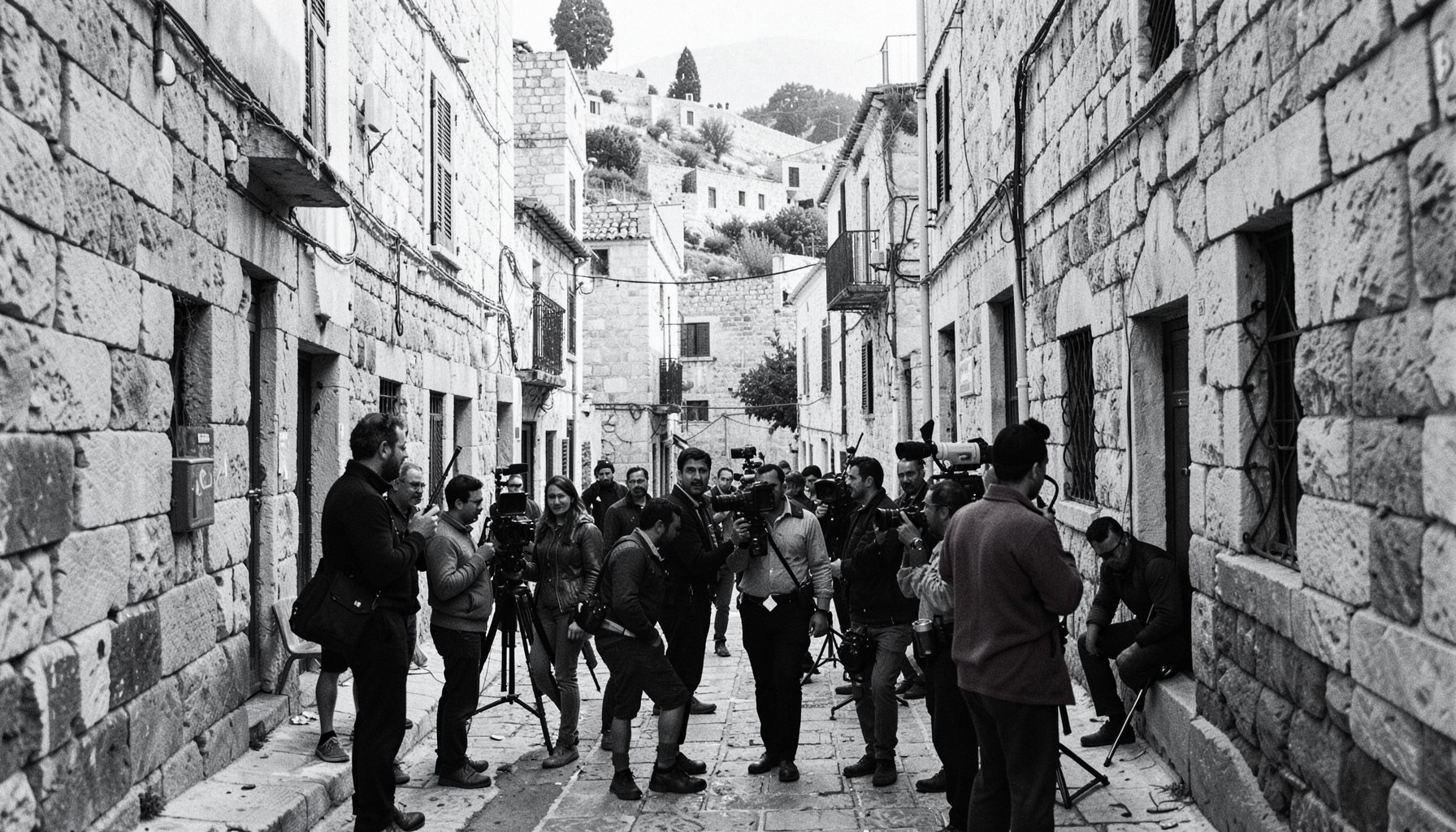
Most war footage produced before 1967 was filmed from elevated positions, trenches, or prepared press pools. What Shagrir brought to the Six-Day War was a commitment to embedded coverage, the willingness to ride with the troops rather than wait for staged briefings. The jeep gave him a hybrid vantage point: high enough above the action to capture flanking movements, low enough to remain within the soldiers' world. He framed his shots the way a cinematographer frames a chase sequence, anticipating where the fighting would move next rather than recording where it had already been.
For an Australian audience familiar with the visual vocabulary of the Vietnam War, much of which reached local living rooms through ABC television news bulletins in the late 1960s and early 1970s, the parallel is instructive. Press cinematographers in Saigon and Hue worked under similar technical constraints, but they rarely had the freedom to position themselves at the head of a column. Shagrir's access was unusual, a product of his long-standing relationships with senior officers and his willingness to accept military conditions that other journalists declined. The trust built over years of covering border incidents suddenly paid off when the cameras mattered most.
The aesthetic result was striking. Footage from a stationary position tends to accentuate stillness and drama; footage from a moving vehicle creates its own rhythm, a syncopation of road noise, wind, and engine vibration. Viewers feel the road beneath the wheels, the urgency of the advance, and the fragility of the camera operator who has chosen his seat inside history's path. That visceral quality is one reason Shagrir's reels still surface in documentaries decades after the events they record.
The Evidence on the Reels
Beyond their immediate news value, the images Shagrir captured in 1967 function as primary-source evidence. Researchers examining the conflict's military geography, the condition of captured equipment, or the atmosphere of towns that changed hands during those six days can study the footage frame by frame. The moving image carries information that still photographs cannot compress. A photograph of a surrendered column shows the moment; Shagrir's jeep footage shows the column as it arrived, departed, and dispersed.
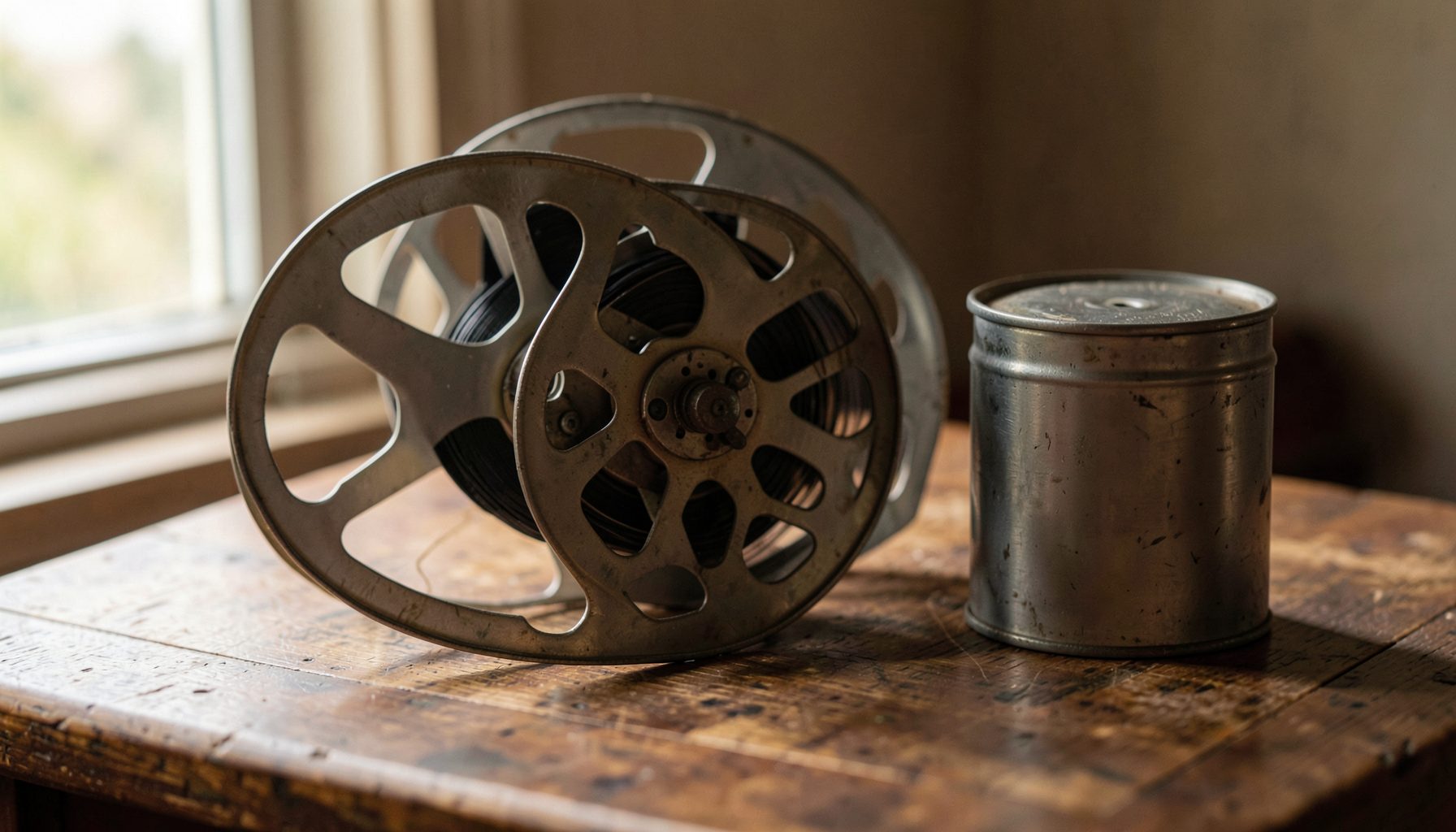
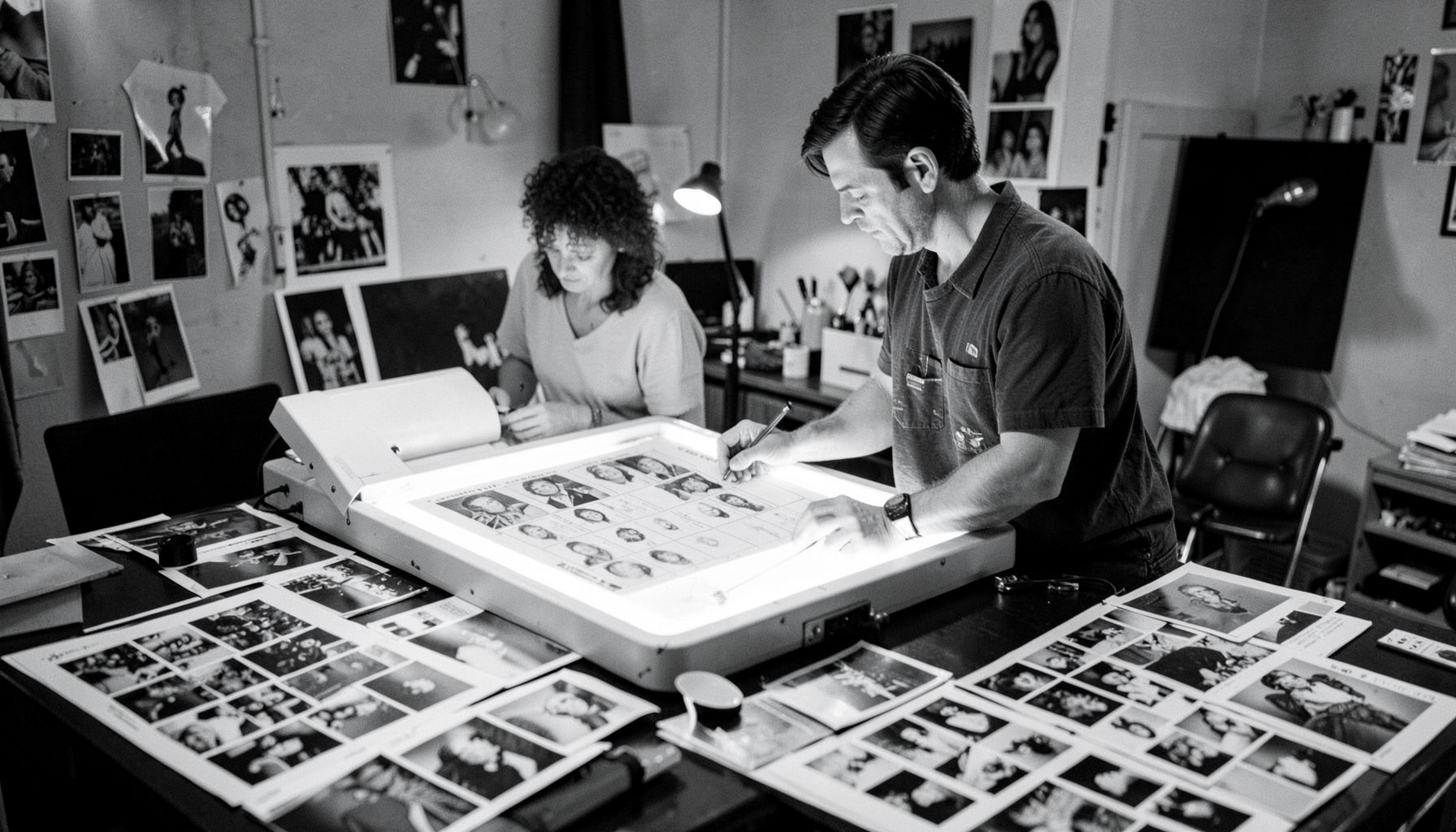
This evidentiary role is why archives such as the one curated around Shagrir's career treat preservation as seriously as acquisition. The negatives, prints, recordings, and personal papers accumulated over decades require controlled humidity, careful cataloguing, and constant migration from obsolete formats onto contemporary digital storage. Visitors to institutions such as the Australian War Memorial in Canberra will recognise the same procedural rigour applied to holdings from Gallipoli, Vietnam, and East Timor. Archival stewardship has its own international standard of care, and Shagrir's Six-Day War reels now meet that standard.
For researchers, educators, and filmmakers who want to study the material in depth, the archive's film holdings are organised in the collection's film catalog, where each reel carries metadata covering date, location, camera operator, and rights status. That index makes it possible to build lesson plans around specific incidents, compare camera angles between units, and trace how different crews documented the same engagement.
Permissions and Modern Use
Long after a war ends, its footage enters a second life shaped by copyright law, editorial standards, and the wishes of those who appear in the frame. Shagrir was meticulous about ownership throughout his career, and the archive continues that discipline today. Broadcasters, museums, and universities that wish to reuse his footage are expected to follow documented procedures for licensing, attribution, and clearance. The rules exist not only to protect the photographer's commercial interests but also to honour the soldiers and civilians who appear in the frame and who, in many cases, did not survive the conflict.
Anyone planning to use Shagrir's material in a new production should consult the archive's permissions and licensing terms before negotiating rights with downstream distributors. Australian broadcasters, in particular, have grown accustomed to robust clearance practices in the wake of high-profile disputes over wartime imagery, and a quick check of the Shagrir archive's policy pages saves considerable time later in the production chain.
Why the Jeep Matters as Symbol
A vehicle in war photography rarely draws attention to itself. The tank, the helicopter, and the command car each carry obvious narrative weight; the jeep, by contrast, is the unassuming workhorse, the truck that no-one applauds because it was there all along. And yet Shagrir's jeep became something more than logistics. It became a moving observation post, a recording booth, and a piece of personal history he would reference in interviews for the rest of his career.
The jeep also set a practical precedent for the embedded journalists who followed. When American, British, and Australian crews entered later conflicts, they often negotiated access on terms first normalised by photographers like Shagrir. The journalist rode with the unit, slept where the unit slept, and emerged with material that bore the marks of lived experience rather than staged reconstruction. That working method, now standard in conflicts from Iraq to Ukraine, owes much to the precedent Shagrir set on dusty Sinai roads in June 1967.
Where Australians Can Engage with the Archive
For readers based in Australia, several entry points exist into the wider world of Shagrir's documentary work. The Jewish Museum of Australia in Melbourne has hosted programs exploring Israeli visual history, and documentary festivals in Brisbane and Sydney regularly screen restored archival material from international conflicts. Universities across the country maintain partnerships with Israeli institutions, and postgraduate students in media studies frequently cite Shagrir's jeep footage as a case study in mobile cinematography. Even coffee-table readers browsing local bookshops will find illustrated histories of the Six-Day War featuring frames lifted directly from his reels.
Those who want a curated starting point can explore the archive's online catalogue, request viewing access to specific reels, or arrange a research visit. Each pathway offers a slightly different way to engage with one of the twentieth century's most consequential weeks, as seen from a vibrating passenger seat, through a 16mm lens, by a photographer who understood that the road itself could be part of the story.
Working with Shagrir's Footage: Practical Guidance
- Identify the specific reel you need before contacting the archive, using the metadata in the online catalogue to confirm date, location, and running time.
- Allow at least four weeks for licensing review if your production has a broadcast or commercial distribution window.
- Request a low-resolution preview file for editorial review before committing to a master quality transfer.
- Check whether a cleared version already exists in archival partnerships with Australian broadcasters, which can shorten turnaround considerably.
- Budget for subtitle and dubbing work if your target audience requires translation or accessibility adjustments.
- Credit Shagrir and the archive on screen, in programme notes, and in any online promotional material, following the format provided in the licensing paperwork.
- Consider pairing Shagrir's footage with contemporaneous still photography to widen the visual range of your piece while staying inside the cleared rights package.