Micha Shagrir's eye: faces that shaped a nation
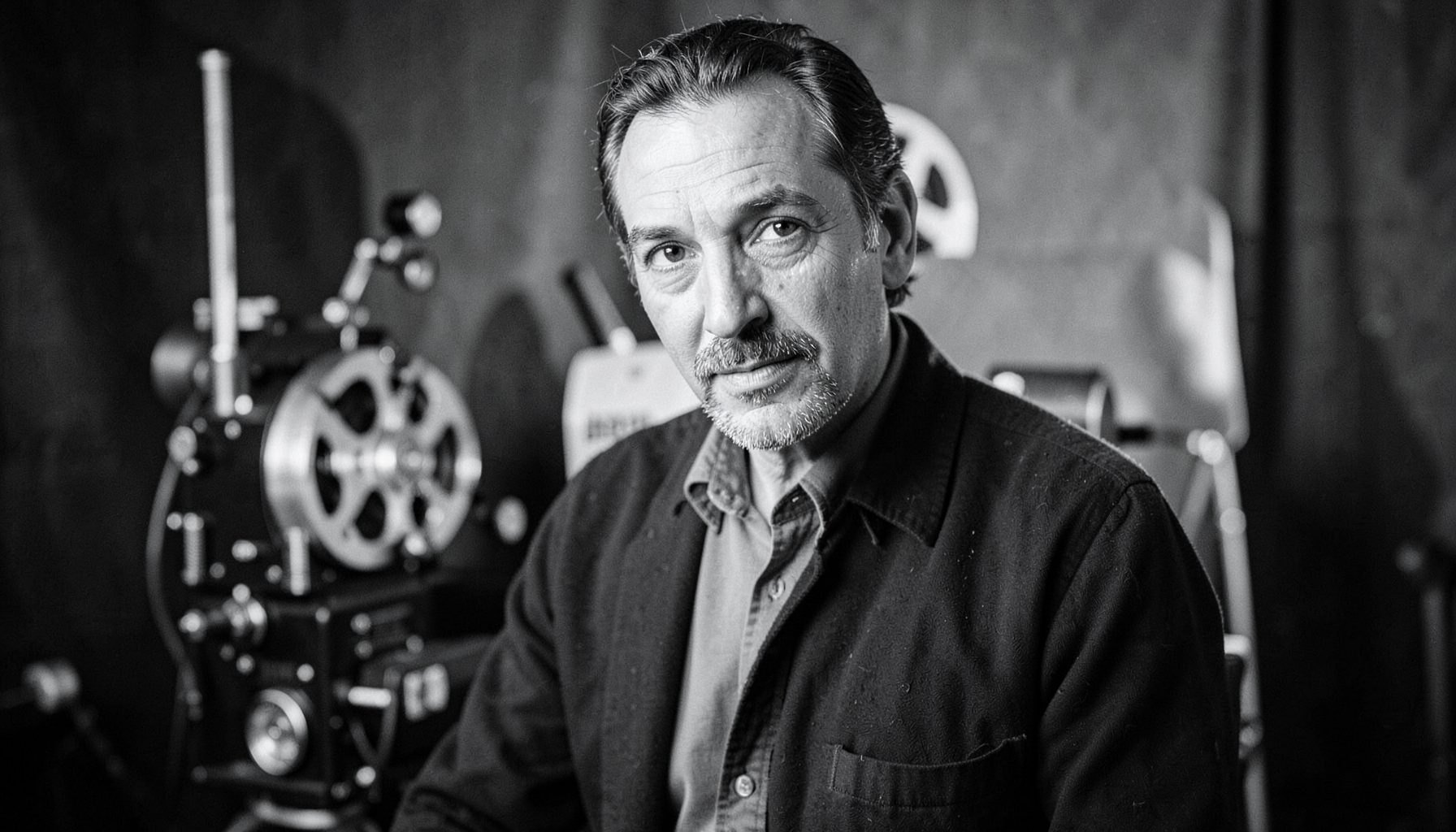
For decades, the corridors of Israeli power were rarely captured with the intimacy and persistence seen in the work of Micha Shagrir. A filmmaker, producer, and photographer who moved between newsrooms, documentary sets, and the inner sanctums of government, Shagrir built a visual record of Israeli political life that few contemporaries matched. Today, that record lives on through the Shagrir Collection, an online archive that gathers his negatives, prints, films, and personal papers in a single searchable home. For researchers, educators, and curious viewers from Sydney to Perth, the collection offers a remarkable window into moments that shaped the modern Middle East.
Australians who have grown up watching foreign affairs programming on SBS or who have spent afternoons browsing the National Film and Sound Archive in Canberra will recognise the value of such a primary-source repository. Shagrir's photographs are not merely portraits; they are documents of negotiation, ceremony, protest, and grief, captured with the patience of someone who understood that history is made in unguarded glances as much as in signed communiqués. The archive preserves these moments alongside contextual material, allowing viewers to trace the evolution of Israeli political culture from the early statehood years through the turbulent decades that followed.
Early encounters with power
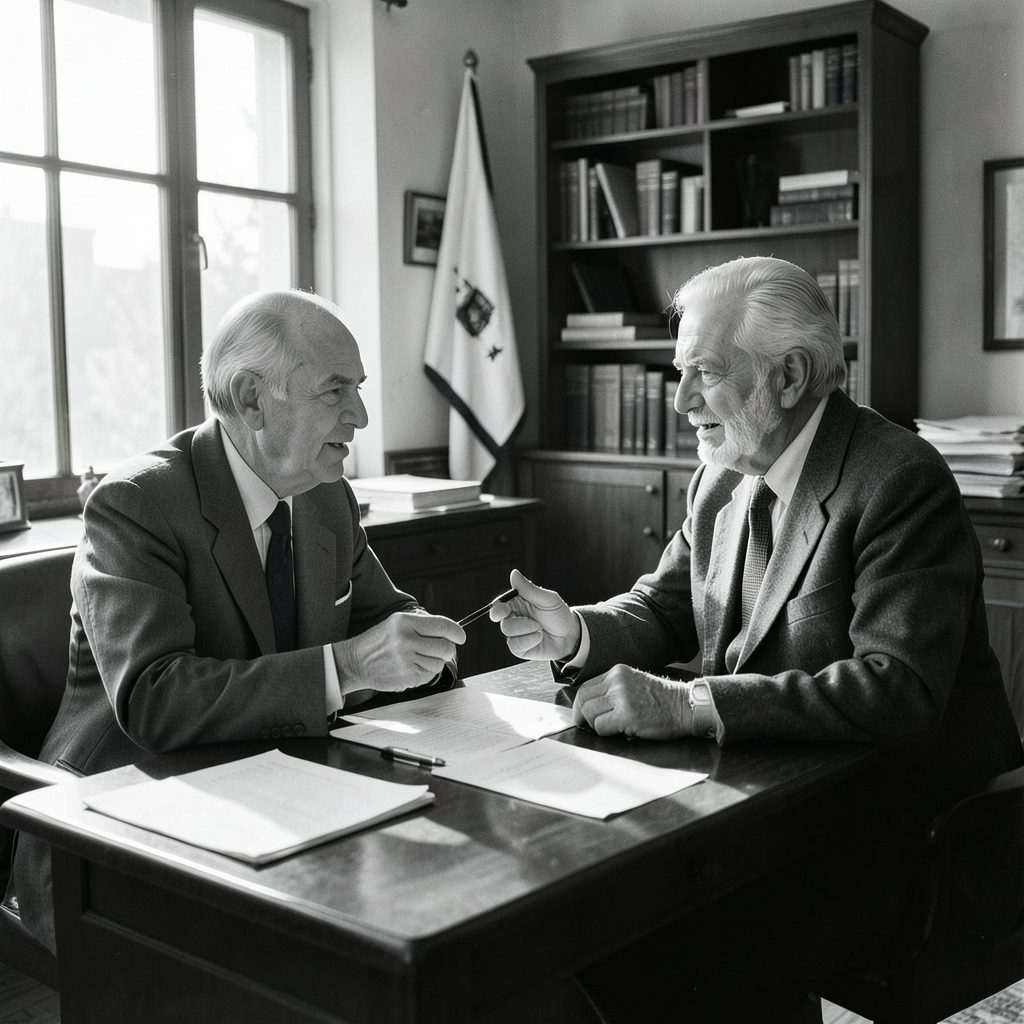
Shagrir's introduction to political photography came in the early years of the Israeli state, when institutions were still finding their permanent shape. Working as a young journalist and cameraman, he gained access to cabinet meetings, Knesset sessions, and diplomatic gatherings that would have been closed to most outside photographers. His frames from this period show figures such as David Ben-Gurion, Moshe Sharett, and the emerging cadre of military and civilian leaders in unguarded conversation, reading briefs, or pausing between takes of formal portraits. The grain of the era's black-and-white stock lends these images a documentary weight that colour reproductions cannot replicate.
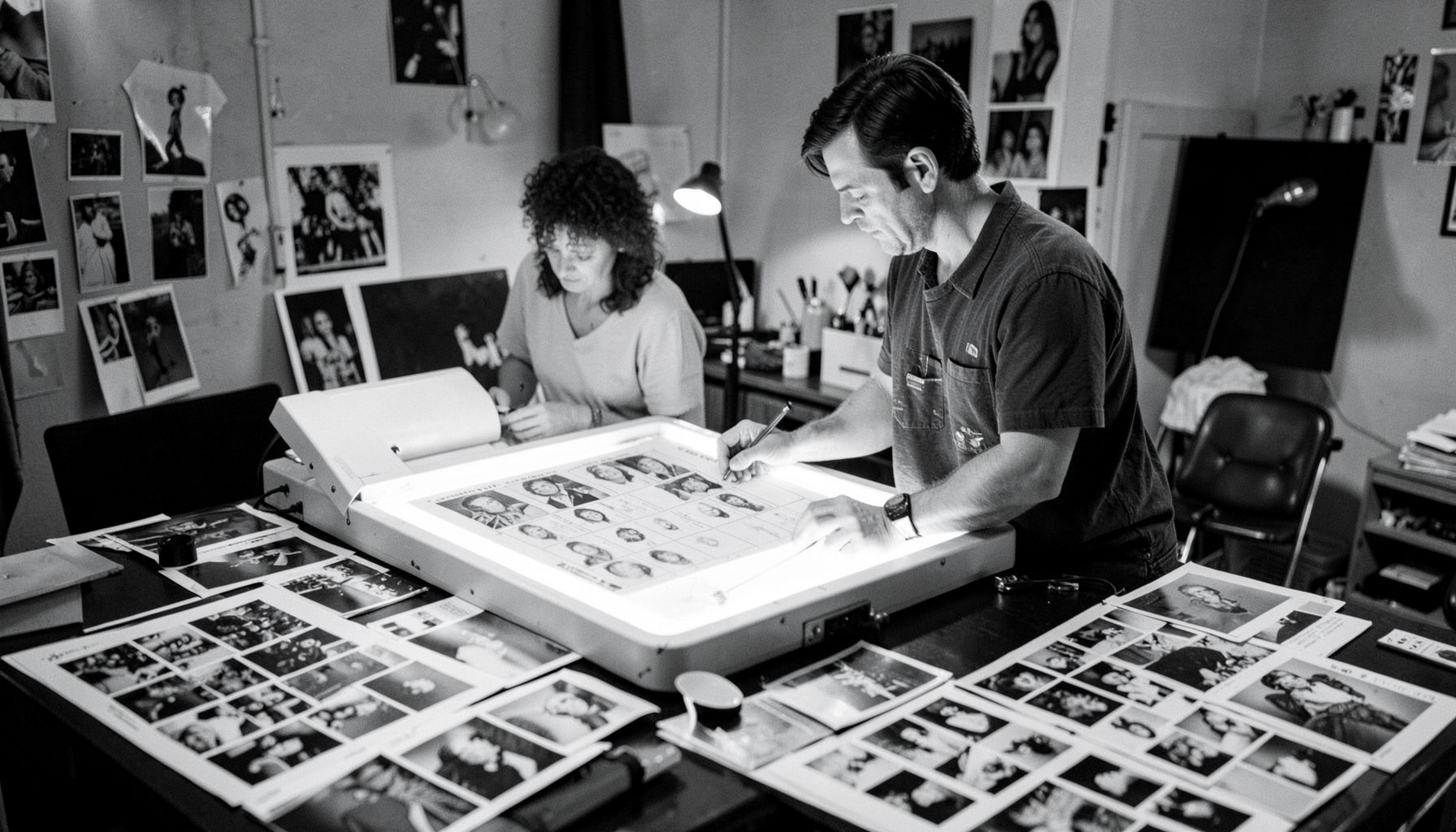
What distinguishes Shagrir's early work from standard press photography is the sense of continuity he maintained with his subjects. Rather than treating political encounters as one-off assignments, he returned to the same individuals across years, building a longitudinal portrait of leadership in transition. Researchers using the collection can follow a minister's career from early cabinet appointment through resignation or electoral defeat, all through the same careful eye. That kind of sustained observation is rare in any national archive, and it places the Shagrir Collection alongside major political photography holdings in institutions like the Powerhouse Museum in Sydney, which similarly preserves the visual fabric of Australian public life.
The cabinet, the Knesset, and the candid frame
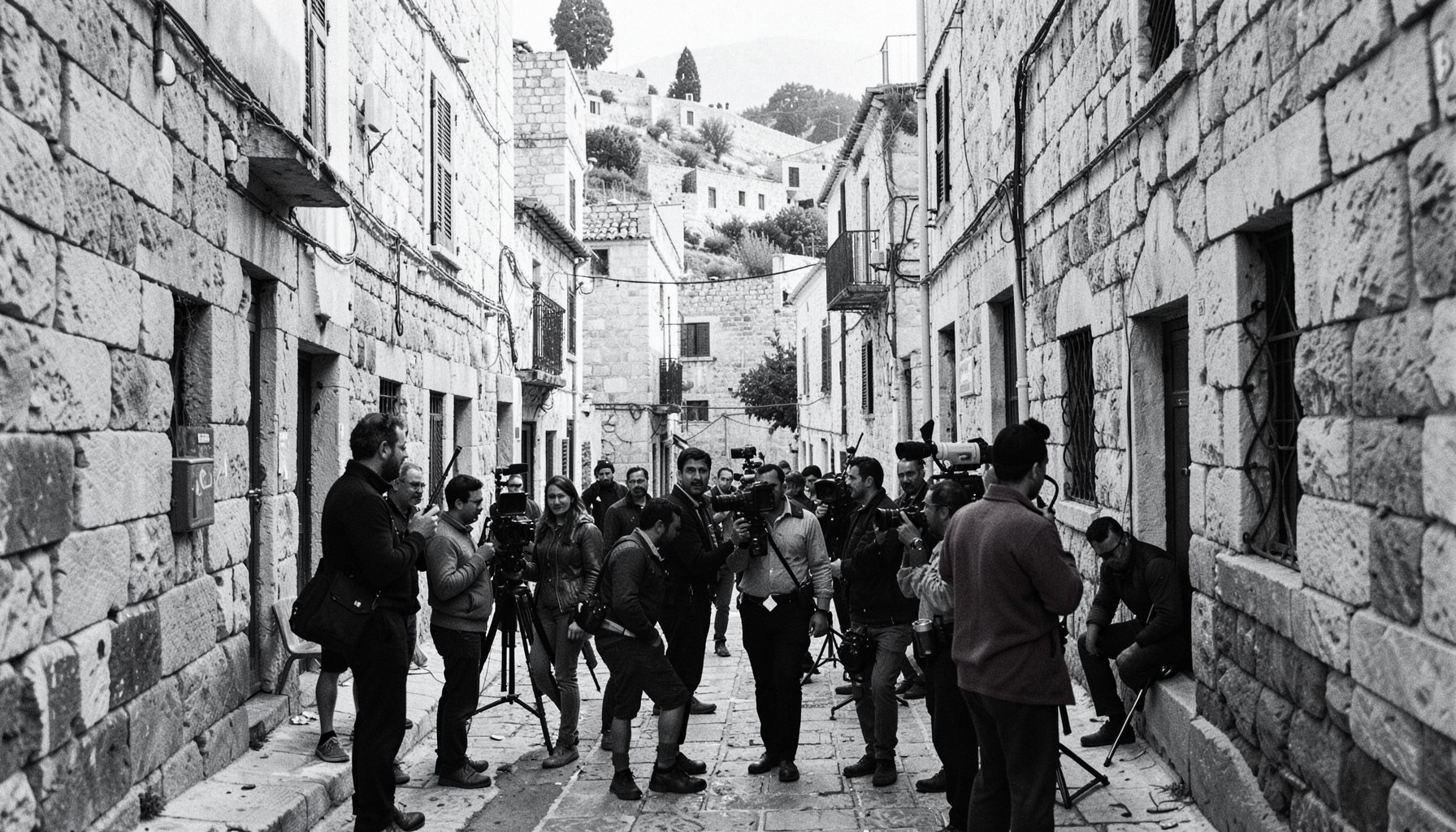
Inside the Knesset, Shagrir developed a working method that combined formal commission with the candid spontaneity of street photography. He positioned himself at the margins of committee hearings, waiting for the moment a politician would turn from the speaker to consult an aide, or when a visiting dignitary would lean across a desk to make a point. These between-the-lines images have proven invaluable to historians studying the texture of Israeli legislative culture, particularly during periods of coalition fragility when backroom negotiations carried as much weight as public debate.
His approach to prime ministerial portraiture was equally distinctive. Rather than the airbrushed formality favoured by official state photographers, Shagrir favoured natural light from the office windows, allowing the lines of late-night decision-making to remain visible on his subjects' faces. The resulting portfolio includes some of the most widely reproduced images of Yitzhak Rabin, Shimon Peres, and Menachem Begin in office. For Australian viewers familiar with the candour of photographs held in the National Library's Pictorial Collection, the Shagrir holdings offer a comparable intimacy applied to a different political culture. Those interested in how visual conventions develop over time can also explore related analysis in why the color blue appears so rarely in prehistoric art, which examines how scarcity shapes what we see in surviving imagery.
Crisis, ceremony, and the photographer's patience
Few political photographers of Shagrir's generation were tested by as wide a range of circumstances. He documented national mourning after the assassination of prime ministers, the return of hostages, mass immigration absorption campaigns, and the grand ceremonial occasions that punctuated the Israeli calendar. In each case, his instinct was to seek out the human face within the public event, whether the grieving family member, the returning soldier, or the elder statesman offering quiet counsel. That sensibility gives the archive an emotional resonance that official records often lack.
One of the most striking sequences in the collection documents the Ethiopian immigrant absorption efforts of the 1980s, capturing both the bureaucratic machinery of resettlement and the personal dignity of new arrivals stepping into Israeli life. These images have become essential primary sources for scholars of migration policy and community formation, and they reveal the same careful eye Shagrir brought to his political subjects. Readers can examine this body of work in greater depth through Shagrir's Photographs of Ethiopian Immigrant Absorption in the 1980s, which presents a curated selection alongside contextual essays that situate the photographs within broader debates about immigration and national identity.
Television years and the Pillar of Fire
While photography remained a constant thread in Shagrir's career, his public profile grew through landmark television work that reached audiences well beyond Israel. The documentary series "The Pillar of Fire" brought the story of the Jewish people in the twentieth century to living-room screens across the world, blending archival footage with original cinematography and on-the-ground reporting. The series required Shagrir to engage with political leaders, refugee communities, and surviving witnesses in dozens of countries, and it sharpened his ability to distill complex narratives into emotionally direct visual storytelling.
The legacy of that series continues to shape how the archive presents its television holdings. Researchers exploring the intersection of documentary form and political memory will find detailed production notes, location photographs, and interview transcripts that document the making of each episode. A full account of the project's significance appears in The Legacy of Shagrir's The Pillar of Fire Television Series, which traces the show's reception, its international distribution, and its lasting influence on how the founding era of Israel is presented to global audiences.
A living archive for researchers and storytellers
The Shagrir Collection is more than a static repository; it is structured to support active research, exhibition, and educational use. The site's blog features conversations with archivists, curators, and former collaborators who help contextualise the material for contemporary audiences. A particularly rich recent piece offers a conversation with Shagrir's collaborator: gaining new perspectives, reflecting on the editorial decisions and ethical considerations that shaped some of the most widely seen images in the archive. Such first-hand testimony is invaluable for students of journalism ethics and visual history.
For Australian institutions considering how to build or sustain their own specialist collections, the Shagrir model offers several useful lessons. The site's combination of high-resolution digital access, clear rights information, and actively maintained research pathways demonstrates how a niche archive can remain relevant in an era of fragmented online attention. The challenges of maintaining visibility for specialised material are real, and thoughtful approaches to curation, metadata, and audience engagement are essential. Those interested in the wider landscape of niche digital projects can find further analysis in why most niche sites fail and how to make yours different, which explores practical strategies for sustainable online scholarship.
Defining moments in the Shagrir political archive
The collection brings together a remarkable range of subjects and settings, from the formal to the intimate. Some of the most frequently consulted images include:
- Cabinet sessions during the lead-up to the 1967 war, showing ministers in extended deliberation
- A sequence of informal portraits of Golda Meir at her desk, taken across several years
- The handshake at the Camp David Accords, captured from an angle few other photographers attempted
- Behind-the-scenes frames from Knesset debates during coalition collapses
- Ceremonial images of presidents taking the oath of office
- Quiet moments with military leaders in the field, away from press conferences
Themes that run through the work
Across thousands of negatives and prints, several recurring concerns give the Shagrir political archive its distinctive character:
- The tension between official ceremony and private exhaustion among long-serving leaders
- The role of translation and mediation in a multilingual political culture
- Generational change, tracked through repeated portraits of the same figures over decades
- The visual grammar of crisis, from urgent briefings to subdued funerals
- The relationship between political power and the press corps that covers it
- Moments of unexpected levity, captured when subjects believed no camera was pointed their way
Together, these threads form a portrait not just of individual politicians but of the rhythms of Israeli democratic life. For audiences in Australia and elsewhere, the archive offers a rare opportunity to engage with that history on its own terms, through the sustained attention of a photographer who believed that the faces of power deserve to be remembered in all their complexity.