Listening across time with Micha Shagrir’s collaborator
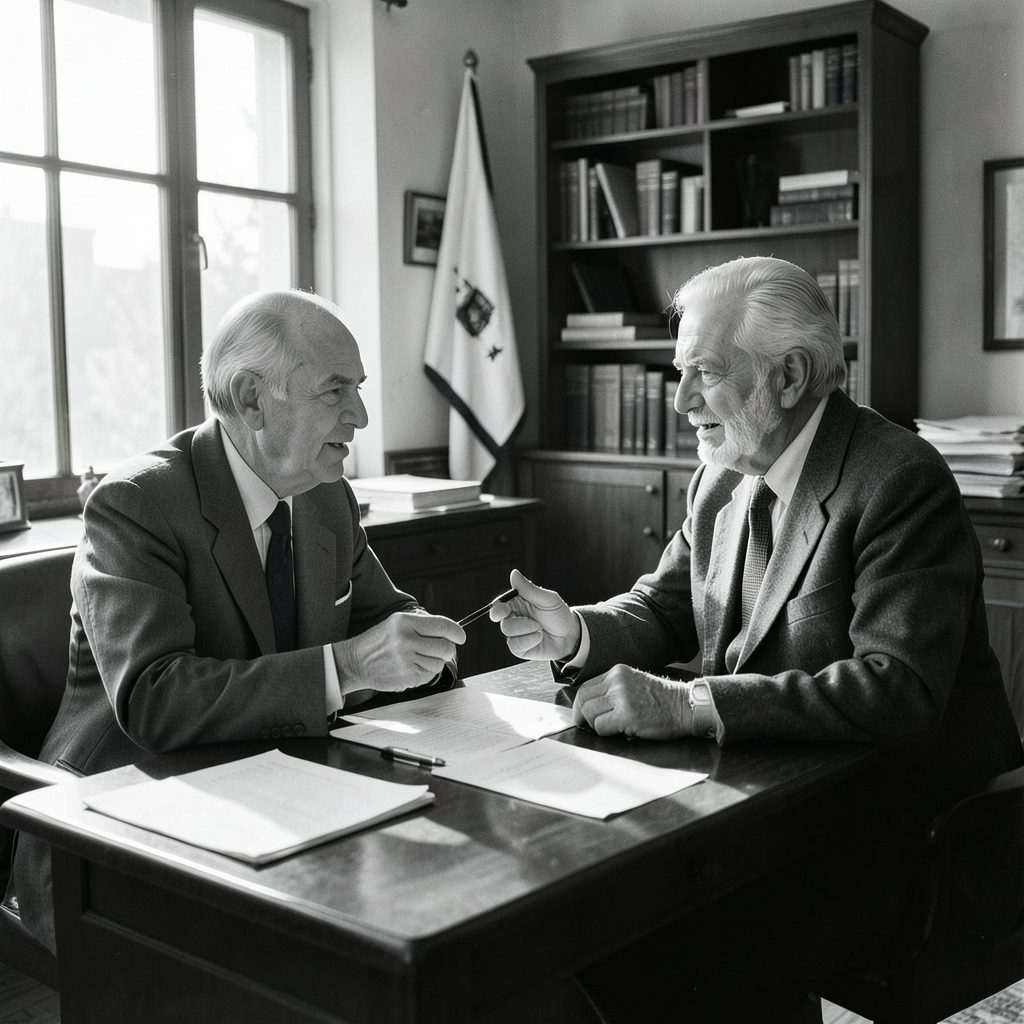
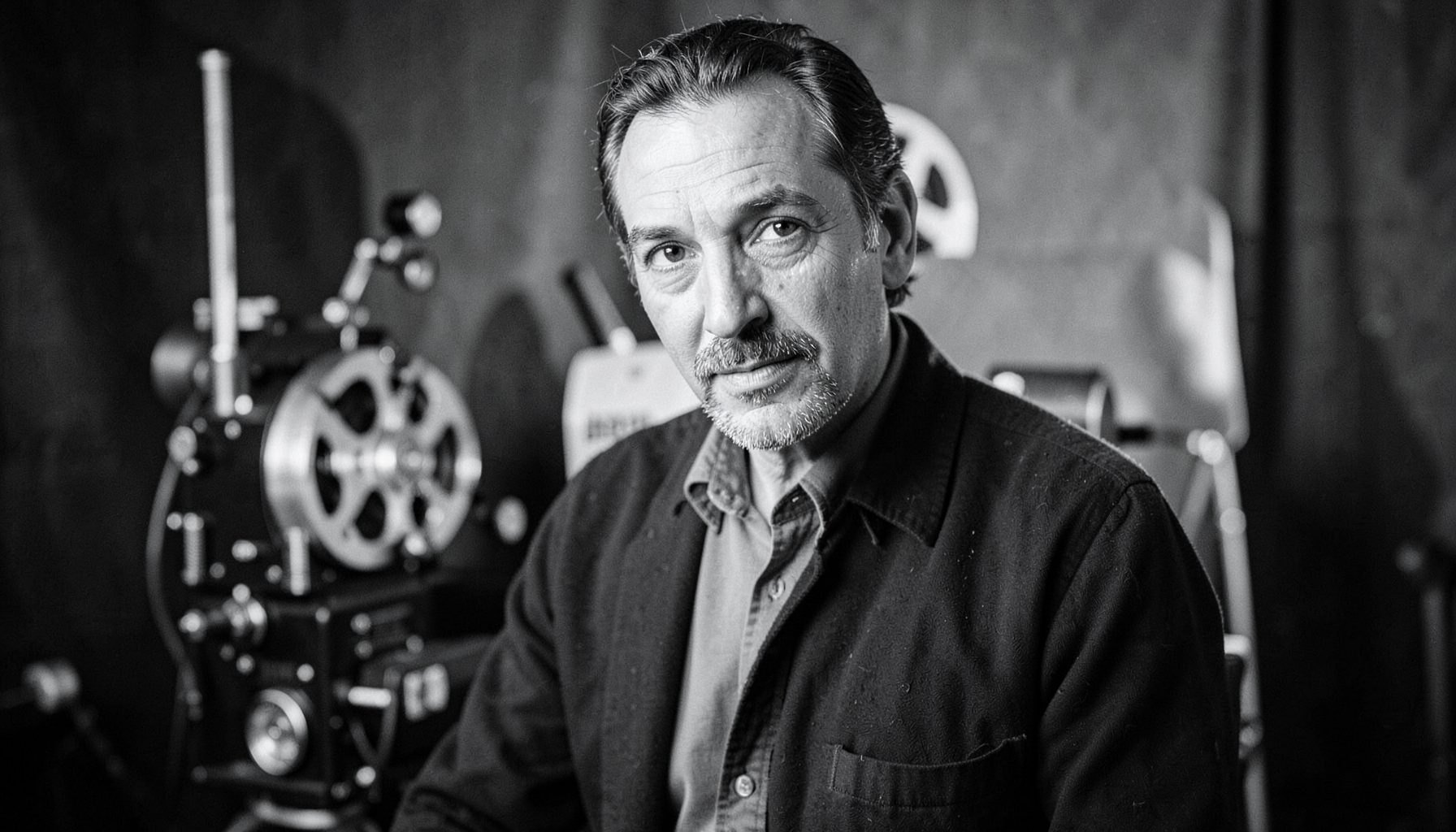
A conversation with Shagrir’s collaborator offers more than a behind-the-scenes account of Israeli filmmaking. It opens a way into the working habits, ethical decisions and personal relationships that shaped Micha Shagrir’s documentaries, photographs and journalism. The collaborator’s perspective brings attention to the moments that finished films often leave outside the frame: the waiting, disagreement, improvisation and trust required to record history.
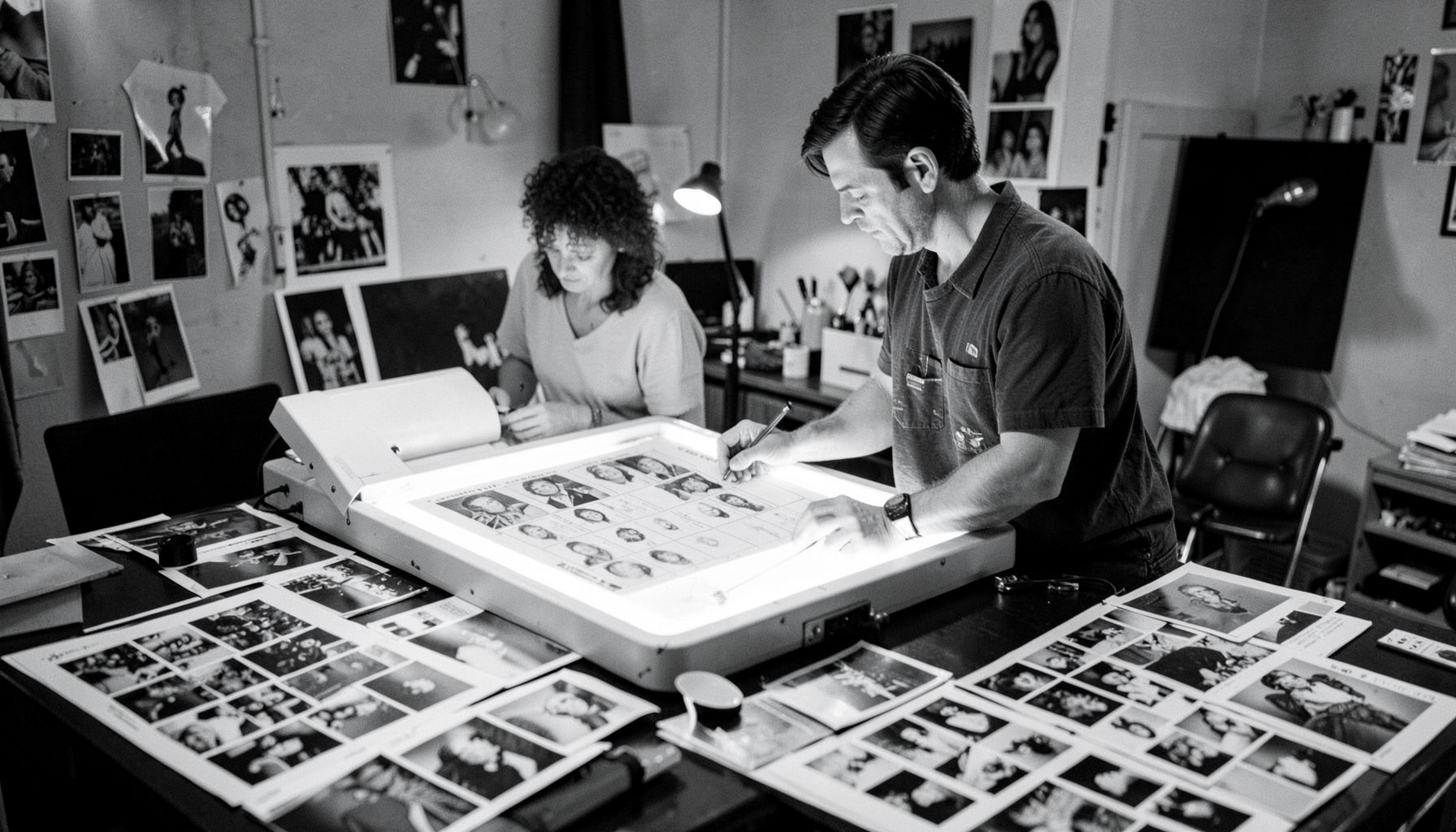
The Shagrir Collection makes that perspective especially valuable because it preserves the materials surrounding the public work. Negatives, contact sheets, recordings, production papers and personal photographs can reveal how an image was selected, how a scene was approached and what changed between an initial idea and the final edit. These primary sources encourage viewers to treat the archive as an active field of inquiry rather than a static memorial.
For audiences in Australia, the collection also creates a productive comparison with local documentary traditions. Visitors familiar with the National Film and Sound Archive in Canberra, SBS documentary programming or the Melbourne International Film Festival will recognise the importance of preserving both the finished work and the evidence of how it was made. The exchange between Israeli and Australian perspectives makes the archive feel immediate, even across distance.
Listening beyond the finished film
A collaborator often remembers the atmosphere around a production more clearly than its official description. They may recall a difficult location, a conversation that altered the direction of a story or the practical problem of filming during political tension. These recollections do not replace the film. They add texture to it, showing how creative decisions were shaped by circumstance.
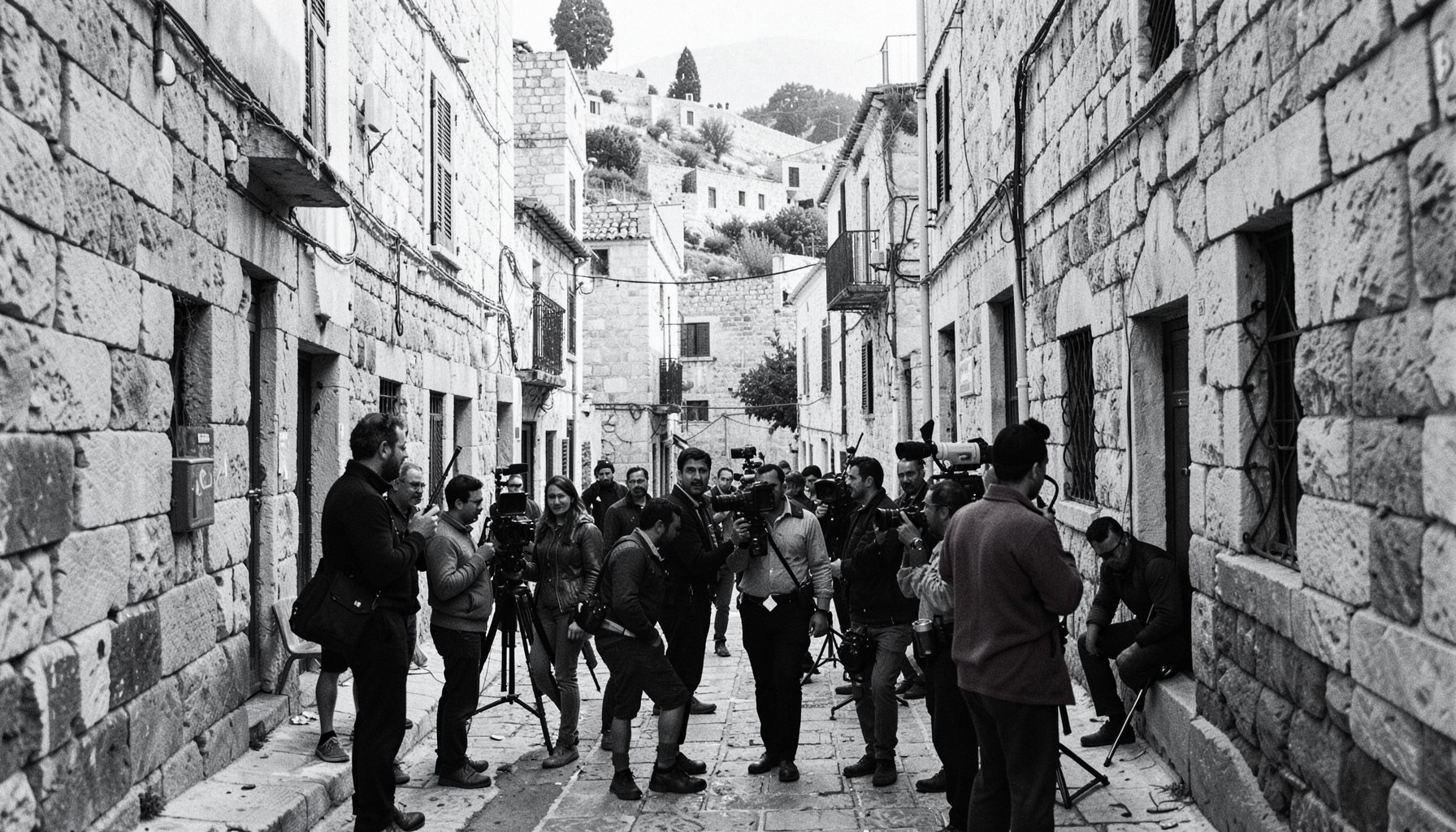
This is particularly important in Shagrir’s work, which engaged with political, military and social history through human encounters. A camera placed in a street, home or meeting room was never a neutral presence. The collaborator could help determine when to remain silent, when to ask a further question and when to stop recording. Those choices formed part of the documentary’s meaning.
The value of an oral history interview lies in its uncertainty as well as its detail. Memory can be incomplete, selective or influenced by later events. When a spoken recollection is considered alongside production notes, photographs and film footage, researchers can identify both continuity and contradiction. That process creates a richer, more honest account of the past.
Collaboration as a form of authorship
Film history often places the director at the centre, yet documentaries are built through shared labour. A collaborator may have operated a camera, conducted research, translated testimony, arranged access or helped shape the rhythm of an edit. Their contribution can be visible in the finished work while remaining absent from public discussion.
Several forms of contribution deserve closer attention:
- Finding access to people and places that would otherwise remain closed
- Interpreting language, gesture and local customs during filming
- Protecting fragile material in the field and during post-production
- Challenging an edit that simplified a complicated experience
This broader understanding of authorship matters for the Shagrir Collection. It encourages researchers to read personal papers and production records as evidence of a network, not simply as background to one individual’s career. The archive becomes a record of relationships, negotiations and shared responsibility.
The same principle applies in Australia, where community-based filmmakers and independent producers frequently work with limited budgets and small crews. A production supported through local arts funding, a regional film body or Screen Australia may depend on several people carrying overlapping creative and practical roles. The collaborator’s account helps make that invisible labour legible.
Seeing cities change through photographs
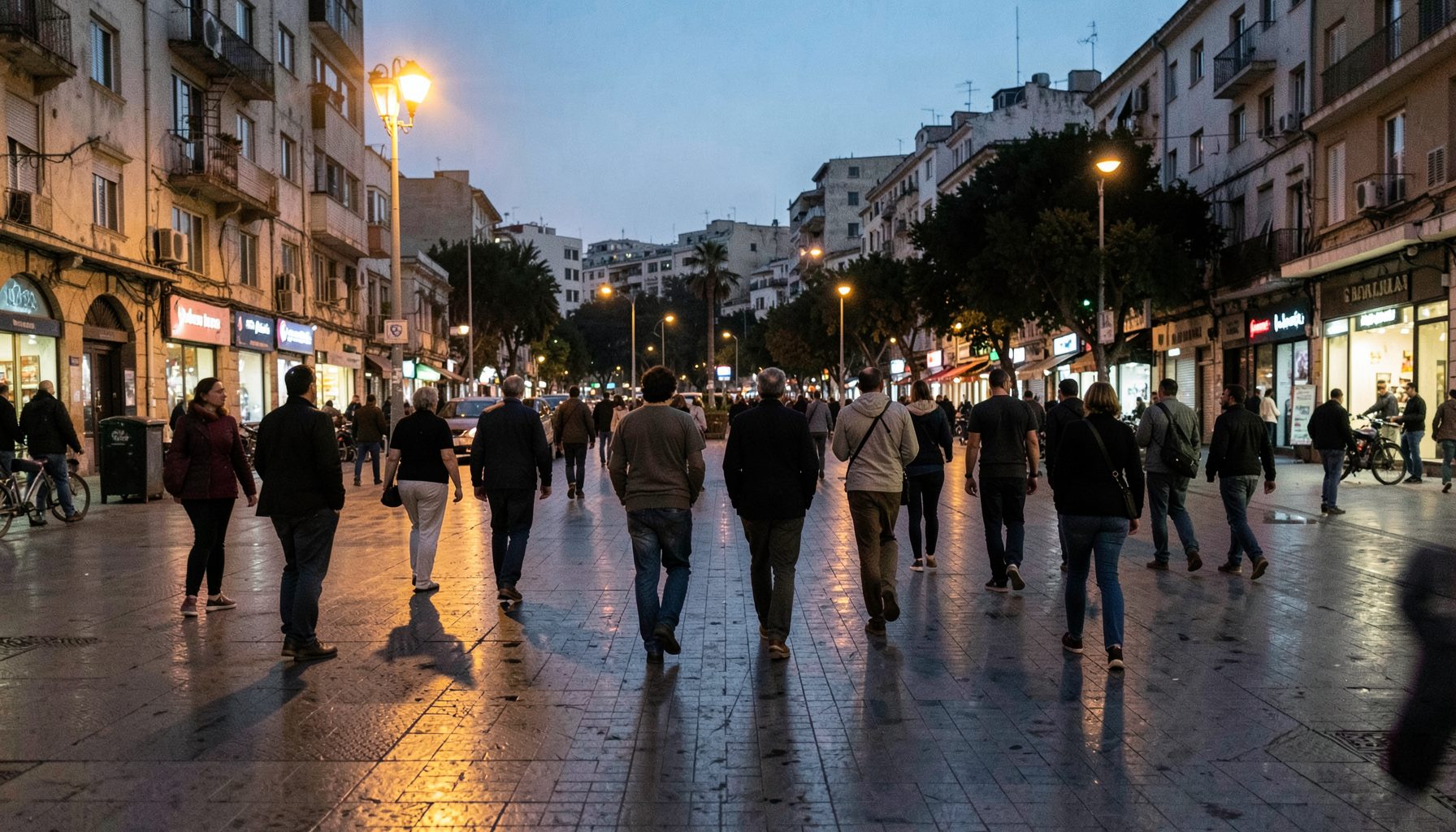
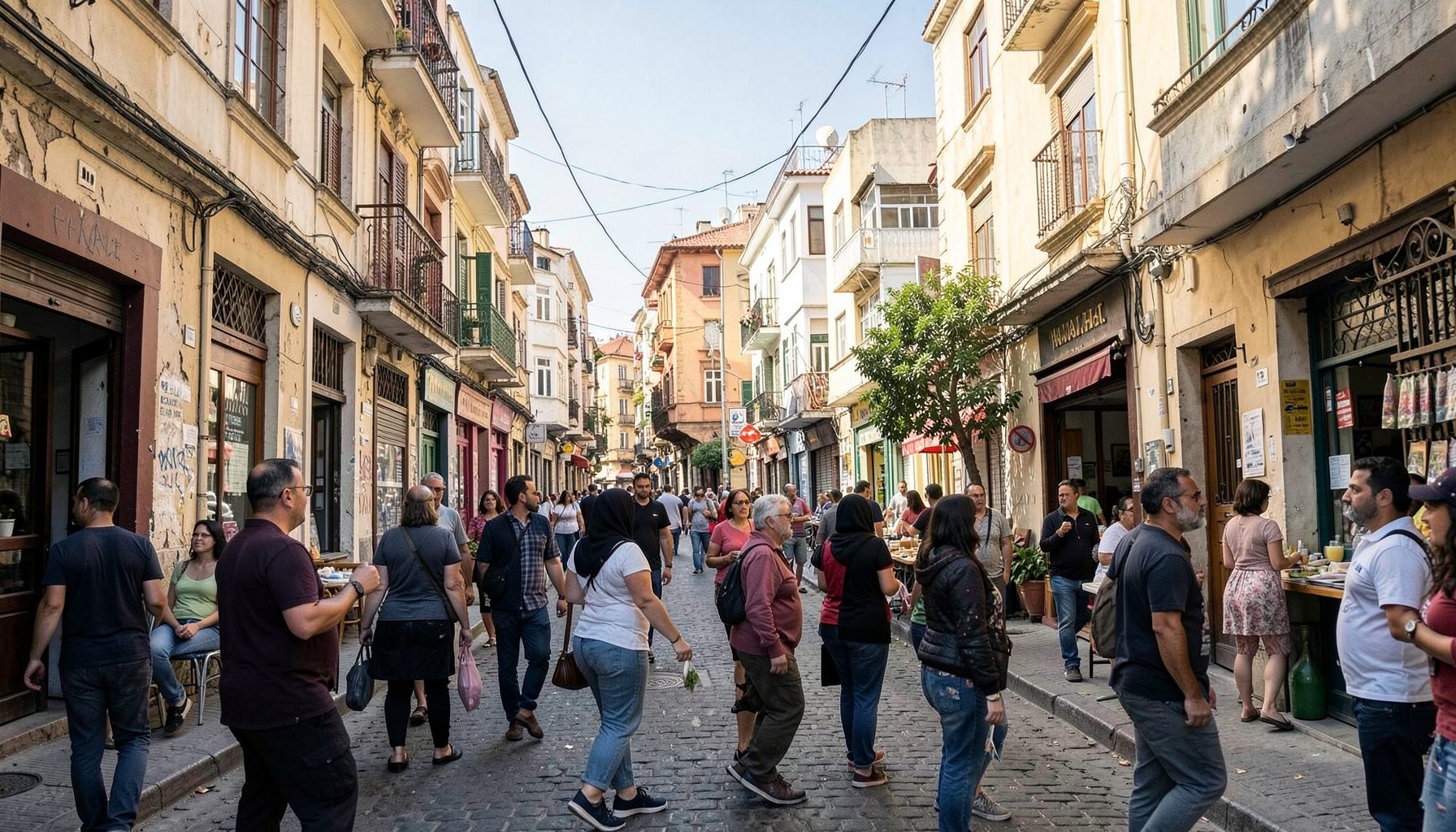
Photography can register social transformation before official histories give it a name. Streets, shopfronts, building sites, buses and domestic interiors record changes in housing, commerce and public life. Shagrir’s images of Tel Aviv can therefore be approached as visual documents of urban change, not merely as illustrations of a particular period.
The collection’s photographs invite close attention to what sits at the edge of the frame. Clothing, signage, road surfaces and advertising may reveal shifts in identity and consumption. A photograph made for a newspaper or documentary project can later acquire a second life as evidence of how a city imagined itself. The image becomes a meeting point between personal observation and collective history.
Readers interested in this relationship between image-making and urban transformation can explore Shagrir’s Tel Aviv photographs alongside the wider archive. The material also resonates with Australian cities. A Melbourne laneway, a rapidly redeveloped Sydney suburb or a changing Brisbane high street can carry similar layers of memory, even when the political histories differ.
A collaborator may notice details that a historian would overlook: where people stood, which streets felt safe, how a shop owner reacted to the camera or why a particular view was repeated. Such observations help explain why some images endure. They show that documentary photography is shaped by attention, proximity and the willingness to remain with an ordinary scene.
Memory, consent and the archive
Preserving documentary history involves more than protecting film stock or digitising photographs. It also requires care with the people represented in the material. Images and recordings may contain grief, political vulnerability, military experience or private family moments. The archive must make these materials available for research while respecting the circumstances in which they were created.
A collaborator’s testimony can clarify those circumstances. They may explain whether a participant understood the purpose of the filming, how translation was handled or whether a scene was later reconsidered. This information supports responsible interpretation and discourages viewers from treating archival subjects as anonymous evidence.
Useful questions for reading the collection include:
- Who had the power to decide what was filmed or photographed?
- Which voices were translated, edited or left unheard?
- What private material became public through preservation?
- How might the same record be understood by communities today?
These questions have a clear Australian relevance. Institutions such as the National Film and Sound Archive must consider cultural authority, Indigenous cultural material and the responsibilities attached to access. The Shagrir Collection belongs to a different national and historical setting, yet the underlying issue is familiar: preservation must be paired with context, accountability and respect.
From personal recollection to public history
The strongest conversations with collaborators move between the intimate and the historical. A memory of a production van, a late-night edit or a conversation with a stranger can illuminate larger questions about state power, migration, conflict and belonging. Small details become meaningful because they connect private experience to public events.
Shagrir’s documentary about the end of the British Mandate demonstrates how filmmaking can bring historical transition into focus. The archive’s account of the documentary’s making is valuable because it points towards process: research, reconstruction, testimony and the decisions required to shape a complex past for viewers.
For an Australian audience, this approach may recall documentaries about federation, frontier violence, wartime memory or migration that combine archival evidence with personal testimony. Australian viewers often encounter such work through public broadcasters, film festivals and community screenings rather than commercial cinemas. The setting changes, but the central challenge remains: how can a filmmaker represent history without reducing it to a neat sequence of facts?
A collaborator’s perspective can complicate the authorised version of a production. They might remember uncertainty where the finished film appears confident, or disagreement where the credits suggest seamless cooperation. Those tensions do not weaken the historical record. They show how public narratives are assembled and why archives need multiple voices.
What remains after the conversation
An interview with a collaborator does not close the story of Shagrir’s career. It creates new paths through the collection. Researchers may follow a name in a notebook, compare a contact sheet with a published photograph or listen for changes in tone across recorded interviews. Each connection can reveal a different relationship between intention, circumstance and memory.
The archive also speaks to current visual culture. Contemporary audiences move between documentary film, photojournalism, social media and personal archives with ease. A fashion image, a street photograph and a political documentary may circulate through different channels while sharing concerns about representation, style and identity. For a glimpse of how personal style and public imagery intersect in Australian online culture, Fashionista in Suburbia provides a useful contemporary contrast.
What emerges from this exchange is a more layered understanding of Shagrir’s legacy. His work belongs to Israeli media history, yet its questions travel: who controls the camera, how cities remember themselves, what collaboration makes possible and how private records become public knowledge. The collaborator’s voice adds another dimension to that legacy, ensuring that the archive remains a living conversation between people, images and time.