
Tracing Israeli Fashion Through the Shagrir Collection
The Shagrir Collection holds thousands of negatives, contact sheets, film reels, and personal papers that, on first inspection, appear to belong to political and military history. Spend a few hours with the materials, however, and a different story emerges: a richly textured account of how Israelis dressed, shopped, celebrated, and presented themselves across the second half of the twentieth century. For scholars working on material culture and dress history, the archive offers a level of granular visual evidence rarely found in curated fashion libraries.
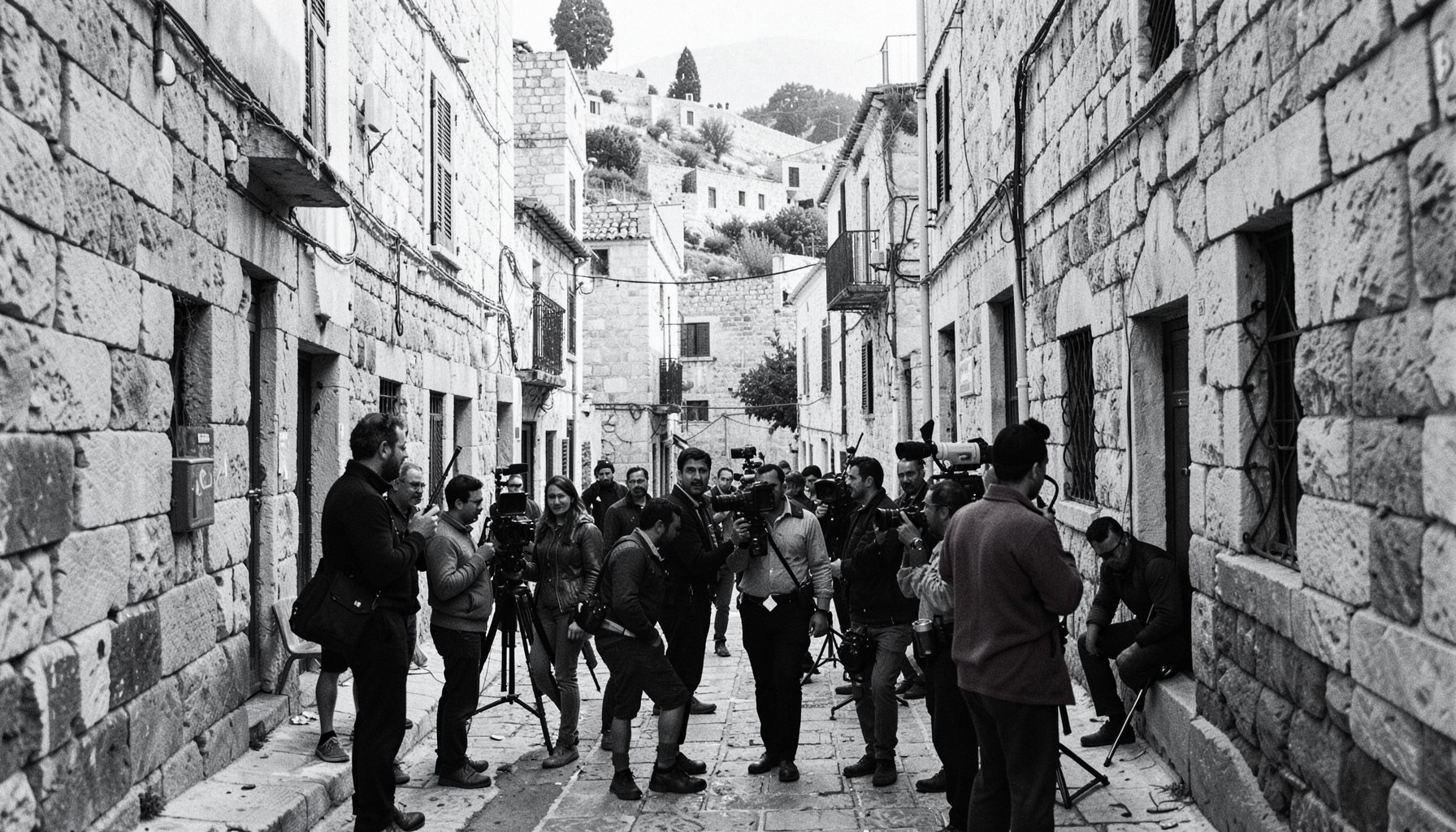
Micha Shagrir's camera moved with equal curiosity through Knesset corridors, IDF bases, Tel Aviv nightclubs, and family homes. Because he documented everything from cabinet meetings to kibbutz outings, the same contact sheet that captures a diplomatic handshake will also record the cut of a suit, the pattern of a blouse, or the shape of a pair of sandals. Researchers accustomed to fashion plates and runway photography often find that this unstaged record tells a more honest story about what people actually wore.
For Australian readers, the appeal lies partly in the parallels. Both Israel and Australia are migrant societies whose national dress has been shaped by climate, defence culture, and the tension between European heritage and local identity. Archives like the Powerhouse in Sydney or the National Gallery of Victoria have long explored how clothing reflects nation-building; the Shagrir Collection invites a comparable reading of Israeli material history.
The remainder of this article maps the archive's fashion-related holdings, identifies the sections most useful to dress historians, and offers practical advice for researchers in Melbourne, Sydney, or Perth who wish to consult the materials remotely or in person.
Early statehood and the fabric of a new nation
The earliest Shagrir photographs, taken in the late 1940s and early 1950s, capture the austerity aesthetic of the Yishuv period. Women appear in modest homemade dresses, men in pressed shirts and short trousers, and children in simple cotton garments, often in shades of beige, olive, and white. These images are particularly valuable because the state's textile industry was still embryonic, and most clothing was imported, rationed, or improvised. The archive documents the transition from this scarcity to the gradual availability of brighter dyes, synthetic fibres, and prêt-à-porter imports from Europe during the mid-1950s.
Researchers interested in the economic dimension of dress will find that the archive overlaps with the early history of Israeli textile mills in the Negev and the founding of cooperatives in cities like Haifa. Photographs of factory floors, retail windows on Allenby Street, and street markets in Tel Aviv provide a layered picture of how a young consumer culture took shape alongside the political project of state-building.
Military dress, civilian wardrobes, and the 1960s
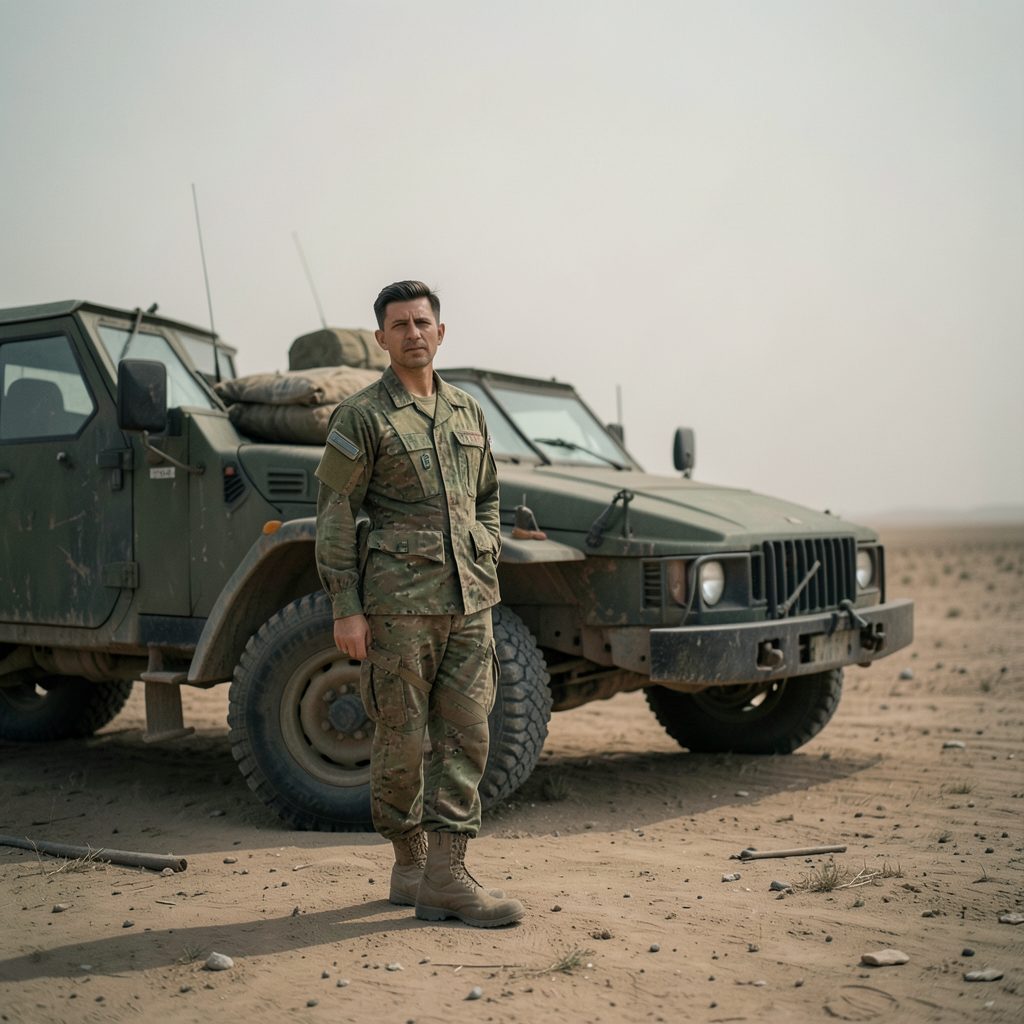
The 1967 war and its aftermath marked a turning point in Israeli self-presentation. Shagrir's coverage of this period includes both uniformed soldiers and the civilians who welcomed them home. The transition from austerity to relative abundance is visible in the wider trouser legs, the introduction of bold patterns, and the first appearance of denim as a casual staple. His negatives from army camps and victory parades have been widely cited for their political importance, but they also document the everyday uniforms, khaki accessories, and boot styles that became everyday wear.
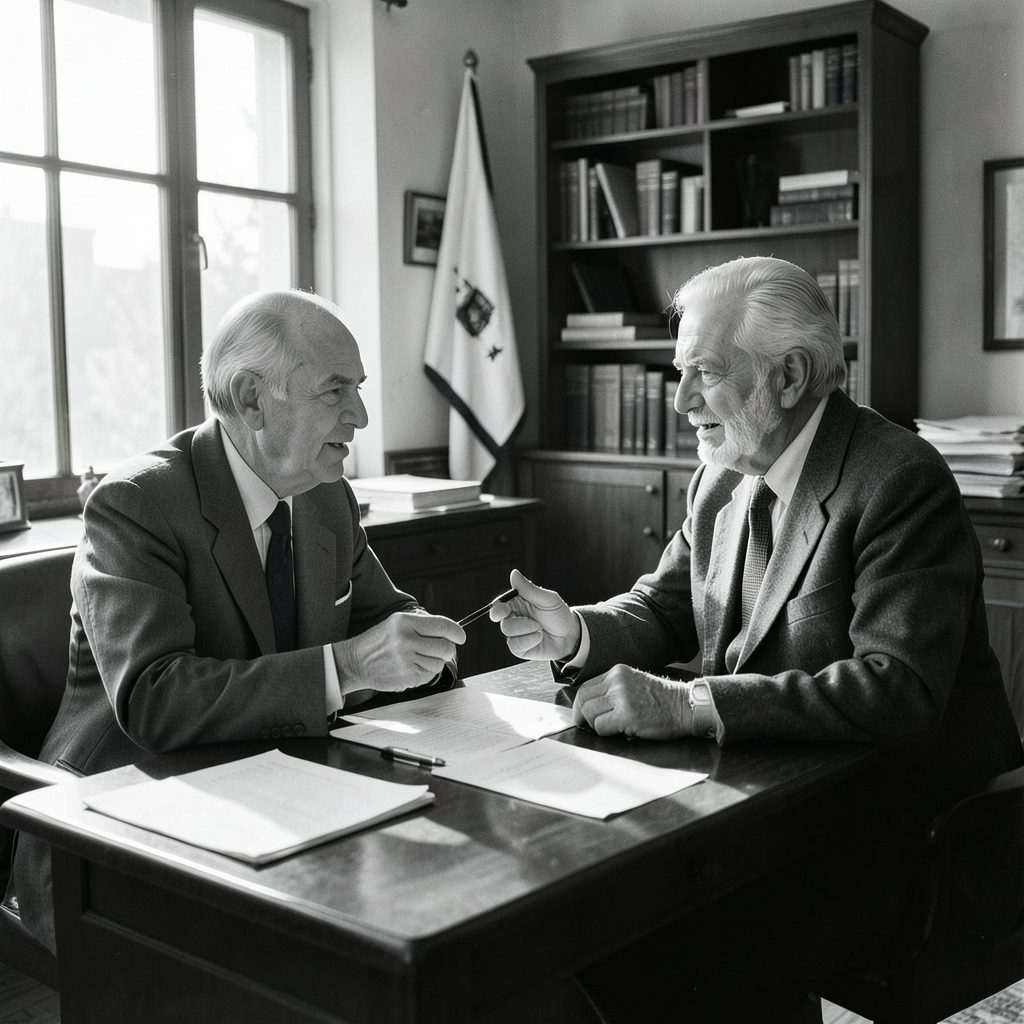
The archive's treatment of the Eichmann trial is unusually rich, and the Eichmann trial coverage shows a Jerusalem courtroom filled with witnesses whose clothing quietly reflects the displacement and cultural mix of post-war European Jewry. For a fashion historian, the trial photographs are essentially a study in early-1960s transitional dress, with fur collars, dark suits, and modest hat styles worn by survivors who had rebuilt their wardrobes from very little.
Cinema, television, and the rise of Israeli style icons
Shagrir's work in film and television production gives the archive a particular strength in celebrity and entertainment dress. The stills from his documentary projects, including the 81st Blow footage, show performers, presenters, and political figures in studio lighting, capturing details of tailoring and accessories that street photography misses. These images are comparable to the studio portraits held in Australian collections such as the Performing Arts archive at the Arts Centre Melbourne.
In later decades, the collection tracks the emergence of a recognisable Israeli celebrity culture. The holdings document local figures whose style choices shaped public taste, and although the regional context differs, the study of media personalities as fashion agents invites comparison with international archives dedicated to actors and broadcasters, including resources such as Rajesh Hamal's archive for South Asian screen culture. Researchers can use these parallel holdings to map how television and cinema spread specific silhouettes, hairstyles, and grooming conventions to regional audiences.
Photographs as primary sources for fashion historians
For practitioners trained on European or American fashion archives, the Shagrir Collection requires a slight shift in method. Because Shagrir was a working photojournalist rather than a fashion photographer, his frames are composed for news value rather than display. The reward, however, is authenticity. Sleeves are creased, hems uneven, and the occasional price tag or repair patch is visible. For dress historians, these small imperfections are precisely the data points that reveal labour practices, import substitution, and household economy.
Practical advice applies when ordering scans: request high-resolution TIFFs and note the date, location, and original publication context of each image. The archive's catalogue allows cross-referencing by event, which is useful when assembling chronologies of, for example, the introduction of synthetic fabrics in the early 1970s or the spread of sunglasses and beachwear during the tourism boom of the late 1970s and 1980s.
Weddings, festivals, and the persistence of textile traditions
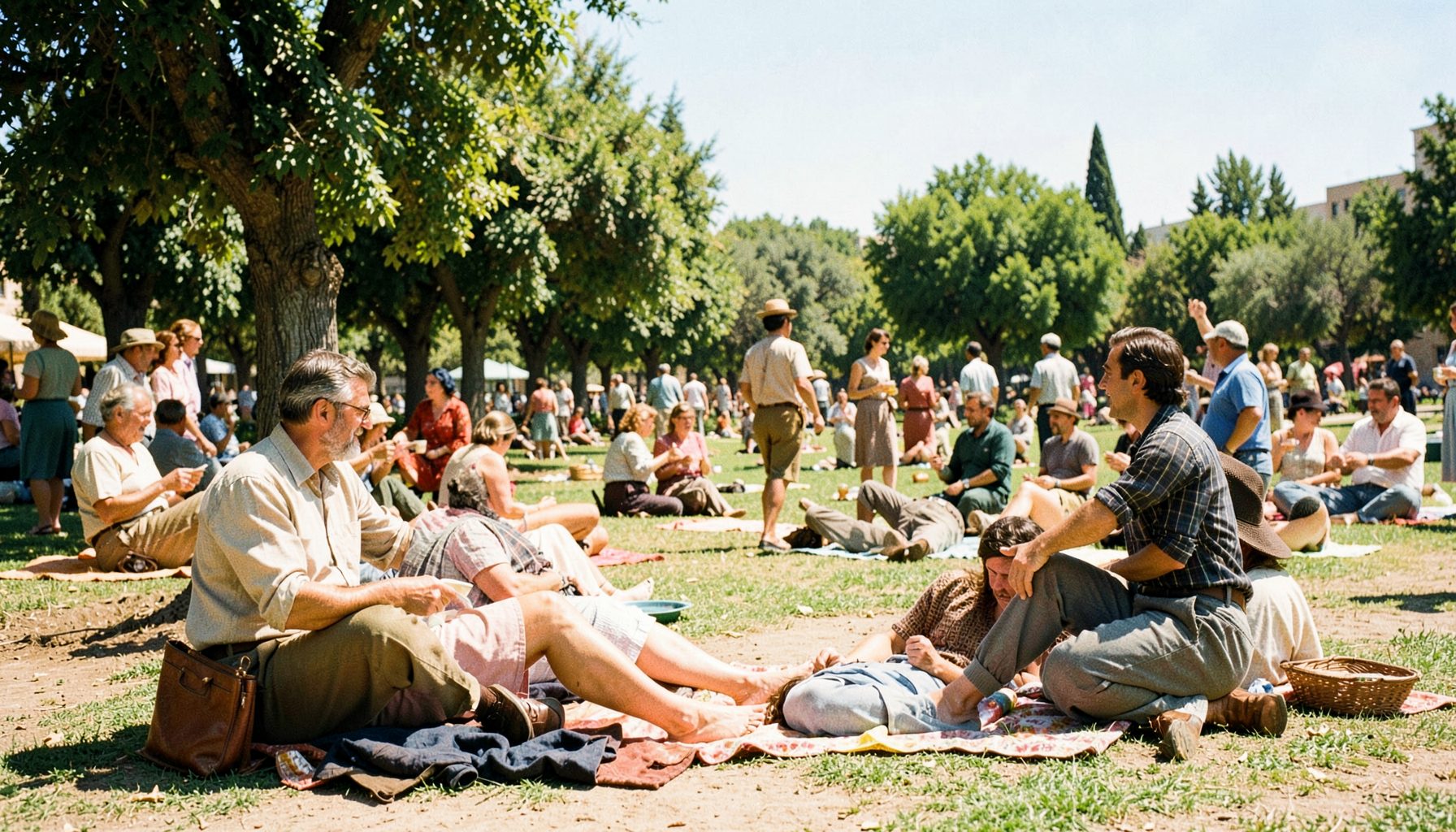
Beyond the political and cinematic record, the archive preserves a substantial body of personal and family photography. Weddings, bar mitzvahs, Mimouna celebrations, and Israeli Independence Day events all appear, often captured by Shagrir himself or contributed by his circle. These images are valuable for researchers of ceremonial dress, because they document the negotiation between religious tradition, regional custom, and contemporary fashion.
For scholars of bridal wear, the photographs trace a clear arc: from hand-sewn satin gowns of the 1950s, through the high-collared lace dresses of the 1970s, to the more relaxed silhouettes influenced by European and American bridal magazines in the 1990s. Parallel traditions of embroidery, headcovering, and ceremonial jewellery remain visible across the period, offering a continuous thread through a century of rapid change.
Australian parallels in archival fashion research
The Australian fashion archive ecosystem, anchored by the Powerhouse Museum in Sydney, the National Gallery of Victoria, and Brisbane's gallery precinct, has long wrestled with questions that Israeli researchers now face: how do you tell the story of a national wardrobe when most of your material is in private hands? How do you read fashion in a society built on migration? Both countries share a climate-driven informality, a defence-culture aesthetic, and a complicated relationship with European heritage.
Australian researchers will find useful comparison points in studies of post-war European migration to Melbourne and Sydney, where Italian and Greek tailors shaped suburban style in the 1960s and 1970s around hubs like Lygon Street. Reading these alongside Shagrir's photographs of Yemeni, North African, and Eastern European immigrants in Israeli cities produces a remarkably rich comparative field. The same analytical frame that works for suburban strip shopping in Parramatta or Paddy's Markets in Haymarket can illuminate the markets of Tel Aviv or the neighbourhoods of Netanya.
Practical pathways into the Shagrir Collection
Researchers based in Australia can engage with the archive in several ways, beginning with the online catalogue and moving towards deeper consultation. For most projects, a combination of remote scanning, on-site visits during research trips to Israel, and correspondence with the curatorial team will produce the most reliable results. Just as one might step back from a textile to read the weave more carefully, a thoughtful pause before deep research often helps clarify what the archive can actually answer, and what additional sources are needed.
Key steps for working with the collection:
- Begin with the online blog and curated essays to map the archive's scope before requesting materials.
- Submit a research proposal that identifies specific events, date ranges, and figure types to help curators locate relevant folders.
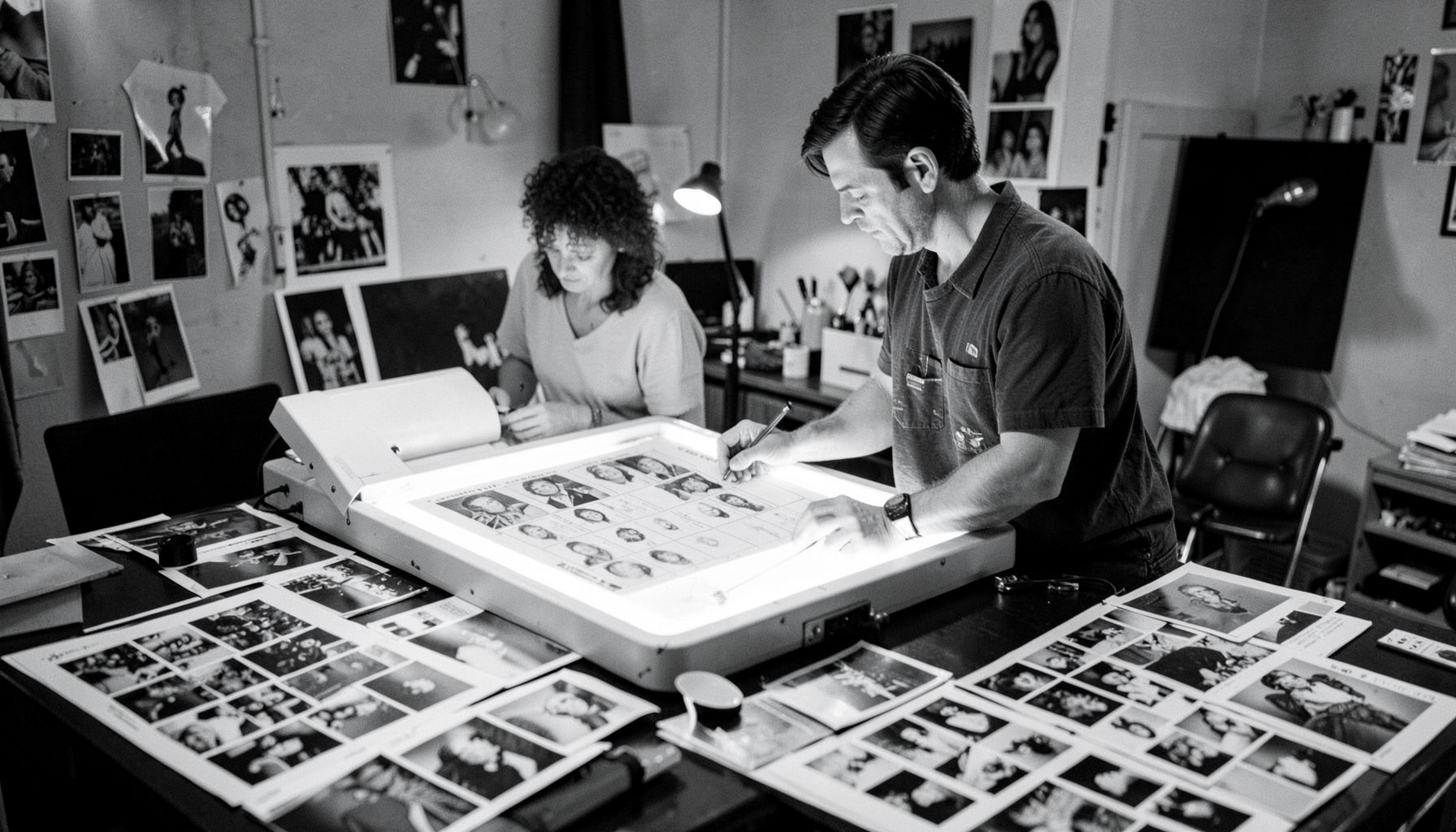
- Order high-resolution scans of contact sheets first, so you can identify the strongest individual frames before requesting prints.
- Cross-reference Shagrir's images with contemporary newspaper archives and Israeli fashion magazines from the same period.
- Plan a research visit during Israeli academic terms to access reading rooms with the support of on-site archivists.
- Where possible, connect with Israeli universities in Tel Aviv, Haifa, or Jerusalem that collaborate on visual culture projects.
- Preserve your own research notes carefully, as the collection's terms of use expect scholars to document their consultation history.
Engaging with the Shagrir Collection offers a rare opportunity to see Israeli fashion history as a living process rather than a static canon. For Australian scholars, the experience can reshape how they think about their own national archive, and how everyday photographs can speak to questions of identity, migration, and self-presentation.