
The lost footage of The 81st Blow and Shagrir’s role
The 81st Blow occupies a distinctive place in Israeli documentary history. Released in 1974, the film brought Holocaust testimony, archival images and the experience of survivors into a powerful cinematic form. Its title refers to the symbolic “eightieth blow” described by a survivor, followed by an additional blow that represents the continuing burden carried after liberation.
Micha Shagrir’s connection to the film matters because he worked at the meeting point between production, journalism, historical documentation and public memory. Discussions of missing reels, incomplete production materials and rediscovered records are therefore about more than film collecting. They reveal how a documentary is made, how evidence survives and how an archive can change the way an important work is understood.
A landmark in Israeli documentary cinema
The 81st Blow was made by Haim Gouri, David Bergman and Jacques Ehrlich, and became one of the earliest Israeli films to receive international recognition for its treatment of the Holocaust. Rather than presenting history as a distant sequence of dates, it placed personal testimony alongside photographs, newsreel material and images of the destruction of European Jewish life.
Its power comes partly from the tension between what can be shown and what must be remembered through speech. Survivors describe persecution, deportation and liberation, while the film’s editing creates links between private memory and public history. The result is restrained but emotionally forceful, with an approach that still influences documentary makers working with trauma and testimony.
For Australian viewers, the film can be placed alongside the country’s growing public engagement with Holocaust education. Screenings through the Jewish Museum of Australia in Melbourne, the Sydney Jewish Museum or school programs connected with Holocaust remembrance give the work a setting beyond its original Israeli audience.
What “lost footage” can mean
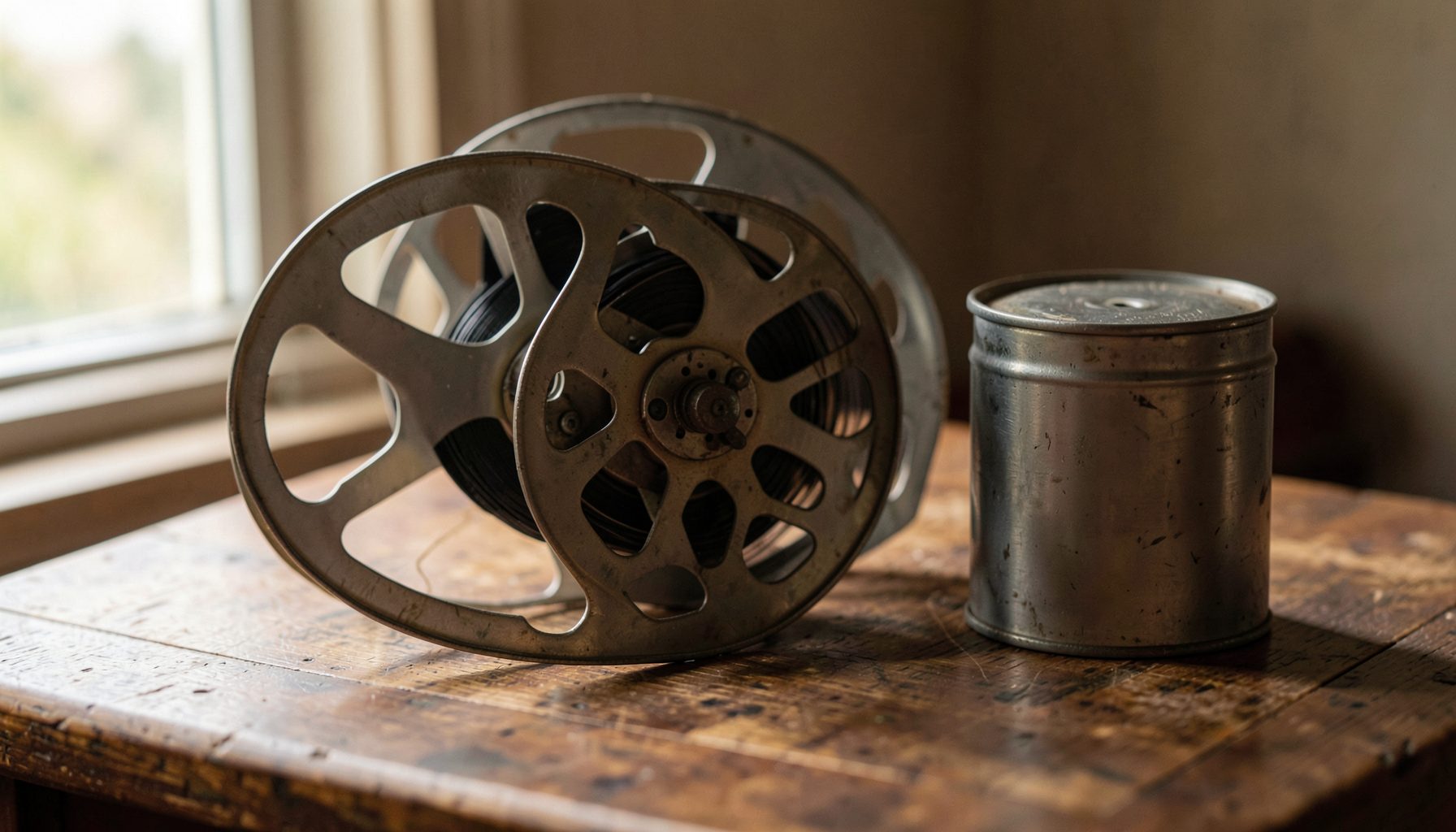
The phrase lost footage is often used loosely. It may refer to an original camera negative, an unused interview, a work print, a soundtrack, production stills or a reel that disappeared from normal distribution. In documentary preservation, these distinctions are crucial. A missing master does not necessarily mean that every version of a scene has vanished, and a surviving copy may still lack important visual or audio information.
The 81st Blow was assembled from many kinds of historical material, much of it created before the film itself was made. Some images were copied from fragile sources, while interviews and narration existed in separate production elements. Over time, reels could be moved between producers, laboratories, broadcasters, festivals and private collections. Labels might be incomplete, and a sequence described as “lost” could later turn up under a different title or catalogue number.
This is why archival investigation is slower than a dramatic recovery story suggests. Researchers compare edge codes, reel lengths, handwritten notes, soundtracks, correspondence and editing patterns. They also ask whether a surviving element is original, duplicated or altered for a later screening.
Shagrir’s place in the production story
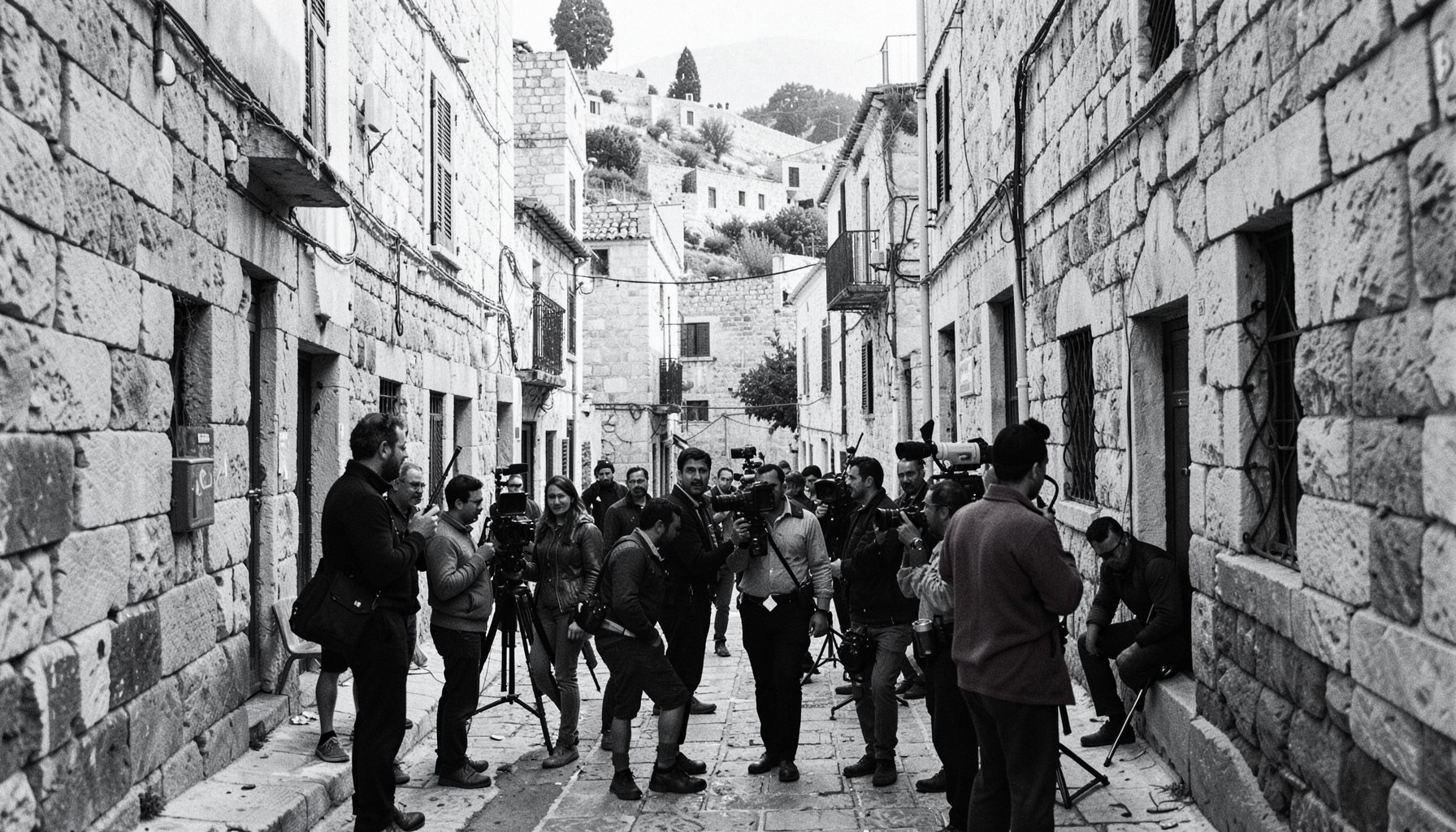
Micha Shagrir was a significant figure in Israeli media, working as a filmmaker, producer, photographer and journalist. His career extended across news, documentary production and cultural history, giving him an unusually broad understanding of how visual records are gathered and circulated. His role around The 81st Blow belongs to that practical world of production: arranging material, supporting the film’s construction and helping historical evidence reach an audience.
The producer’s contribution is easy to overlook when attention settles on directors and interview subjects. Yet documentary production depends on rights, laboratory work, research, translation, contacts and the physical management of reels. A person involved in those tasks may also retain papers, photographs or copies that later become valuable when the official film elements are incomplete.
The Micha Shagrir biography places this work within a much longer professional life. It helps explain why material associated with the film should be read alongside Shagrir’s wider records rather than treated as an isolated curiosity.
Why surviving fragments matter
A fragment can answer questions that the finished film cannot. An unused interview may reveal how a testimony was shaped through editing. A production photograph can identify a location, crew member or source collection. A sound reel may preserve a different translation, an earlier narration or words removed from the theatrical version.
Such material also shows the ethical decisions behind historical documentaries. Editors decide how long a witness is heard, where silence falls and which image accompanies a particular statement. Comparing an assembly version with the released film can reveal changes in emphasis without assuming that one version is automatically more truthful.
For historians, the value extends beyond the film’s running time. Production files can document Israeli attitudes towards the Holocaust during the early 1970s, a period when survivor testimony was becoming more prominent in public culture. They may also show how filmmakers negotiated between commemoration, journalism and cinema.
Preservation in an Australian context
Australian institutions face similar problems with ageing film stock, unstable magnetic sound and scattered private collections. The National Film and Sound Archive in Canberra has long demonstrated why a film element needs proper storage, cataloguing and conservation rather than a simple transfer to a digital file. Digitisation protects access, but it does not erase the need to preserve the original object.
Local collecting organisations also depend on community knowledge. A box held in Caulfield, a family photograph stored in Sydney’s eastern suburbs or a reel kept in a former television office may contain information missing from formal catalogues. In Melbourne, where Holocaust education has a strong institutional and communal presence, family testimony can help identify people and places that appear only briefly on screen.
The Australian market adds a practical consideration. Educational distributors, SBS audiences, university libraries and Jewish community organisations may each need a different format, licence or level of contextual material. A restored documentary is more useful when viewers can access subtitles, background notes, verified credits and information about the archive behind the restoration.
The archive as a research environment
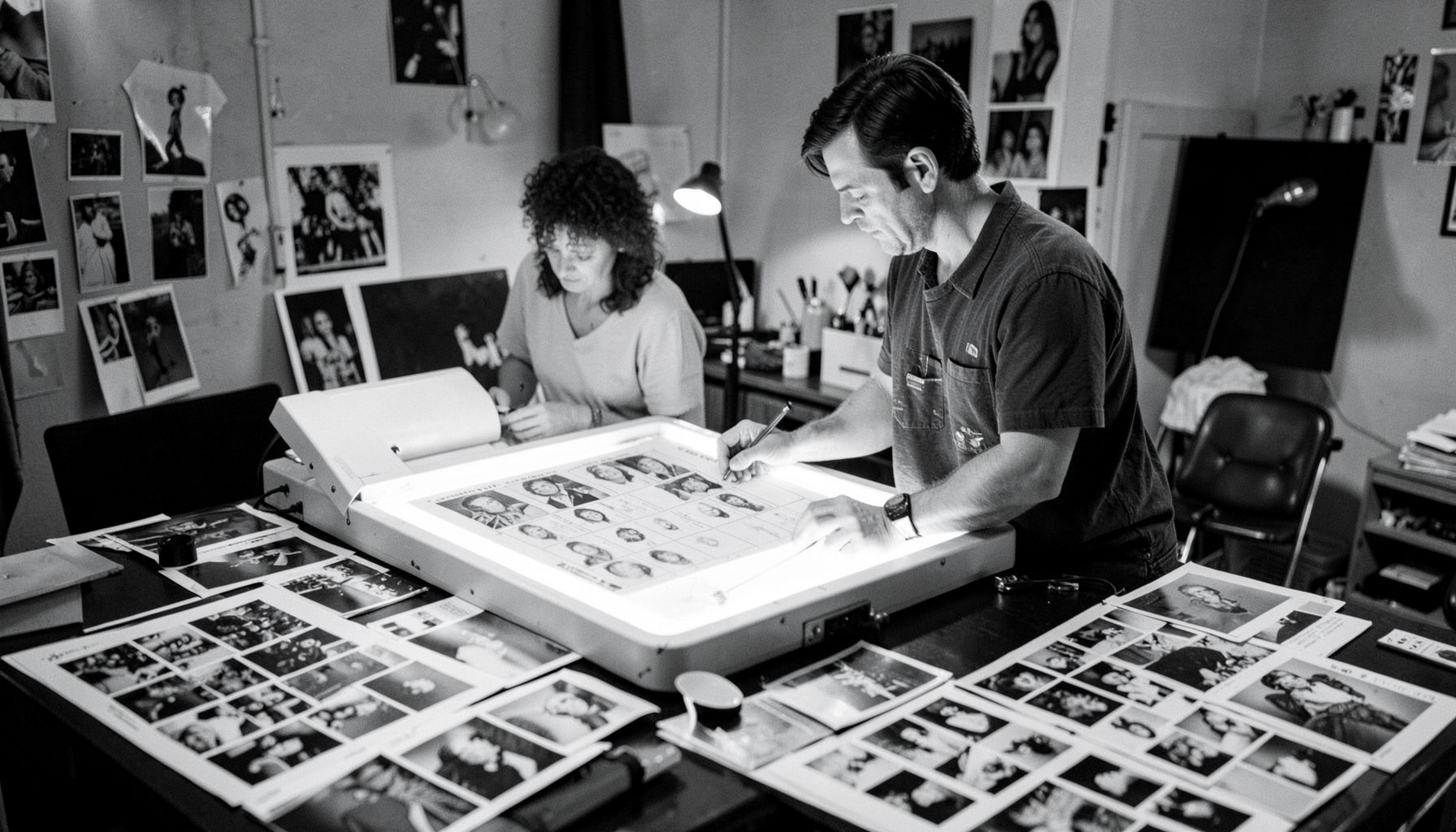
The Shagrir Collection brings together negatives, prints, films, recordings, photographs and personal papers connected with Israeli political, military and social history. Its importance lies in the relationships between those objects. A contact sheet may illuminate a still photograph; a letter may clarify a production date; a recording may identify a voice that is difficult to recognise in a surviving print.
This kind of collection should not be treated as a warehouse of isolated treasures. It is a research environment in which provenance matters. Researchers need to know who created an item, when it was used, whether it was copied and how it reached the collection. Those details can determine whether a reel is a missing production element, a later duplicate or material from an entirely different project.
The Shagrir Collection archive also makes the subject accessible to people who cannot travel to Israel. For Australian researchers, that online presence can be a first step before consulting a university, museum or specialist archive in person.
Reconstructing memory without inventing certainty
Stories about lost film naturally attract attention, but archival language must remain precise. A newly identified reel does not automatically restore an entire missing sequence. It may confirm that a scene existed, preserve a different edit or offer a short visual trace of material known only through written references.
That caution is especially important with Holocaust documentaries. Every image carries emotional and historical weight, and inaccurate captions can confuse victims, locations and dates. A responsible restoration records uncertainty rather than hiding it. Catalogue notes, conservation reports and comparisons between versions allow future researchers to test present interpretations.
Shagrir’s legacy is therefore tied to both filmmaking and stewardship. His role in the production history of The 81st Blow helps connect the finished documentary with the vulnerable physical materials that made it possible. Whether a missing element is recovered, partially identified or never found, the search remains valuable because it preserves the chain between witness, filmmaker, archive and audience.
For viewers in Australia, that chain gives the film renewed relevance. It links Israeli documentary history with the work of Canberra archivists, Melbourne educators, Sydney cultural institutions and families preserving their own records. The lost footage is important, but so is the careful method used to find out what survives.