Shagrir's lens on the Eichmann trial: inside the archival record
In 1961, the District Court of Jerusalem became the stage for one of the twentieth century's most consequential legal proceedings. The trial of Adolf Eichmann, the Nazi logistics chief responsible for orchestrating the deportation of millions, drew journalists, diplomats, and camera crews from around the world. Among them was Micha Shagrir, an Israeli filmmaker and photojournalist whose work would later become a primary source for historians studying not only the verdict but the texture of the courtroom itself. The materials he gathered — exposed negatives, contact sheets, broadcast reels, and personal field notes — now sit within a dedicated collection that researchers can consult for first-hand evidence of the trial.
This collection offers more than a record of the verdict. It preserves the working methods of Israeli press camera operators, the editorial decisions made under deadline pressure, and the visual language that shaped Israeli public memory of the Holocaust. For audiences in Australia, where Holocaust education is woven into secondary school curricula and institutions like the Melbourne Holocaust Museum maintain extensive survivor testimony programs, the archive provides a window into the mediated experience of the trial. Comparing local commemorative practice with the original Israeli coverage reveals how documentation travels, adapts, and is reinterpreted across generations and continents.
Shagrir in the courtroom: a camera at the heart of the story
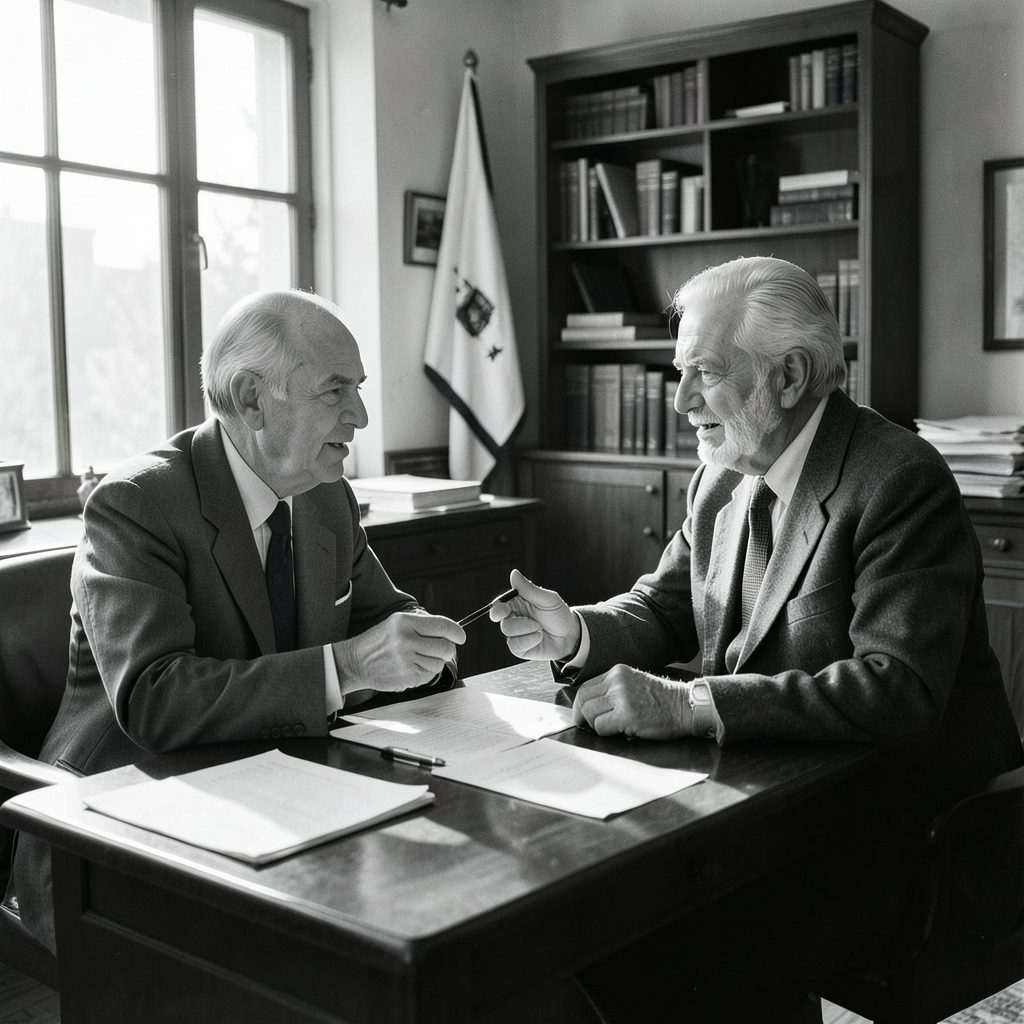
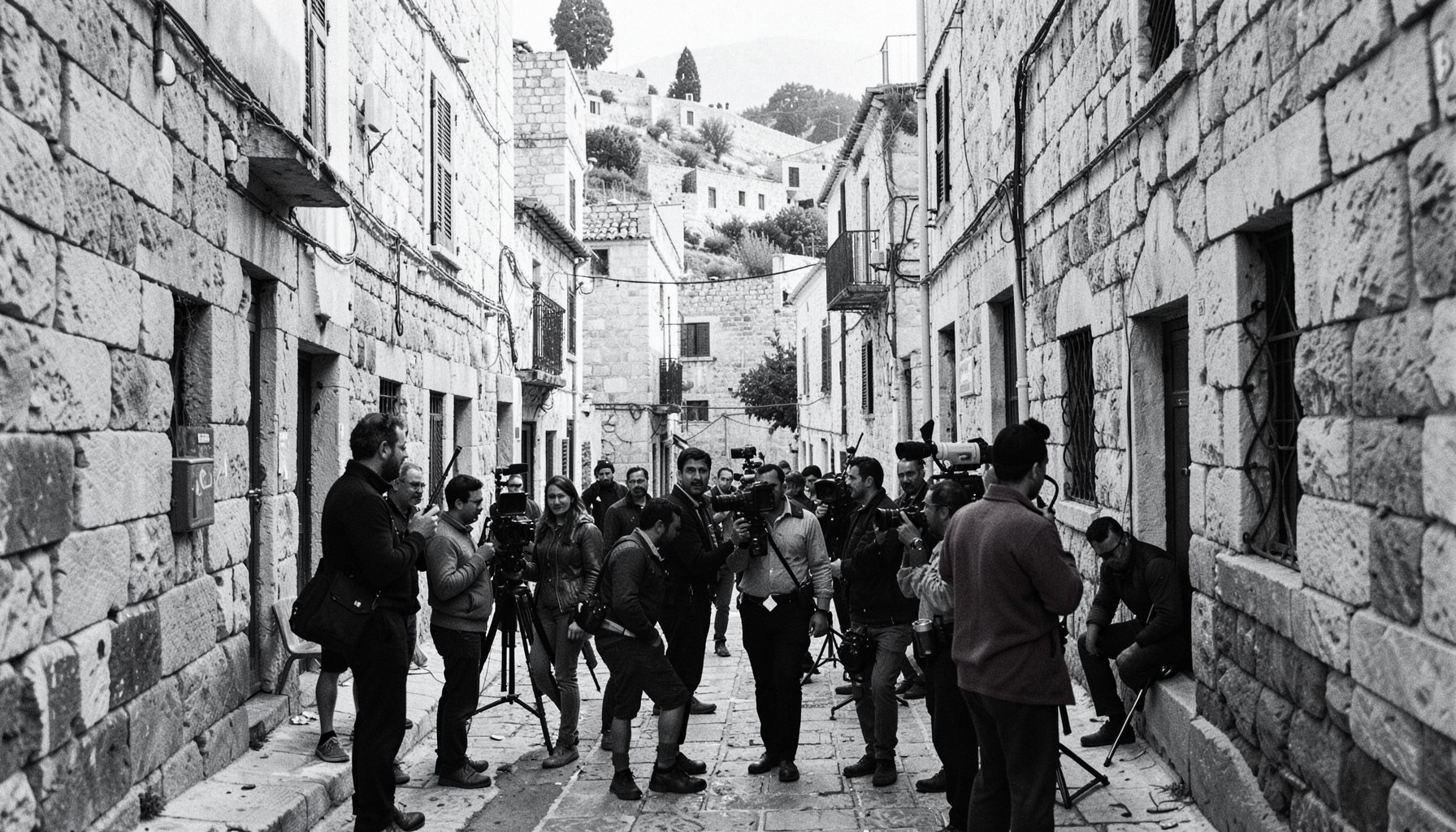
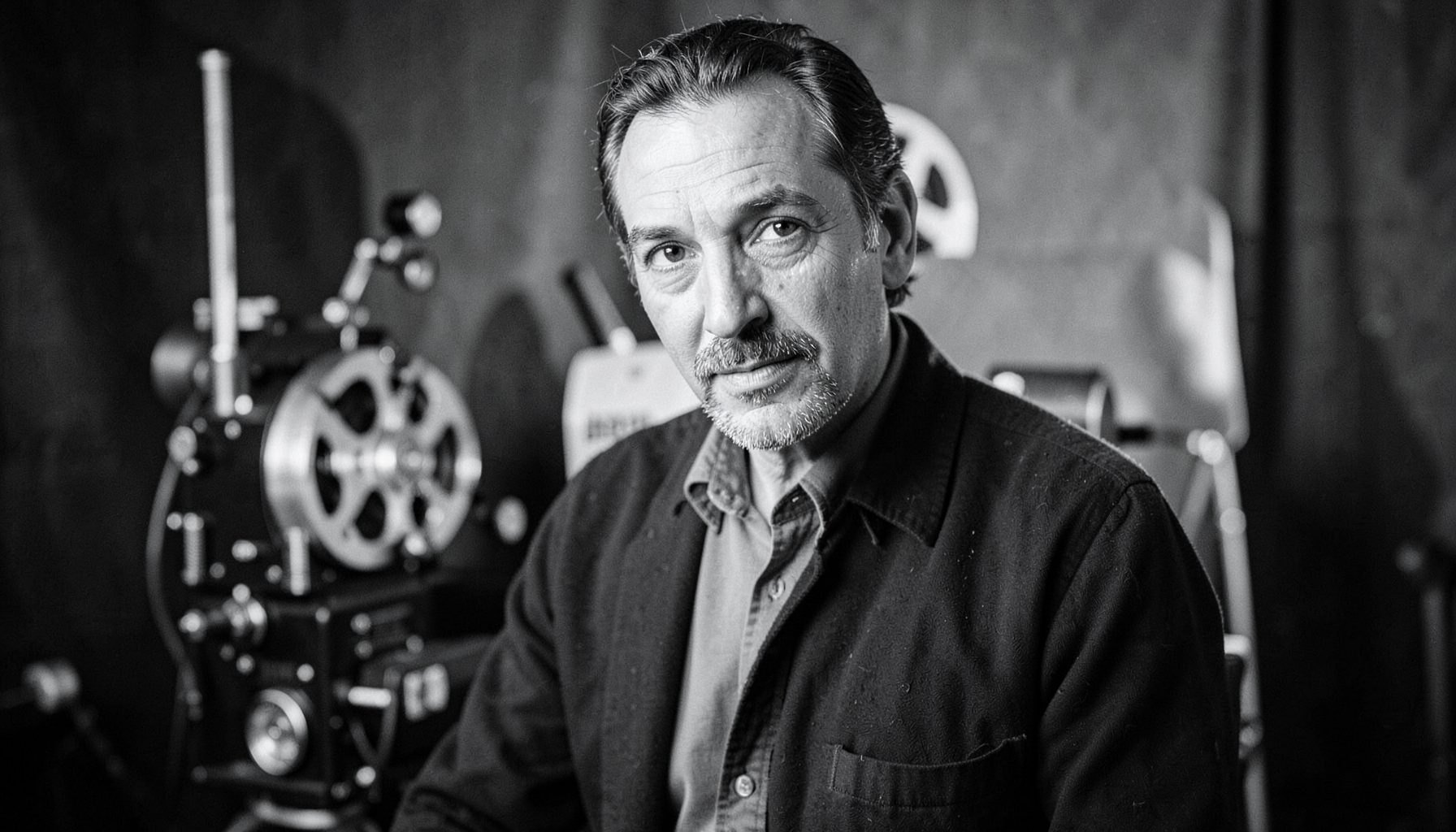
Micha Shagrir entered the Jerusalem courthouse as part of a tightly organised Israeli press contingent. Television broadcasting was in its infancy in Israel at the time, and still photographers and cinematographers carried the burden of bringing the courtroom to the nation. Shagrir's position allowed him to film witnesses, defendants, and judicial exchanges, working alongside government-approved crews and observing the strict protocols that governed the proceedings. His camera work balanced the demands of news with a documentary sensibility, capturing faces, gestures, and the particular architecture of the Beit Ha'am.
The footage he produced was distributed to Israeli broadcasters and later screened internationally, helping shape how the trial was discussed in places far from Jerusalem. Researchers working with the official Shagrir Collection website can trace this distribution pathway through production logs, broadcast receipts, and correspondence files that document every stage of the workflow. These administrative traces are themselves part of the historical record, showing how a single trial became a coordinated media event across multiple time zones.
What survives in the archive
The surviving material related to the trial sits inside a wider collection that includes Shagrir's broader documentary output. Curators have identified exposed but unpublished negatives, partially edited reels, broadcast-ready clips, and contact prints that were never selected for publication. Some sequences exist only as single frames on damaged celluloid, while others appear as fully developed stories waiting for context. The archive's catalogue distinguishes between material that aired, material that was shelved, and material that was simply never logged during the chaos of the original production.
Researchers should approach this body of work as an unfinished archive rather than a closed record. Notes attached to several reels indicate that Shagrir and his colleagues intended to compile a longer documentary treatment of the trial, but the project was overtaken by competing news priorities and the rapid turnover of the news cycle. Where official broadcasts emphasised the prosecution's key witnesses, Shagrir's private work often lingered on transitional moments — the lunch recess, the security presence outside the court, the slow walk of lawyers down the corridor.
Reading the images beyond the headlines
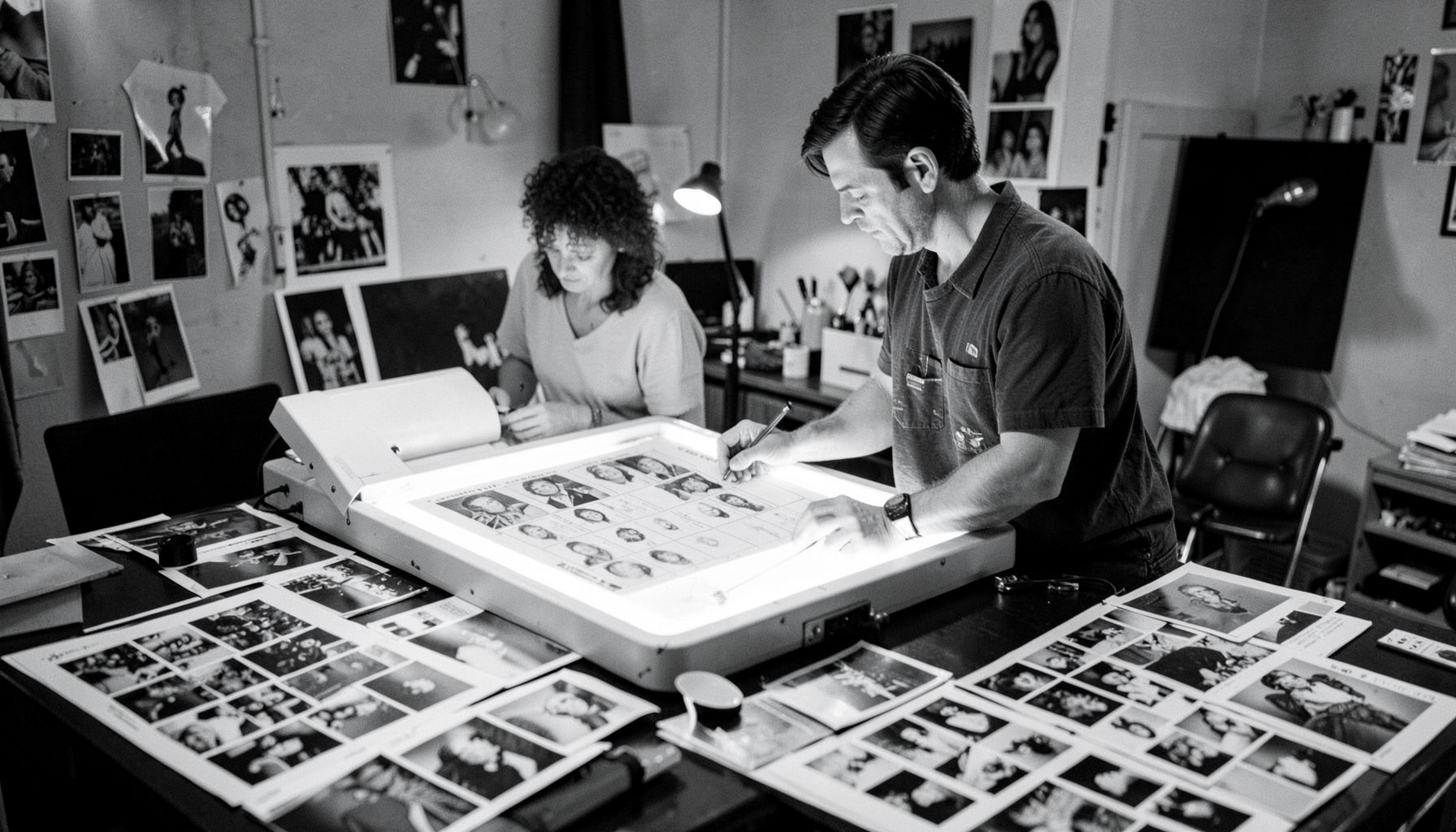
A close examination of the negatives shows how the trial was constructed visually for Israeli audiences. Frame compositions repeatedly focused on the glass booth that isolated Eichmann, the bench where the judges presided, and the faces of Holocaust survivors delivering testimony. These choices reflected both editorial judgement and the physical constraints of the press gallery, where tripods competed for space and lighting varied dramatically across sessions. The archive preserves the editor's marked-up contact sheets, which reveal which images were selected for newspapers and which were held back.
Reading these images today requires an awareness of the conventions of 1960s Israeli newsreel cinematography and of the deliberate framing choices that shaped public perception. Scholars at institutions such as the University of Sydney and Monash University, which host Holocaust research centres, often draw on Israeli archives to supplement survivor testimony collected locally. The juxtaposition can be illuminating: an Australian interview recorded decades later in Caulfield or Bondi may carry an emotional weight shaped in part by the visual vocabulary established in Shagrir's earlier coverage.
Digital preservation and access
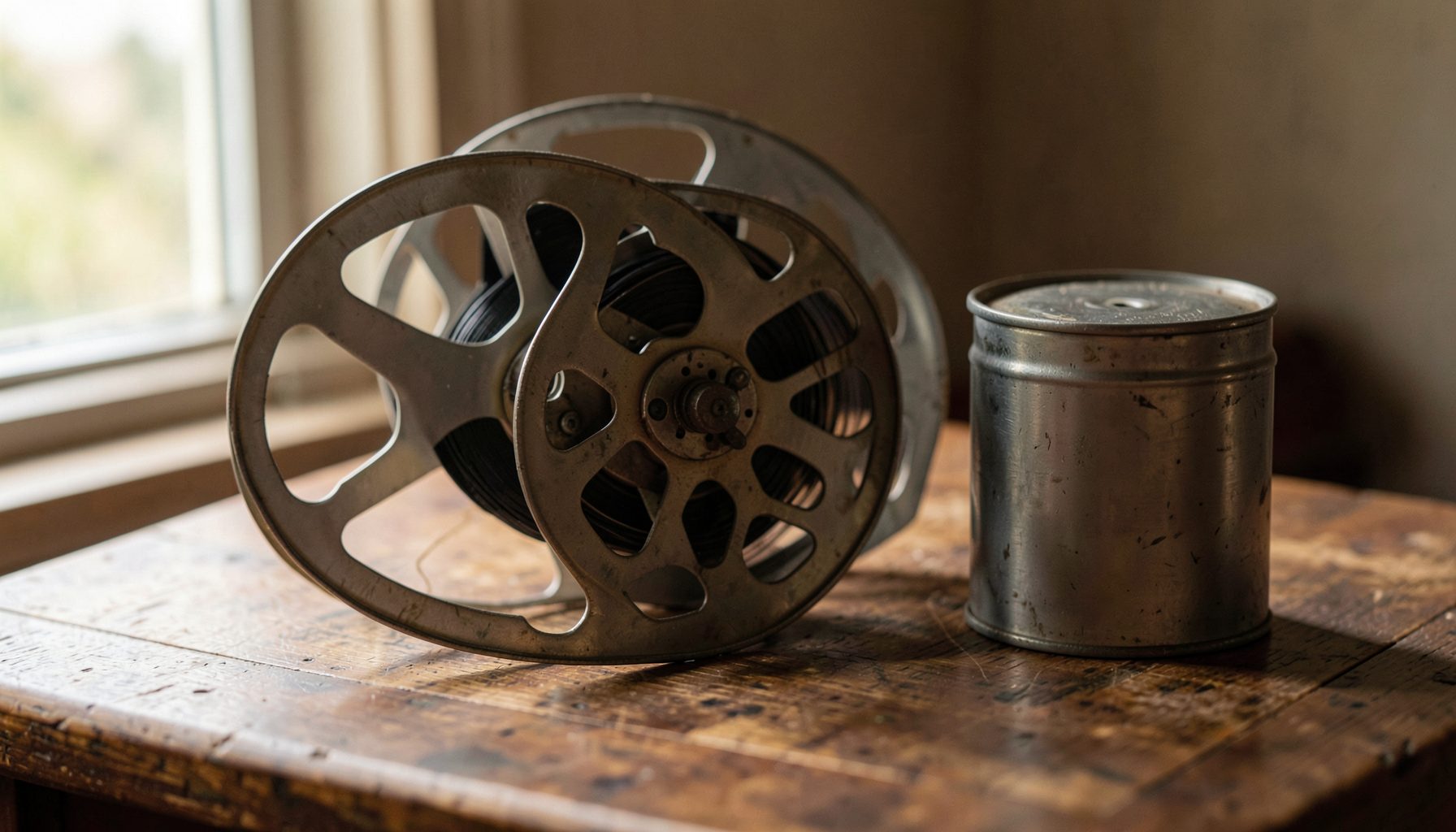
The fragility of the original materials prompted a multi-year effort to digitise Shagrir's negatives and reels before further deterioration set in. Climate-controlled vaults in Israel house the originals, while high-resolution scans are made available to qualified researchers and partner institutions. The blog entry on preserving Shagrir's 16mm negatives outlines the technical considerations involved, from sprocket damage to colour fade, and explains the choices curators made when prioritising reels for scanning.
Legal questions also shape access. Australian researchers handling archival moving image must navigate the country's Privacy Act and the Archives Act, which set frameworks for how personal records can be used and shared. Israeli archives operate under their own ministerial guidelines, and cross-border research often requires negotiation between institutions. The Shagrir collection's terms of use reflect these overlapping jurisdictions, with restrictions on commercial reuse and specific protocols for reproducing images of identifiable individuals who may still be alive or recently deceased.
A specific episode: the lost 81st blow footage
The trial produced dozens of disputed moments, but few have attracted as much curiosity as the so-called "81st blow" — a disputed entry in Eichmann's own memoir concerning the death of a Hungarian Jewish leader. Researchers have long searched for visual evidence that might clarify what, if anything, took place. Shagrir's archive holds related but incomplete material, including rehearsal footage, an interview transcript, and a marked script that suggests the crew planned to dramatise the episode in a way that was ultimately abandoned.
The detailed account of the 81st blow footage explains how the sequence was conceived, shot, and then quietly shelved. Reading this account alongside the trial transcript reveals the gap between journalistic intention and broadcast outcome, and reminds viewers that the historical image is often the result of editing decisions rather than a neutral record.
Why the archive matters beyond Israel
For educators in New South Wales and Victoria, where Holocaust education is integrated into school curricula through programs run by state education departments, the Shagrir collection offers an unusually rich teaching resource. The materials can support lessons on the history of journalism, on the ethics of visual documentation, and on the role of media in transitional justice. They also provide case studies for film studies units examining how documentary forms evolve under deadline pressure.
Beyond the classroom, the archive supports scholarship in areas such as media ethics, the visual culture of human rights trials, and the comparative study of commemoration across national contexts. Australian doctoral students working on projects related to media history or testimony studies have begun requesting access, drawn by the collection's unusual combination of raw footage and editorial documentation. The Shagrir collection therefore functions both as a historical record and as a living research infrastructure, one whose value grows as new questions are brought to it.
Ways to engage with the archive
- Request a research consultation through the official portal to discuss access to the Eichmann trial materials and related reels.
- Pair Shagrir's courtroom footage with Australian survivor testimony held by the Melbourne Holocaust Museum or the Sydney Jewish Museum for comparative teaching sessions.
- Use the digitisation blog as a model for student assignments on media preservation, drawing on Australian parallels from the National Film and Sound Archive.
- Approach the collection's published photographs with attention to caption metadata, which often reveals editorial choices that shaped the original news narrative.
- Compare the Israeli classification standards applied to the materials with the Australian Classification Board framework to understand how two jurisdictions handle sensitive historical imagery.