
How Shagrir’s Archive Illuminates Israeli Media History
Micha Shagrir’s archive offers a way to study Israeli media through the working life of one filmmaker, producer, photographer and journalist. Rather than presenting history as a sequence of polished broadcasts or celebrated films, the collection brings together the materials behind them: negatives, contact sheets, recordings, personal papers, production documents and unfinished footage. Learn more about What To Pack And Plan When Moving To Okinawa For A Blogging Career.
This range matters because media history is shaped by decisions made before an audience sees a final image. A camera position, an edited sequence, a caption, a broadcast deadline or a missing reel can reveal how political events were framed and remembered. The archive allows researchers to trace those decisions across several decades of Israeli public life.
For Australian audiences, the collection also creates useful points of comparison. Like the holdings of the National Film and Sound Archive in Canberra, or the photographic and oral-history collections associated with state libraries in Sydney and Melbourne, it connects personal records with national memory. Its value lies in showing how a media professional worked within changing technologies, institutions and public expectations.
A working archive rather than a finished story
The Shagrir Collection is significant because it preserves the conditions of media production as well as its published results. A completed documentary may communicate a clear argument, while a production file can show competing ideas, practical limitations and editorial compromises. Together, these sources make the history of Israeli journalism more textured.
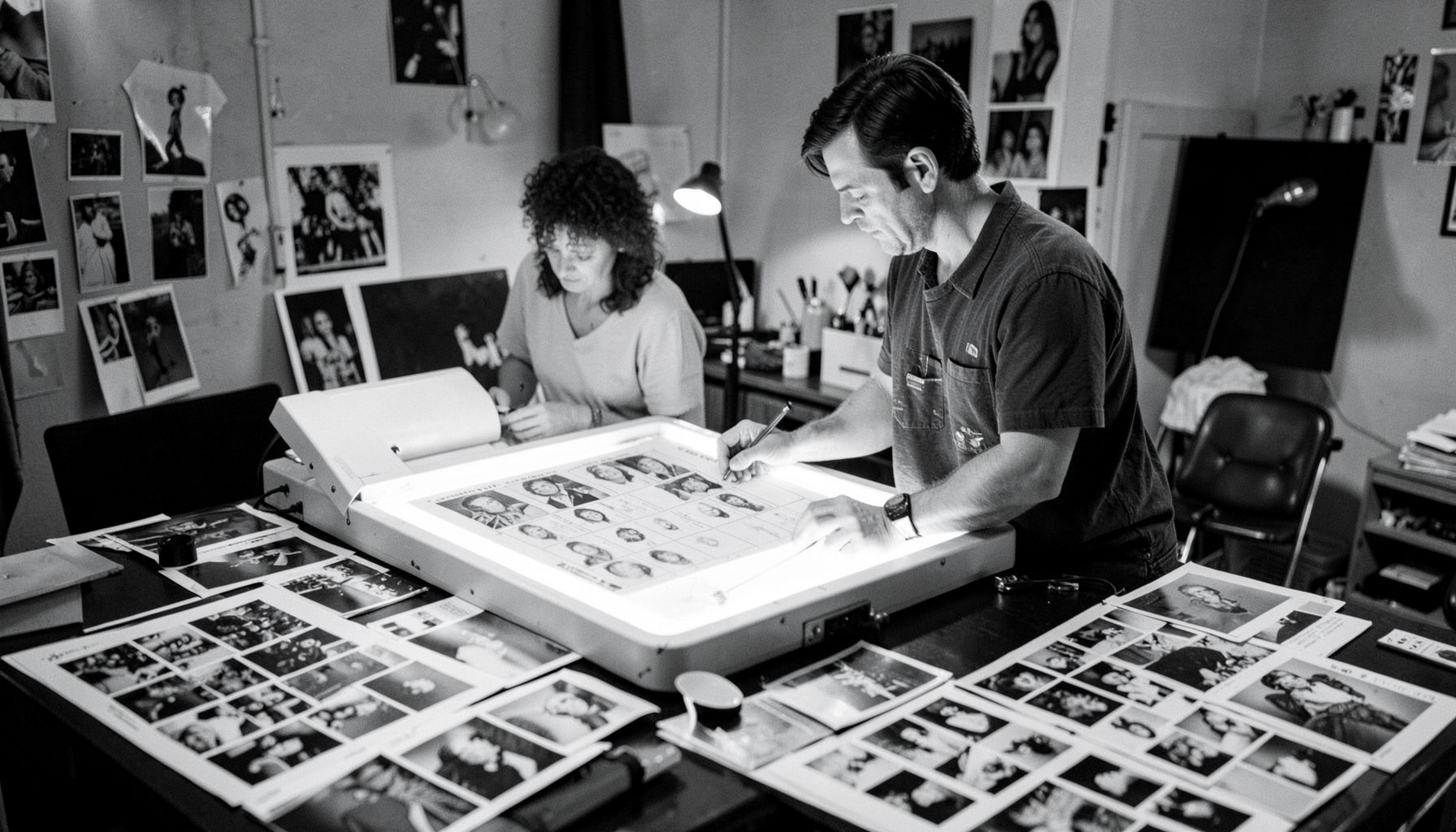
Photographs are especially revealing. A print can be examined for composition and subject matter, but a negative may disclose alternate frames, discarded moments or the physical circumstances of a shoot. Notes, labels and dates can help establish who was present, where an image circulated and how it moved from a private workspace into newspapers, television or cinema.
That approach is useful for scholars investigating Israeli political, military and social history. It also supports public audiences who want to understand how visual evidence acquires authority. The archive does not treat images as neutral windows onto the past; it encourages close attention to selection, context and mediation.
Following the journalist behind the image
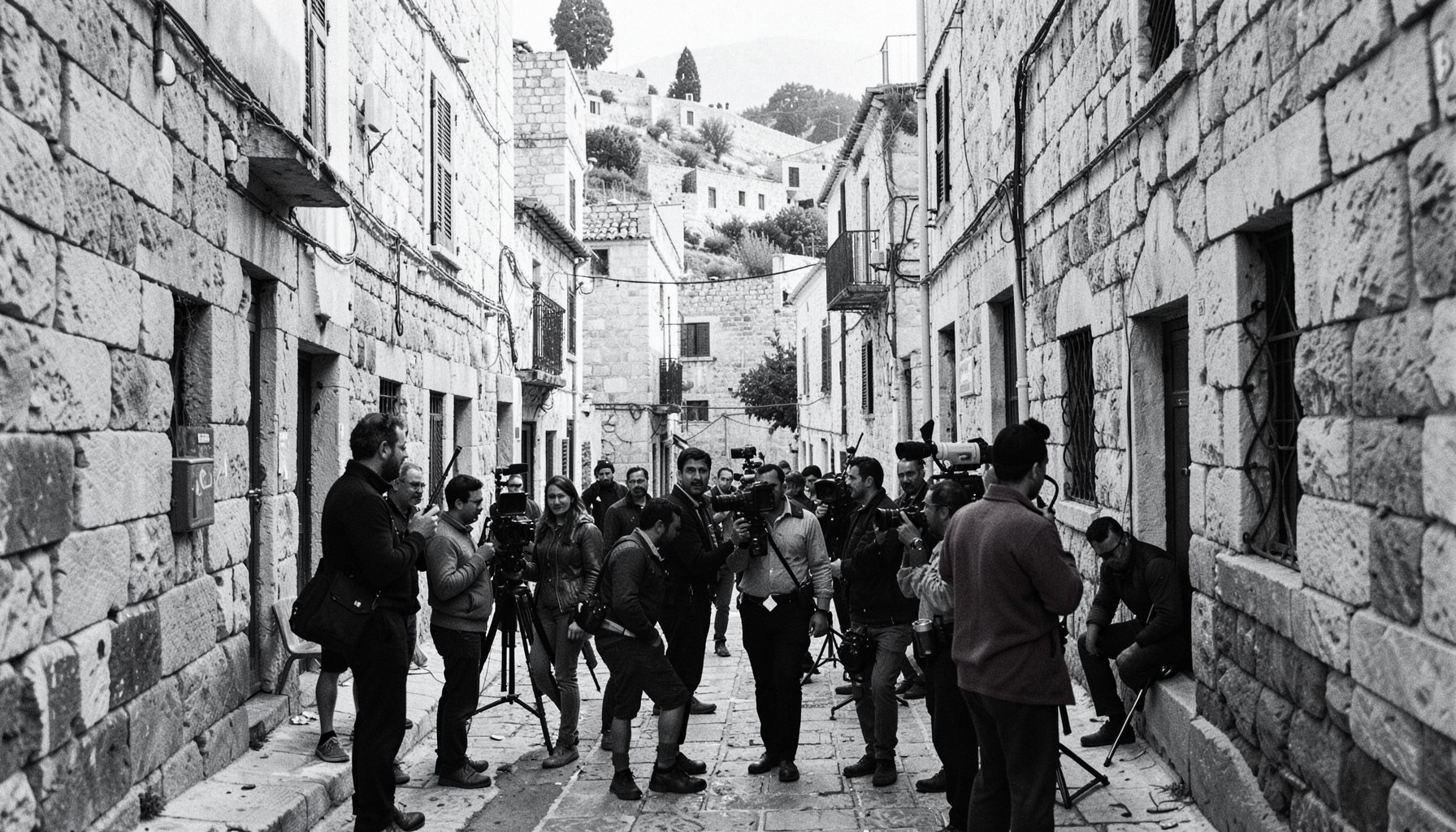
Shagrir’s career crossed professional boundaries that are often separated in institutional histories. He worked as a filmmaker, producer, photographer and journalist, so the collection can be read as a record of overlapping media cultures. Film crews, newsroom routines, photographic assignments and documentary research appear as connected forms of observation rather than isolated occupations.
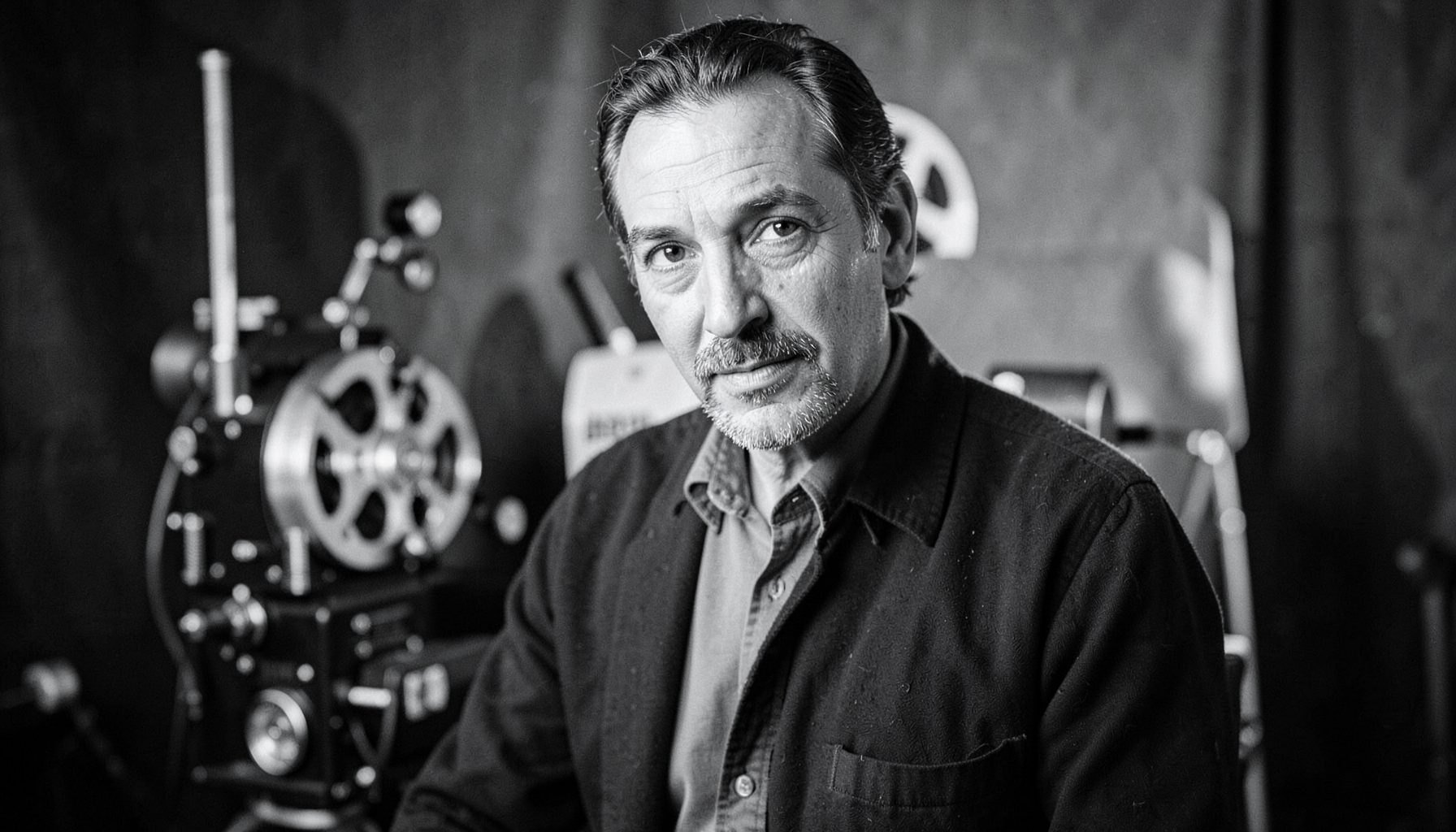
A photo essay about his daily routine gives this perspective a human scale. The photo essay on Shagrir helps viewers consider the practical rhythms behind public work: travel, preparation, equipment, encounters and the repeated act of deciding what deserves attention. Such details are valuable because professional identity is often built through ordinary habits that formal biographies leave out.
For students, this material can complicate the idea of the single author. A documentary bears a director’s name, yet its meaning also depends on researchers, editors, technicians, interviewees, funders and broadcasters. By preserving traces of collaboration, the collection helps map the networks through which Israeli media was produced and distributed.
Film, politics and contested memory
Documentary footage gains historical force when it is placed beside the circumstances of its production. Israel’s media history includes wars, political conflict, social change and competing accounts of national identity. Shagrir’s records can help researchers ask how filmmakers worked within those pressures, what they could show, and which stories remained difficult to circulate.
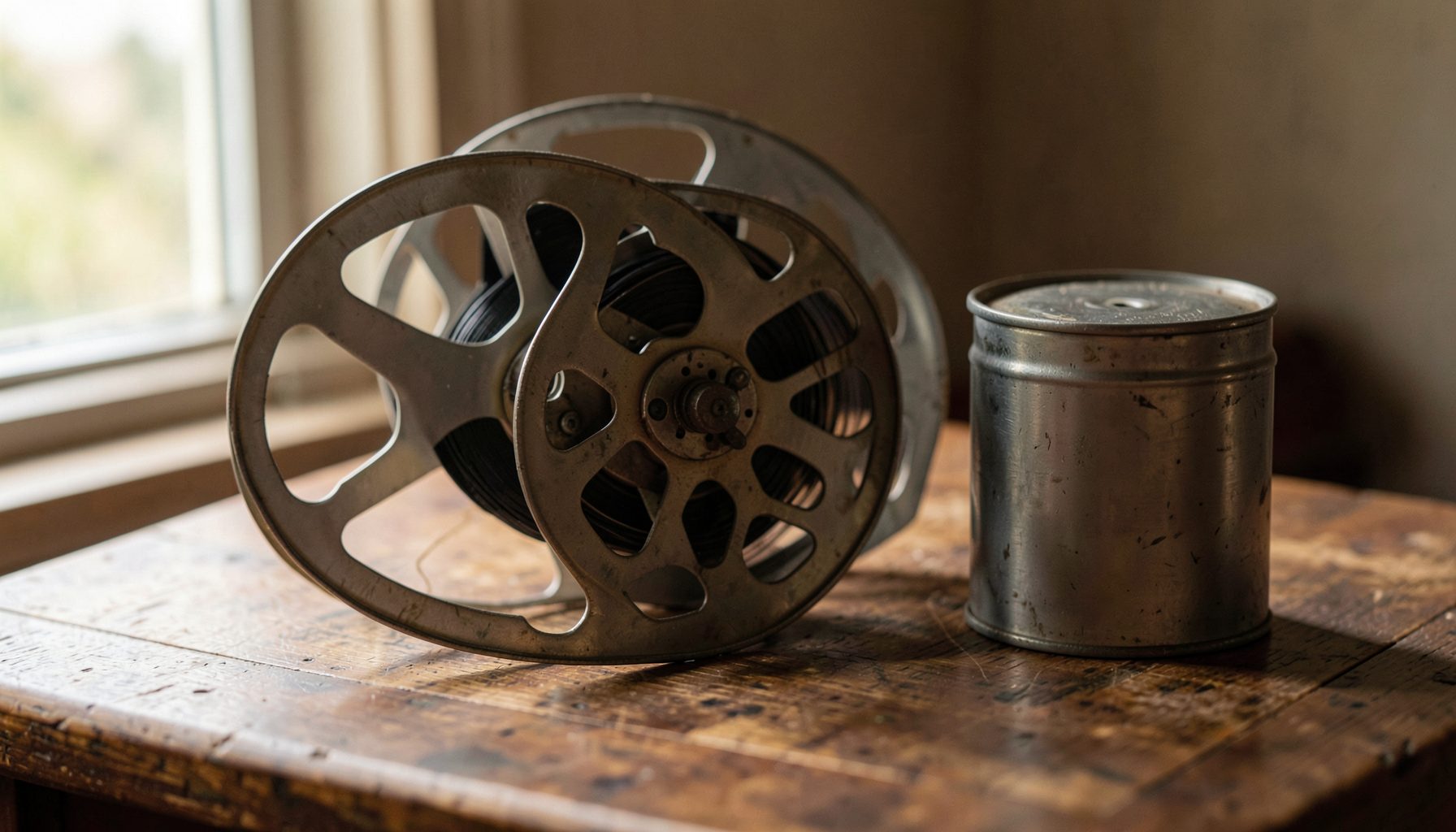
The recovery of missing material demonstrates why an archive must preserve more than famous titles. The account of lost documentary footage illustrates how fragile cultural memory can be. Film may disappear through poor storage, institutional change, uncertain ownership or the simple belief that a surviving copy exists somewhere else.
This evidence is important for interpreting The 81st Blow and related documentary histories. Lost or recovered footage can change the questions asked of a film, even when it does not alter the final cut. It may expose the difference between what was recorded and what was broadcast, showing how historical narratives are shaped by absence as much as by surviving images.
What researchers can read across the collection
The archive supports several complementary methods. A historian might compare photographs with newspaper coverage; a film scholar might study edits and production notes; a sociologist might examine representations of communities and institutions. Researchers can also follow recurring people, places and events across different formats.
Useful evidence includes:
- Negatives and contact sheets that reveal selection before publication
- Personal papers that connect creative decisions with political circumstances
- Recordings that preserve voices, accents and changing public language
- Production records that show collaboration, funding and distribution
- Prints and exhibition materials that document how audiences encountered the work
This breadth encourages source criticism. A photograph may be carefully staged, a recording may be incomplete, and a written recollection may be shaped by later experience. Comparing formats allows researchers to identify contradictions instead of smoothing them away. In this sense, the collection functions as a laboratory for understanding evidence.
The same principle applies to digitisation. A scan increases access, but it does not replace the original object. Paper texture, emulsion damage, handwritten marks and the order of a file can all contribute to interpretation. Digital surrogates should therefore retain descriptive information about provenance, condition and relationships between items.
Preservation and public access
Preservation is an active part of media history. Film stock, magnetic tape, photographic paper and office documents deteriorate in different ways, requiring specialised storage and documentation. A collection that protects these materials gives future researchers a chance to revisit questions that current technology or scholarship may not yet make visible.
Large-scale photographic projects offer a useful parallel. Before an institution commits to an exhibition or public display, a test print for large projects can expose problems in colour, scale and paper before valuable resources are spent. The same care applies to archival digitisation, where a poorly calibrated scan can flatten tonal detail or obscure annotations.
Public access also depends on clear interpretation. Exhibitions, educational programs and online essays can make specialist material approachable without reducing its complexity. For Australian visitors, this model may feel familiar from travelling exhibitions at the Australian Centre for the Moving Image in Melbourne or public programs at the Australian War Memorial. The strongest displays provide context while leaving room for uncertainty and debate.
Why the collection matters beyond Israel
The Shagrir archive contributes to international media history because it raises questions shared by journalists and filmmakers elsewhere. How does a society record conflict? Who controls images of public events? What happens when an important reel is lost? How do professional routines shape the version of history that reaches an audience?
These questions resonate in Australia, where broadcasters such as the ABC and SBS operate alongside commercial networks, independent producers and community media. Researchers examining representations of migration, regional life or political protest can compare Shagrir’s materials with local collections, including oral histories and photographic archives held by libraries and universities. The comparison need not suggest identical experiences; its value lies in revealing different institutional and cultural choices.
There is also a practical lesson for the local archival market. Australian museums, galleries, universities and private collectors increasingly seek digitisation, conservation and rights management services, while audiences expect online access through mobile devices and searchable portals. A collection such as Shagrir’s shows why access must be paired with provenance, ethical description and long-term stewardship.
For teachers and families, the archive can support media-literacy activities during school holiday programs or public library events. Students might compare an original photograph with its published version, investigate how a documentary constructs a point of view, or create a timeline from primary sources. Such work turns a personal collection into a shared space for examining how societies remember.
Support for the archive therefore has a wider purpose. Protecting Shagrir’s photographs, films, recordings and papers preserves evidence of Israeli media practice while encouraging future research, exhibitions and learning. The collection’s greatest contribution is its insistence that history exists in the working materials surrounding a finished image, in the gaps between versions, and in the people who made those images possible.