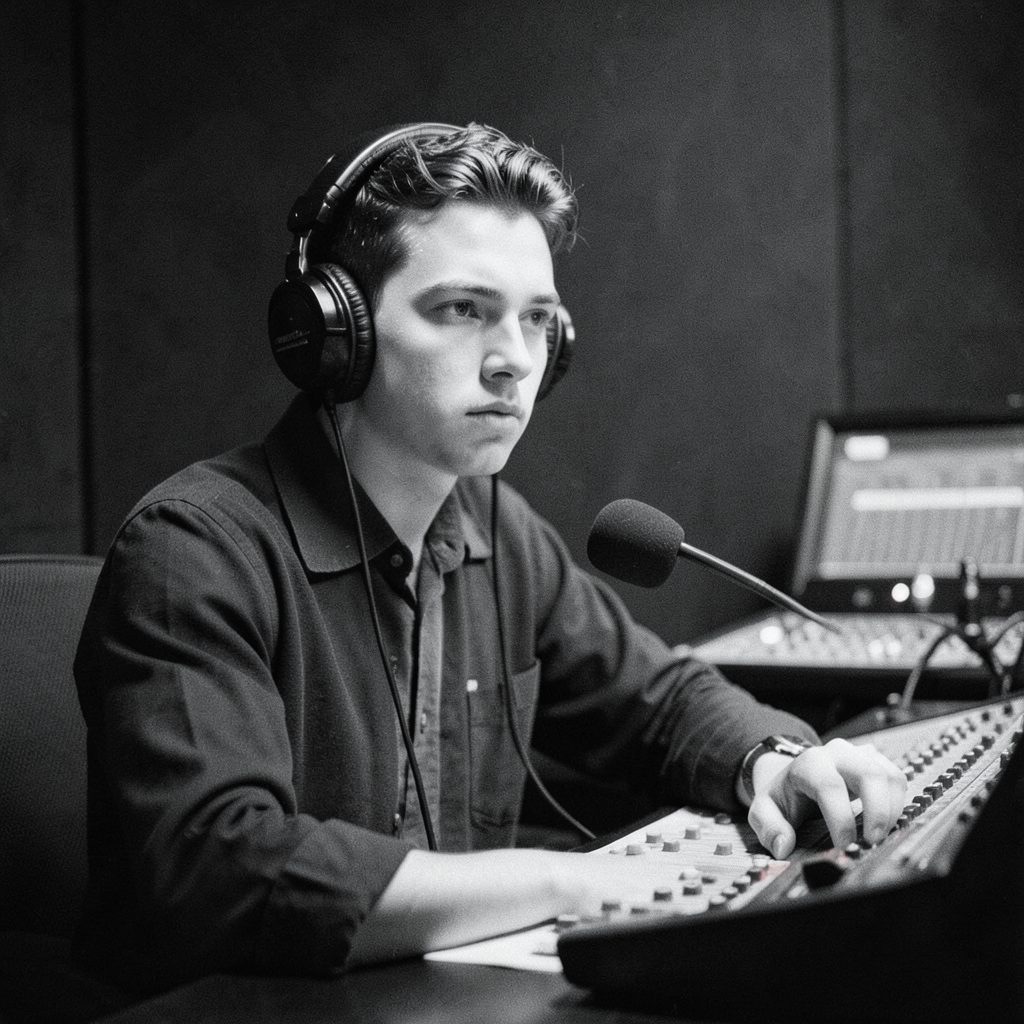
A day in the life of Micha Shagrir through his archive
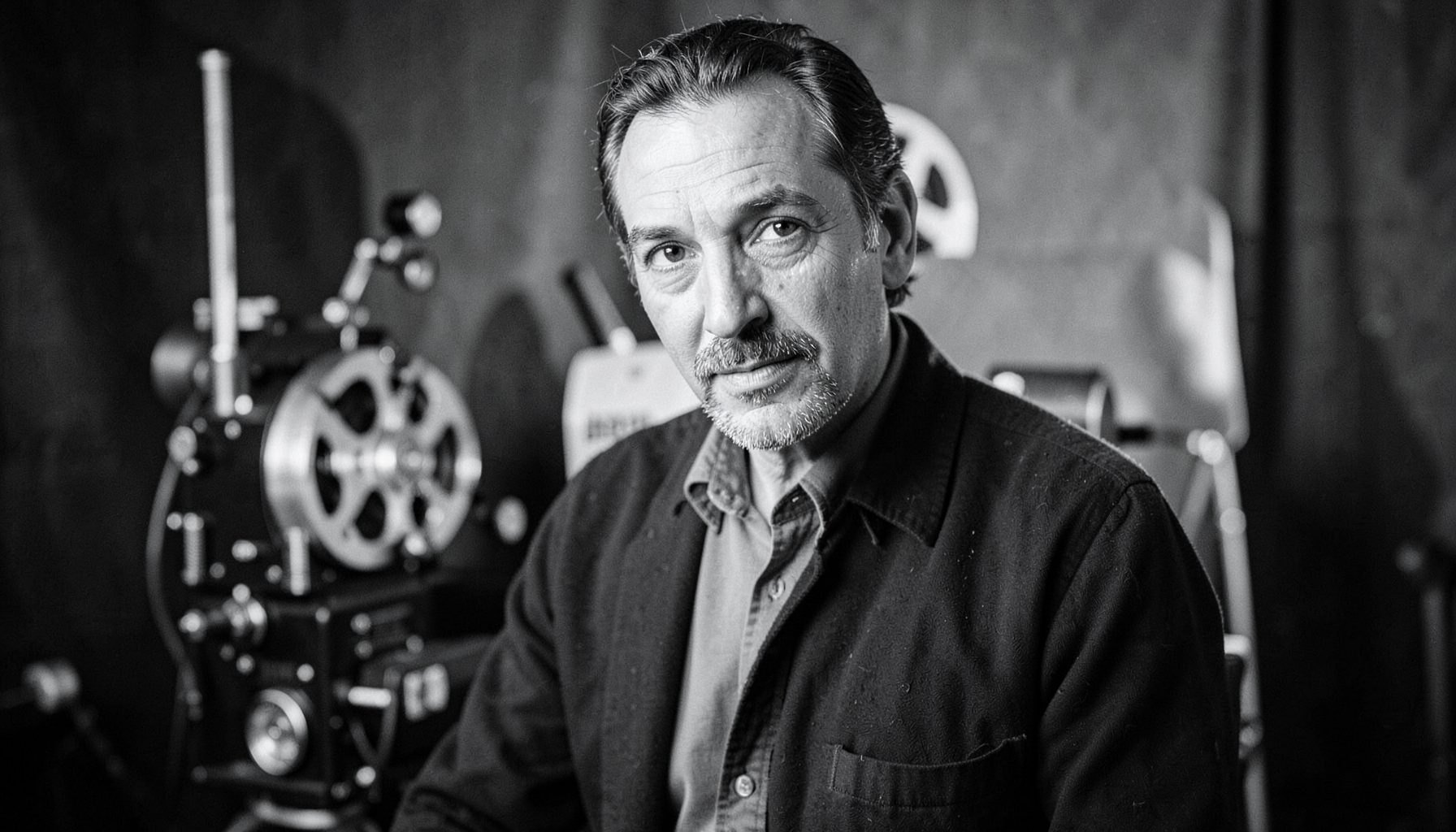
The early light over Tel Aviv in the late 1960s fell across a leather camera bag and a notebook already half-filled with shorthand. Micha Shagrir had been awake for hours, mapping out the day's route between a political press briefing, a kibbutz celebration, and a quiet hour in his darkroom. Few photographers documented the texture of Israeli life with such range, and his personal archive captures the tempo of a working day across decades of field assignments.
Walking through the Shagrir Collection today, visitors can sense that rhythm in the contact sheets, the scratched negatives, and the warm prints pulled from storage. The archive presents a working life measured in frames, reels of audio, and reels of film, balanced with moments of rest that never quite shut off the lens. A photo essay built from these materials shows how the day of a filmmaker, photographer, and journalist unfolds when the work and the life refuse to separate.
An early start on the streets of Tel Aviv
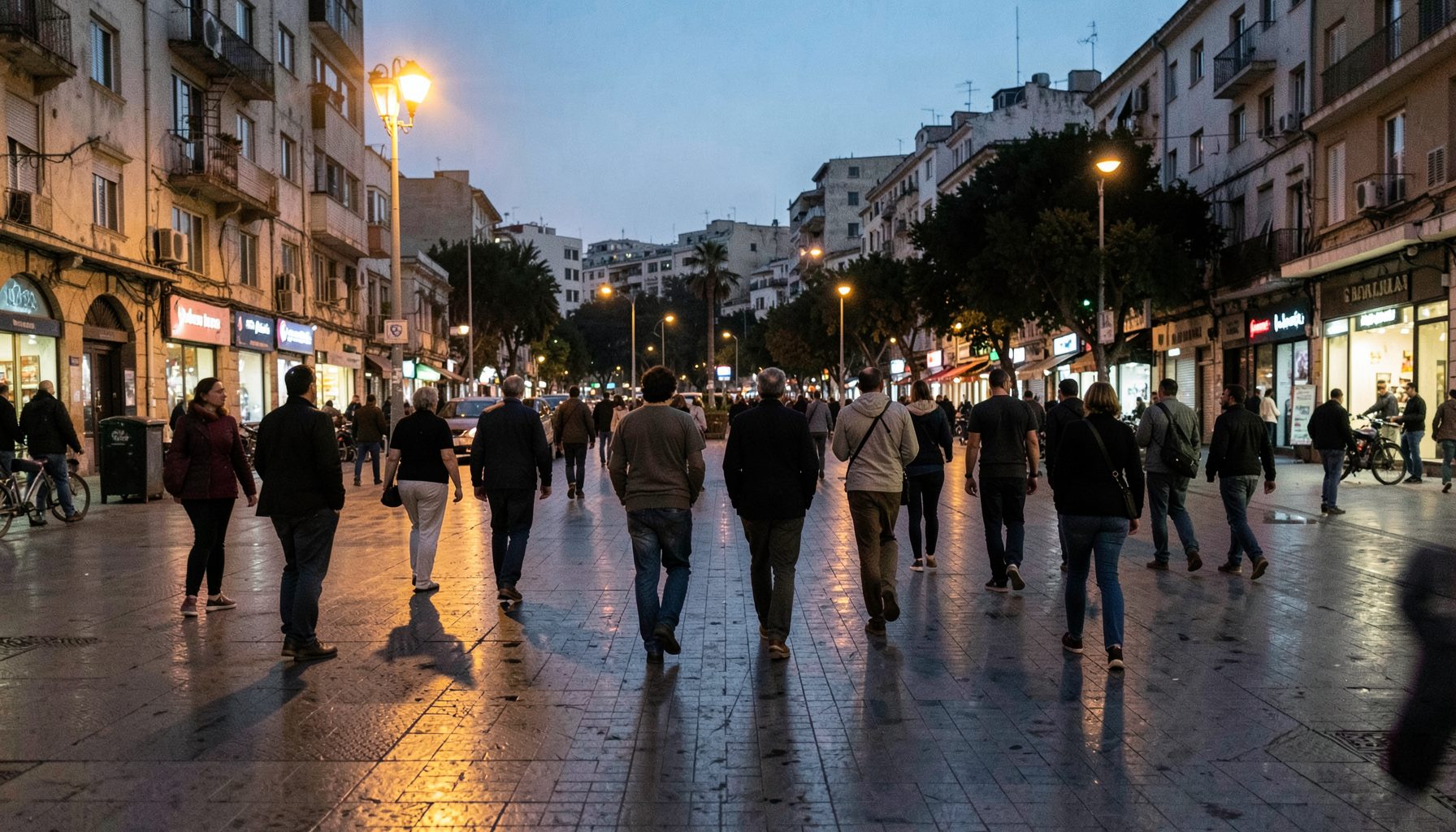
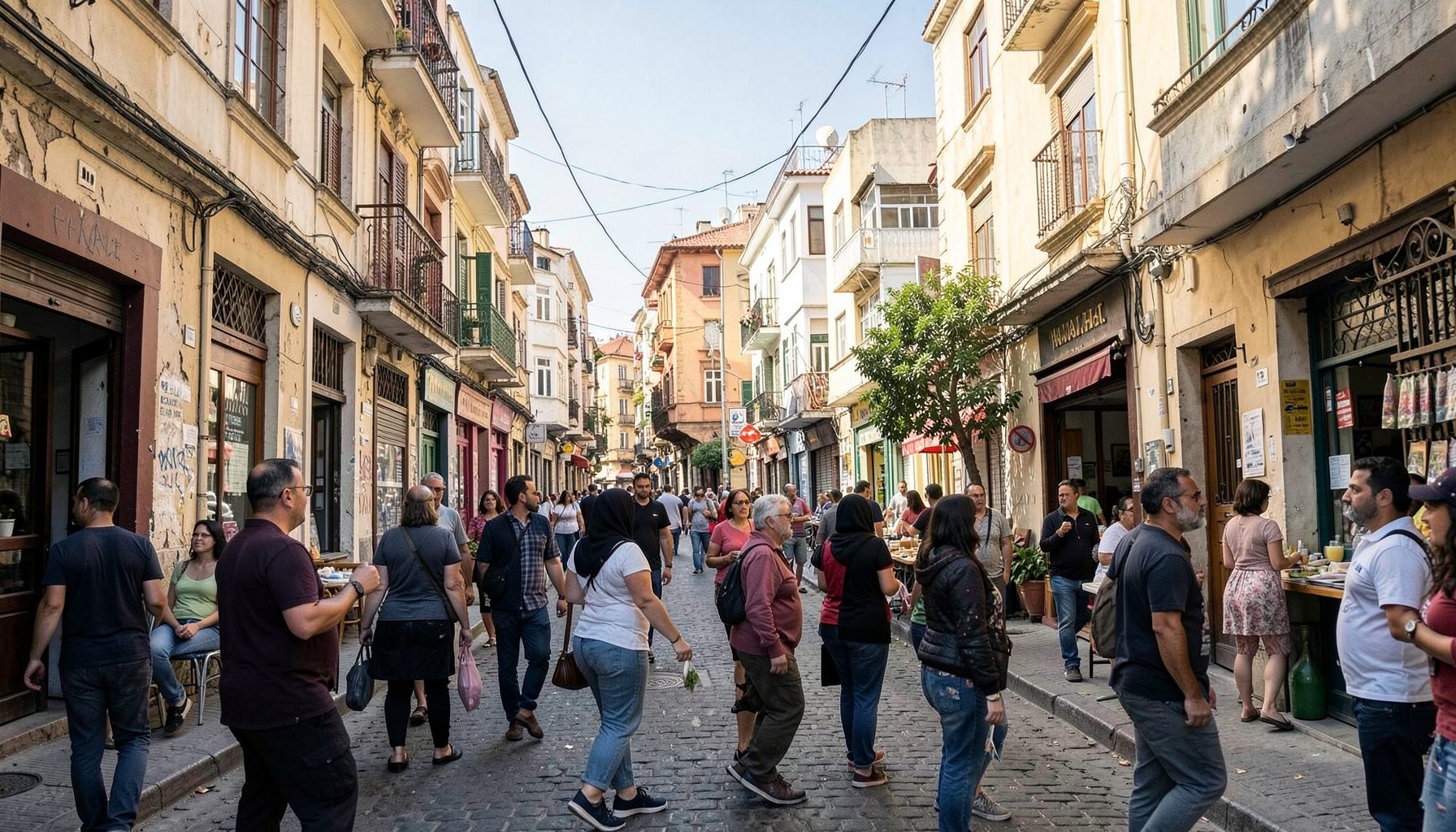
Before the bakery queues formed in the Carmel Market and well before the first minister arrived at the Knesset, Shagrir was already walking the boulevards with a Leica strapped over his shoulder. He preferred the early hours for street photography because the angled light gave weight to every face, and because the city's quieter rhythms offered a counterpoint to the political theatre that would dominate his afternoon. Several frames in the archive show shopkeepers arranging produce while Shagrir crouched for a low-angle shot that turned an ordinary morning into a study of labour and dignity.
The discipline of rising early has parallels in many creative capitals, including Melbourne's film precinct in Southbank, where documentary crews regularly begin pre-production meetings at dawn to catch international editors in their time zones. Shagrir kept a similar practice of writing captions and scene notes before his first assignment, often in pencil on the back of receipts. That habit left a paper trail that researchers now use to reconstruct the chronology of his day.
The journalist in the political arena
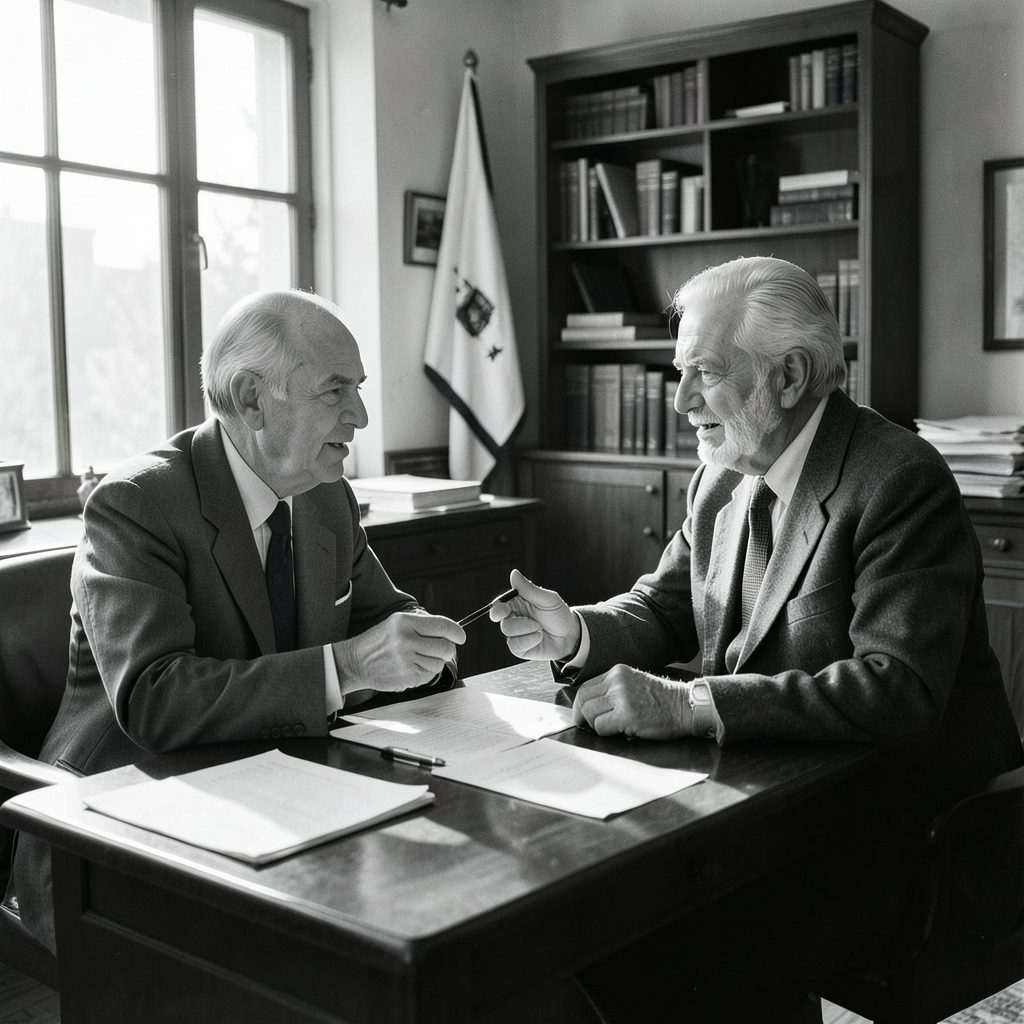
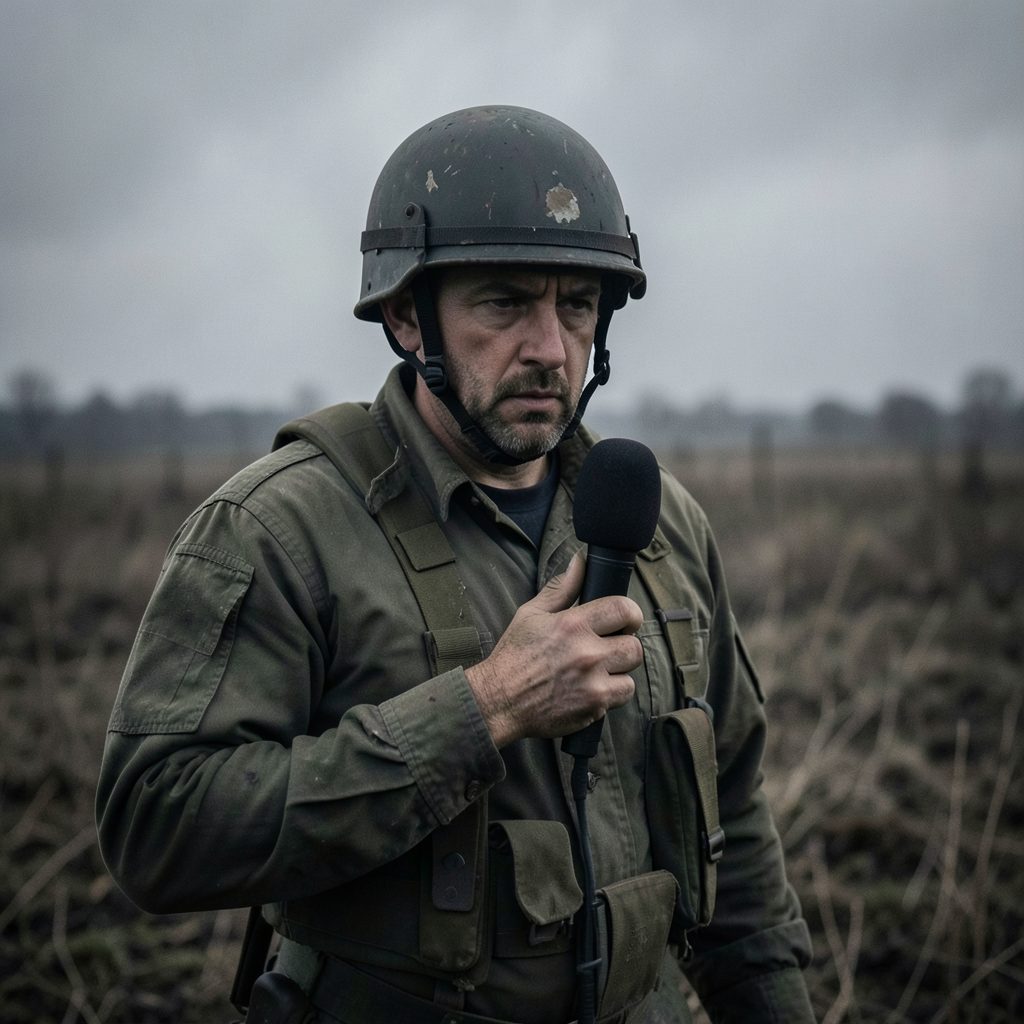
By mid-morning, Shagrir had usually crossed into the political wing of his work. Whether he was filing a newsreel for Israeli television or chasing a quote in a corridor at the Knesset, his role as a broadcast journalist demanded a different kind of attention than his photography. He carried a Nagra recorder as carefully as he carried his still cameras, and his reports leaned on the same instinct for composition that shaped his portraits. Researchers studying the Israeli documentary cinema of the period often point to this crossover between photojournalism and moving-image reporting as a defining trait of his generation.
The political moments captured in the archive carry the same energy now that they did on the day they were shot. There are tight frames of David Ben-Gurion reading a statement, candid group shots of ministers laughing between sessions, and longer documentary sequences of protest marches that Shagrir followed from the front line. For viewers used to the saturation coverage of modern news cycles, the patience evident in these frames feels almost foreign. A single roll of film from that morning might produce three or four published images, with the rest discarded, an editorial discipline closer to the craft approach still championed by specialist photo agencies in Sydney's Ultimo district.
The documentary set and the eye behind the lens
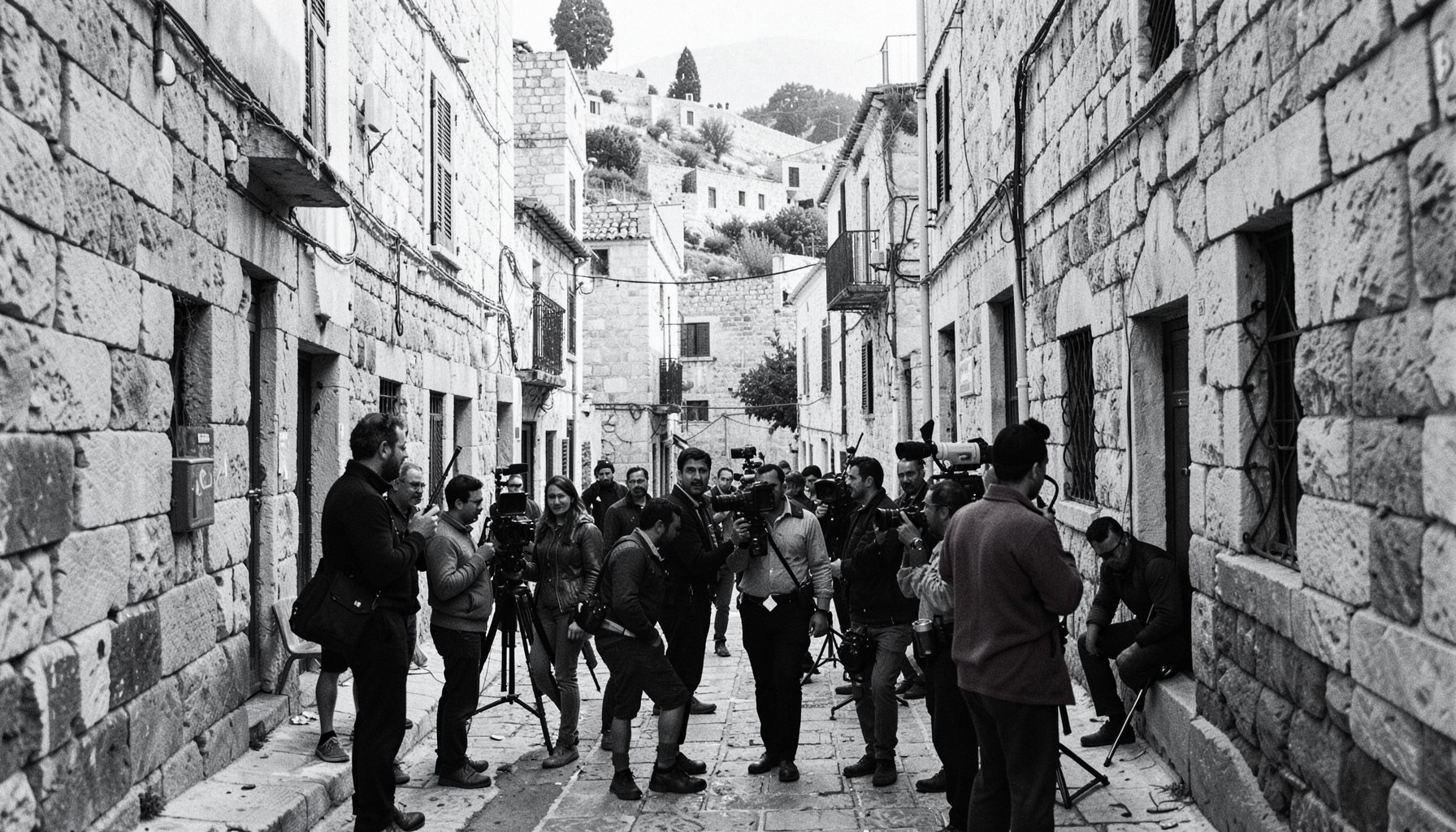
The afternoon belonged to documentary production. Shagrir's crew might be staging a reenactment, waiting for natural light to shift across a desert scene, or capturing the long, quiet exchange of an interview that would later anchor a film. The Shagrir Collection holds production notebooks, lighting diagrams, and grainy location photos that reveal how carefully he framed each shot long before the camera rolled. Several pages are annotated with sketches that resemble storyboards, a habit that connects his work to the visual planning traditions still taught in documentary programs at the Australian Film Television and Radio School in Sydney.
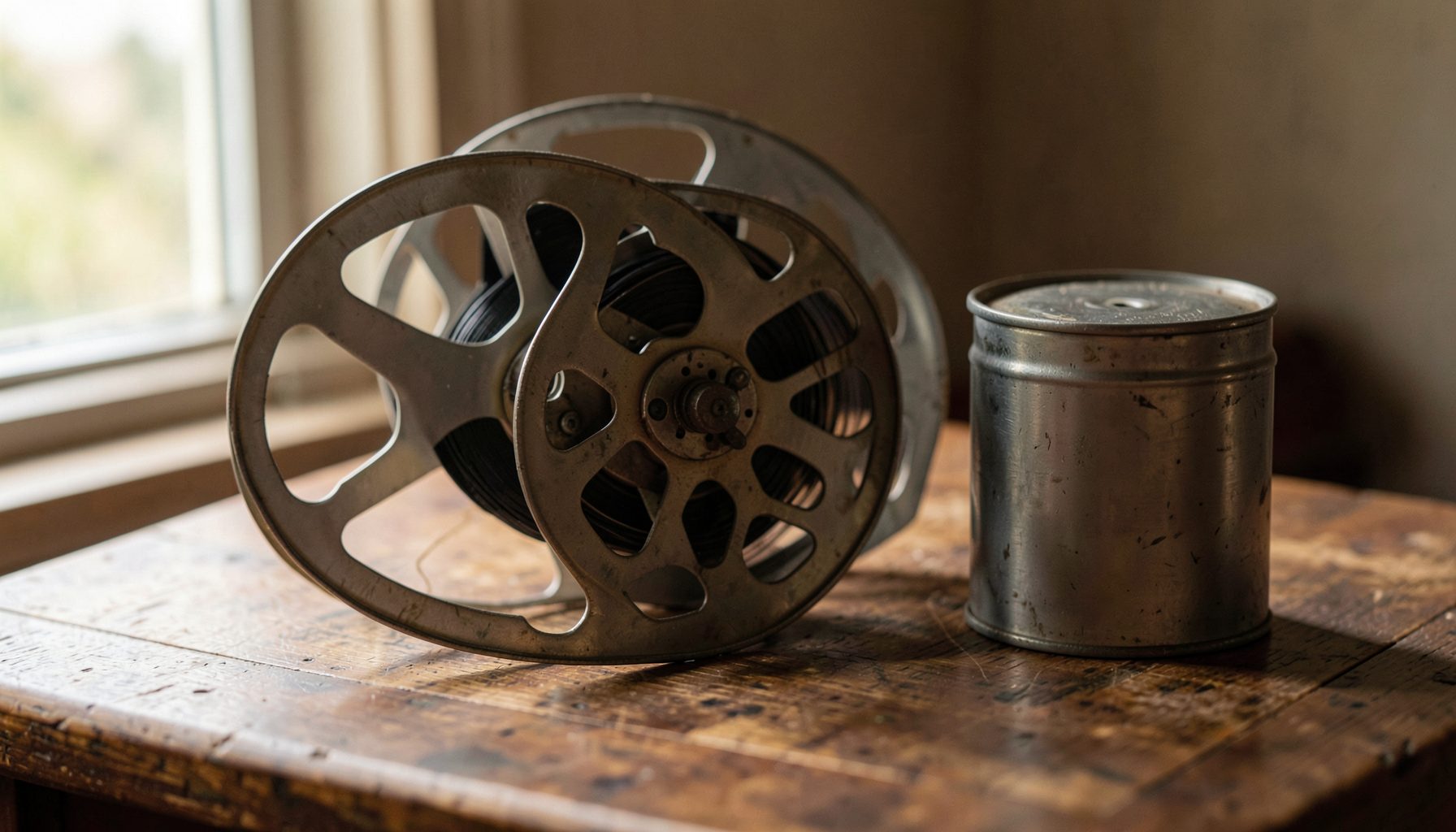
The collaboration between Shagrir and his sound recordists, producers, and fixers comes through in candid behind-the-scenes frames now digitised in the archive. Crews often worked six days a week during heavy production periods, with half-day pauses on Saturdays in keeping with the Jewish calendar. That rhythm shaped the kind of footage that could be gathered and left gaps in the visual record that later researchers fill in through oral history. The collection's ongoing effort in preserving 16mm negatives brings these gaps into sharper focus by restoring frames that were once thought lost.
A sense of the practical craft comes through in the equipment inventories held with the production files. A typical documentary loadout for Shagrir's crew looked something like this:
- A 16mm Arriflex camera body with a small set of prime lenses
- A portable Nagra tape recorder paired with a boom microphone
- Incident and reflected light meters, plus a colour temperature chart
- A bound notebook for shot lists, with pencils and a folding ruler
- Spare magazines, a backup camera, and a changing bag for reloading in the field
- A thermos, a regional map, and a Hebrew-English phrasebook for travel
Quiet hours in the darkroom
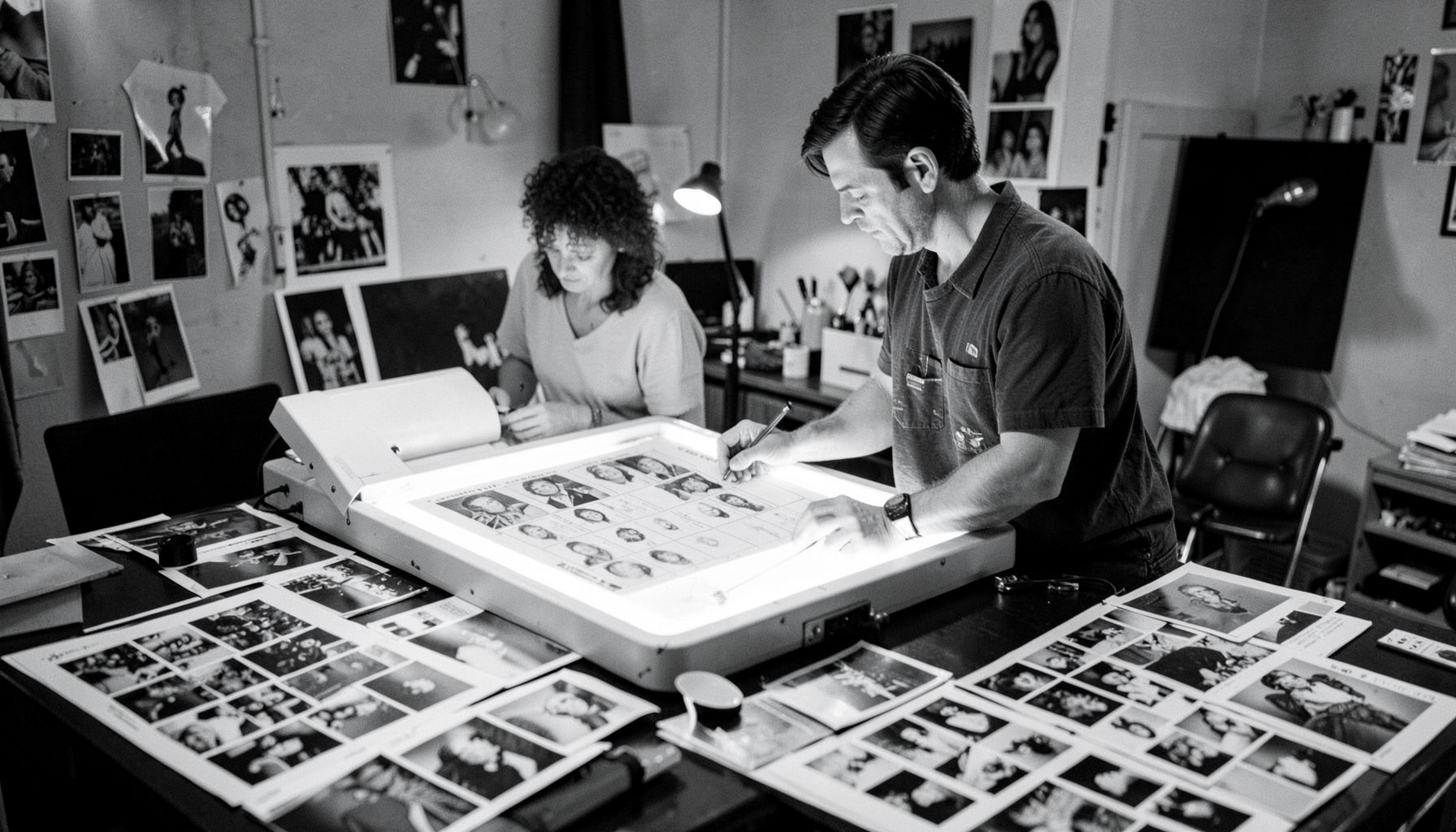
By the time evening settled, Shagrir had often retreated to his darkroom or editing suite, where the day's rushes were processed and selected. He favoured contact printing for his personal work, a method that preserves the rhythm of an entire roll and lets the photographer edit by feel rather than by isolated highlights. The archive holds full contact sheets with his handwritten ticks and crosses in red grease pencil, a working language that researchers have learned to read almost like a private diary. The smell of stop bath and fixer that once filled that room is gone, but the patience of the craft remains visible in the spacing of the frames.
The dedication to printing in-house echoes the slow, deliberate practice of darkroom communities that still thrive in Brisbane and Perth, where analogue photography collectives maintain shared facilities. There is something in the Shagrir archive that resonates with these contemporary practitioners: a belief that the image is not finished when the shutter clicks, but only when it is held up to the light in a finished print. That conviction shaped every level of his work, from a quick newspaper assignment to a considered portrait of a literary figure.
Evenings of family, film, and correspondence
Home for Shagrir was not a refuge from work but a quieter corner of it. Evenings often included reviewing rushes with his family on the couch, watching foreign news broadcasts, or writing long letters to colleagues abroad. His correspondence files in the archive reveal a network of filmmakers, editors, and cultural attachés stretching from Paris to Buenos Aires. Children and grandchildren appear in personal frames taken with the same care as his professional commissions, suggesting that for Shagrir the camera never really rested.
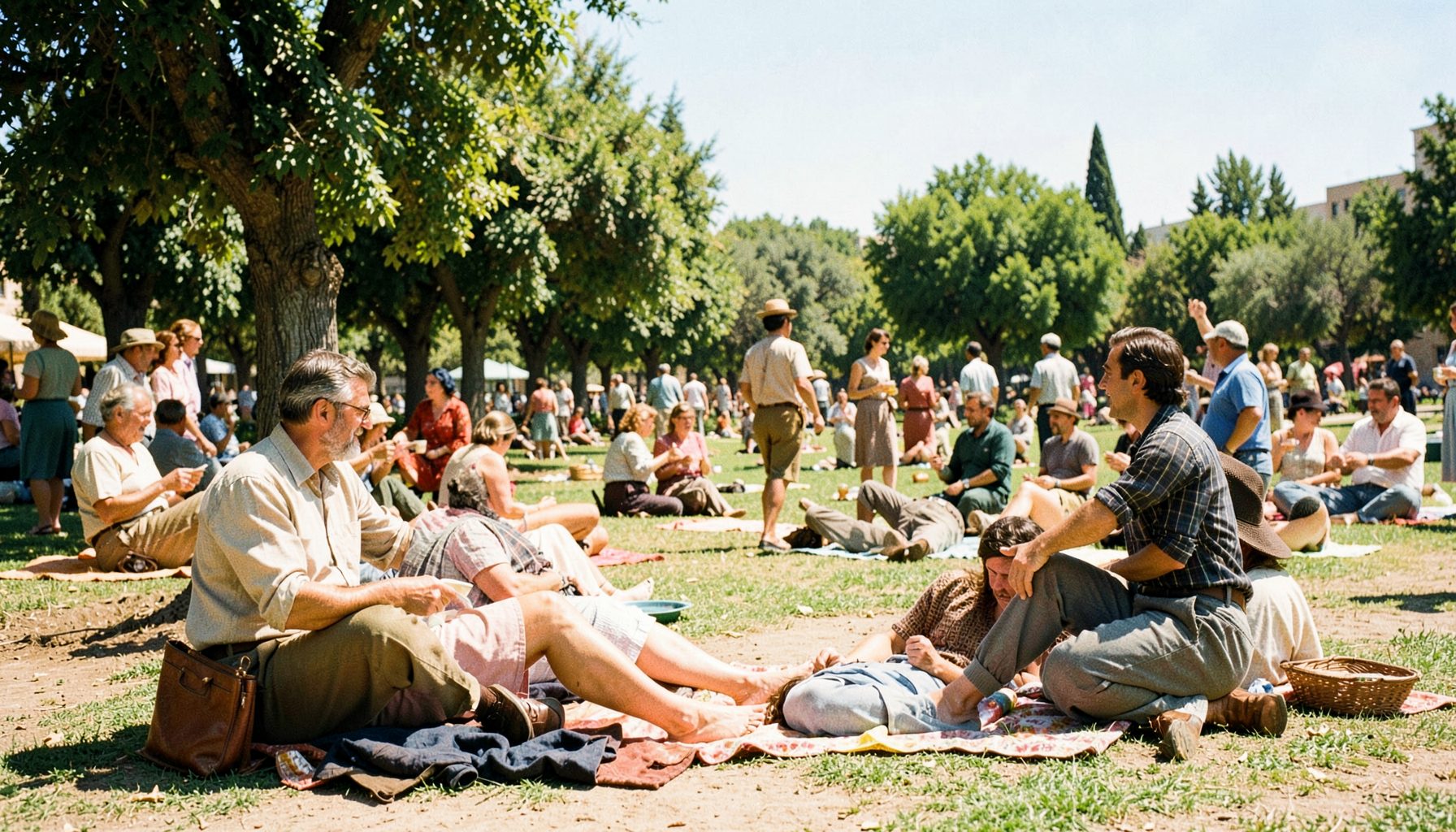
Several frames in the collection capture informal gatherings around the dinner table, with guests leaning into the lamp light while Shagrir adjusts the focus of a handheld camera at the edge of the scene. These images carry the warmth of a Mediterranean home where conversation runs long and coffee cups refill themselves. They also document a private life that shaped the public work, since many of his most intimate friendships fed directly into the documentary projects that followed.
How the archive keeps a single day alive
The strength of the Shagrir Collection lies in its ability to reassemble a working day from fragments that were never meant to survive together. A contact sheet, a page of script notes, a reel of magnetic audio, and a single annotated print can be placed side by side to reconstruct the full arc of a shoot. The process of presenting a photo essay from these sources involves choices about sequencing, crop, and context, similar to the curatorial decisions made at the Australian Centre for Photography when staging retrospective shows.
Comparing the different mediums Shagrir worked in reveals how each shaped his sense of time during a day.
| Medium | Typical daily output | Working rhythm | Preservation status in the archive |
|---|---|---|---|
| 35mm still photography | 2-3 rolls, edited to 8-12 frames | Quick, instinctive, location-led | Fully catalogued with contact sheets |
| 16mm documentary film | 3-8 minutes of usable footage | Slow, planned, crew-based | Under active digitisation |
| Broadcast news reporting | 1-2 packaged stories | Fast turnaround, deadline-driven | Held in newsroom transcripts |
| Personal diary prints | 1-2 proofs | Reflective, end-of-day | Scanned with original annotations |
| Correspondence | Several letters and cables | Conversational, evening | Sorted and cross-referenced |
Readers approaching the archive for the first time often look for a single signature image, but a photo essay drawn from Shagrir's materials works better as a layered timeline. The following points highlight what a visitor might focus on when tracing a single working day through the collection.
- Begin with the contact sheets from the morning's street photography to see how Shagrir edited a full roll into a usable story
- Cross-reference the frames with his production notebooks to match locations with shooting intentions
- Listen to the audio rushes from the same afternoon to hear the sounds that surrounded the still images
- Read the diary entry or letter written that evening for the photographer's own reflection on the day's events
- Compare the published image in a newspaper archive with the unprinted frames to understand editorial choices
A photo essay built from the Shagrir archive is, ultimately, an act of reassembly rather than invention. The day existed; the materials prove it. What the collection offers is the chance to stand inside that day, frame by frame, and feel the cadence of a creative life that kept moving long after the sun went down.