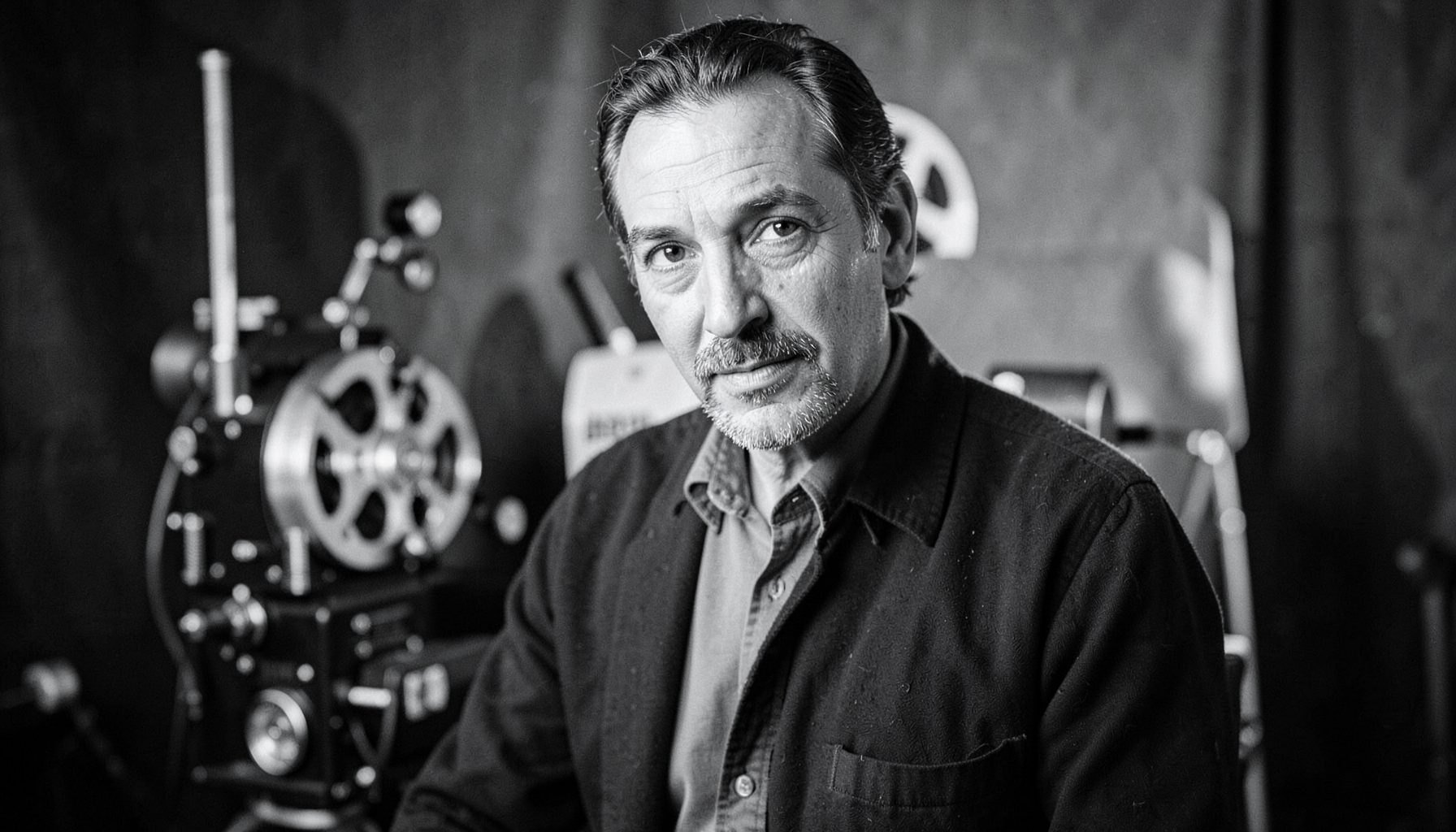

How Shagrir Made a Documentary About the Mandate’s Final Chapter
Micha Shagrir’s documentary The Last Chapter of the Mandate examines the tense final period of British rule in Palestine and the political, military and personal forces that shaped the transition in 1947–48. Its subject is often reduced to dates and declarations, yet the film’s value lies in connecting public events with the uncertainty experienced by people living through them.
The making of the documentary belongs to a wider Shagrir practice: bringing together testimony, archival images, field research and the physical traces of history. For Australian viewers, the project offers a way to consider how documentary cinema can turn contested national memory into a carefully assembled record, much as local filmmakers have explored Gallipoli, the Snowy Mountains Scheme or the changing streets of Sydney and Melbourne.
A Documentary Built Around A Historical Threshold
The Mandate’s final chapter was a period of overlapping endings and beginnings. British administration was withdrawing, competing political movements were pressing their claims, and communities were preparing for violence while still conducting ordinary business. A film about this moment must therefore move between the scale of international diplomacy and the details of daily life.
Shagrir’s approach treats the end of the Mandate as a lived experience rather than a single constitutional event. Archival documents establish the framework, while photographs, interviews and filmed locations help recover atmosphere: guarded roads, crowded offices, military checkpoints, public meetings and families trying to understand what might happen next.
This method has a clear parallel in Australian historical documentary. A production about Federation, the 1967 referendum or the evacuation of Darwin during the Second World War also needs to balance official records with voices from homes, workplaces and local communities.
From Archive Boxes To A Moving Image
The documentary’s creative labour begins long before editing. Researchers must identify usable photographs, newsreel fragments, maps, letters, newspapers and recorded testimony, then assess what each source can genuinely show. An image may establish a place or a uniform, but it cannot automatically prove what people felt or why an event occurred.
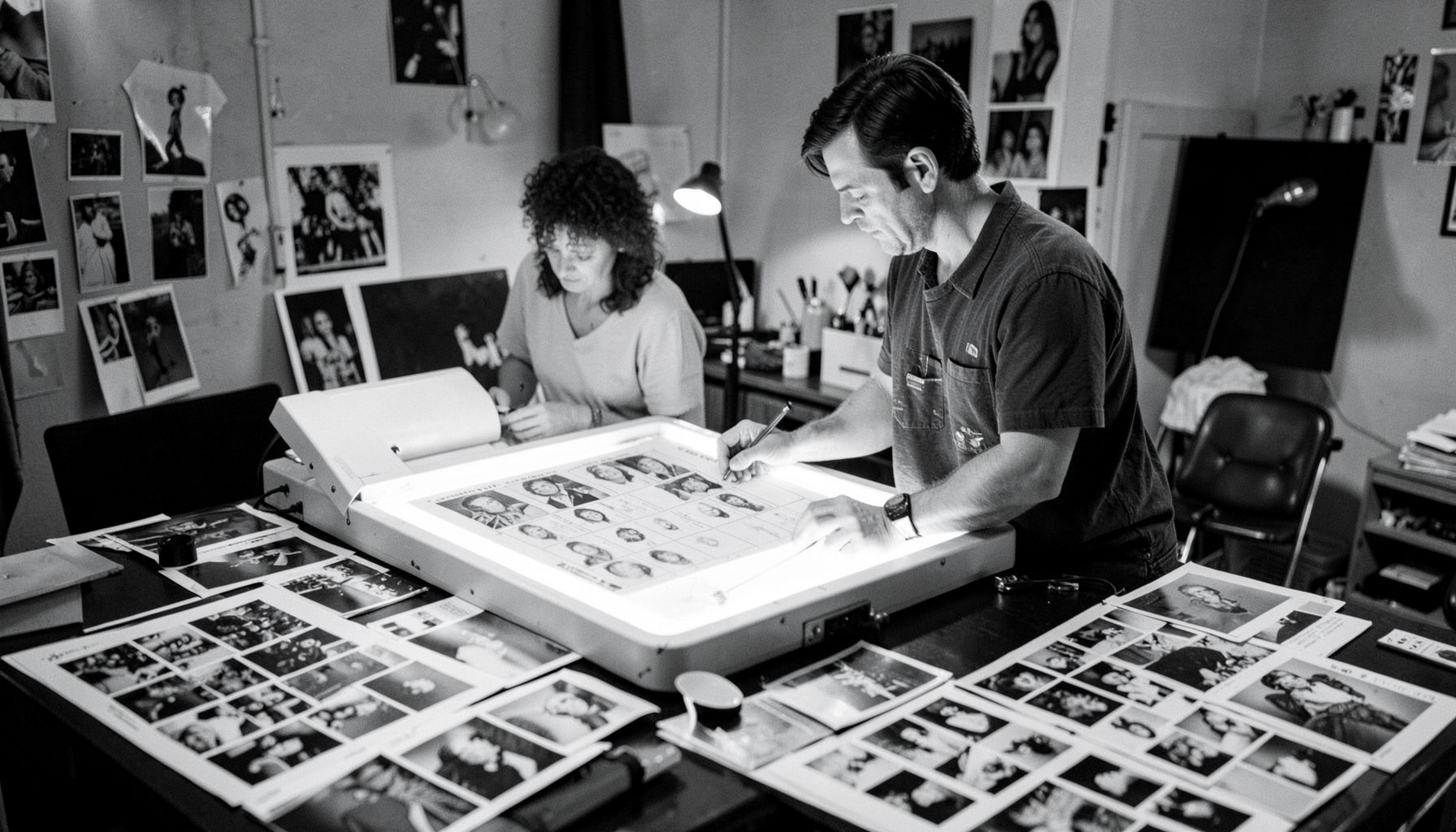
Shagrir’s archive reflects the importance of material evidence in his work. Negatives, prints, film reels, recordings and personal papers carry information in their condition as well as their content. A scratched frame, handwritten caption or repeated image can reveal how a story was circulated, remembered or later reinterpreted.
For an audience used to visiting the National Film and Sound Archive in Canberra or viewing digitised collections through state libraries, this distinction matters. Digitisation improves access, but it does not erase the need for provenance, conservation and careful reading of the original object.
Reconstructing Voices And Viewpoints
Historical documentaries are shaped by selection. Which witness is heard first? Which photograph remains on screen? Does a narrator explain an event, or allow conflicting accounts to sit beside each other? In a subject as politically sensitive as the Mandate’s end, these editorial decisions carry ethical weight.
Shagrir’s filmmaking can be understood as an effort to make a fragmented past legible without pretending that every contradiction can be resolved. Personal recollections may disagree with official reports, and later memories may contain knowledge that was unavailable at the time. Rather than treating these tensions as flaws, the film can use them to show how historical understanding develops.
The following elements help distinguish a responsible archival documentary from a simple illustrated lecture:
- Primary sources are identified and placed in context.
- Witness testimony is treated as evidence, not automatic proof.
- Images are not used to imply events they cannot document.
- Political language is examined rather than repeated uncritically.
- Silence, uncertainty and gaps in the record remain visible.
A similar discipline is familiar to Australian audiences through oral-history projects documenting migration, frontier conflict and Indigenous community memory. The strongest productions make room for testimony while explaining who recorded it, when it was recorded and what may have shaped it.
Editing Time, Place And Historical Tension
The completed film depends on rhythm. A map can orient the viewer, but a close photograph may create emotional proximity. A spoken memory can slow the narrative, while a sequence of headlines or official announcements can compress months of political change into seconds.
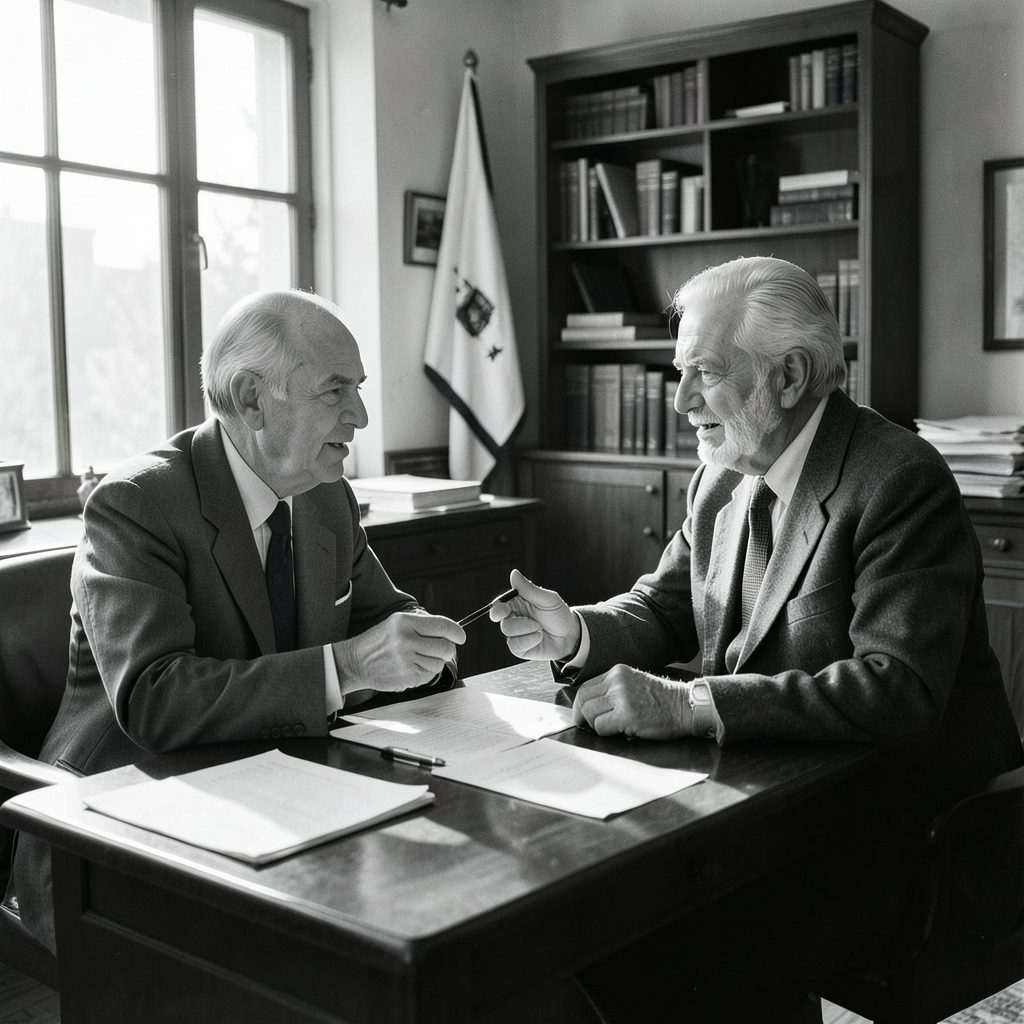
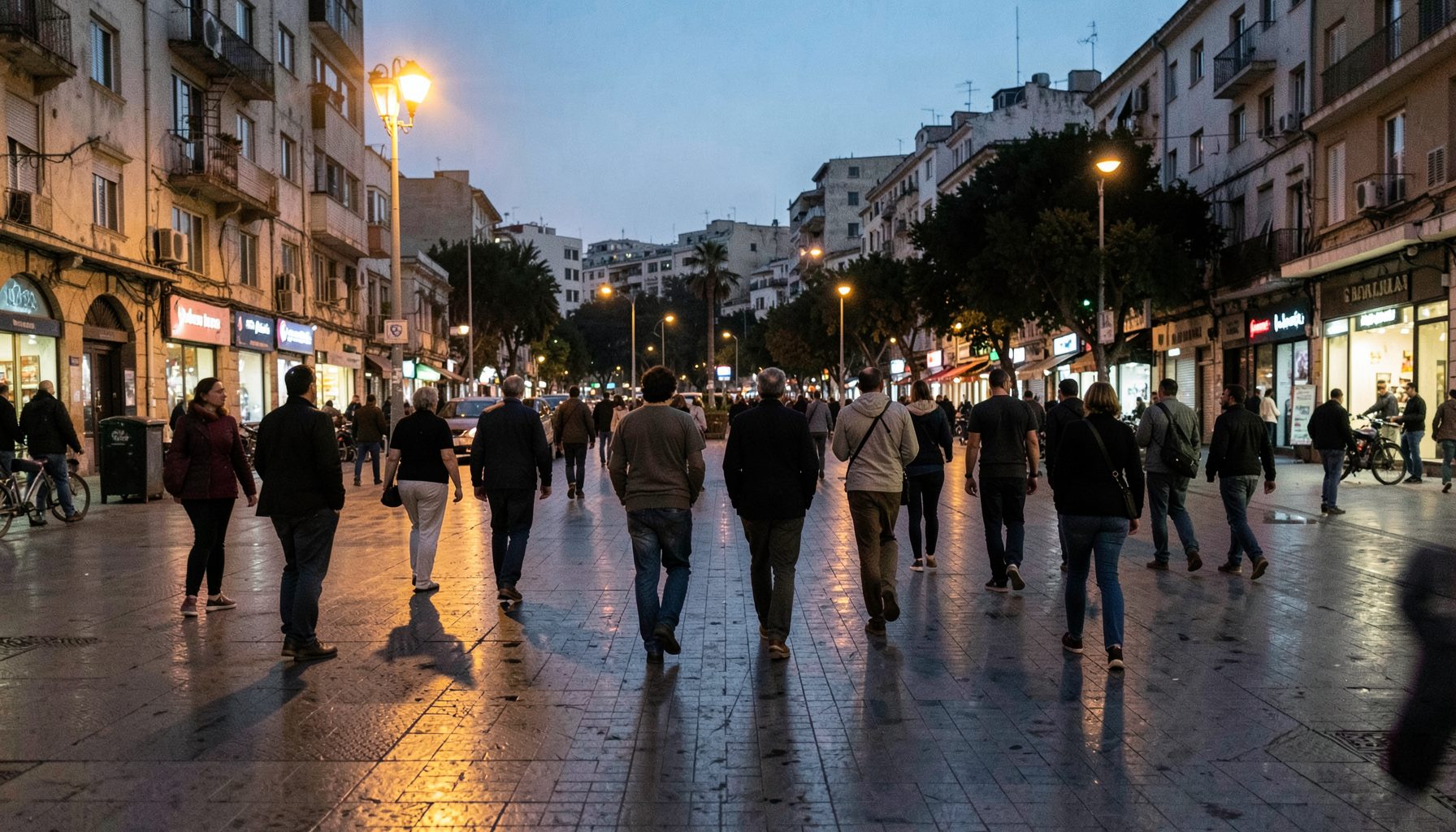
The editing process also creates a conversation between past and present. Shagrir’s later photographic record of the 1990s peace process shows how political history can be observed through gestures, crowds and public spaces as much as through formal statements. That visual sensibility is relevant to a documentary about the Mandate: history is made in rooms of negotiation, yet it is experienced in streets and faces.
| Documentary element | Historical function | Viewer’s experience |
|---|---|---|
| Maps and documents | Establish political geography and chronology | Clarifies where decisions occurred |
| Photographs and newsreel | Shows people, places and material conditions | Creates visual immediacy |
| Oral testimony | Preserves memory and interpretation | Introduces personal stakes |
| Narration and captions | Connects evidence into an argument | Guides, but should not dictate, meaning |
| Editing and sound | Shapes pace, tension and emotional emphasis | Turns research into a cinematic experience |
For viewers in Brisbane, Perth or Adelaide, this structure may feel familiar from public broadcaster documentaries that combine archival footage with contemporary interviews. The technique works when each element has a distinct role and when atmosphere supports, rather than substitutes for, historical evidence.
The Human Scale Of Political Change
The title The Last Chapter of the Mandate suggests a closing volume, but the film’s emotional force comes from the people living inside that ending. Political transition affects transport, employment, schooling, policing, commerce and family decisions. The approach of a new state or administration is never experienced as an abstract line on a timeline.
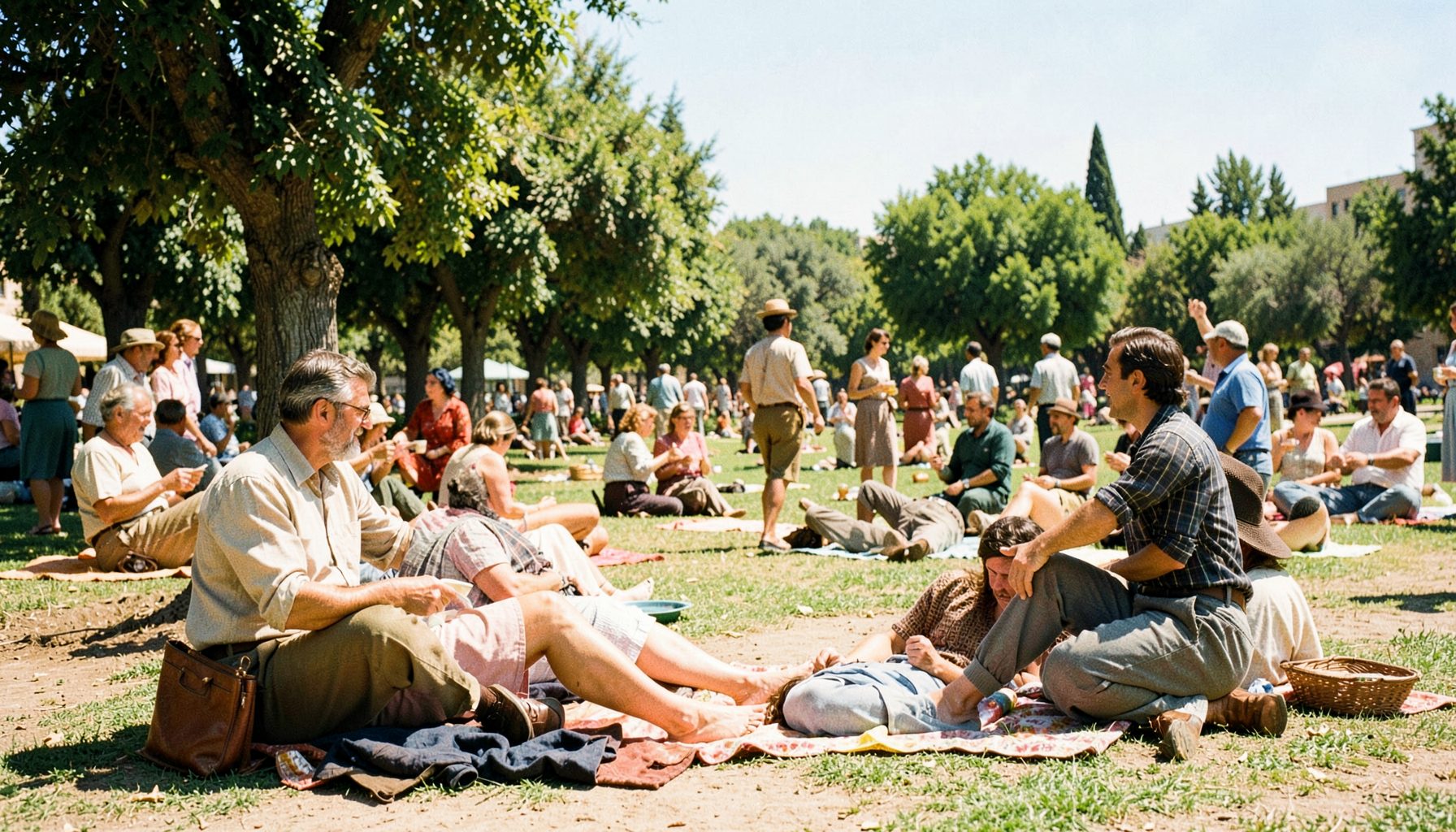
A documentary maker must decide how to represent communities that were divided internally as well as politically opposed to one another. The challenge is to avoid flattening civilians into symbols and leaders into the only meaningful actors. Everyday photographs, private papers and testimony can restore complexity to a period often presented through military chronology.
That human scale also helps Australian viewers approach unfamiliar history. The question is not whether the Mandate resembles Australian Federation or the end of colonial administration in another region. It is how documentary form can reveal the practical consequences of political change, including fear, expectation, displacement and attempts to preserve normal routines.
Shagrir’s Wider Visual Language
Shagrir worked across documentary film, journalism, photography and production, and those roles informed one another. Journalism encouraged attention to evidence and sequence; photography sharpened his awareness of framing; production required collaboration, logistics and decisions about audience; filmmaking brought these strands into a sustained argument.
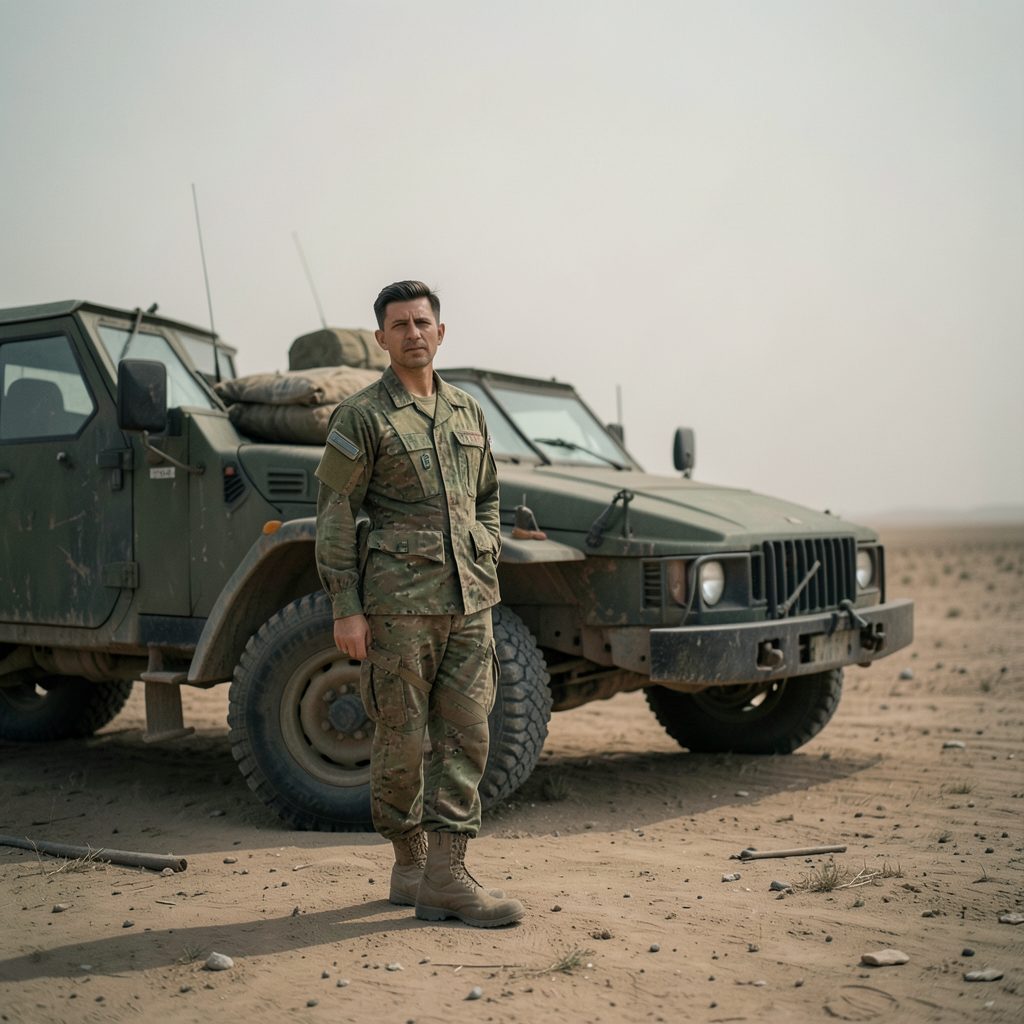
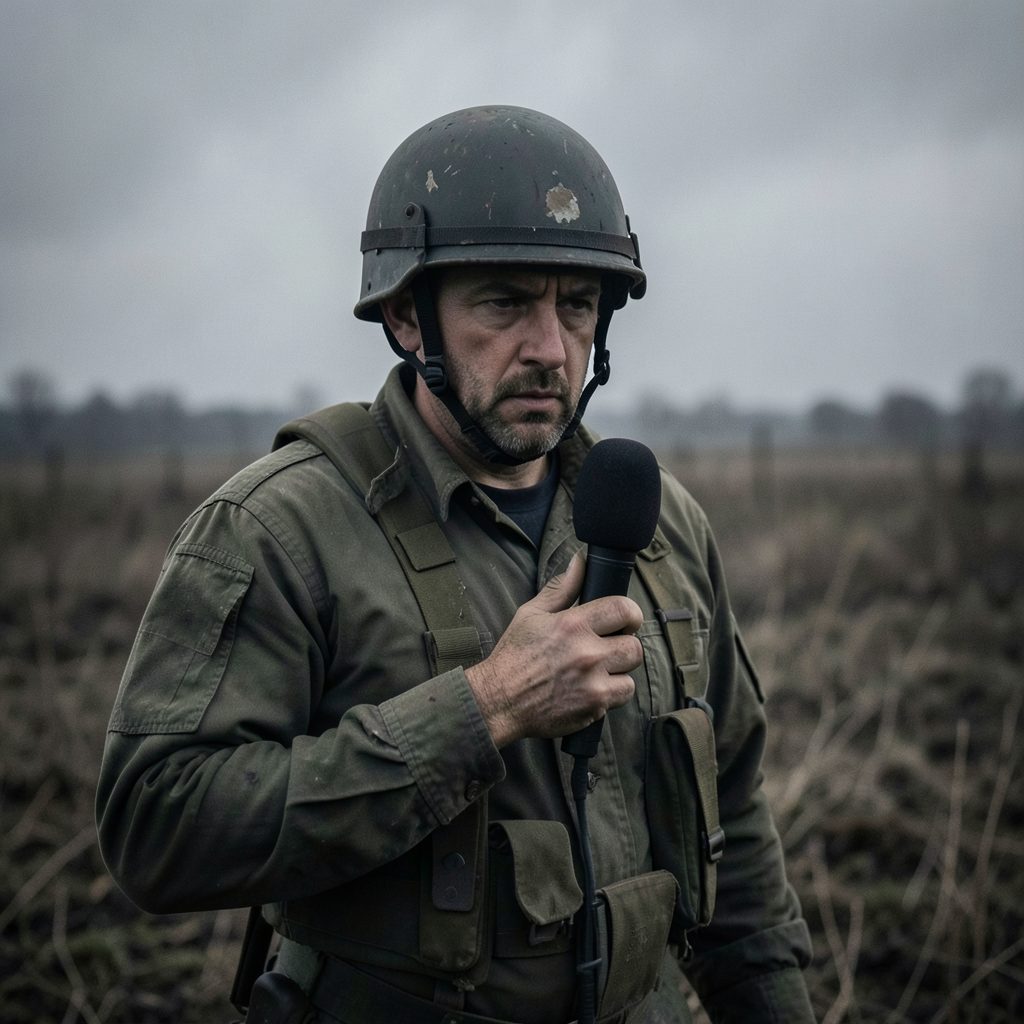
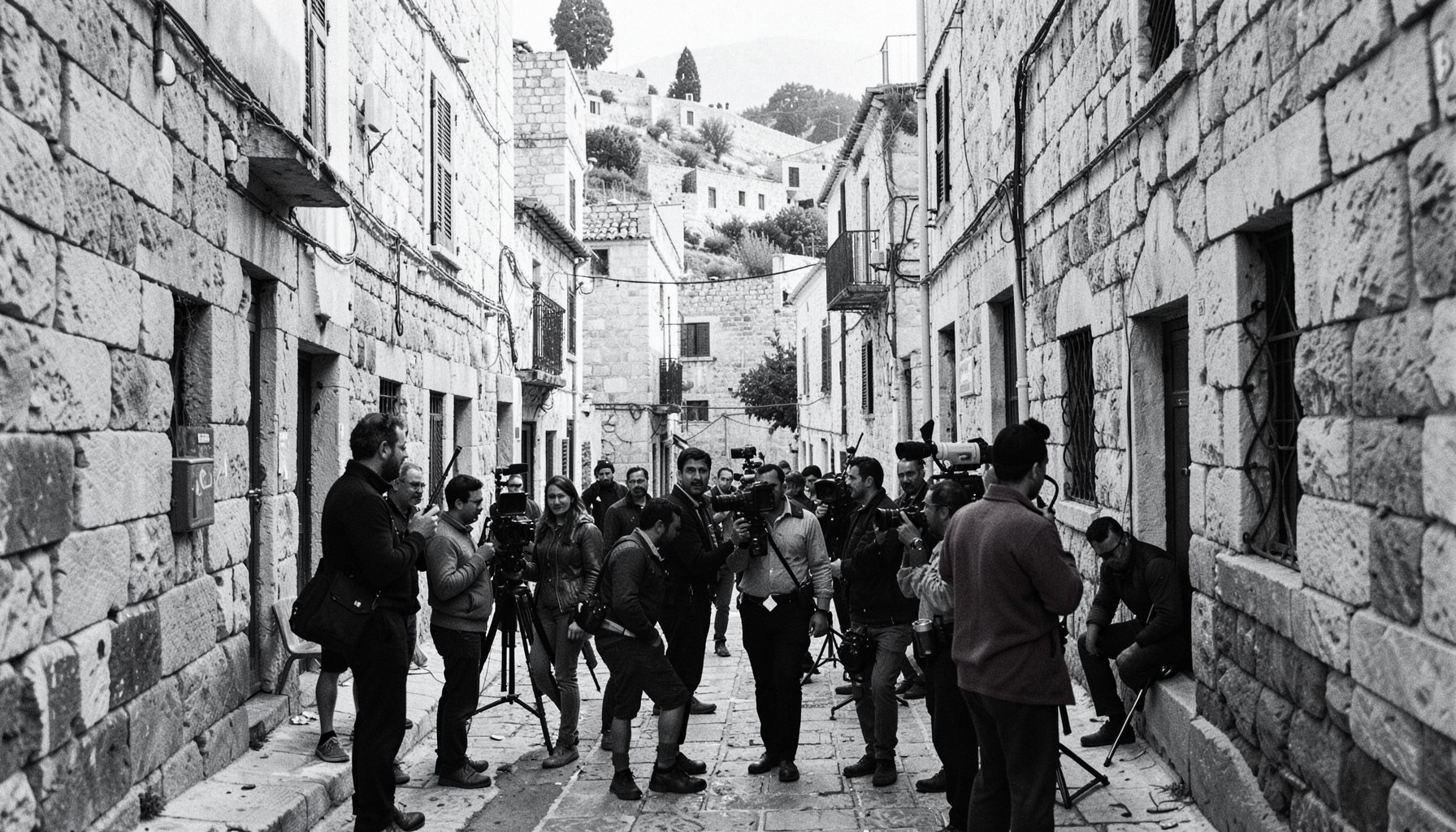
His work during the Six-Day War also demonstrates the risks and immediacy of field observation. The account of how he filmed from a jeep shows a willingness to work close to unfolding events, where access, danger and timing affect what can be recorded. A historical documentary made later uses different conditions, yet it retains the same concern with the relationship between witness and image.
For contemporary researchers, the archive offers a chance to study this working method across formats. A photograph may echo a film sequence; a production note may explain an editorial choice; a recorded interview may reveal how a public event entered private memory. The collection becomes more than a storage facility: it is a record of how historical knowledge was produced.
Preservation, Access And Australian Audiences
The documentary’s afterlife depends on preservation. Film elements require stable storage, photographs need protection from heat and humidity, and audio recordings must be transferred before obsolete formats become unreadable. Australia’s climate makes this especially relevant for collectors and institutions outside major metropolitan facilities, where temperature control and specialist conservation can be costly.
Public access also shapes historical meaning. A film shown in a Melbourne cinema, screened at a Sydney Jewish museum, discussed in a Canberra classroom or included in a Perth cultural program reaches different audiences with different reference points. Exhibition notes, subtitles, source information and educational resources can help viewers engage critically rather than treating archival footage as transparent truth.
Useful points of entry for researchers and educators include:
- Comparing the film with British, Israeli and Palestinian archival sources.
- Tracing how captions and narration frame contested events.
- Studying photographs alongside the original negatives or prints.
- Recording family and community memories with clear consent.
- Connecting local Australian histories of migration and conflict to broader questions of memory.
The collection’s preservation work also belongs to a wider cultural market in which documentary films, archival exhibitions and historical books circulate through festivals, universities, public broadcasters and independent cinemas. Australian viewers may encounter related visual culture through Azay Art Magazine, where art, history and contemporary interpretation meet in a broader regional conversation.
Why The Film Still Matters
The making of The Last Chapter of the Mandate demonstrates that historical cinema is assembled from fragments. Its argument emerges through the relationship between documents, images, voices and silences. The filmmaker’s task is not to manufacture certainty, but to give viewers enough context to recognise what is known, what is disputed and what remains beyond the surviving record.
Shagrir’s documentary practice remains significant because it joins political history to visual memory. For Australians encountering the film from a distance, its subject opens a path into the responsibilities of archival storytelling: preserving fragile materials, naming perspective, respecting testimony and allowing complex histories to remain complex. Through that process, the end of the Mandate becomes more than a closed episode. It becomes a study in how societies remember the moment when one political order gives way to another.