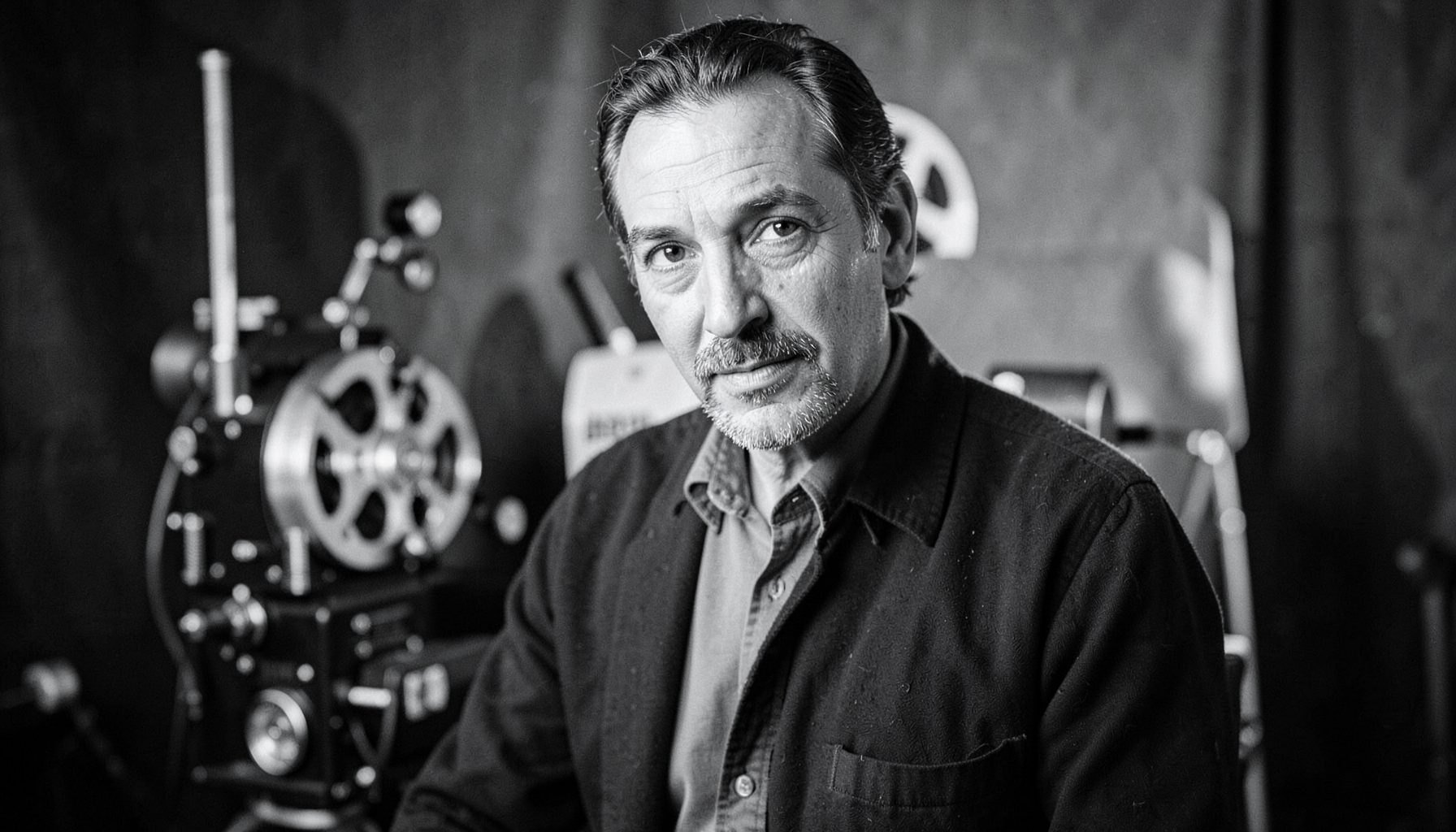
Micha Shagrir’s Photographic Chronicle of the 1990s Peace Process
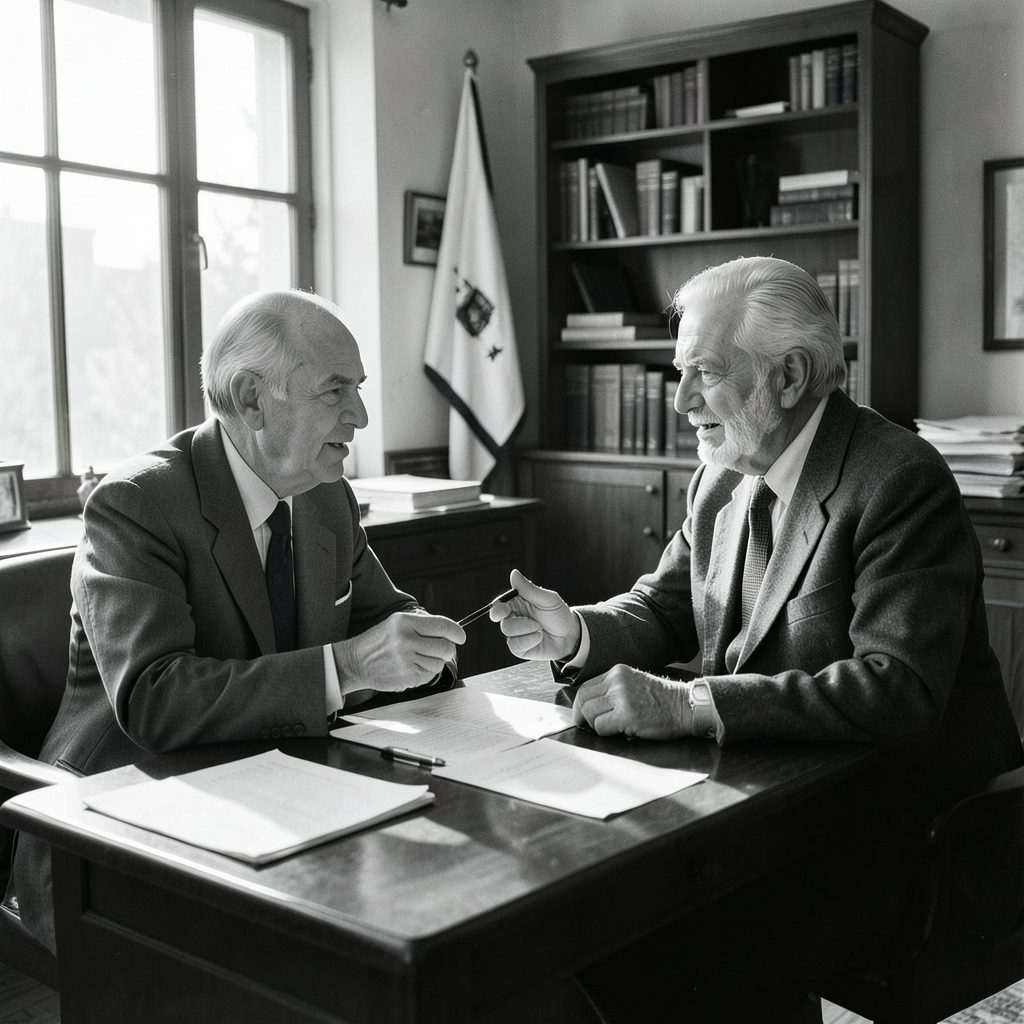
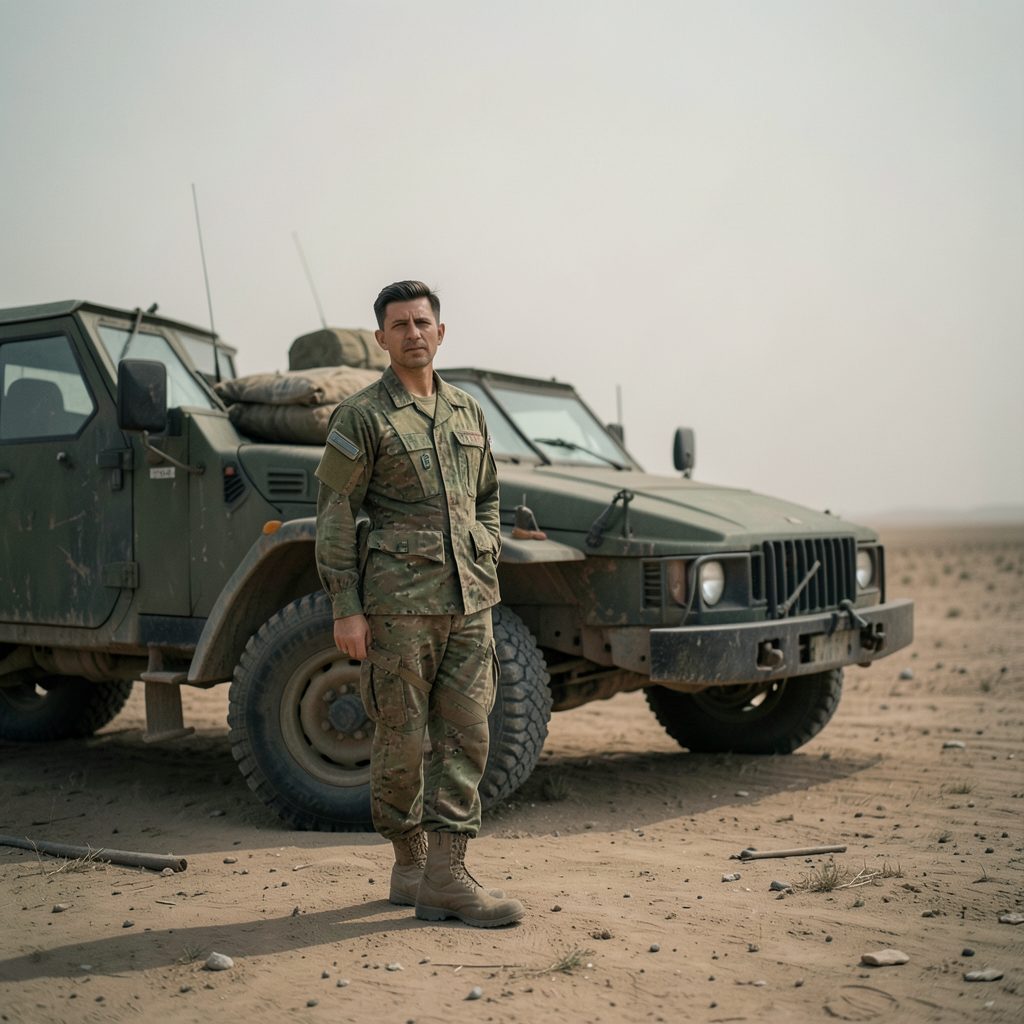
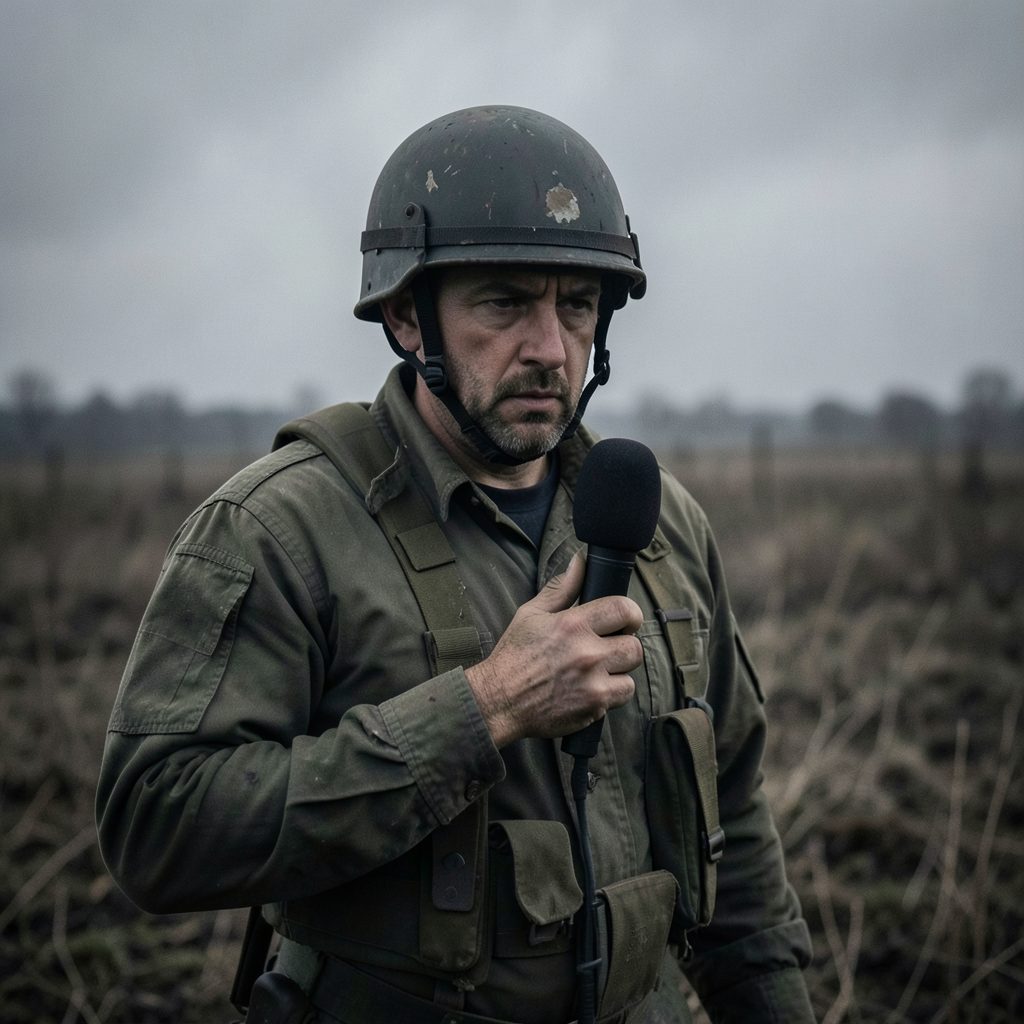
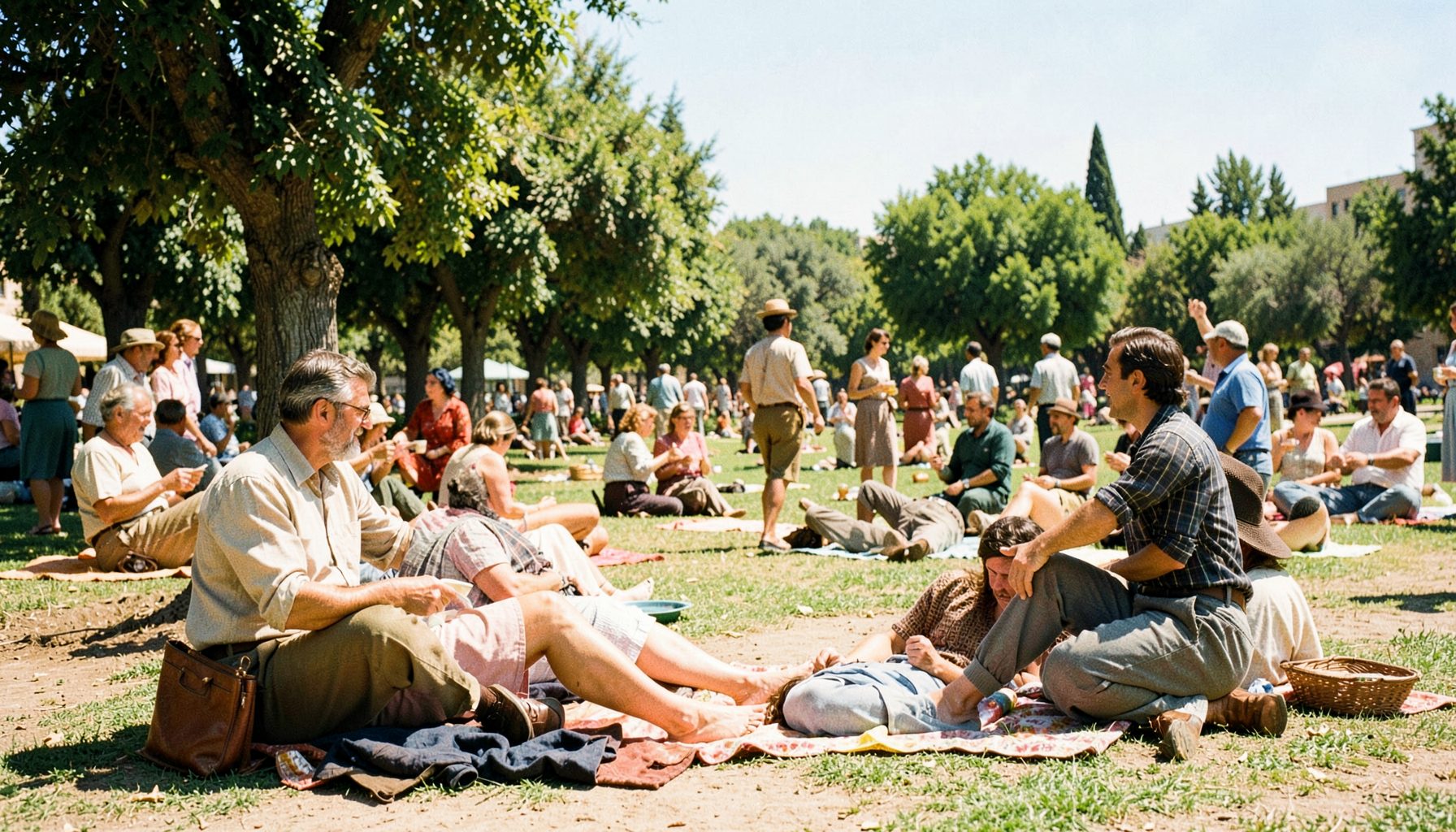
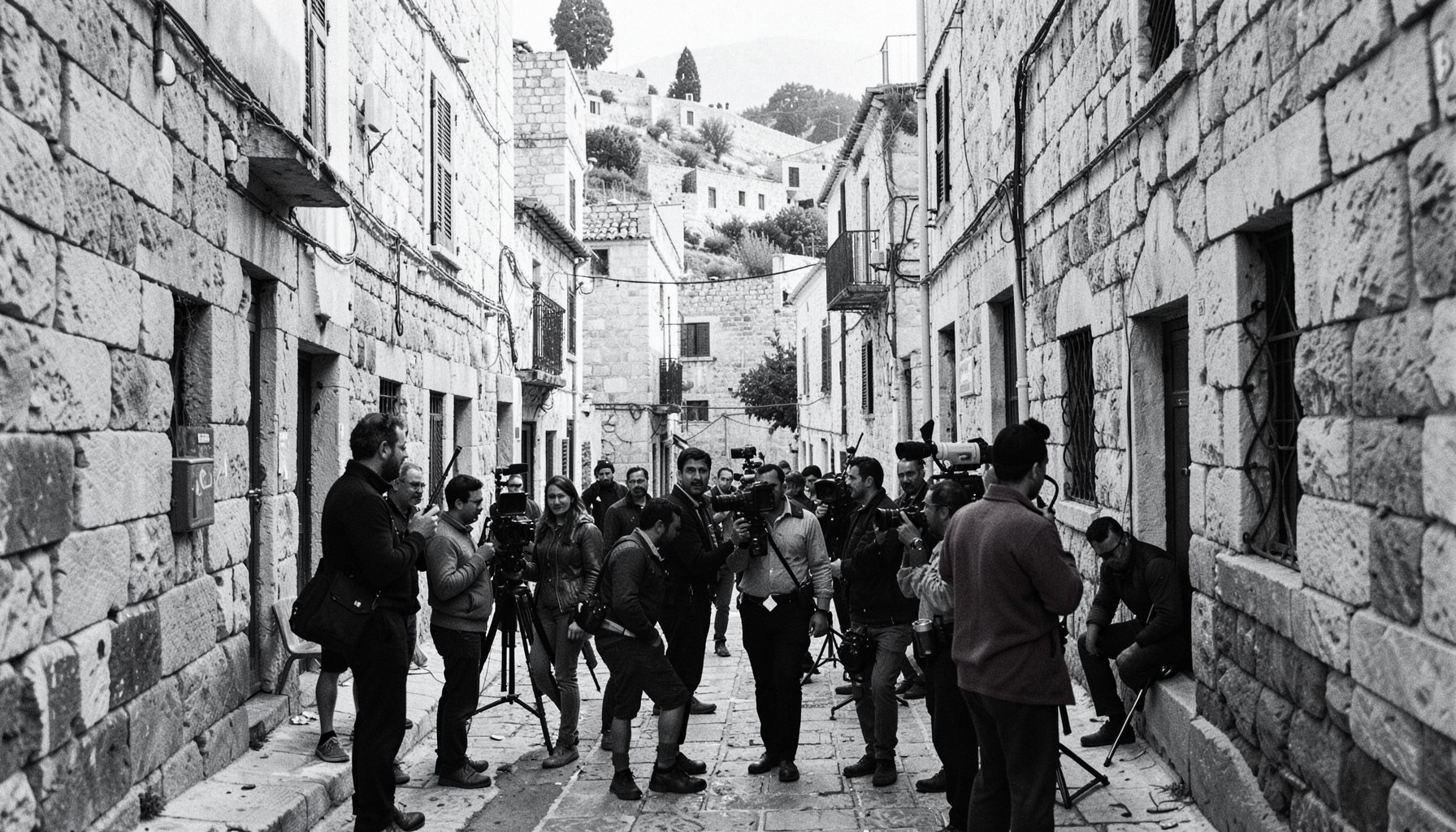
Micha Shagrir’s photographic record of the 1990s peace process offers more than a sequence of political events. It preserves the atmosphere around negotiations: the press rooms, crowded streets, guarded meetings, military presence and private moments that rarely survive in official accounts. His work belongs to a period when photographs helped shape public understanding of Israel, Palestine and the uncertain promise of the Oslo era.
The Shagrir Collection brings together photographs, films, negatives, recordings and personal papers that allow this history to be approached as a living archive. For Australian viewers, the material has a particular resonance. Like collections held by the National Film and Sound Archive in Canberra or state libraries in Sydney and Melbourne, it shows how personal images can become evidence of national change.
An Archive Shaped By Political Time
The 1990s were marked by rapid shifts in public mood. The Oslo Accords created an expectation that long-standing conflict might be addressed through negotiation, while assassinations, violence and political opposition exposed how fragile that expectation was. A photographic chronicle from this period therefore carries several timelines at once: the official calendar of agreements, the immediate rhythm of news reporting and the slower movement of social memory.
Shagrir’s position as filmmaker, journalist, producer and photographer gave him access to different layers of that moment. He could observe a formal event as a media professional while also recognising the details that a headline would leave out. A photograph of a handshake may record diplomacy, but the surrounding faces, security arrangements and physical distance can reveal uncertainty, calculation or hope.
From Ceremony To Human Detail
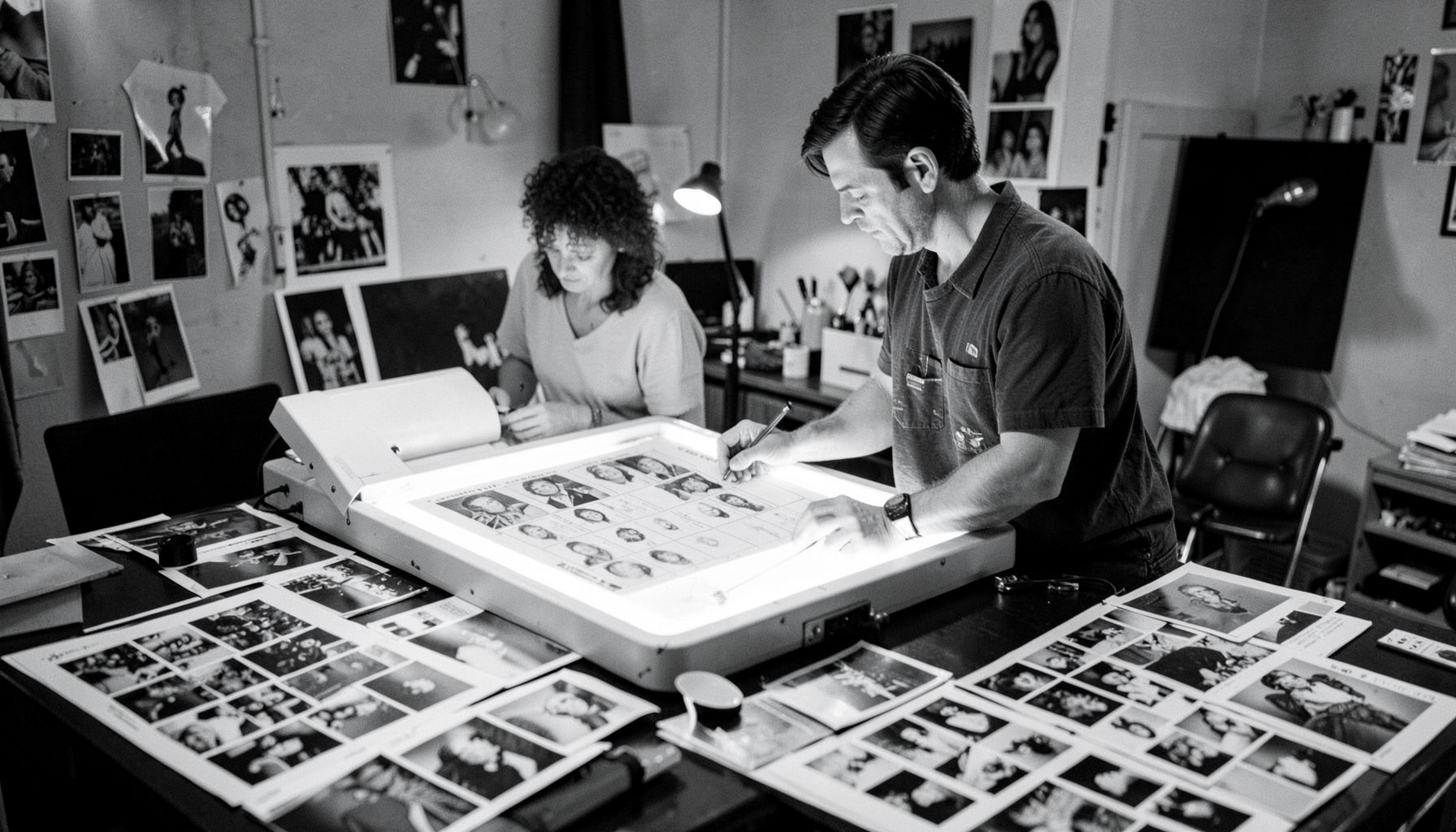
Political photography is often reduced to its most recognisable images: leaders meeting, crowds waving flags or officials signing documents. The deeper value of an archive lies in the material around those iconic frames. Contact sheets, alternate exposures and uncropped prints may show the pauses before a statement, the fatigue after a ceremony or the audience watching from beyond the main stage.
These details matter because peace processes are experienced by ordinary people as much as by negotiators. Shagrir’s images can be read alongside testimony, broadcast footage and personal papers to ask who was visible, who remained outside the frame and how public events were staged for local and international audiences. His work also connects to the collection’s wider interest in the relationship between journalism, memory and political history.
The Press Image And Its Afterlife
A photograph made for immediate publication can acquire a different meaning decades later. In the 1990s, editors selected images for newspapers, television packages and weekly magazines, often under tight deadlines. Today, researchers may return to the same frame to study visual language, media ownership, public emotion or the way a particular event was remembered.
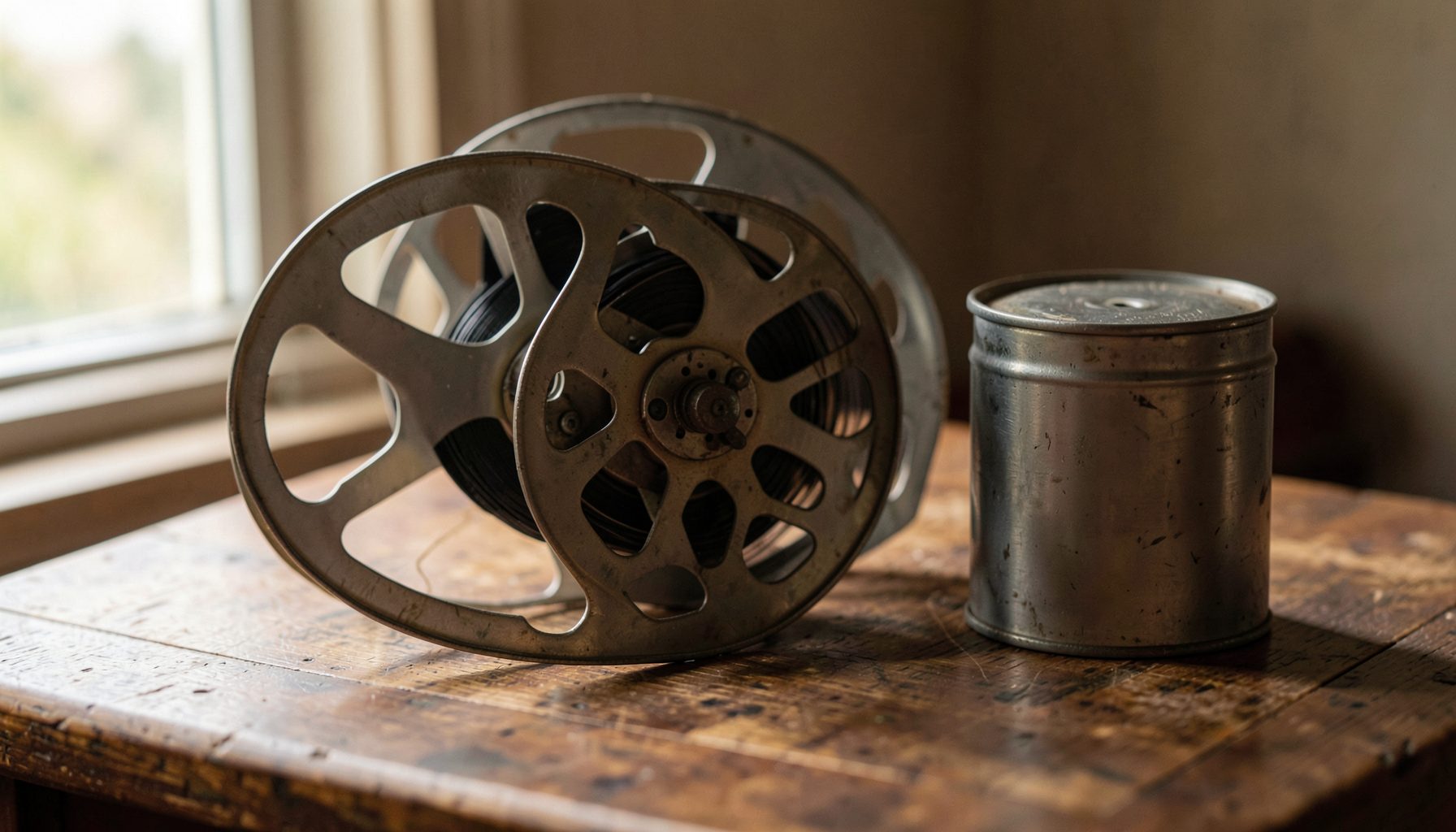
That shift makes archival context essential. Captions, dates, assignments and related negatives can clarify whether an image was intended as breaking news, documentary record or part of a longer film project. The Shagrir Collection’s account of lost footage history demonstrates why missing or recovered material can change the story around a finished work.
Reading The Collection As Evidence
Primary sources do not speak in a single, uncomplicated voice. A photograph records a viewpoint, a moment and a technical process. It may omit as much as it reveals. Researchers should therefore compare a print with its negative, examine neighbouring frames and consider how the image travelled from a photographer’s contact sheet to a published page or exhibition wall.
A disciplined reading can begin with a few practical questions:
- Who made the image, and under what assignment?
- What date, location and event can be verified?
- Which people or groups appear at the edge of the frame?
- How might cropping or captioning have changed its meaning?
- What related film, recording or document could provide context?
This approach is useful for university researchers, documentary makers, teachers and family historians. It also suits Australian classrooms where students are asked to test evidence across photographs, oral histories, newspaper archives and government records rather than treating an image as transparent truth.
Australian Ways Of Seeing A Foreign Archive
Australian audiences may encounter the peace-process photographs through familiar institutions and habits of public history. A touring exhibition in Melbourne, a screening at a community cinema in Sydney or a research visit to Canberra can place Israeli material in conversation with Australian documentary traditions. Visitors often respond to the plain-spoken question of what an image can prove, or as people might say, whether it is fair dinkum evidence.
The market for cultural archives in Australia also depends on practical partnerships. Public galleries, universities, Jewish museums, libraries and independent festivals often combine grant funding, donor support, ticketed events and education programmes. A well-described digital collection can reach audiences in Brisbane, Perth and regional centres without requiring every researcher to travel overseas, while high-quality reproductions still preserve the value of the original object.
Clear public-facing writing helps that access work. The archive can benefit from principles found in this guide to writing a useful title, particularly when exhibition pages need to attract readers without flattening complex history into a slogan.
Preservation Before Interpretation
Photographic archives require careful preservation before interpretation can be reliable. Negatives may contain greater detail than prints, but they can also be vulnerable to vinegar syndrome, dust, scratches and poor storage. Prints, audio recordings and film reels have different environmental requirements, while digitisation introduces its own questions about resolution, colour, file formats and metadata.
Preservation work is therefore part of historical scholarship. A scan without provenance is less useful than a properly documented image, and a restored photograph should remain distinguishable from the original object. The collection’s continuing work with photographs, films, recordings and papers helps maintain the chain between physical evidence and public access.
Supporters and researchers can contribute through several forms of engagement:
- Funding conservation, cataloguing and digitisation
- Sharing verified information about people, places and events
- Attending exhibitions, screenings and public talks
- Using archival material in responsible educational projects
- Citing collection records accurately in published work
The archive’s contact information provides a route for enquiries about access, research and possible contributions. Such contact is especially valuable when families, journalists or former colleagues recognise people and places that formal cataloguing cannot identify on its own.
A Visual Record For Future Generations
The significance of Shagrir’s 1990s photographs becomes clearer when they are compared with the kinds of records audiences commonly use to understand political change. Each format carries strengths and limitations, and no single source can provide the whole story.
| Source type | What it preserves | What it may leave uncertain | Best research use |
|---|---|---|---|
| Press photograph | A concentrated visual moment and public atmosphere | Cropping, captioning and editorial selection | Studying representation and media framing |
| Original negative | Sequence, composition and technical detail | Photographer’s intention without notes | Comparing alternate frames and verifying edits |
| Television footage | Movement, speech, timing and crowd response | Broadcast cuts and limited camera position | Reconstructing event flow |
| Personal papers | Planning, correspondence and private reactions | Subjective or incomplete accounts | Connecting images to assignments and relationships |
| Oral history | Memory, interpretation and lived experience | Gaps, later influence and differing recollections | Adding human context to visual evidence |
Taken together, these sources can turn a photograph into a point of entry rather than a final answer. Researchers might compare a public ceremony with a nearby street scene, examine how Israeli and overseas media framed the same event, or trace how an image was reused after the political climate changed.
Digital access also alters the archive’s audience. A student in Adelaide can inspect a catalogue record, a filmmaker in Hobart can identify material for a documentary proposal and a curator in Darwin can consider a remote programme without treating distance as a barrier. Even simple technical practices, such as transferring reference files between devices with an AirDrop guide, can support the everyday work of research and collaboration.
The photographs endure because they hold together public history and personal observation. They show the peace process as a sequence of political milestones, but also as a lived environment of waiting, watching, travelling and recording. In that balance, Micha Shagrir’s archive remains valuable to anyone studying how images preserve a contested past.