Looking Through Shagrir's Lens: Ethics and the Making of War Photography
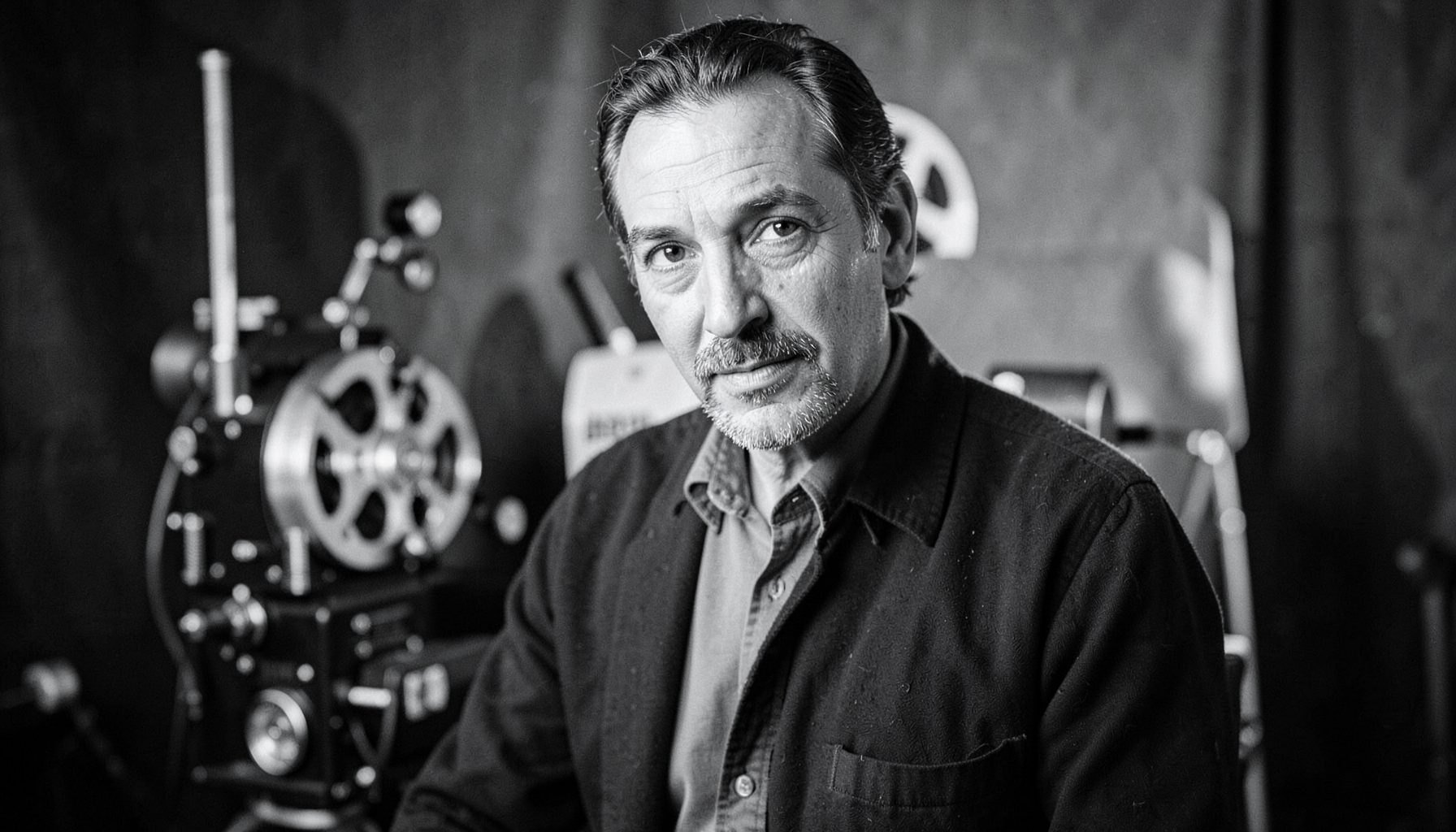
War photography occupies a strange moral territory. A photographer can arrive at a scene moments after a tragedy and, with one click, shape how millions of people understand a conflict for decades. The image becomes evidence, propaganda, memorial, and commodity all at once. Few archives illustrate this tension as vividly as the work of Micha Shagrir, whose decades behind the camera in Israel offer a continuing case study in how journalists handle violence, grief, and power.
The Shagrir Collection gathers thousands of negatives, prints, films, and recordings that document not only Middle Eastern history but the evolving choices a photographer makes about what to show, what to withhold, and what to preserve. Visitors to the photo gallery encounter both the images themselves and the surrounding context that explains how they were captured, edited, and sometimes kept off the public record. This combination of artefact and process makes the collection unusually well suited to thinking about the moral questions that haunt wartime picture-making.
A Brief History of the Photographer's Burden
The ethical conversation around war photography did not begin in the twenty-first century. Photographers covering the American Civil War wrestled with whether to move bodies for a cleaner composition. World War II image-makers faced censorship, military escorts, and the temptation to stage heroic moments. Vietnam pushed that uncertainty onto television screens in living rooms across Australia and the United States, and the photographer's role shifted from chronicler to potential catalyst.
Each generation has had to renegotiate the line between bearing witness and intruding on suffering. Modern Australian outlets continue to navigate these questions when publishing material from conflicts abroad, balancing public interest against the dignity of identifiable individuals. Editors in Sydney and Melbourne newsrooms consult style guides, legal counsel, and community standards before running graphic imagery, knowing that a single frame can outlast the policy debate it sparked.
Shagrir's Method in the Field
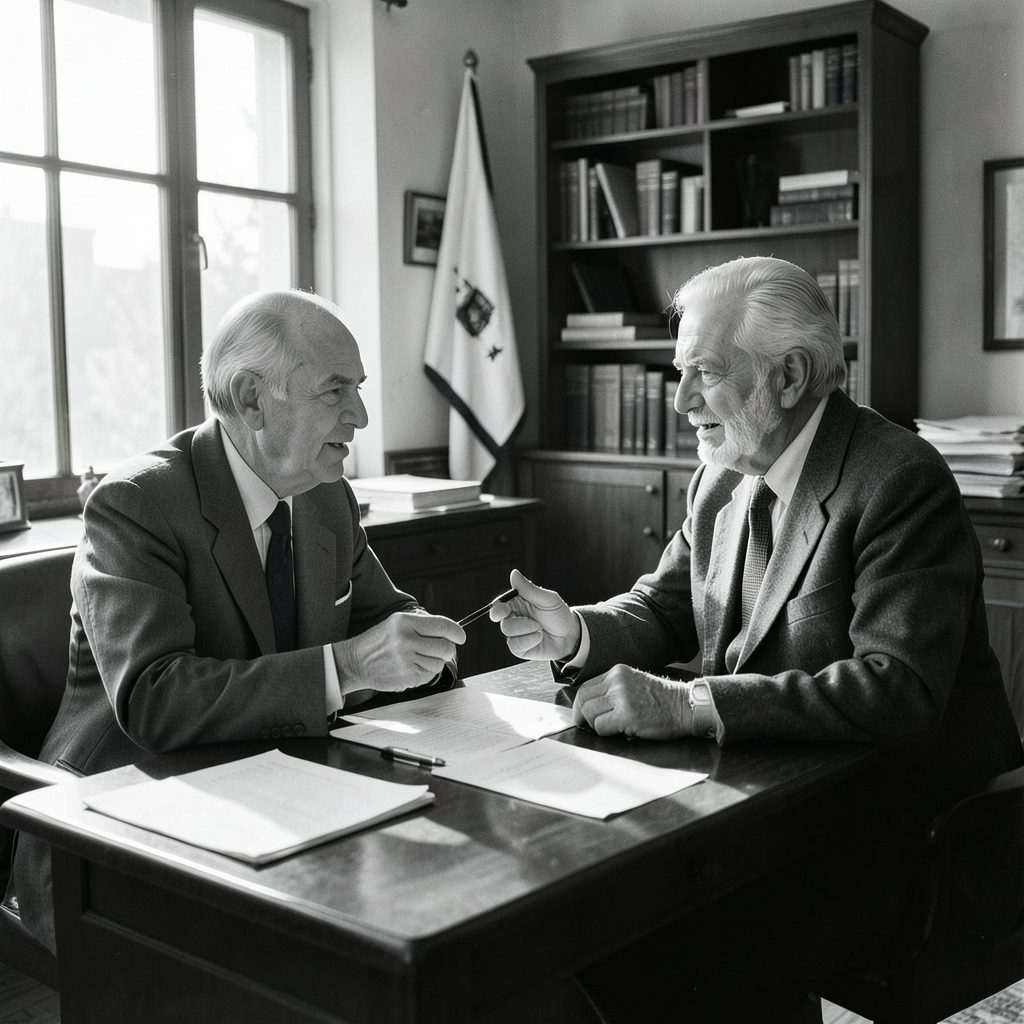
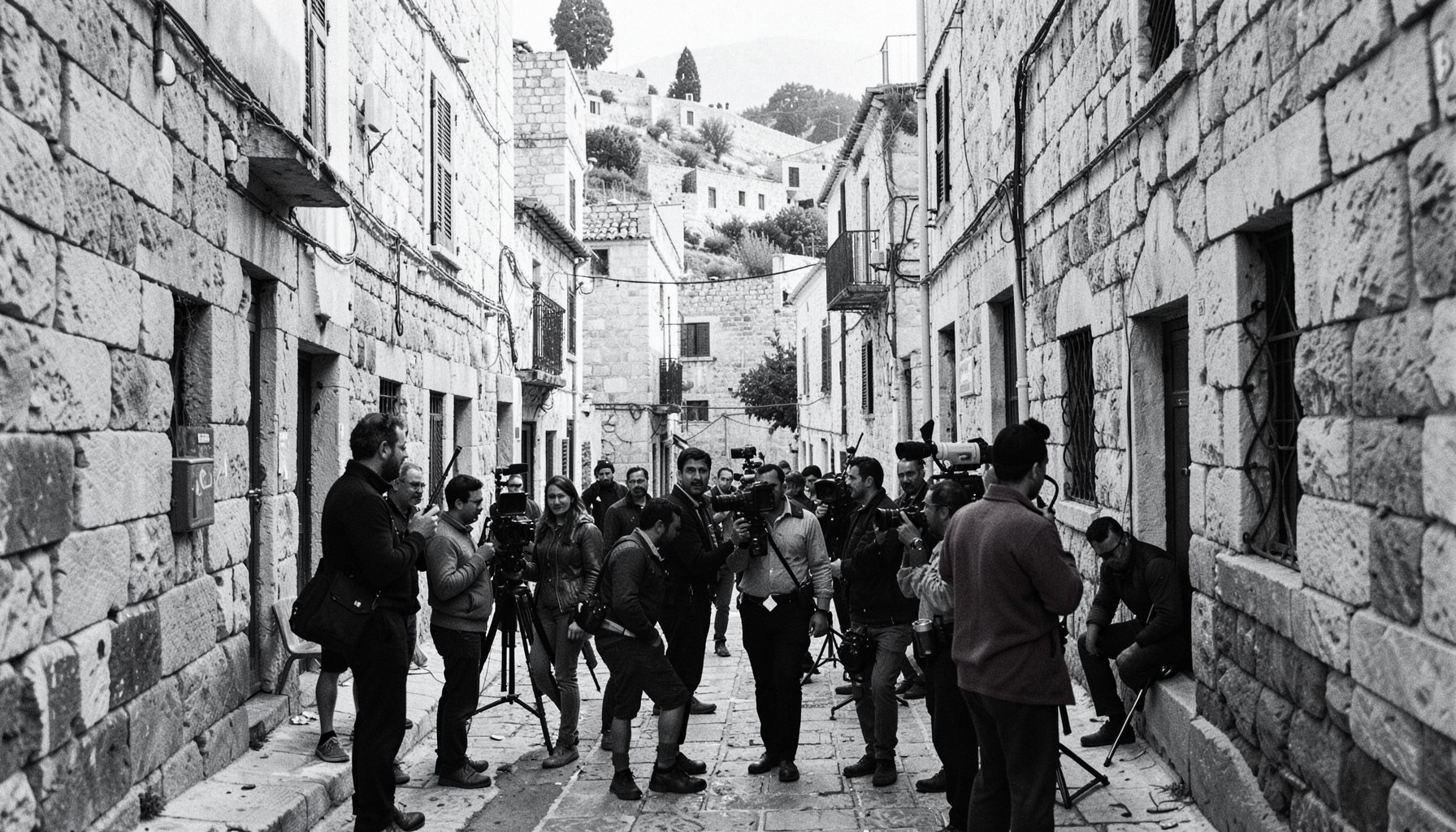
What distinguishes Shagrir's practice is the deliberateness with which he approached each assignment. Rather than chasing singular shocking frames, he built extended visual essays that contextualised political figures, soldiers, and civilians within their surroundings. His collaboration with Moshe Dayan on a television documentary, preserved in the archive's records, illustrates how a photographer negotiates access to power while maintaining editorial distance. Details of that Shagrir–Dayan television project reveal long conversations about framing, narrative, and the boundaries between journalism and state storytelling.
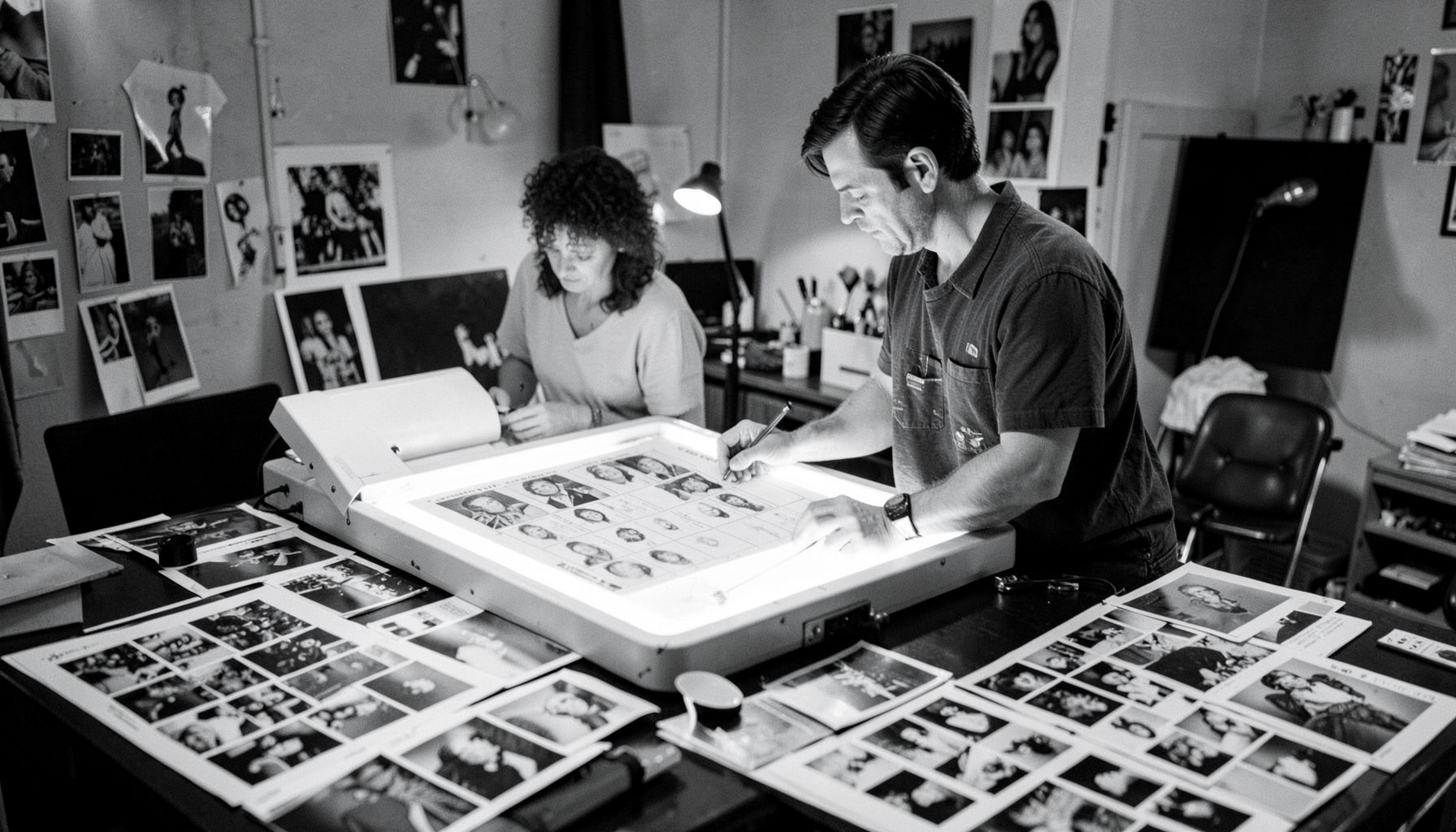
The negatives themselves show a photographer who waited for quieter moments: a general's hands resting on a map, children watching a convoy from behind a wall. Such choices raise ethical questions that every photojournalist eventually confronts. How long does one wait before intervening in the scene one is recording? When does patience shade into complicity? Shagrir's working prints, with their margin annotations, suggest that these were questions he returned to throughout his career.
Consent, Dignity, and the Unblinking Lens
The most persistent ethical dilemma in this field is consent. Subjects of war photography are rarely in a position to negotiate how they are portrayed. A wounded soldier, a grieving family, a prisoner in a holding cell cannot meaningfully agree to the global circulation of their image. Australia's Privacy Act and the country's public interest journalism defence offer a partial legal framework, but moral responsibility extends well beyond compliance.
Shagrir's archive includes portraits of senior officials alongside intimate glimpses of soldiers far from the capital. Reading these together prompts a useful exercise: which figures were performing for the camera, which were captured unawares, and which would today have demanded review? The collection does not resolve these questions, but it models the kind of careful curation that allows future researchers and viewers to ask them themselves. Annotations, captions, and supporting paperwork turn a photograph into a conversation rather than a verdict.
Preserving the Record, Honouring the Subjects
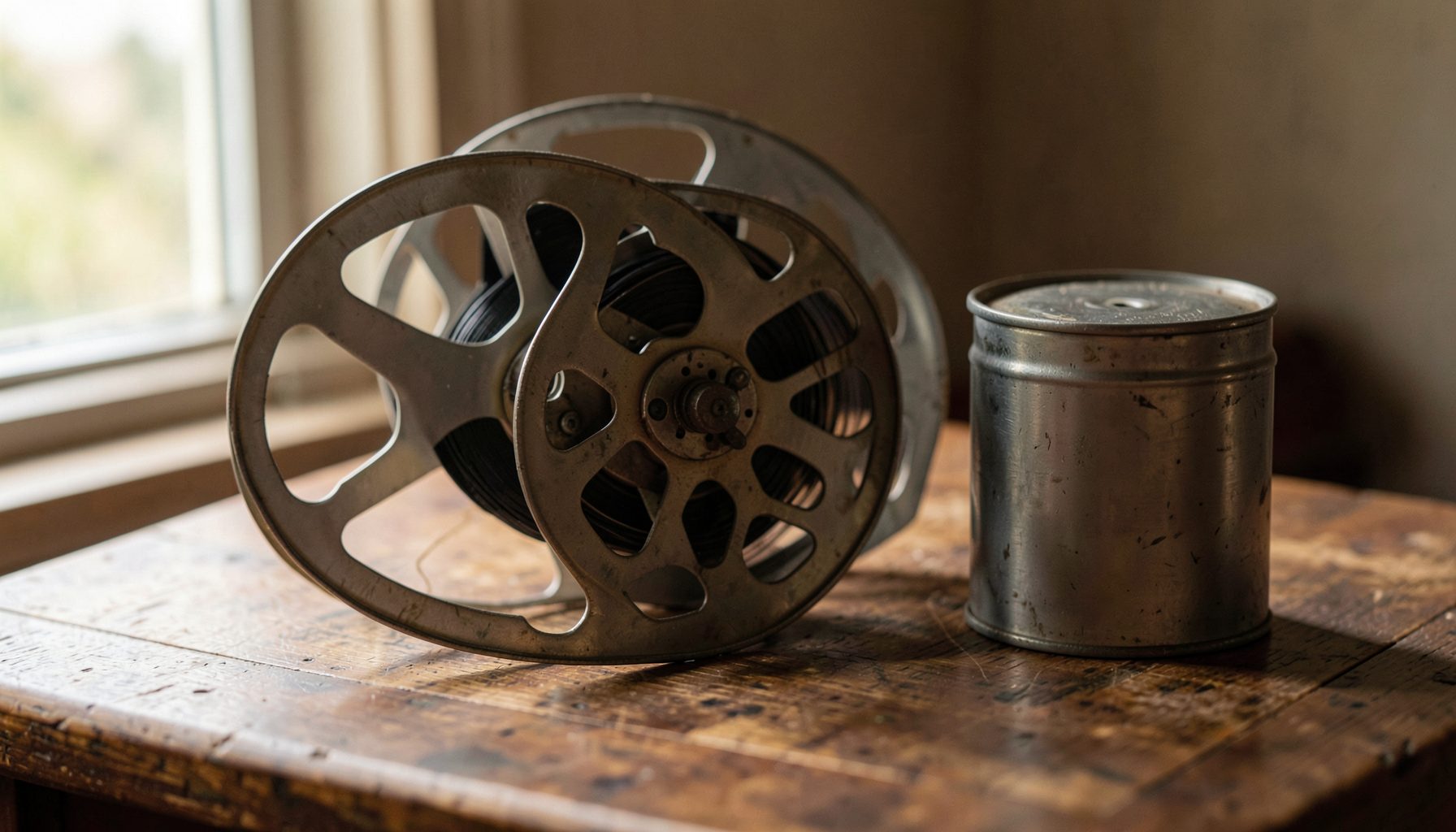
Archival practice carries its own ethical weight. Choosing to digitise fragile negatives, to stabilise deteriorating audio tape, and to make records accessible online are not neutral acts. They determine who will be seen and heard a century from now. The careful work documented in preserving Shagrir's audio recordings of political debates shows how technical decisions shape historical understanding. A muffled exchange between ministers, once lost to magnetic decay, becomes a primary source for political historians in Brisbane, Perth, and beyond.
Comparative approaches to sensitive material vary widely across institutions. The following table outlines several common frameworks that archivists and editors use when balancing access with protection:
| Framework | Primary Principle | Strengths | Limitations |
|---|---|---|---|
| Institutional Review | Decision-making by a museum or archive board | Consistent, documented process | Can be slow, risk of over-caution |
| Community Consultation | Affected communities help determine access | Respects lived experience of subjects | Hard to define "community" across generations |
| Time-Based Restriction | Embargo periods before public release | Aligns with many privacy laws | Arbitrary cutoffs may not fit each case |
| Contextualisation Layer | Sensitive material published with extensive notes | Educates viewers, preserves access | Requires sustained curatorial labour |
| Restricted Digital Tier | Sensitive items available only on-site | Highest protection for vulnerable material | Limits scholarly reach |
The Australian War Memorial in Canberra has developed its own variations on these models, particularly for materials related to recent deployments. Whatever the framework, the underlying commitment is the same: that historical records should serve both truth and dignity rather than sacrifice one to the other.
Toward a Responsible Visual Literacy
Educators, journalists, and curators share the task of preparing audiences to read war imagery critically. Schools in Adelaide, Darwin, and regional Tasmania increasingly include media literacy in their humanities programmes, asking students to examine how a single photograph can be cropped, captioned, or recontextualised to argue competing narratives. This kind of training treats the photograph as a primary source that demands the same rigour one would apply to a diplomatic cable or a parliamentary transcript.
Several habits can help readers, students, and practitioners engage with war photography more ethically:
- Read captions and credits before reacting to an image.
- Look for the chain of custody: who took it, who edited it, and who published it.
- Notice what lies outside the frame and consider why.
- Distinguish between consent to photograph and consent to publication.
- Treat written context as part of the photograph, not an optional extra.
- Seek out archival material that documents the photographer's process, not only the finished frame.
- Use institutions like the Shagrir Collection to compare working prints against published versions.
Such habits do not eliminate the moral ambiguity of war photography, but they shift the burden of interpretation from the lone photographer to a broader community of viewers. Shagrir's lifelong insistence on documentation, annotation, and preservation is less a conclusion than an invitation. Each generation is asked to handle his images, and the many others like them, with the seriousness they deserve.