Micha Shagrir, Moshe Dayan and the Documentary Record
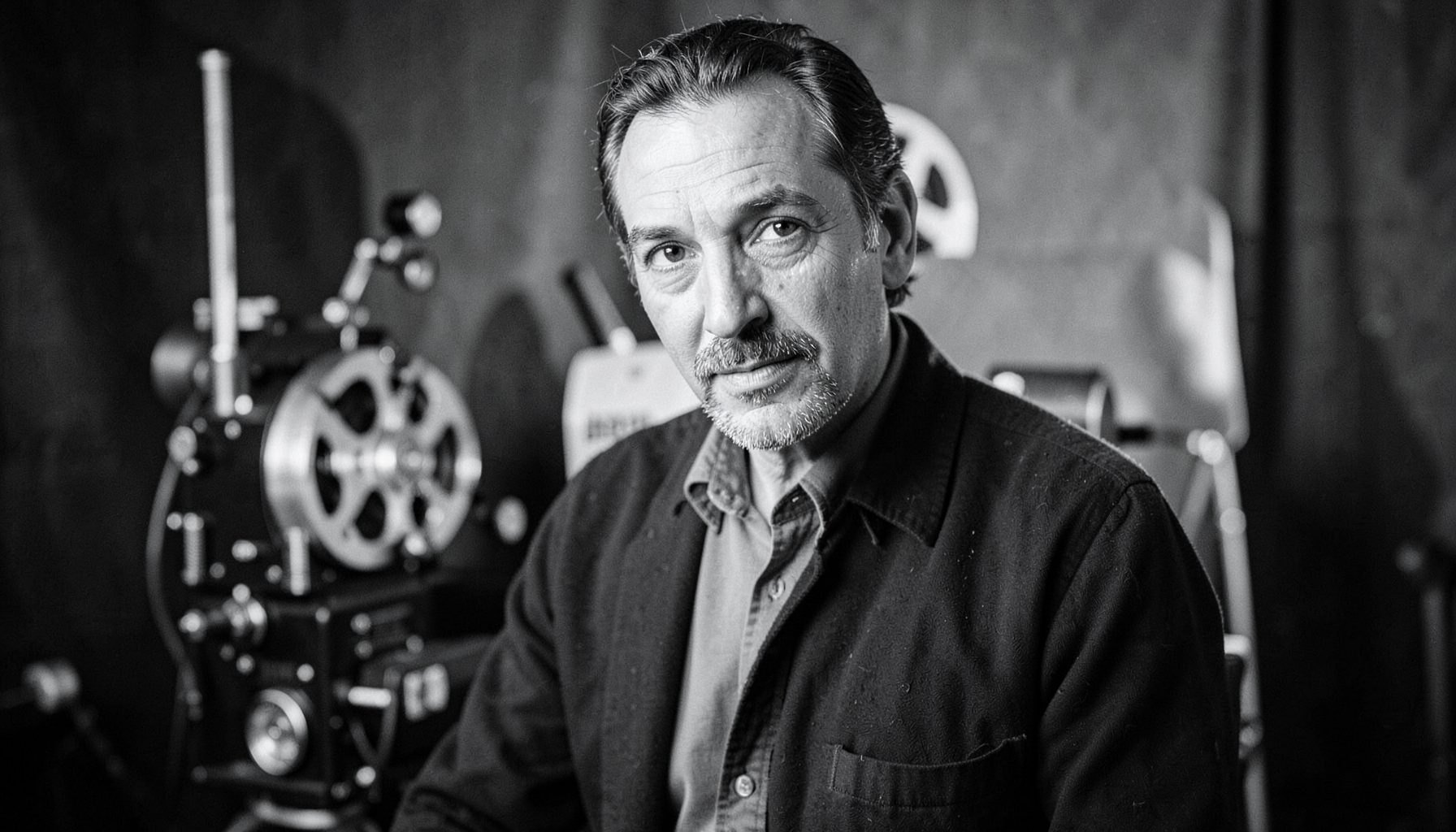
Micha Shagrir’s collaboration with Moshe Dayan belongs to a period when Israeli television was becoming an important forum for public memory, political debate and historical interpretation. Shagrir approached major figures through the discipline of documentary filmmaking: observation, questioning, location work and careful attention to the image.
Dayan was an unusually complex subject. He was a military commander, defence minister, foreign minister and internationally recognised symbol of Israel’s formative decades. His public reputation combined battlefield authority with political controversy, making any filmed conversation part interview, part historical document and part performance.
For contemporary viewers, the project is valuable because it preserves more than Dayan’s spoken opinions. It records the relationship between interviewer and subject, the visual language of Israeli television, and the assumptions that shaped public storytelling at the time. Shagrir’s camera could place a famous individual within a wider social and national setting.
The surviving material also invites comparison with Australian documentary traditions. Viewers familiar with ABC current affairs, SBS international reporting or collections held by the National Film and Sound Archive of Australia will recognise the importance of production notes, original negatives, broadcast copies and contextual records. Each can change how a familiar political figure is understood.
| Archival element | What it can reveal | Why it matters |
|---|---|---|
| Interview footage | Dayan’s language, pauses and presentation | Shows how political authority was performed on television |
| Production records | Crew roles, locations and filming decisions | Places the documentary within Shagrir’s working methods |
| Stills and negatives | Composition, setting and visual emphasis | Connects the programme to Shagrir’s wider photographic practice |
| Broadcast materials | Titles, duration and editorial framing | Indicates how the audience first encountered the film |
| Personal papers | Correspondence, research and planning | Helps establish the collaboration’s chronology and purpose |
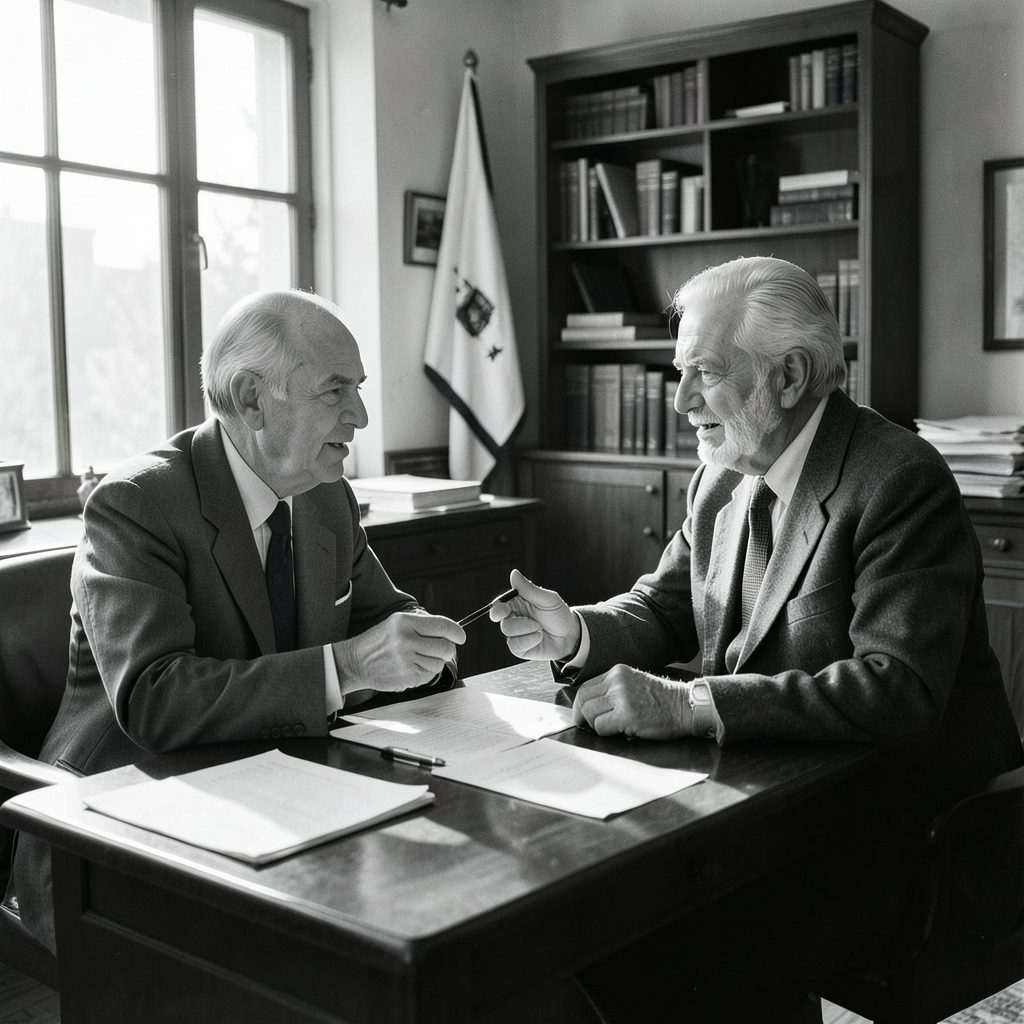
A Meeting Between Filmmaker and Statesman
The documentary encounter brought together two kinds of authority. Dayan carried the authority of military history and government, while Shagrir controlled the conditions in which that authority would appear on screen. The choice of questions, framing, editing and setting shaped the viewer’s understanding of every answer.
This relationship is central to documentary analysis. A prominent interviewee may appear spontaneous, yet the finished programme is built through preparation and selection. Shagrir’s work can therefore be read at two levels: as a record of Dayan speaking and as evidence of the filmmaker deciding what kind of public portrait was possible.
Dayan’s recognisable appearance also affected the visual language of the production. His eyepatch, military associations and confident manner had already become part of a national iconography. Shagrir’s contribution was to move beyond the emblem and search for a more layered presence, using duration, atmosphere and attentive observation rather than relying solely on established photographs.
That approach connects the project with the filmmaker’s broader interest in personalities and cultural history. His portraits of Israeli artists demonstrate how still and moving images could preserve the character of a period while documenting the people who shaped it.
Television as Historical Evidence
A television documentary is never a neutral window onto the past. It reflects the technology, editorial standards and political culture of the time in which it was produced. Israeli television operated within a national environment where questions of security, war, migration and identity were close to everyday life.
The Shagrir-Dayan project is therefore significant as a piece of broadcast history. It shows how a public broadcaster or production team could translate a powerful political personality into a form accessible to a mass audience. The programme’s structure, visual rhythm and use of testimony may reveal as much about Israeli media culture as about Dayan himself.
For Australian audiences, a useful comparison is the way ABC documentaries have presented former prime ministers, generals and cultural leaders. A programme about a figure such as Gough Whitlam or General Peter Cosgrove would carry a similar tension between public legend and private complexity. SBS programs dealing with overseas politics add another point of comparison, particularly in the way translation and cultural context influence interpretation.
The original broadcast context matters as well. A film first seen in a living room, on a scheduled television evening, reached viewers differently from an archive clip watched online decades later. Digital access increases availability, but it can remove opening titles, continuity announcements, advertisements or surrounding programmes that once helped establish meaning.
Dayan Beyond the Military Image
Dayan is often remembered through military photographs and accounts of Israel’s wars. A documentary conversation can widen that frame by showing how he described responsibility, leadership, diplomacy and national change. It can also expose the distance between the public image of a decisive commander and the more reflective or guarded individual in front of the camera.
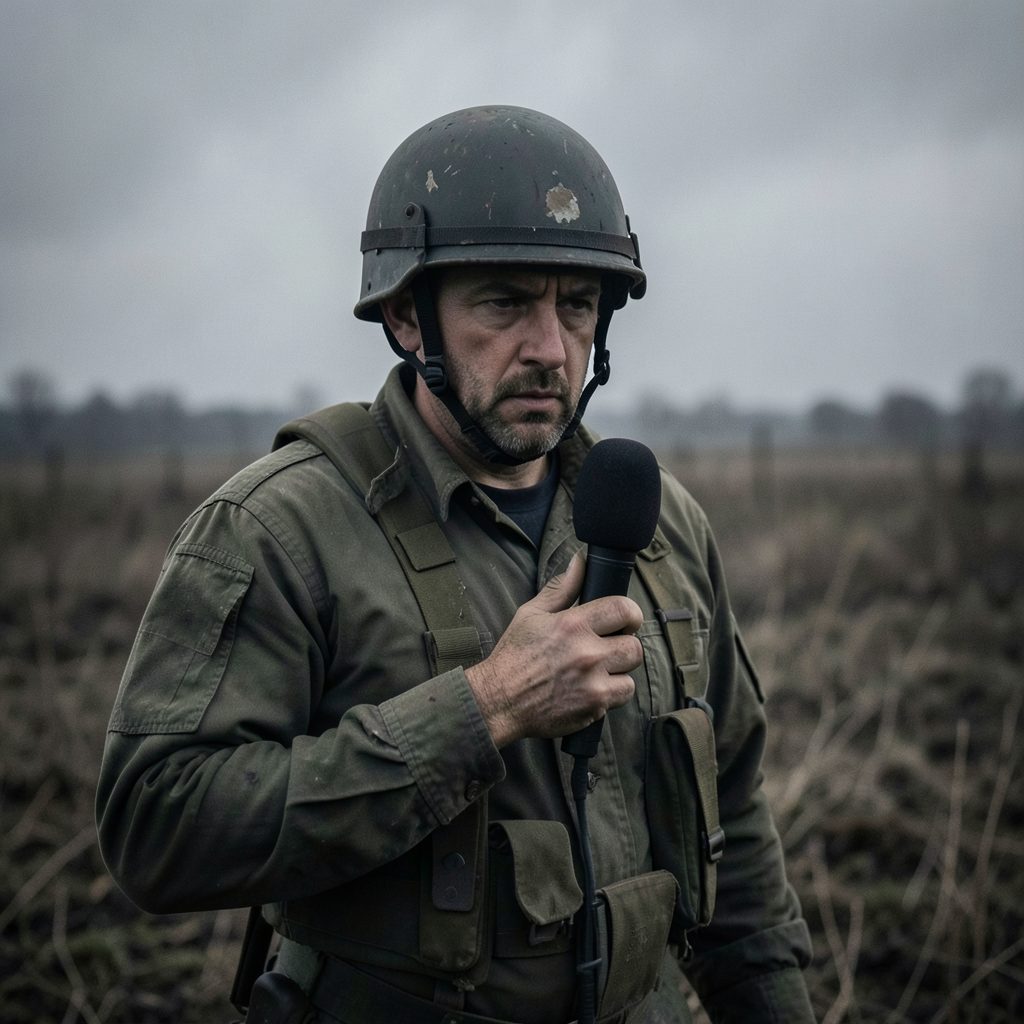
Shagrir’s own experience covering conflict gave him a practical understanding of how political statements sit alongside lived events. His account of covering the Yom Kippur War offers valuable background for understanding the filmmaker’s sensitivity to military reporting, uncertainty and the human consequences of official decisions.
The documentary should not be treated as a final verdict on Dayan. Its importance lies in the encounter itself: a historical figure responding to prompts, managing his image and speaking within a particular political moment. The pauses, changes of tone and physical setting may be as revealing as the explicit claims.
This is where archival viewing becomes especially productive. Researchers can compare the documentary with press interviews, parliamentary speeches, photographs and later recollections. Agreements and contradictions do not weaken the film’s value; they show how memory is produced across different media.
The Archive Behind the Screen
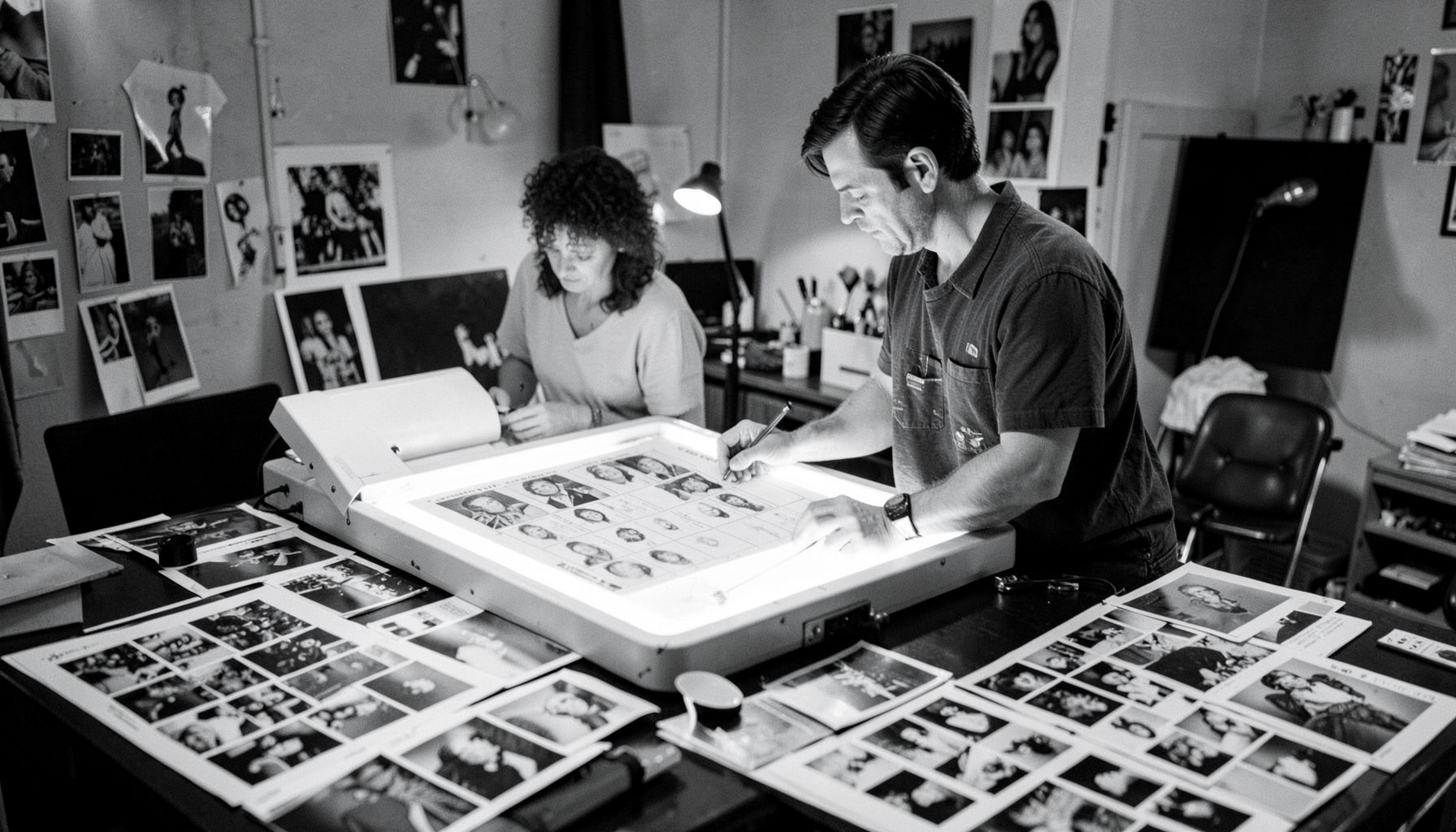
The surviving collection extends the documentary beyond its finished broadcast. Negatives, contact sheets, production papers, sound recordings and photographs can help reconstruct how Shagrir prepared the project and how the filmed material was shaped. Such sources may identify locations, collaborators, dates and versions that are absent from a final copy.
Photographic evidence is particularly useful. A still image can show whether the interview took place in an office, a home, a studio or a public setting. It can reveal lighting choices, camera positions and the presence of crew members. These details clarify whether the production sought intimacy, institutional authority or a deliberately formal portrait.
Preservation also protects fragile formats. Film stock can shrink, magnetic tape can lose signal and paper records can become brittle. Digitisation makes access easier for researchers in Sydney, Melbourne, Brisbane and regional centres, while conservation retains the physical evidence of how the material was originally made.
The collection’s value extends beyond specialists. Teachers, journalists, historians and documentary students can use the material to examine source criticism, interview technique and the ethics of filming political power. For Australian universities and cultural institutions, it offers a case study in how an overseas archive can illuminate shared questions about media, leadership and national memory.
Access, Research and Public Memory
The collaboration deserves attention because it joins biography with media history. It is a record of Moshe Dayan, but it is equally a record of Micha Shagrir’s professional method and the television culture in which he worked. The project shows how a filmmaker could engage a celebrated statesman without reducing the encounter to official publicity.
Further research can establish the documentary’s production date, broadcast history, surviving formats and editorial development. Cataloguing titles, credits and related correspondence allows future viewers to distinguish between original material, later excerpts and retrospective descriptions. Clear metadata is essential when archival footage circulates through exhibitions, classrooms and online platforms.
There is also a public value in presenting these sources together. A photograph, interview recording or production note may seem modest in isolation, yet each contributes to a fuller account of Israeli political and social history. As with Australian collections at the NFSA, the surrounding documentation often determines whether an image can be interpreted responsibly.
Researchers, educators and cultural organisations seeking further information can contact the collection. Continued access ensures that this meeting between filmmaker and statesman remains available for close study rather than surviving only as a famous name attached to a distant television programme.