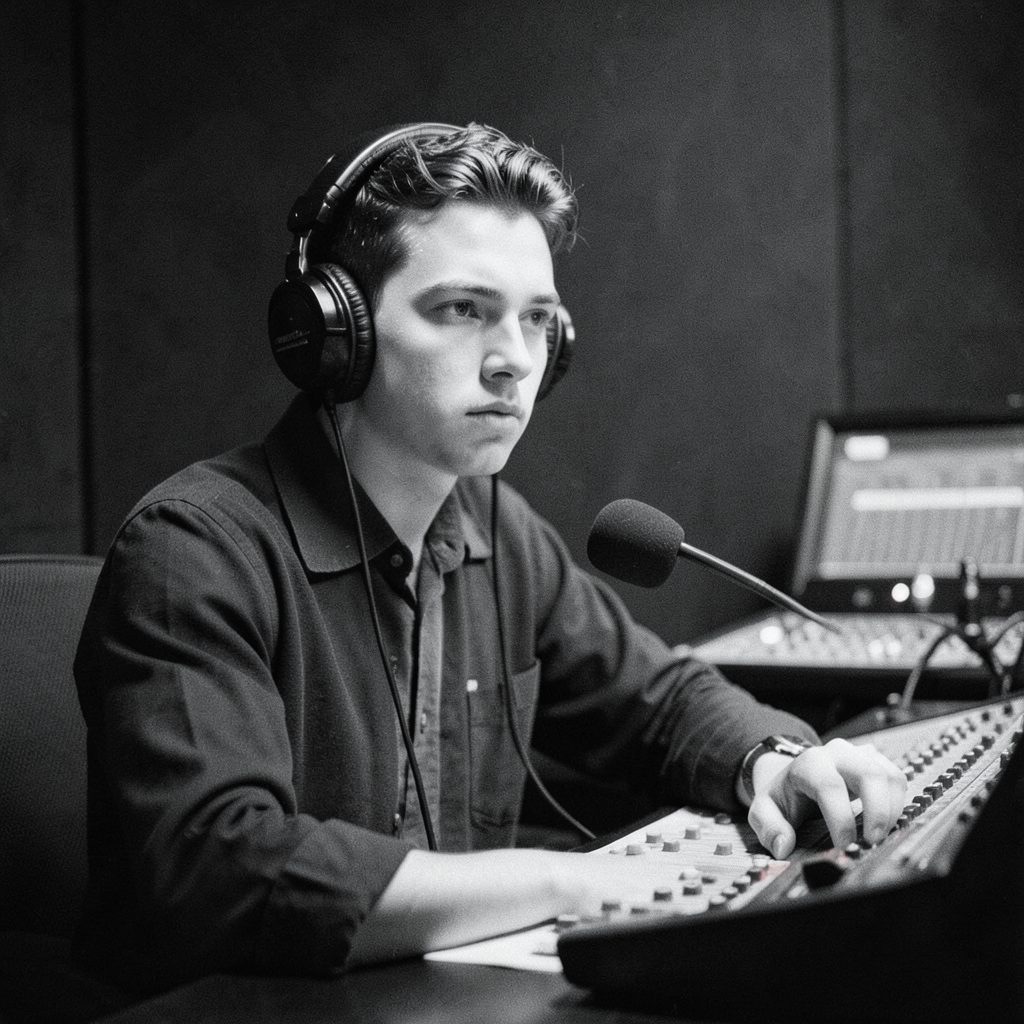
Preserving the Voices Behind Political Debate
Audio recordings can preserve the texture of history in ways written records cannot. A pause, interruption, change in tone, room noise or audience reaction may reveal how a political debate unfolded and how participants understood the moment. For the Shagrir Collection, these recordings can complement documentary films, photographs, papers and news material connected with Israel’s political and social history.
Preservation requires more than transferring old tapes into digital files. It involves stabilising original carriers, documenting their condition, capturing sound at archival quality, clarifying copyright and privacy, and creating access copies that researchers can use without handling fragile originals. Australian museums, universities, libraries and community archives will recognise many of these concerns through their own work with oral history and audiovisual collections.
Why Political Audio Belongs in the Archive
A written transcript records words, but it cannot fully represent the event in which those words were spoken. A debate recording may preserve the rhythm of a speaker, overlapping voices, applause, microphone distortion and the acoustic character of a meeting room. These details can help researchers distinguish prepared statements from spontaneous exchanges and public performance from private discussion.
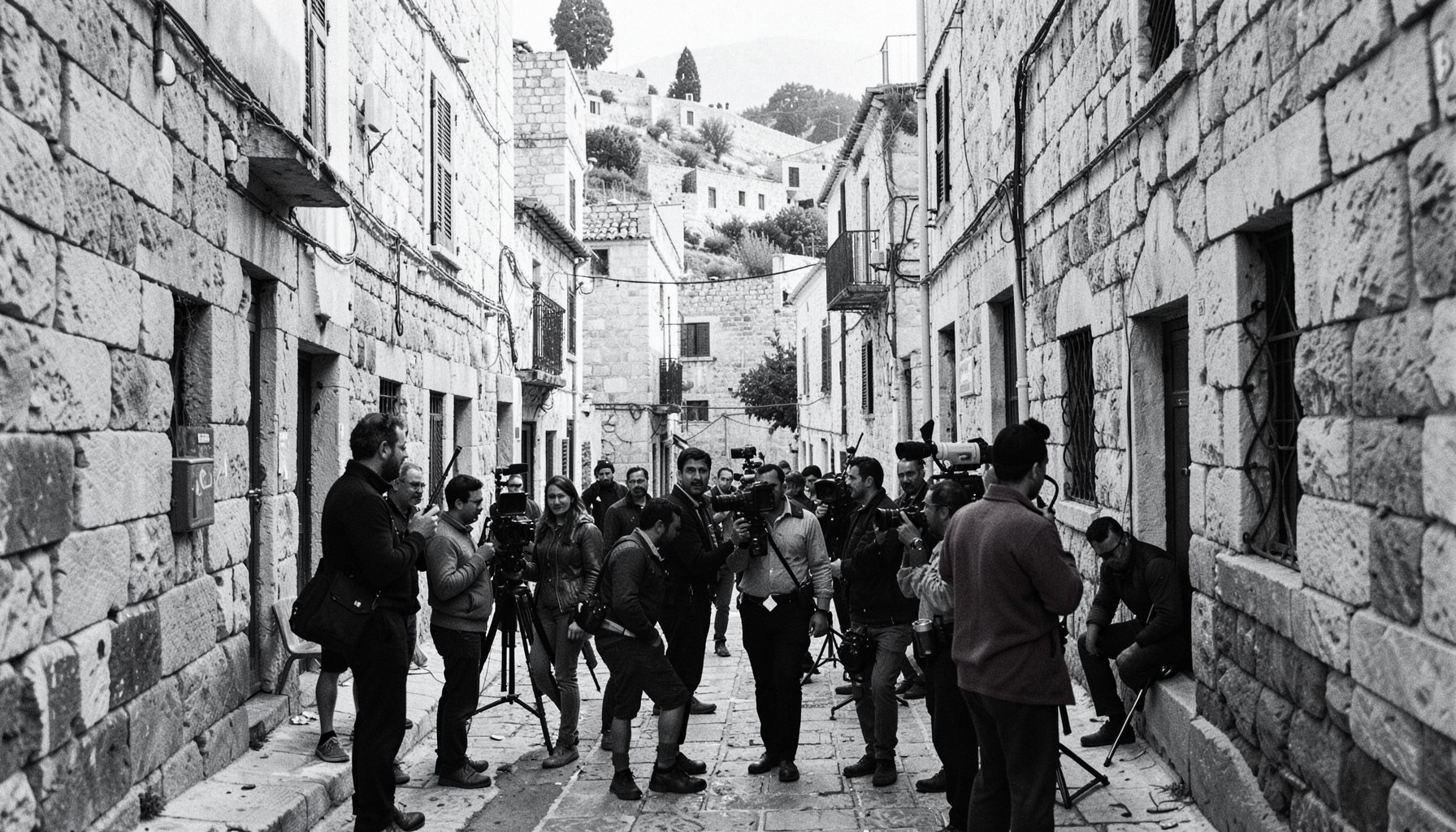
Such material also connects personal journalism with wider historical evidence. A broadcast interview may sit beside field recordings, production notes, contact sheets and photographs. The Shagrir Collection provides a broader setting for understanding how these different sources were created and how they can be interpreted together.
| Preservation concern | Archival response | Research benefit |
|---|---|---|
| Ageing tape or disc | Cool, stable storage and careful handling | Reduces the risk of permanent signal loss |
| Obsolete playback equipment | Use a calibrated professional machine | Captures the recording as accurately as possible |
| Unclear dates or speakers | Build detailed metadata and cross-check sources | Makes the material searchable and verifiable |
| Copyright or privacy restrictions | Record permissions and access conditions | Supports responsible public use |
| Fragile originals | Provide preservation masters and listening copies | Protects the source while widening access |
Preserved audio can also support teaching. Students might compare a debate recording with a newspaper account, a documentary sequence or a photograph from the same period. The result is a more layered understanding of political communication, media production and public memory.
Understanding the Original Carriers
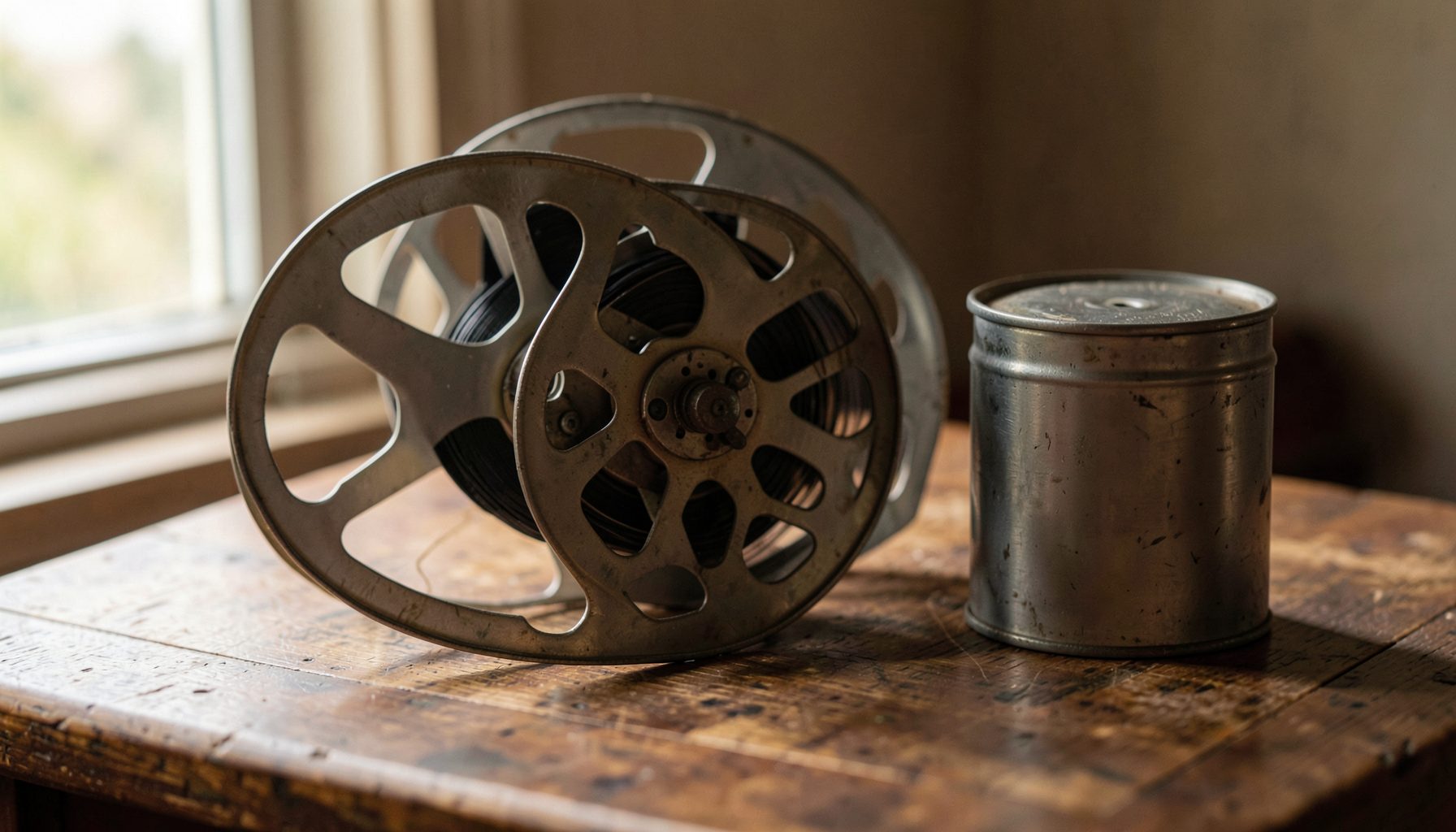
Before any transfer begins, archivists need to identify what survives. Political discussions may be recorded on open-reel magnetic tape, compact cassette, cartridge, DAT, optical media or a film soundtrack. Each format has different risks, playback requirements and likely signal characteristics. Labels, boxes, splices and handwritten notes are evidence, even when they appear incomplete.
A carrier inspection should document mould, dirt, sticky surfaces, broken shells, tape deformation, vinegar odour, oxide shedding and other signs of deterioration. Staff should avoid playing material that is visibly damaged. A short inspection record, linked to an item number and photograph, can prevent accidental loss and establish a useful chain of custody.
Original packaging should be retained where it is safe to do so. It may contain dates, locations, names, broadcast references or production instructions absent from the audio itself. If labels are removed for conservation reasons, their position and wording should be photographed and transcribed.
Creating a Safe Digitisation Workflow
Audio digitisation should take place through a documented workflow rather than an improvised listening session. The playback machine must be suitable for the format and adjusted to the carrier. For analogue tape, the transfer may require correct equalisation, azimuth alignment and careful level setting. The goal is to capture the source faithfully without disguising its imperfections.
A preservation master is commonly created as an uncompressed Broadcast Wave file, often at 24-bit resolution and a sampling rate of 96 kHz for analogue material. The precise specification should reflect the source, equipment and archive policy. Processing such as noise reduction, compression or aggressive filtering belongs in a separate access version, never in the only preservation file.
Every file should receive a stable identifier and be accompanied by technical metadata. This can include equipment used, operator, date, sample rate, bit depth, channel configuration, observed defects and any adjustments made during transfer. Checksums can later confirm that files have not changed or become corrupted.
For older digital formats, the challenge may be finding a reliable playback deck rather than improving the sound. A DAT cassette, for example, can fail through transport wear, alignment problems or tape deterioration. Early action is valuable because specialist machines and technicians are increasingly scarce.
Building Meaningful Metadata
Good description allows an audio item to be found, understood and cited. Essential fields may include title, date, place, language, participants, recording format, duration, physical location, related photographs, source information and access status. Uncertainty should be stated clearly rather than replaced with an invented date or confident identification.
Transcription can make political recordings far more accessible, especially for researchers working across languages. Automated speech recognition may provide a starting point, but names, accents, code-switching, crowd noise and overlapping speakers require human review. Time-coded transcripts allow users to move directly from a passage of text to the relevant moment in the recording.
Descriptions should preserve original terminology while avoiding assumptions that may distort historical context. A debate may involve outdated political language, contested place names or descriptions of communities that require an explanatory note. Contextual information should distinguish what is heard in the recording from what archivists have established through later research.
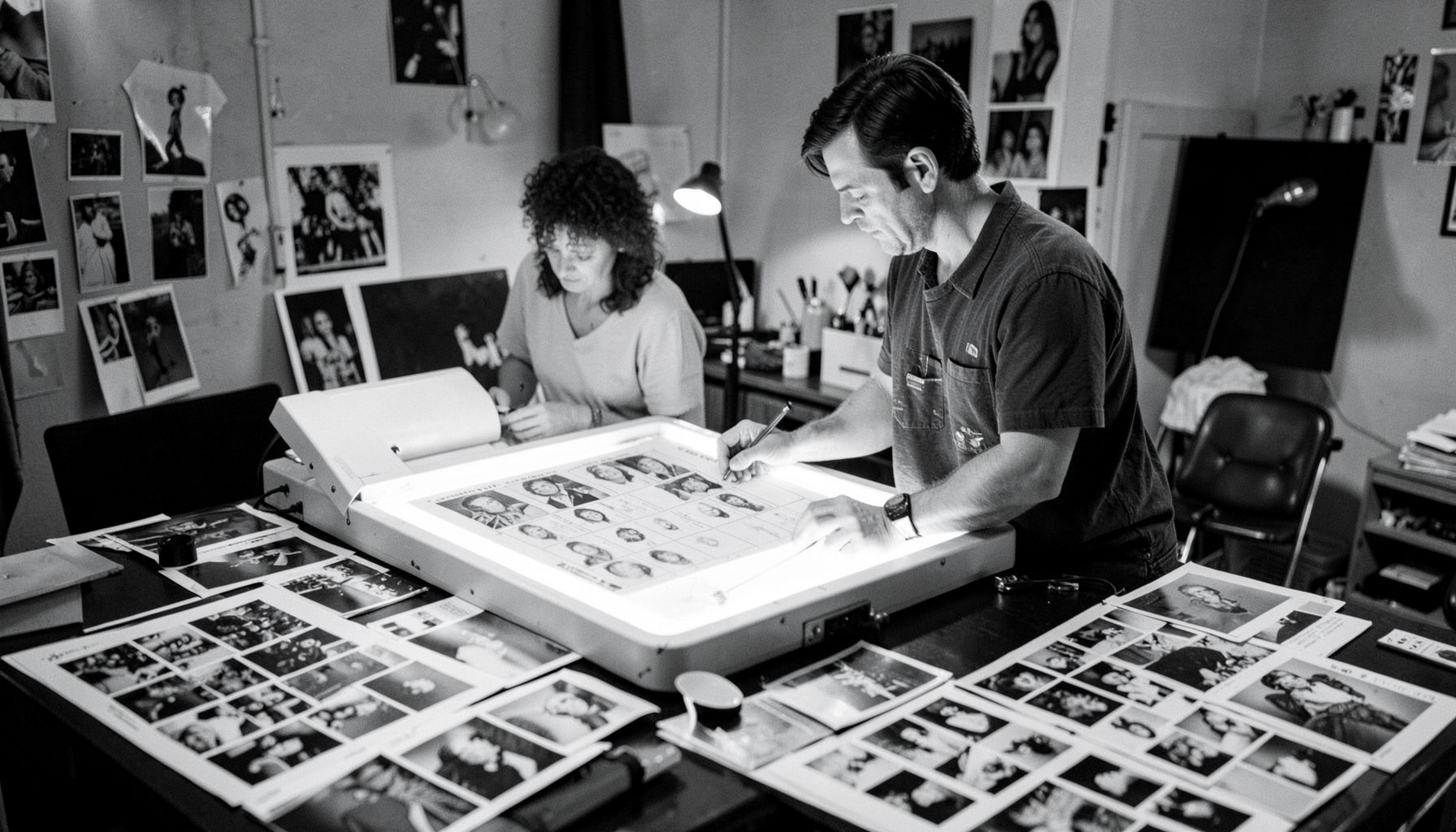
The photographs in the archive can assist this process. For example, the Jerusalem contact sheets demonstrate how visual records can reveal sequence, setting and working methods that are difficult to recover from a single finished image. Similar cross-referencing may help identify people, locations and events in political audio.
Managing Copyright, Privacy and Consent
Rights assessment must begin before publication. Copyright may belong to Micha Shagrir, a broadcaster, a production company, a newspaper, a political organisation, an interviewee or another rights holder. A recording can contain several separate rights interests, including the underlying speech, the performance, the broadcast and any accompanying music.
Privacy also matters. Political debates often include personal details, allegations, telephone contributions or comments made in an expectation of limited circulation. Archivists should distinguish between material suitable for open streaming, material available only in a reading room, and material requiring permission or redaction.
Australian practice offers a useful comparison. The Copyright Act 1968 and the Privacy Act 1988 shape how local institutions assess copying, publication and personal information, although Israeli law and the circumstances of each recording will govern the Shagrir material. Australian researchers also encounter moral rights, donor agreements and cultural sensitivity requirements when working with historical collections.
Rights statements should be stored with the digital object rather than in a separate spreadsheet that can be lost or overlooked. When permissions are uncertain, a detailed public description can still help researchers discover the item while the audio remains restricted.
Designing Access for Researchers and Public Audiences
A preservation master is not necessarily the best listening file. Public users generally need a smaller, well-tagged derivative that streams easily on a phone or computer. A researcher may need a high-quality download, transcript, speaker index or time-coded citation. Providing different levels of access protects the master while meeting practical needs.
Search interfaces should allow users to filter by date, participant, location, language and event. Short contextual summaries can explain why the debate matters without replacing the original source. Where a transcript is incomplete, the record should say so. Silence, distortion and unintelligible passages are part of the archival condition and should not be silently corrected.
Australian audiences may encounter the collection through university libraries, public programs or online exhibitions. People commuting by train in Sydney or Melbourne often use headphones and mobile devices, while schools and community groups may need downloadable teaching resources with clear permissions. Accessible transcripts and captions are especially important for people who are deaf or hard of hearing.
Exhibitions should avoid presenting a short political excerpt as self-explanatory. A clip gains meaning when paired with its date, setting, participants, related images and an account of how it was recorded. This approach encourages listening as historical investigation rather than treating audio as background atmosphere.
Practical Priorities for Long-Term Care
A sustainable audio project needs an agreed order of work. The most urgent items are not always the most historically famous; a less celebrated cassette may be in much worse condition than a widely known reel. Risk assessment should consider format obsolescence, physical deterioration, uniqueness, demand and the availability of playback equipment.
For organisations in Australia, partnerships can extend technical capacity. The National Film and Sound Archive in Canberra offers a strong reference point for audiovisual preservation practice, while universities, state libraries and specialist contractors in cities such as Sydney and Melbourne may provide digitisation, conservation or storage expertise. Local market research should compare equipment calibration, file delivery, metadata support and long-term storage rather than choosing a supplier on transfer price alone.
- Inventory every carrier and assign a stable identifier.
- Prioritise fragile, rare and technically obsolete formats.
- Create uncompressed preservation files with technical metadata.
- Store at least two verified copies in separate locations.
- Review copyright, privacy and donor conditions before publication.
- Provide transcripts, contextual notes and accessible listening copies.
Storage planning should include more than an external hard drive. A managed repository needs geographic separation, routine checksum checks, backup monitoring and a documented process for replacing failed media. Australian environmental conditions also require care: stable temperature, controlled humidity and protection from dust, heat and sudden changes are especially important during hot periods.
Connecting Sound with the Wider Collection
Audio recordings become more valuable when they are linked to the rest of the archive. A debate may correspond with a photograph, a shooting script, a production diary, a newspaper clipping or a later interview. Shared identifiers and relationship fields can turn separate objects into a research network.
The collection’s contact information gives researchers, rights holders and former participants a route to contribute corrections or additional evidence. Such contributions should be recorded transparently, with the source and date of each amendment preserved. Community knowledge can clarify voices and events, but it should remain distinguishable from the original recording.
Careful preservation allows future listeners to encounter political history with its uncertainty and complexity intact. The aim is not simply to make old debates audible again. It is to protect the evidence of how people spoke, argued, reported and remembered their time, while giving researchers responsible ways to hear those voices.