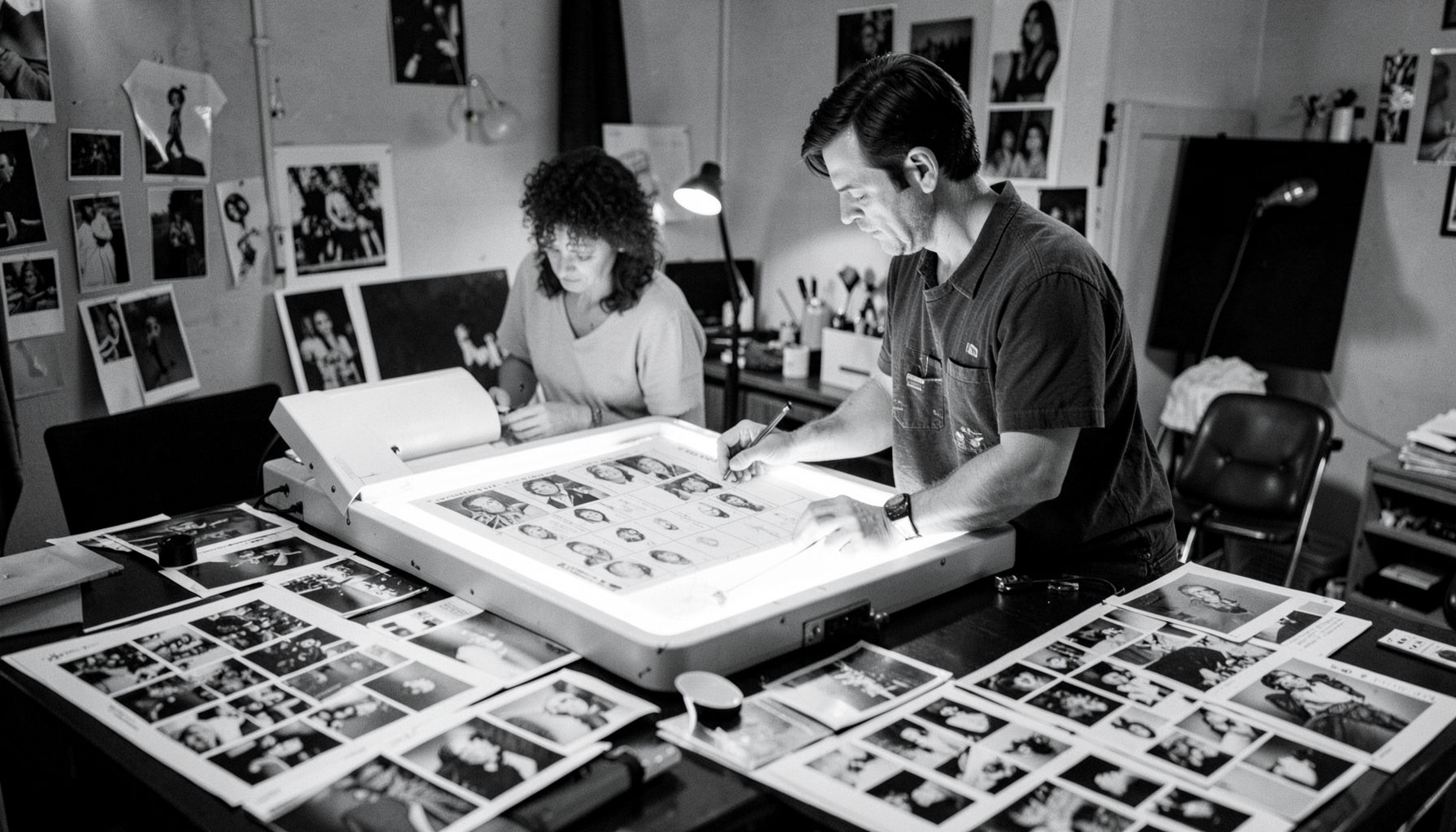

Shagrir’s 8mm Home Movies and the Texture of Memory
The Shagrir Collection’s 8mm home movies offer an intimate counterpoint to the public record of Israeli history. Created outside formal newsrooms and production studios, these small-gauge films preserve family gatherings, journeys, ordinary streets, and fleeting impressions of a society changing around the camera. Their value lies partly in their informality: a hand-held pan, an overexposed afternoon, or a child looking directly into the lens can reveal dimensions that official footage often leaves out.
For Australian audiences, the collection also demonstrates why personal film archives matter. Researchers in Sydney, Melbourne, Canberra, and regional centres regularly work with fragmented family records that connect private experience to migration, politics, and social change. Shagrir’s reels belong to that wider history of domestic filmmaking, where a camera carried through daily life becomes an unexpected historical witness.
| Material | What it can reveal | Preservation concern | Research value |
|---|---|---|---|
| 8mm home movies | Family life, travel, neighbourhoods, informal events | Shrinkage, colour fading, brittle splices | Social and visual history |
| Film canisters and notes | Dates, places, identities, filming habits | Missing or unclear documentation | Provenance and chronology |
| Photographs and negatives | People, locations, repeated subjects | Dust, scratches, chemical deterioration | Comparison with moving images |
| Audio and paper records | Voices, context, political atmosphere | Magnetic decay, fragile paper | Interpretation and cross-reference |
A Domestic Format With Historical Reach
Standard 8mm and Super 8 film were designed for personal use, allowing filmmakers to record birthdays, holidays, school occasions, and travel without the scale or expense of a professional production. The resulting footage is often quiet and partial. It may contain no commentary, no clear date, and no explanation of who appears in the frame. Yet this lack of polish can make the images unusually revealing.
Shagrir’s home movies can be read as visual evidence of habits and relationships: who stands near the camera, who remains outside the frame, which streets attract attention, and how people arrange themselves for a family record. Clothing, vehicles, architecture, gestures, and seasonal light all contribute information. A short sequence may connect the domestic sphere to the political and cultural landscape surrounding it.
The format also records the filmmaker’s own presence. Focus shifts, abrupt reframing, and repeated views of a particular person disclose curiosity and affection. These choices are part of the archive’s meaning, because the footage documents both the scene in front of the lens and the act of looking itself.
Reading Light, Movement, and Everyday Detail
Small-gauge film has a distinctive physical appearance. Grain, flicker, saturated colour, and soft edges can create an impression of warmth, but they should not be treated simply as an aesthetic effect. Exposure and processing conditions may indicate where the film was developed, how it was stored, or how much time passed before it was viewed. A careful examination of the original reel is therefore essential before interpreting its visual character.
For people learning to assess family film, basic photographic observation is useful. Guidance on photographing a subject can help viewers think about framing, available light, distance, and the relationship between camera operator and subject. Those questions apply to archival footage as much as to contemporary still photography.
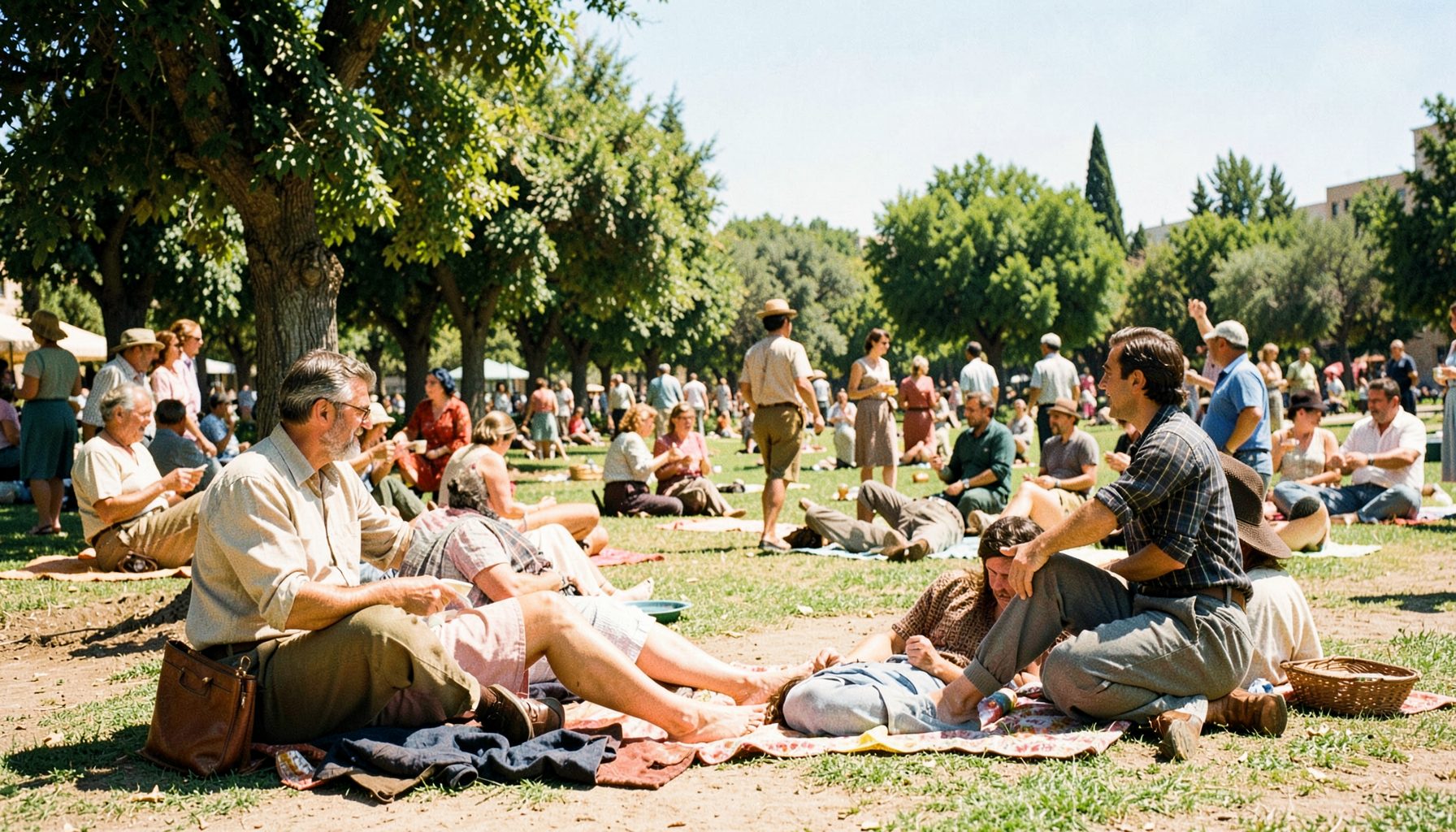
Australian viewers may recognise familiar patterns in the films: the social importance of gatherings, the casual recording of children, or the way travel footage turns a public place into a family memory. A Melbourne exhibition might place these reels beside home movies from migrant households, while a Sydney program could explore how personal cameras recorded urban growth, family networks, and changing customs.
Preservation Begins With the Original Reel
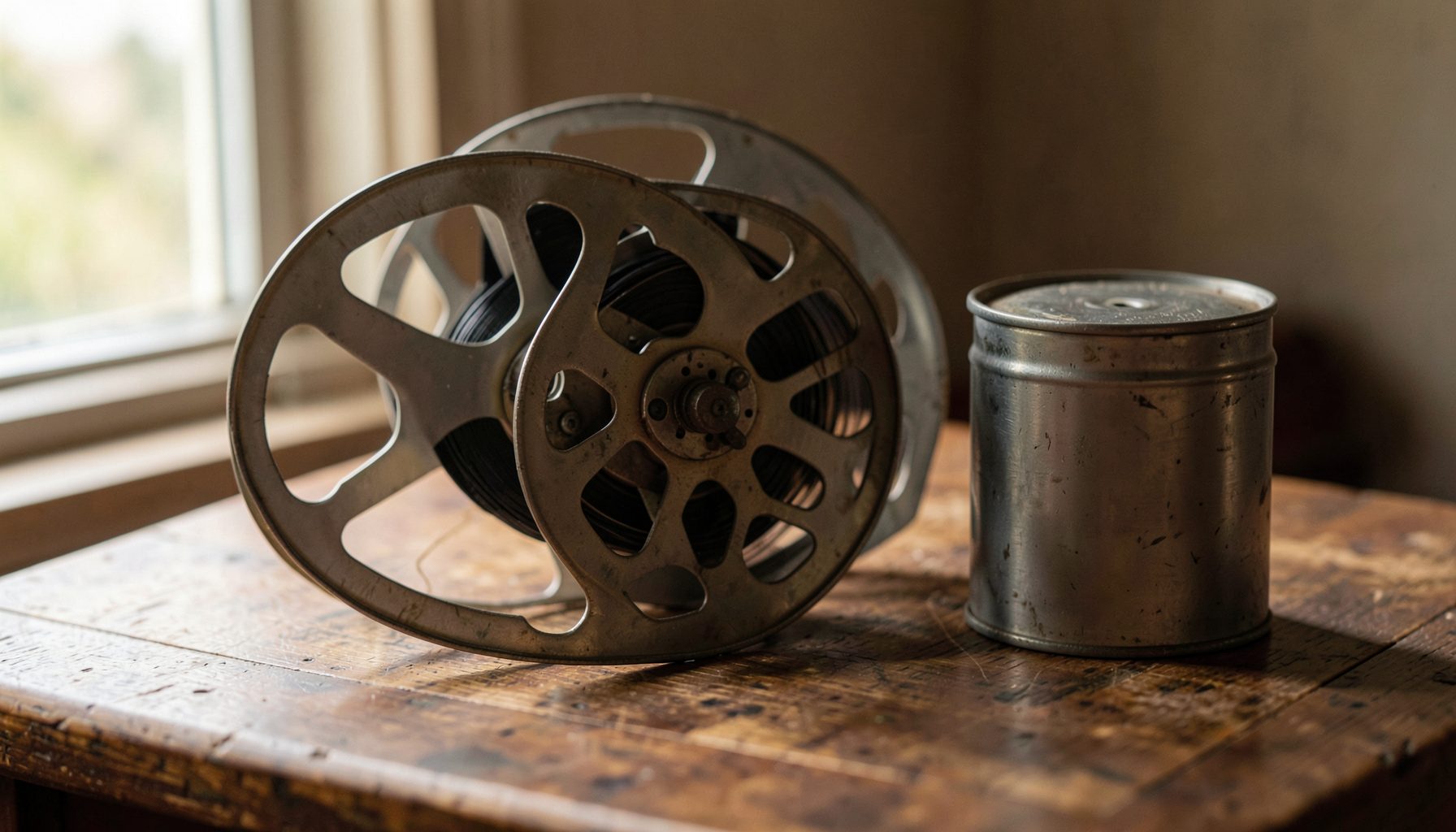
An 8mm home movie is not merely a sequence of images waiting to be transferred. It is a material object with a history. Film stock can shrink, warp, become brittle, or develop vinegar syndrome, while poor storage may introduce dust, mould, or colour deterioration. Repeated projection can cause further damage, particularly when splices have weakened or the film path is misaligned.
The Shagrir Collection’s broader collection overview places these moving images within an archive that also includes negatives, prints, recordings, papers, and other primary sources. That context matters. A reel’s meaning may become clearer when compared with a still photograph, a written note, or a later documentary sequence made by the same filmmaker.
Digitisation creates access copies for research, teaching, and public display, but it does not replace the original. High-quality scanning should preserve frame detail, sprocket information, colour characteristics, and any imperfections that form part of the object’s evidence. Metadata should record the reel’s physical condition, estimated date, content, original labels, and relationship to related materials.
From Private Memory to Public History
Home movies occupy an unusual position between autobiography and documentary. They were generally made for a small circle, yet they can later become important sources for understanding a period. The filmmaker may not have intended to record political change, but a street demonstration in the background, a newly built neighbourhood, or the presence of military infrastructure can transform an apparently personal reel into historical evidence.
Interpretation requires restraint. Viewers should distinguish between what is visible, what is inferred, and what remains unknown. A familiar landmark may help identify a location, while a family member’s testimony may clarify names and dates. Researchers can also compare the footage with newspapers, maps, oral histories, and other holdings in the archive.
Writing on visual culture, including work associated with Deepali Gupta, can encourage a wider consideration of how images shape memory and identity. Such perspectives are valuable when reading home movies, because the significance of a film may arise through later viewing, family storytelling, and community interpretation rather than from the original filming intention alone.
Ethical Questions Behind Intimate Footage
The fact that people appear in a home movie does not mean they automatically consented to unrestricted online publication decades later. Children, relatives, domestic workers, neighbours, and strangers may be identifiable. Some scenes may involve grief, illness, political tension, or private family circumstances. Responsible archival practice therefore considers privacy, cultural expectations, descendants’ views, and the purpose of access.
The issue becomes particularly important when personal footage intersects with conflict or state power. Shagrir’s wider body of work includes political and military subjects, making it useful to place domestic images beside debates about representation and responsibility. The collection’s discussion of war photography ethics provides a relevant framework for considering how viewers encounter vulnerable people through a camera.
Public programs in Australia often navigate similar concerns when presenting migrant family archives, Indigenous materials, or photographs from local communities. A screening at a Canberra cultural institution, a university seminar in Brisbane, or a neighbourhood event in Adelaide may require different levels of explanation and permission. Access should be generous, but it should also be thoughtful and properly contextualised.
Building Connections Across Archives
The home movies gain depth when they are studied alongside other records. Sound recordings may preserve a political atmosphere that silent film cannot convey; photographs can identify people or locations; correspondence can explain why a journey took place. The archive’s work on preserving audio recordings illustrates how different formats can support one another while requiring distinct preservation methods.
This cross-referencing approach is especially useful for Australian researchers working on migration, international media, or comparative documentary history. A scholar in Sydney might examine Shagrir’s treatment of public space alongside local television archives. A Melbourne filmmaker could study his editing and observational style beside Australian amateur films held in libraries, museums, or private collections. Canberra’s national collecting institutions provide another point of comparison for preservation standards and access models.
The reels also invite new forms of education. Students can learn how to identify film gauges, describe visual evidence, build a chronology, and distinguish archival fact from interpretation. Community screenings can create spaces where viewers contribute names, memories, and local knowledge, while digitised copies make the material available without subjecting fragile originals to unnecessary handling.
Why These Films Still Matter
The enduring importance of Shagrir’s 8mm footage rests in its modest scale. These are not necessarily complete accounts of events, and they may not answer every historical question. Their strength is cumulative: a gesture, a landscape, a family ritual, or a moment of stillness can deepen the record when placed beside other sources.
For the Australian market, where interest in family history, independent cinema, and digitisation continues to grow, the collection offers a compelling model for treating amateur film as serious cultural heritage. It connects Israeli experience with a global history of personal filmmaking and reminds viewers that archives are built from more than celebrated productions.
Preserved with accurate metadata, careful scanning, and ethical access policies, the reels can serve many audiences at once. They remain family memories, documentary traces, teaching resources, and historical documents. Their flickering images make the past feel close while also reminding us how much interpretation depends on patient research.