
Shagrir’s Travel Photographs From The Sinai Peninsula After 1967
Micha Shagrir’s photographs from the Sinai Peninsula after 1967 offer a visual record of a territory being encountered, administered and imagined through travel. They belong to a period when roads, military presence, tourism, local communities and ancient landscapes were brought into a new political frame after the Six-Day War.
Seen through the Shagrir Collection, these images are more than scenic views. Negatives, prints and related documents can show how a filmmaker and journalist selected details, organised movement and recorded the relationship between people and place. For Australian researchers, the material provides a useful way to consider documentary photography, occupation, desert mobility and the responsibilities of historical archives.
| Feature | What it may reveal | Useful research angle |
|---|---|---|
| Desert roads and vehicles | Access, distance and changing infrastructure | Travel history and military geography |
| Settlements and built sites | Layers of authority and everyday use | Political and social history |
| Portraits and encounters | Relations between photographer and subjects | Ethics, representation and identity |
| Negatives and contact material | Choices made during editing | Archival and photographic practice |
| Captions and papers | Context that images cannot provide alone | Cross-checking dates and events |
A Landscape Reframed By 1967
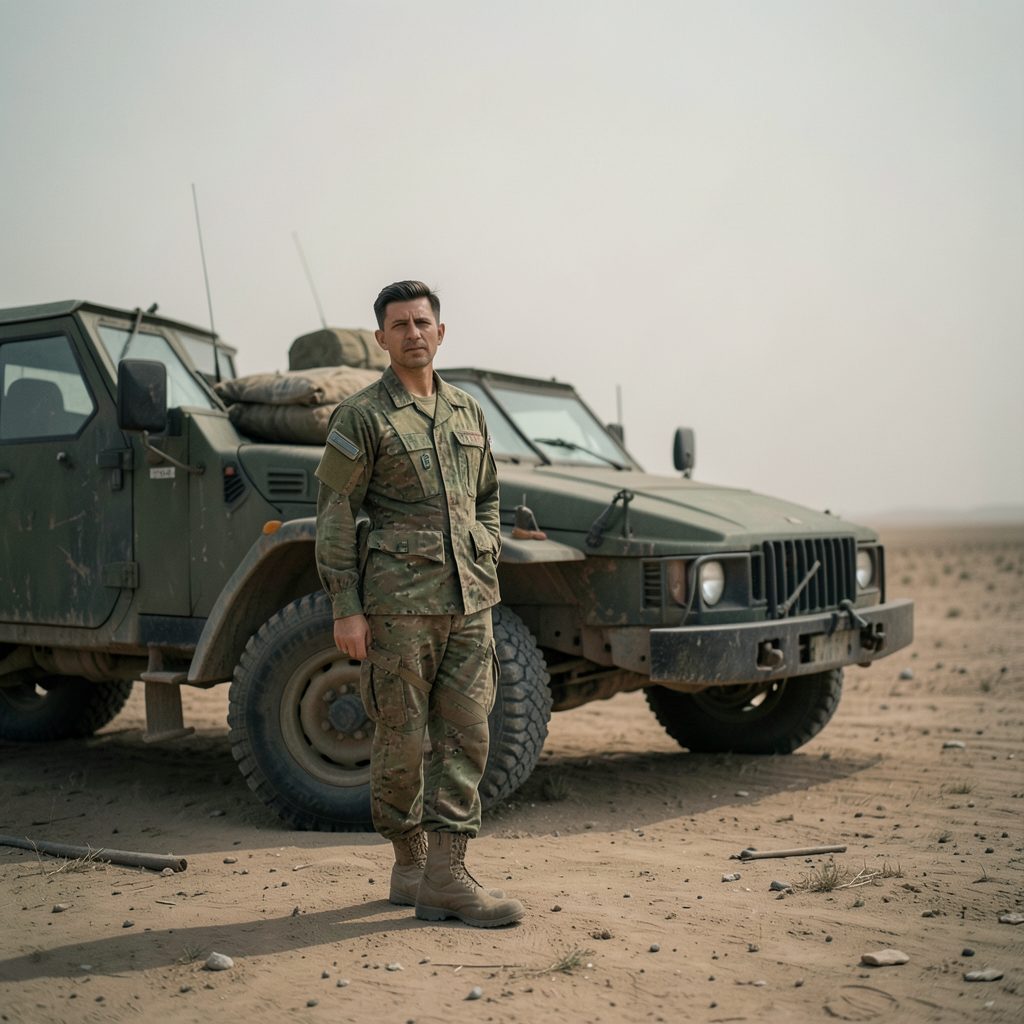
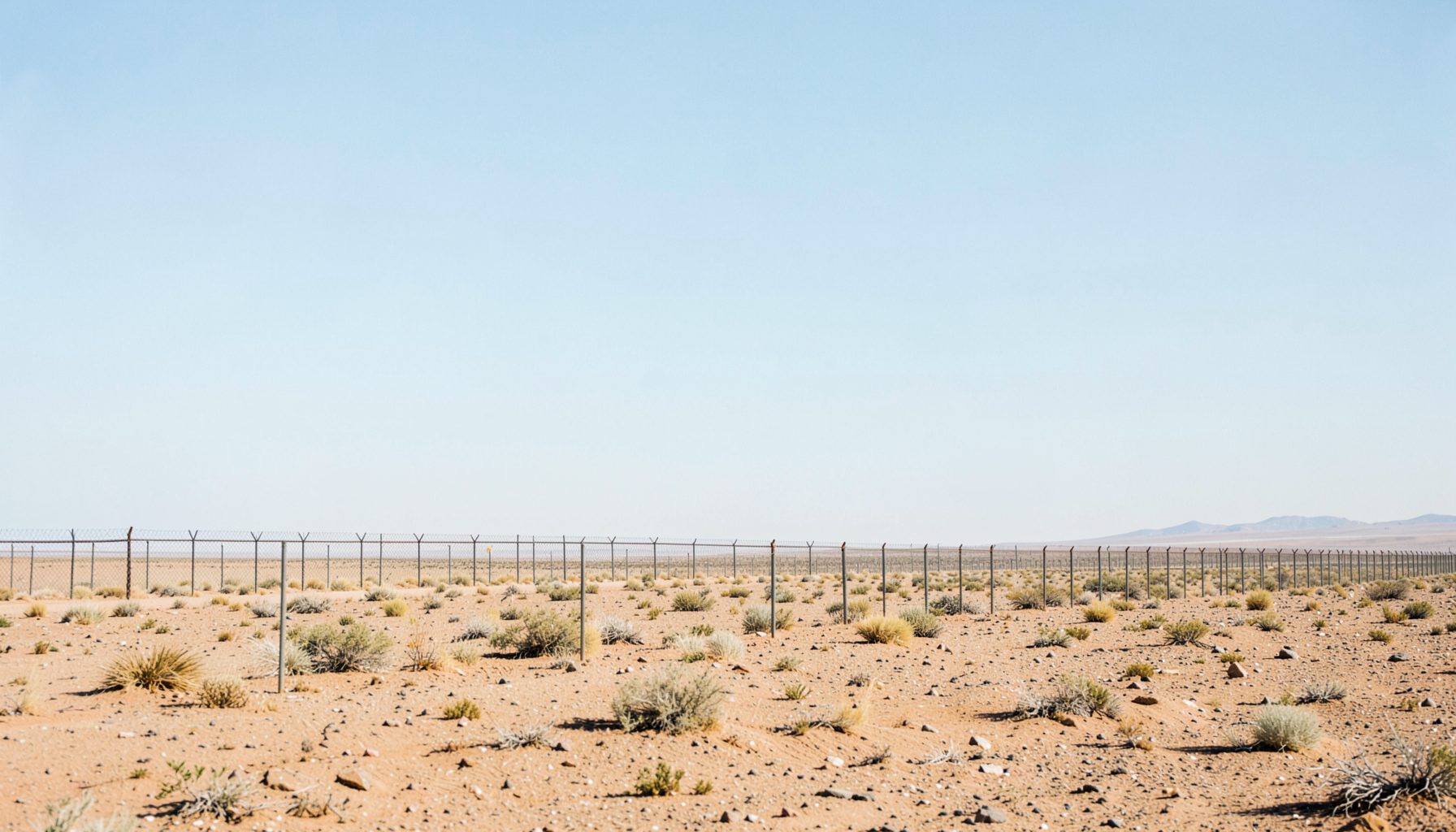
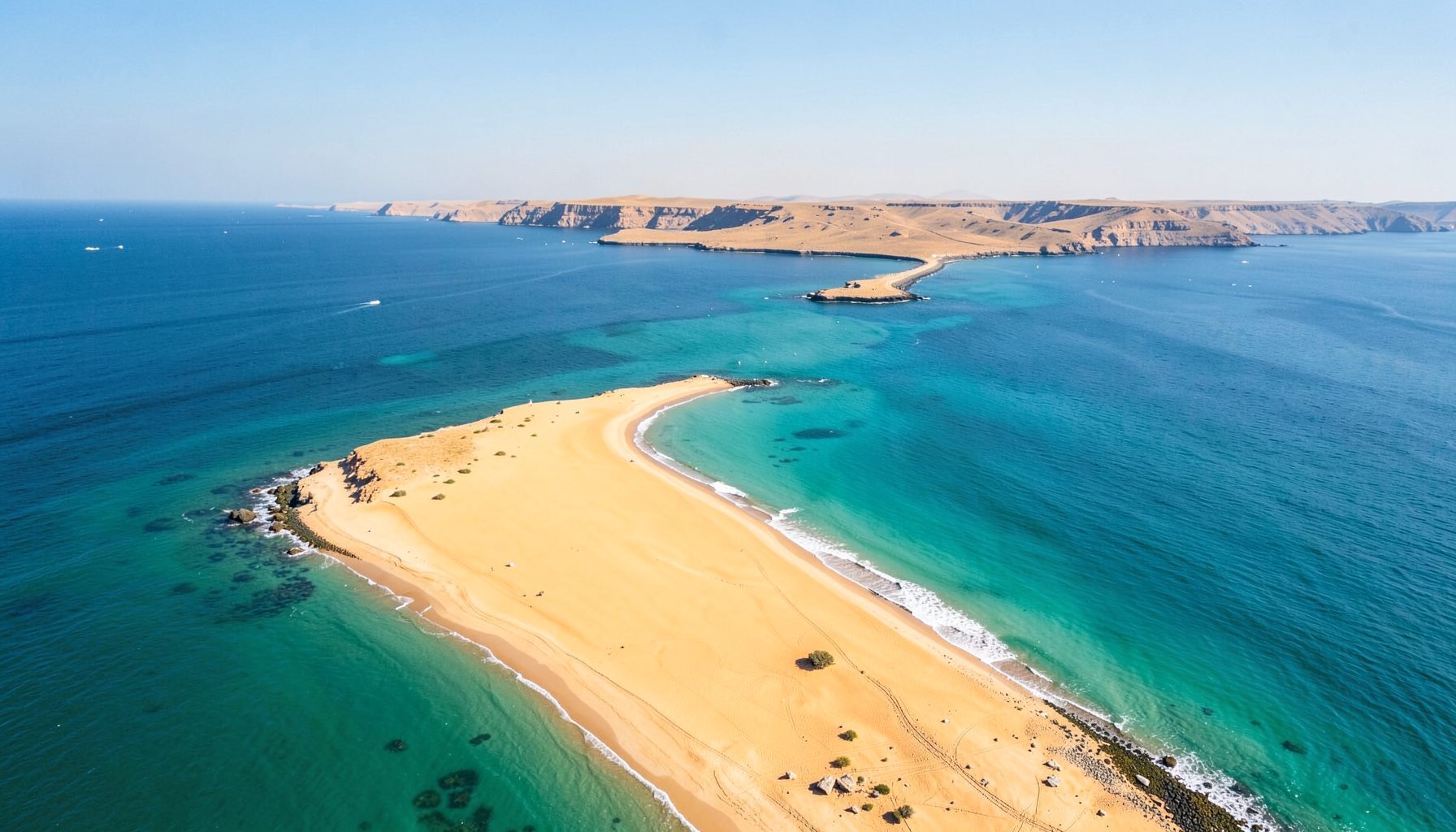
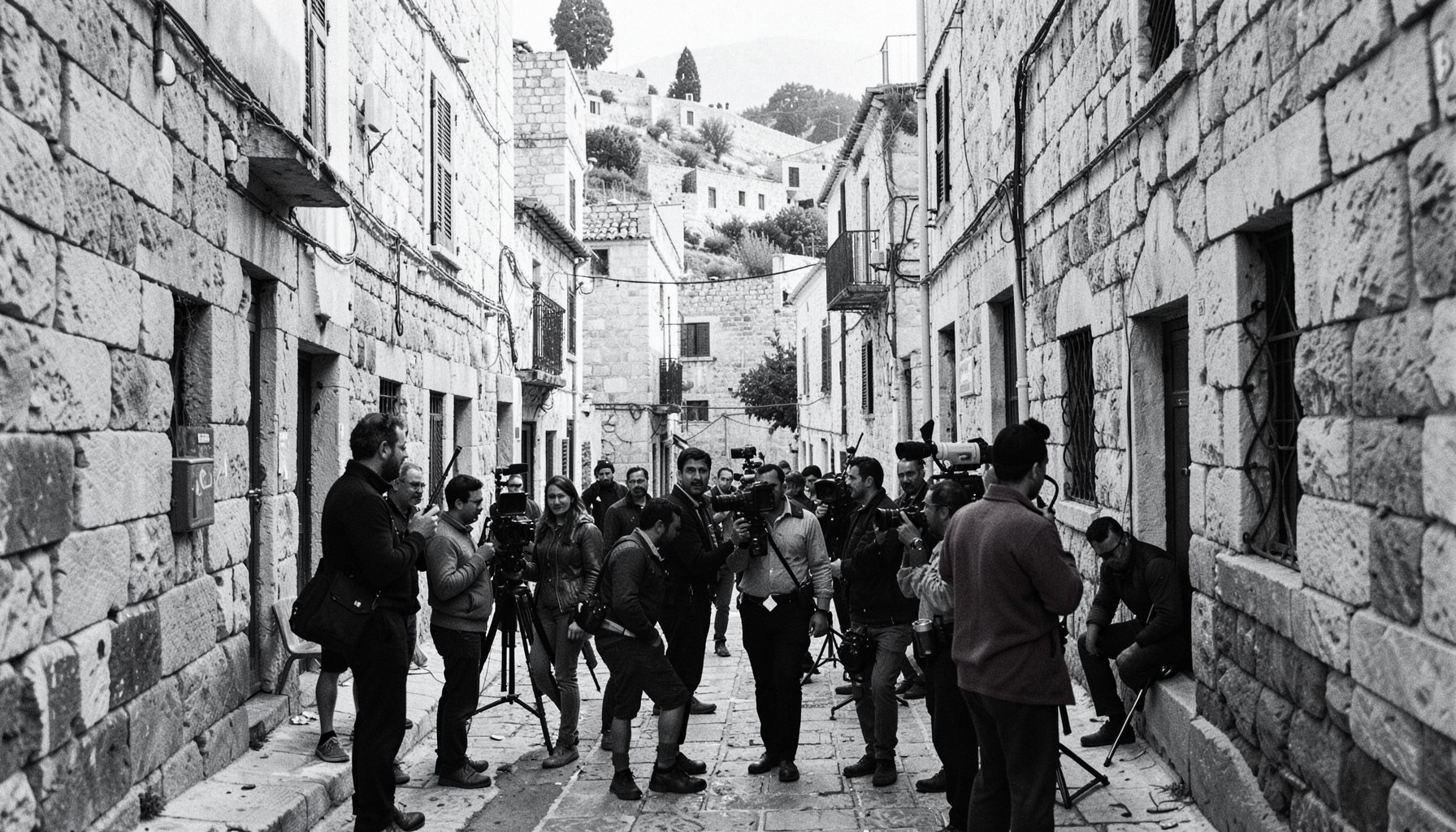
The Sinai is often reduced to a landscape of emptiness: dunes, rocky escarpments, dry valleys and a long coastline. Travel photographs challenge that simplification. A road cutting through open country, a checkpoint, a group gathered beside a vehicle or a fishing settlement can make the peninsula legible as a lived and governed place.
The political change after June 1967 is essential to reading the photographs. Israel occupied the Sinai Peninsula during the war, and the territory remained under Israeli control until the staged withdrawal completed in 1982 under the Egypt–Israel peace agreement. Images made during that interval carry the marks of administration, conflict and movement, even when no military action appears in the frame.
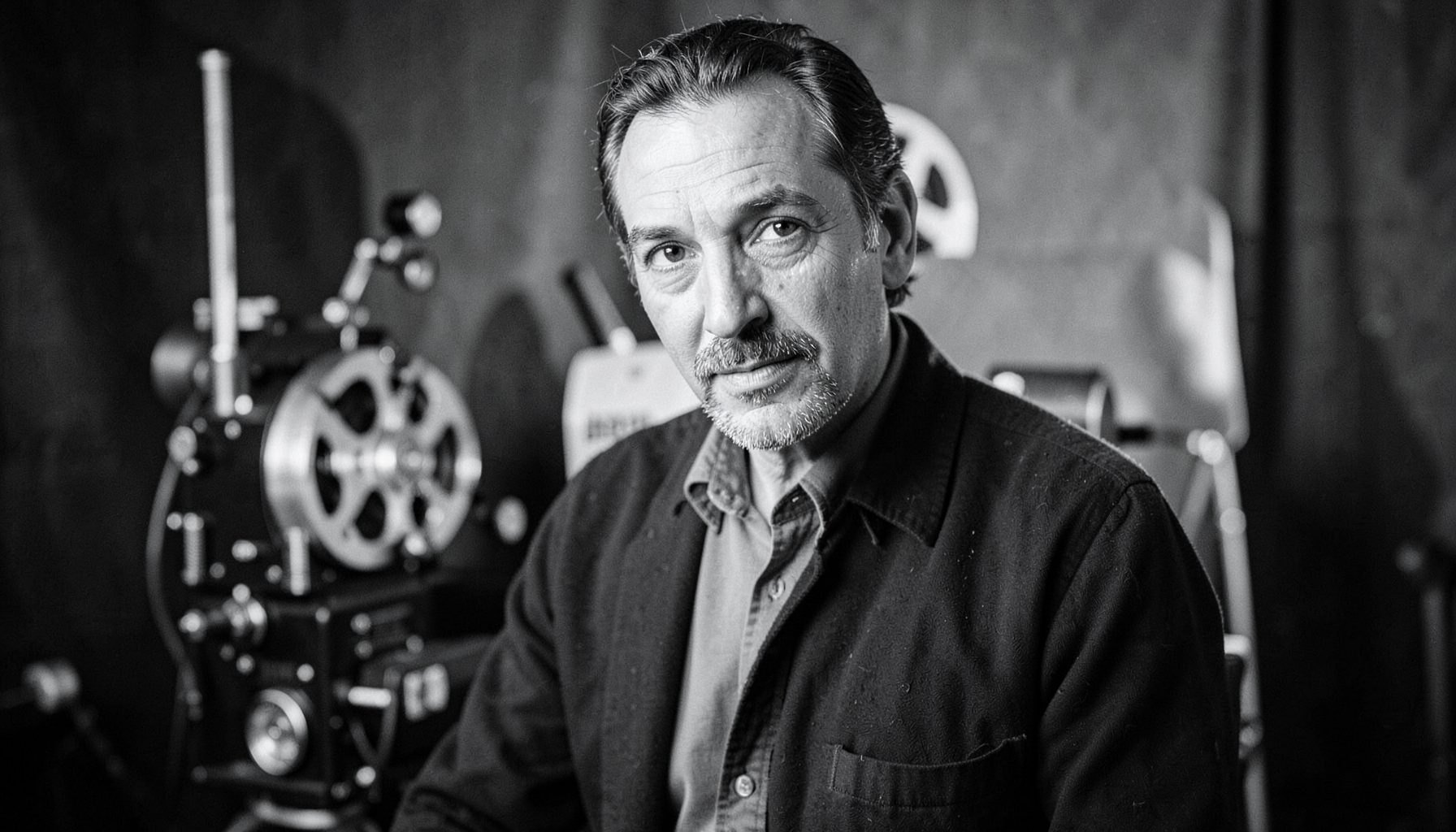
Shagrir’s work should be placed beside his wider documentary practice. His films and photographs frequently connect private experience with public events, while his approach to observation was shaped by journalism and cinema. The archive’s discussion of the Israeli New Wave helps position his travel images within a broader culture of independent visual storytelling.
Travel Photography Beyond Scenic Views
A travel photograph can appear casual while preserving evidence that official records omit. The angle of a road, the arrangement of tents, the clothing of travellers, the presence of children or the condition of a harbour may reveal how people occupied space. Repeated views of similar locations can also document changes that become visible only across time.
This is especially significant in Sinai, where the apparent scale of the landscape can hide dense histories of Bedouin life, Egyptian administration, Israeli military control, tourism and border politics. A photograph cannot provide a complete account of those histories, but it can prompt questions about who was present, who was absent and what the photographer considered worth preserving.
Captions, envelopes, notebooks and publication records are therefore as valuable as the image itself. They may identify a date, route or assignment, yet they may also reflect the language of the period. Researchers should distinguish between what the photograph directly shows and what later descriptions, institutional records or oral histories add to it.
Movement, Distance And The Camera
The act of travelling through Sinai shaped what Shagrir could photograph. Vehicles, roads, permits and military access influenced the route, while weather and light affected the timing of each exposure. A sequence of images may reveal stops along a journey rather than a carefully planned photographic series.
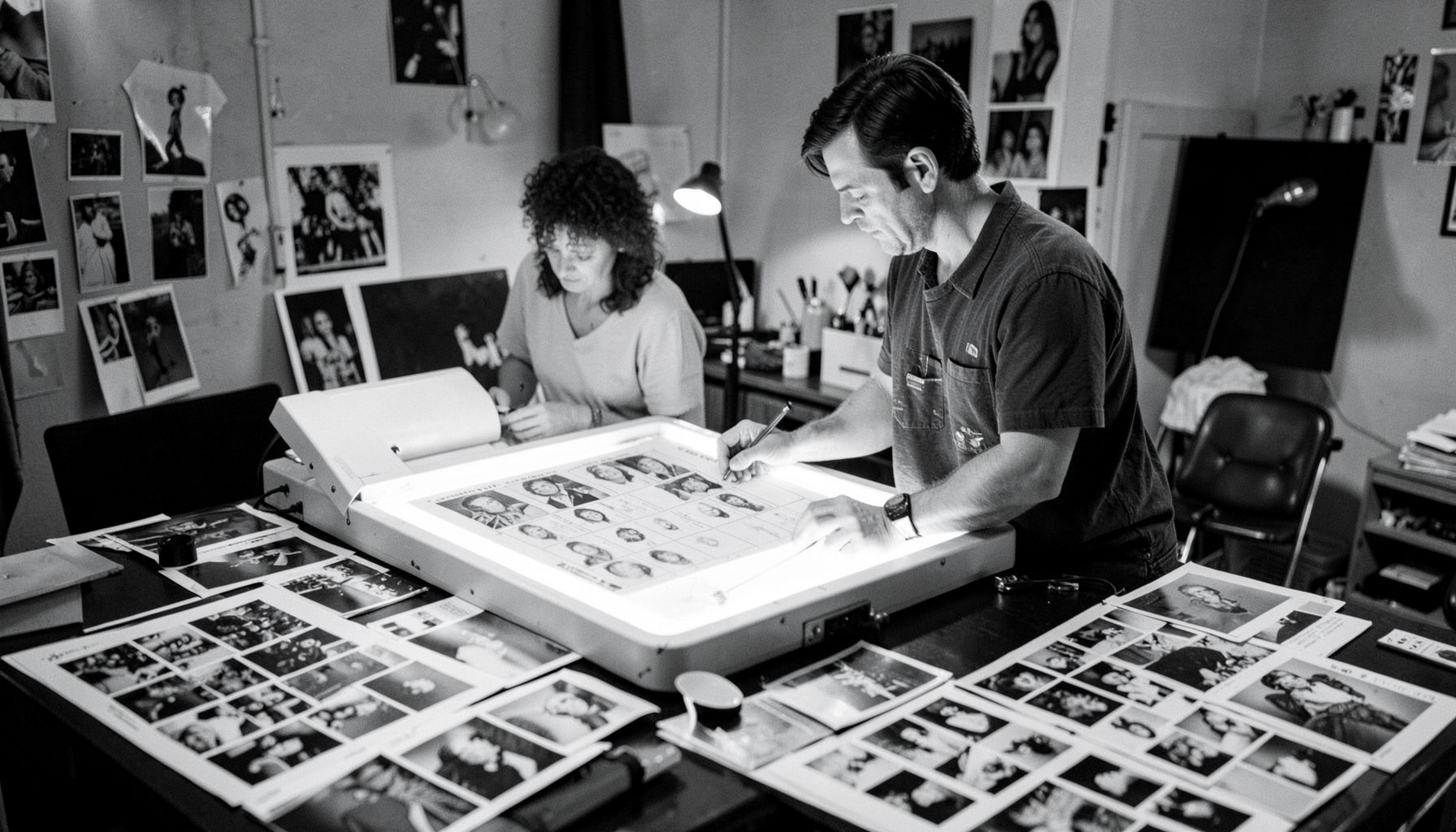
The collection’s negatives are particularly important because published photographs represent only a selection. Unprinted frames can preserve awkward encounters, blurred movement, alternative compositions or people cropped from the final version. Contact sheets and duplicate prints may show how an image was edited for a newspaper, film, exhibition or personal file.
Australian audiences may recognise the practical force of distance from travel across the Nullarbor, the Northern Territory or regional Western Australia, but Sinai’s political geography differs sharply from an Australian road journey. Comparing the two can clarify how infrastructure, border controls and military authority affect the meaning of mobility without treating desert environments as interchangeable.
Reading People And Place Carefully
Photographs of local communities require particular care. A portrait may record a moment of trust, formality, curiosity or unequal access. The photographer’s position—as an Israeli journalist travelling through an occupied territory—formed part of the encounter, whether or not that position is visible in the finished image.
Researchers should avoid treating Bedouin subjects as timeless symbols of desert life. Clothing, domestic objects, vehicles, work, settlement patterns and family groupings can offer clues to specific social conditions. Those clues need to be tested against oral histories, regional scholarship and records produced by the communities represented.
The same discipline applies to images of soldiers, tourists and officials. They may appear to represent the whole political order, yet they are individuals situated within a particular assignment and day. The archive supports close looking, but responsible interpretation depends on acknowledging gaps, power and the limits of a single viewpoint.
Preserving The Physical And Digital Record
A negative is not simply an earlier version of a digital photograph. Its emulsion, edge markings, damage and sequence carry information about production and use. Prints can contain annotations, cropping marks or traces of exhibition, while paper files may connect an image to a broadcast, article or production schedule.
Digitisation improves access for viewers in Australia and elsewhere, especially when travel to an archive in Israel is difficult. It also creates new obligations. Scans need stable filenames, descriptive metadata, colour management and links to the original object. Sensitive photographs may require clear statements about consent, cultural context and restrictions on reuse.
The work sits within a wider network of cultural preservation and online research, including the Chumacraju resource. Such connections are useful when they encourage shared methods without flattening the distinct histories of each collection. For Australian institutions, the National Film and Sound Archive in Canberra provides a familiar point of comparison for thinking about audiovisual preservation, public access and collection stewardship.
Using The Collection In Australia
Shagrir’s Sinai photographs can support teaching and research across Australian universities, museums and community organisations. A media class in Melbourne might compare contact sheets with a finished documentary sequence; a history seminar in Sydney could place the images beside maps and diplomatic records; a public program in Canberra might examine how archives preserve contested political memory.
The material also has value for audiences beyond specialist scholarship. Australian viewers accustomed to long-distance travel, multicultural communities and debates over land and sovereignty may bring productive questions to the images. Those connections should be made carefully, with attention to historical difference rather than easy equivalence.
The collection’s records relating to other major events, including its examination of Eichmann trial coverage, show why Shagrir’s career benefits from being studied across media. Travel photography, courtroom reporting, documentary film and personal papers can illuminate one another while retaining their distinct forms.
- Compare photographs with maps, diplomatic documents and contemporary newspapers.
- Record original captions, negative numbers and file relationships before creating new descriptions.
- Use the images to discuss both visible evidence and absent voices.
- Invite historians, archivists and relevant community representatives into public interpretation.
- Build classroom activities around sequencing, cropping, captioning and ethical attribution.
For the Australian cultural market, accessible digital collections can serve schools, independent researchers, documentary makers and regional libraries, not just major galleries. Carefully presented Sinai material could support exhibitions in Melbourne or Sydney, online programs for audiences outside capital cities and partnerships with universities that teach film, journalism or Middle Eastern history.
The photographs ultimately matter because they preserve encounters with a landscape undergoing profound political change. Their value lies in the tension between immediacy and incompleteness: a road, a face or a distant settlement may be vividly present, while the larger history must be reconstructed through many kinds of evidence. The Shagrir Collection gives that reconstruction a durable starting point.