Shagrir’s 1970s Portraits And The Changing Face Of Israel
Micha Shagrir’s portraits of Israeli artists in the 1970s offer more than a record of well-known cultural figures. They show performers, writers, painters, musicians and filmmakers within the rooms, streets and working environments that shaped their public identities. His camera observed people while they were thinking, rehearsing, arguing, waiting or speaking with an intensity that formal publicity photography often avoided.
The decade was a period of cultural and political movement in Israel. The aftermath of the 1967 war, the Yom Kippur War in 1973, changing ideas about national identity and the growth of television all influenced how artists presented themselves. Shagrir worked across documentary film, journalism and photography, giving him an instinct for gestures and surroundings that could reveal as much as a spoken statement.
For Australian viewers, this material has a particular resonance. People familiar with the National Film and Sound Archive in Canberra, the State Library of New South Wales or the moving-image collections of ACMI in Melbourne will recognise the value of photographs as historical evidence. These portraits invite audiences to look at Israeli cultural life with the close attention usually given to a family album, a newspaper archive or a box of uncatalogued negatives.
A Cultural Scene In Motion
Israeli artists of the 1970s worked within a society where cultural production was closely connected to public life. Theatre, cinema, poetry, visual art and popular music reflected debates about belonging, memory, military service and the meaning of modernity. A portrait from this period may therefore carry traces of a much larger conversation, even when the image appears informal.
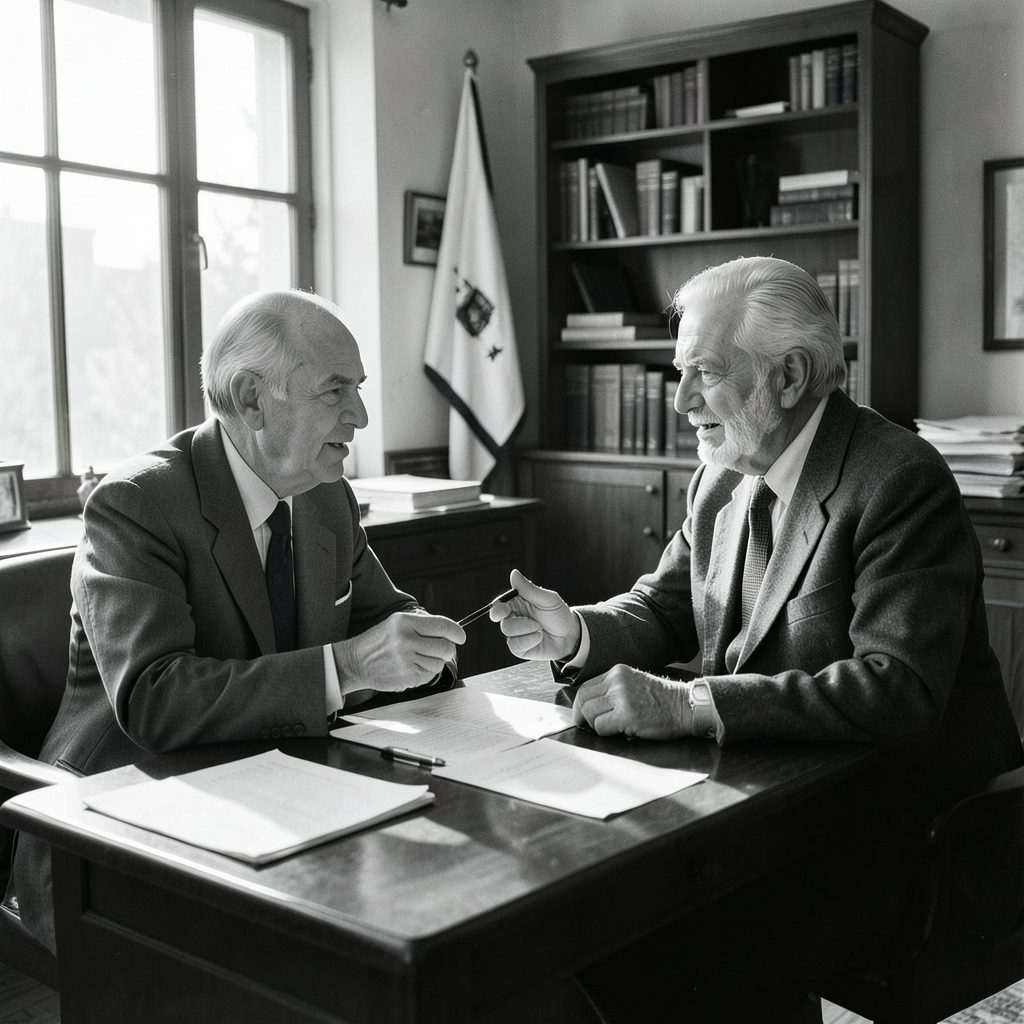
Shagrir’s approach suited that atmosphere. Rather than isolating a face against a neutral background, he often treated the setting as part of the subject. A studio, rehearsal space, office, café or domestic interior could suggest an artist’s working habits and social networks. The resulting images feel observational rather than ceremonial, allowing personality to emerge through posture, clothing, facial expression and the relationship between the subject and the camera.
This quality is useful for researchers studying Israeli art history, yet it also makes the photographs accessible to general audiences. Someone browsing the collection in Sydney or Perth does not need specialist knowledge to notice the difference between a prepared publicity pose and a moment of concentration. The images make cultural history tangible by showing artists as people embedded in everyday spaces.
Between Public Persona And Private Gesture
Portrait photography always involves a negotiation between the person being photographed and the person behind the lens. Artists understand performance, so their awareness of the camera can become part of the picture. A raised eyebrow, a theatrical hand movement or a deliberate refusal to smile may communicate how a public figure managed attention during the decade.
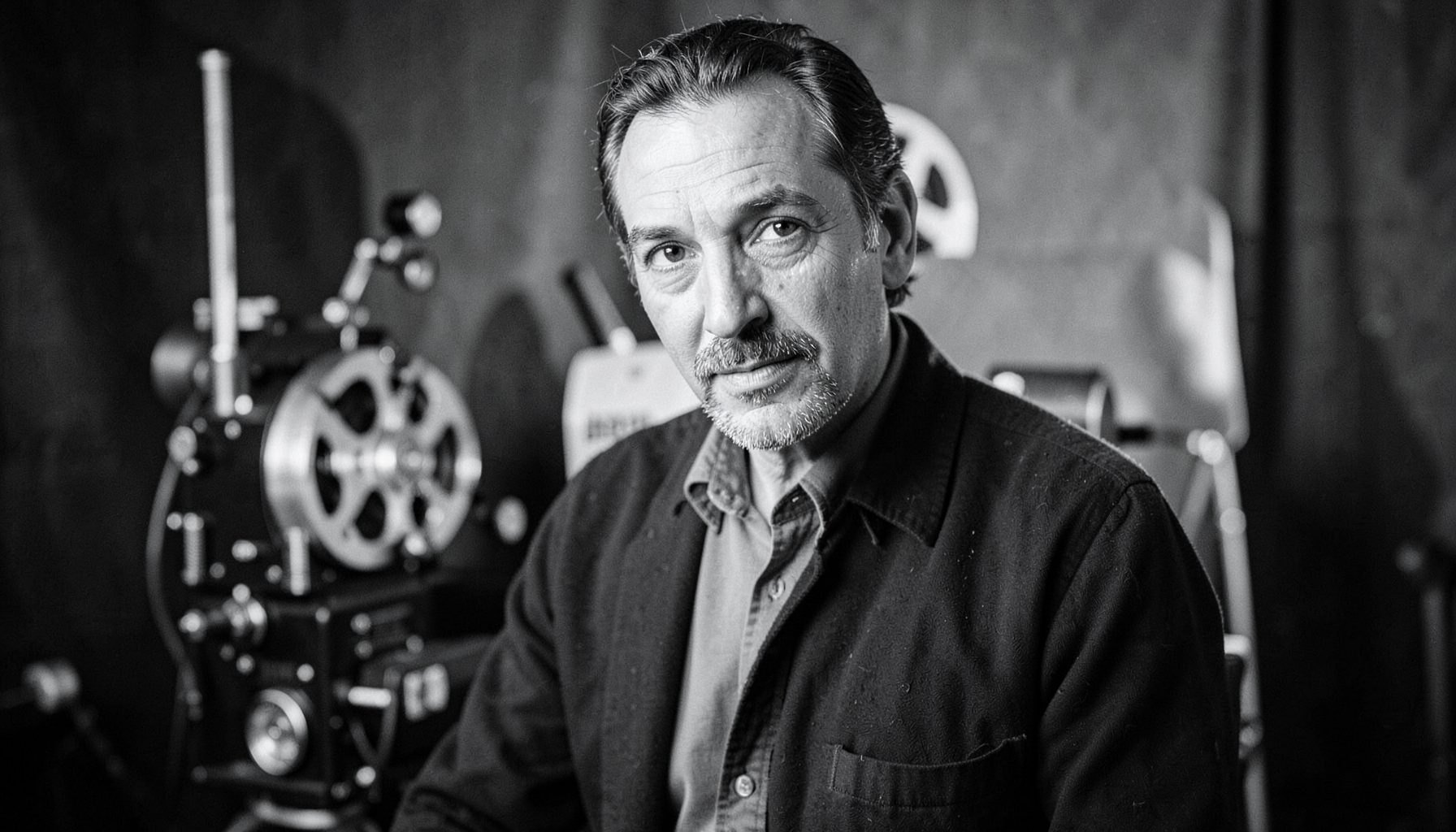
Shagrir’s experience as a journalist and documentary filmmaker gave these encounters a distinctive rhythm. He was alert to what happened before and after the expected image: the pause before an interview, the exchange between takes, the clutter of papers on a desk, or the sudden relaxation when a formal conversation ended. These details help viewers consider how cultural figures constructed their identities for newspapers, television and audiences.
The photographs can also be read against Australia’s own visual history. A researcher comparing them with portraits of Australian writers or performers held in the State Library of Victoria might ask similar questions about class, gender, language and cultural authority. In both countries, artists were often presented as representatives of national culture while continuing to negotiate personal independence and political disagreement.
Film, Photography And Historical Memory
The relationship between still photography and film is central to Shagrir’s work. A photograph can condense a scene into one expressive instant, while a documentary sequence preserves movement, voice and changing relationships. Seen together, these formats provide a richer account of how an artist spoke, listened, performed and occupied space.
The archive’s account of documentary cinema story places Shagrir’s portraits within the development of Israeli documentary practice. His work belongs to a tradition that treated the camera as a means of encountering society rather than simply illustrating official narratives. Portraits of artists consequently sit alongside broader records of public life, journalism and political history.
For Australian educators, this connection opens useful pathways. A university class in visual culture could compare the portraits with oral histories, television interviews or documentary stills from Australia in the 1970s. A gallery program in Brisbane or Adelaide could examine how artists become historical subjects, while a school group might consider what a photograph can reveal that a written biography leaves out.
Preserving The Material Conditions
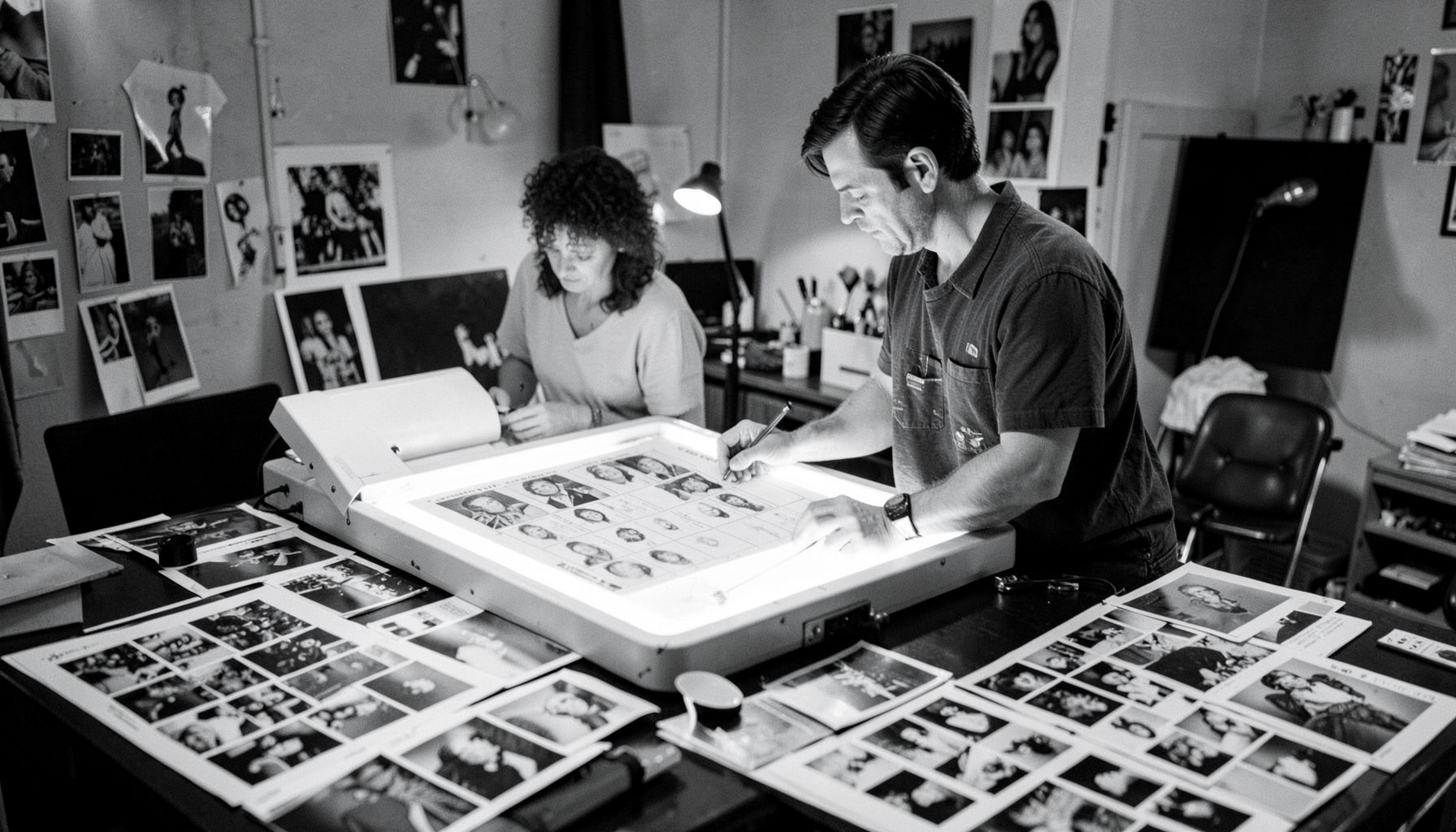
The physical form of an archive matters. Negatives, contact sheets, prints, film reels, recordings and personal papers contain information that may disappear when material is separated from its original order. Handwritten notes, cropping marks, paper quality and signs of use can help establish when an image was made and how it circulated.
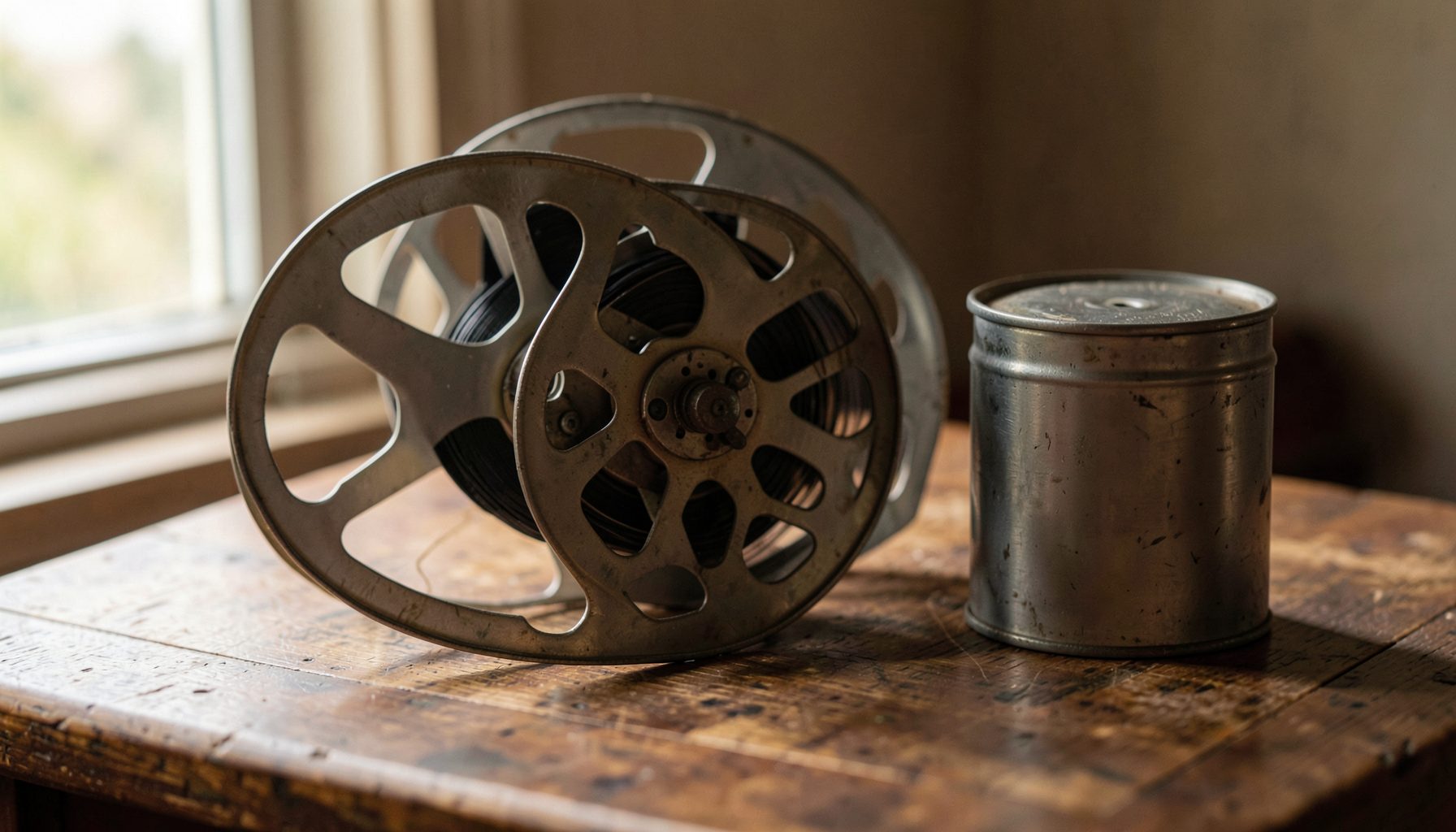
Shagrir’s 16mm film materials require careful handling because analogue film can shrink, fade or become brittle. The collection’s discussion of preserving 16mm negatives explains why digitisation is a preservation process rather than a simple technical conversion. A high-quality digital copy improves access, while the original remains an important physical artefact requiring stable storage and conservation expertise.
This issue is familiar in Australia, where heat, humidity, dust and bushfire risk make collection care especially demanding in places such as regional New South Wales and northern Queensland. Institutions also need to balance public access with copyright, cultural permissions and sustainable funding. Digital platforms can bring Israeli archival photographs to audiences in Hobart or Darwin, but the metadata, provenance and rights information must travel with the image.
Reading The Archive From Australia
Australian audiences often encounter international history through exhibitions, university databases, festivals and public broadcasters. The Shagrir Collection fits into that wider cultural market while retaining the intimacy of a personal archive. Its value lies in the combination of photographs and contextual records, which allows viewers to move between a single portrait and the historical circumstances around it.
There is also a practical research culture to consider. Australian scholars frequently begin with catalogues such as Trove, then follow references into specialist collections, oral-history repositories and institutional archives. Shagrir’s material can support this kind of layered investigation, especially when a portrait prompts questions about an artist’s collaborations, political environment or appearance in Israeli cinema and television.
For readers in Melbourne, the images may sit naturally alongside film programs at ACMI or conversations about documentary practice at a university arts department. In Sydney, they may interest audiences attending exhibitions on photography, migration or Jewish history. In Canberra, the archive’s documentary evidence can speak to researchers accustomed to working with national collections and government records. The tone of the material is serious, but its human scale keeps it from feeling remote.
Productive Ways To Explore The Portraits
A focused viewing strategy can help audiences move beyond identifying faces. The following approaches are useful for students, curators, family historians and researchers working with visual culture:
- Compare the artist’s pose with the surrounding room, including furniture, books, instruments and studio materials.
- Look for repeated visual patterns across portraits, such as lighting, framing, clothing or gestures.
- Pair photographs with documentary footage, interviews, captions and personal papers whenever those records are available.
- Record the date, location, photographer, format and provenance before interpreting the image.
- Consider how Israeli cultural history appears different when viewed from an Australian media and museum context.
These methods keep the portraits connected to their material and social setting. They also acknowledge that an archive is shaped by selection: what survived, what was labelled, what was published and what remained in private hands. The absence of a name or date is itself a reason for careful research, not an invitation to fill gaps with assumptions.
The collection’s public value will continue to grow as more records are preserved, described and made available. Researchers seeking permissions, background information or opportunities for collaboration can contact the collection. That connection between careful stewardship and public access ensures that Shagrir’s images remain active historical sources rather than static illustrations.
Shagrir’s 1970s portraits preserve a moment when Israeli artists were defining themselves amid rapid social change. Their faces are important, but so are the spaces around them, the technologies that recorded them and the archival work that allows new audiences to see them. For Australian viewers, the photographs offer a compelling route into Israeli cultural history through the familiar, immediate language of the portrait.