Preserving Shagrir’s 16mm Legacy for a Digital Future
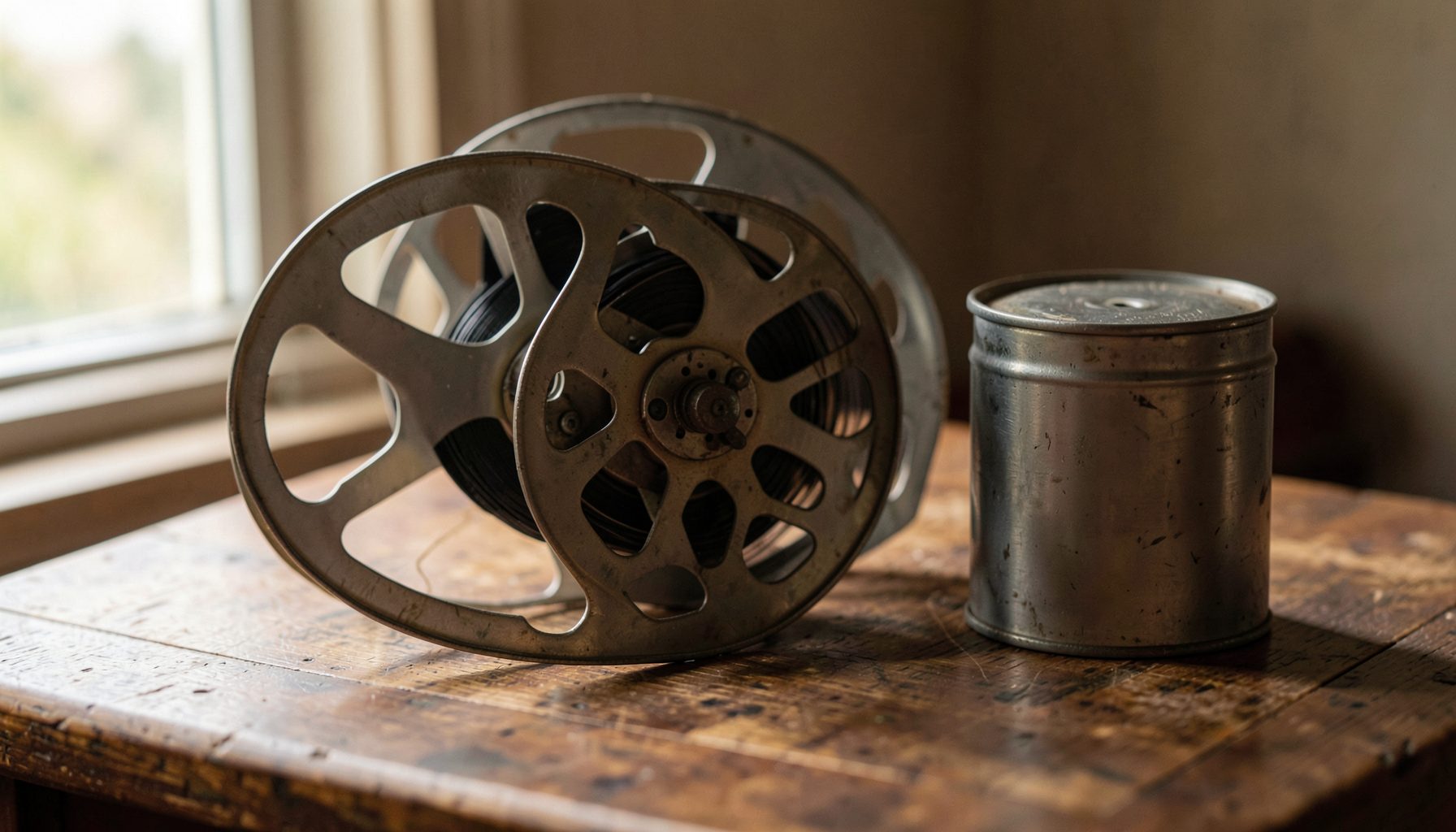
A film reel is more than a carrier of images. It is a physical record of decisions made in the camera, the laboratory and the editing room. For the Shagrir Collection, each 16mm negative can preserve a moment in Israeli political, military or social history with a texture and detail that later copies may soften.
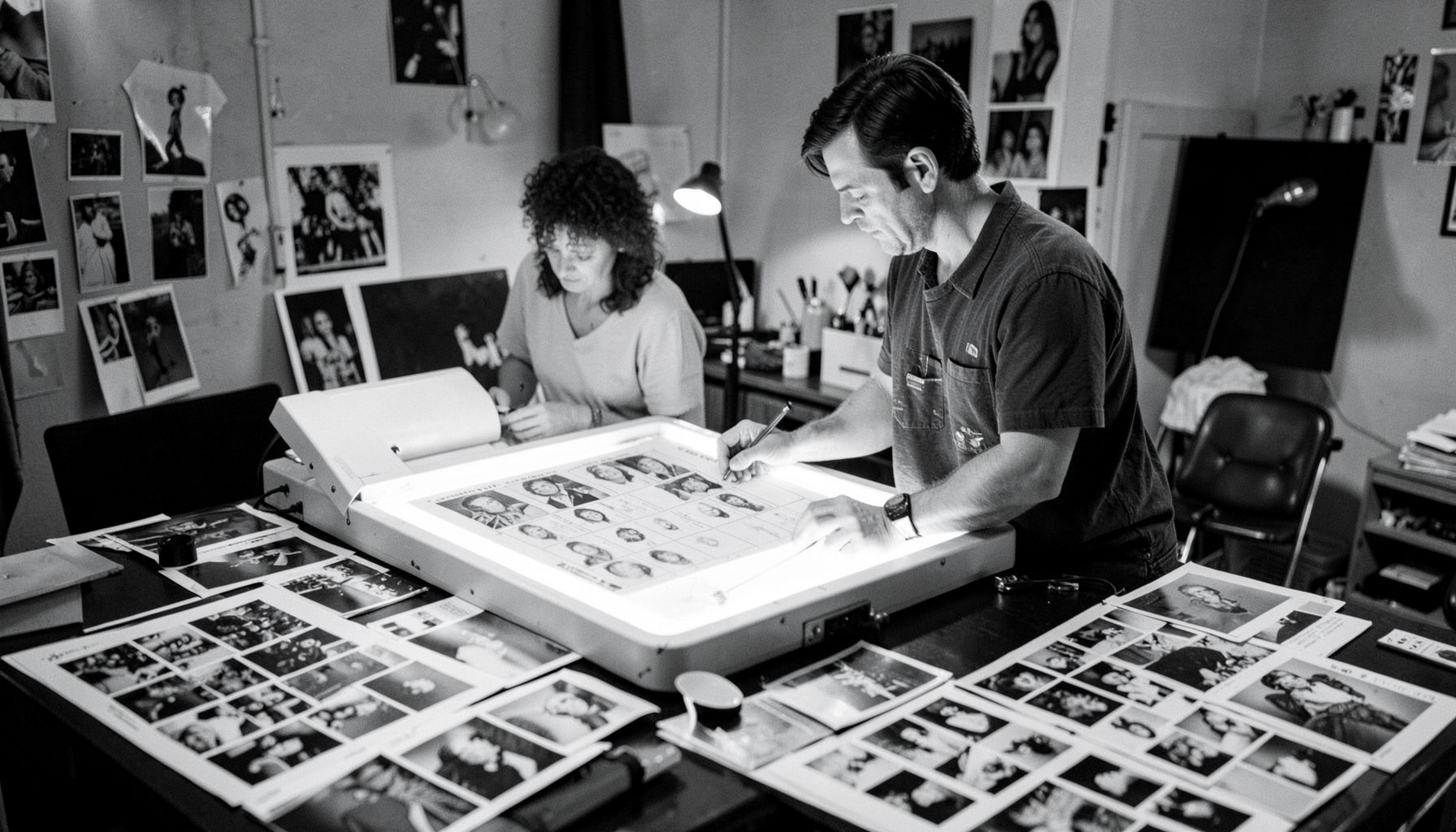
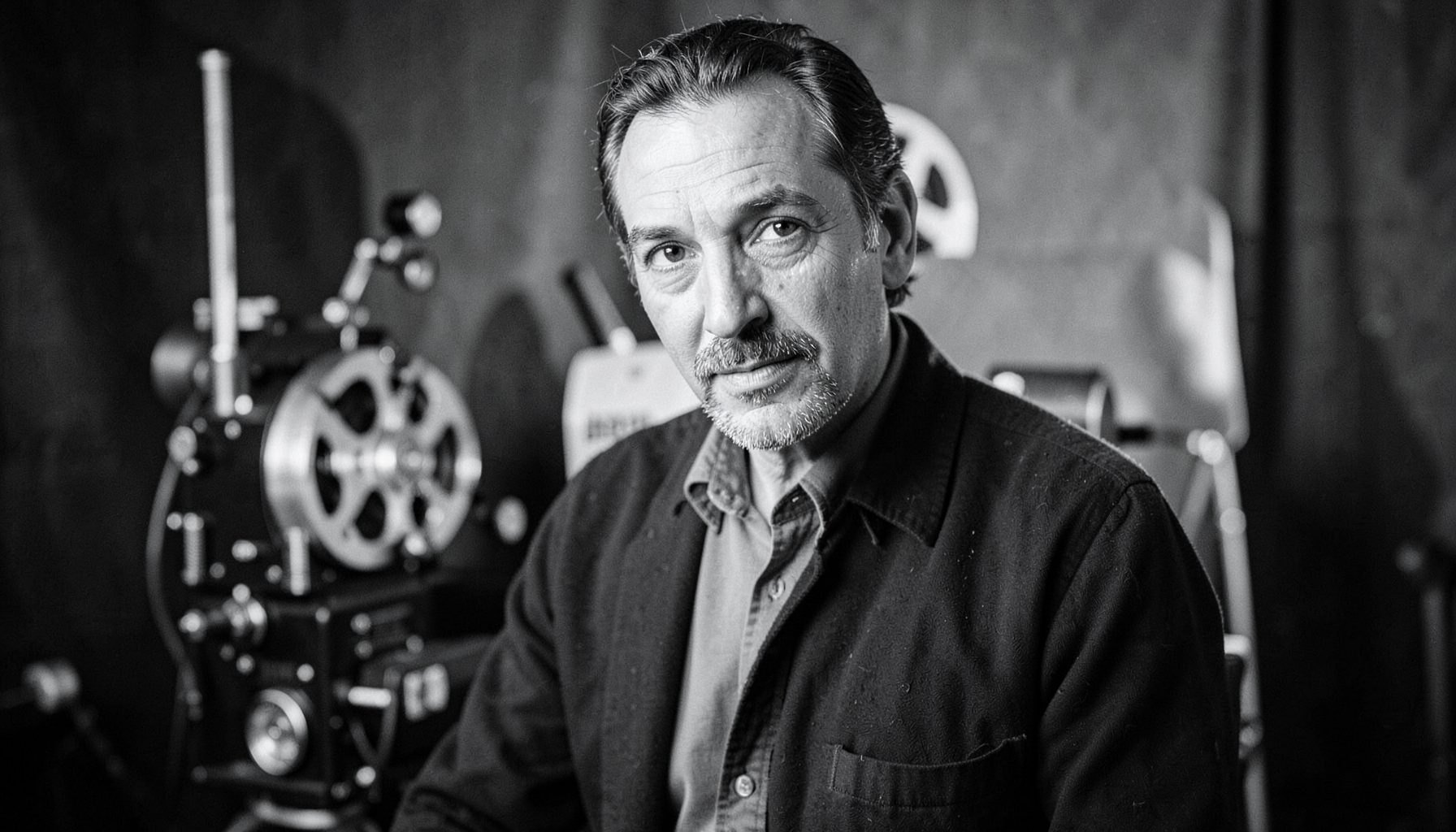
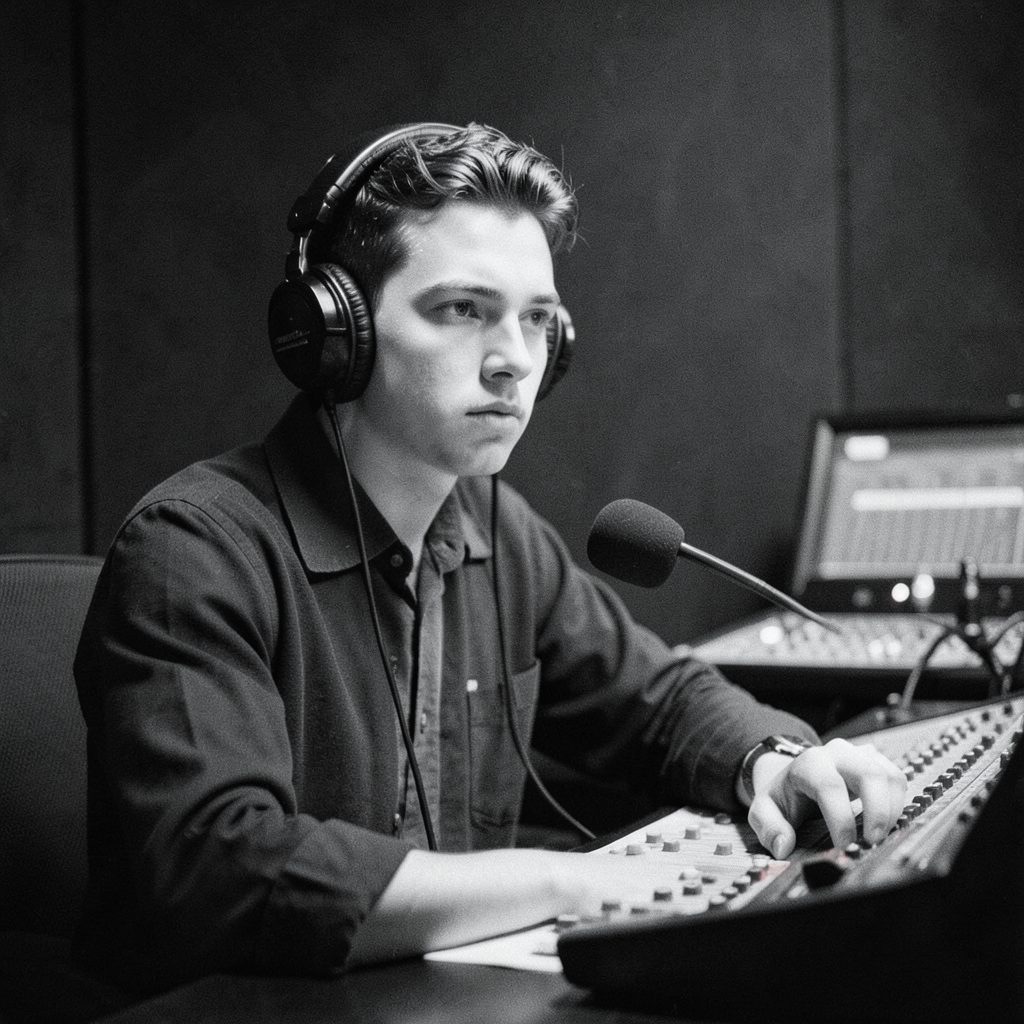
Micha Shagrir worked across filmmaking, photography, journalism and production, creating records that belong to both personal memory and public history. His negatives, prints, films, recordings and papers form a connected archive. Preserving one part of that material helps researchers understand the others.
Moving a reel into a digital archive is therefore a careful interpretation of the original, not a simple act of scanning. Film inspection, cleaning, repair, colour management, frame-by-frame capture, metadata creation and secure storage all shape how future audiences encounter the work.
For Australian viewers, the process also has familiar points of reference. A collection may eventually be consulted from a research library in Melbourne, a classroom in Brisbane or a home in Sydney, where streaming and mobile viewing are everyday habits. Behind that convenience lies a preservation workflow designed to protect the source.
Why 16mm Negatives Matter
Sixteen-millimetre film was widely used for documentaries, television, news gathering and independent production because it offered a practical balance between image quality, portability and cost. A camera and a modest roll of film could travel into streets, communities or field locations more easily than larger production equipment.
The original negative usually contains the camera image before editing, projection or broadcast duplication. It may include information that disappears in a release print: edge markings, exposure detail, ambient movement and subtle changes in focus. The negative can also help archivists distinguish between the original shot, a work print and later distribution copies.
For the Shagrir Collection, these qualities make film elements primary sources. They can reveal how an event was observed, framed and assembled, while accompanying papers or recordings may explain who participated and how the material was produced.
Assessing Film Before Scanning
Preservation begins with identification and condition assessment. Archivists record the title or working description, reel number, gauge, duration, colour or black-and-white stock, sound format and any labels on the can. They inspect for vinegar syndrome, shrinkage, brittleness, mould, dirt, perforation damage and colour fading.
The storage environment matters throughout this stage. Film prefers stable, cool and dry conditions rather than the fluctuating heat found in a garage or attic. This is especially relevant in Australian cities such as Brisbane, where humidity can accelerate deterioration, and in areas affected by summer heat, dust or bushfire smoke. A film can should remain closed when it is not being examined.
A damaged reel is not automatically beyond recovery. Surface dirt may be removed with suitable archival methods, while torn perforations can sometimes be repaired by a specialist. Shrinkage and warped film require equipment that applies controlled tension. An archivist should document every intervention so that the digital file remains connected to the physical object.
Preparing The Scanning Workflow
Professional film scanning uses a pin-registered or gentle transport system suited to the condition of the material. The scanner captures each frame at a high resolution, often with separate handling for the image and optical soundtrack. For historically valuable footage, a preservation scan may be made at 2K or 4K, depending on the frame size, condition and intended use.
Colour correction should preserve the character of the original rather than create a modern-looking image. Faded dyes, uneven exposure and laboratory changes may be part of the film’s history. A technician can balance density and remove distracting defects, but the unaltered scan should remain available alongside any access version.
Digital restoration is best treated as a series of clearly labelled versions. A high-quality preservation master can retain maximum information, while a smaller derivative is easier to stream, download or use in an exhibition. Dust removal, stabilisation and scratch repair should be recorded, allowing researchers to distinguish the source capture from later enhancements.
Creating Reliable Digital Files
A digital scan needs more than a filename. Descriptive metadata can include the people shown, location, date, subject, language, production role and relationship to other reels. Technical metadata records scanner settings, resolution, frame rate, sound details, colour profile and the software used during processing.
Archivists should preserve an uncompressed or losslessly compressed master in a managed repository, then create access files in practical formats such as JPEG 2000, FFV1 or high-quality mezzanine video where appropriate. Checksums help verify that files have not changed through copying or storage failure.
Storage should follow the principle of several copies in separate locations. One copy may be held on managed local storage, another in a different building and a third with a trusted preservation service. A cloud account alone is not a complete preservation strategy. Files need monitoring, documented permissions and periodic migration as formats and hardware change.
Balancing Access And Rights
Digital availability expands the reach of an archive, but it also requires careful rights assessment. The Copyright Act 1968 (Cth) affects how material can be copied, communicated and displayed in Australia, while contracts, donor agreements, privacy concerns and cultural sensitivities may impose additional limits. Copyright status can differ between the filmed image, soundtrack, photographs, music and written documents.
Some reels may be suitable for a public catalogue record but not for unrestricted online viewing. Others may be available to researchers through a reading-room appointment, an exhibition licence or a controlled educational platform. Clear rights notes help prevent a well-intentioned digitisation project from creating unauthorised reuse.
Public support can contribute to scanning, storage and description work over time. People who value historical access can support the archive, helping the collection maintain specialist preservation activity rather than treating digitisation as a one-off technical purchase.
Making The Archive Useful To Researchers
A scan becomes more valuable when researchers can discover and interpret it. Time-coded descriptions, place names, production notes and links between a reel and related photographs or papers create a richer research environment. Hebrew, English and transliteration choices may need to be documented so that searches work across languages and naming conventions.
Australian institutions provide useful models for public access. The National Film and Sound Archive in Canberra, state libraries and university repositories commonly separate preservation files from viewing copies, while exhibitions in Melbourne or Sydney may present selected extracts with contextual labels. A Shagrir film could likewise be encountered in a gallery, a classroom or a specialist research portal without exposing the master file.
Educational use benefits from short clips accompanied by reliable information about date, location and provenance. Teachers can place documentary footage alongside oral histories, newspaper records or photographs, encouraging students to consider how historical evidence is created. Researchers, meanwhile, may need the full reel, original sequence and technical notes rather than an edited highlight.
Choosing The Right Digital Deliverable
Different files serve different purposes. A preservation master protects image and sound information, a mezzanine file supports editing and exhibition production, and a compressed access copy supports ordinary viewing on a laptop or phone. Keeping these roles separate reduces the pressure to make one file satisfy every need.
The comparison below shows why a carefully managed archive may create several versions from the same 16mm source. The exact format should be selected by the collection’s equipment, budget, rights position and long-term repository standards.
| Digital version | Main purpose | Typical characteristics | Access level |
|---|---|---|---|
| Preservation master | Long-term retention | Highest practical resolution, minimal alteration, detailed technical metadata | Restricted |
| Mezzanine master | Editing and exhibitions | High-quality file suitable for colour work, subtitles and approved production | Controlled |
| Web access copy | Public discovery | Smaller file, captions or transcript, optimised for streaming | Public or limited |
| Research proxy | Catalogue and study | Time-coded, searchable and easy to download or review | Registered users |
| Still-frame extract | Teaching and publicity | Selected image with rights and provenance information | Permission-based |
A sustainable programme also needs people, documentation and follow-up. Conservation staff, scanning technicians, translators, cataloguers, rights specialists and historians may all contribute to one reel’s journey. Anyone who can identify a person, place or production detail can add valuable context, so a clear contact the collection pathway matters.
The goal is continuity between object and file. The reel should remain preserved as evidence, while the digital copy makes its images and sounds available to audiences far beyond the original screening room. With careful handling, Shagrir’s 16mm negatives can support scholarship, teaching and public memory for decades to come.