Shagrir’s lens on Israeli sport, from Maccabiah to the Olympics
The Shagrir Collection presents Micha Shagrir’s career as a photographer, producer, journalist and documentary filmmaker. Its negatives, prints, films, recordings and personal papers preserve the working life of a man who documented major events in Israeli public history. Sport provides a revealing route into that history, connecting individual bodies in motion with the identity and ambitions of a young nation.
Shagrir’s coverage of the Maccabiah Games and Olympic athletes shows how sporting photographs can carry several stories at once. They record competition, training and personal ambition, while ceremonies, crowds and national flags reveal the wider culture surrounding the event. His journalist’s eye also makes these images valuable as evidence rather than simple illustrations.
For Australian researchers and audiences, the collection opens a window onto a different sporting and political landscape. Its photographs can be compared with local memories of the Melbourne and Sydney Olympics, Australian swimming and rowing traditions, and the communal sporting culture sustained by Jewish communities in Melbourne and Sydney.
Maccabiah as a national stage
Established in 1932 and revived in postwar Israel, the Maccabiah Games became a major gathering for Jewish athletes and a public expression of the country’s identity. Shagrir’s photographs and films of later editions record the games as more than athletic contests. Opening ceremonies, team uniforms, packed grandstands and organised spectators connect sport with national belonging.
The visual details matter. A raised platform before a start, a competitor adjusting equipment or a group awaiting results can reveal training routines and the social atmosphere surrounding performance. Such details also place private concentration beside public spectacle, allowing researchers to examine how athletic achievement was presented to the press and to the wider public.
The Maccabi ideal has familiar resonance for the Jewish communities of Melbourne and Sydney, where organised sport and volunteer networks have long formed part of communal life. Australian visitors to Israel often encounter Maccabiah through delegation photographs, souvenir programmes and family memories. Shagrir’s images give those traditions a documented visual dimension, preserving the scale and emotional intensity of the occasion.
The athlete at the Olympic Games
Israel first competed at the Olympic Games at Helsinki in 1952, and Shagrir’s sports coverage follows the country’s delegations through an era when every athlete, official and flag bearer carried particular visibility. Images of competitors in the pool, on the track, in the gymnasium or before a judging panel document technical skill as well as the pressures surrounding national representation.
His approach combines the immediacy of sports photography with the patience of documentary work. A single frame may capture concentration, fatigue or celebration, while a sequence places that moment within training, travel and competition. The surrounding details—starting blocks, lane markers, accreditation passes and cables across the field—help reconstruct how an event actually looked and functioned.
For visual comparison and context, the broader JCHM Foto collection offers a parallel lens on photography’s public and commercial afterlife. Seen against such collections, Shagrir’s work appears as part of a larger visual economy in which sporting images circulate through newspapers, books, archives and exhibitions.
Sport, politics and public memory
Olympic photography operates within politics because the event joins bodies to symbols. National flags, opening ceremonies, photographers’ positions and spectators’ reactions turn individual performance into a public statement about representation. For Israel, the visibility of its delegation carried particular force, especially during periods when the country’s place in international forums was contested.
The Munich Games of 1972 add another layer to the historical record surrounding Shagrir’s work. Sport, diplomacy and security converged around the Israeli team, and the tragic events of those Games altered the meaning of images made in the Olympic village. Any study of that period requires careful chronology, separating contemporary press material from later recollection while retaining the visible details that photographs preserve.
Australian audiences have their own Olympic reference points. Melbourne hosted the 1956 Games and Sydney staged the event in 2000, while swimming and rowing have become enduring measures of Australian sporting confidence. These comparisons can illuminate how different countries construct an international identity through athletic achievement, ceremony and the faces of their competitors.
Film, negatives and the material image
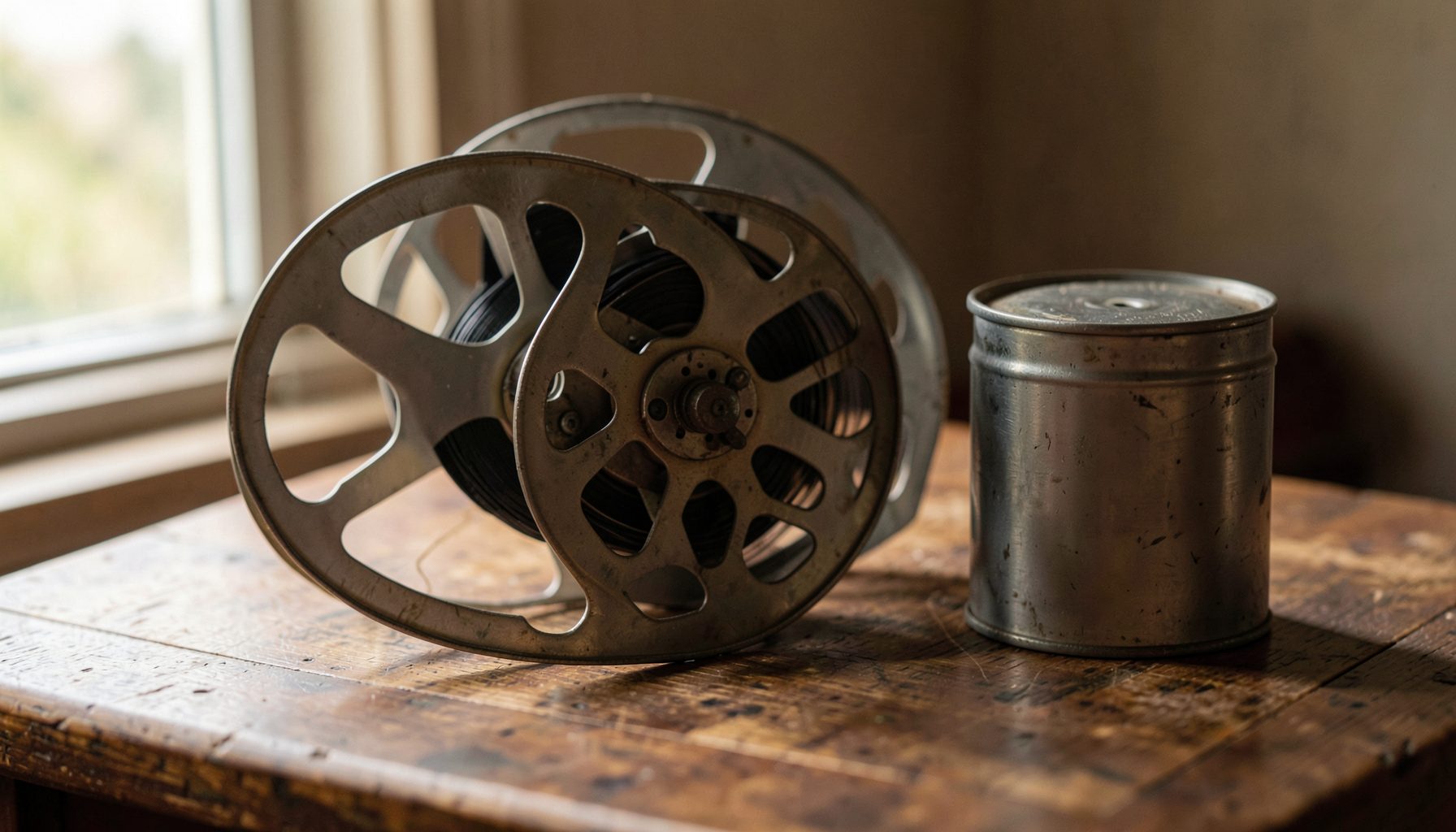
Motion was central to Shagrir’s method, and 16mm film allows a sporting event to unfold across time. A reel might contain the approach to a race, the start and the aftermath, offering context that a cropped press photograph cannot provide. The rhythm of these sequences also preserves the physical character of live competition, including movement, hesitation and reaction.
A detailed account of restoring Shagrir’s early reels demonstrates how scratches, fading and damaged edges affect that record. Restoration becomes an act of historical interpretation: the aim is to stabilise the image while retaining enough original character to show how the material has aged.
Digitisation creates access, yet it does not replace physical preservation. Temperature, humidity, handling and storage still determine whether a reel or negative survives for future research. Digital surrogates should therefore be treated as carefully documented copies, linked to their source material, technical condition and preservation history.
Papers that anchor the photograph
Photographs acquire meaning from the words and working practices around them. Shagrir’s personal papers can include notes, captions, correspondence, schedules and records that help identify a person, place or moment. The project’s work on cataloguing personal papers shows how metadata can turn separate objects into a connected research trail.
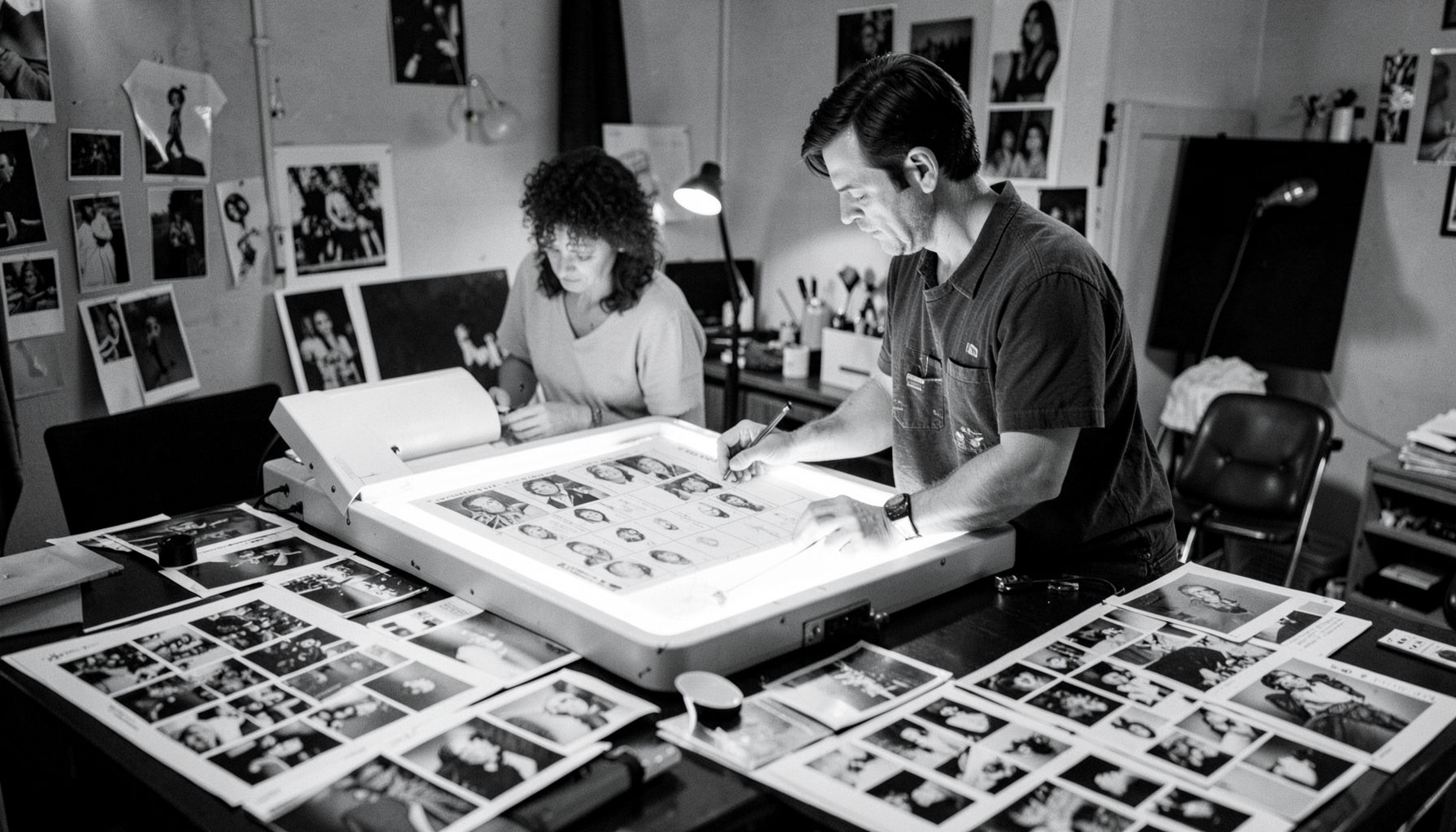
A caption such as “Olympic swimmer” may establish little beyond the obvious. A note containing an athlete’s name, an event number or a date can transform the image into evidence of a particular career. Contact sheets, newspaper clippings and recorded interviews may supply complementary details, allowing researchers to cross-check visual claims against documentary sources.
Uncertainty belongs in the catalogue as well. Unidentified competitors, approximate dates and conflicting captions should be marked rather than silently resolved. That practice protects the integrity of the collection and shows where further research, local knowledge or comparison with other institutions may be needed.
A researcher’s route through the collection
Australian historians can begin with holdings such as the State Library of New South Wales, Museums Victoria and the National Film and Sound Archive in Canberra, then use the Shagrir Collection as a transnational comparison. Sydney and Melbourne also have established markets in vintage cameras, collectable prints, specialist dealers and independent publishing, creating familiar routes for private collectors approaching archival material.
A useful first sequence of sources is:
- Maccabiah programmes, result sheets and souvenir publications
- Olympic press kits, accreditation records and event schedules
- Contact sheets that link individual frames to an entire shoot
- Caption notes, correspondence and working papers
- Recorded interviews that provide names, dates and remembered context
Each source answers a different kind of question. Images establish presence and appearance; printed material supplies formal titles and chronology; personal papers expose the practical decisions behind publication. Their value increases when these categories are read together rather than treated as separate collections.
A second sequence supports verification:
- Match captions against official event programmes
- Distinguish original prints from later reproductions
- Test dates, venues and competition numbers across sources
- Note uncertain athlete identities without inventing certainty
- Compare institutional holdings with privately held copies
- Current access arrangements and researcher enquiries can be checked through the collection contact page
Preservation as a continuing practice
Preservation extends beyond the storage room. A negative must remain identifiable, a film reel must be playable, and a digital copy must carry enough information for a researcher to understand what it represents. Regular inspection, stable storage and clear catalog records all contribute to the archive’s long-term usefulness.
Physical film requires specialist intervention. Services such as Kiflimally’s film handling complement digital workflows by addressing cleaning, repair, sprocket damage and careful transfer. Their role illustrates how preservation depends on technical expertise as well as documentary knowledge.
Exhibitions, educational programmes and online access can bring Shagrir’s sporting images to audiences beyond the archive. A starting block, a swimmer’s concentrated expression or a packed Maccabiah grandstand becomes evidence of aspiration, discipline and public identity. For viewers in Australia and elsewhere, these photographs reveal how sport records both personal achievement and the changing character of a nation.