From Celluloid to Access: Preserving Shagrir's Reels
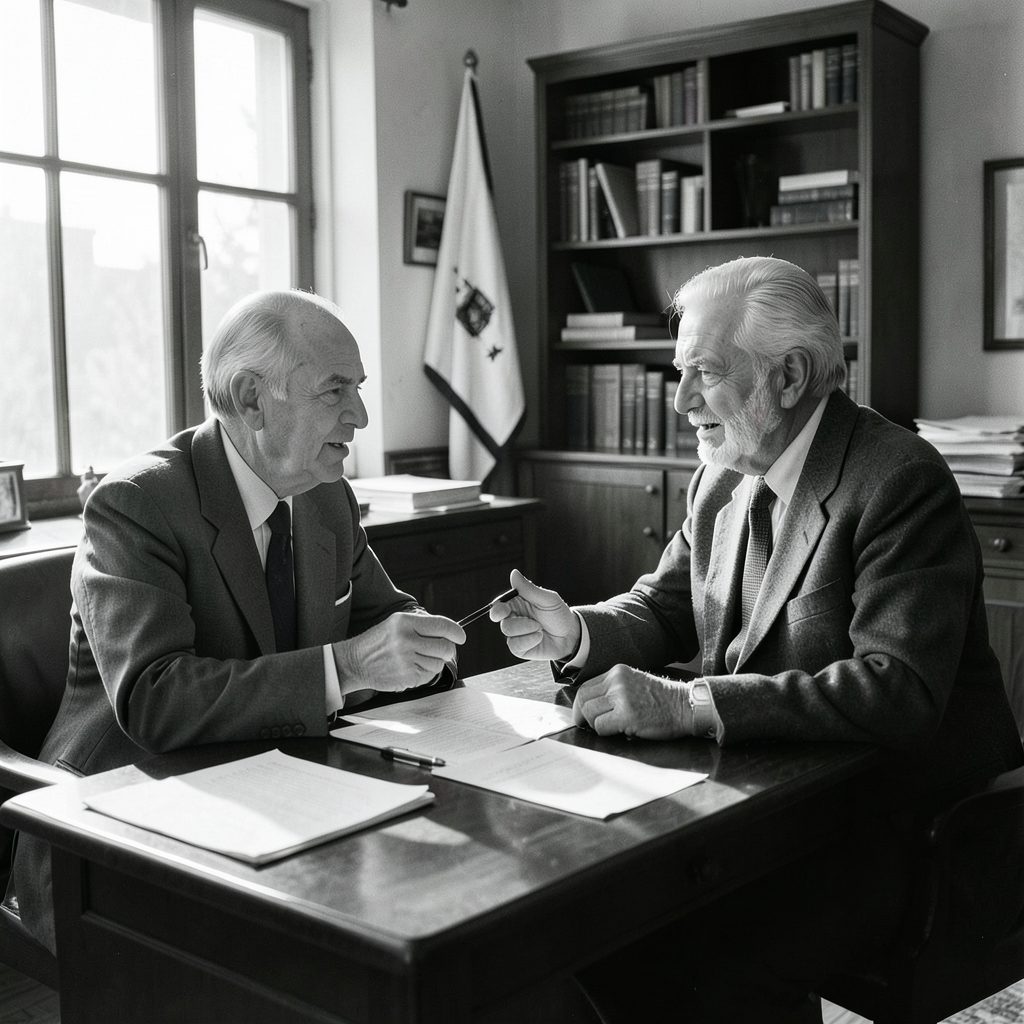
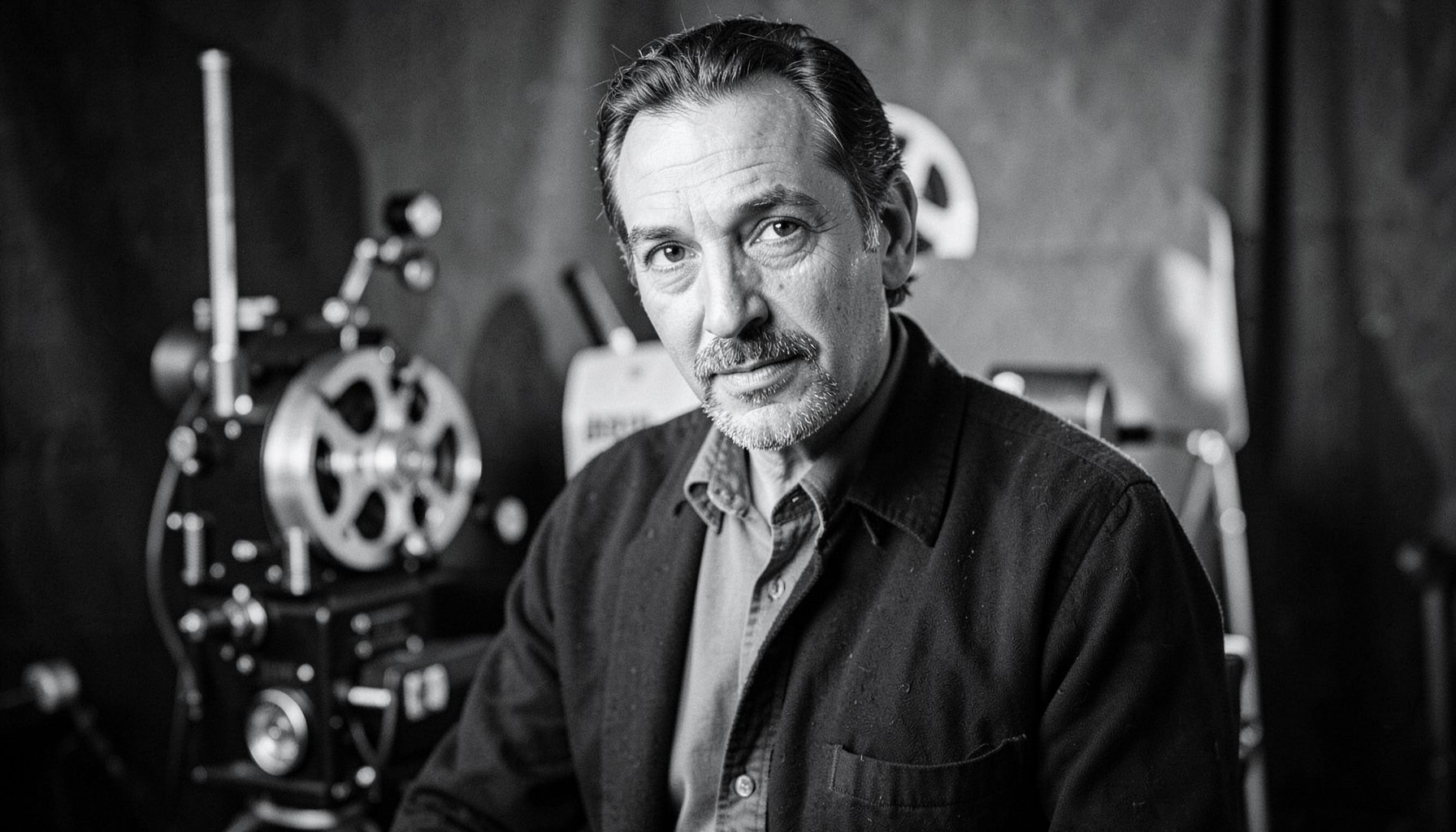
Shagrir's early 16mm reels are containers of movement, sound and historical evidence. Their images connect Micha Shagrir's work as filmmaker, photographer and journalist with Israeli political, military and social life. Restoring them demands attention to chemistry, mechanics, imagery and provenance, because each layer affects what the film can communicate.
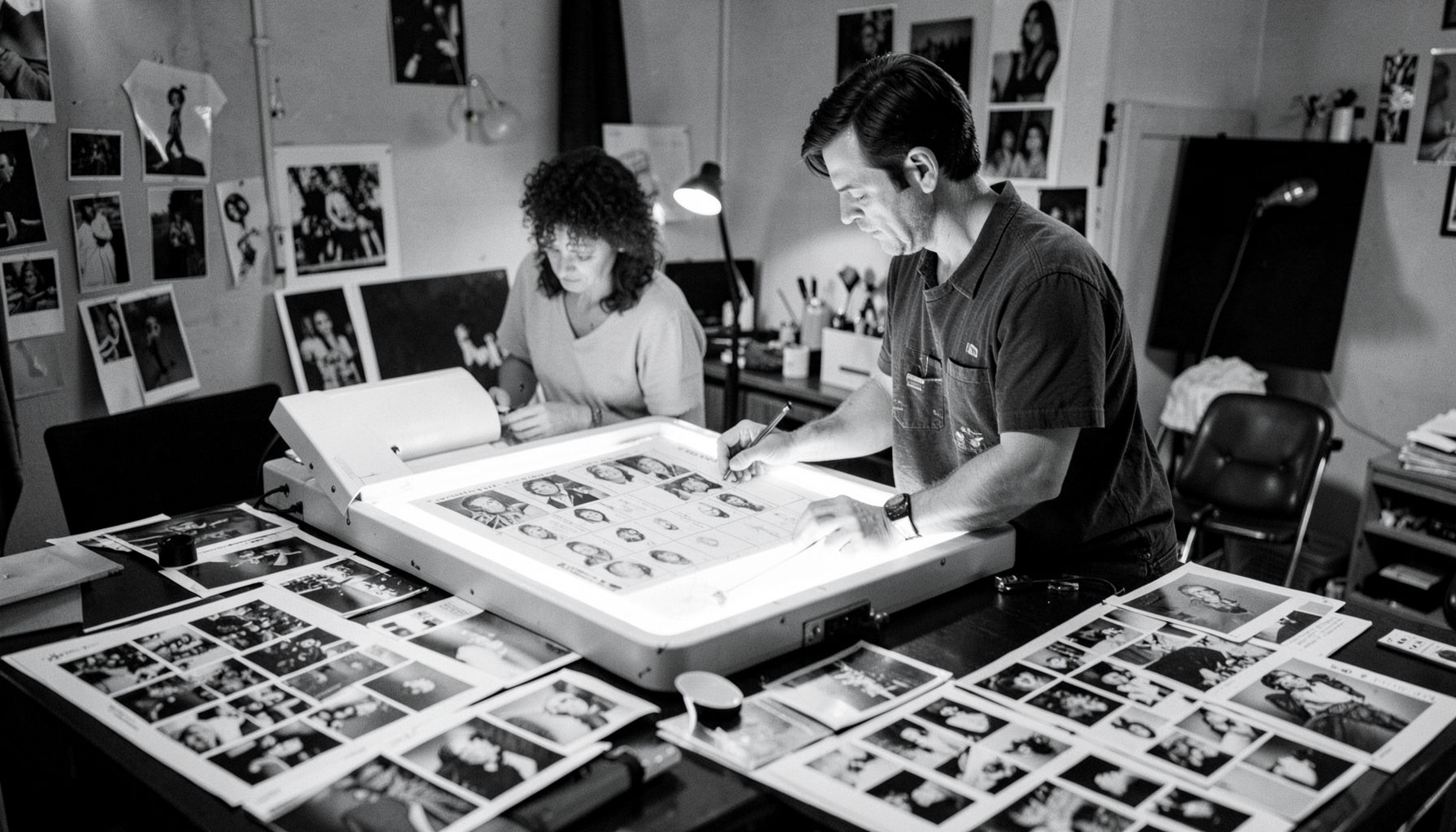
The move from film to digital is therefore more than a file transfer. It creates access while the original carrier remains protected. Negatives, prints, recordings and personal papers can function as a connected research environment, allowing a scene to be compared with photographs, notes and testimony rather than circulating without context.
Why the Physical Film Still Matters
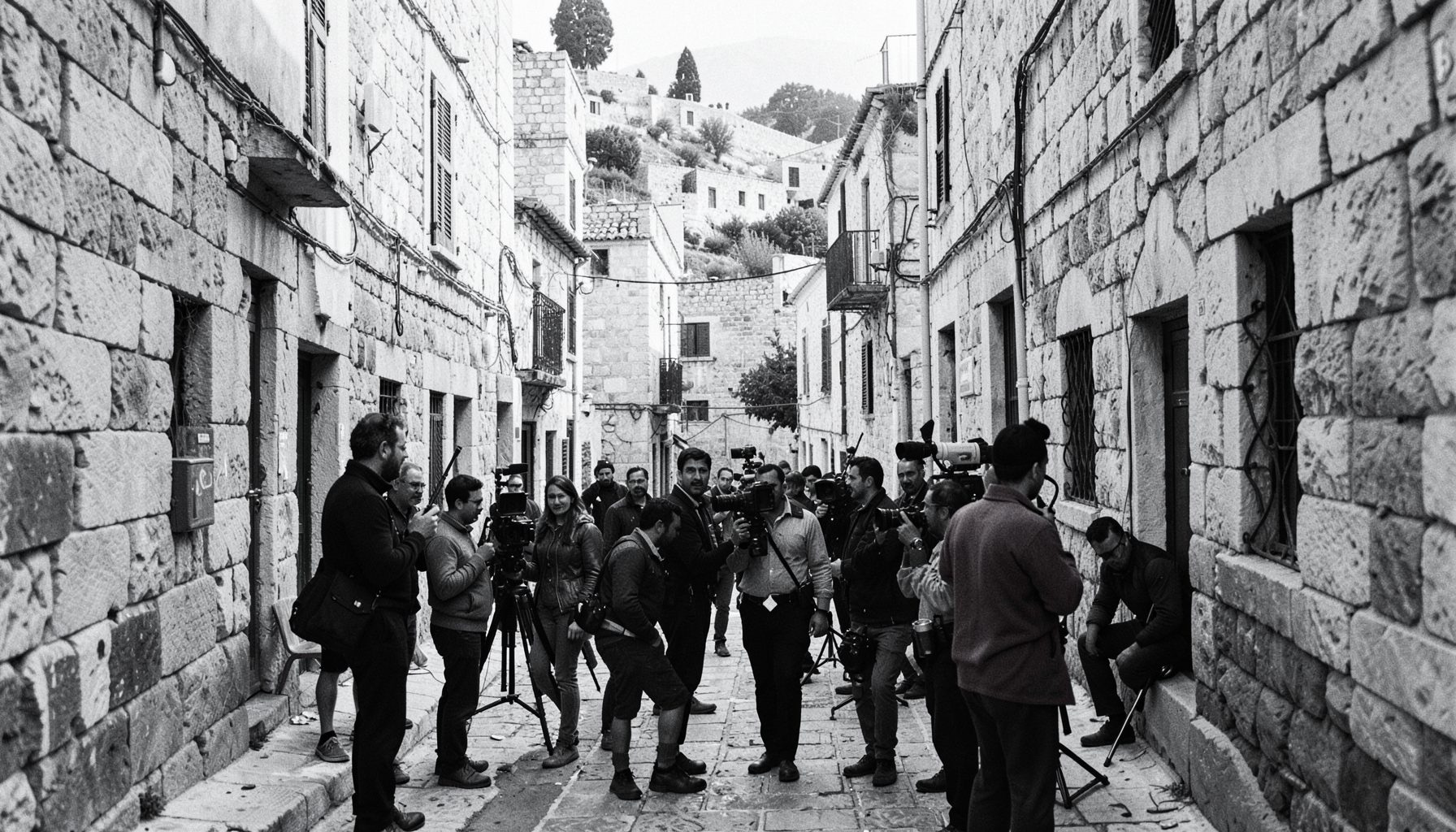
Sixteen-millimetre film offered documentary makers a practical way to record events with a compact camera. Its smaller frame could hold intimate interviews, street scenes and observational footage, while physical edits allowed sequences to be arranged in the field or studio. For Shagrir's broader practice, such film sits beside photography and journalism, revealing how a subject could be observed, framed and narrated.
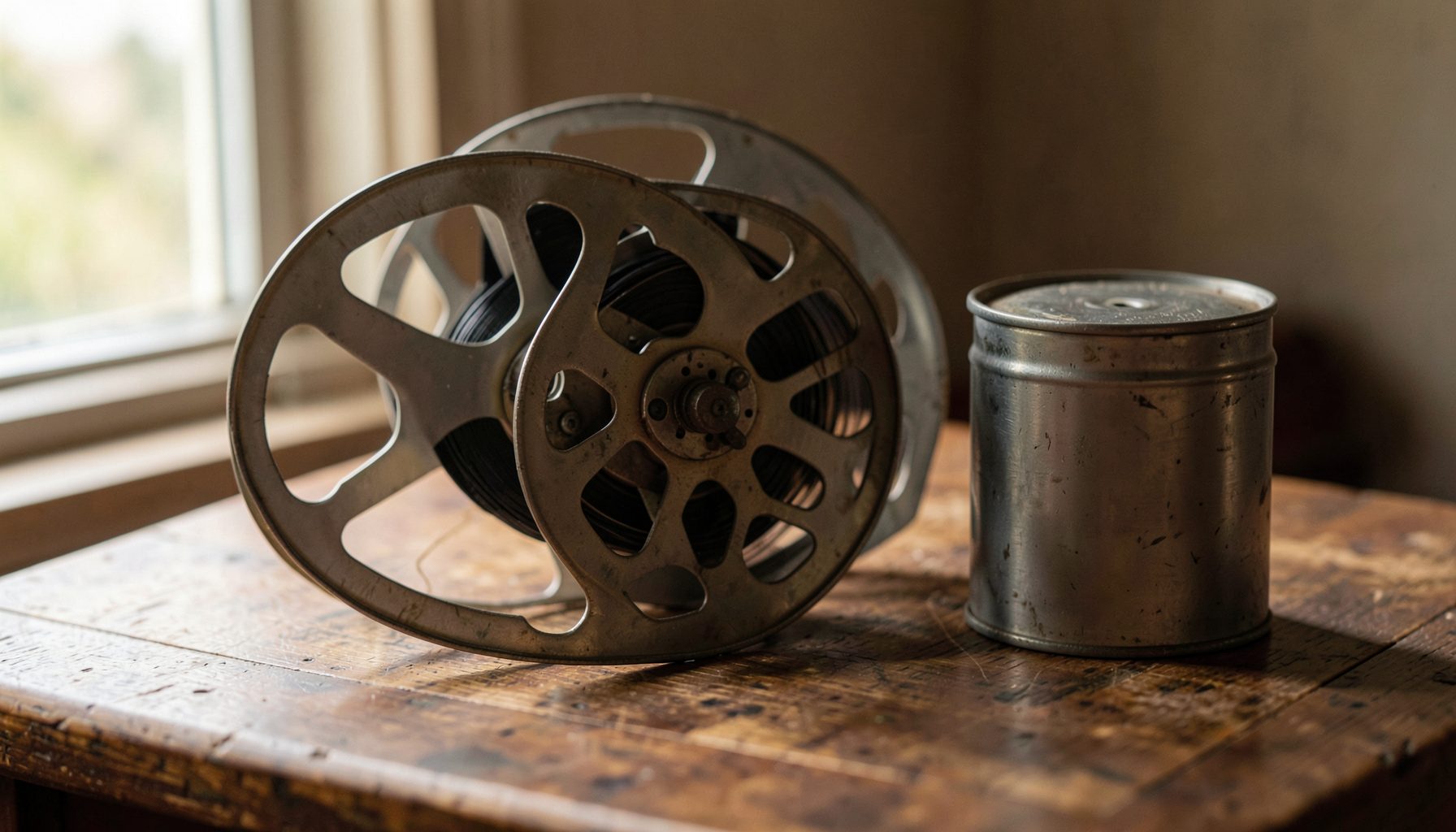
The physical reel is also evidence. Splices, edge wear, soundtrack damage and accumulated scratches can reveal how a film was handled, projected and revised. A clean digital copy should clarify the image without erasing this material history. Conservators therefore distinguish essential repair from cosmetic alteration and document every intervention before the reel leaves the bench.
Assessing Each Reel
Before any scanner is involved, each reel needs a controlled condition assessment. Conservators rewind it under measured tension, inspect perforations and emulsion, and look for shrinkage, decomposition, brittle splices or blocking. A short test passage can reveal flickering and soundtrack faults without repeatedly running the entire reel.
Each issue is entered in a condition report and prioritised for treatment. Dates, format, sound type and clues to content help identify related reels, while leader, grease pencil and existing labels preserve provenance. Original order should be recorded even when a reel contains several unrelated items, since an apparently stray clip may belong to a known sequence.
Preparing the Physical Carrier
Cleaning and repair are tailored to the carrier rather than applied as a universal recipe. Residue, dirt and deformation may require approved solvents, careful tape removal, new archival splices or specialist treatment of cracked emulsion. Work is kept reversible where possible, and discarded material is retained when it contains useful evidence about the reel's history.
After inspection, reels are stored on inert cores, wound with the correct tension and kept in sealed, climate-controlled containers. On acetate-based stock, unstable storage can accelerate vinegar syndrome. Any Australian partner receiving loan material would need to plan for hot cars, Sydney and Brisbane humidity, and sudden temperature changes during transport; a domestic refrigerator is not a substitute for professional cold storage.
Capturing Frames, Colour and Sound
For digital capture, the reel is mounted on a sprocketless or continuous-feed scanner that holds the film at a steady speed. Pin registration reduces weave, and wet-gate or diffuse-light scanning may improve dense areas where the film can safely tolerate the process. The capture resolution and frame rate follow the source, with overscan preserving edges that could later reveal damage or cropping.
Restoration decisions follow the evidence. Dirt and fluctuations can be reduced, but stable grain, joins and camera characteristics should remain, while reconstructed shots or artificial colour require clear documentation. Where reels carry optical or magnetic sound, it is synchronised, filtered and mastered separately. The result should include preservation-quality files, accessible derivatives, technical reports and checksums, never a replacement for the original film.
Connecting Images, Records and Rights
Metadata turns a restored sequence into a research object. Useful records include reel and canister numbers, dates, places, people, credits, running times, physical dimensions, sound format, condition, treatment history, file names and rights information. Links between a clip and related negatives, photographs, papers or recordings make the catalogue more useful than a collection of isolated moving images.
Rights require separate attention from preservation. Australian use must consider the Copyright Act 1968, copyright duration, moral rights, licences and permissions for music, performances or underlying works. Teaching and research exceptions have limited conditions, and digitisation does not automatically permit unrestricted online publication. Personal information and culturally sensitive material also need review before access broadens.
Access should remain a negotiated process rather than an automatic upload. Researchers, educators and rights holders can contact the archive for holdings details, reproduction conditions and loan guidance. Clear permission records help the archive share material without weakening its commitments to creators, subjects and provenance.
Bringing the Archive into Australian Life
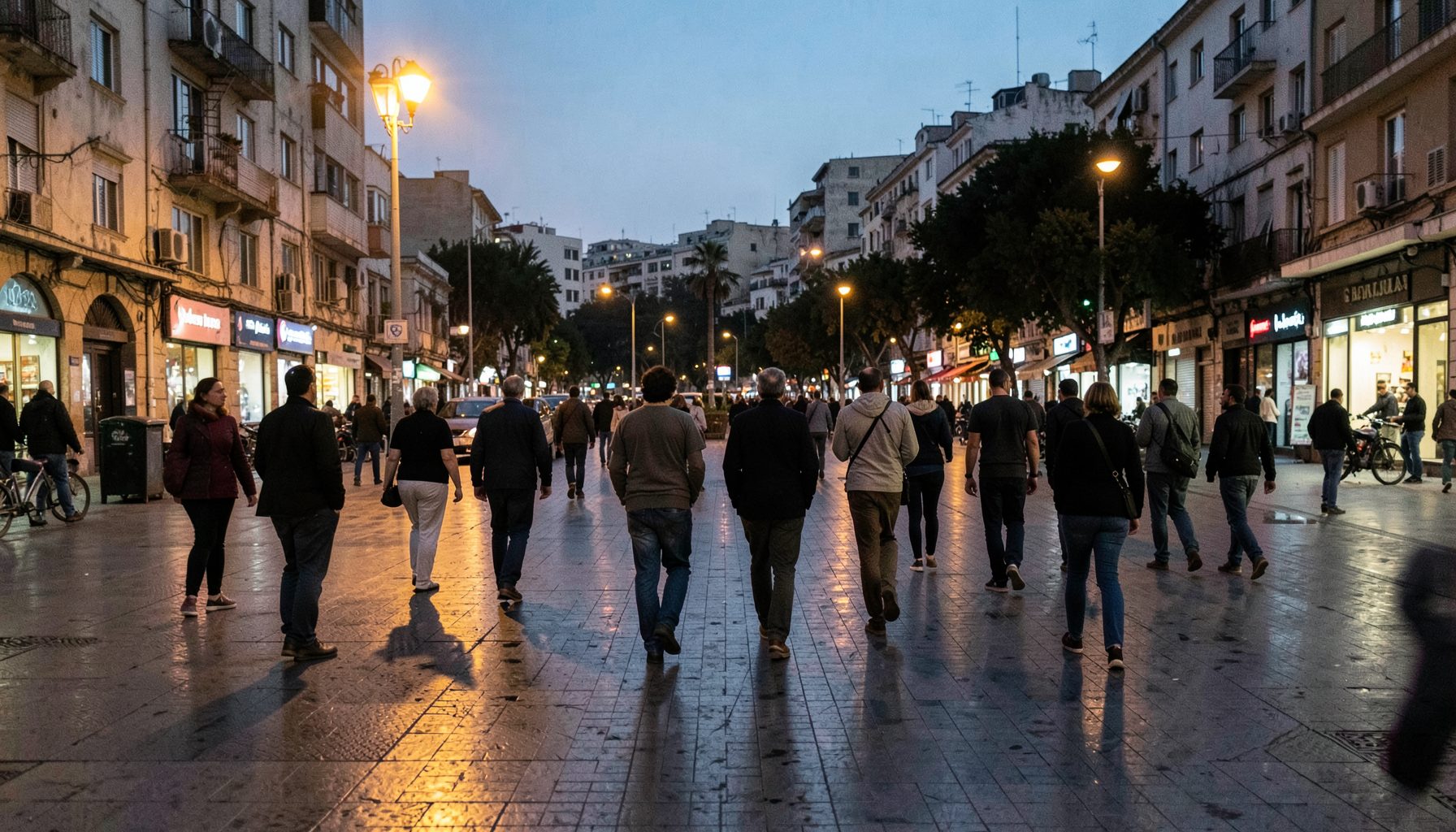
Australian audiences encounter moving-image history through many settings: ACMI in Melbourne, the National Film and Sound Archive in Canberra, ABC and SBS programming, state libraries, universities, schools and independent cinemas. Sydney and Melbourne also support post-production companies, festivals and specialist film services, creating a local market able to use restored material for exhibitions, documentaries and classroom programmes.
Everyday viewing habits shape access as much as institutional demand. Many people now watch clips on phones, streaming platforms and social media rather than on a physical projector, so short, captioned excerpts can bring a reel into daily use without replacing full-length screening. Public performances may involve Screenrights licensing, while subtitles, transcripts, audio description and Auslan interpretation can make events more inclusive. Climate, copyright and community expectations therefore belong beside image quality in an Australian access plan.
Practical Priorities for Durable Access
The collection can also support teaching visual literacy, encouraging learners to examine framing, sequence, evidence and omission. Pairing moving images with photographs and documents teaches students to test claims across media, identify constructed viewpoints and understand how archival meaning is made.
Sustaining that access requires stable technical infrastructure, reliable funding and clear permissions. The following measures protect both the film and its future usefulness:
- Retain original reels in archival storage, with scheduled condition checks and documented environmental controls.
- Keep uncompressed or losslessly compressed preservation masters, verifying checksums at regular intervals.
- Publish durable item records with timecodes, provenance, rights notes and links to related photographs and papers.
- Supply accurate subtitles, captions and transcripts with access copies.
- Review permissions, cultural sensitivities and personal information before each online release.
Preservation succeeds when the celluloid remains stable and the digital record remains verifiable. The archive can then carry Shagrir's images from a safeguarded reel to a classroom, exhibition or public screen without severing them from the history that surrounds them.