Shagrir and the Camp David Summit
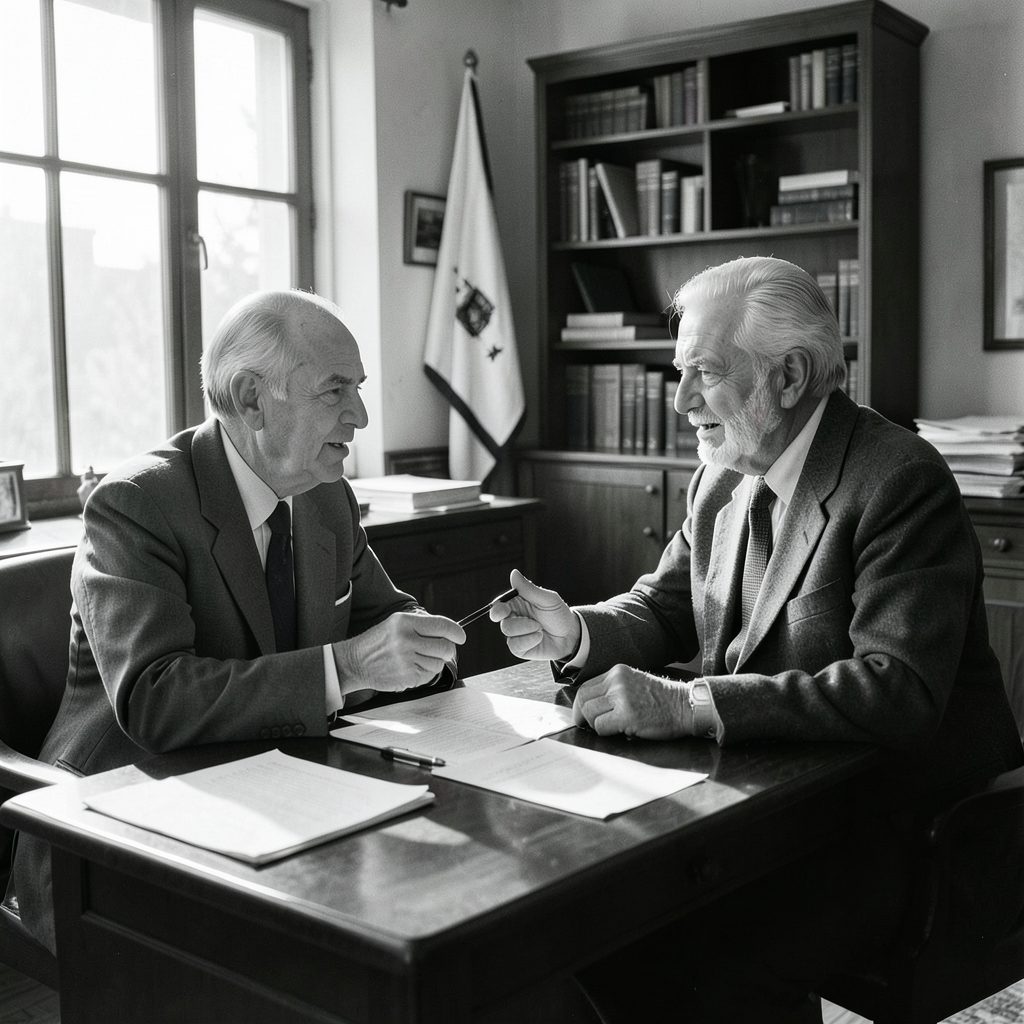
In July 2000, Ehud Barak, Yasser Arafat and Bill Clinton met at Camp David, Maryland, seeking a final Israeli-Palestinian peace agreement. No settlement followed, yet the summit generated an unusually rich visual and verbal record. Micha Shagrir's coverage forms part of that record, preserving the event through the eyes of an Israeli filmmaker, photographer and journalist whose work spans official politics and everyday life.
The Shagrir Collection brings together negatives, prints, films, recordings and personal papers, allowing the summit to be studied as more than a sequence of famous handshakes. Researchers can compare what was shown, what was said and how contemporaries understood the negotiations. For Australian audiences, the material also reveals how an American-hosted Middle East summit travelled through local newsrooms, community spaces and public memory.
A summit in Israeli political history
Camp David followed the failed 1999 talks at Shepherdstown and took place before the Second Intifada began two months later. Barak faced pressure to show movement, Arafat needed credible opportunities and Clinton wanted a diplomatic result that could survive an election year. The presidential retreat therefore carried different stakes for each delegation.
Shagrir's importance lies in recording that complexity rather than reducing it to retrospective ceremony. His approach to leaders, advisers and entourages reveals summit culture: arrivals, corridor exchanges, scheduled meetings and departures. The collection's 1990s peace-process chronicle supplies essential continuity, showing how images made during earlier negotiations already trained Israeli viewers to read gestures, locations and political body language.
The summit holdings extend that visual argument into 2000. Dates, sequencing and captions help researchers distinguish first public statements from staged photographs and later broadcasts. They also show how the Israeli press translated a tightly controlled international event into stories about leadership, security and national expectation.
The visual language of summit coverage
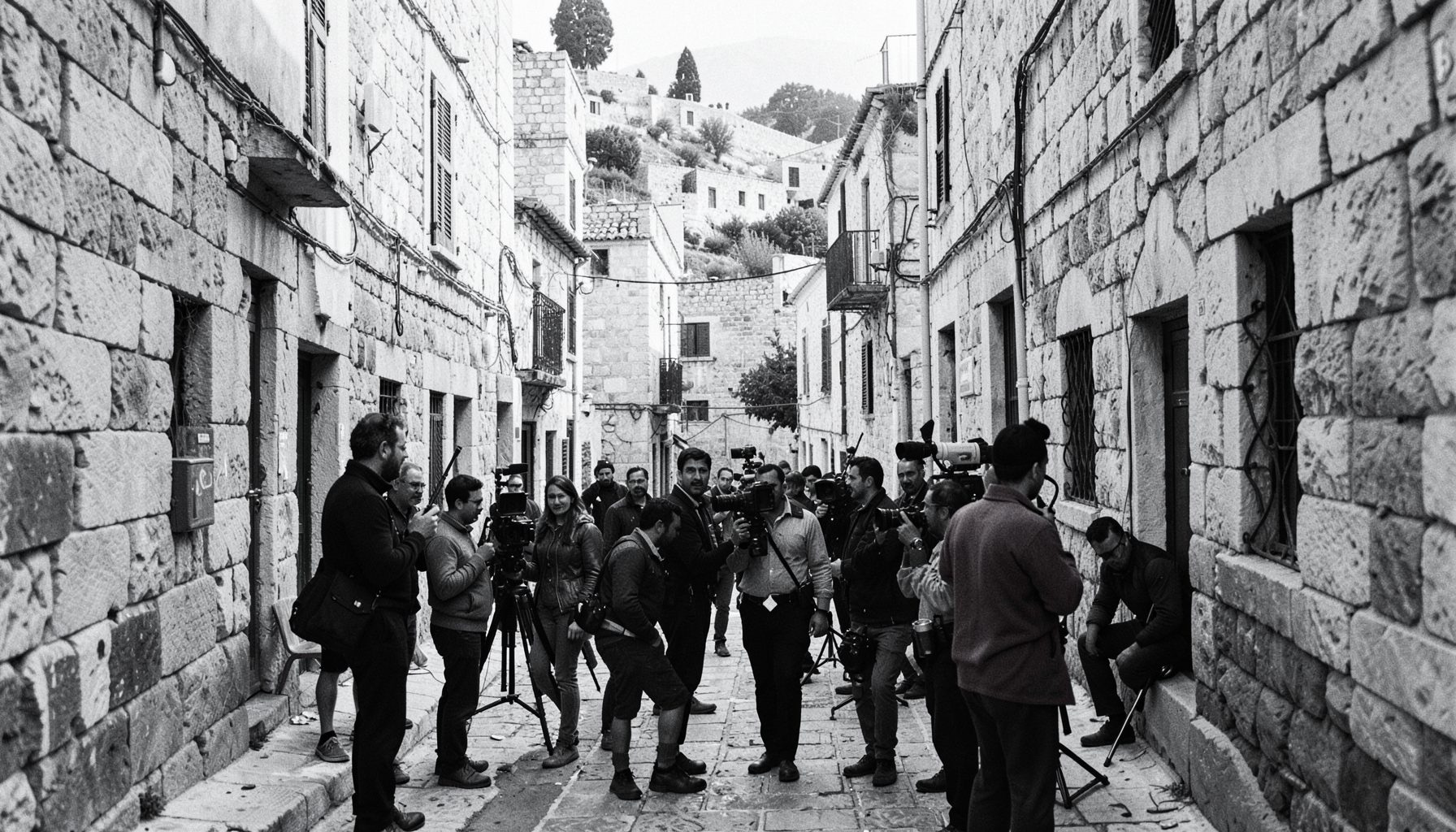
Photography offered immediacy, while film and recorded sound preserved sequence and rhythm. Familiar images of the three principals belong to a carefully managed media environment, and Shagrir's archive makes that environment visible. Close-ups can privilege confidence or confrontation, while wider frames reveal staff, press and architectural barriers. Each choice affects how viewers understand who holds power.
Sound is equally significant. Voices shift as participants move from formal briefing to private exchange, while the cadence of questioning shows which issues remain politically presentable. An image without its spoken context may suggest a consensus that the record itself does not support. Archival description must therefore connect frame, timecode, transcript, speaker and publication history.
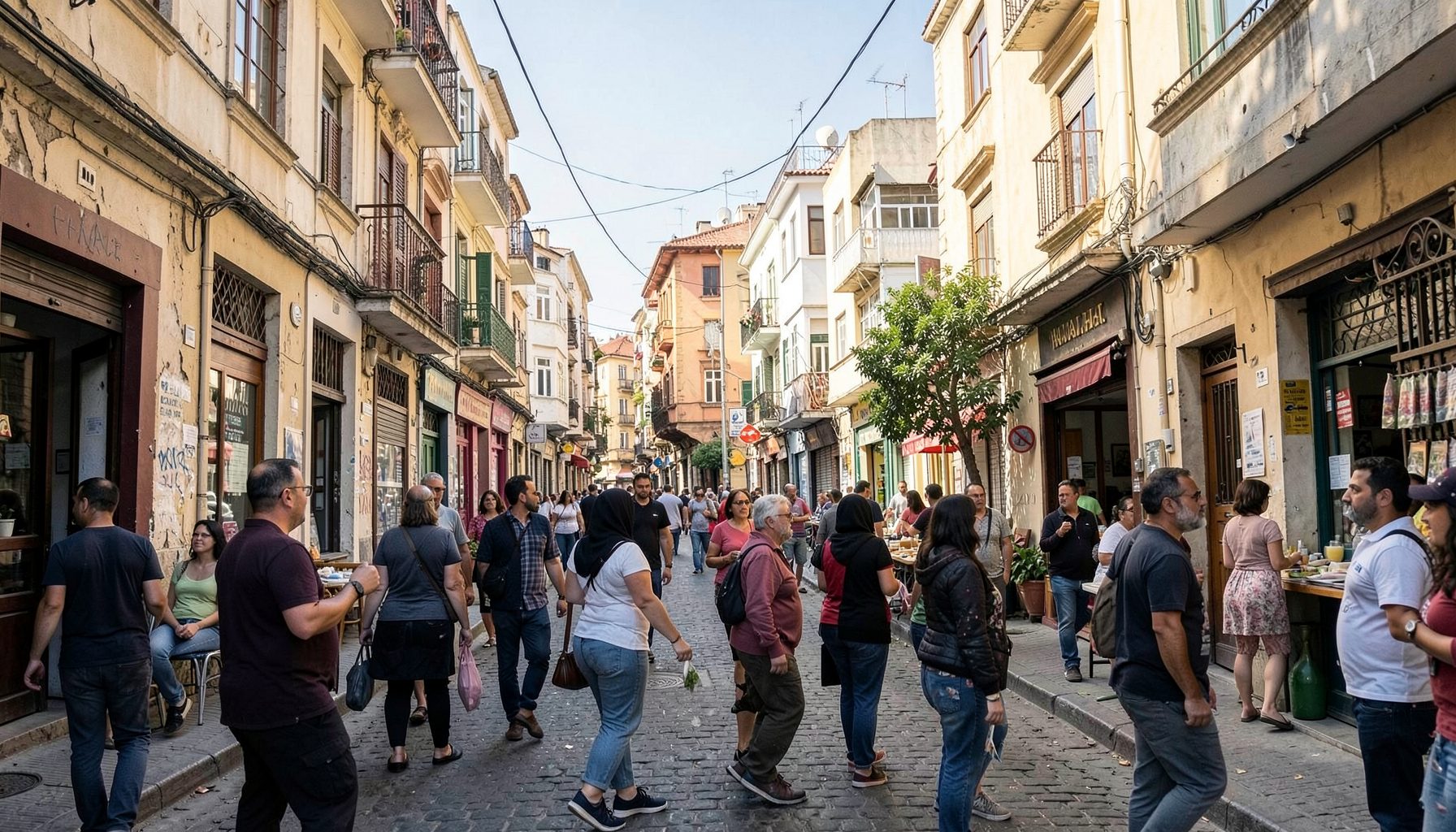
That attention to surrounding detail also characterises Shagrir's broader visual work. His street-food chronicle follows markets, vendors and urban encounters rather than summit protocol, yet it uses the same method: placing a major story within recognisable daily life. The connection helps viewers see that Israel's political history in 2000 was experienced through cafés, roads, checkpoints, news bulletins and conversations at home.
Preserving film, context and memory
Preservation changes interpretation. A damaged frame, missing reel or inaccurate caption can turn uncertainty into false certainty, while a stable scan lets researchers revisit crop, sequence and sound. The 1963 Negev restoration offers a useful parallel: restoring a film about national development required more than cosmetic repair, since image, soundtrack, period context and intended audience all shape its meaning.
For the Camp David material, preservation means matching negatives to prints, films to broadcast recordings, and official documents to personal notes. Cataloguing should record provenance, rights, dates and visible edits. It should also mark gaps rather than silently fill them. Those choices determine whether an item can support close analysis, exhibition use or classroom interpretation.
Public access gives preserved material its wider value. A summit record can support programmes on diplomacy, ethics, regional identity and visual propaganda when description, permissions and contextual notes make it usable. Its educational force grows when audiences can examine the process by which political images were selected, captioned and circulated.
Reading the archive from Australia
Australian viewers encounter this history through distinctive local conditions. In July, Washington was fourteen hours behind Sydney and Melbourne, so developments around the summit often reached breakfast news or the morning commute rather than prime-time television. Timestamps are therefore essential, especially when an Australian broadcaster replays a Washington announcement beside commentary recorded hours later.
The local media market shapes the material as well. ABC and SBS distribute international coverage, while Reuters and AP video supplies much of the breaking footage used by Australian outlets. Editors may receive the same agency images under different captions, and SBS's multilingual remit adds another layer of interpretation. In Canberra, institutions such as the National Library of Australia and the National Archives can provide wider context; in Sydney and Melbourne, Jewish and Palestinian communities have debated the peace process in local forums and media.
Practical education can connect preserved media with contemporary experience. The Kiflimally programme reflects Shagrir's wider concern with practical media education, demonstrating how communication skills can support participation and employment. Australian English tends toward plain, question-led interviews, and “the summit” quickly becomes shorthand for the negotiations, but researchers still need to separate those local habits from the historical evidence itself.
The lists below offer two distinct routes into the summit material.
For archival researchers
- Build a search sequence from date, location, participant and medium, then verify each result against item-level notes.
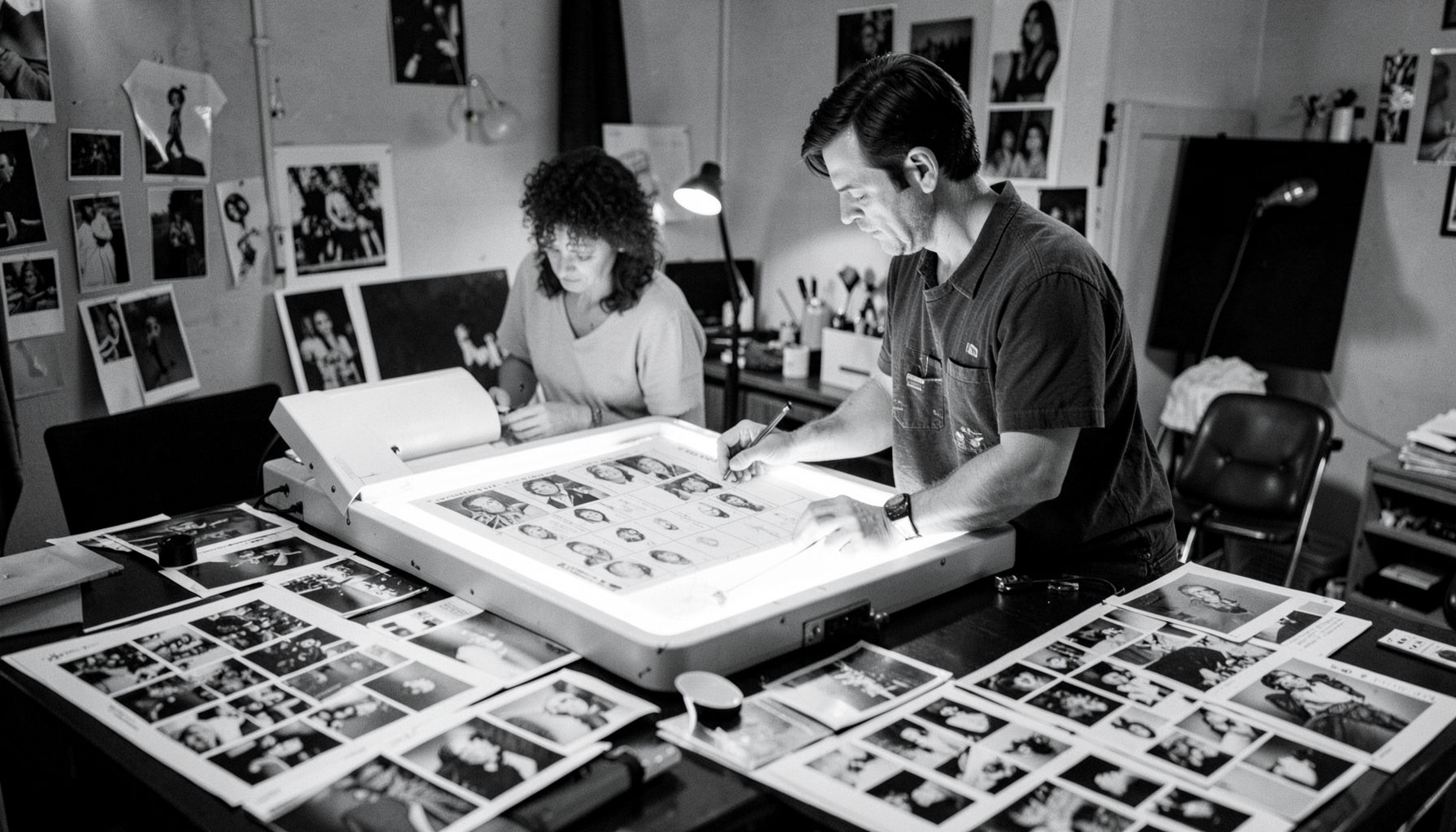
- Compare contact prints with negatives to identify cropping, retouching and changes to captions.
- Pair films and recordings with contemporaneous papers to reconstruct what viewers heard at the time.
- Record uncertainty, provenance and rights so later researchers can challenge the interpretation.
For educators and viewers
- Convert Washington timecodes to Australian Eastern Standard Time when explaining overnight developments.
- Compare an agency feed with an Australian broadcast to see how captions, ordering and context alter meaning.
- Use summit materials alongside community perspectives in Sydney and Melbourne, keeping distinct experiences distinct.
- Connect exhibitions in Canberra with accessible digital material for audiences unable to attend in person.
From summit archive to public history
Shagrir's wider public-facing work, including Whats your skill, reinforces the value of communication as an exchange rather than simply the delivery of a finished account. Applied to the summit archive, that principle means presenting evidence and uncertainty together. The images should clarify the event without suggesting that a camera captured every consequential exchange.
The surviving layers answer different research questions:
| Material | Primary evidence | Principal limitation | Strongest use |
|---|---|---|---|
| Negatives and prints | Framing, gestures, official staging and changes between exposure and publication | A still image freezes one moment and omits surrounding speech | Visual analysis, provenance research and comparison with published photographs |
| Film and video | Sequence, movement, sound, production routines and broadcast circulation | Selections and edits may exclude material considered routine or sensitive | Reconstructing events, comparing original footage with televised versions and studying media production |
| Audio recordings | Wording, voices, questions, pauses and shifts in political atmosphere | Poor recording quality or missing context can distort meaning | Comparing rhetoric, identifying speakers and establishing chronology |
| Personal papers and documents | Intentions, logistics, names, annotations and private reactions | Records may be partial, selective or written for a particular audience | Triangulating public claims, tracing decisions and testing official narratives |
No single layer is definitive. The strongest historical account comes from cross-checking photographs against film, spoken records against written documents, and Shagrir's material against the contemporaneous coverage carried by agencies and broadcasters.
For Australia, the summit's meaning will continue to shift as diplomatic events, political debates and community memories change. The Shagrir Collection preserves more than the image of a failed 2000 agreement: it keeps evidence that political pictures are made, edited and interpreted. Its value lies in making that process visible to researchers, educators and audiences across the country and beyond.