
Restoring Shagrir's 1963 Documentary on the Negev Frontier
Micha Shagrir's 1963 documentary about the development of the Negev desert has spent decades in storage, watched only by occasional researchers and film historians. Now, a careful restoration project is bringing the celluloid back to life, frame by frame, so that new audiences can experience the landscapes, voices, and ambitions captured during Israel's earliest push into its southern frontier.
This work matters beyond simple nostalgia. The film documents engineering works, settlement patterns, and the everyday lives of people reshaping a region long considered inhospitable. Restored prints offer scholars and educators a primary document from a pivotal era, while also serving as a reminder of how moving images preserve memory in ways that photographs and written records alone cannot.
The Film and Its Origins
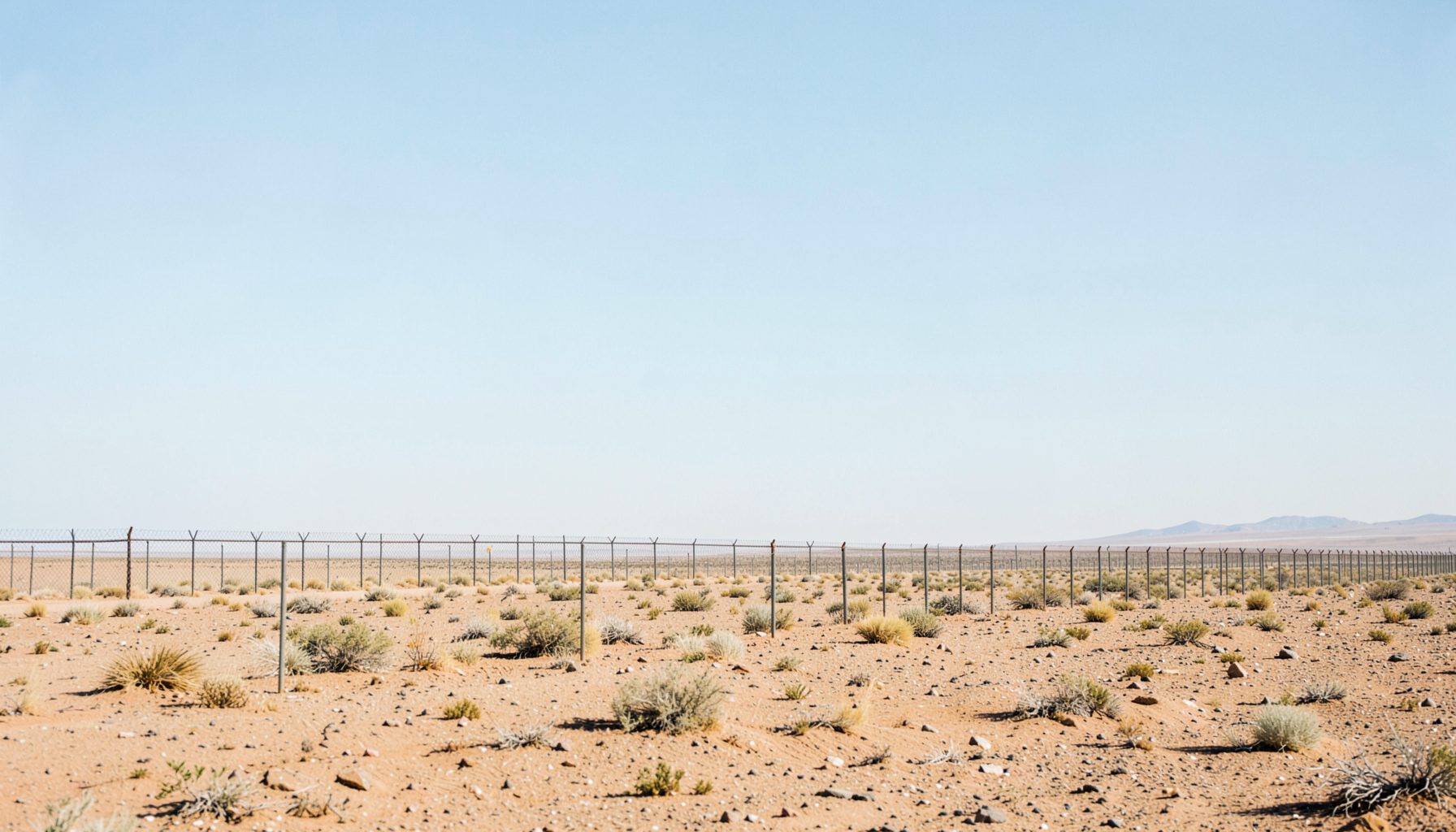
Shagrir made the documentary during a period of national focus, when Israeli planners were mapping roads, agricultural stations, and military infrastructure across the arid south. The Negev, vast and sparsely populated, became a canvas for ideological experimentation and pragmatic engineering. The film follows engineers, surveyors, families, and government representatives as they carve out new communities in dust and heat.
The footage blends observational cinema with commissioned reportage, a hybrid approach Shagrir refined through years of work as both journalist and filmmaker. His camera lingered on workers pouring concrete and on children playing near freshly built housing blocks, treating both with the same visual respect. That balance gives the documentary its enduring value: it is neither pure propaganda nor detached newsreel, but a textured record of a society in motion. Those interested in Shagrir's parallel work as a stills photographer can read about his Tel Aviv work, which shares a similar visual sensibility.
The Restoration Process
Bringing a half-century-old film back to viewable condition is painstaking work. The original reels arrived at the archive suffering from vinegar syndrome, fading dye, scratched emulsion, and warped sprockets. Restorers began by cleaning each frame manually, stabilising the base, and then scanning at high resolution before any digital retouching. Every colour correction was checked against reference photographs from the photographer's own archive, and the team also relied on commentary online to interpret period details. Every choice carried weight.
The technical decisions made during restoration shape what audiences ultimately see on screen. Deciding whether to leave minor scratches, how aggressively to remove dirt, and how to interpret faded colour all require editorial judgment as much as technical skill. The aim has been to preserve the film's grain structure and tonal range rather than over-polish it into something that looks newly shot. Restorers worked with film laboratories that hold long experience with archival acetate and polyester stocks.
Key stages of the restoration include:
- Wet-gate scanning to reduce surface scratches and stabilise warped frames
- Manual cleaning of emulsion and base to halt vinegar syndrome
- Frame-by-frame colour grading against archived still photographs
- Optical sound transfer with careful noise reduction
- Reassembly on archival polyester stock for longevity
From Deteriorating Reel to Restored Print
The contrast between the film's original state and its restored form is striking. Reels that arrived brittle, warped, and faded now play smoothly, with stable images and balanced tones that match the period's intended look. The following summary highlights the main elements that changed during the work.
| Element | Pre-Restoration State | Post-Restoration State |
|---|---|---|
| Image stability | Warped reels, brittle base | Stabilised on archival polyester |
| Colour fidelity | Faded, with magenta shifts | Balanced against period reference photos |
| Surface cleanliness | Slight marks and grime | Cleaned and digitally reduced |
| Sound | Hissing optical track | Recovered dialogue and ambient noise |
The restoration did not aim to disguise the film's age. Small signs of its 1960s origin remain visible in the grain and the optical sound, lending the work its characteristic texture. Viewers should still feel that they are watching a film from another era, only one that can now be watched clearly and reliably.
The approach taken with this film will serve as a template for future restoration projects within the collection. Each subsequent project will draw on the same archival philosophy, balancing technical repair with respect for the original aesthetic. This consistency matters: it ensures that scholars studying the collection decades from now will encounter a coherent body of work rather than a patchwork of differing standards.
Historical Significance of the Negev Project
Beyond its cinematic qualities, the film carries weight as a historical document. The Negev development scheme reshaped demographics, introduced new agricultural techniques, and established infrastructure that would later support the country's high-tech corridor. Shagrir's documentary captures the period when these decisions were still being made in the field, often under makeshift conditions. The broader mission of the archive preserves finished films alongside the working notes, scripts, and correspondence that surround them.
Archivists studying the footage have noted how it captures moments rarely photographed: the construction of early access roads, the arrival of water pipelines, and the first harvests from experimental kibbutz farms. These scenes complement written records and offer a sensory dimension that historians find difficult to obtain elsewhere. The restoration makes such moments available for new scholarly work, classroom use, and public exhibitions across Israel and beyond.
Connections to Australian Film Heritage
Australia has its own deep tradition of caring for moving image heritage. The National Film and Sound Archive in Canberra has long managed similar challenges with works from the 1920s onward, while the Australian Centre for the Moving Image in Melbourne regularly screens restored prints. The parallels are instructive. Australian archivists have wrestled with the same issues of vinegar syndrome, faded colour, and obsolete sound formats, and the solutions developed locally have informed global practice.
For Australian audiences, Shagrir's restored film offers an opportunity to see a parallel story of national building, captured from a southern hemisphere vantage point on a country undergoing rapid transformation. Australian viewers in Brisbane or Sydney will recognise certain rhythms: government planning, regional development, and the lived experience of building communities far from traditional centres of power. Screen Australia and university film programs occasionally fund comparative screenings that bring such works into local cinemas, and this film would fit naturally into such a programme. Film classification regulations administered by the Australian Classification Board would also apply if the restored work were ever commercially released domestically.
Shared priorities across both countries include:
- Cold storage vault construction and maintenance for acetate film
- Digital preservation strategies for born-digital and scanned materials
- Public screening programmes that bring restored prints to wide audiences
- Educational partnerships with universities and secondary schools
- Cross-institutional loans for touring programmes between archives
Public Access and Future Preservation
Once completed, the restored documentary will travel to exhibitions, film festivals, and educational institutions. Researchers interested in Israeli social history, mid-century documentary practice, or the visual culture of nationhood can request access through the archive's research enquiries page. Preview reels will be available for scholarly citation, and selected clips will appear online with contextual notes. Educators working in secondary schools and universities will find the film especially valuable for lessons on development, politics, and documentary form.
The Negev documentary is one piece of a much larger archive. The collection holds hundreds of reels, thousands of negatives, and many personal papers that document Shagrir's full career. Future restoration projects are already being scoped, prioritising works with the most urgent physical needs and the broadest research value. Fundraising, volunteer engagement, and institutional partnerships will shape what gets restored next. For Australians who follow heritage cinema, the broader lesson is encouraging: archives everywhere struggle with the cost and labour of preservation, yet projects like this one show what careful, patient work can produce. Watching a restored 1963 documentary today, with its grain intact and its colours balanced, is a reminder that moving images are not consumed and discarded but kept, tended, and passed forward.