
Documenting the camps: Shagrir and the Sabra and Shatila archive
In mid-September 1982, the Palestinian refugee camps of Sabra and Shatila on the outskirts of Beirut became the site of one of the most harrowing episodes of the Lebanese Civil War. Christian Phalangist militiamen, operating inside a zone held by the Israeli army, killed hundreds, by many counts well over a thousand, civilians over the course of roughly two days. The world learned of the killings through a small group of journalists and photographers who entered the camps immediately afterward. Among the materials that reached Israeli and international audiences in those days was footage and photography gathered by the filmmaker, producer, and journalist Micha Shagrir, who had covered the conflict from its earliest phase.
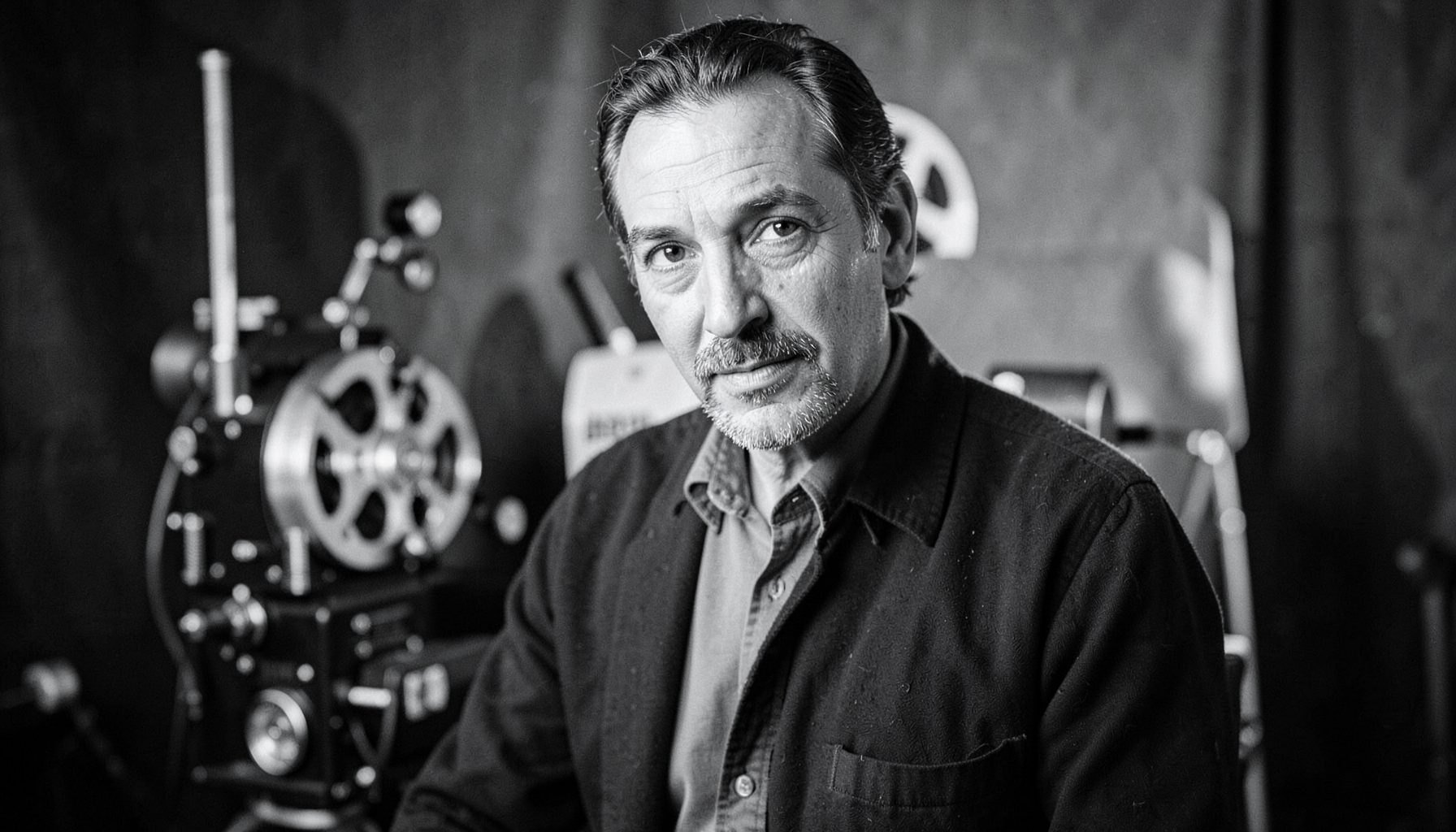
Shagrir had by 1982 spent more than two decades moving through the fault lines of Middle Eastern politics. He had founded production companies, produced landmark Israeli documentaries, and built a reputation for placing himself close to events that mainstream broadcasters hesitated to approach. His camera work from the Sinai after the 1967 war, his reportage from earlier phases of the Lebanese conflict, and his appetite for risk made him one of the few Israeli filmmakers with the credibility and the nerve to operate in and around West Beirut during the siege.
The materials he brought back from September 1982 were never merely a record. Footage of streets, doorways, and bodies, paired with recorded interviews and on-the-spot notes, became part of the evidentiary base on which Israelis, and later international jurists, journalists, and historians, attempted to understand what had happened inside the camps. The archive of those days is preserved and contextualised today through the Shagrir Collection, where researchers and the broader public can examine primary sources alongside biographical and historical material.
This article looks at how Shagrir worked in that period, what his footage and photography captured, and how his documentation has shaped both public memory and ongoing conversations about the ethics of bearing witness. It also considers why his archive matters to audiences outside Israel, including those in Australia, where institutions in cities like Sydney and Canberra have long engaged with questions of war documentation, memorialisation, and the responsibilities of the press.
The media landscape before September 1982
By the time the Israel Defense Forces pushed north into Lebanon in June 1982, the Israeli press corps had matured into one of the most aggressive in the region. Newspapers competed fiercely, and television crews from the two main channels had established routines for embedding with military units. Shagrir stood somewhat apart from this daily cycle. His production company treated each conflict as a long-form project, and he tended to arrive with his own 16mm equipment rather than relying on the lighter video cameras that had become standard in broadcast news.
The Phalangist entry into Sabra and Shatila, which began on the evening of 16 September, occurred at a moment when most international press had been told the fighting was ending. A handful of Israeli journalists, including Shagrir, entered the camps on the morning of 18 September, after the militiamen had withdrawn and as bodies were still being recovered. What they photographed and filmed over the following days formed the first substantial visual record of the atrocity.
Shagrir on the ground in Beirut
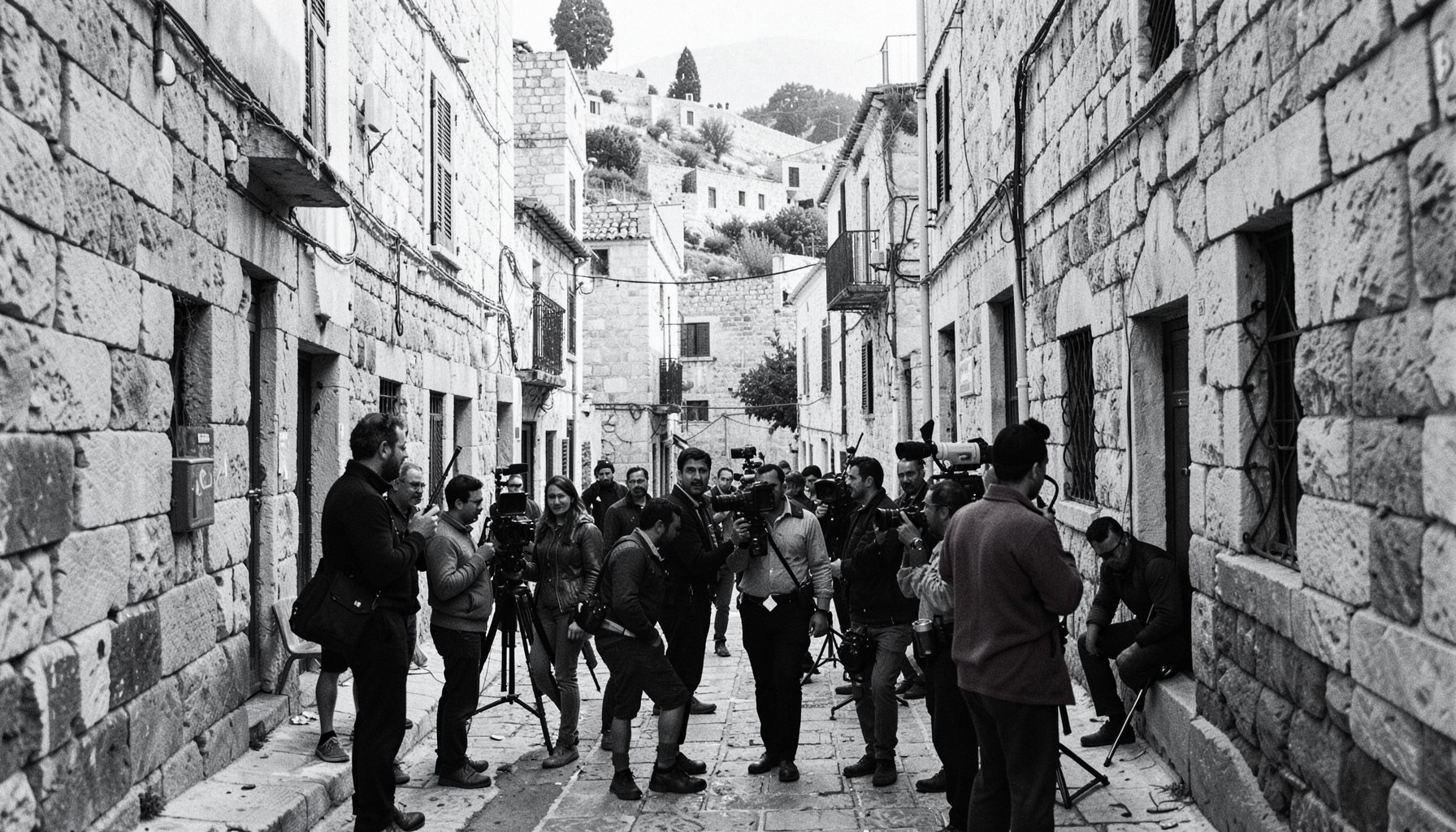
Shagrir's method in Beirut combined the disciplined patience of a documentary filmmaker with the urgency of a wire-service reporter. He moved through the camps with a small crew, shooting both 16mm film and still photography, recording ambient sound and conducting interviews with survivors and Israeli soldiers who had been on the perimeter. His footage, later broadcast in Israel and excerpted internationally, included the now-familiar sequence of bulldozers piling earth over bodies, families searching for relatives, and the cordoned streets through which rescue workers passed.
The table below sets out how the principal methods Shagrir and his contemporaries used to document the camps compared in terms of what they preserved and what they left out.
| Type of Record | Strengths | Limitations | Archival Value |
|---|---|---|---|
| 16mm motion picture footage | Captures movement, sound, and duration | Bulky equipment, short reel length | High — provides unique historical sequence |
| Still photography | High resolution, easy to reproduce and publish | Static, single-instant records | Very high — circulated widely in print media |
| Audio interviews | Preserves first-person testimony and voice | Quality depends on environment and equipment | High — anchors memory in individual speakers |
| Written field notes | Provides contextual detail and chronology | Subjective, vulnerable to error | Moderate — useful as a cross-check on other records |
The combination of these methods is what made Shagrir's body of work especially valuable. A still image could be reproduced on the front page of a newspaper in Tel Aviv or, within hours, in Sydney, where the Sydney Morning Herald and the Melbourne-based The Age gave the story prominent treatment. The film footage, slower to process and broadcast, carried a different weight in the weeks that followed.
Photographic evidence and public reckoning in Israel
When the photographs and footage from Sabra and Shatila reached Israeli living rooms, the reaction was visceral. Mass protests in Tel Aviv, organised in part through networks that included documentary filmmakers and journalists, eventually drew crowds estimated at well over 300,000 people. The demand for accountability led within weeks to the establishment of the Kahan Commission, a national commission of inquiry chaired by Supreme Court Justice Yitzhak Kahan.
Shagrir's footage appeared as evidence in proceedings connected to the inquiry and was broadcast repeatedly in the months that followed. Australian viewers who watched the ABC's nightly coverage of Middle East affairs in 1982 and 1983 encountered excerpts of the same material, often sourced from Israeli television, and the images shaped local attitudes toward the conflict in ways that have been explored by researchers at institutions including the Australian War Memorial in Canberra.
The Kahan Commission and Shagrir's role
The commission's task was to determine how the killings had occurred and whether Israeli military and political leaders bore any responsibility for failing to prevent them. Shagrir appeared before the commission and supplied material from his own archive. The final report, issued in February 1983, found that Israel bore indirect responsibility for the massacre, that Defence Minister Ariel Sharon bore personal responsibility, and that senior officers had failed in their duties. Sharon resigned; others were censured.
The findings cemented Shagrir's reputation as a journalist who could move between the roles of reporter, producer, and witness. They also established the kind of footage he had gathered as a category of record that international courts and historians would later treat as primary source material in inquiries into wartime atrocities.
Archival preservation and ethical dilemmas
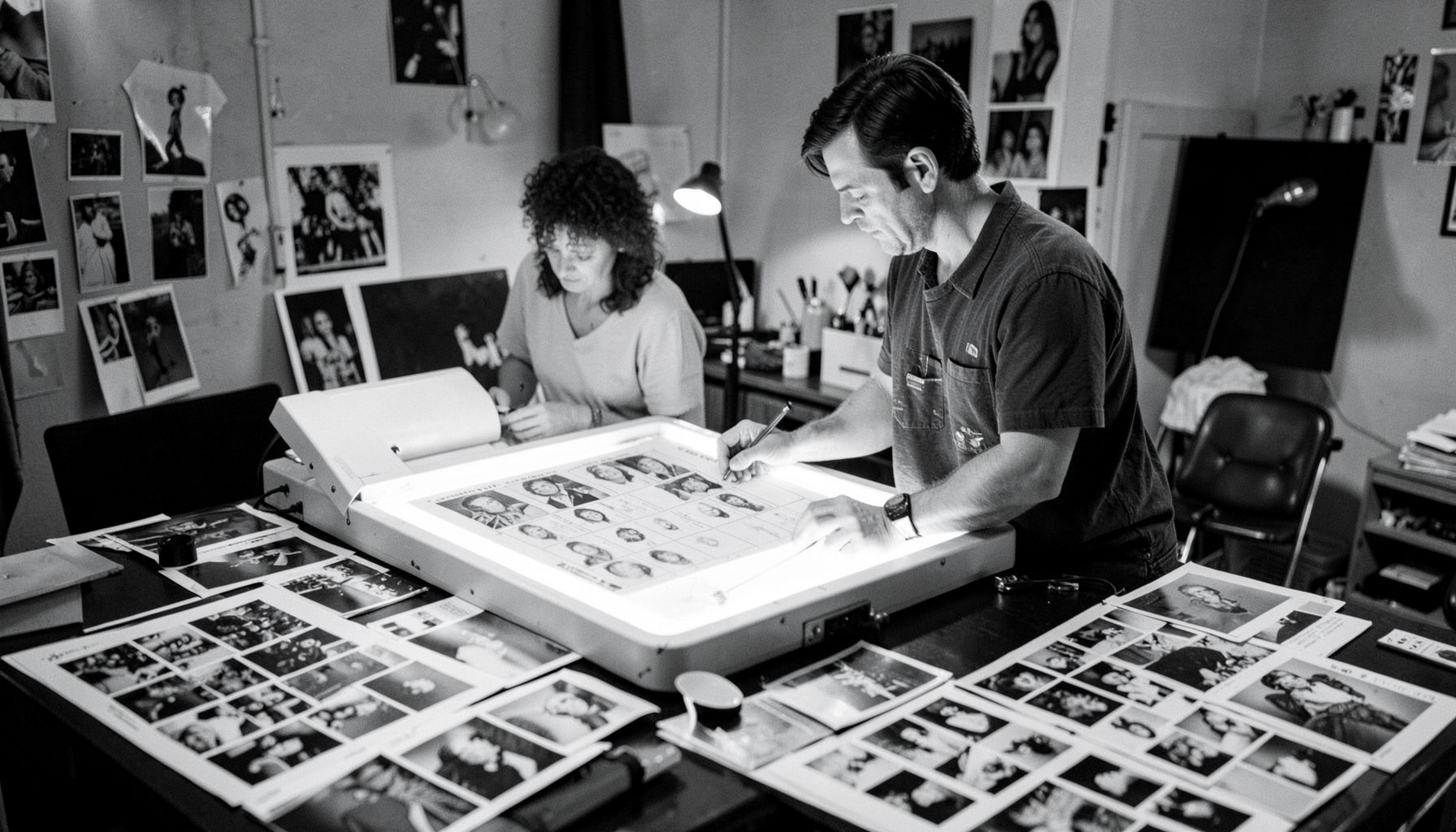
Archiving such images carries weight. The Shagrir Collection holds negatives, prints, films, and audio recordings from across his career, including the materials from September 1982. Curators and researchers who work with them must negotiate questions that have only become more pressing in the era of instantaneous digital imagery: how to present material that depicts extreme suffering without sensationalising it, how to balance public access against the dignity of victims and survivors, and how to ensure that contextual framing keeps pace with the images themselves.
These questions are not unique to the Shagrir archive, but his work is a useful case study because the footage is so widely known. The ethics of bearing witness, of pressing the shutter or keeping the camera rolling when the natural impulse is to look away, are themes that recur across his body of work. They are discussed more fully in a separate essay on the ethics of war photography, which examines how the practical decisions of a photographer in the field shape the moral weight of the resulting archive.
A broader archive of the region
The Sabra and Shatila material sits alongside an unusually rich body of work that documents other phases of Shagrir's career. Researchers using the collection can move from 1982 Beirut to the Sinai Peninsula of the late 1960s, where his cameras recorded the desert landscapes and human geography of a region newly under Israeli control. The Sinai work, preserved and catalogued as part of the same archive, provides an instructive counterpoint to the Beirut material: quieter, more contemplative, focused on place rather than event. Readers interested in that earlier body of work can explore the Sinai travel photographs held within the collection.
Bringing these different chapters of the archive into conversation allows researchers to see how a single practitioner shifted register between the contemplative and the urgent, and how the same camera and the same eye could be turned to very different kinds of historical evidence.
Resonance in Australia and beyond
For Australian audiences, the Shagrir archive arrives at a moment when questions about war photography and media ethics are being revisited in local contexts. Australian photojournalists have worked in conflict zones from East Timor to Iraq, and the Australian Government's commitments under the Geneva Conventions Act and related legislation have shaped how journalists, courts, and NGOs treat evidence of wartime atrocities. The experience of viewing Sabra and Shatila through Shagrir's footage offers a reference point for thinking about how local coverage, including reporting by the ABC, has handled comparable events in the Asia-Pacific region.
The value of the archive, in this sense, is not only historical. It provides a working example of how a comprehensive personal record of a conflict can be preserved, contextualised, and made available to future generations. For students, researchers, journalists, and curious members of the public, the Shagrir Collection offers something that is increasingly rare in the digital age: a considered, catalogued, and physically preserved body of evidence from one of the most consequential news events of the late twentieth century.