
Shagrir’s Lens on the 1973 Oil Crisis in Israel
The 1973 oil crisis reached Israel through a tightly connected chain of war, diplomacy, energy dependence and household economics. After the Yom Kippur War, Arab oil-producing states used production cuts and an embargo to pressure countries seen as supporting Israel. The result was a sharp rise in energy costs, uncertainty over supply and a new awareness that fuel was inseparable from national security.
Micha Shagrir’s work offers a way to examine that period through the human scale of Israeli history. His photographs, documentaries, journalistic records and personal papers can be read alongside the wider story of petrol scarcity, transport pressures, military mobilisation and changing public expectations. For Australian viewers, familiar ideas such as the servo, the family car and the weekly cost of filling the tank provide a useful point of comparison, even though Israel’s strategic circumstances were very different.
A global shock with local consequences
The oil crisis began in the aftermath of the October 1973 war, when members of the Organisation of Arab Petroleum Exporting Countries reduced production and restricted exports to states supporting Israel. Oil prices rose dramatically, affecting transport, manufacturing, electricity generation and food distribution across the world. Governments that had treated cheap fuel as a foundation of post-war growth suddenly faced shortages and political pressure.
Israel was especially exposed. It had limited domestic energy resources and relied heavily on imported oil for transport, industry and electricity. The country’s geographical isolation, military commitments and tense relations with neighbouring states made reliable supply a strategic concern. A rise in the price of crude oil therefore affected more than the household budget; it touched defence planning, foreign policy and the state’s ability to keep everyday services operating.
In Australia, the shock could be understood through the long distances between cities and regional communities. A driver travelling from Melbourne to Adelaide, or from Sydney towards the New England region, could not easily replace a car trip with a train or bus. In Israel, where distances were shorter but security needs were intense, fuel carried a similar sense of national importance.
Seeing energy through people and places
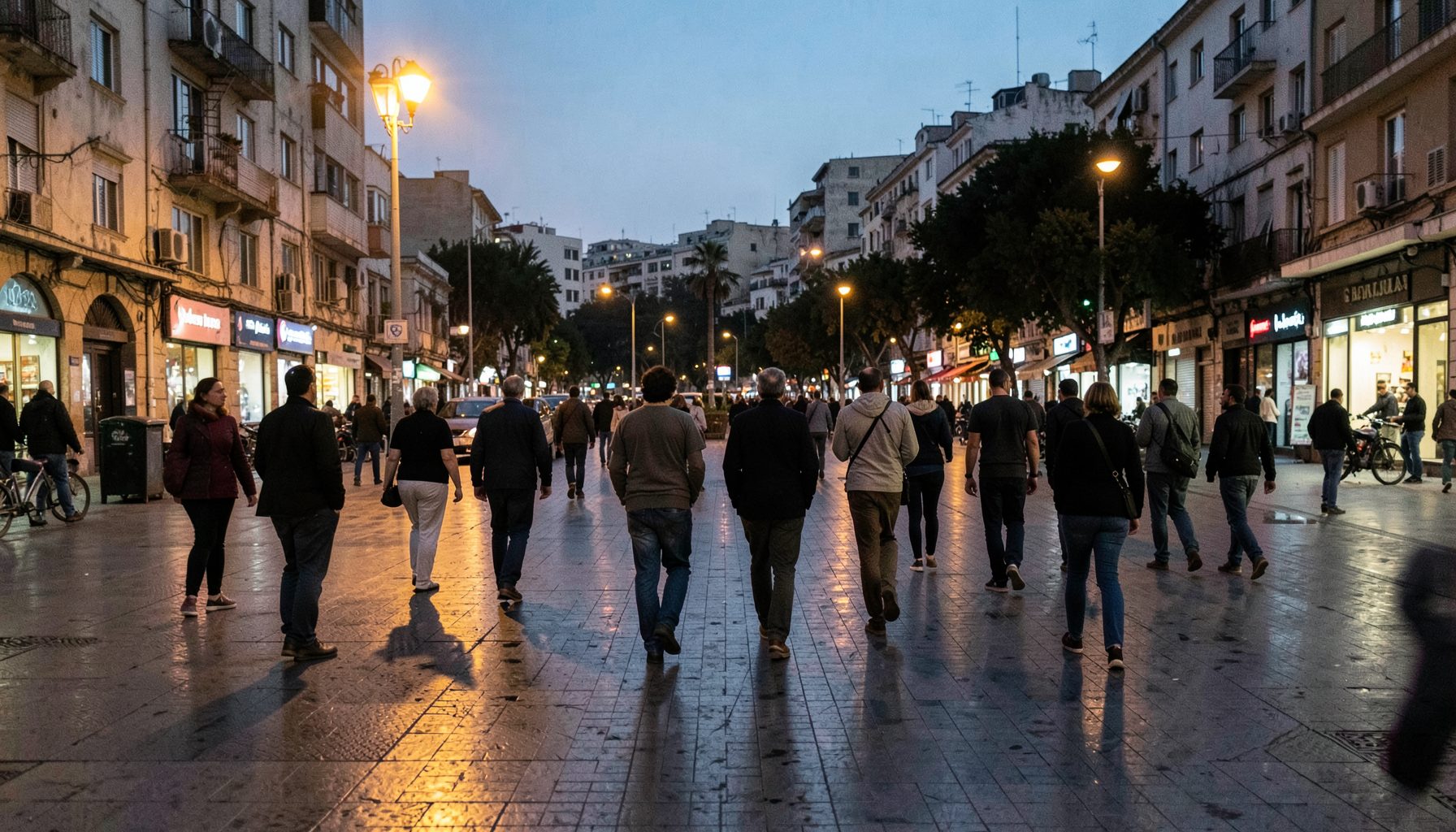
News reports often describe an energy crisis with statistics: barrels, prices, production figures and import bills. Visual journalism adds other evidence. A petrol station, a bus depot, a freight yard or a darkened street can show how a policy decision made far away becomes part of daily life. Shagrir’s practice as a filmmaker, photographer and journalist was well suited to connecting large political events with ordinary routines.
The Shagrir Collection contains primary-source material from a period when Israeli society was changing quickly. Its negatives, prints, recordings, films and papers can help researchers trace the mood surrounding economic uncertainty without reducing the crisis to a single official narrative. Images of work, travel, military service, housing and public gathering may reveal how people adjusted to the cost and availability of energy.
That approach also helps distinguish the oil crisis from the war itself. Israelis were living with the immediate consequences of military conflict, including bereavement, reserve duty and political debate. The energy shock added a slower, economic strain. Its effects appeared in prices, transport decisions and public discussion, making it a useful subject for studying how geopolitical events enter the texture of everyday life.
The Israeli economy under pressure
The price of imported oil affected Israel’s balance of payments and increased the cost of goods transported by road, sea and air. Higher energy costs moved through the economy, raising expenses for factories, shops, farmers and public services. Inflation was already a serious concern in Israel during the 1970s, so the energy shock intensified pressures that households were already feeling.
Fuel was also linked to national planning. Israel needed to maintain an effective defence system while supporting cities, industry and a growing population. Any attempt to limit consumption had to be weighed against military readiness and the movement of essential goods. Public debate about energy conservation consequently carried a strong political dimension.
For Australians, the comparison is clearest when thinking about how fuel prices travel through supply chains. A rise at a Sydney or Perth petrol station can eventually affect supermarket deliveries, building materials and takeaway food. In 1970s Israel, where imported energy was central to the national economy, that chain was even more closely tied to questions of sovereignty and security.
Documentary work and the new Israeli reality
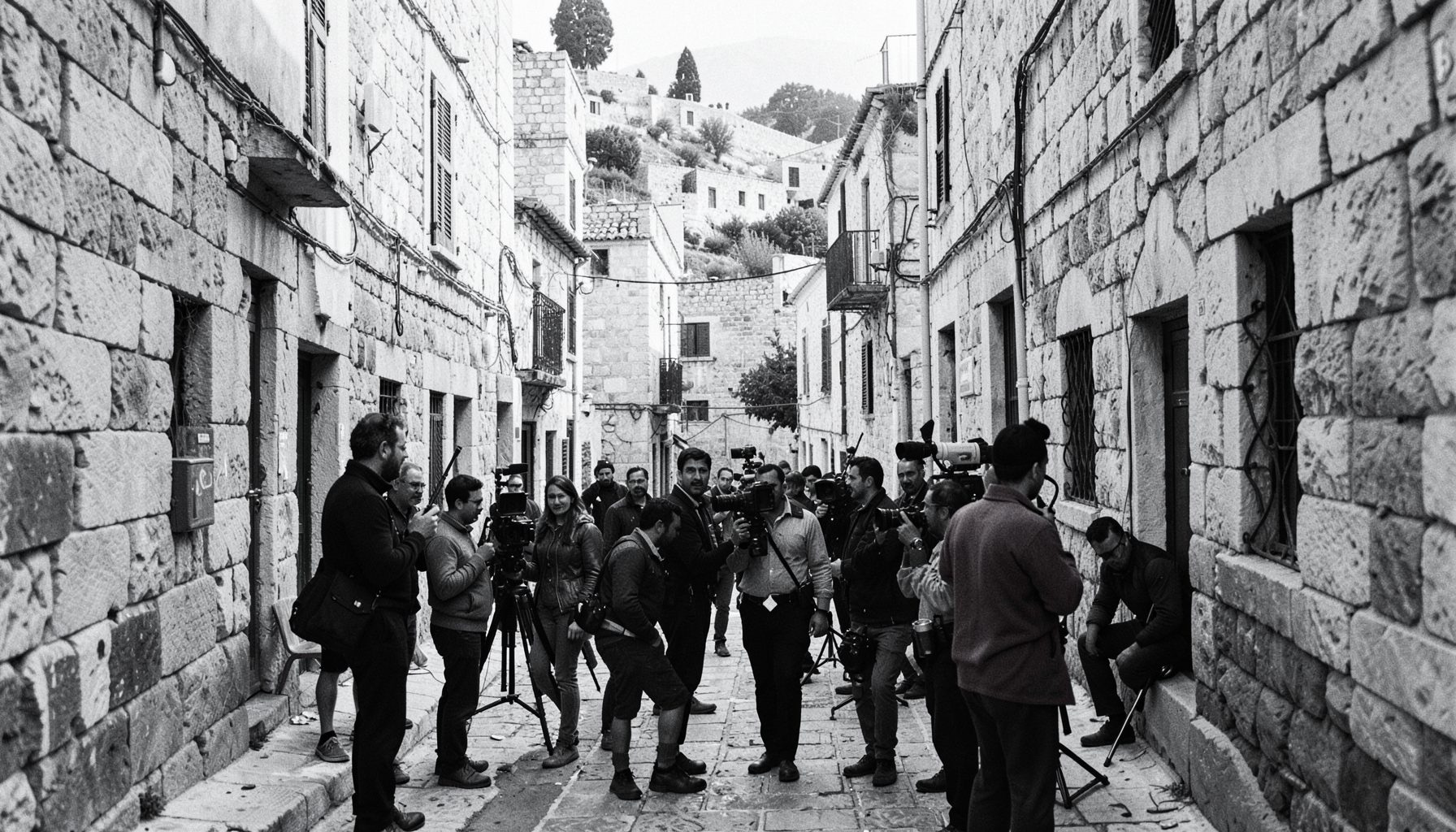
The oil shock arrived during a period of creative and social change in Israeli cinema. Filmmakers were increasingly interested in ordinary speech, urban tension, generational conflict and the experiences of communities that official culture had often presented only in broad national terms. Shagrir worked within this documentary and journalistic environment, using direct observation to record a society negotiating rapid change.
His work can be considered alongside the atmosphere described in Israeli New Wave films. The connection is valuable because the energy crisis was not an isolated technical problem. It formed part of a wider moment in which Israelis questioned established institutions, examined the costs of war and confronted the limits of earlier economic confidence.
A documentary camera does not need to show an oil tanker or a government announcement to record the consequences of the crisis. It may capture a crowded bus, a conversation about household expenses, a factory operating under pressure or a city street shaped by changing transport patterns. Such scenes preserve the emotional and social register of a period when public life was marked by both resilience and uncertainty.
Migration, inequality and access to resources
Economic shocks rarely affect every group in the same way. Households with secure employment, private vehicles or savings may have had more room to adapt than low-income families, new arrivals and people dependent on public transport. Energy costs could deepen existing inequalities, especially in a country absorbing immigrants and expanding housing and infrastructure.
The collection’s broader social record is relevant here. Material on immigrant life, including Ethiopian absorption photographs, belongs to a later period, yet it shows why economic history should be connected to questions of belonging, mobility and access. The energy crisis can be viewed through the same lens: who could travel, find work, heat a home or absorb a price increase, and who faced sharper restrictions?
This perspective matters to Australian audiences because energy hardship is also unevenly distributed. A pensioner in western Sydney, a renter in inner Melbourne or a family in a remote Northern Territory community may experience fuel and electricity costs differently. The word “servo” sounds casual, but the weekly trip to one can expose major differences in income, distance and transport choices.
Preserving evidence for future research
The value of an archive lies in the relationships between its materials. A photograph may gain meaning when matched with a production note, a recording, a newspaper clipping or a personal letter. Together, these sources can show what was visible at the time, what was omitted and how people interpreted events before their long-term significance became clear.
For researchers, Shagrir’s coverage of the 1973 oil crisis offers a route into several connected subjects: Israel’s dependence on imported petroleum, the aftermath of the Yom Kippur War, inflation, transport policy, media representation and the social history of the 1970s. It also raises questions about documentary ethics. Which voices appear in the frame? How are hardship and national duty represented? Does the camera emphasise shared sacrifice or expose unequal burdens?
Preservation makes those questions possible across generations. Students in Brisbane, Perth or Canberra can approach the material as history rather than distant political mythology, comparing Israeli experiences with Australia’s own energy debates and long-standing dependence on road transport. Researchers seeking further information about access, holdings or educational use can contact the collection, where archival guidance can support more precise study of the surviving record.