
Listening to Shagrir’s Yom Kippur War Testimony
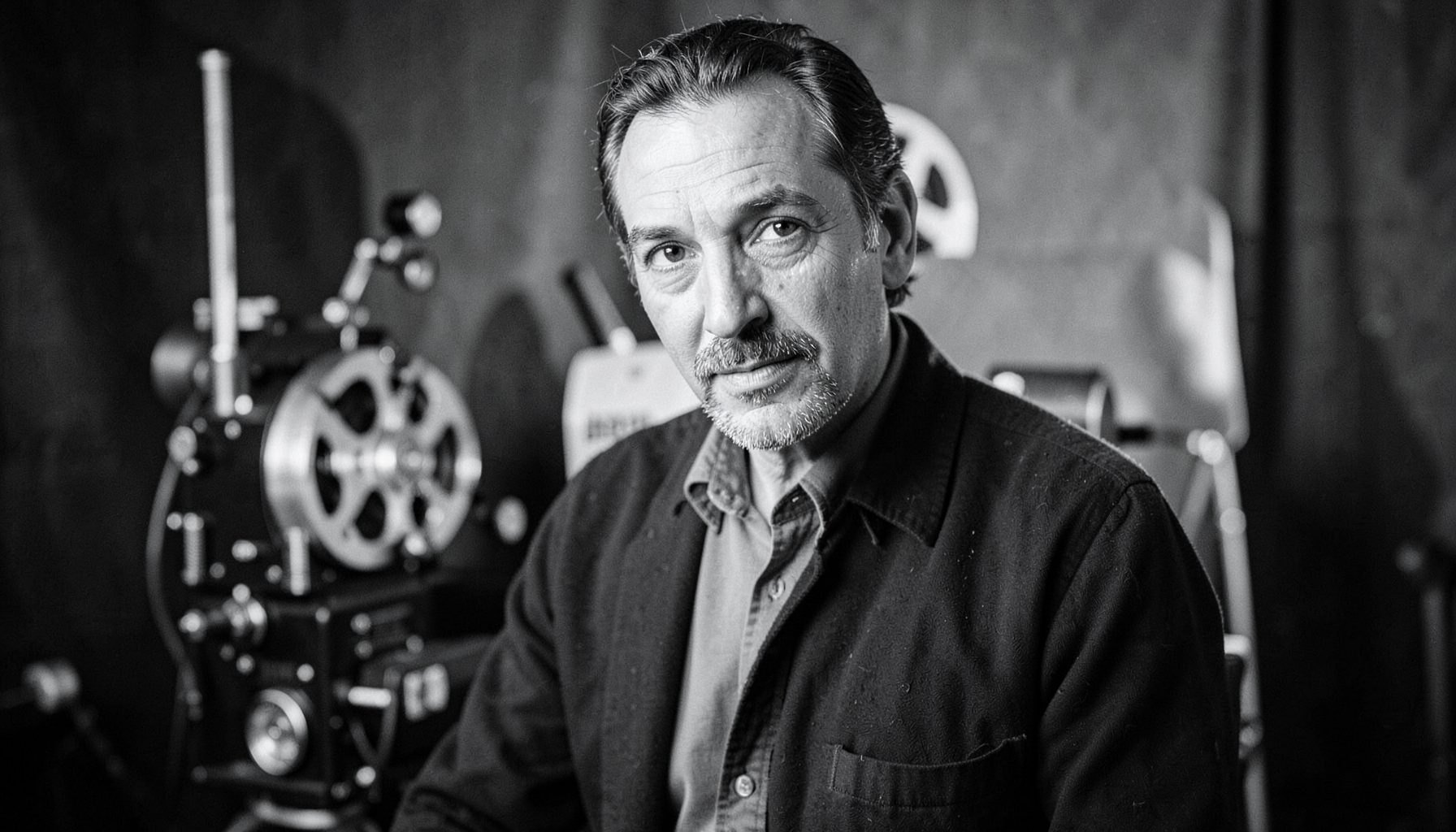
A rare interview with Micha Shagrir on covering the Yom Kippur War offers a close view of wartime journalism before satellite links, mobile phones and instant digital publishing. Shagrir was a filmmaker, producer, photographer and journalist whose work brought Israeli political and military events into homes while the conflict was still unfolding.
For Australian readers, the interview also provides a useful way to think about the relationship between images, memory and public history. Much as Australians revisit Vietnam reporting, the work of the ABC during major national crises, or photographic records held in Canberra and Melbourne, Shagrir’s testimony shows how an individual reporter helped shape the record of a national emergency.
| Aspect | Wartime reporting in 1973 | Archival value today |
|---|---|---|
| Technology | Film cameras, analogue sound and physical editing | Preserved negatives, prints, films and recordings |
| Working conditions | Uncertain access, military restrictions and delayed transmission | Materials can be compared, catalogued and researched |
| Public role | News footage informed citizens during an unfolding war | Primary sources reveal how events were framed |
| Personal record | Memory shaped by danger, urgency and responsibility | Interviews add context to images and official accounts |
A War Seen Through A Camera
The Yom Kippur War began on 6 October 1973, when Egypt and Syria launched coordinated attacks against Israel during Yom Kippur, the holiest day in the Jewish calendar. The first reports arrived amid confusion and disbelief. Military developments changed quickly, and journalists had to work within a security system that limited movement and controlled information.
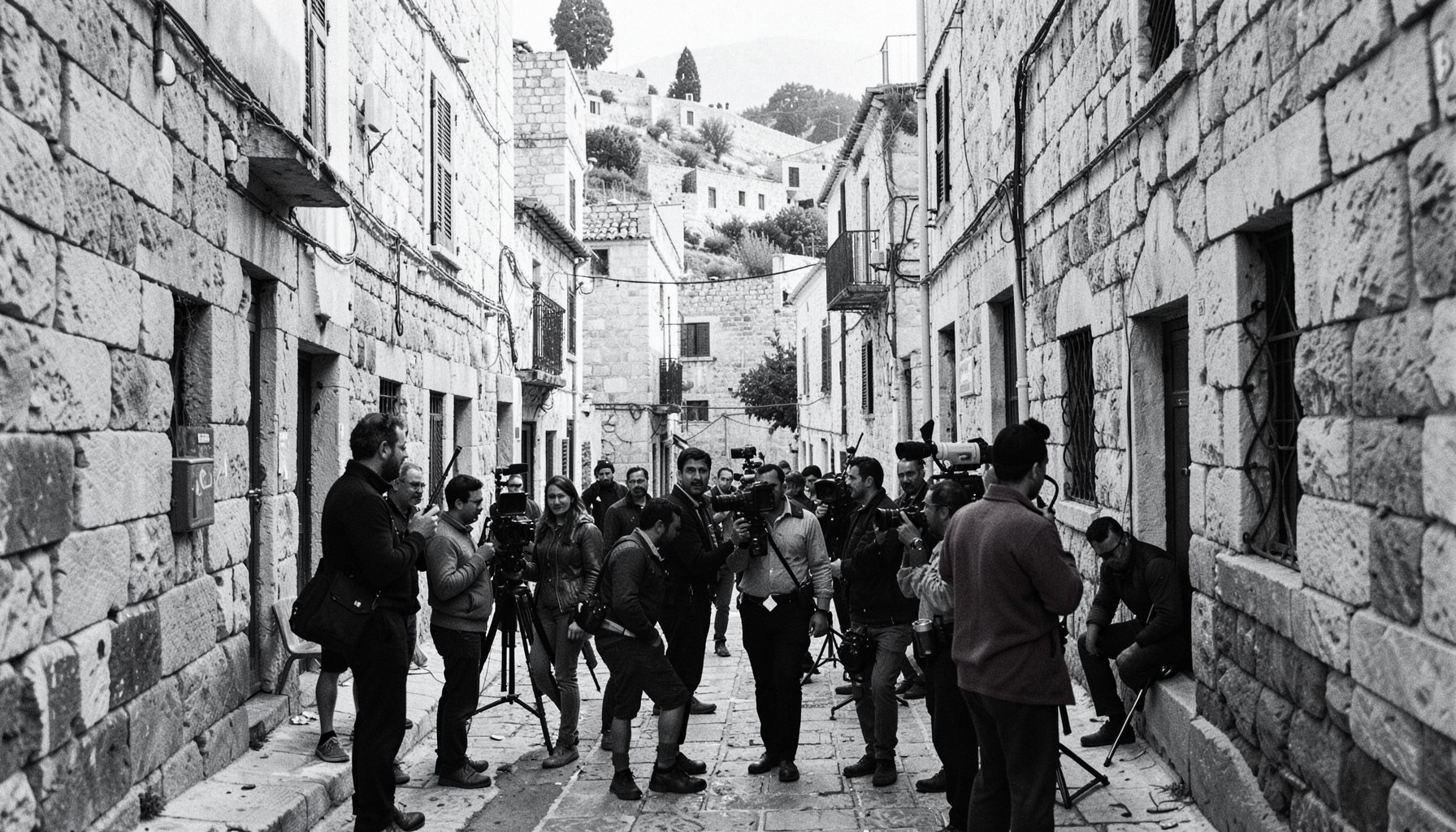
Shagrir’s experience belonged to a period when a camera crew carried substantial physical equipment and every metre of film mattered. A reporter could not instantly review material, correct a caption online or upload a clip from the field. Exposure, focus, sound and continuity had to be managed under pressure, often close to active combat zones.
That practical reality gives the interview its particular force. It is a record of how wartime images were made, rather than simply a catalogue of what they show. Shagrir’s recollections help viewers consider the choices behind each shot: where the crew stood, what could be filmed, which details were omitted and how material eventually reached an audience.
Memory, Evidence And The Interview
An interview recorded years after a conflict is neither a neutral transcript nor a replacement for contemporaneous evidence. Memory can sharpen certain scenes and soften others. Yet personal testimony can explain decisions that are invisible in finished newsreels, including the emotional strain of filming people who were frightened, injured or grieving.
This distinction matters when examining the Yom Kippur War through an archive. Official communiqués describe military operations in formal language, while photographs and documentary footage preserve atmosphere: damaged vehicles, exhausted soldiers, crowded roads and the uneasy pauses between reports. Shagrir’s voice connects those fragments to the working life of a journalist moving through them.
The interview can therefore be read alongside press coverage, military records and private papers. For researchers, the value lies in the combination of sources. A remembered account may prompt a new question about a photograph; a film reel may confirm the location of an event; a production note may explain why a sequence was edited in a particular way.
From Battlefield Images To Broadcast History
Shagrir’s career developed across several major transformations in Israeli media. His work linked field photography with documentary storytelling and television production, helping establish methods for bringing complex political events to a broad public. The war coverage was part of a larger professional practice in which journalism, filmmaking and national history often overlapped.
His earlier experience also shaped how he approached conflict reporting. The account of his work during the Six-Day War, preserved in a wartime jeep account, shows the continuity between different periods of field journalism. Mobility, improvisation and close observation remained important, but the political and emotional circumstances of 1973 were distinct.
The documentary form gave Shagrir room to do more than report immediate developments. It could place battlefield scenes beside interviews, landscapes, domestic reactions and institutional decisions. That broader frame is particularly valuable for audiences studying how a society understands a war while the consequences are still being felt.
The Human Cost Of Being Present
Wartime journalism carries an ethical burden. A camera can document evidence, honour victims and challenge official narratives, but it can also expose vulnerability. The journalist must decide when to keep filming, when to protect a subject’s dignity and how much context an audience needs to understand an image.
Shagrir’s interview invites attention to that burden without reducing his work to heroic adventure. Field reporting involved fear, fatigue, logistical problems and the knowledge that footage could influence public opinion. The distance between witnessing an event and shaping its later memory was often very small.
Australian viewers may recognise similar tensions in coverage of bushfires, floods and military deployments. Crews working around Sydney, Melbourne or regional communities frequently balance the public need for information with the privacy of people experiencing loss. The technology is faster now, but the ethical question remains: what does responsible witnessing require?
Preserving The Material Behind The Story
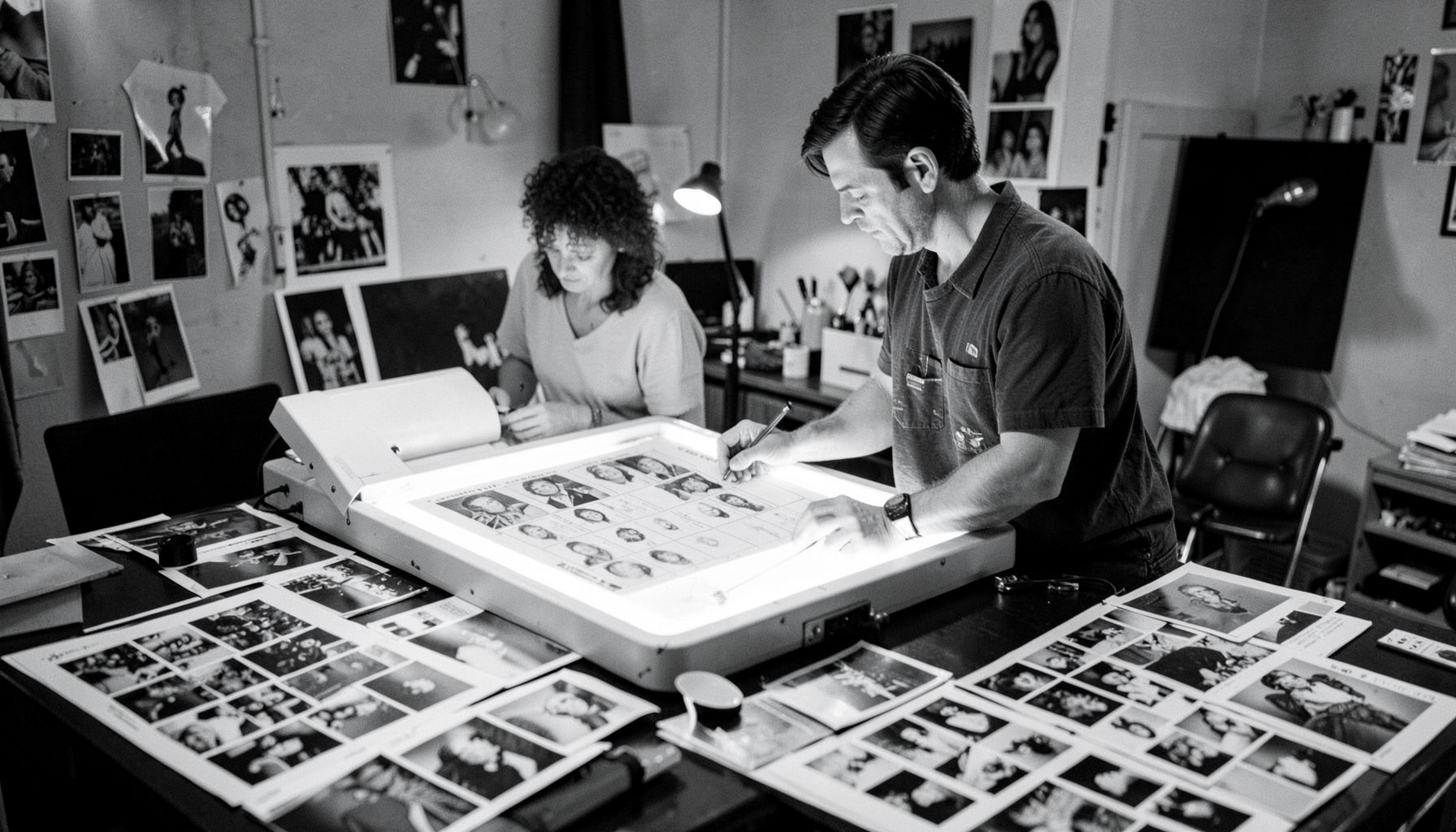
The Shagrir Collection extends beyond a single interview or completed documentary. Negatives, prints, film reels, recordings, papers and photographs preserve the working process behind public images. Such material can reveal alternate takes, handwritten captions, damaged frames and production decisions that disappeared from the broadcast version.
Preservation also changes the audience. A television viewer once encountered a finished report at a scheduled time, much as Australian households traditionally gathered for the evening ABC bulletin or watched a current-affairs programme after dinner. An archive allows a student, curator or researcher to return to the material repeatedly and examine it at a different pace.
This is especially relevant in Australia, where institutions such as the National Film and Sound Archive in Canberra safeguard audiovisual records that might otherwise deteriorate or become inaccessible. Analogue film requires careful storage, digitisation and metadata. The Shagrir Collection’s preservation work places personal records within that wider international responsibility to maintain audiovisual history.
Access, Rights And Public History
Making an archive available involves more than scanning a photograph or placing a film online. Rights may belong to photographers, production companies, estates, broadcasters or other parties. Researchers and educators need clear information about what they may reproduce, screen, quote or publish.
The collection’s copyright guidance is therefore part of the historical experience, not a separate administrative detail. It helps users understand the conditions attached to archival materials and encourages responsible reuse. This matters for Australian schools, universities, museums and independent publishers working under the Copyright Act 1968.
Access also depends on discoverability. A well-described image can support a classroom lesson about the Middle East, a university project on documentary ethics or an exhibition about twentieth-century photojournalism. A poorly identified reel may remain effectively hidden, even if it has been preserved in excellent physical condition.
Shagrir’s legacy is strongest when his work is studied in context: beside other reporters, civilian testimonies, military histories and changing broadcast practices. The collection’s account of a documentary unit’s impact shows how production structures can influence what a country sees and remembers.
The rare interview is valuable because it brings the individual reporter back into that larger history. It recalls a time when filming a war demanded patience, physical courage and technical discipline, while also exposing the judgement behind every image. Preserved alongside the photographs, recordings and papers of the Shagrir Collection, the testimony remains a living source for understanding journalism, conflict and the construction of public memory.