The Sixth Day Returns Through Digital Restoration
Micha Shagrir’s The Sixth Day is receiving a new digital life, bringing a significant Israeli film back into sharper reach for contemporary audiences. The upgrade is more than a technical exercise. It reconnects a work shaped by war, memory and public experience with viewers who may encounter it through a cinema program, classroom, archive or home screen. Learn more about 暗号資産のステーキング報酬の税金申告実務.
Restoring a classic: Shagrir’s film “The Sixth Day” gets a digital upgrade also creates an opportunity to reconsider how historical films travel. Original negatives, sound recordings, production papers and photographs can carry information that is easily lost when a title survives only through worn prints or imperfect copies.
For Australian viewers, the project has a particular resonance. Audiences accustomed to documentaries on SBS, repertory screenings at ACMI in Melbourne and archival programs in Canberra understand that moving images can function as both cultural works and historical evidence. A carefully prepared restoration gives each role room to be seen.
The Shagrir Collection provides the wider setting for this work. Its holdings place film production alongside journalism, photography and personal records, allowing researchers to examine how one filmmaker responded to the political and social pressures of his time.
A Film Re-enters Public View
A digital restoration begins by stabilising the film as an object. Technicians inspect surviving elements, identify the best source materials and create high-resolution scans before repairing damage frame by frame. Dust, scratches, warping, unstable exposure and torn sections can all affect the way an older film is understood.
The aim is not to make the work look artificially new. A responsible restoration preserves the character of the original while removing distractions caused by age and handling. Grain, contrast and texture remain part of the image’s identity, especially in a film whose visual language may depend on documentary immediacy rather than polished studio gloss.
This approach matters for The Sixth Day because historical films often reach later audiences through compromised copies. A clean master can restore visual information in faces, landscapes, uniforms, interiors and crowd scenes, helping viewers notice choices that earlier transfers obscured.
History Held In Moving Images
Shagrir’s filmmaking belongs to a period when Israeli cinema, news reporting and documentary practice were closely connected to national events. The film can therefore be read through several layers: as a crafted screen work, as a record of public mood and as evidence of the ways media interpreted conflict.
The surrounding archive deepens that reading. Shagrir’s photographs, papers and press work can reveal how ideas developed before a camera rolled, how locations were selected and how a finished film sat within a broader professional life. His coverage of the 1973 oil crisis demonstrates the value of placing moving images beside contemporaneous journalism.
For researchers, this wider context is essential. A film does not exist in isolation from headlines, military announcements, family recollections or public ceremonies. Comparing those sources can show where a film follows a dominant narrative and where its editing, framing or silences introduce another perspective.
What The Digital Upgrade Preserves
Image restoration is only one part of the process. The soundtrack may contain hiss, pops, dropouts and uneven volume, while dialogue can be masked by background noise. Sound specialists clean these defects carefully, avoiding the temptation to flatten every trace of the original recording environment.
That principle echoes the work of preserving Shagrir’s reel-to-reel recordings. Audio materials can preserve interviews, working conversations and atmospheric details that do not appear in a finished cut. When synchronised or studied alongside a restored film, they can illuminate production decisions and historical memory.
Digital files also require disciplined management. A master needs secure storage, technical documentation, checksums, multiple copies and formats suitable for future migration. Without that infrastructure, a successful scan can become another short-lived version rather than a durable archival asset.
From Archive Shelf To Australian Screen
An Australian presentation could place The Sixth Day within a strong local culture of public film education. The National Film and Sound Archive in Canberra has helped audiences understand why preservation requires both specialist care and public access, while ACMI in Melbourne regularly demonstrates how screen history can be presented through exhibitions and curated screenings.
The local market also shapes how an older Israeli film might circulate. Viewers may find it through a festival, a university program, a Jewish film event, a specialist streaming service or a library collection rather than a conventional commercial release. Subtitles, program notes and contextual talks become important parts of the viewing experience.
Sydney audiences, for example, are familiar with documentary and international cinema programs that combine a screening with discussion. In Australia, the post-screening conversation is often as valuable as the projection itself: it gives viewers a way to connect an unfamiliar history with questions about migration, military service, media responsibility and collective memory.
A digital master makes those uses more practical. It can travel without risking a fragile print, meet modern projection standards and support educational extracts where rights permit. The result is a film that can enter Australian cultural spaces without being separated from its original setting.
Reading The Film Across Generations
Older viewers may approach The Sixth Day through personal memories of the period it represents, while younger audiences may encounter it as a historical document. Neither response is automatically complete. Memory can be intimate and selective; archival distance can clarify patterns while overlooking emotional realities.
Restoration encourages a layered form of attention. Clearer images may reveal how editing creates urgency, how music guides interpretation or how a camera observes ordinary people during exceptional events. These details help audiences discuss the relationship between testimony and construction rather than treating documentary style as a guarantee of neutrality.
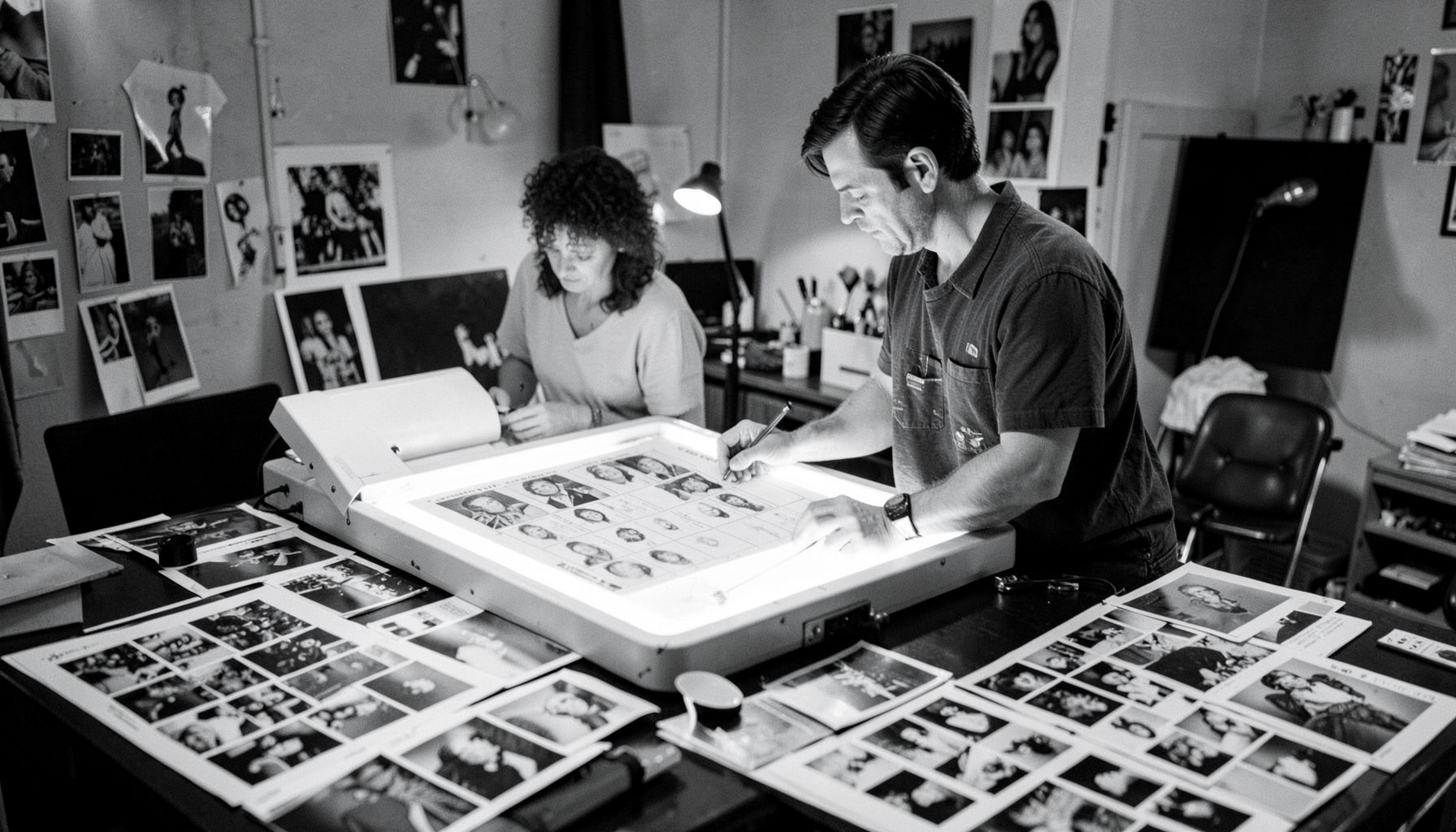
Researchers can also use the restored version alongside digitised newspapers, oral histories and photographic collections. The Shagrir Collection’s photo gallery offers a visual counterpart to the film, showing how still photography can preserve gestures, settings and encounters outside the moving image.
Archival Questions Worth Asking
- Which surviving element was used as the restoration source?
- What visual damage was repaired, and what texture was deliberately retained?
- How were original sound levels, music and spoken words checked?
- Which photographs, papers or recordings can be studied beside the film?
- What rights govern educational, festival and online screenings?
Digital Access And Archival Responsibility
Greater access brings responsibilities as well as opportunities. A digital copy can be downloaded, clipped and reposted quickly, yet context can disappear just as quickly. Film archives therefore need clear credits, dates, descriptions, language information and statements about what has been restored or altered.
Metadata is especially important for international audiences. Australian researchers may search by transliterated names, historical events, locations or production roles, while Israeli researchers may use Hebrew forms and local terminology. Good cataloguing connects these paths without reducing the material to a single label.
The financial and legal side of digital culture adds another layer. Archives must distinguish preservation masters from access files, record licensing terms and track permitted uses. Even discussions of newer digital ownership models, such as staking tax reporting, underline how quickly digital systems create specialised questions about records, value and accountability.
A Practical Viewing Framework
For audiences encountering the restored film through a festival or classroom, a small amount of preparation can make the experience richer. Historical background should support the film rather than dictate a single interpretation. Viewers benefit from knowing when and why it was made, while still having room to respond to its images and rhythms.
The same balance applies to online access. The online archive resource can be considered alongside the Shagrir Collection as part of a broader digital research environment, where primary sources, descriptive records and public-facing interpretation meet. Such resources are most useful when they show how evidence was gathered and preserved.
A viewing session might begin with the film, continue with selected photographs or production documents, and finish with a discussion of representation. This sequence allows the restored work to stand on its own before archival context expands the conversation.
Ways To Approach The Restored Film
- Watch first for editing rhythm, framing and changes in visual scale.
- Note moments where private experience meets public history.
- Compare the film’s images with related photographs or press material.
- Listen for shifts in voice, music, silence and ambient sound.
- Record questions about what remains unseen or unexplained.
Preservation, Access And Future Audiences
The value of the digital upgrade can be understood through the different forms in which The Sixth Day may now exist. Each version serves a purpose, and none replaces the others completely.
| Format | Primary Strength | Main Limitation |
|---|---|---|
| Original film element | Closest surviving physical source | Fragile, vulnerable to decay and difficult to screen |
| Preservation scan | High-resolution basis for future work | Requires specialist storage and technical management |
| Restored digital master | Best balance of image, sound and access | Depends on accurate restoration decisions |
| Streaming or access file | Convenient for broad audiences | Compression can reduce detail and change presentation |
| Exhibition projection | Supports shared viewing and discussion | Availability depends on venue, rights and programming |
For the Shagrir Collection, preservation is therefore inseparable from interpretation. A restored title can support exhibitions, research, teaching and public memory only when its provenance remains visible. The technical file, the archival description and the surrounding personal records should continue to point towards one another.
The renewed life of The Sixth Day demonstrates what a digital upgrade can achieve at its best. It protects a vulnerable work, improves the viewing experience and opens a route between Israeli history and audiences in places such as Melbourne, Sydney and Canberra. Its significance lies in the restored images, but also in the conversations those images can continue to generate.