
Micha Shagrir And The 1973 Oil Crisis In Israeli Press
The 1973 oil crisis was experienced through more than petrol prices and diplomatic statements. In Israel, it unfolded alongside the Yom Kippur War, military mobilisation, international isolation and a rapidly changing news environment. Newspapers and broadcasters had to explain how a conflict in the Middle East could affect transport, household budgets and the country’s place in the global economy. Learn more about Shagrir S Personal Diary Entries On Filming During The Lebanon War 22b14f.
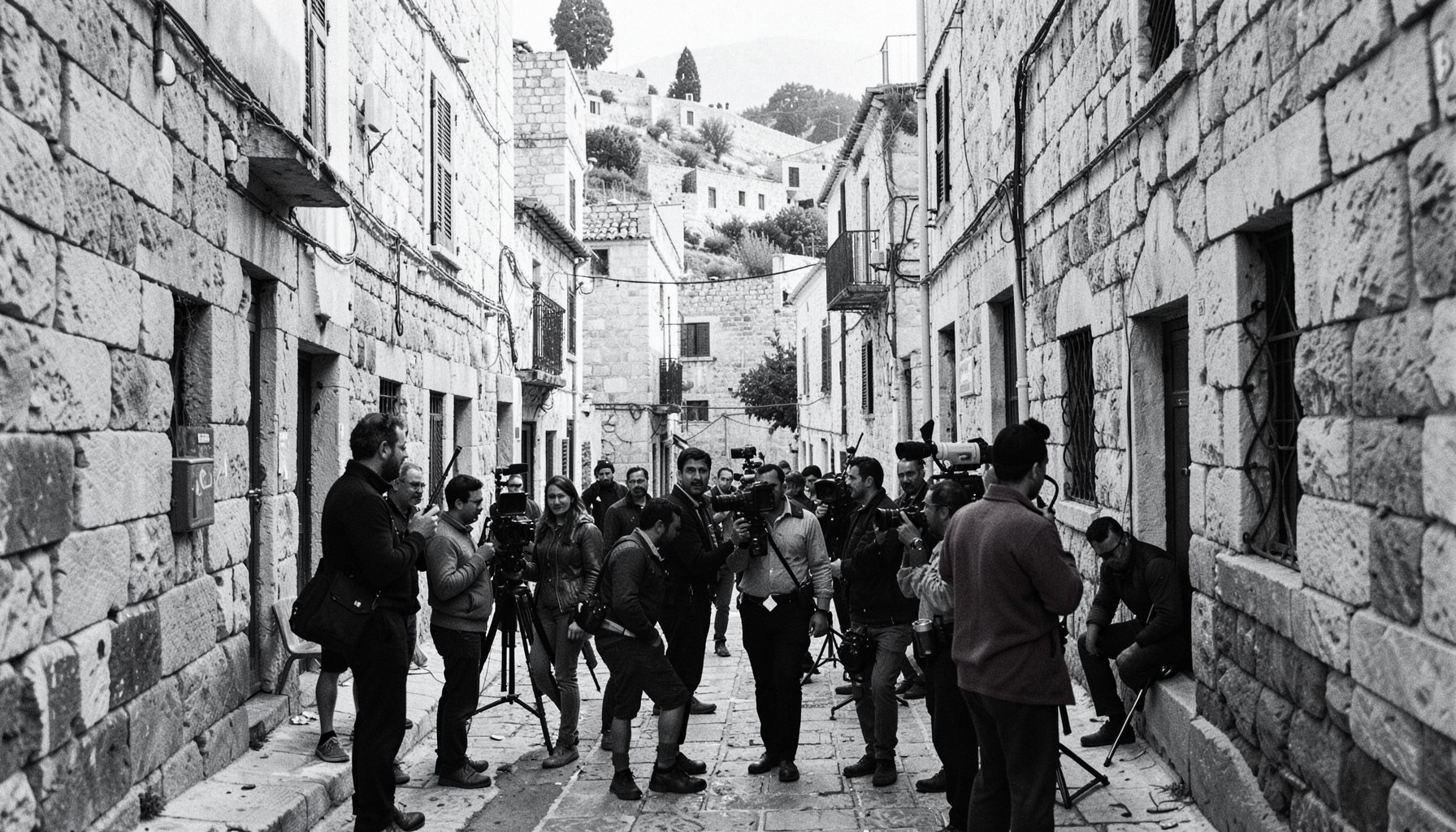
Micha Shagrir’s work offers a way to study that period through the relationship between journalism and lived experience. His photographs, films, papers and production records can reveal how energy insecurity was represented: through queues, altered routines, official announcements, fuel-saving measures and the anxious tone of public conversation.
The surviving material is valuable because press coverage is rarely neutral or complete. Headlines compress events, while images select particular streets, faces and moments. An archive allows researchers to compare those public representations with production notes, personal records and the physical evidence of how news was made.
For Australian audiences, the subject has a familiar immediacy. Petrol prices shape commuting in Sydney and Melbourne, freight costs affect supermarkets from Brisbane to Perth, and the word “servo” is part of everyday language. Looking at Israeli press coverage in 1973 also helps explain how a distant geopolitical shock can become a local story about mobility, work and household security.
The Archive As A Record Of Crisis
The Shagrir Collection brings together the kinds of primary sources needed to examine this history closely. Negatives, prints, films, recordings and personal papers can show how a story moved from an event in the street to a published or broadcast report. They also preserve the practical decisions behind the image: where a photographer stood, what was excluded and which scenes were considered newsworthy.
A press photograph of a service station, for example, may appear straightforward, yet its meaning depends on context. Was the image made during a supply disruption, a government announcement or a period of public speculation? Were drivers waiting for fuel, protesting its cost or simply passing through an ordinary station? Captions, dates and related documents can turn an isolated frame into historical evidence.
The collection’s significance extends beyond individual images. It helps map the media systems of Israeli society during a period when newspapers, television, radio and documentary film influenced one another. Shagrir’s career connected journalism with filmmaking and visual storytelling, making his archive especially useful for tracing how the oil shock was framed across different formats.
War, Embargo And The News Cycle
The 1973 oil crisis cannot be separated from the Yom Kippur War. Arab oil-producing states used petroleum exports as a tool of international pressure after the war began, while Israel faced intense military and diplomatic scrutiny. Israeli news organisations therefore reported on energy through several overlapping stories: national survival, foreign policy, economic vulnerability and the daily management of scarcity.
This combination placed pressure on journalists. Official information could be limited, delayed or shaped by security concerns. Editors had to make a global energy dispute understandable without losing sight of the immediate military situation. Images of transport restrictions or fuel conservation could communicate consequences that official language made abstract.
Shagrir’s visual record is useful precisely because it can be read against these pressures. A photograph may show what the authorities wanted the public to notice, but it may also reveal unintended details: an empty road, a crowded bus, a handwritten notice or a shopkeeper’s changed routine. Such evidence gives historians a richer sense of how the energy emergency entered ordinary life.
Images Of Shortage And Movement
The oil shock was fundamentally a crisis of movement. Cars, buses, delivery trucks, military vehicles and commercial shipping all depended on reliable fuel supplies. In Israel, a small country with security concerns and a highly visible military presence, changes in mobility carried practical and symbolic weight. A quiet road could suggest conservation, fear or restricted access, depending on the surrounding circumstances.
Photojournalism often translates economic conditions into human-scale scenes. A driver waiting at a pump, a bus carrying more passengers than usual, or a government poster urging restraint makes an international dispute tangible. The image does not need to show an oil tanker or a diplomatic meeting to communicate the reach of the crisis.
This visual language remains recognisable in Australia. A long drive between regional towns, school runs in outer Melbourne, or freight journeys across Western Australia all make energy dependence visible. Australians also understand how a sudden rise in pump prices can affect café deliveries, tradespeople, farmers and weekend travel. Those local realities provide a useful comparison without treating the Israeli experience as identical.
The Economic Story Behind The Headlines
Press reports about petroleum supply were also reports about prices, employment and confidence. A rise in fuel costs could flow through transport, food distribution and manufacturing. Newspapers had to explain technical developments such as production cuts, export restrictions and international negotiations while addressing a basic public concern: how much more would everyday life cost?
For Israeli readers, the economic story was intensified by the demands of war. Military expenditure, reserve mobilisation and uncertainty about imports created a tense background to discussions of household consumption. News coverage could therefore present conservation as a civic responsibility rather than a simple personal choice.
The reporting also shows how media can give an economic crisis a moral vocabulary. Drivers might be portrayed as patient citizens, careless consumers or victims of poor planning. Officials could appear practical, evasive or paternalistic. Studying these choices helps identify the assumptions behind the news, including who was expected to absorb inconvenience and whose needs received priority.
Comparing Israeli And Australian Media Habits
An Australian comparison raises useful questions about scale and media culture. In 1973, Australian audiences received international news through newspapers, television bulletins and radio, including the ABC, while Israeli audiences encountered the crisis through a more immediate regional and wartime lens. The same oil-market development could therefore carry different emotional and political meanings.
The comparison also involves geography. Australia’s dispersed cities and long freight routes make fuel supply a major concern, while Israel’s compact territory and security environment produce a different relationship with roads, borders and strategic infrastructure. Sydney commuters, Queensland road hauliers and Perth households may recognise the economic pressure of a fuel shock, but not the same historical circumstances.
Visual presentation matters as well. A modern viewer accustomed to mobile alerts and online video may overlook the pace of 1970s journalism. Photographs travelled through physical newsrooms, film was processed before publication, and broadcast schedules imposed firm limits. The archive makes that slower production process visible, much as a study of minimal visual design can reveal how restraint directs attention.
Reading The Materials As Historical Evidence
Researchers should approach the collection as a layered record rather than a ready-made narrative. A negative may preserve a scene that was cropped in print; a contact sheet may show alternatives an editor rejected; a diary entry may reveal uncertainty that never appeared in a finished report. Comparing these sources can distinguish between what happened, what was photographed and what was ultimately presented to the public.
Dates and provenance are particularly important. A photograph associated with the oil crisis may have been made before the embargo, during a later shortage or in response to a political announcement. Production notes, newspaper clippings and broadcast records can help establish sequence. This method is valuable for students, curators and journalists who want to avoid turning a powerful image into unsupported proof.
Personal writing can also illuminate the emotional demands of documentary work. Shagrir’s filming diary records show why working notes matter when studying journalism made under pressure. Though connected to a later conflict, such records encourage researchers to examine uncertainty, exhaustion, logistics and ethical judgement alongside the finished image.
Preserving Access To A Shared History
The value of the 1973 material depends on preservation and access. Film, paper, magnetic recordings and photographic negatives require different conservation strategies, while digitisation must retain information about dates, formats and original order. A searchable collection allows researchers to connect a single photograph with related documents rather than treating it as an isolated illustration.
Educational access can make this history meaningful beyond specialist scholarship. Students might compare a Shagrir image with Australian newspaper coverage of the oil shock, investigate how fuel prices affected local communities, or study the language of public conservation campaigns. Projects such as Startuanit’s archive work also point to the importance of connecting cultural memory with public participation and accessible digital resources.
The collection’s broader lesson is that energy crises are recorded through habits as much as announcements. The choice to drive, wait, conserve, report or remain silent can become historical evidence. Shagrir’s archive preserves the visual and personal traces needed to understand how a global petroleum shock became part of Israeli public life.
Practical Ways To Study The Archive
- Compare photographs with contemporary newspaper captions and headlines.
- Trace how fuel shortages were connected to the Yom Kippur War in different media.
- Look for evidence of changed transport, work patterns and household routines.
- Record dates, locations, formats and provenance before interpreting an image.
- Compare Israeli coverage with Australian reporting from Sydney, Melbourne or regional communities.
- Use personal papers and production notes to identify what finished broadcasts left out.