
Micha Shagrir and the Birth of the Israeli Documentary Forum
Micha Shagrir spent his career moving between camera operator, producer, and chronicler of public life in Israel. By the late 1970s he had produced hundreds of news segments and several feature-length nonfiction works, and began to think about the structural gaps that shaped how Israeli documentary filmmakers operated in isolation. Conversations with colleagues in places as distant as Sydney and Tel Aviv revealed a shared frustration: there was no dedicated body advocating for the form, its archives, or its practitioners. Learn more about ブログの記事ネタを無限に考えるためのキーワードリサーチツール活用.
Israeli television of the 1970s was dominated by news and entertainment divisions, while cinema authorities focused on dramatic features. Documentary producers often negotiated funding, distribution, and censorship on a project-by-project basis, without any representative organisation watching over the field. The result was a vibrant but fragmented scene, with films preserved in scattered personal collections and broadcaster vaults.
In the spirit of Australian filmmakers organising through the Australian Film, Television and Radio School in Sydney and the Australian Centre for the Moving Image in Melbourne, Shagrir began assembling a coalition. His efforts led to the founding of the Israeli Documentary Forum, an independent gathering of directors, editors, cinematographers, and producers seeking a shared platform.
The Spark: Visions for a Shared Documentary Community
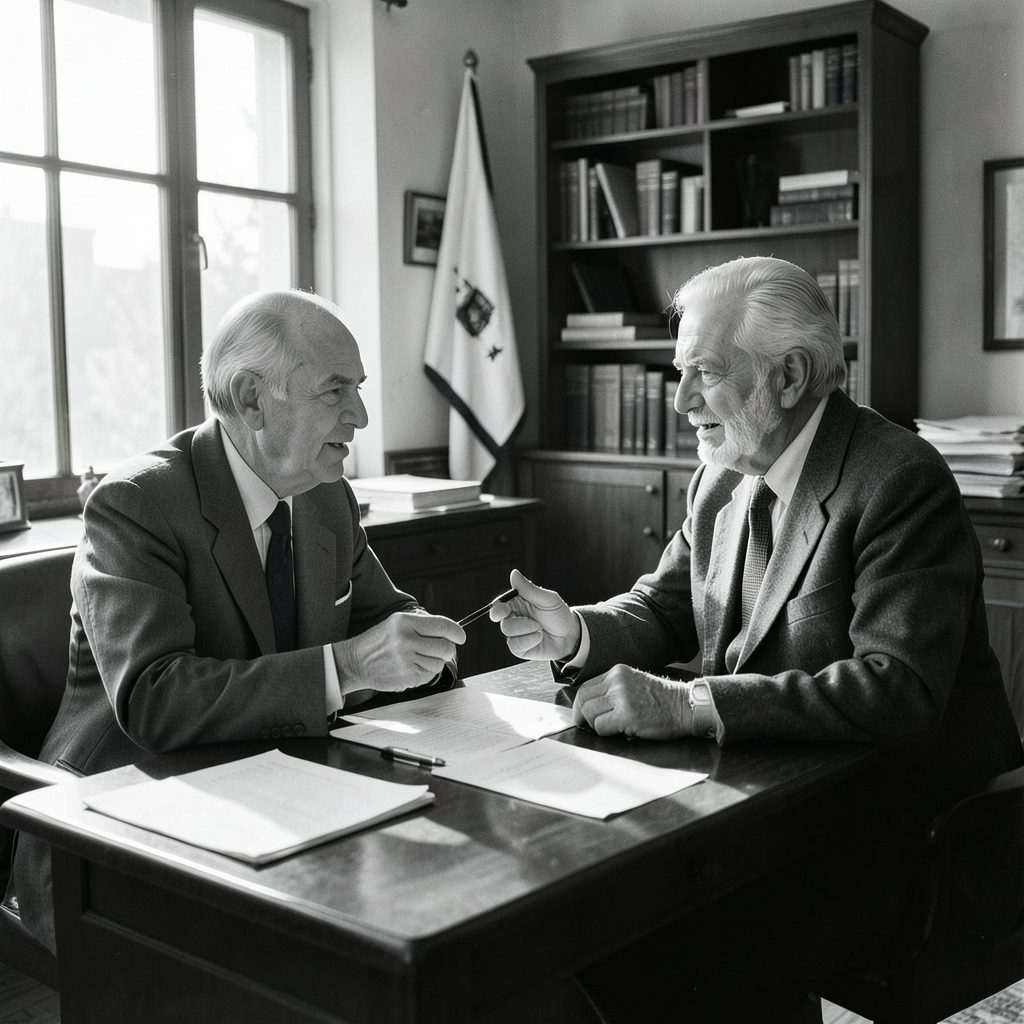
The push for the forum grew out of weekly meetings at Shagrir's Tel Aviv production offices in 1978 and 1979. He invited younger filmmakers, senior correspondents, and public broadcasting editors to argue through what an association might deliver. Discussions ranged from joint negotiating positions with state television to coordinated preservation of deteriorating film negatives.
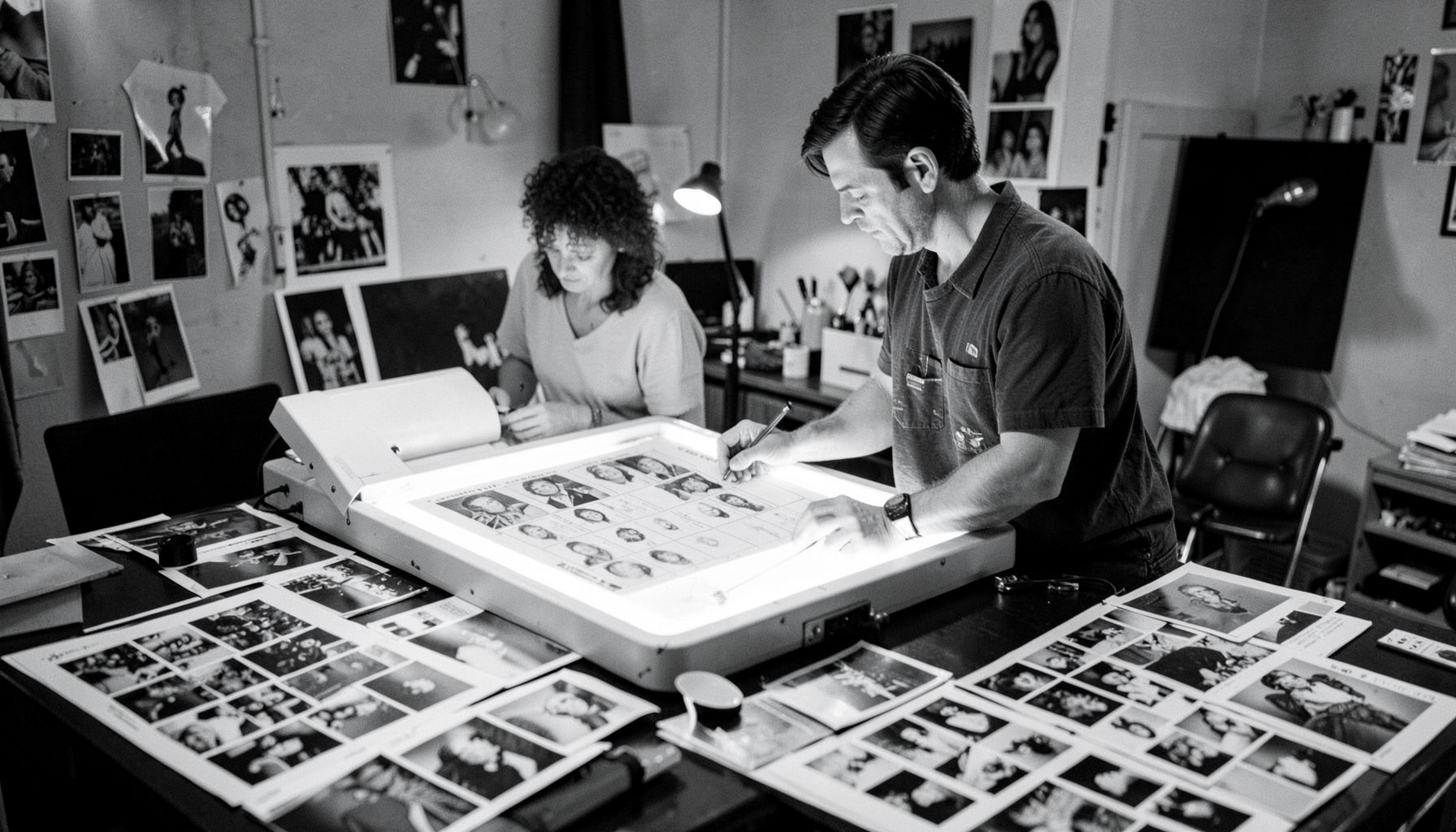
Shagrir's own collection, which now forms the basis of cataloguing personal papers within the Shagrir Collection, was substantial by this stage. He brought boxes of contact sheets and 16mm reels to gatherings as concrete evidence of what was being lost. The argument was straightforward: if individual filmmakers could not guarantee survival of their own work, a collective body had to step in.
Shagrir sketched a draft charter that borrowed from broadcasting unions, screen guilds, and academic centres he had visited abroad, including materials gathered during reporting trips across regional Australia.
Founding Members and Coalition Building
The founding membership drew from across the Israeli cultural map. Alongside Shagrir sat veteran correspondents from the country's main broadcaster, independent producers working on social-issue films, and academics who taught documentary at the university level. Several had trained overseas, and a few had spent time in fellowship programs attached to the Australian Broadcasting Corporation in Sydney, observing how public-service media structured its nonfiction output.
Reaching consensus took more than a year of meetings and heated exchanges about the forum's scope. Critics argued a body focused only on documentary would be marginalised, while supporters insisted the form had distinctive needs around funding cycles, archival rights, and editorial independence. The compromise charter covered both production concerns and preservation of completed works, mirroring structures successful documentary bodies abroad had refined over decades.
Coalition building extended beyond filmmakers to sympathetic civil servants, cinema club organisers, and cultural-page journalists. Their involvement gave the nascent forum access to meeting rooms, printing facilities, and small cash grants. By the first public assembly in 1980, it had the air of an institution rather than a pressure group.
Archival Foundations and the Power of Primary Sources
A central plank of the forum's mission was treating finished films, rushes, and outtakes as cultural heritage rather than disposable production material. Shagrir lobbied for centralised cataloguing, trained volunteers to handle fragile negatives, and arranged temperature-controlled storage for donated materials. The model drew on initiatives like the National Film and Sound Archive in Canberra, which treated Australia's moving-image collection as a public trust.
The forum became a conduit for international exchanges, with visiting researchers able to access specific reels while Israeli filmmakers gained introductions to overseas archives and festivals. The letters with filmmakers abroad maintained by Shagrir document this painstaking network-building without digital communication tools.
Documentation standards grew stricter as the forum matured. Members agreed on minimum metadata for films entering the shared collection: shooting dates, locations, rights holders, and technical specifications. This paperwork was tedious, but it meant future researchers, including those using the about the collection resources on the modern Shagrir Collection site, could navigate holdings spanning decades.
Navigating Institutional Hurdles and Government Attitudes
Securing formal recognition from the Israeli government proved harder than recruiting filmmakers. Civil servants questioned whether a body representing such a small corner of the industry warranted public engagement, and arts budgets were repeatedly cut during economic strain. Shagrir responded by framing the forum in language bureaucrats understood: cultural diplomacy, education, and national memory.
He also worked to soften suspicion among commercial broadcasters, who worried a unified documentary lobby might press for unwelcome regulation. Tours of producers' facilities and private screenings in cinema clubs across Tel Aviv and Jerusalem built goodwill. The strategy reflected practical realism shared by community screen organisations in places as varied as Melbourne's ACMI and regional broadcasters in regional New South Wales.
Reaching new audiences required creative funding approaches. The forum experimented with screening tours, partnership boxes, and promotional partnerships with online platforms, exploring structures such as no-deposit bonuses tied to cultural sign-ups to build mailing lists without straining grant budgets. Shagrir remained wary of overt commercialism but pragmatic enough to test ideas that brought new viewers to documentary work.
Programs, Screenings, and Cultural Exchange
Once operational, the forum ran an ambitious slate of activities. It organised an annual documentary showcase touring cities including Haifa, Beersheba, and Tel Aviv, pairing Israeli works with curated selections from abroad. Master classes brought visiting editors and cinematographers to share technique with local practitioners, and a modest grants scheme supported first-time directors working on social-history subjects.
Outreach extended beyond Israel's borders. Delegations attended the Sydney Film Festival, observing how Australian audiences responded to politically engaged nonfiction work. These exchanges fed back into the forum's programming, broadening the cinematic language its members defended. For Shagrir, the international dimension validated an idea he had nursed since his earliest field reports.
Member filmmakers also contributed to research collectives, building catalogues of themes, places, and figures that documentary makers might revisit in future projects. The methodical approach resembled how modern researchers use a keyword research tool to surface gaps in source material, a parallel Shagrir would have appreciated given his archival instincts.
Lasting Influence on Israeli Nonfiction Cinema
The forum outlived its founding controversies and played a stabilising role for the documentary community through the following decades. It influenced later grant schemes, framed debates around archival access, and provided a collective voice when political pressure on documentary subjects intensified. Many of its earliest initiatives were later absorbed into the Israel Film Archive and other public institutions.
The forum also left a methodological inheritance. Members who had cut their teeth on cataloguing projects carried habits of careful documentation into later work, still traceable in how contemporary Israeli nonfiction projects treat their sources. Shagrir's own archive, preserved and shared through the Shagrir Collection, stands as a tangible continuation of the same instinct that first pushed him to organise a shared body in the late 1970s.
| Organisation | Country | Founding Era | Primary Focus |
|---|---|---|---|
| Israeli Documentary Forum | Israel | Late 1970s | Producer advocacy and archival preservation |
| Australian Broadcasting Corporation Documentary Unit | Australia | Mid-20th century | Public-broadcaster nonfiction commissioning |
| National Film and Sound Archive | Australia | 1984 (modern form) | Moving-image and recorded-sound preservation |
| British Film Institute | United Kingdom | 1933 | Cultural programming and archival stewardship |
Practical Lessons for Documentary Communities
- Establish a clear charter that defines the relationship between production support and archival stewardship.
- Build coalitions that span broadcasting, academia, and independent producers to avoid narrow interests.
- Allocate space in founding budgets for physical storage, climate control, and trained cataloguers.
- Cultivate international partnerships early, treating peer organisations as reference points rather than competitors.
- Use plain language when engaging public funders, framing documentary work around heritage, education, and diplomacy.
- Document every meeting in writing, knowing that institutional memory often outlasts individuals.