
Micha Shagrir’s Haaretz years and a visual reporting legacy
The Shagrir Collection offers an unusually layered view of a journalist’s working life. Micha Shagrir’s collaboration with Haaretz joined daily newspaper reporting to a wider ambition: recording how Israeli political, military and social history appeared to the people living through it. Negatives, prints, films, recordings and personal papers now sit beside the public record.
Both the published story and the materials behind it matter. A dispatch has a source, an editor, a headline and a page; a photograph has a framing, a caption and an implied argument. Shagrir’s archive allows researchers to examine those choices, revealing an approach to observation that later fed into documentary filmmaking.
For Australian readers, the material offers distance and familiarity. Haaretz belongs to a distinct Israeli press culture, yet local newspapers, public broadcasters and community publications have faced similar tensions in covering distant conflict and divided communities. The collection brings those questions into a digital archive where photographs and documents reward slow, careful examination.
Haaretz and the craft of witnessed history
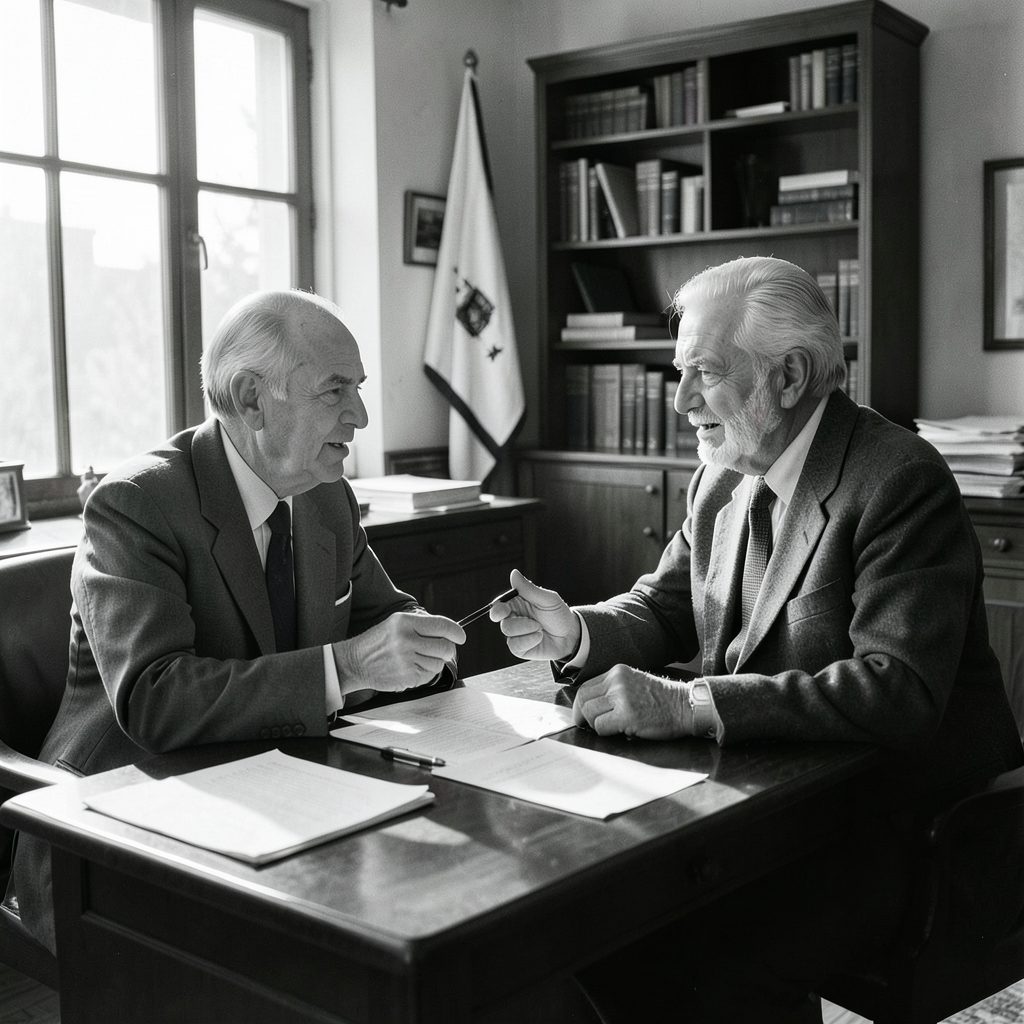
Haaretz, established in Tel Aviv in 1918, occupied a central place in Israeli public life. For Shagrir, it was an editorial environment where reporting, argument and visual documentation met. Assignments across political, military and social affairs demanded accuracy without certainty, often requiring different versions of the same event to be tested against one another.
The exhibition preview of Shagrir’s Israel Museum retrospective places that career within a museum setting, bringing film, photography and journalism into a single frame. The presentation suggests continuity rather than a clean break: observing a subject, questioning the official account and preserving material that might otherwise disappear.
The newspaper years show how swiftly a local observation could become a national story. Notes and working photographs can be read beside the finished copy, exposing what was added, omitted or translated into headline. This makes the collection valuable beyond biography, since it documents the daily production of public knowledge during a contested period in Israeli history.
Reporting conflict beyond the dispatch
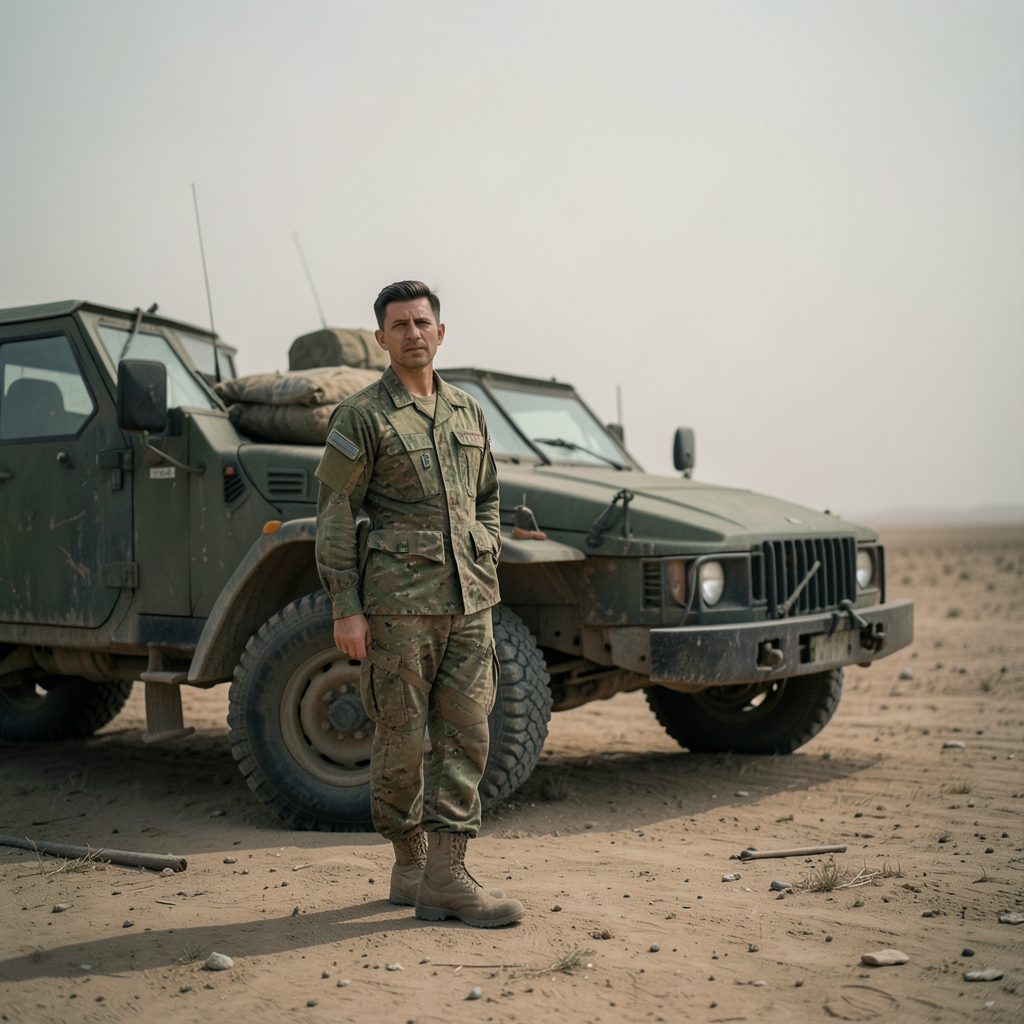
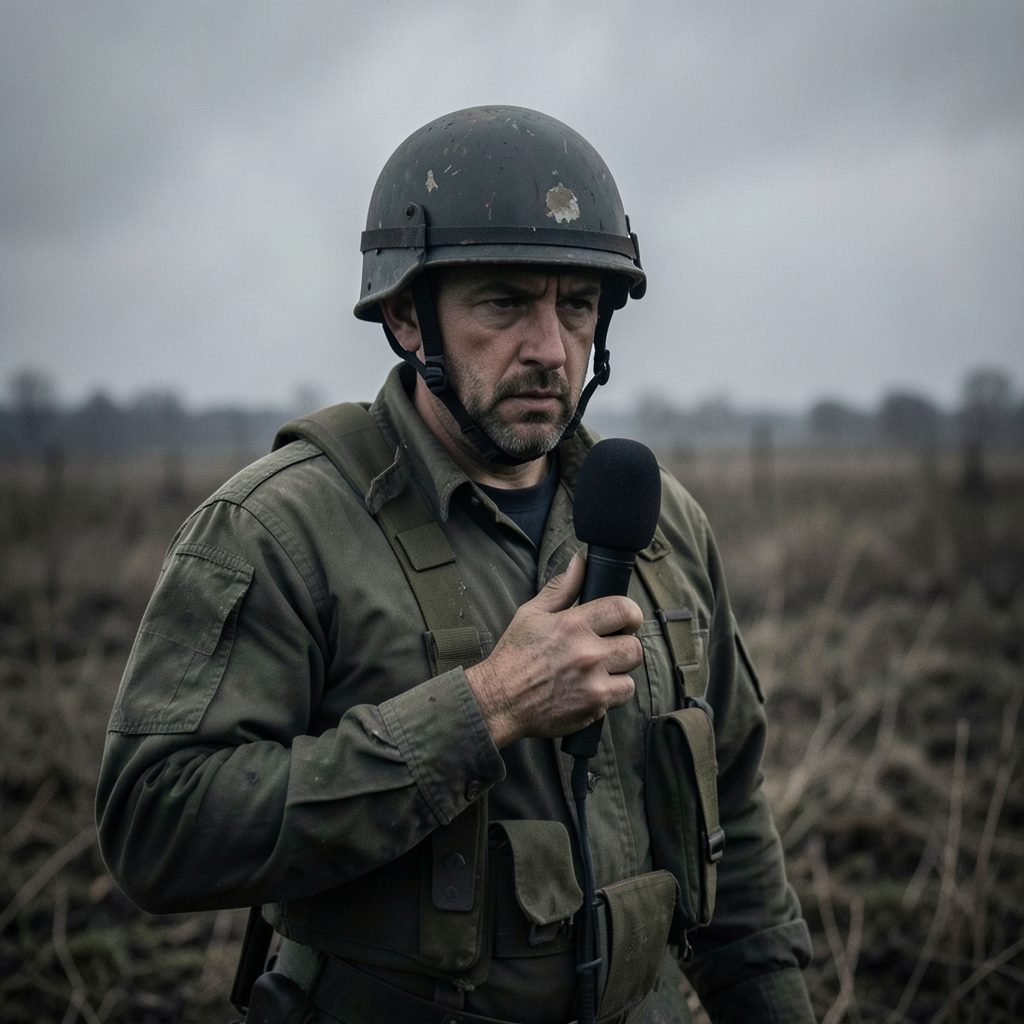
Military and social history occupy a substantial part of the collection. Shagrir’s proximity to events often produced questions rather than certainty: photographs recorded uniforms and fatigue, while articles supplied names, claims and consequences. Together, they show how newspapers turned individual scenes into collective narratives.
That process carries ethical weight. Covering border regions or divided communities required decisions about whose words received space, how casualties were described and which evidence was excluded. The archive supports examination without assuming bad intent. It asks how journalist, editor and publication worked together to represent people already under pressure.
Australian readers will recognise the discomfort of a headline-driven news cycle. The digital products associated with The Age, the Sydney Morning Herald and The Guardian Australia reward immediacy in a crowded market. Talkback radio and opinion columns often use blunt conversational shorthand, where a label such as “spin” can travel faster than the sourcing behind it.
The camera beside the newspaper column
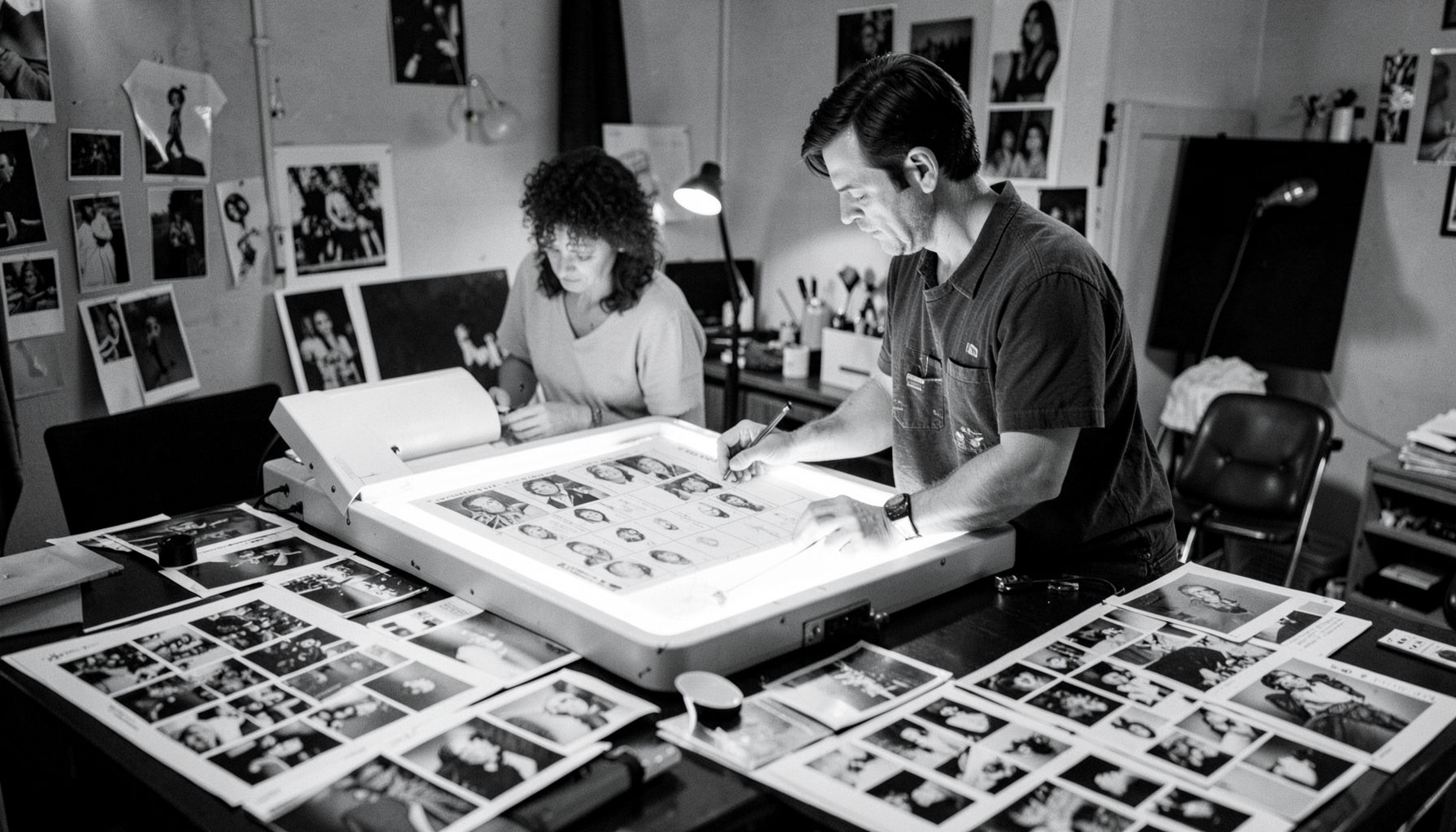
Shagrir’s photography gave his newspaper work a visual counterpoint. A written account explains sequence and motive; an image can hold ambiguity. Negatives preserve the full frame, while a newspaper reproduction shows what cropping and page design retained.
The collection’s photograph gallery allows viewers to move among personal, documentary and historical images rather than treating photography as one uniform body of work. Captions, dates and identifiers support a more rigorous search than casual browsing. For researchers, each image opens a route into a region, a period or a network of people.
Australian audiences often see conflict imagery circulated by news agencies, stripped of the photographer’s route into the scene. Shagrir’s prints keep that route closer to the viewer. They also preserve quieter evidence—a gesture, an occupied room, a damaged structure—that can complicate an official explanation without replacing it.
What survives in the Shagrir archive
Archives are arguments about what deserves to survive. A Haaretz clipping proves that a story was published; a notebook may reveal why a witness was approached; a reel of film may capture a voice absent from the page. The range of negatives, prints, films, recordings and papers allows the record to be tested from several directions.
Provenance is therefore more than administrative detail. Dates, names, locations and editorial references show how an item travelled from event to archive and from archive to reader. They identify the boundary between an original record and a later reconstruction, while helping scholars connect a newspaper image with film, testimony and photographic annotations.
Digital access widens the circle of researchers in Melbourne, Perth, Adelaide and regional towns, where travel once limited access to specialist collections. Students can move from one image to a wider historical argument. The archive does not replace conservation, but it creates public value for that work and reveals unclear captions that staff may not have had time to pursue.
From newspaper pages to a people’s book
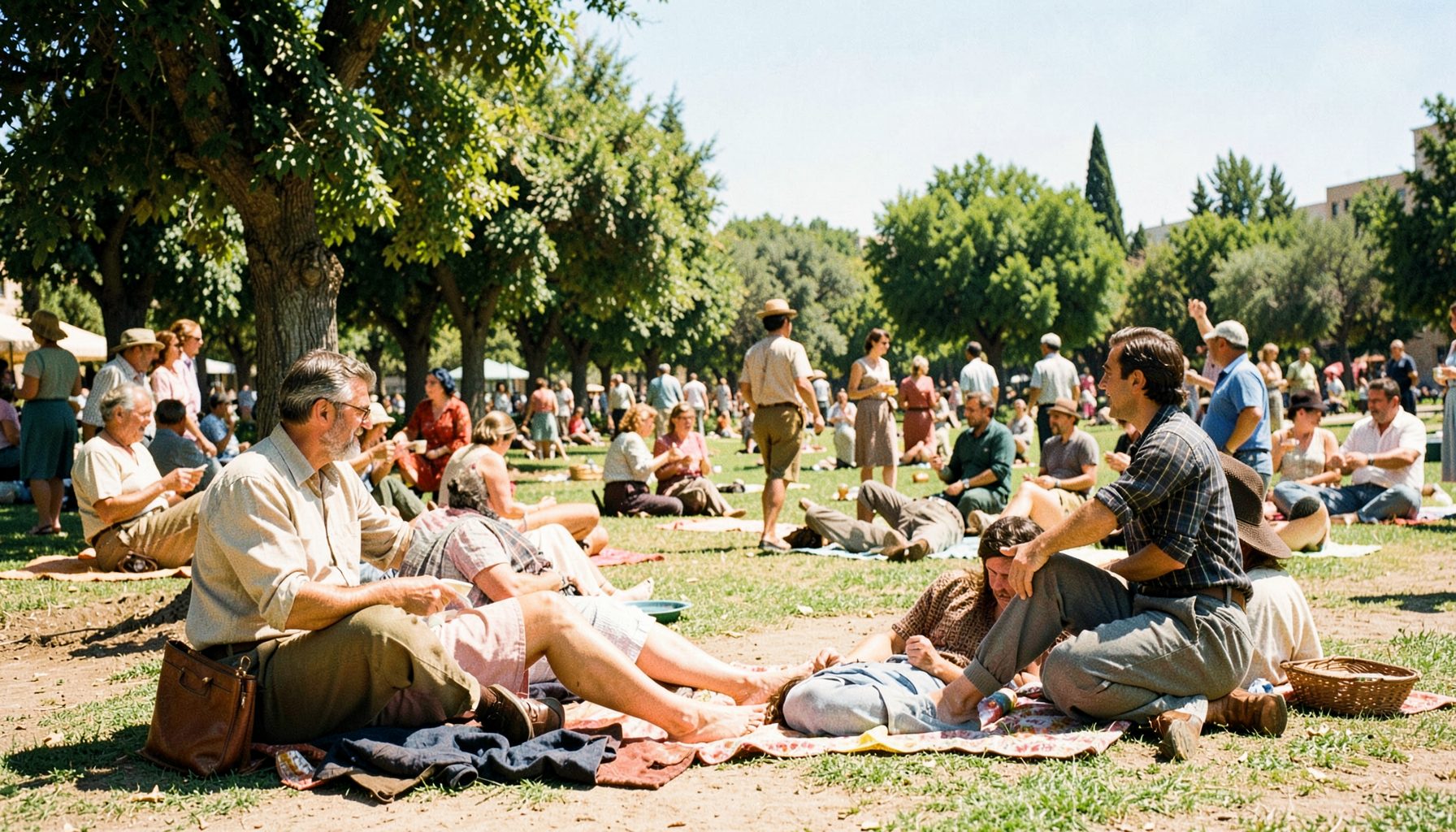
When Shagrir’s photography moved into books, many questions from his newspaper years returned. A sequence must build an argument, but it must not turn people into types. The archive’s book-making account of People of the Land documents the process behind the photographic publication and offers a case study in selection, pacing and responsibility.
The shift from periodical journalism to a bound book changes the pace of public attention. A newspaper can hold a developing story; a book compresses years into a chosen sequence, with no next edition to correct its emphasis. Accurate captions, reliable dating and an account of how images were gathered become essential to their historical weight.
For Australian photographers, independent publishing guidance can clarify how editing, design, proofing, printing and distribution affect the final object. Independent bookshops, public libraries and university presses can then supply context that a reproduced image alone cannot.
A newspaper partnership in a changing media market
The newspaper partnership also belongs to an industry that has changed substantially. Shagrir’s era treated the publication as a daily civic institution, with news, letters, culture and opinion in the same physical object. Australian readers have watched their titles move towards digital subscriptions, specialist weeklies and mixed free-and-paid models, often with less funding for sustained foreign correspondence.
Local community publishing adds another Australian parallel. Melbourne’s Jewish News provides readers with a familiar route into events in Israel and the Australian diaspora. Such outlets connect international history to family networks, religious institutions and local debates. They also show why a national newspaper’s account cannot be treated as the only public voice available to a community.
Public broadcasting creates a further point of comparison. The ABC and SBS have carried documentaries, interviews and archival programmes, often reaching audiences beyond capital-city institutions. A travelling Shagrir exhibition or paired film-and-photography programme could extend the collection through regional cinemas, libraries and community festivals rather than relying on one metropolitan venue.
Recommendations for readers, educators and institutions
For educators, archivists and curious readers, the collection works best as a set of relationships rather than a store of isolated images. The link between an assignment, a negative, a caption and a published story allows evidence to be followed through time. In Australia, that approach connects Israeli history with documentary photography, oral history and community broadcasting without making the two contexts identical.
The following recommendations make those relationships workable while keeping the archive’s original purpose visible.
- Trace one image from the negative to its printed caption and published context, noting every editorial change.
- Read newspaper copy alongside films, recordings and personal papers to identify agreements and omissions.
- Check dates, locations and rights before reproducing archival material, and retain the credit chain.
- Pair the collection with Australian documentary, oral-history and community-broadcasting expertise when designing public programmes.
- Use regional libraries, cinemas and festivals to reach audiences beyond capital-city institutions.
- Teach the archive as a process of investigation, not a collection of definitive illustrations.
The value of Shagrir’s collaboration with Haaretz lies in this movement between media: report, photograph, publish, preserve. Each stage changes what can be known, and each leaves traces for later readers. The archive’s greatest strength is the opportunity to follow those traces without pretending that the finished newspaper page was the whole story.