The Making of Shagrir’s Photo Book People of the Land
Micha Shagrir’s People of the Land can be understood as both a photography book and an act of historical attention. Its images bring people, workplaces, landscapes and daily routines into a shared visual record, capturing a society as it was being shaped through collective effort, political change and personal experience.
The book’s making reaches beyond the moment when a camera was lifted. It involves fieldwork, selection, captioning, sequencing, printing and preservation. For visitors from Australia, the project also offers a useful way to think about documentary photography: how ordinary photographs become primary sources, and how an archive can connect intimate lives with national history.
From Contact Sheets To A Coherent Book
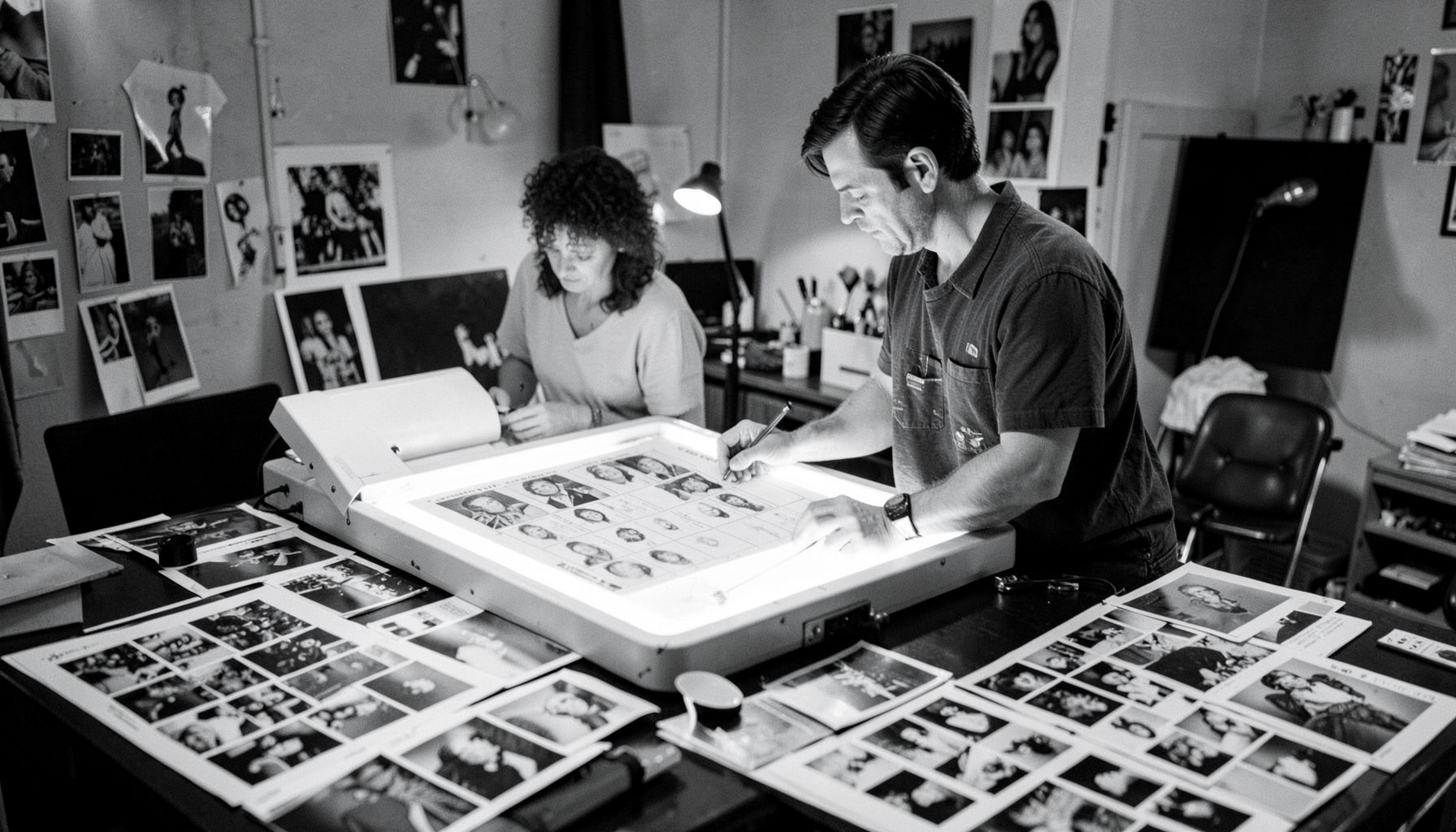
A photographic publication begins with abundance. Negatives, contact sheets, prints, notebooks and recollections may all relate to the same assignment, yet only a small number of frames can occupy the final pages. The editor’s task is to identify relationships between photographs rather than simply choose technically perfect images.
In Shagrir’s case, that process would have required attention to gesture, setting and sequence. A worker looking towards the camera can alter the meaning of a nearby landscape; a crowded communal meal can provide context for a quiet portrait. The finished book is therefore shaped by rhythm, contrast and omission as much as by the individual photographs.
This kind of editing has a familiar parallel in Australian cultural institutions, including the National Film and Sound Archive in Canberra and state libraries in Melbourne or Sydney. Researchers often begin with a broad catalogue search, then move through boxes, folders and digitised surrogates before finding the few items that answer a precise historical question.
People As Historical Evidence
The people in the book are not simply subjects arranged to illustrate a political idea. Their clothing, tools, expressions and surroundings carry evidence about class, work, migration, community organisation and changing expectations. A photograph can show what official reports leave out: how a space was occupied, who stood beside whom, and what a normal day appeared to involve.
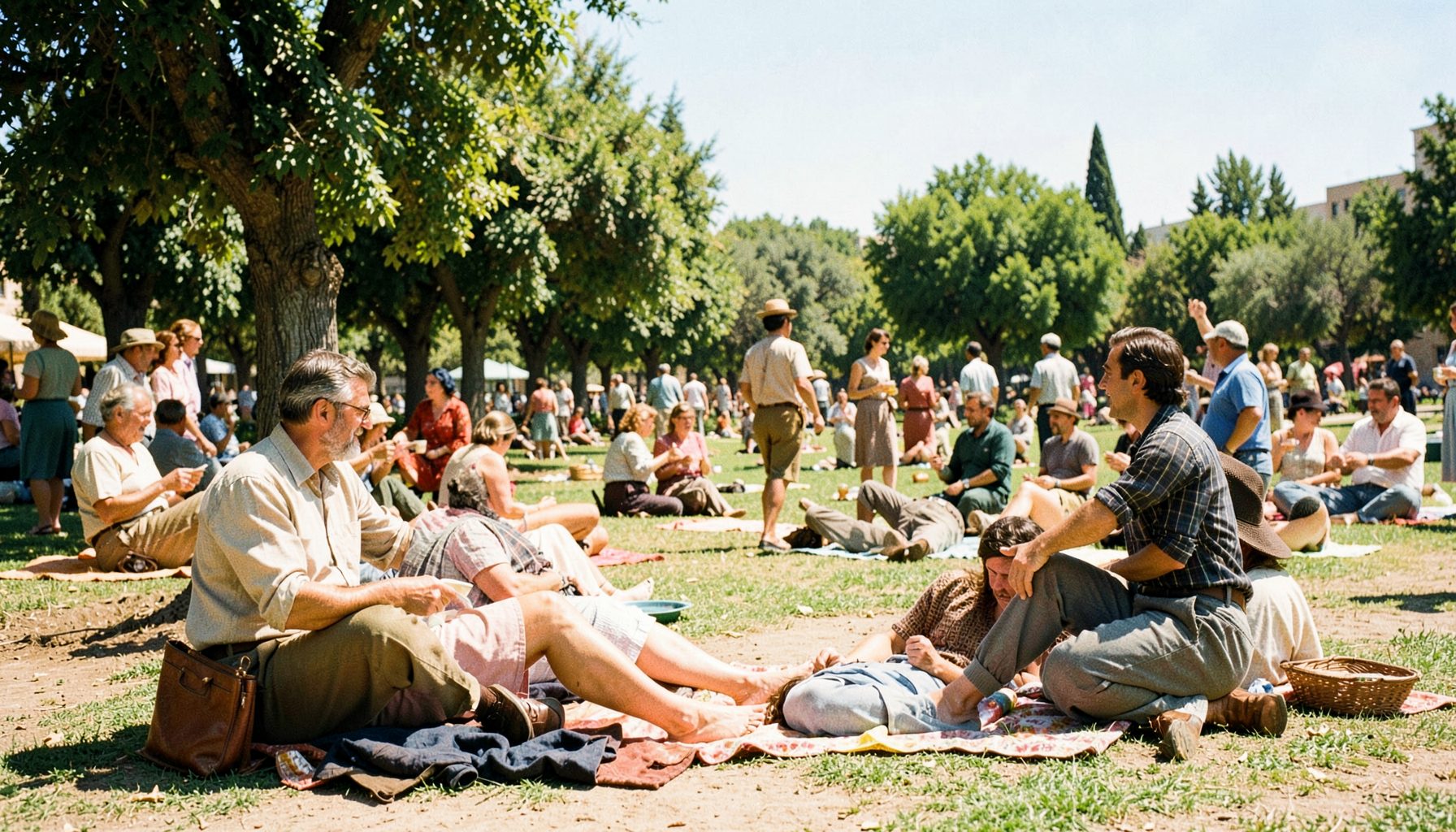
This is particularly important when viewing images of collective life. Kibbutz photographs may reveal agricultural labour, domestic arrangements, children’s routines and forms of cooperation, while also exposing differences that a carefully managed public image might conceal. The kibbutz photo series gives further context for reading these images as lived experience rather than simple visual symbols.
Australian viewers may recognise the value of this approach in photographs of migrant hostels, railway towns, Aboriginal communities, factories or suburban streets. In each case, the everyday details can become historically significant when the people pictured are treated as participants in the record rather than background decoration.
Working Between Assignment And Observation
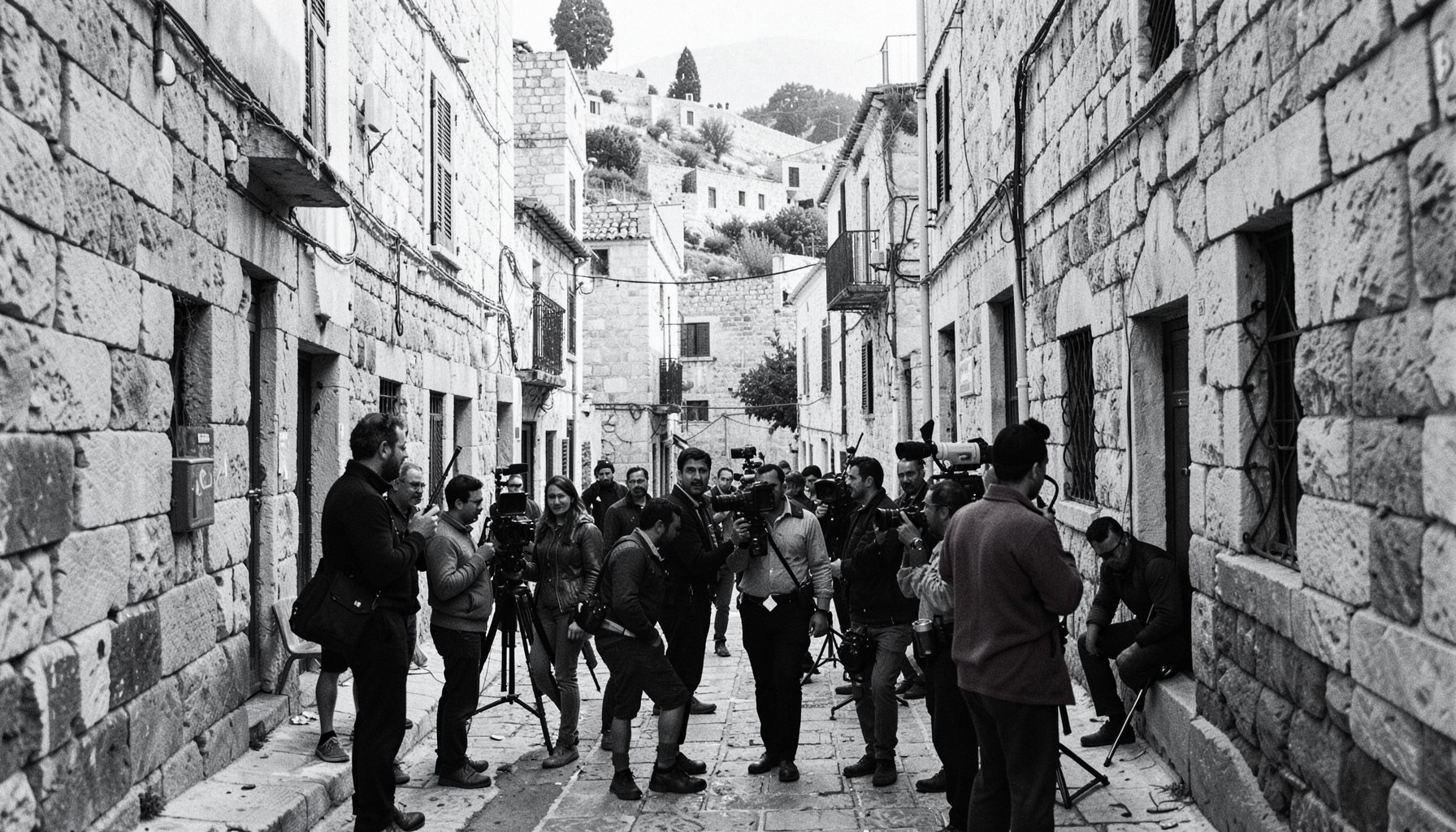
Shagrir worked across journalism, documentary film and photography, and those practices influence one another. An assignment may establish a subject and deadline, but sustained observation creates the possibility of finding an unplanned moment. The camera can document a public event while still noticing a private exchange at its edge.
That balance affects the visual character of a book. Images made for immediate publication may need to communicate quickly, whereas a long-form photo essay can allow ambiguity and slower connections. A sequence might move from a broad view of a settlement to a close portrait, then return to the landscape with a different emotional weight.
The making of People of the Land consequently depends on trust as much as access. People permit a photographer to enter workplaces, homes and communal settings when they believe their lives will be represented with care. This raises questions familiar to Australian documentary practice, particularly when working with First Nations communities and culturally sensitive material under contemporary ethical protocols.
Design, Captions And The Printed Page
A photo book is also a designed object. Page size, paper stock, margins, typeface and the placement of captions determine how long readers stay with an image. A full-bleed photograph can create immersion, while a smaller print surrounded by white space may invite close inspection of facial expression or texture.
Captions provide another layer of interpretation. Names, dates and locations help restore specificity, but a caption can also narrow the viewer’s understanding if it turns a complex person into a role or a political category. Good editorial practice keeps factual information clear while allowing the photograph to retain its uncertainty.
The visual presentation of an archive benefits from the same care online. Digital platforms can borrow the logic of a well-made book by grouping related photographs, linking documents and making provenance visible. The work of visual archive practice demonstrates how thoughtful presentation can help historical material remain legible without flattening its character.
Preserving The Sources Behind The Images
The printed book is only one expression of a much larger body of material. Original negatives, contact sheets, prints, film reels, audio recordings and personal papers can reveal how an image was made and what alternatives were rejected. They may also contain annotations or physical traces that disappear in reproduction.
Preservation requires stable storage, careful handling and accurate description. Digitisation reduces unnecessary handling, yet a scan does not replace the original. Colour, grain, edge markings and paper condition can all carry information. A responsible archive preserves the object while creating access copies for researchers, educators and the public.
This work has a practical Australian dimension. The Copyright Act 1968 affects copying and online publication, while cultural organisations must also consider privacy, moral rights and Indigenous cultural and intellectual property. Australian researchers accustomed to using Trove or visiting reading rooms understand that access depends on both technology and clear rights information.
Film, Photography And A Shared Historical Record
Shagrir’s still photographs belong to a wider creative practice that includes documentary filmmaking. The relationship matters because moving images and still images record different kinds of evidence. Film can preserve speech, duration and changing atmosphere; photography can isolate a gesture, expression or physical arrangement with striking force.
Preserving one format may support the interpretation of another. The digital restoration account shows why restoration is more than a technical repair: it can return historical work to audiences while drawing attention to the conditions in which it was originally produced and viewed.
For an Australian audience, this cross-media perspective is especially relevant in an era when family photographs, local newspapers, home movies and community radio are increasingly digitised. A weekend visit to a museum, a library search during a rainy afternoon in Melbourne or a school project in Perth may bring together photographs, oral histories and film clips that were once stored in entirely separate collections.
Reading The Book In The Present
The significance of People of the Land changes with each generation of readers. A viewer may first respond to composition or personality, then notice evidence of political tension, economic priorities or social division. Historical photographs do not provide a complete account, but they can test official narratives against the texture of lived experience.
The book also invites comparison without encouraging easy equivalence. Israeli communal settlements and Australian rural communities developed in different political and cultural settings. Similar-looking images of labour, land or family do not mean the histories are interchangeable. Comparison is most useful when it makes differences more visible and encourages careful questions about who created the image and who has been left outside its frame.
The Shagrir Collection extends this reading beyond a single publication by connecting the book to biographical records, press material and original archival sources. Its press resources help place Shagrir’s career within the public history of Israeli media, while the wider collection supports exhibitions, research and educational use.
Ways To Engage With The Photographic Archive
A considered approach helps readers move from visual impression to historical understanding. These practices are useful for students, researchers, educators and anyone exploring documentary photography in a library, gallery or online collection.
- Record the photograph’s title, date, location and archive reference before drawing broader conclusions.
- Look closely at the edges of the frame, including tools, signs, buildings and people who are not the apparent focus.
- Compare a published image with related negatives, contact sheets or captions when those materials are available.
- Separate what the photograph shows from what the accompanying description or later commentary claims.
- Consider consent, privacy, copyright and cultural permissions when reproducing or sharing archival images.
- Read the book alongside film, oral history and written records to build a fuller account of the period.
These habits preserve the strength of Shagrir’s work: its ability to make history tangible without pretending that one photograph, one book or one archive can contain every perspective.