
Micha Shagrir Retrospective: An Exhibition Preview
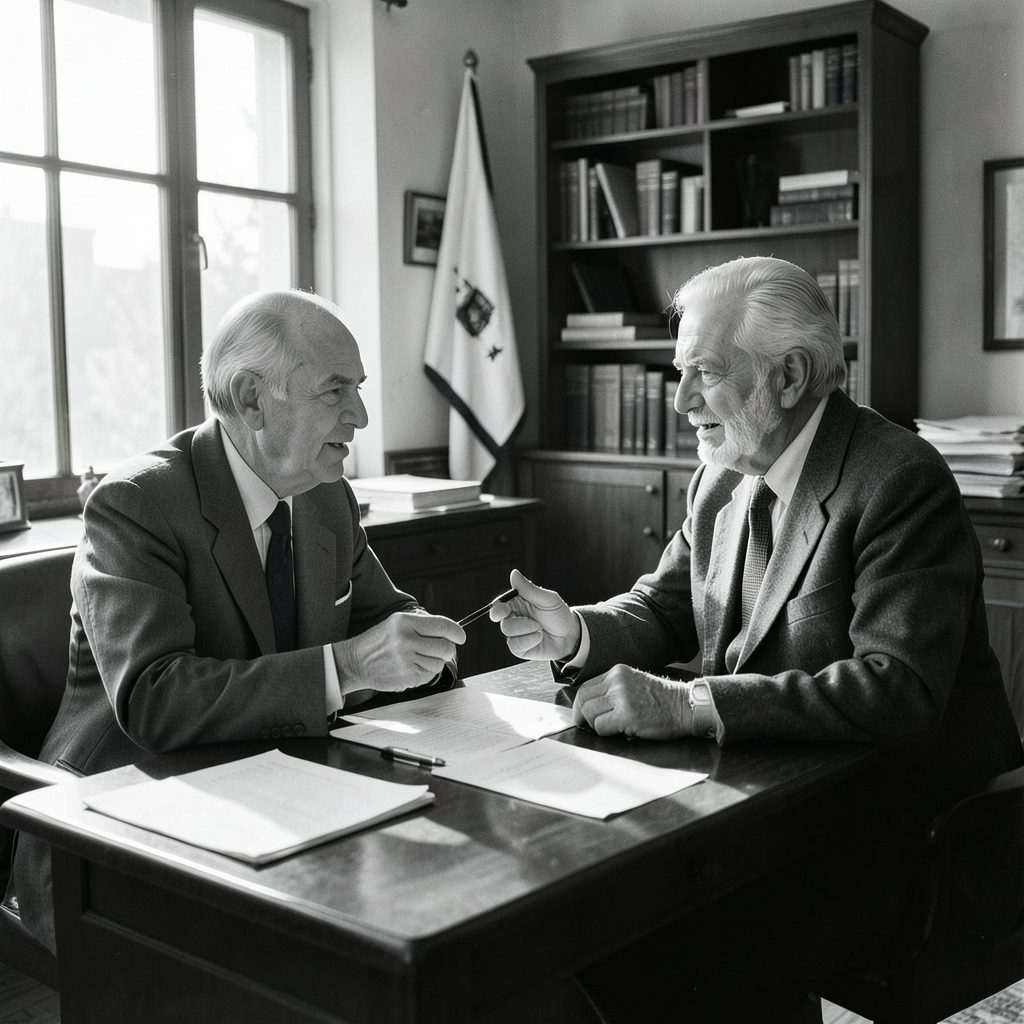
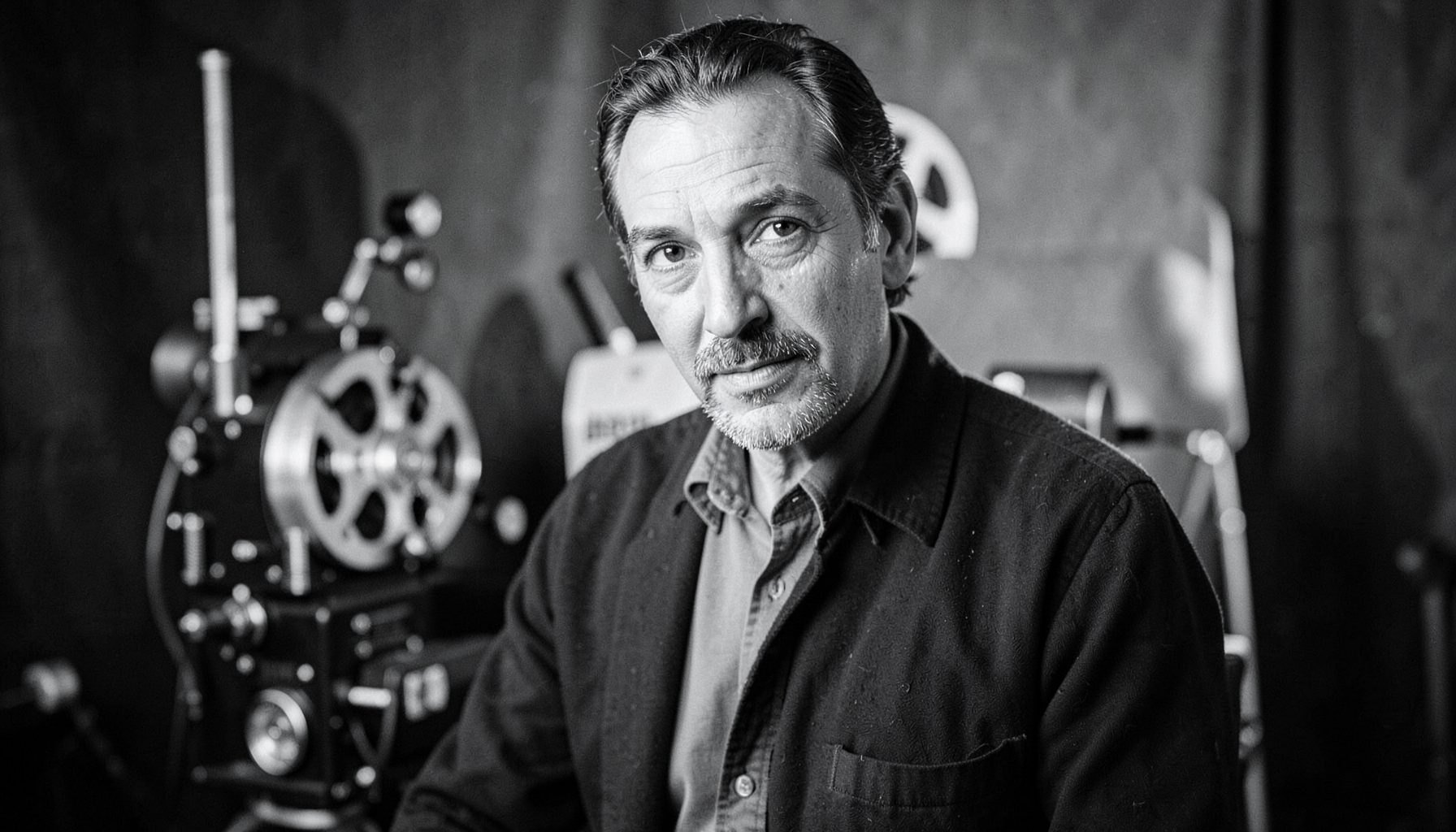
Micha Shagrir’s retrospective at the Israel Museum offers a rare chance to encounter Israeli history through the eyes of a filmmaker, photographer, producer, and journalist who stayed close to ordinary lives. The exhibition brings together images, moving pictures, documents, and personal records from a career shaped by political change, military conflict, community life, and the daily work of witnessing.
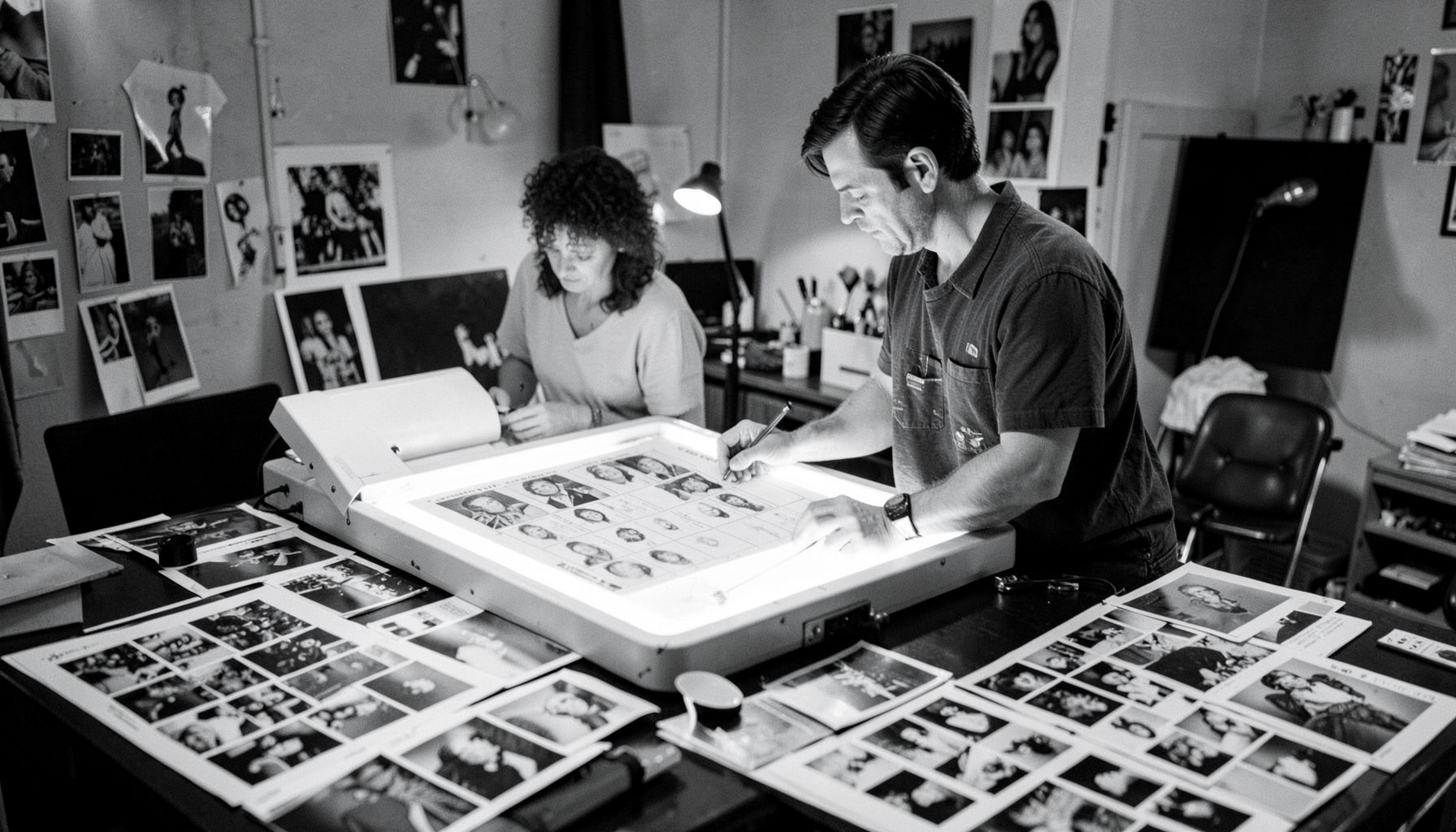
Rather than presenting a smooth timeline, the display is likely to feel like an archive opened across several rooms. Contact sheets, photographs, film excerpts, recordings, and papers can reveal how a public event was experienced at street level, how a settlement looked before it became a symbol, or how an individual expression survived within a large historical narrative.
For visitors travelling from Australia, the exhibition also provides a useful way to think about documentary practice across cultures. Like the work of Australian photojournalists and independent filmmakers, Shagrir’s material sits between art, journalism, oral history, and social record. Its value lies in the details that official accounts frequently leave behind.
The Archive Comes Into View
The Shagrir Collection extends well beyond a conventional photography exhibition. Its holdings include negatives, prints, films, audio recordings, correspondence, working papers, and other primary materials connected to Israeli political, military, and social history. The retrospective can therefore show both finished images and the process behind them.
That distinction matters. A framed photograph may appear decisive, while a contact sheet exposes hesitation, repetition, and selection. A film clip may feel complete, yet production notes or recorded interviews can reveal the practical choices that shaped its final form. The exhibition’s archival character encourages visitors to look at evidence as carefully as they look at composition.
A Career Shaped By Witness
Shagrir worked across several media because the subjects he followed demanded different forms of attention. Still photography could preserve a fleeting encounter; documentary film could hold a voice, a pause, or an argument; journalism could place events within a wider public record. His career reflects the flexible working habits of a media professional moving between assignment, investigation, and personal observation.
The retrospective is therefore likely to resist a neat separation between art and reportage. A photograph made during a period of political tension may also be a study of gesture and light. A documentary about a community may carry historical information while remaining intimate and emotionally restrained. This overlap gives the display its depth and makes the archive relevant to researchers as well as gallery audiences.
Jerusalem Through Contact Sheets
Jerusalem occupies a particularly important place in Shagrir’s visual record. The city’s layered architecture, divided neighbourhoods, religious significance, and rapidly changing public life create a setting where a single street can carry several histories at once. His images from 1967 are especially valuable because they show people and places in the unsettled period surrounding a major political and military transformation.
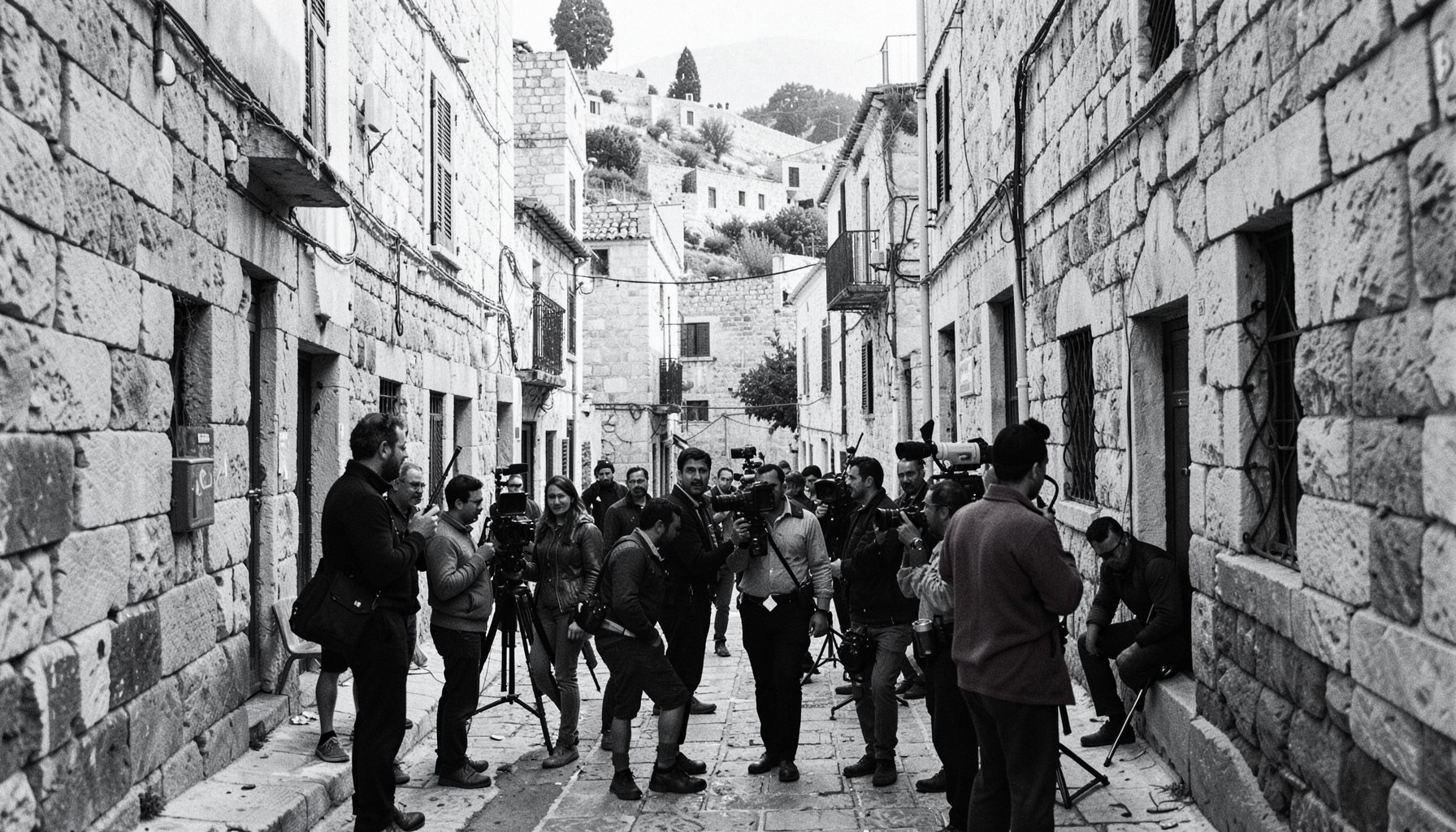
The exhibition may reward close viewing of the frames that were not selected for publication. The unseen Jerusalem photographs reveal how a photographer tested distance, timing, and viewpoint before making a final choice. For Australian visitors accustomed to studying contact sheets in photography courses or museum programs in Sydney and Melbourne, these sequences offer a direct lesson in visual editing.
Kibbutz, Community, And Everyday Life
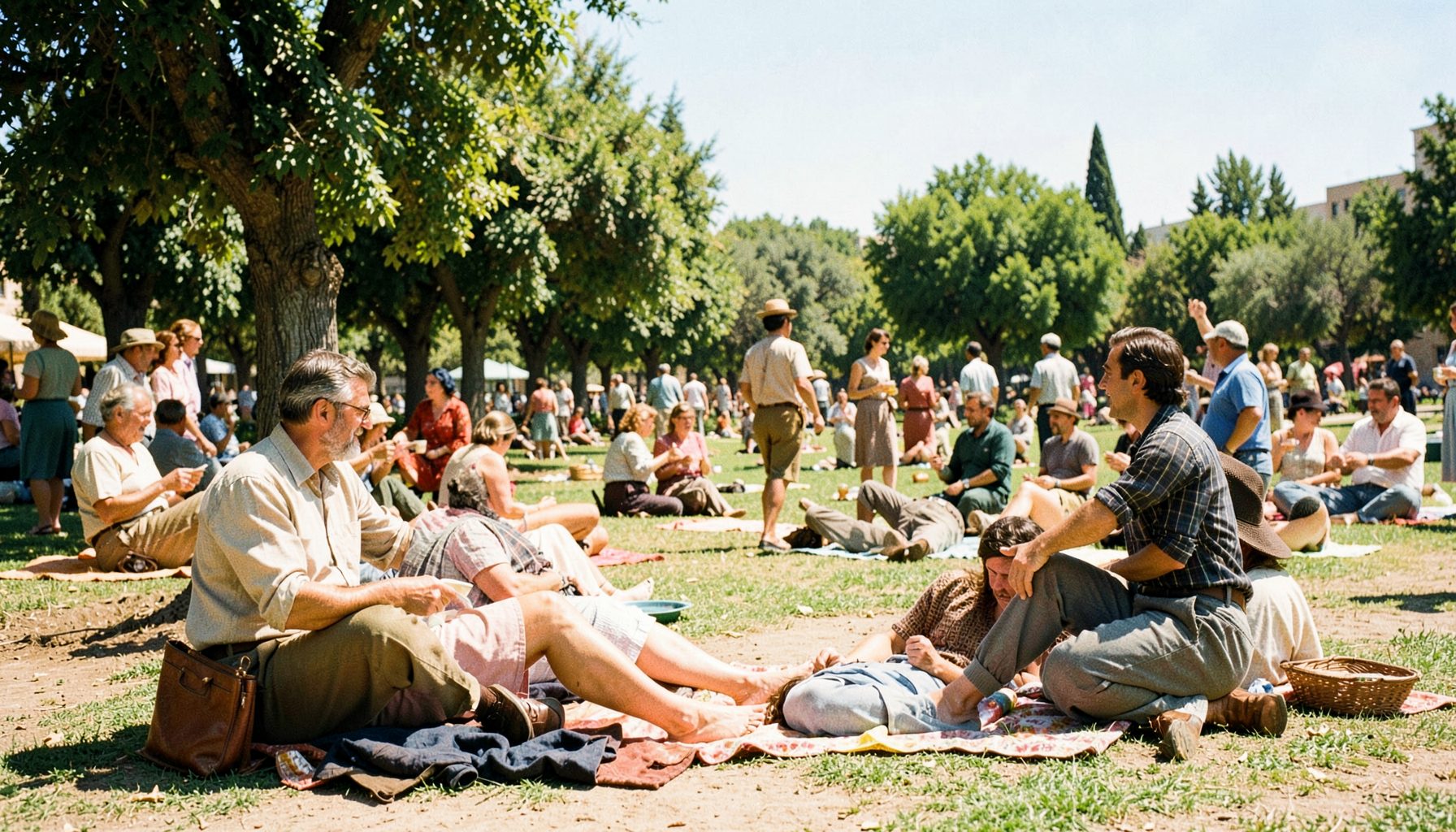
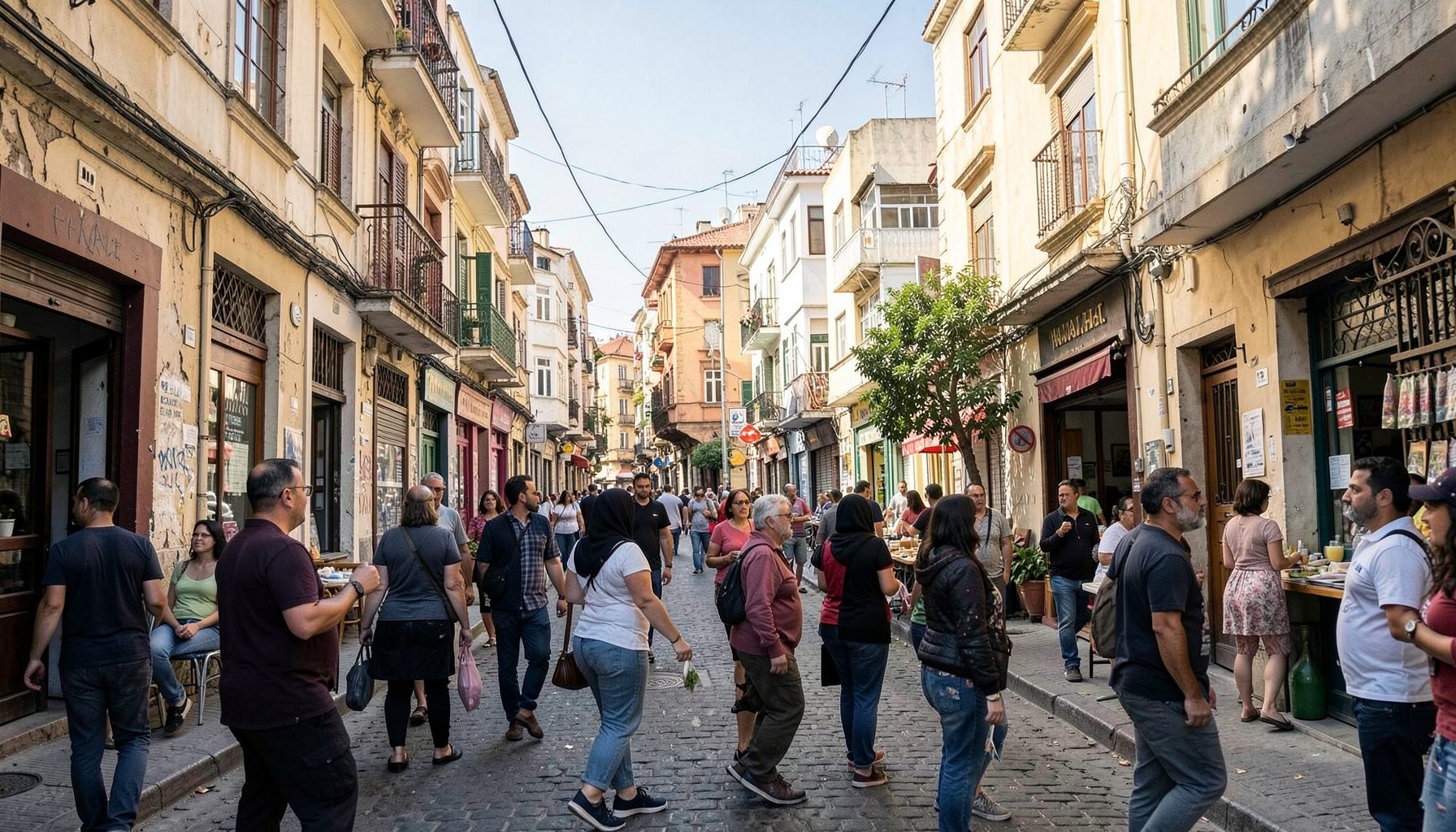
Shagrir’s photographs of kibbutz life shift the focus from national events to shared routines. Dining rooms, agricultural work, children, communal spaces, celebrations, and moments of fatigue form a social portrait that is less monumental than familiar. The images ask what an ideology looks like when it becomes a timetable, a meal, a workplace, or a conversation between neighbours.
The kibbutz photo series is useful preparation for this part of the exhibition because it explains the circumstances behind the pictures. Australian audiences may recognise parallels with documentary projects about rural co-operatives, migrant communities, Aboriginal community life, or regional towns, while also recognising that the kibbutz has its own political and historical context.
Moving Images And Political Memory
Film gives Shagrir’s work a different tempo. Voices develop over time, people interrupt one another, and the camera can remain with an apparently minor moment long enough for its significance to emerge. The collection’s documentary film archive provides a valuable companion to the gallery display, especially for visitors who want to extend their viewing beyond selected excerpts.
This material also raises questions about documentary ethics. Who is given time to speak? What remains outside the frame? How does a filmmaker balance urgency with consent, and public importance with personal vulnerability? Those questions will resonate with Australian viewers familiar with debates surrounding Indigenous cultural material, archival access, image rights, and the responsibilities of institutions displaying historical records.
A Visit Planned For Australian Audiences
Travellers from Australia may approach the Israel Museum as part of a larger cultural itinerary through Jerusalem, while others may encounter the retrospective through digital resources before or after a visit. It is worth allowing enough time for the archive’s slower forms of looking. A weekend gallery visit in Melbourne or a school-holiday museum outing in Brisbane often involves moving quickly between exhibitions; this display is better suited to pauses, rereading, and revisiting images.
Practical planning also matters. Visitors budgeting in Australian dollars should allow for exchange-rate changes, transport, food, and exhibition publications rather than considering the ticket price alone. Those travelling from Sydney, Perth, or Adelaide may also need to account for long-haul flight connections and different opening hours. Checking the Israel Museum’s current visitor information before departure is sensible, particularly during Israeli public holidays or busy international travel periods.
Details Worth Noting Before A Gallery Visit
- Contact sheets may require more time than finished prints because each sequence rewards comparison.
- Film screenings can shape a visit around fixed session times, so checking the programme is useful.
- Museum bookshops may carry catalogues or archival publications that are difficult to source in Australia.
- School groups and family visitors can create busier periods during local and Israeli holidays.
- Digital collection pages can help visitors identify subjects before arriving at the museum.
Preservation Beyond The Gallery
The retrospective’s importance extends beyond its run because the underlying collection supports future scholarship, exhibitions, teaching, and public history. Preserving negatives and recordings requires controlled storage, careful cataloguing, digitisation, and clear documentation. Making material discoverable is equally important: an image becomes more useful when its date, location, subject, photographer, and circumstances are recorded.
Australian institutions will find familiar issues here. The National Film and Sound Archive in Canberra, state libraries, university collections, and local historical societies all manage the tension between access and protection. Copyright remains relevant under Australia’s Copyright Act 1968, while privacy, cultural sensitivity, donor agreements, and restrictions on unpublished material can influence what an archive is able to show online.
Questions The Collection Can Open Up
- How should a museum distinguish between an original negative, a later print, and a digital reproduction?
- What metadata allows researchers in Australia and Israel to locate the same historical image?
- When does public interest justify wider access to sensitive personal or political material?
- How can educational programmes present contested history without flattening its complexity?
- What funding models can support long-term digitisation and conservation?
A living archive also depends on public curiosity. Digital features, educational resources, and independent writing can give audiences different ways into the material; readers interested in the relationship between personal experience and social history may also find wellbeing and liberty perspectives that broaden the conversation around memory, identity, and public life.
The Israel Museum retrospective should be approached as more than a survey of one influential career. It is an invitation to examine how history is made visible: through a selected frame, a preserved voice, a handwritten note, or a sequence of ordinary moments. For Australian visitors, that combination of international history and close observation makes the exhibition especially rewarding, whether experienced in Jerusalem, through the Shagrir Collection online, or through future educational and research projects.