How Shagrir's documentary unit reshaped Israeli broadcast journalism
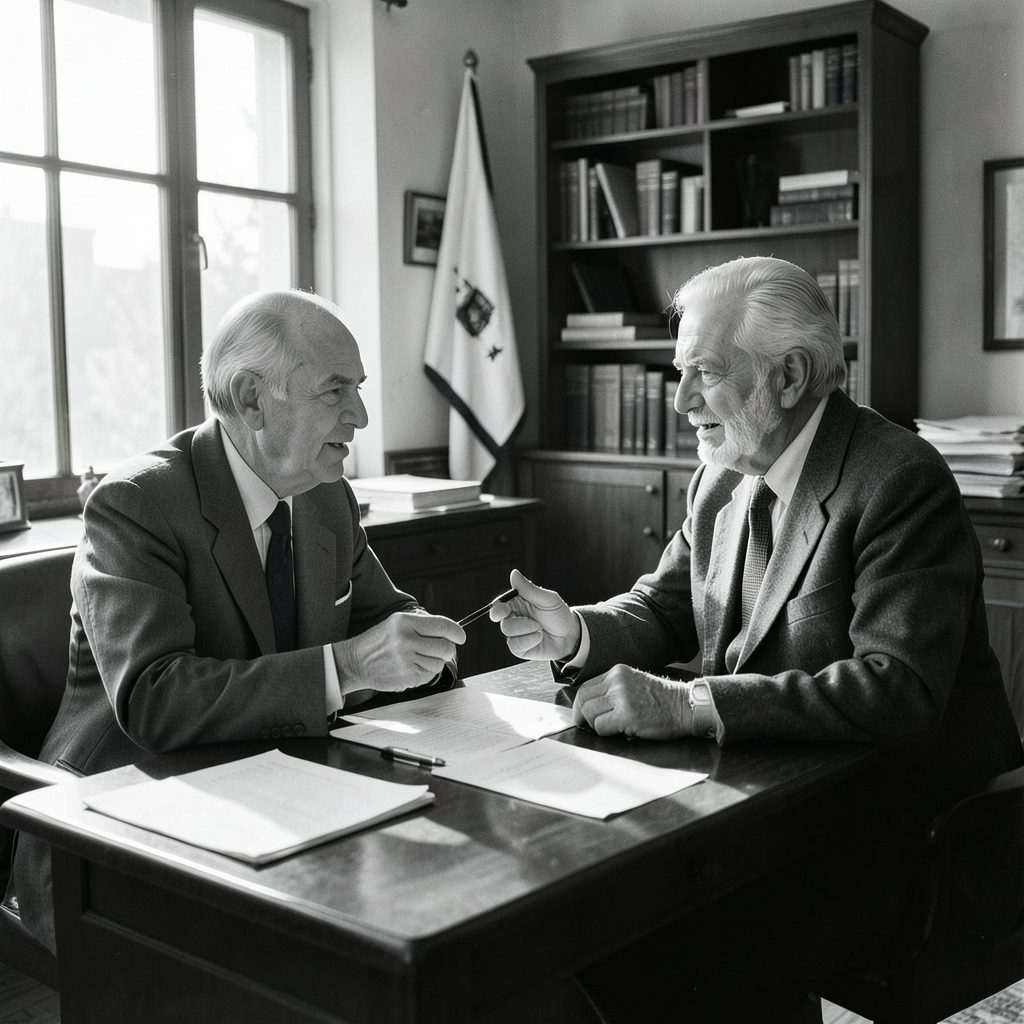
When Micha Shagrir assembled his documentary unit in the late 1960s, Israeli television was still a young medium, and broadcast journalism leaned heavily on studio commentary, written scripts read aloud, and imported foreign footage. Shagrir pushed back against that template by insisting that cameras belonged in the street, in the courtyard, and on the front line. His unit treated every frame as primary evidence rather than illustration, and that single shift reframed what nightly news could look like for a generation of Israeli viewers.
The unit's culture was built on long shoots, deep research, and tight editorial trust between reporter and camera operator. Rather than chasing daily headlines, crews were encouraged to follow stories through their full arc, a method that later influenced news magazine formats across the Middle East and Europe. Australian audiences who watched SBS during its formative years will recognise a parallel ethos in the multicultural broadcaster's commitment to on-the-ground storytelling that took viewers beyond the official briefing room.
That patient, evidence-driven approach also reached Australia through visiting filmmakers, university partnerships, and retrospective programming that brought Israeli and Pacific documentaries into conversation. Researchers at the University of Melbourne have used archival visits to compare how different national broadcasters balance access, accuracy, and emotional resonance. Their work suggests that the unit's influence travelled further than the original producers ever tracked.
Press coverage of the unit's early years, gathered through the archive's press archive, shows how rapidly the style caught on with rival broadcasters across the region. Reviews at the time described the footage as "uncomfortably close" and "hard to look away from," language that would later be applied to documentary work on screens from Tel Aviv to Sydney.
Origins in a young broadcast culture
Israel's first television channel launched only in 1968, just as Shagrir was formalising his unit's working methods. The country lacked the deep bench of studio talent and archival stock that older European broadcasters could draw on, which forced crews into the field almost by necessity. Shagrir turned that constraint into a creative advantage by training operators who could shoot, record sound, and edit under pressure without waiting for studio support.
The unit also benefited from a relatively small editorial hierarchy, where a senior correspondent and a camera operator could make rapid decisions about angle, framing, and interview length. That flat structure allowed stories to be shaped in the field rather than redrawn by distant producers, giving the final product a continuity that audiences noticed. SBS Australia's regional newsrooms have adopted similar structures for their multilingual coverage of Pacific and Asian affairs, trusting field teams to exercise judgment on location.
Camera as witness in contested spaces
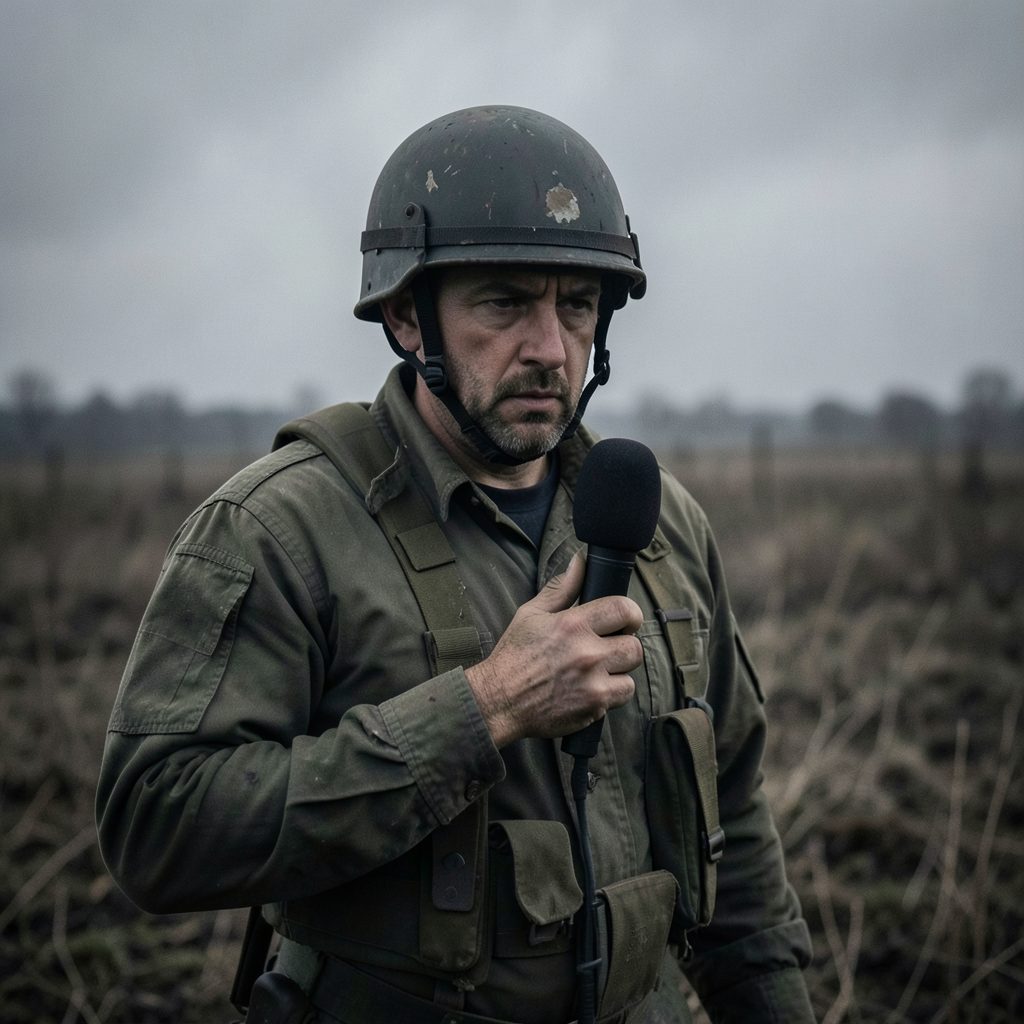
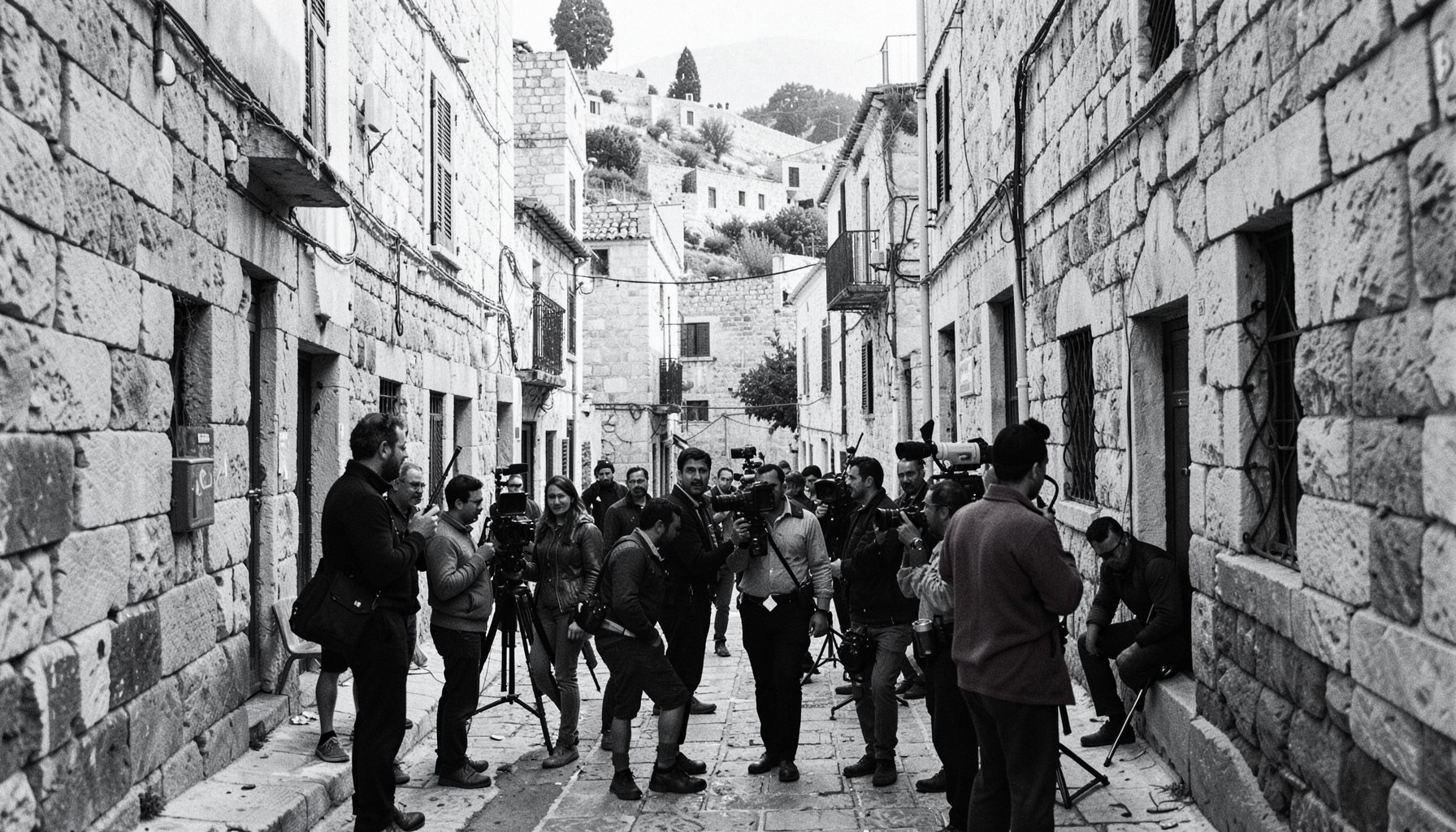
Shagrir's crews became known for their willingness to operate in contested spaces where other camera teams hesitated. They carried portable 16mm equipment into border regions, refugee camps, and parliamentary lobbies, often returning with material that shaped public debate for months afterward. The unit also experimented with sync sound in difficult field conditions, giving voice to subjects who had previously appeared only as silent figures in news packages.
That ethic of proximity reshaped editorial standards across Israeli broadcast outlets in measurable ways. Editors began to expect verifiable location footage rather than reconstructions or stock shots, and the language used to discuss accuracy in newsrooms shifted permanently toward evidentiary language. Researchers in Sydney who study the history of conflict reporting frequently cite Shagrir's crews as an inflection point, alongside figures like the ABC's long-serving Middle East correspondents who operated in similar terrain during the same period.
Covering war, politics, and social transformation
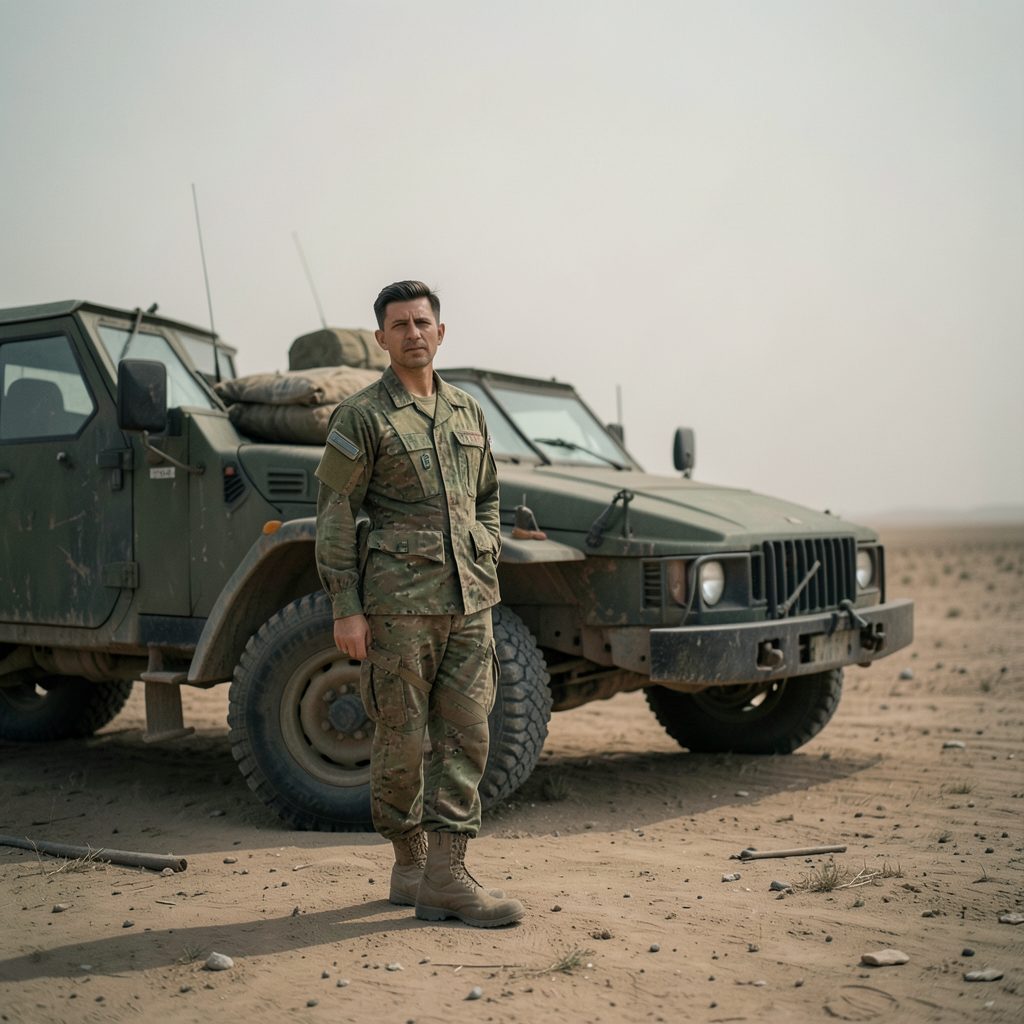
The documentary unit covered almost every major political and military event in Israel during a turbulent quarter-century. Its crews filmed the aftermath of the 1973 war, the political rise of Menachem Begin, the Lebanon campaigns, and the everyday texture of life in development towns and immigrant neighbourhoods throughout the country. By the time the Camp David negotiations were underway in the late 1970s, the unit's archive had become a working reference library for diplomats, academics, and rival broadcasters who needed to verify footage before going to air.
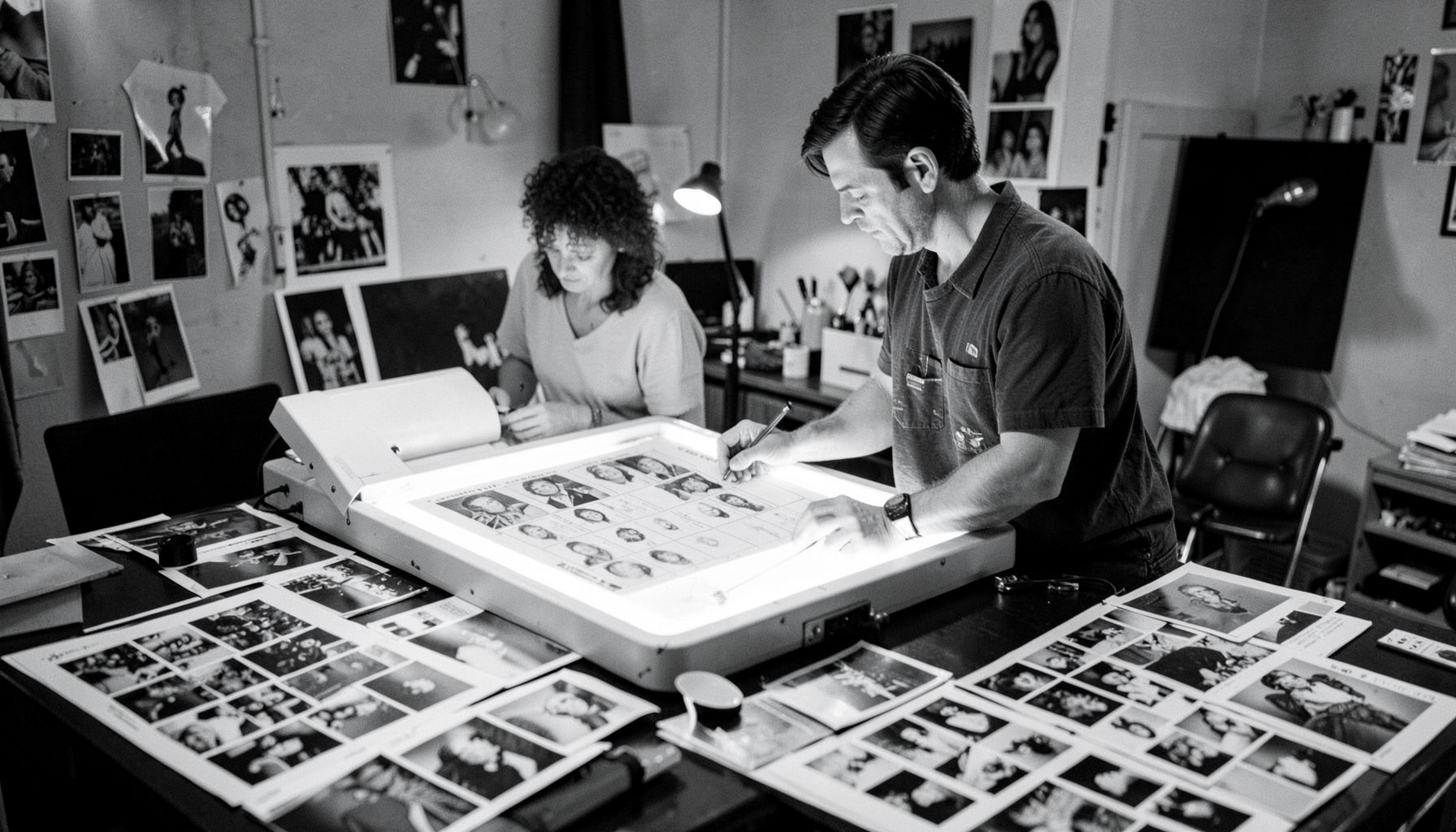
Australian journalists posted to the region often compared notes with Shagrir's team, and several later recalled the unit's discipline when writing their own memoirs and reflective essays. The Australian Communications and Media Authority's standards for fairness and accuracy in current affairs programming echo principles that the unit codified decades earlier, even though the regulatory frameworks sit thousands of kilometres apart and were drafted for entirely different broadcast markets. Visitors to the photo gallery can trace this evolution through contact sheets, location stills, and behind-the-scenes frames that rarely made it to air but reveal how each story was constructed.
Innovations that defined the unit's visual grammar
Beyond raw access, the unit pioneered a visual grammar that felt cinematic for its time and remained influential long after the original crews dispersed. Crews planned sequences with cutaways in mind, shot reverse angles during interviews, and treated natural sound as a storytelling layer rather than a problem to be eliminated through voiceover. Documentary editors working in Israeli news often came from the unit's ranks, and they carried those habits into feature programming, including investigative specials that ran in prime time slots on state channels.
Several specific techniques came to define the unit's house style:
- Shooting reverse angles during interviews to give editors flexibility in the cutting room
- Planning cutaways and establishing shots before arriving at a location
- Recording ambient sound on location and weaving it through voiceover rather than replacing it
- Allowing subjects to speak at length before asking the next question
- Returning to the same location across multiple news cycles to build visual continuity
- Logging footage meticulously so that archive material could be reused accurately years later
These practices were codified into internal training manuals that later influenced broadcast schools from Sydney to Berlin, and documentary makers trained at the Australian Film Television and Radio School have cited the unit's patience with subjects as a touchstone for their own work.
Training the next generation of storytellers
Shagrir saw the unit as a school as much as a production house, and he structured assignments accordingly. Junior camera operators were paired with senior correspondents for months at a time, learning not only technique but also the ethical obligations of bearing witness in real time. Several prominent Israeli editors-in-chief began their careers inside the unit, and many of their protocols for source verification, on-camera attribution, and interview consent can be traced back to that apprenticeship model.
The archive now serves a similar pedagogical role for international researchers, including postgraduate students at RMIT who use the collection's metadata to study comparative broadcast history. Educators designing courses on documentary ethics have begun building reading lists around the unit's output, treating individual reports as case studies in how visual journalism shapes collective memory. Workshops for early-career journalists, run jointly with university partners, use the archive to provoke conversations about responsibility, proximity, and the limits of access.
Preserving the legacy for new audiences
Digitisation work over the past decade has made the unit's catalogue accessible to scholars, journalists, and curious members of the public who never saw the original broadcasts. The collection preserves negatives, prints, sound recordings, and the personal papers of the filmmakers themselves, including notebooks that document editorial decisions, source networks, and rejected takes that illuminate how stories were shaped. Plans for travelling exhibitions, classroom kits, and curated streaming programmes are extending the reach of the material well beyond its original broadcast context.
Researchers and educators exploring the collection will find a wide range of materials, including:
- 16mm negatives and reversal originals from field shoots across three decades
- Contact sheets and location stills prepared by unit photographers
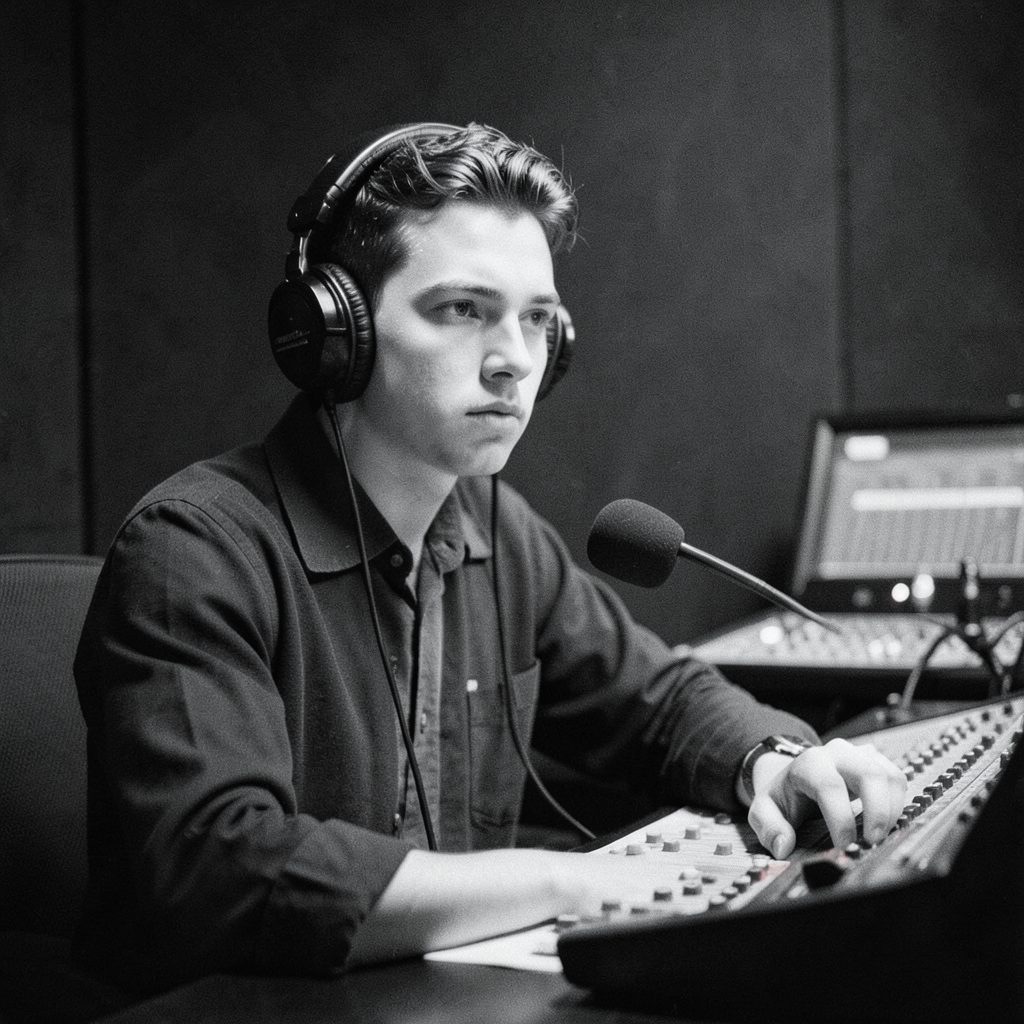
- Field sound recordings, including sync interviews and ambient tracks
- Personal notebooks belonging to Shagrir and senior correspondents
- Production files documenting editorial decisions and source verification
- Broadcast prints and transmission logs from state television archives
Anyone interested in licensing material, proposing research visits, or arranging educational partnerships is encouraged to reach out through the contact page. Together, these efforts ensure that the documentary unit's contribution to Israeli journalism continues to inform new generations of storytellers, from Tel Aviv to Melbourne and beyond.