
Shagrir's photographs and the rhythms of kibbutz life
Micha Shagrir's photo essays on Israeli kibbutz life sit within a wider collection of films, recordings, papers and personal images. Rather than a single illustrated story, they are primary evidence for examining communal agriculture, work, family, landscape and change in Israel. A useful guide begins with close looking, then adds catalogue facts and historical context.
A kibbutz is a collective settlement, while kibbutzim is the plural. The model developed through the Zionist communal settlement movement and took different forms, from early agricultural communities to larger industrial and residential settlements. Shagrir's visual record can show lived routine alongside the ideas communities presented to themselves and outsiders.
For Australian readers, the photographs can be compared with familiar settings without pretending they are identical. Sydney and Melbourne contain substantial Jewish communities, busy neighbourhood markets and numerous community gardens; cooperative food stalls and direct-to-producer markets offer useful but limited parallels. These comparisons work best when kept specific, recognising distinct land histories and avoiding any suggestion that communal living is a universal rural model.
Reading the images as historical evidence
Shagrir's kibbutz images belong to a documentary tradition in which the camera records social organisation as carefully as individual faces. Fields, workshops, dining rooms, schools and shared buildings reveal how time, food and work were organised. Read them as situated records: made for particular purposes, selected from larger negatives and shaped by editorial attention.
The collection's teaching visual literacy material is especially helpful for separating description, inference and context. Describe what appears before assigning meaning: note scale, weather, clothing, tools, architecture and the direction of people's attention. Then ask what the photographer could see, what remained outside the frame and which details may have been arranged for the camera.
Chronology is essential because a settlement's economy, gender roles and relationships with neighbouring communities changed over decades. Where captions are uncertain, compare clothing, construction methods, crops and transport with dated photographs. A repeated location can become a timeline, showing gradual alteration that a single polished image would conceal.
Work, land and collective routines
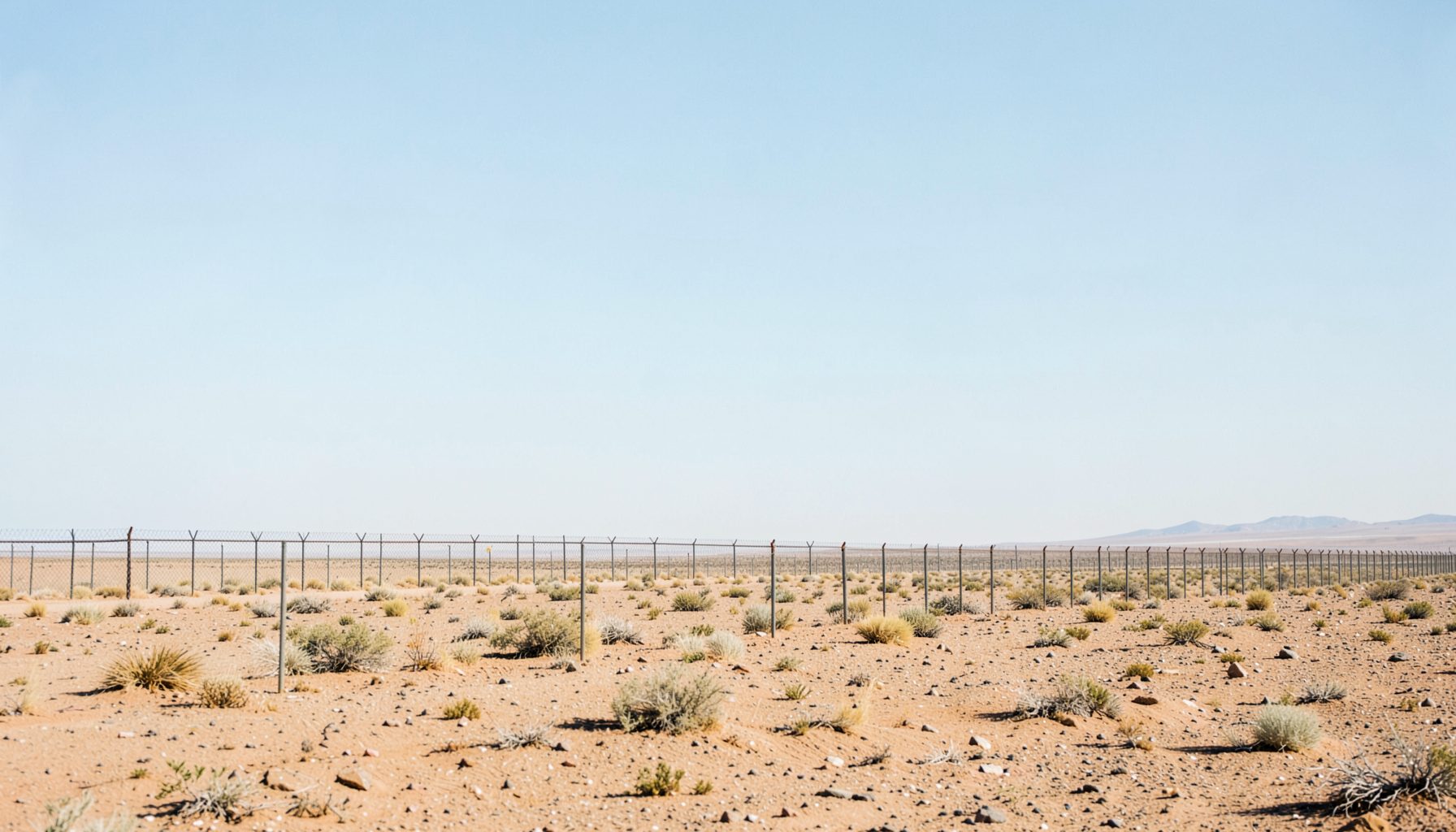
Land is the first layer of meaning. Irrigation channels, orchard rows, fences, sheds and the horizon reveal how a kibbutz related to water, soil and regional policy. Shagrir's wide views can connect the settlement to the wider Israeli landscape, while close views of hands, tools and produce restore labour to scenes that might otherwise seem empty or pastoral.
Look for the distribution of work rather than assuming that every visible task was shared equally. Women, children, resident workers, soldiers on reserve duty and seasonal labourers could occupy different positions within the collective. Images of kitchens, laundries, childcare and workshops also complicate the familiar ideal of the young male agricultural pioneer, showing administration and care as central economic work.
Daily routines can be read as a sequence: morning movement through fields, communal meals, school hours and evening meetings. Repeated details, such as a shared bowl or numbered work area, may reveal social rules more directly than a ceremonial group portrait. A separate kibbutz reference site can supply wider context, though dates, politics and local economies still require verification. For Australian viewers, a volunteer-run community garden may offer a closer parallel than a commercial farm.
Strikes and the politics of work
Shagrir's labor movement coverage broadens the subject beyond the picturesque settlement. Kibbutzim employed workers and participated in a changing Israeli labour system, so wage disputes, union activity and strike action could affect their routines. Placing photographs beside that account shows that a quiet worksite or empty field may carry a history of conflict as well as cooperation.
Industrial relations were not an imported extra. Debates over hiring outside labour, internal discipline, productivity and the authority of national unions ran through the wider labour movement. When workers disappear from a frame, the absence should not be read as proof that work stopped; archival records may instead explain a transport failure, seasonal break or disputed duty.
Read banners, crowds, machinery and body language as evidence rather than spectacle. A procession can indicate collective organisation, but its scale and composition matter: which jobs are represented, which are absent and who appears to speak for whom. This approach preserves the political tension within any account of a community balancing equality, autonomy and managerial efficiency.
Technique, sequence and material traces
The physical object deepens the reading. A negative may preserve a wider tonal range than a newspaper reproduction, while a print can carry cropping, retouching and wear from later use. Dust, scratches, bent corners and faded edges are not merely damage; they can reveal storage, duplication and circulation. Catalogue dimensions and annotations should be checked before a detail is treated as original to the camera.
When recreating a similar documentary exercise, a current camera selection guide can help readers choose equipment for field observation rather than a studio setup. A camera with reliable manual exposure, a useful weather seal and a straightforward zoom serves this kind of work well. The purpose is to understand framing and sequence, not to imitate Shagrir's exact period technology.
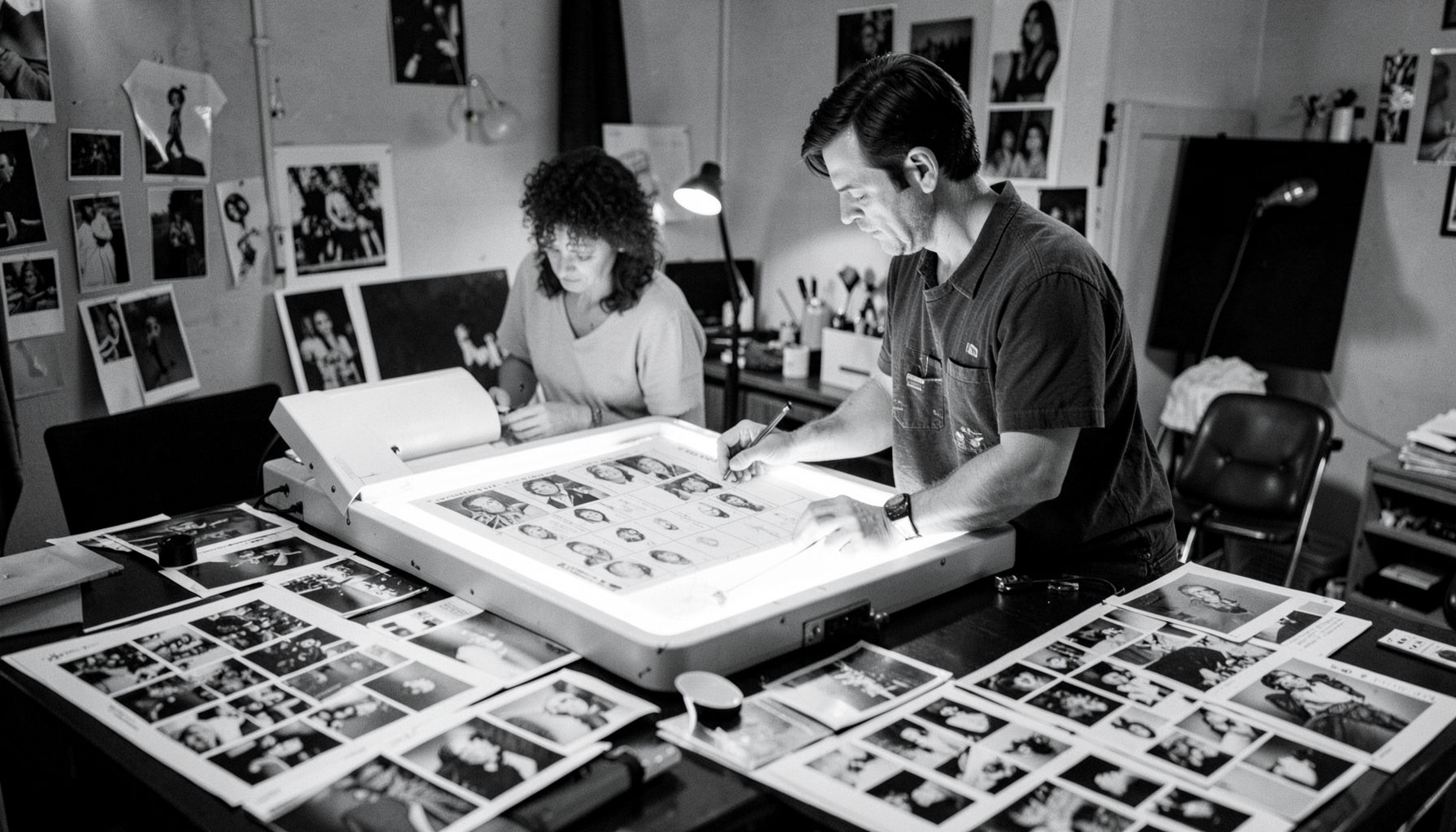
Attention should move between the individual photograph and its neighbours. Shagrir may have shot a sequence before deciding which image entered a published essay, and the archive may hold both selected and rejected frames. Contact sheets, captions and adjacent negatives can expose changes in composition, revealing how an argument was built through selection, omission and the movement from one scene to the next.
Responsible use in Australian research
Using Shagrir's material in Australia requires attention to access, copyright and cultural responsibility. The federal Copyright Act 1968 governs reuse, while Commonwealth privacy principles and state heritage, archival or records laws may affect research and publication. Reproduce the archive's credit line, distinguish a research copy from an authorised high-resolution file, and record the catalogue identifier for every image.
Privacy and dignity require separate consideration. Even when a photographer could photograph public work, archival publication can affect the represented person's family and community. Obtain permission where required, avoid unsupported identifications and explain the purpose of sensitive images. For Australian projects involving First Nations people, community authority and cultural protocols take priority over a simple comparison with Israeli settlement imagery.
Questions about object identity, provenance or permissions can be directed through collection enquiries before captions are finalised. Ask whether an image already appears in a film, newspaper feature or exhibition sequence, since those uses may clarify dating and editorial purpose. Retain a research log showing where each claim comes from and which details remain uncertain.
A practical viewing checklist
Use this sequence as a repeatable method rather than a search formula. Begin with the catalogue entry, examine the image at full size, note formal features, then move outward to dates, places and people. Keep description separate from interpretation so later evidence can revise an early impression.
| Research element | Shagrir's archive | Australian reference point |
|---|---|---|
| Landscape | Fields, water and built environment | Community gardens and peri-urban land |
| Work | Collective production and labour disputes | Co-ops, market gardening and union workplaces |
| Evidence | Negatives, prints, captions and sequences | Catalogues, provenance records and digitisation logs |
| Rights | Credit, permission and contextual integrity | Copyright Act 1968, privacy and cultural protocols |
Six habits make a strong viewing framework:
- Establish the date, place, creator and catalogue number before interpreting a photograph.
- Describe composition, light, gesture and setting without assigning motives.
- Compare neighbouring frames to test edits, sequencing and editorial selection.
- Trace collective work through labour records and the wider history of strikes.
- Check copyright, privacy, permissions and cultural protocols before reuse.
- Preserve uncertainty in captions, especially for unnamed people and disputed locations.
Shagrir's strongest contribution is not a single image of an imagined collective. It is the evidence held across frames, objects and records: a way to test how land, labour and identity were arranged, contested and remembered. Read in that layered way, the kibbutz photographs become durable records of Israeli society rather than scenic postcards.