Reading Images Through the Shagrir Archive
Visual literacy is the ability to interpret, question and create meaning through images. It involves far more than identifying what appears in a photograph or film. Students learn to examine framing, light, sequence, sound, omission, audience and authority, then connect those choices with the historical conditions in which an image was made.
The Shagrir Collection offers a rich primary-source environment for this work. Its photographs, negatives, films, recordings, papers and biographical materials document Israeli political, military and social history while revealing the practical decisions behind media production. The archive allows learners to study images as crafted objects and historical evidence at the same time.
For Australian educators, the collection can support the Australian Curriculum’s emphasis on media arts, critical and creative thinking, history and ethical understanding. A class in Sydney, Naarm/Melbourne or regional Queensland can use the material to compare visual conventions across places without treating images as neutral windows onto the past.
| Archive material | Visual literacy focus | Possible classroom activity |
|---|---|---|
| Photographs and contact sheets | Framing, selection and omission | Compare selected prints with surrounding frames |
| Documentary films | Editing, voice and point of view | Map how a sequence directs attention |
| Camera records and equipment notes | Technology and production choices | Connect lenses, formats and visual effects |
| Personal papers and recordings | Context, authorship and memory | Build a source profile before interpreting an image |
| Historical collections | Evidence, ethics and representation | Debate what can be shown, shared or inferred |
Starting With Observation Before Interpretation
A useful first exercise separates description from interpretation. Students may record only what they can see or hear: the number of people, the direction of movement, visible objects, camera height, contrast, facial expressions, ambient sound and the order of shots. They then identify what they inferred and which details led them there.
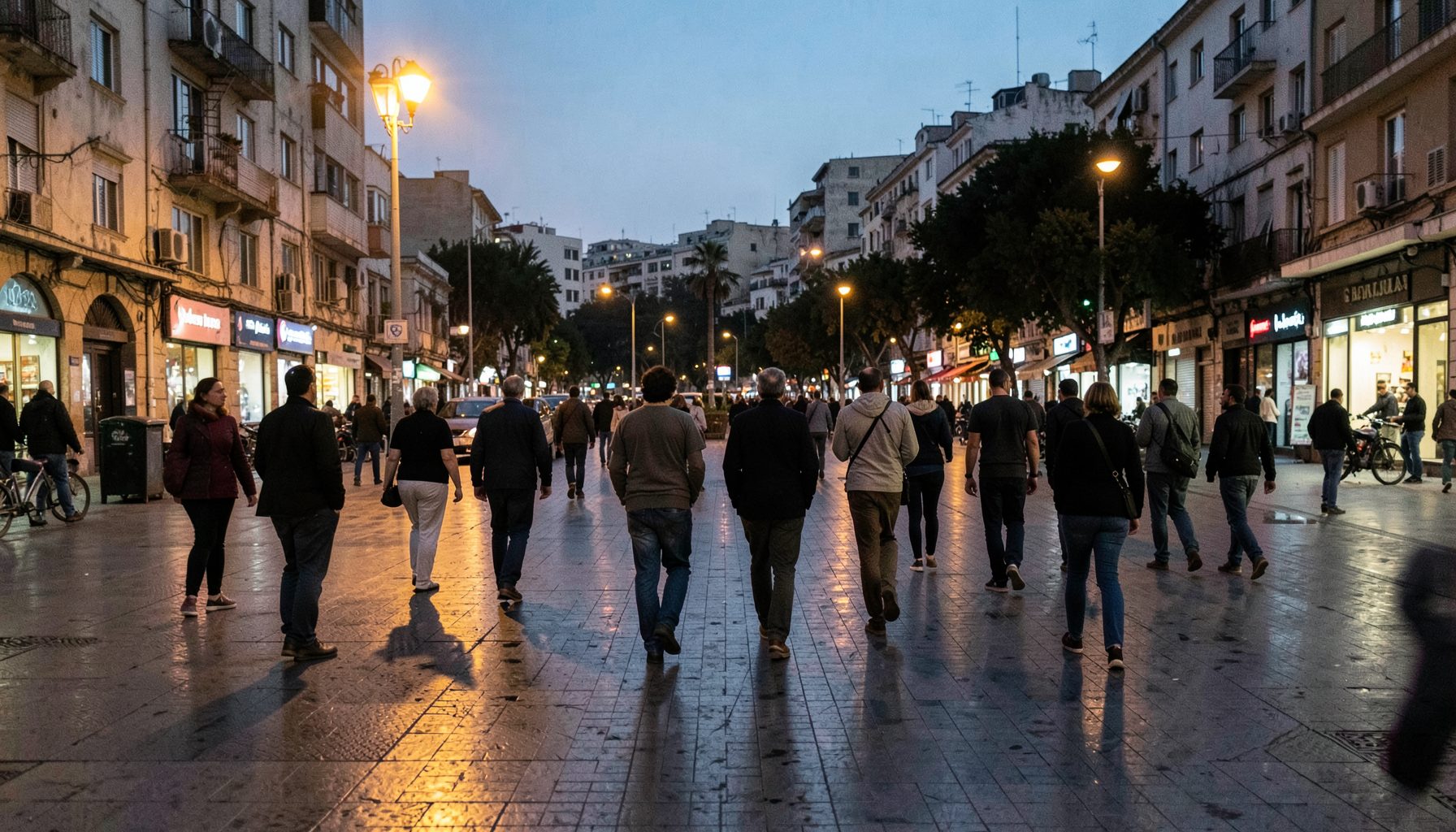
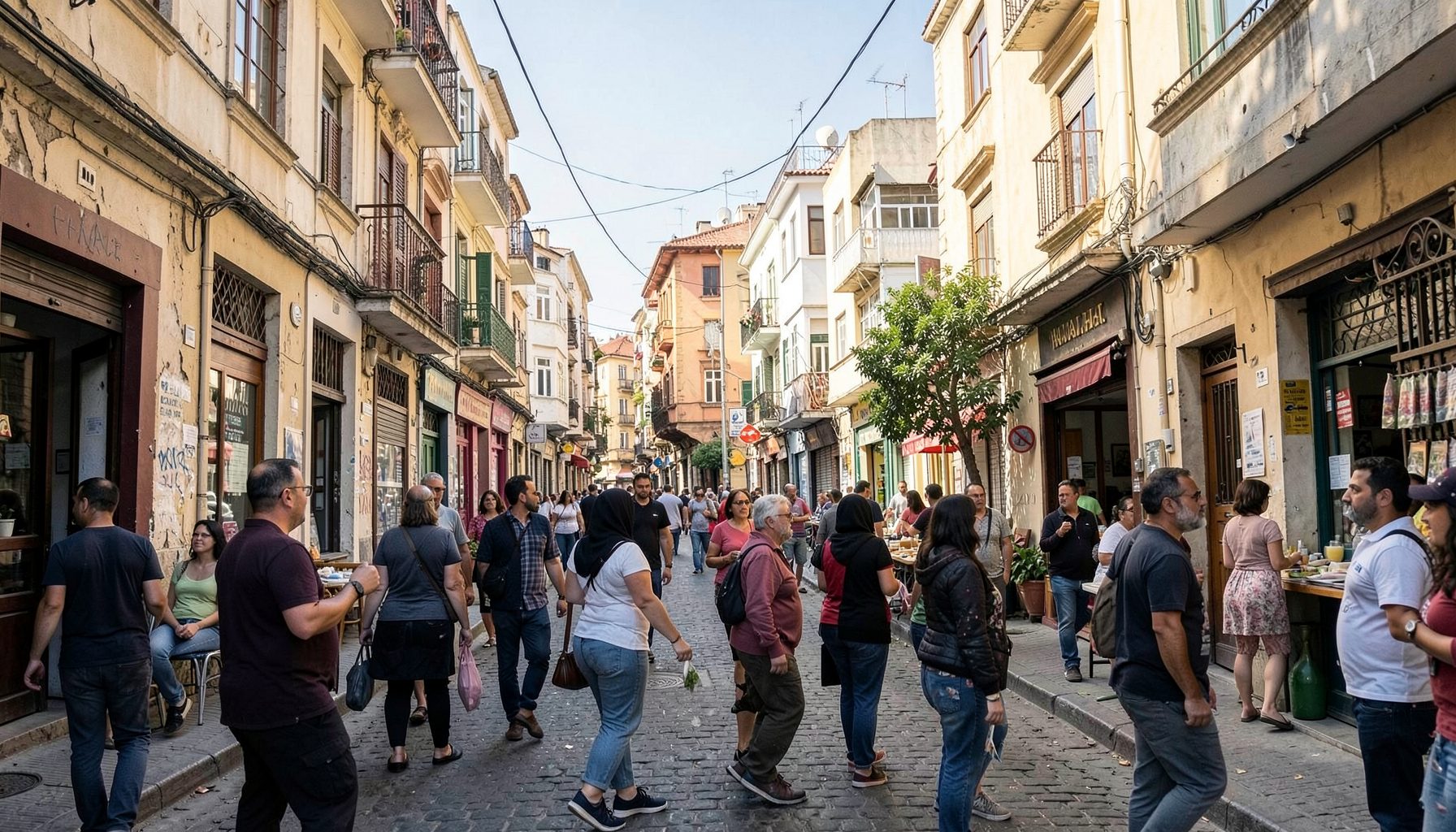
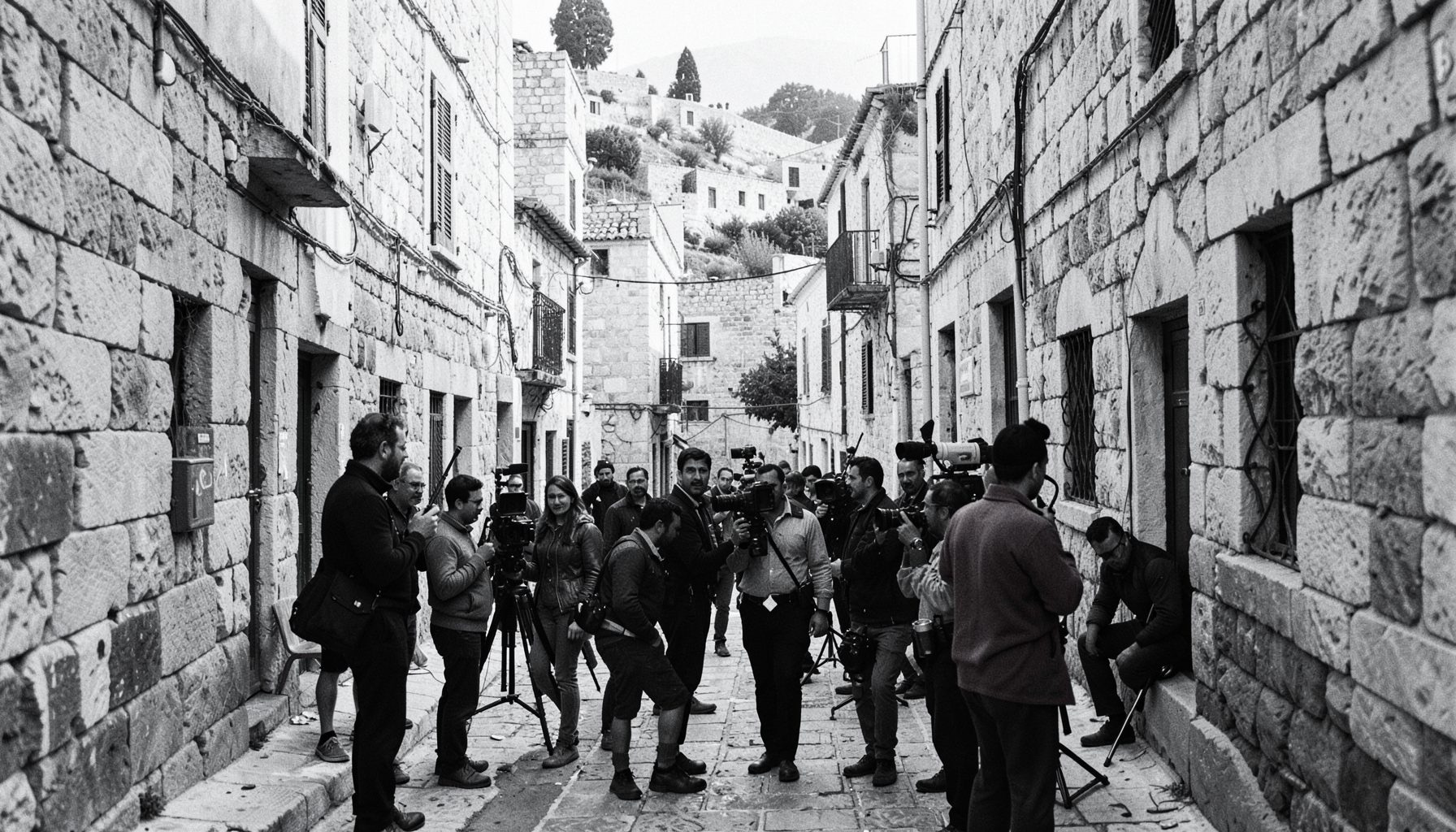
This method slows down the quick judgments encouraged by social media feeds. A crowded street scene might suggest celebration, protest, fear or official ceremony, yet the image alone may not settle the matter. Asking students to hold several possibilities in mind helps them recognise that visual meaning is constructed through evidence and prior knowledge.
Teachers can provide a two-column worksheet headed “visible or audible” and “interpreted”. The first column should use precise language, while the second can include uncertainty. Terms such as “appears,” “may indicate” and “the sequence suggests” encourage disciplined analysis rather than unsupported certainty.
Reading Framing, Sequence And Point Of View
A still image has an edge, and that edge is an argument about attention. Students can investigate who is centred, who is cropped, what remains in shadow and whether the photographer stands close to the subject or at a distance. A low angle may create authority, while an overhead view can make people appear vulnerable, organised or reduced to a pattern.
Film adds duration and order. The meaning of a shot changes when it follows a speech, a military convoy, a quiet domestic moment or a close-up of a face. Invite students to sketch a sequence as a strip of boxes, labelling shot size, camera movement, sound and transitions. They can then explain how editing creates emotional rhythm and directs sympathy.
This activity works well with media students preparing practical work for senior secondary assessment. In an Australian classroom, a group might compare the sequence with a local news report from the ABC or SBS, examining how public broadcasters establish context through narration, captions and interviews. The point is not to rank one tradition above another, but to identify the visual grammar at work.
Connecting Technology With Meaning
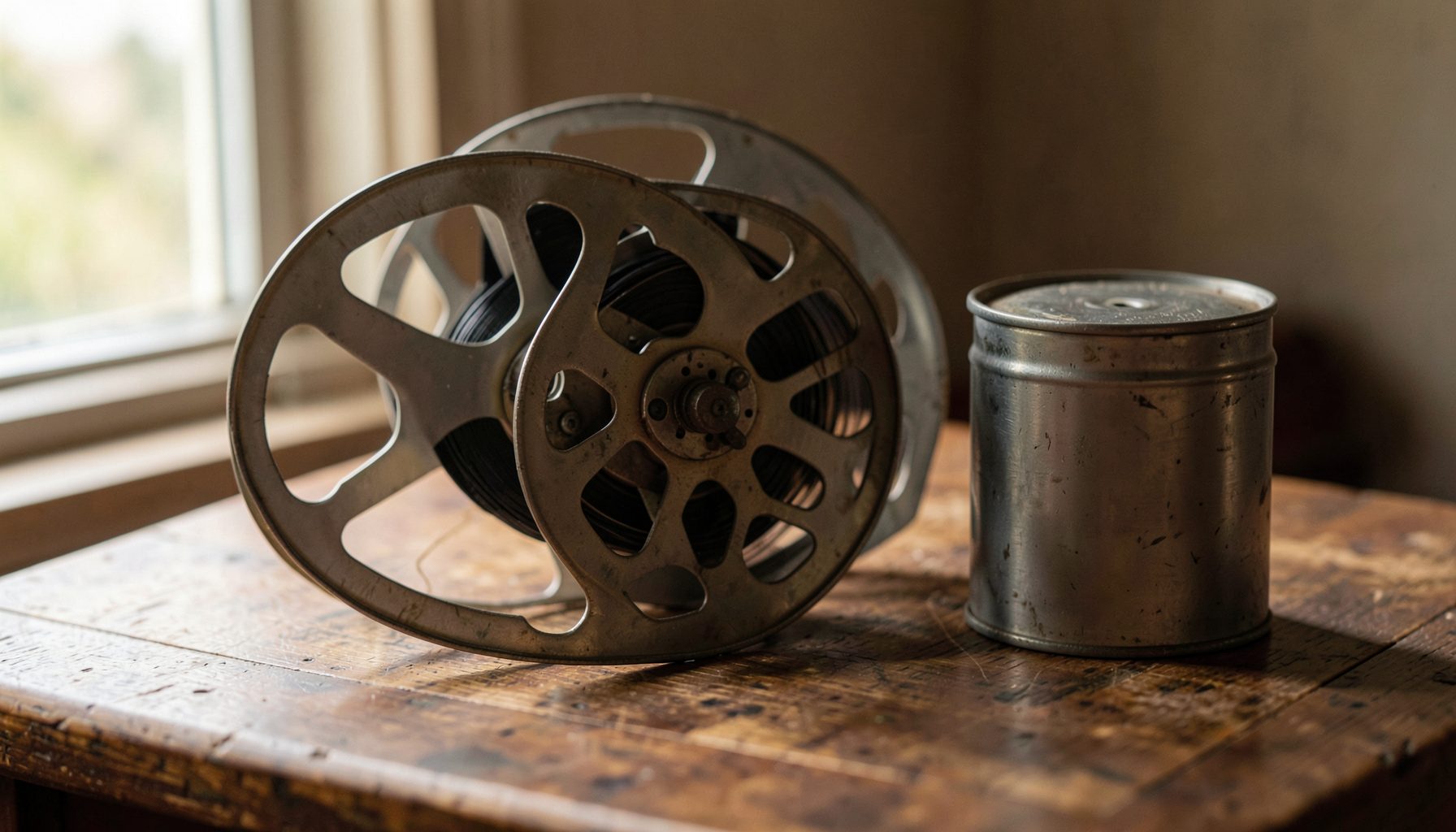
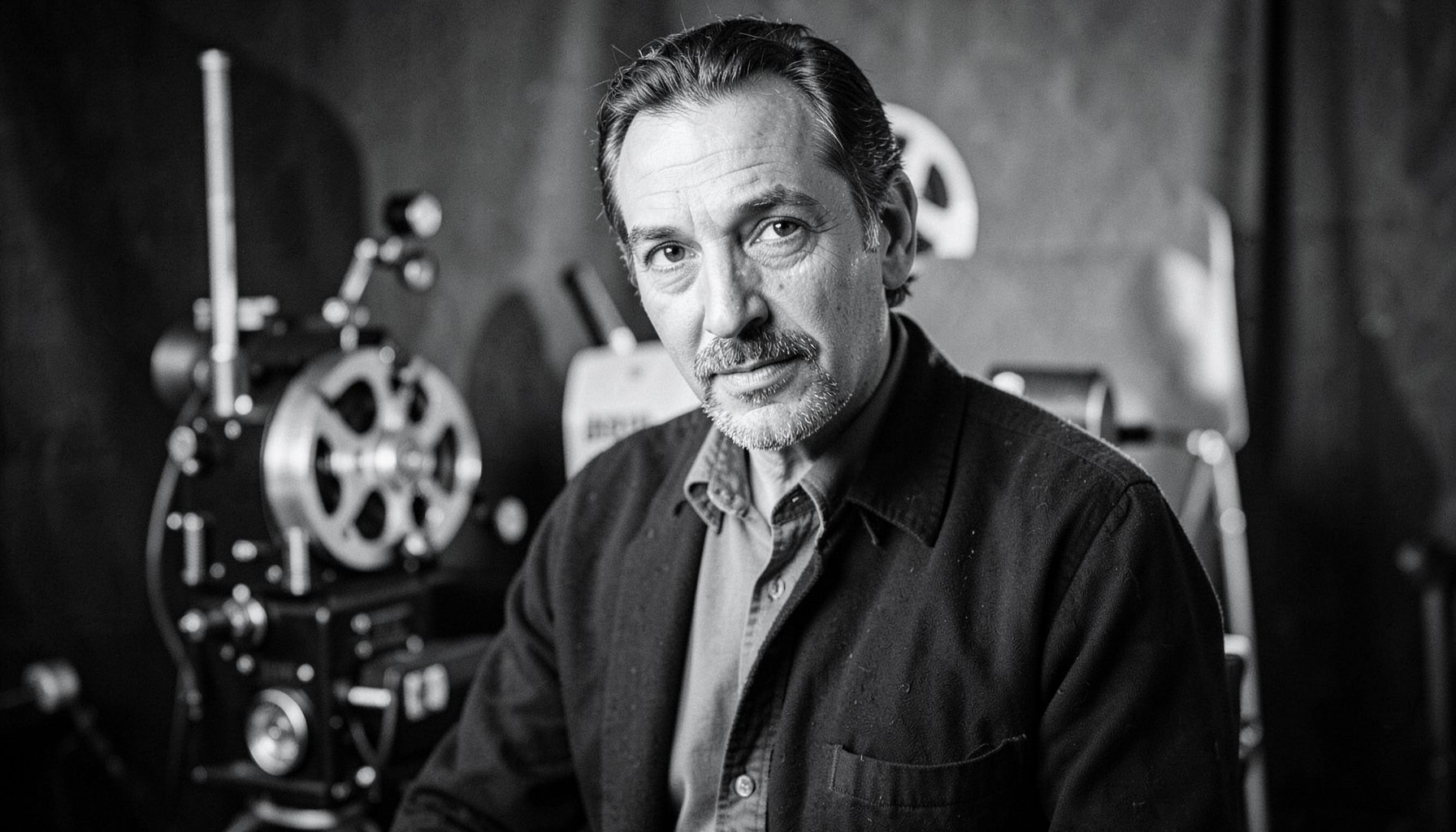
Equipment is part of visual authorship. Film stock, lenses, camera size, available light and recording formats affect what can be captured and how it feels. The archive’s technical history gives students a way to connect a material object with an aesthetic result; a grainy frame, unstable movement or restricted field of view may reflect working conditions rather than a deliberate retro style.
A lesson can begin with the collection’s camera equipment history, then ask students to predict how different tools shape documentary practice. They might recreate the same short scene using a phone, a tripod and a deliberately constrained frame, recording how each choice alters proximity, authority and audience response.
This approach also opens discussion about production realities. Documentary makers often work quickly, with limited access and changing light. Students in Western Australia or the Northern Territory may recognise the difficulty of filming in bright outdoor conditions, while learners in Melbourne may focus on low winter light and crowded public spaces. Technical limitations become evidence of a working environment, not merely defects.
Placing Israeli Material In An Australian Classroom
Historical context should accompany every image. Students need to know when and where material was produced, who made it, the intended audience and what other sources can confirm or complicate it. A photograph can reveal a great deal about an event while still offering only one position within it.
Comparison should be carefully framed. Teachers might place an archive image beside a photograph from the State Library of New South Wales, the National Film and Sound Archive or Trove, asking how each institution describes provenance and access. Comparisons with Australian political, military or social history can develop source criticism, but they should not flatten distinct Jewish, Palestinian, Israeli, Indigenous Australian or migrant experiences into a single storyline.
Local language and curriculum settings matter too. A teacher might describe the task as a “source analysis” for a history class or a “visual language” exercise in media arts, depending on the state or territory. In a Year 10 class, students could connect the work to civics and citizenship; in a university tutorial, they might examine archive theory, documentary ethics and national memory.
When lessons touch on conflict, displacement or military history, educators should establish respectful discussion protocols. First Nations perspectives and cultural authority must be treated according to relevant local guidance, rather than used as a loose analogy for material from another region. The archive is most powerful when comparison expands understanding without erasing difference.
Examining Authorship, Power And Ethics
Images carry the power of selection. The person behind the camera decides where to stand, when to press the shutter, which interview to retain and how a subject enters the final narrative. Students should ask whose voice is audible, whose experience is mediated and what the maker could not see or did not choose to show.
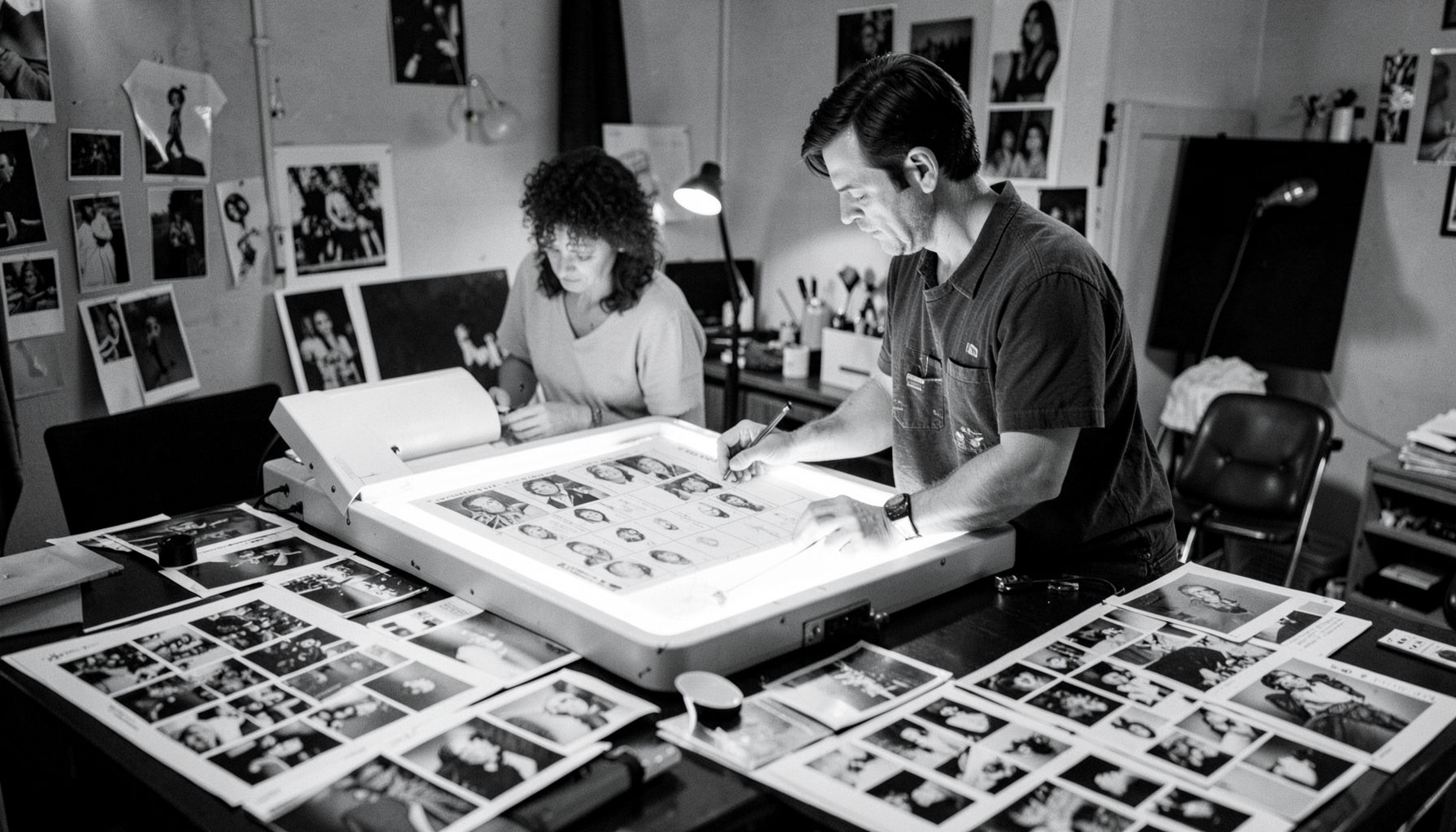
The Shagrir Collection is especially useful for teaching that archives are shaped by preservation. What survives may reflect professional priorities, institutional resources, personal decisions or historical loss. Contact sheets, rejected frames and production notes can reveal a gap between the abundance of recorded material and the small portion eventually circulated.
Copyright and privacy belong in the same conversation. Before downloading, reposting or placing an image in a school presentation, students should check the collection’s copyright guidance, distinguish educational quotation from public publication and credit the source accurately. A classroom screen does not automatically remove ownership or ethical responsibilities.
A practical exercise asks students to write two captions for one image: a neutral catalogue caption and a promotional social-media caption. Comparing them shows how wording changes perceived importance, emotion and certainty. Teachers can then discuss consent, identifiable people, traumatic imagery and whether every available image should be displayed simply because it exists.
Moving From Analysis To Creative Practice
Visual literacy becomes deeper when students make something after studying how images work. They could produce a short photo essay, storyboard, audio-visual montage or annotated digital exhibition. The brief should require a statement explaining framing, sequencing, sound, source selection and intended audience.
Students can also pair archival analysis with contemporary visual culture. A class might examine how a current creator borrows documentary conventions, or use a creative storytelling reference to discuss the relationship between personal style and public communication. The comparison should focus on choices—colour, pacing, viewpoint and platform—rather than treating a modern post as equivalent to historical evidence.
For assessment, a portfolio can include observation notes, contextual research, a visual analysis, a creative response and a reflection on ethics. This rewards the process of looking carefully instead of judging students only on polished production. It also makes learning visible for students who are stronger at writing, editing, research or sound than at photography.
A Melbourne class could mount a small corridor exhibition with QR-linked annotations; a regional school might create an online gallery for families who cannot attend in person. Students in an HSC or VCE setting can adapt the work to formal analysis and production requirements, while university students can investigate metadata, digitisation and archival description in greater depth.
Practical Classroom Moves
Begin with a small, clearly contextualised group of sources rather than presenting the entire archive at once. Three photographs, one short sequence and a production note can generate sustained discussion when students are given time to look, annotate and revise their interpretations.
Build accessibility into the lesson. Provide transcripts, captions, image descriptions and alternative ways to respond. Students may analyse a soundtrack, write a catalogue entry, create a shot map or speak about a photograph. These options support inclusive participation while preserving the intellectual demands of visual inquiry.
- Ask students to describe before they explain, separating evidence from assumption.
- Require provenance notes for every image, quotation, sound clip and production detail.
- Compare selected archive material with an Australian source while preserving historical differences.
- Use shot maps and contact-sheet exercises to make editing and omission visible.
- Discuss copyright, consent, cultural authority and the consequences of circulation.
- Assess both the creative outcome and the reasoning documented behind it.