
Shagrir’s Lens On Labour, Strikes And Israeli Public Life
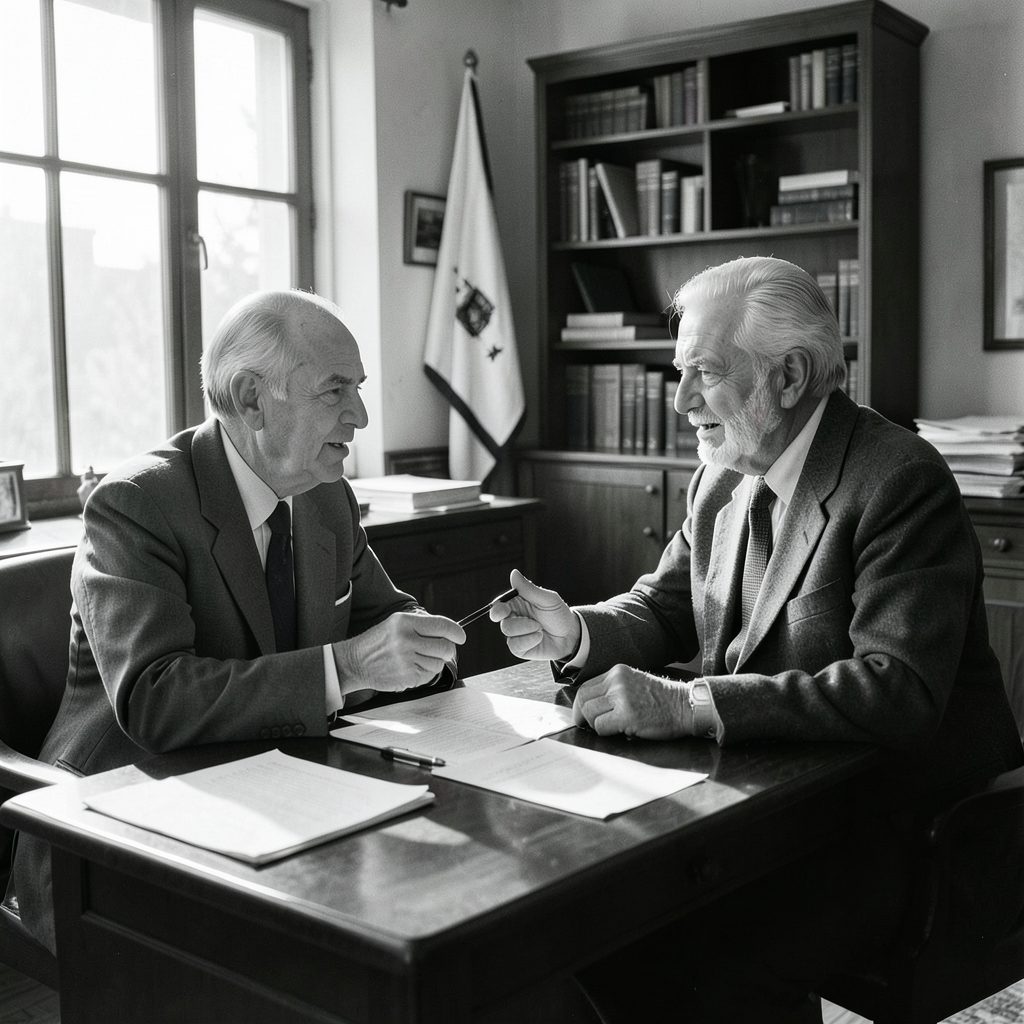
Micha Shagrir’s record of Israeli media history offers a valuable way to study work, protest and political change through images. His filmmaking, photography and journalism placed ordinary people alongside institutions, showing how a strike could be experienced in a factory, a government office, a street rally or a family home. The Shagrir Collection preserves this material as more than a record of events: it is evidence of how Israeli society understood power and belonging.
For Australian readers, the subject has a familiar point of entry. Industrial action is part of public life in Australia, from nurses and teachers walking off the job to transport workers gathering outside a depot or port. Yet Israeli labour history developed through a different political structure, with the Histadrut trade union federation, state-building institutions and rapidly changing workplaces shaping the meaning of collective action. Shagrir’s coverage helps make those differences visible without losing sight of the human details shared across labour movements.
Work And Nation Building
In the early decades of the Israeli state, employment was closely tied to the project of building a new society. The Histadrut was a powerful force in organised labour, but it also operated through health services, cultural institutions, housing and major economic enterprises. A strike could therefore represent a dispute over wages or conditions while also raising broader questions about who controlled the national economy and whose work counted as essential.
Shagrir’s documentary approach is particularly suited to this layered history. A meeting room, a picket line or a tired worker returning home can reveal tensions that official statements leave out. Instead of treating labour unrest as a simple contest between management and unions, visual reporting can show how inflation, migration, public-sector reform and political loyalty affected people’s choices. The archive’s photographs, films, recordings and papers allow researchers to compare the language of public protest with the textures of everyday life.
The connection with Australia is clear in places where work carries a strong civic identity. A steelworker in Haifa, a dockworker near Ashdod or a public servant in Jerusalem may be understood through the same social lens as a worker at Port Botany, in Geelong or in the Hunter Valley: their job is also part of a local economy and a shared idea of place. The scale and history differ, but the emotional stakes of a wage claim often extend well beyond a payslip.
Strikes As Public Theatre
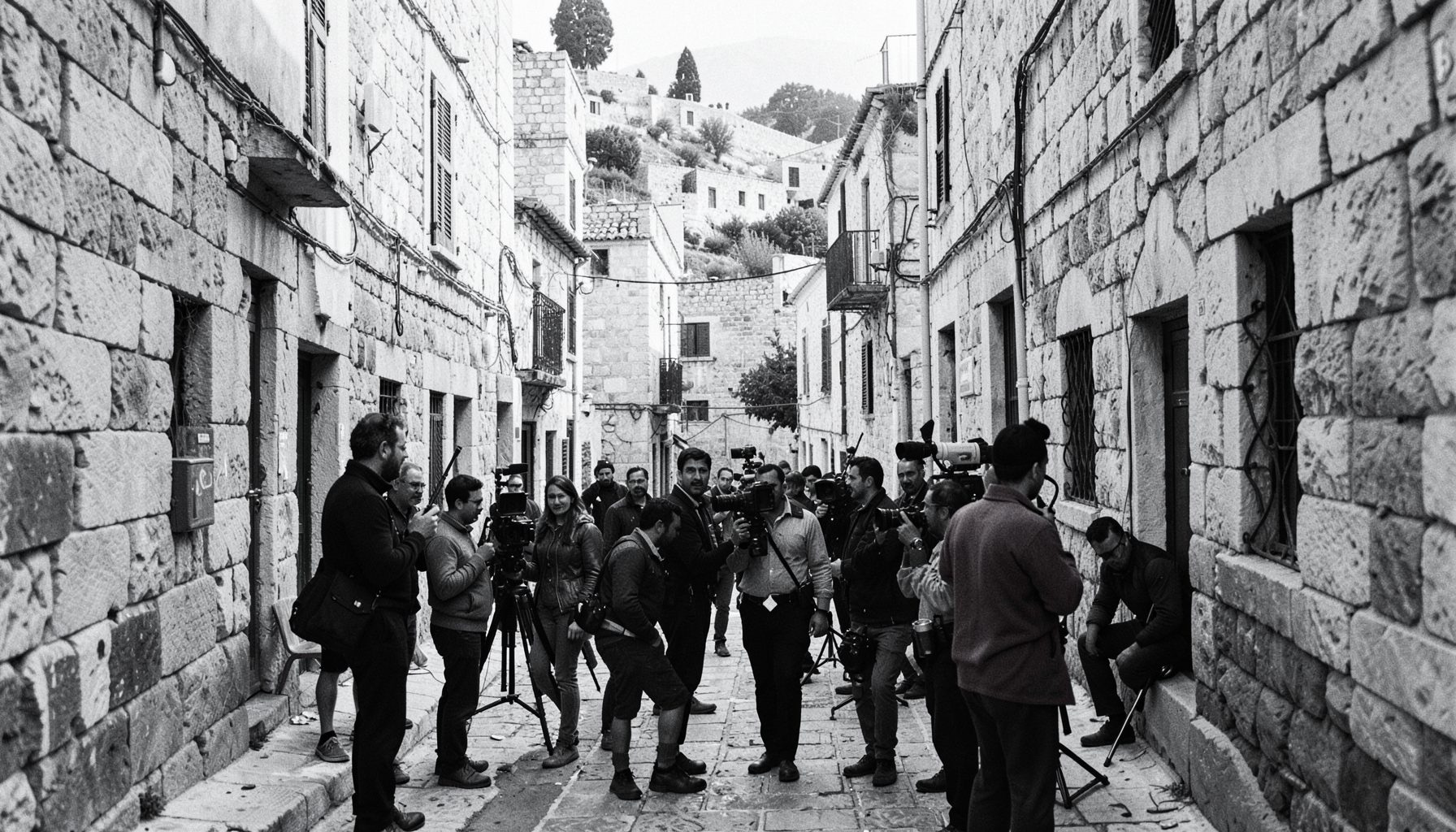
A strike is both an economic stoppage and a performance in public space. Signs, chants, banners, queues and empty workplaces communicate a message to employers, government and the wider population. Shagrir’s camera could capture this visual language, including the moments when disciplined collective action gave way to argument, uncertainty or exhaustion. Such images help explain how labour movements built solidarity and how opponents tried to frame a stoppage as either democratic pressure or social disruption.
This perspective matters when comparing Israeli action with Australian industrial relations. In Australia, protected industrial action is generally shaped by the Fair Work Act, bargaining procedures and requirements such as a protected action ballot. An Israeli strike may emerge from a different legal and institutional setting, yet the public debate has familiar ingredients: disruption to services, claims about fairness, political pressure and arguments over who speaks for the workforce. The archive lets viewers examine those arguments as historical evidence rather than accepting the loudest contemporary version.
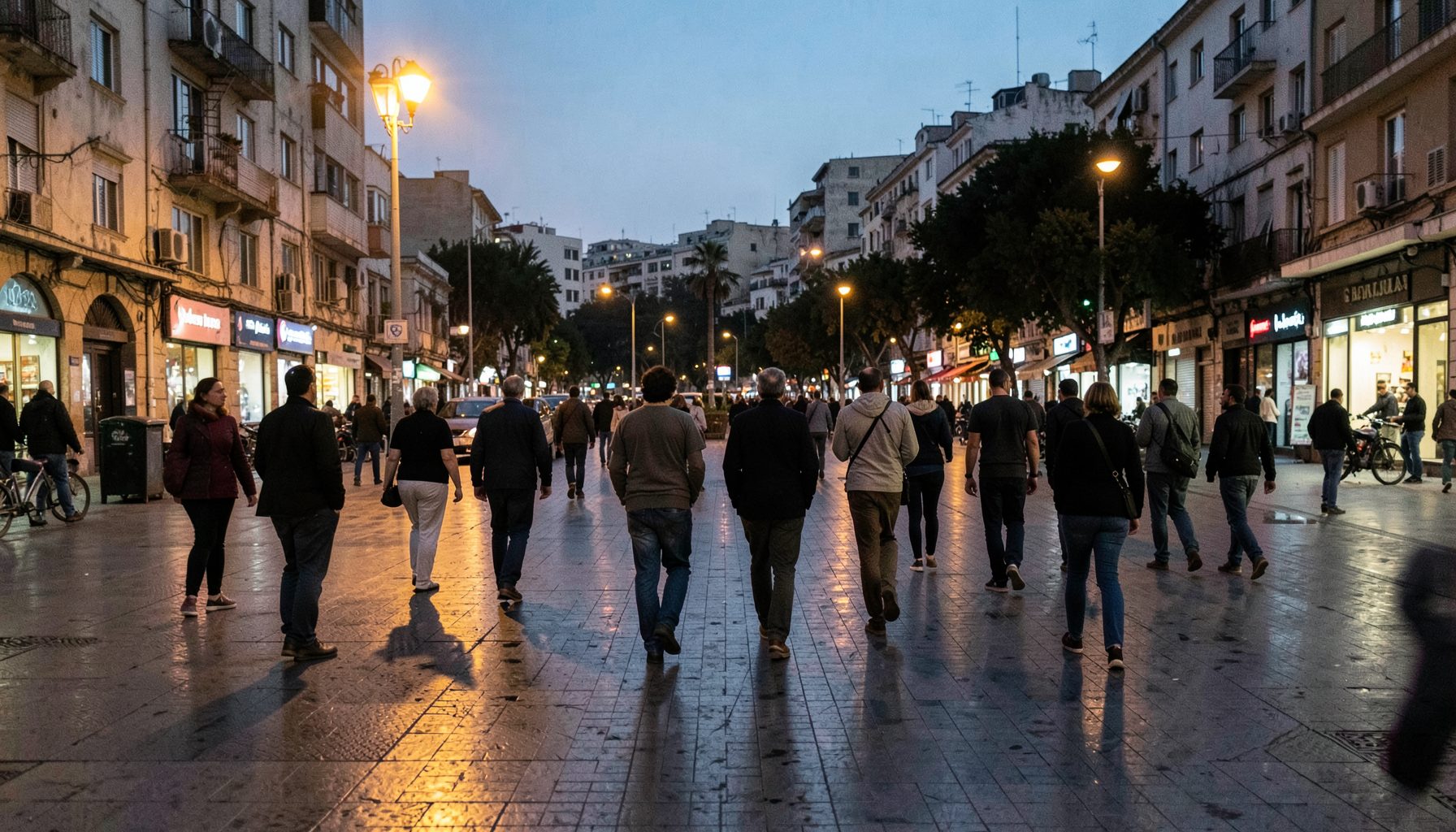
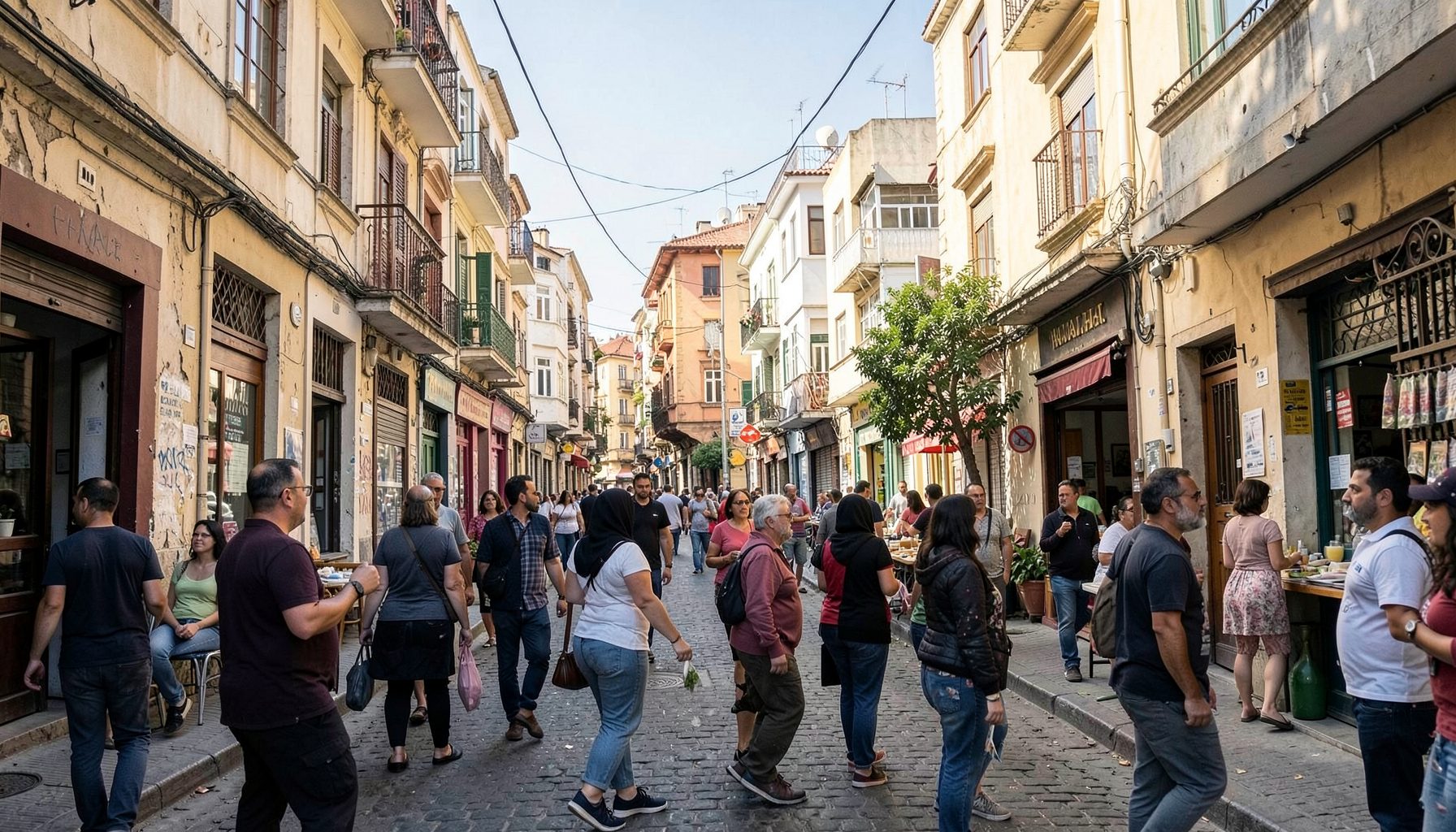
The physical setting often carries its own meaning. A demonstration outside the Knesset, a march through Tel Aviv or a gathering near a municipal workplace communicates something different from a stoppage inside a factory. Australian audiences may recognise the distinction between a rally on the steps of Parliament House in Canberra, a union meeting in Melbourne and a picket outside a hospital in Western Sydney. Location turns labour reporting into social geography, showing who is visible and who remains outside the frame.
The Human Scale Of Industrial Conflict
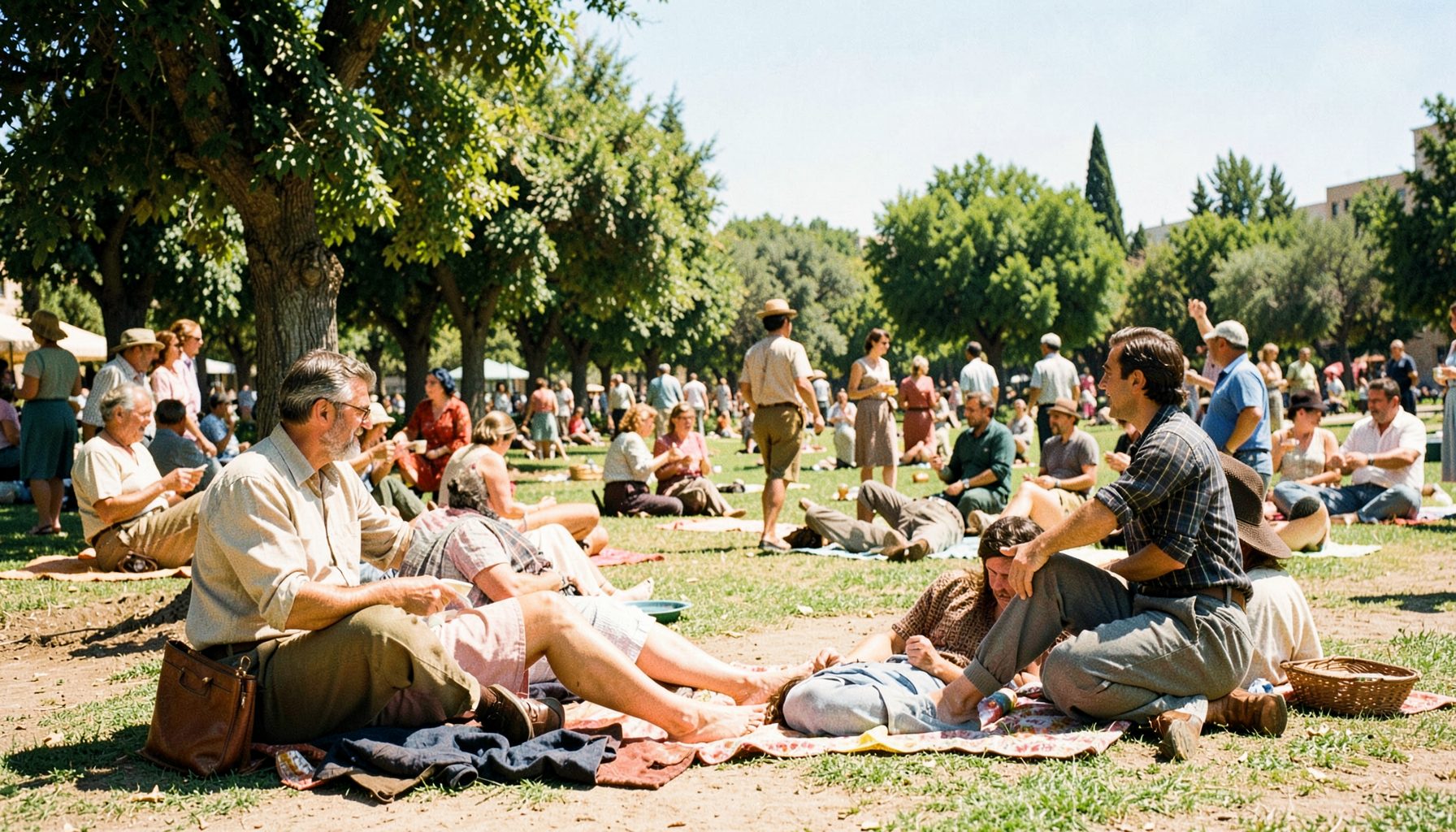
News coverage can make a strike appear to be a single event with a beginning and an end. Personal photographs and recorded testimony add duration. They show the preparation before workers walk out, the practical strain of lost income, the conversations between colleagues and the uncertain return to work. These details are vital in studying Israel’s labour movement because national disputes were experienced unevenly across sectors, communities and generations.
Shagrir’s work also encourages attention to people who are easy to overlook in a formal account. Women in public services, immigrants learning workplace customs, older employees facing economic reform and younger workers entering insecure jobs may have understood collective action in different ways. A photograph of a crowd cannot explain every motive, but it can preserve gestures, clothing, signs and relationships that later researchers may interpret alongside interviews and written records.
That method can be useful in Australia, where the word “strike” may sit beside more everyday terms such as “industrial action”, “wage claim” or “work ban”. A teacher in Brisbane, a nurse in Adelaide or a rail worker in Sydney may describe the same dispute through practical concerns about rosters, staffing and safety rather than ideological language. Reading Israeli footage with this sensitivity prevents a false equivalence while still revealing common patterns of solidarity and vulnerability.
Reading Labour Through The Built Environment
Workplace architecture is another route into the history of industrial conflict. Factories, offices, housing estates, workshops and transport facilities organise people physically before they organise them politically. Entrances determine where a picket can stand; corridors shape communication; canteens create informal networks; and large open spaces make collective presence visible. Shagrir’s photographs and films can therefore be read alongside the buildings in which labour was performed.
The collection’s architectural material provides a wider context for this approach. A discussion of architecture and history shows how visual records can trace changes in Israeli urban and social life. The same principle applies to labour coverage: a new industrial complex, a deteriorating public building or a modern office tower may signal changing employment relations before a strike announcement makes them explicit.
For Australian viewers, this is especially relevant in cities where workplaces are being rebuilt or relocated. The shift from manufacturing in inner Melbourne and Sydney, the changing role of ports and warehouses, and the growth of logistics around western suburbs all affect how collective action looks. A picket at a suburban distribution centre is different from one outside a historic factory, just as Israeli labour disputes took on different meanings in agricultural settlements, state enterprises and expanding urban centres.
Preserving A Record Of Dissent
The value of the Shagrir Collection lies in the range of sources held together. Negatives, prints, films, recordings and personal papers can be studied in relation to one another, allowing a researcher to test memory against image and public reporting against private evidence. Preservation also protects the rough edges of history: partial footage, damaged photographs and informal notes may reveal assumptions that a polished retrospective would remove.
For students, curators and community historians, this material can support work on trade unions, political communication, documentary ethics and the history of Israeli media. It also creates opportunities to compare Israeli labour campaigns with Australian records held by unions, universities, museums and audiovisual institutions. The comparison is strongest when it attends to specific systems: Israel’s Histadrut tradition and state formation alongside Australia’s awards, enterprise bargaining, union campaigns and Fair Work framework.
Access is part of preservation’s public purpose. Researchers interested in licensing, archival material or possible collaboration can contact the collection, while readers seeking broader visual culture and criticism may encounter related discussion through Azay Art Magazine. These connections place labour footage within a living network of scholarship, exhibition and public education rather than treating it as a sealed historical storehouse.
Shagrir’s coverage remains important because it records conflict without reducing people to symbols. Strikes appear as organised political acts, but also as moments of waiting, argument, humour, fatigue and resolve. Seen from Australia, this history offers a grounded comparison between two democratic societies where work stoppages can expose the structure of power. The archive preserves the faces and spaces through which that power became visible.