
How Shagrir’s Photography Recorded Tel Aviv’s Transformation
Tel Aviv is often described through its architecture: Bauhaus façades, broad boulevards, beachfront towers and the old port. Photography reveals a more complicated city. It captures how residents used streets, how new arrivals altered neighbourhood life, and how political events changed the meaning of familiar public spaces.
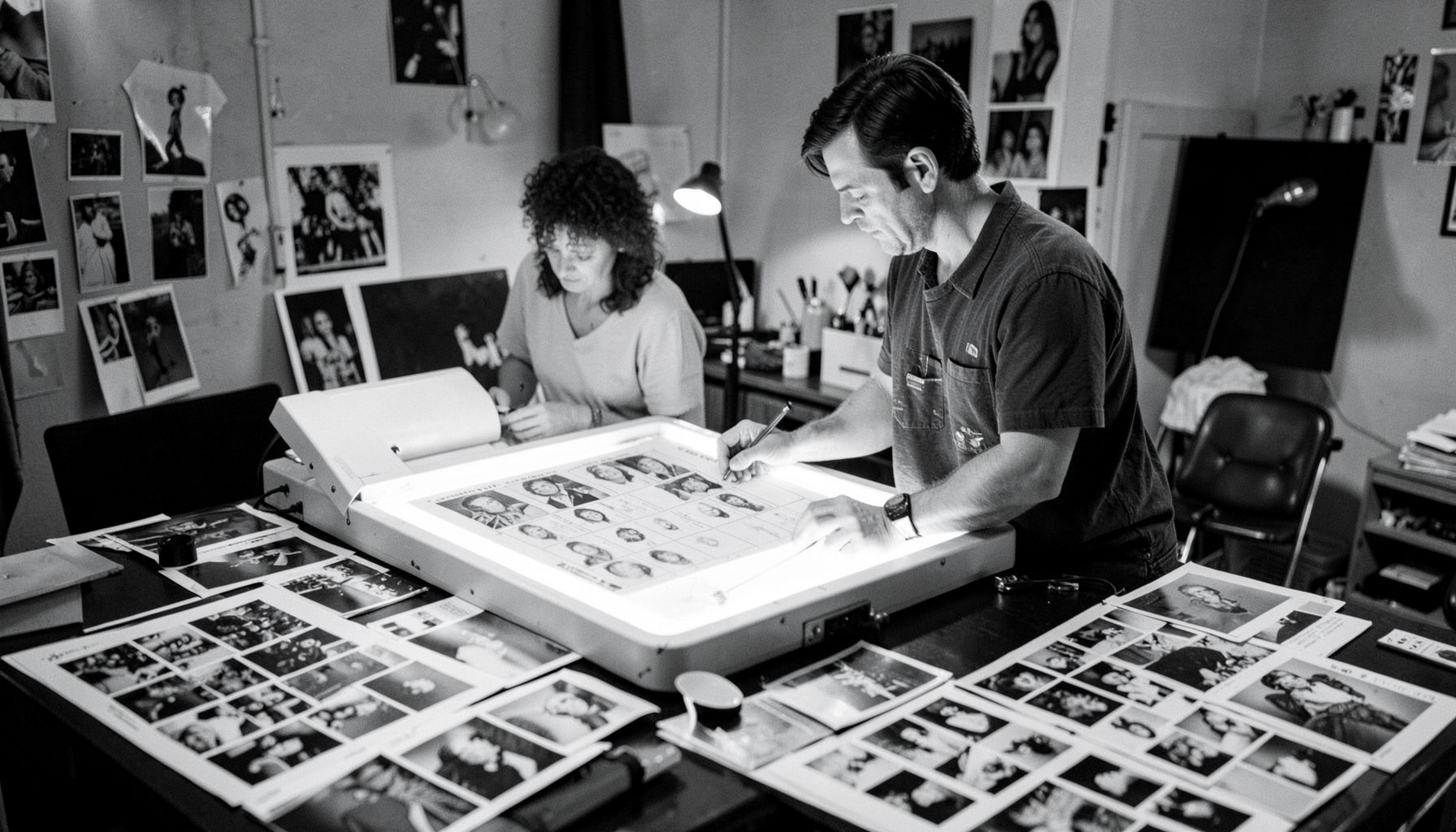
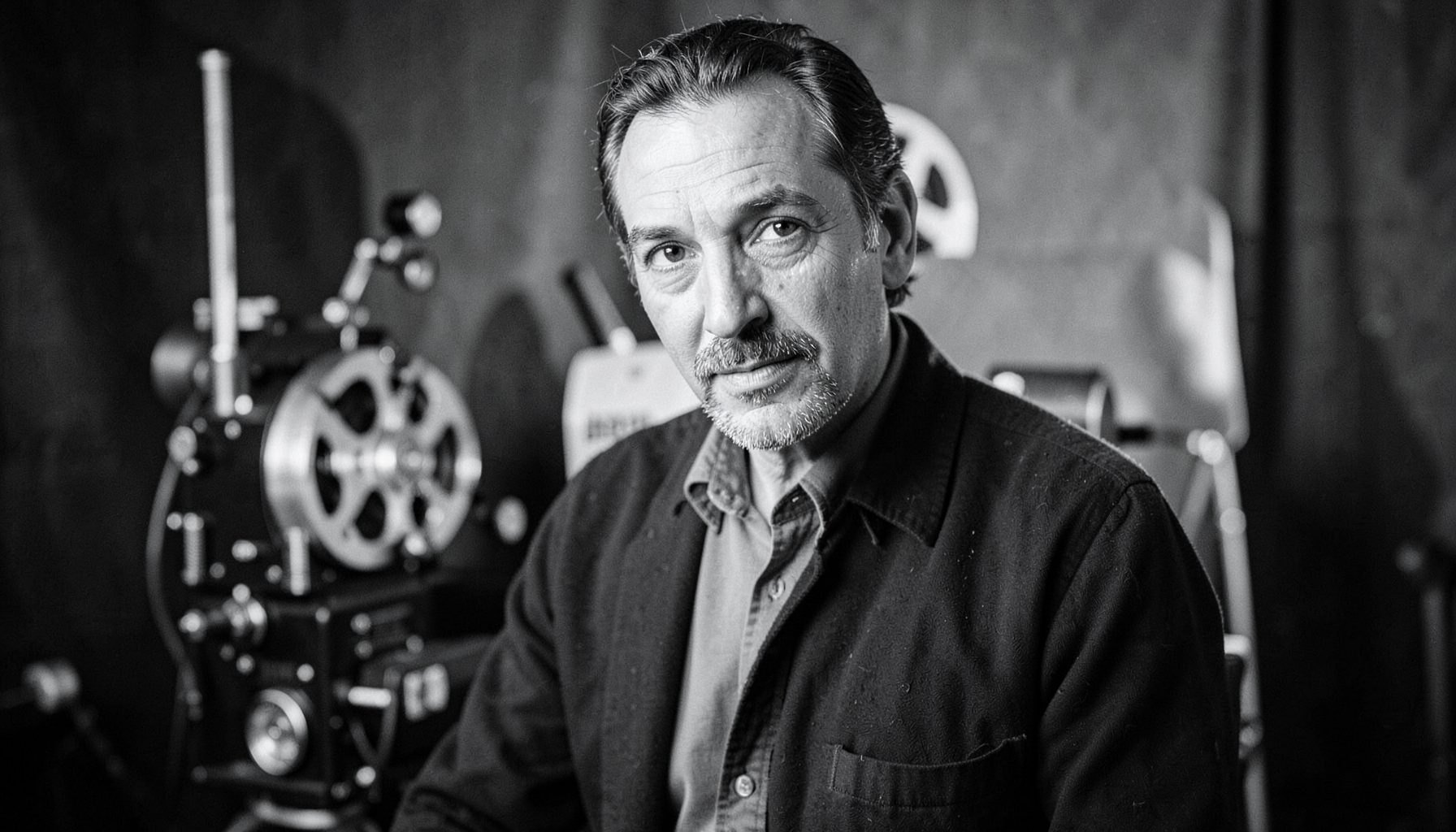
Micha Shagrir’s work belongs to this visual history. As a filmmaker, photographer, producer and journalist, he observed Israel across several decades, preserving ordinary scenes alongside moments of national significance. His images help viewers trace Tel Aviv as a lived environment rather than a fixed postcard, while the wider archive connects photographs with negatives, films, papers, recordings and historical documentation.
A Young City Finding Its Visual Language
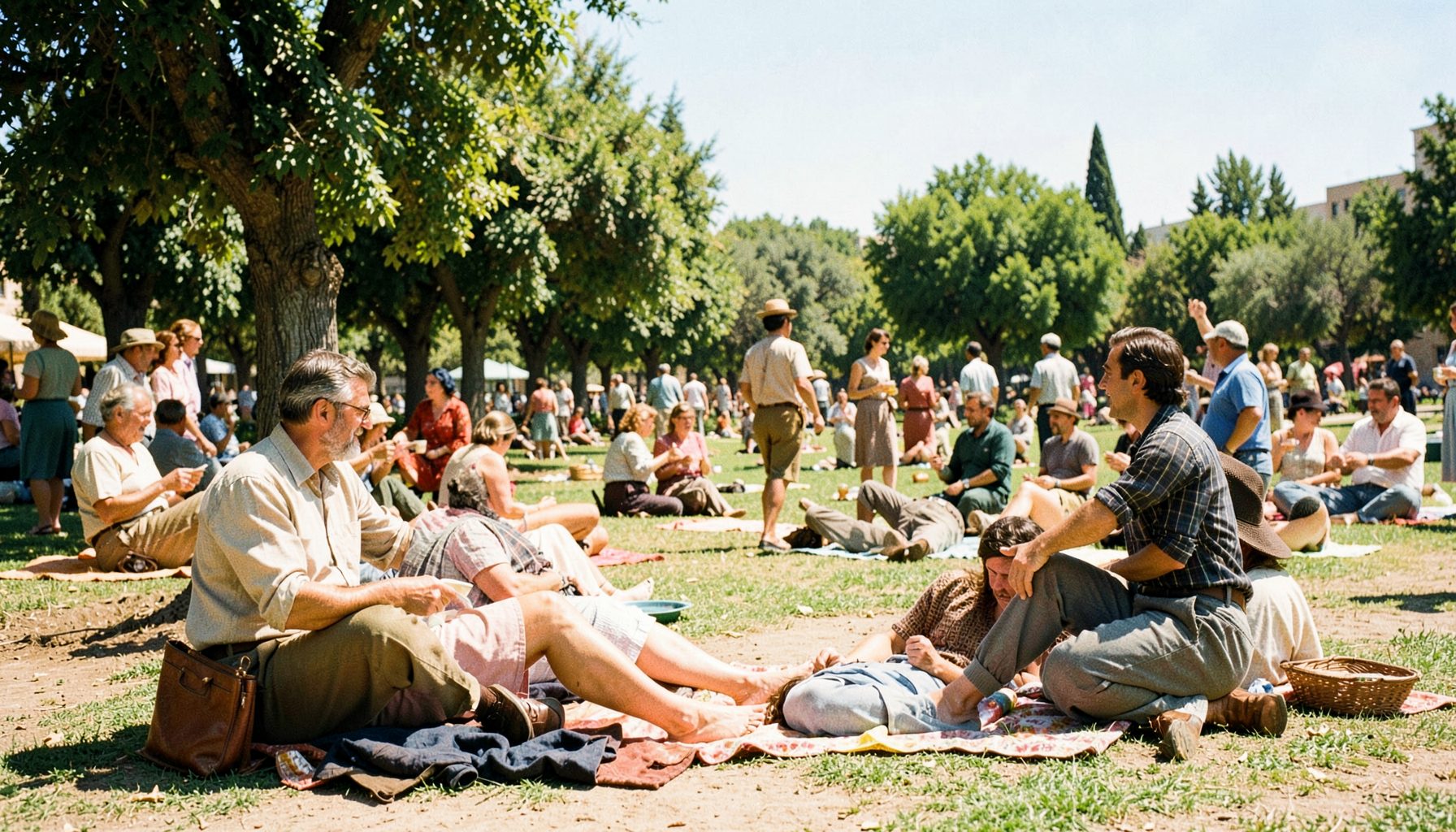
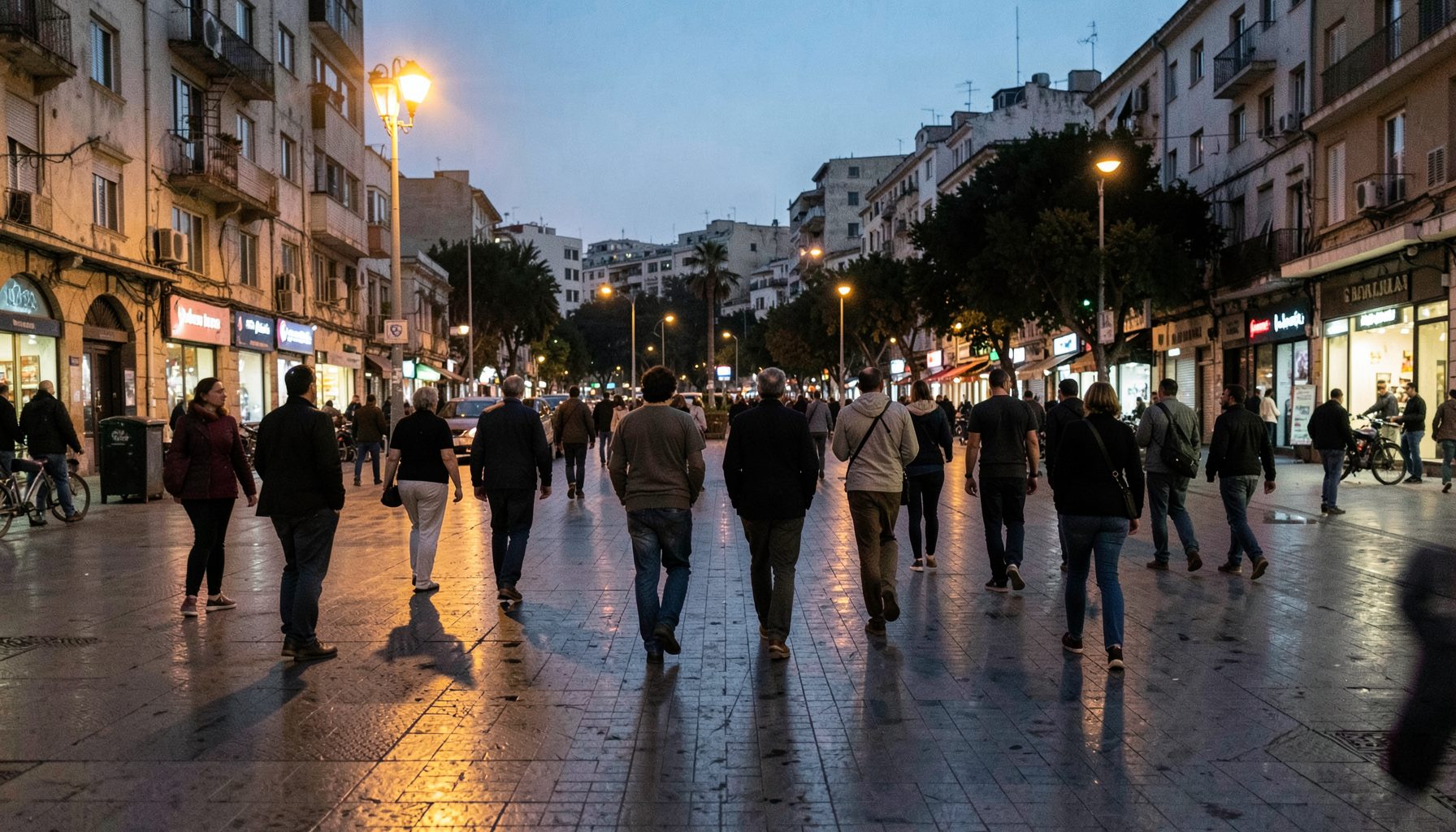
In its early decades, Tel Aviv projected confidence through clean lines, open roads and modernist construction. Yet the city’s identity was never limited to architectural style. Shagrir’s photographs can be read as records of movement: pedestrians crossing busy streets, workers setting up markets, families gathering near the sea and young people occupying cafés, squares and pavements.
This attention to everyday activity matters because urban change is often gradual. A new building may attract headlines, but a photograph of washing hanging from a balcony, a bus stop crowded at dusk or a shopfront adapted for a different business can reveal how residents absorb change. These details place Tel Aviv’s modernism within the realities of housing pressure, migration and changing work patterns.
For Australian viewers, the comparison may feel familiar. Sydney’s harbour images often dominate international perceptions, while Melburnians recognise that laneways, tram stops and suburban shopping strips tell a fuller story. Tel Aviv’s visual character likewise emerges from the relationship between landmark spaces and the routines surrounding them.
Migration, Work And Neighbourhood Life
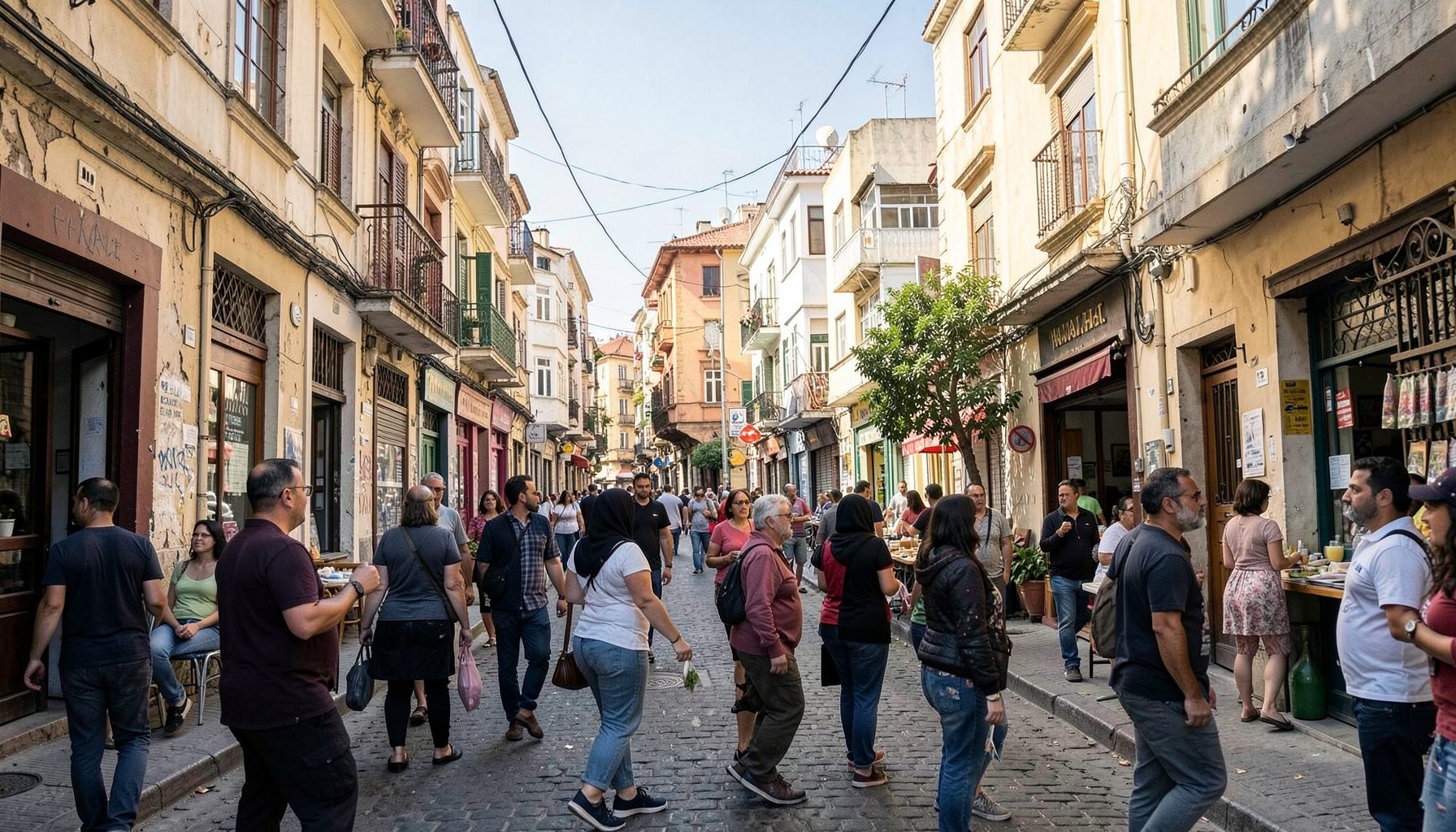
The city’s transformation was shaped by waves of migration, economic adjustment and the expansion of surrounding urban areas. Photography gives these forces a human scale. Clothing, signage, shop displays and the arrangement of streets can indicate who had arrived, which languages were heard and how commercial life was being reorganised.
Shagrir’s documentary perspective is especially valuable when it stays close to people whose experiences might disappear from official accounts. A port worker, street vendor, soldier, child or newly arrived family could become part of the historical record through a single frame. Such images are evidence of social change, but they also preserve gestures and relationships that written reports rarely describe.
Tel Aviv’s markets, beaches and transport routes functioned as meeting points between communities. The visual record can therefore be examined by researchers studying immigration, labour, gender, youth culture or class. It can also support family history, particularly when a photograph contains recognisable streets, businesses or public events.
Streets, Beaches And Public Memory
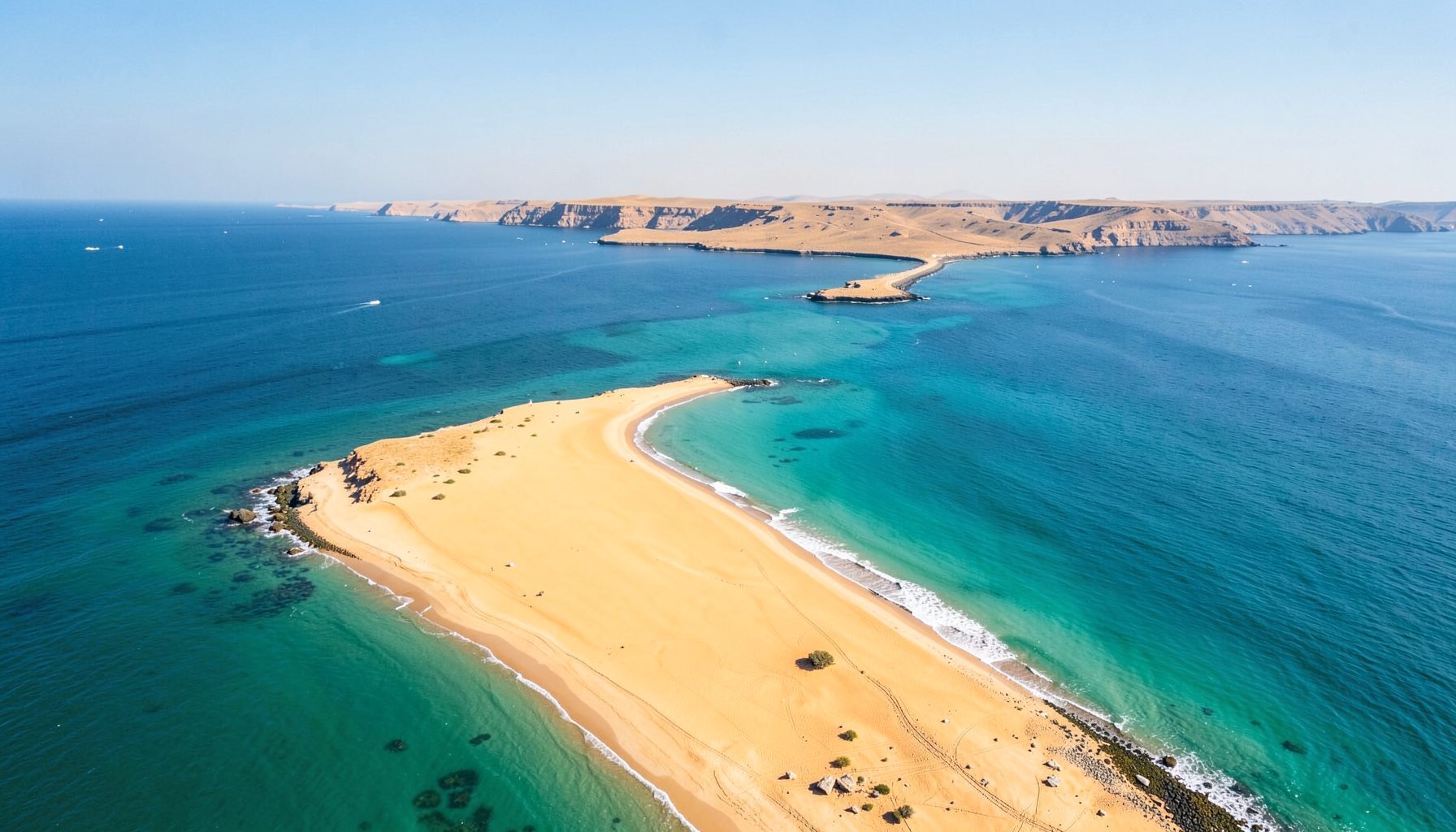
Tel Aviv’s coastline has long been central to its public image, yet the beach is more than scenery. It is a social space where leisure, exercise, courtship, tourism and civic identity overlap. Photographs made there can show changing swimwear, recreational habits, beach infrastructure and the differing ways residents claimed the shoreline.
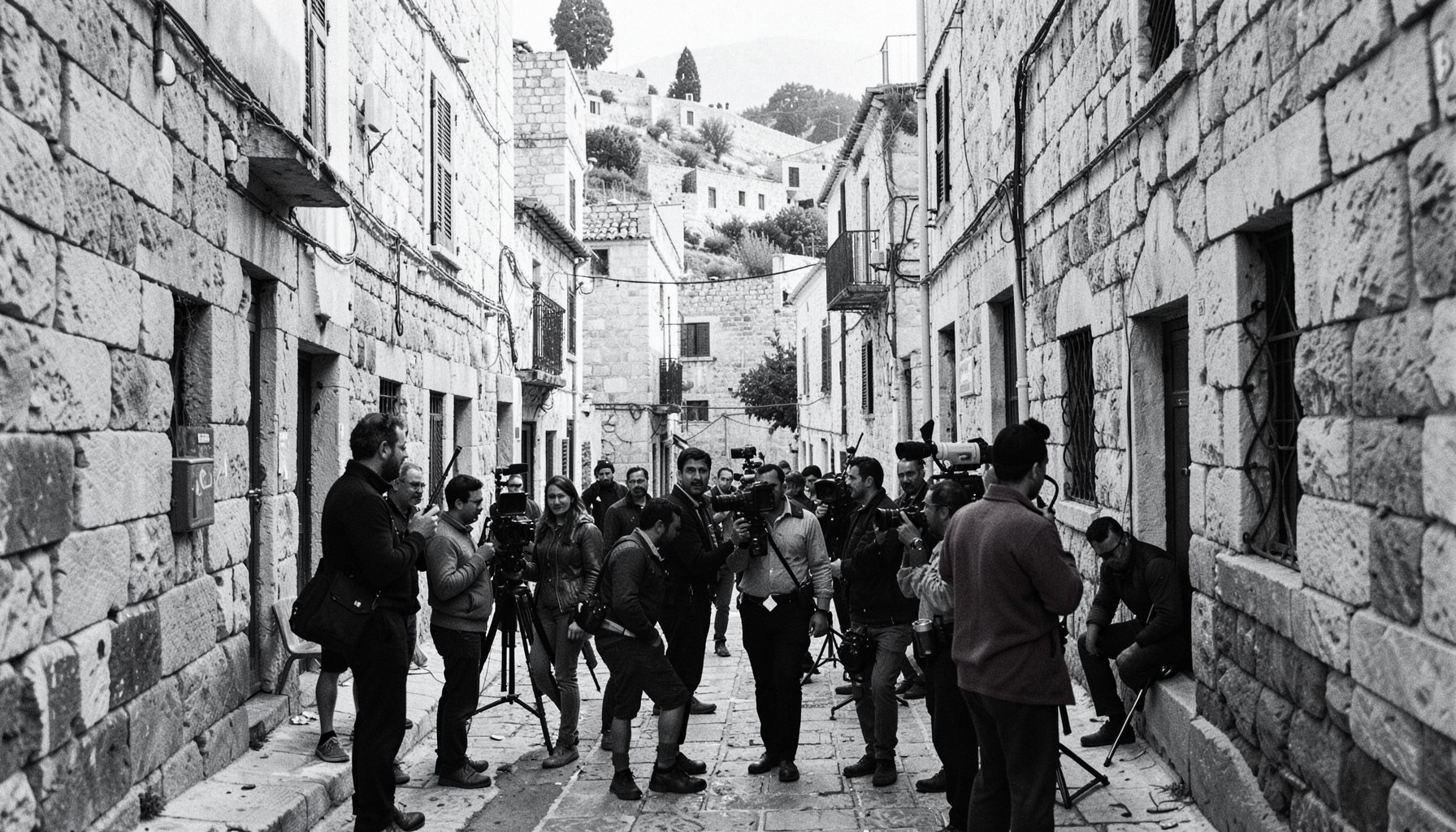
The same principle applies to streets and civic spaces. Demonstrations, celebrations and moments of tension turn ordinary locations into political stages. A road may serve as a route to work one day and a gathering place the next. Through repeated images, viewers can see how public space is negotiated, controlled and reimagined.
This is useful for Australian audiences because public waterfronts carry similar symbolic weight in Brisbane, Perth, Adelaide and Sydney. A local council may promote a foreshore as an amenity, while residents remember it as a fishing spot, protest site or meeting place. In both countries, documentary photography can test polished redevelopment narratives against lived memory.
From Negatives To An Accessible Archive
The meaning of a historical photograph depends partly on its survival. Film negatives may contain sharper or more complete information than prints, but they require careful storage, cataloguing and digitisation. The Shagrir Collection brings together primary materials that can help establish when an image was made, who created it and how it relates to the filmmaker’s broader work.
Preservation also requires technical judgement. Film stocks deteriorate, labels become detached and sequence information can be lost. The archive’s account of 16mm film preservation demonstrates why digitisation is a historical process rather than a simple scanning exercise. Colour, frame order, sound and original formats all influence how future audiences understand the material.
Australian institutions face comparable questions. The National Film and Sound Archive, State Library collections and community historical societies work across formats that were never designed for long-term digital access. Even a small local archive in regional New South Wales may need to balance conservation budgets, copyright, descriptive metadata and public demand for online viewing.
Reading Change Through Comparison
A useful way to study Tel Aviv’s transformation is to compare images across time and place. The table below outlines the kinds of evidence that photographs can offer when considered alongside urban history, oral testimony and surviving records.
| Visual subject | What it can reveal about Tel Aviv | Related Australian comparison |
|---|---|---|
| Apartment façades and streetscapes | Housing density, planning ideals, renovation and redevelopment | The shift from terrace housing to apartments around inner Sydney |
| Markets and shopfronts | Migration, language, consumer habits and local employment | Suburban shopping strips and multicultural markets in Melbourne |
| Beaches and promenades | Leisure, social customs, tourism and access to public space | Bondi, St Kilda or Glenelg as civic and recreational spaces |
| Demonstrations and ceremonies | Political priorities, collective identity and contested memory | Civic gatherings near Canberra’s institutions or major city squares |
| Transport and working life | Commuting patterns, industrial change and urban expansion | Trams, trains and port districts in Brisbane, Adelaide or Fremantle |
Comparison does not mean treating Tel Aviv as an interchangeable version of an Australian city. It helps viewers ask precise questions about scale, climate, migration and governance. A photograph of a crowded pavement might reflect commercial vitality, housing shortages or a temporary event; supporting documents are needed to distinguish these possibilities.
The archive’s value grows when its images are connected with captions, interviews, maps and related film footage. Researchers accessing the online archive can approach the material as a network of sources rather than a gallery of isolated pictures. That method respects both the visual power of the photographs and the uncertainty that surrounds incomplete historical evidence.
Making The Collection Useful Today
Digitised photographs can serve several audiences at once. Historians may investigate urban policy, educators may build lessons around migration and citizenship, and exhibition designers may place intimate street scenes beside official city plans. Filmmakers and journalists can also use the collection to understand how earlier generations represented Israeli society.
There is a practical cultural economy behind this access. In Australia, public galleries and archives commonly rely on a mix of government funding, philanthropy, licensing, memberships and project grants. Researchers often expect searchable catalogues and clear reproduction conditions, while schools need materials that can be viewed legally and explained in accessible language. Similar expectations apply to an online Israeli archive serving an international audience.
For Australians, the collection offers a way to compare documentary traditions without flattening their differences. A teacher in Perth might pair a Tel Aviv beach photograph with images of Cottesloe; a local-history group in Newcastle might examine port redevelopment beside Tel Aviv’s changing waterfront; a university class in Canberra might study how visual archives shape national memory. The strongest uses retain the original context while encouraging cross-cultural analysis.
Ways To Study The Photographs
- Compare repeated views of the same street, building or waterfront site across different decades.
- Read captions, dates and accompanying papers before drawing conclusions from clothing or architecture.
- Pair photographs with oral histories, maps, newspapers and film footage to test visual impressions.
- Examine who appears in the frame and whose presence may have been left outside it.
- Use Australian comparisons carefully, focusing on shared urban questions rather than assuming identical histories.
- Record provenance, format and preservation details when citing an image in research or teaching.