The personal diary of Micha Shagrir: A window into his creative process
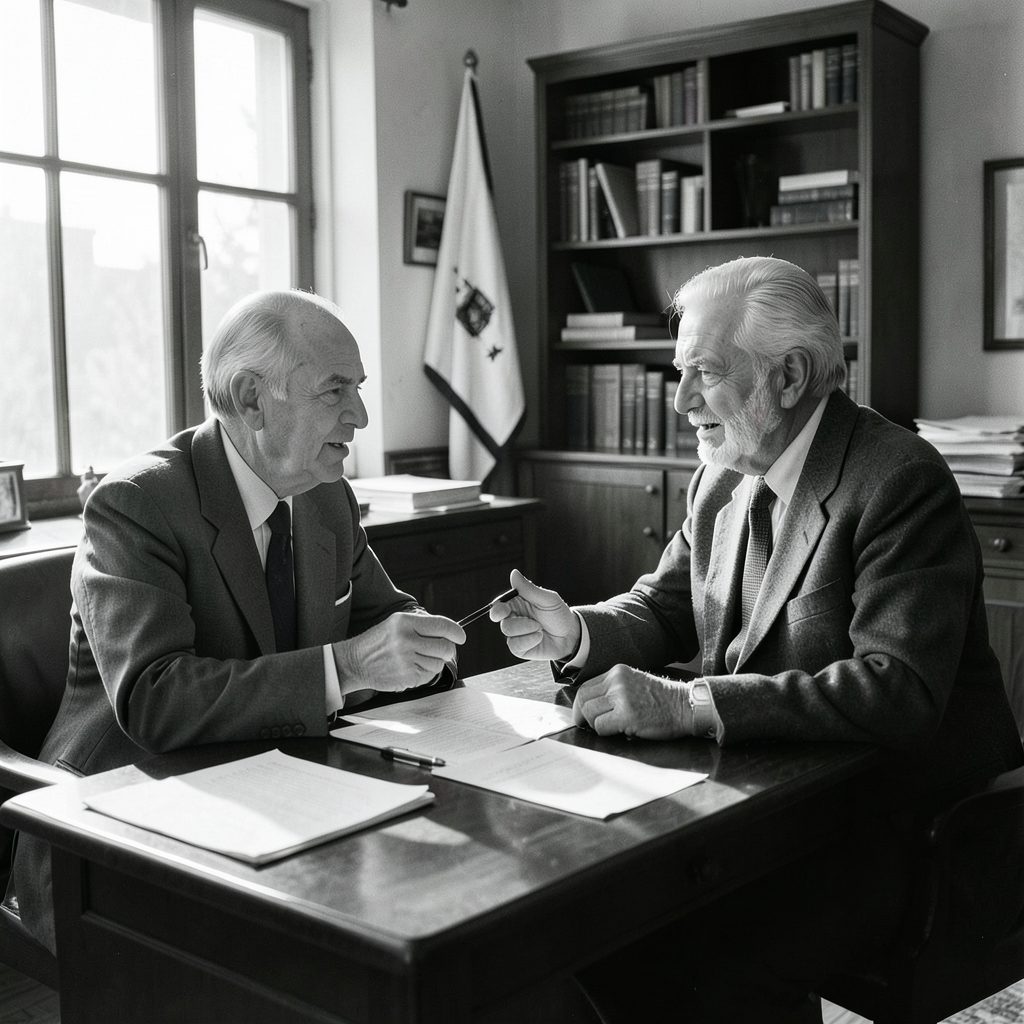
Micha Shagrir's personal diary records how a filmmaker, producer, photographer and journalist responded to events in Israeli public life while preserving much of the thinking that preceded a finished work. Held within The Shagrir Collection alongside films, photographs, negatives and papers, it turns a private working record into evidence of creative process. Readers can follow the movement from an initial reaction to a shaped film, photographic sequence or reported story, and can see historical attention becoming editorial judgment.
Read in this way, the diary gives the collection's primary sources a human sequence. Dates, references to filming and remarks about people or places can sit beside the objects they help explain. The approach also connects personal observation to the finished artefact without treating either as self-explanatory. Its value lies in tracing a chain from attention to evidence, and from evidence to editorial choice, while keeping uncertainties visible.
The diary as a map of creative decisions
The diary is most revealing when treated as a working document rather than a polished memoir. Dates, brief references to filming, sudden changes of plan and comments on people or locations can expose the intelligence, hesitation and ethical negotiations behind a finished work. For Shagrir, whose career crossed journalism, documentary, photography and production, those notes also reveal a mind alert to political and social context.
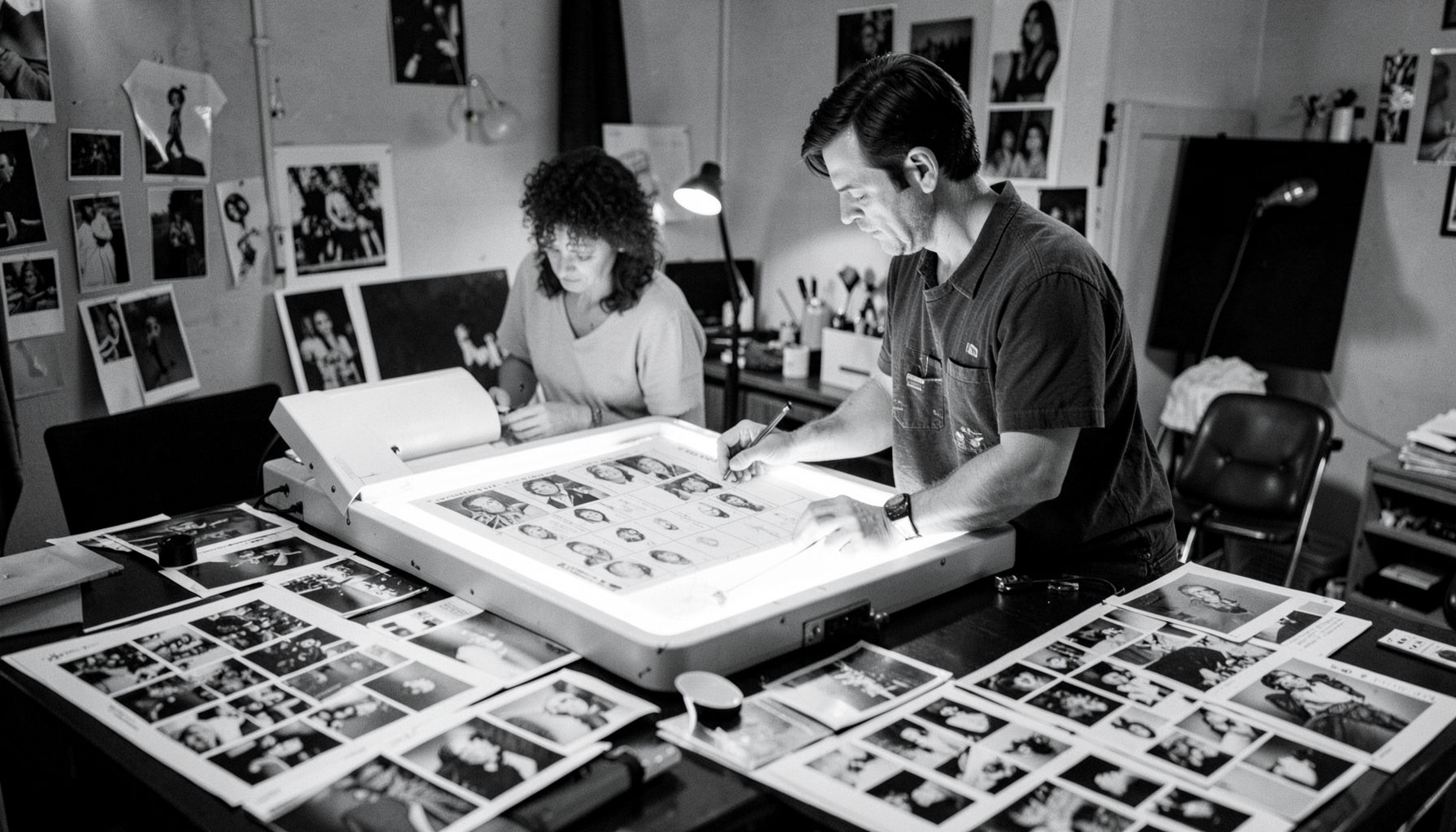
Placed beside contact sheets, negatives, scripts, recordings and correspondence in The Shagrir Collection, the diary gives scattered fragments a sequence. A photograph may acquire meaning as the record of an assignment rather than simply an image; a film can be read as the result of many revisions. The material becomes most useful when it traces that chain from attention to evidence, and from evidence to editorial choice.
A responsible reading keeps distinctions visible. A diary intention differs from an achieved film, and a private judgement remains distinct from an objective historical fact. Researchers should compare entries with final cuts, captions and other witnesses. Doing so turns apparently isolated remarks into a method for reconstructing creative process without pretending that the archive can provide certainty where Shagrir himself was uncertain.
Documentary instincts and historical responsibility
Documentary work depends on decisions made before the camera arrives: whom to meet, which questions to press and what remains outside the frame. Shagrir's diary offers a way into those decisions as they affected portrayals of Israel's political, military and social history. Its candour makes the archive relevant beyond a single generation because the questions of access, trust and representation remain familiar to documentary makers.
A detailed production history of The Last Chapter of the Mandate follows the making of that film and demonstrates how archival material, sequencing and historical context shape a documentary argument. Read beside the diary, the account suggests how a creator tests competing accounts, identifies visual evidence and revises a narrative so that complexity does not disappear for the sake of a clean conclusion.
The diary also shows why hindsight requires care. An entry written after an event may sharpen uncertainty that mattered at the time, while another may reveal the distance between a reporter's first impression and later understanding. For historians, that gap is valuable evidence. It records how information changed, how assumptions were tested and how personal observation was converted into public history.
Photographs, negatives and material evidence
Photography gives the diary another register. References to frames, lighting or subjects can sit near prints and negatives, making the mechanics of looking visible. Such notes matter because a photograph may appear immediate while actually being the residue of waiting, positioning, selection and exclusion. The personal record captures both Shagrir's act of seeing and the procedures by which he decided an image deserved attention.
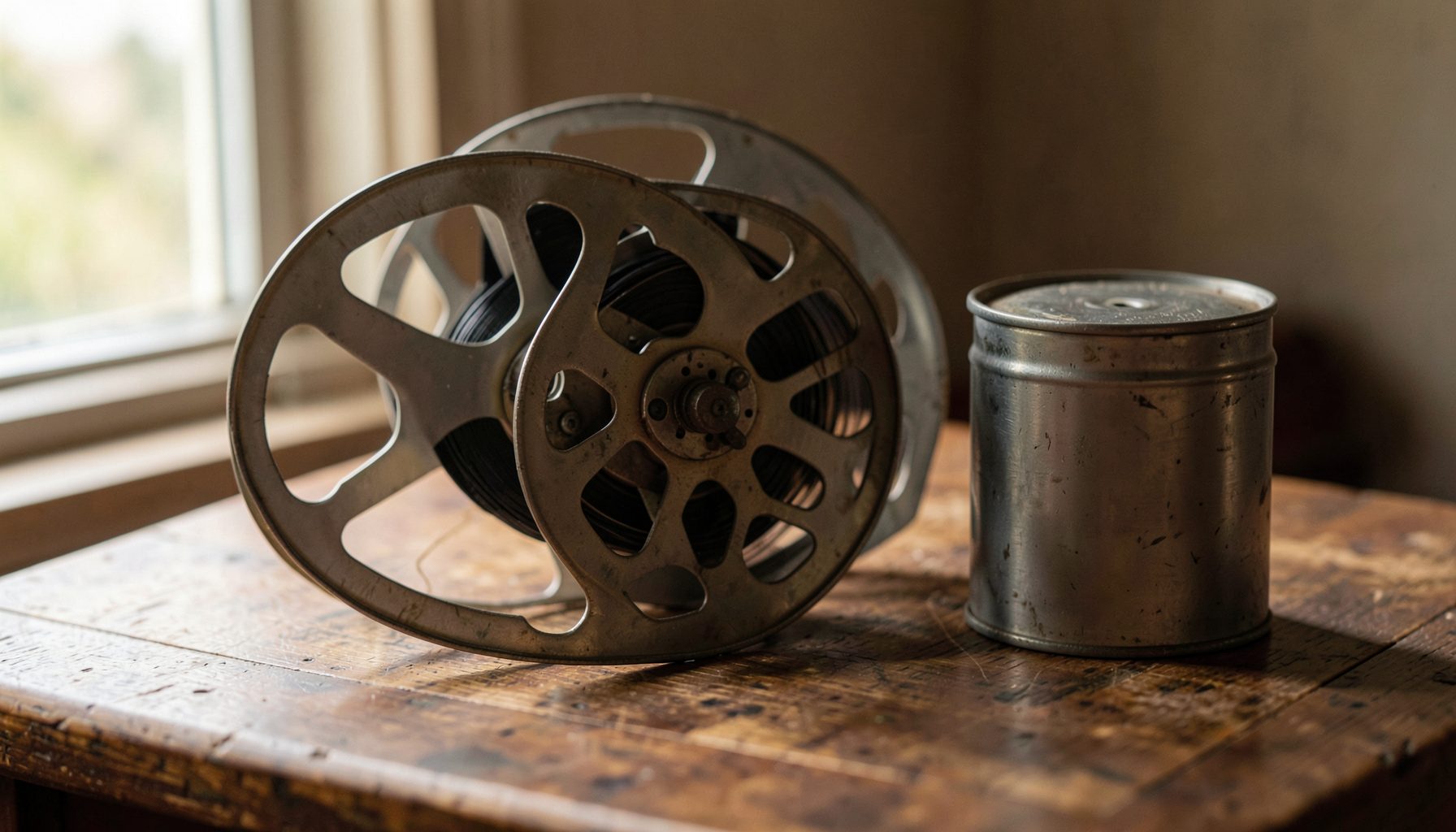
The collection's account of 35mm preservation techniques adds a material dimension to that process, explaining how handling, storage and copying can affect both the object and the interpretation attached to it. This has particular force in Australia, where the National Film and Sound Archive of Australia in Canberra maintains nationally significant moving-image holdings under conditions shaped by seasonal heat, dust and humidity. Conservation is therefore part of how evidence survives.
Technology, tools and working rhythm
Tools appear in diaries, but their real importance is relational. A camera, recorder or editing setup influences pace, access and the kinds of detail that can be gathered. A contemporary camera review can prompt useful reflection on how smaller sensors, automatic systems and portable editing have altered the workflow available to crews. The comparison should avoid projecting today's equipment backwards into Shagrir's career, but it can clarify how technical constraints become aesthetic choices.
That connection is especially tangible in Melbourne and Sydney, where independent crews, commercial production companies, public broadcasters and freelance specialists often move between festivals, studios and client work. Australian commissioning frequently combines Screen Australia support with opportunities through the ABC, SBS, galleries and cultural institutions. In that mixed market, a diary's attention to equipment and working habits may reveal how resourcefulness affects the scope and tone of a project, rather than merely recording the device used.
Bringing the archive into Australian public life
For new audiences, the challenge is to make a personal archive usable without flattening it. Metadata can connect diary entries to named films, photographs, locations, contributors and rights, allowing a visitor to move from a reflection to the object it describes. This layered approach also supports classroom teaching: a student can begin with a written moment, then compare it with an image, sequence or broadcast and ask how form changes historical meaning.
Specialist documentary sites can extend that route beyond major catalogues. The Kifli Mally site offers one example of a filmmaker-focused online environment where documentary work, writing and creative context can meet, while The Shagrir Collection supplies a substantial body of primary material. Pairing such resources encourages discovery across borders rather than relying on a single institution or national archive.
Australian public culture often favours plain, welcoming language: an unexpected discovery might be described as a “not a bad shout”, or a student encouraged to “have a go” with a difficult catalogue. The diary's candid private cadence can feel very different, but careful transcription, clear captions and contextual notes can bridge the difference without sanding away Shagrir's voice. A presentation at Melbourne's ACMI or a university seminar in Sydney can make the material genuinely conversational. Clear rights information also matters because access to archival material usually depends on institutional permissions rather than a simple retail transaction.
Practical lessons for creative teams
Creative diaries are often treated as atmospheric extras, yet they can document decisions that polished interviews and publicity profiles omit. Shagrir's example is most useful when the personal record is kept in dialogue with images, film and production papers. It offers a rare view of uncertainty, negotiation and revision while reminding readers that every polished artefact conceals choices about attention.
The practical lesson is to preserve one's own process with enough context for later interpretation, rather than attempting to imitate one filmmaker's routine. Journals, notebooks and production logs can become valuable research materials when creators and archives protect their original form and meaning.
- Keep dated notes, rough drafts and task lists, marking revisions instead of replacing earlier observations.
- Link diary entries to shot lists, contact sheets, transcripts, scripts and final edits through stable identifiers.
- Separate personal impressions from sourced facts, and record uncertainty rather than retrospectively polishing it.
- Plan preservation at acquisition, including environmental monitoring, handling standards and secure digital copies.
- Publish layered descriptions, captions and rights information so researchers can trace context without losing the original.