
Accidental Masterpieces in Shagrir’s Negative Archive
A negative can look like a technical leftover: a strip of film, a few small frames, and a note in fading handwriting. Yet within that narrow band may be a remarkably complete moment. A subject turns away, a passer-by enters the composition, or a burst of light transforms an ordinary street into something theatrical. These are the surprises that give Micha Shagrir’s negative archive its particular energy.
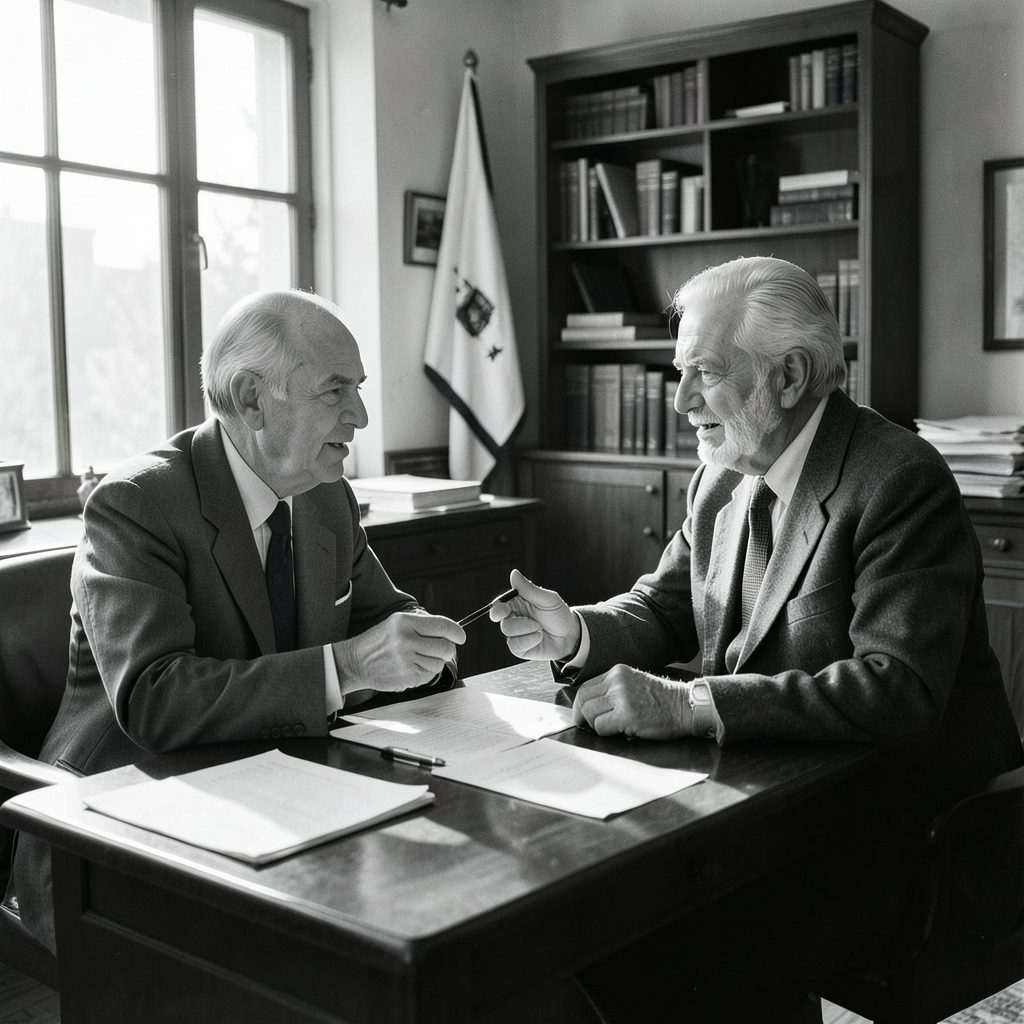
Shagrir worked across filmmaking, journalism, photography and production, moving through Israel’s political, military and social landscapes with a camera that was alert to both public events and private gestures. His negatives preserve the images that were published, screened or filed away, but they also retain frames that may never have been selected at the time.
For Australian audiences, the appeal is easy to recognise. Anyone who has handled a box of family slides in Melbourne, searched Trove for a half-remembered newspaper photograph, or visited a local history room in Sydney knows that the overlooked image can carry the strongest charge. A slightly blurred frame may reveal more about an era than a polished official portrait.
The Shagrir Collection gives researchers, students and general viewers a way to encounter these materials as evidence and as visual art. The accidental masterpieces are valuable because they bring together chance, craft and historical circumstance, allowing a split second to speak across decades.
How a discarded frame becomes meaningful
Film photography produces a sequence rather than a single definitive image. A photographer presses the shutter several times while a person moves, a conversation develops or the light changes. Editors later choose one frame for publication, but the surrounding negatives remain a record of decisions, alternatives and near-misses.
A rejected image may contain an unusual expression, an unexpected relationship between figures or a more revealing background. The technical flaw can become part of its character. A flare may suggest heat; a scratch may mark the physical life of the film; an uneven exposure may draw attention to a face emerging from shadow.
This is why browsing a digital gallery is only one part of archival discovery. The photo gallery offers accessible entry points, while the negative archive invites slower comparison between adjacent frames. Researchers can ask why one image was selected, what was cropped out and how editorial conventions shaped the historical record.
The street as an unplanned studio
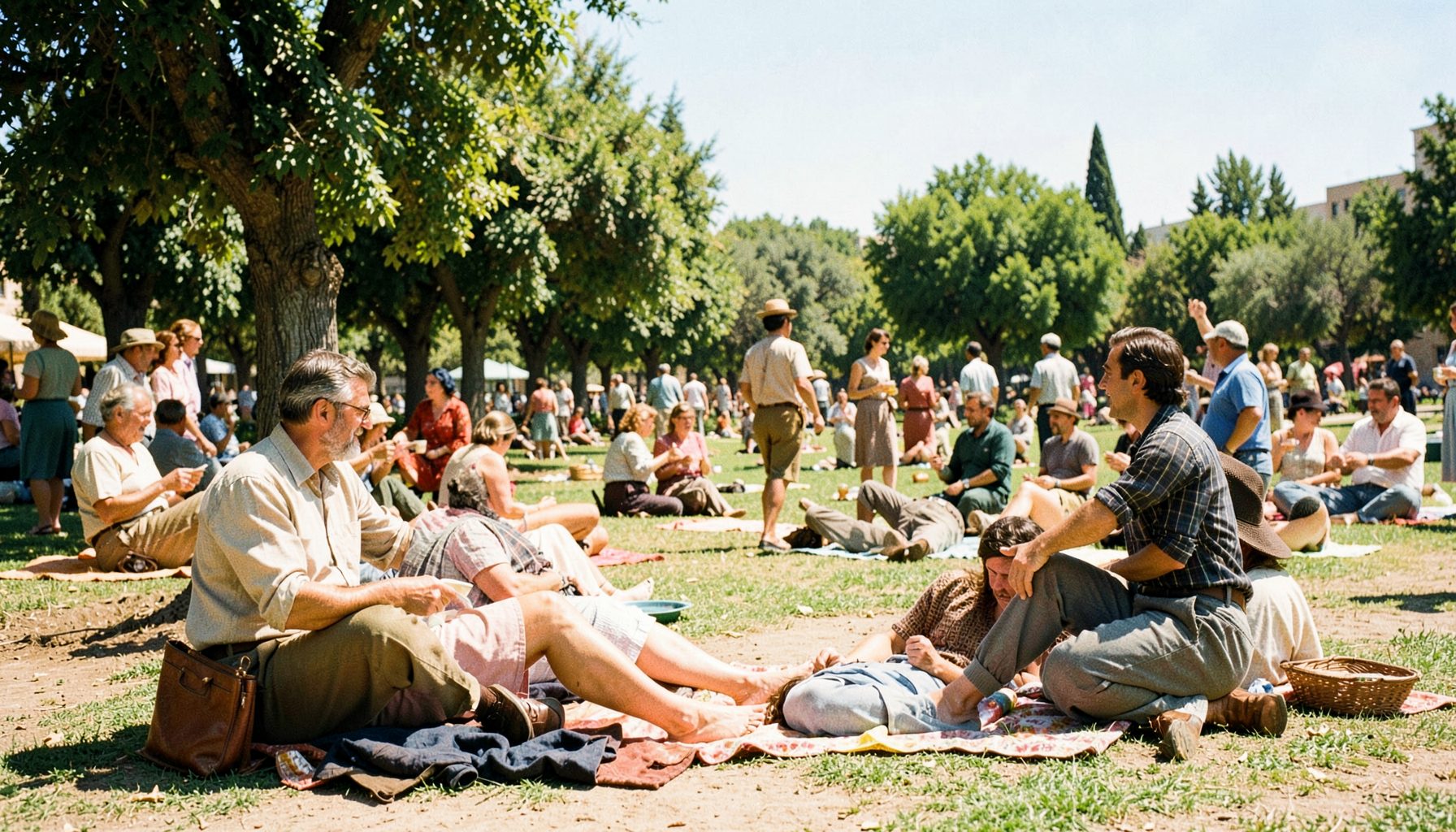
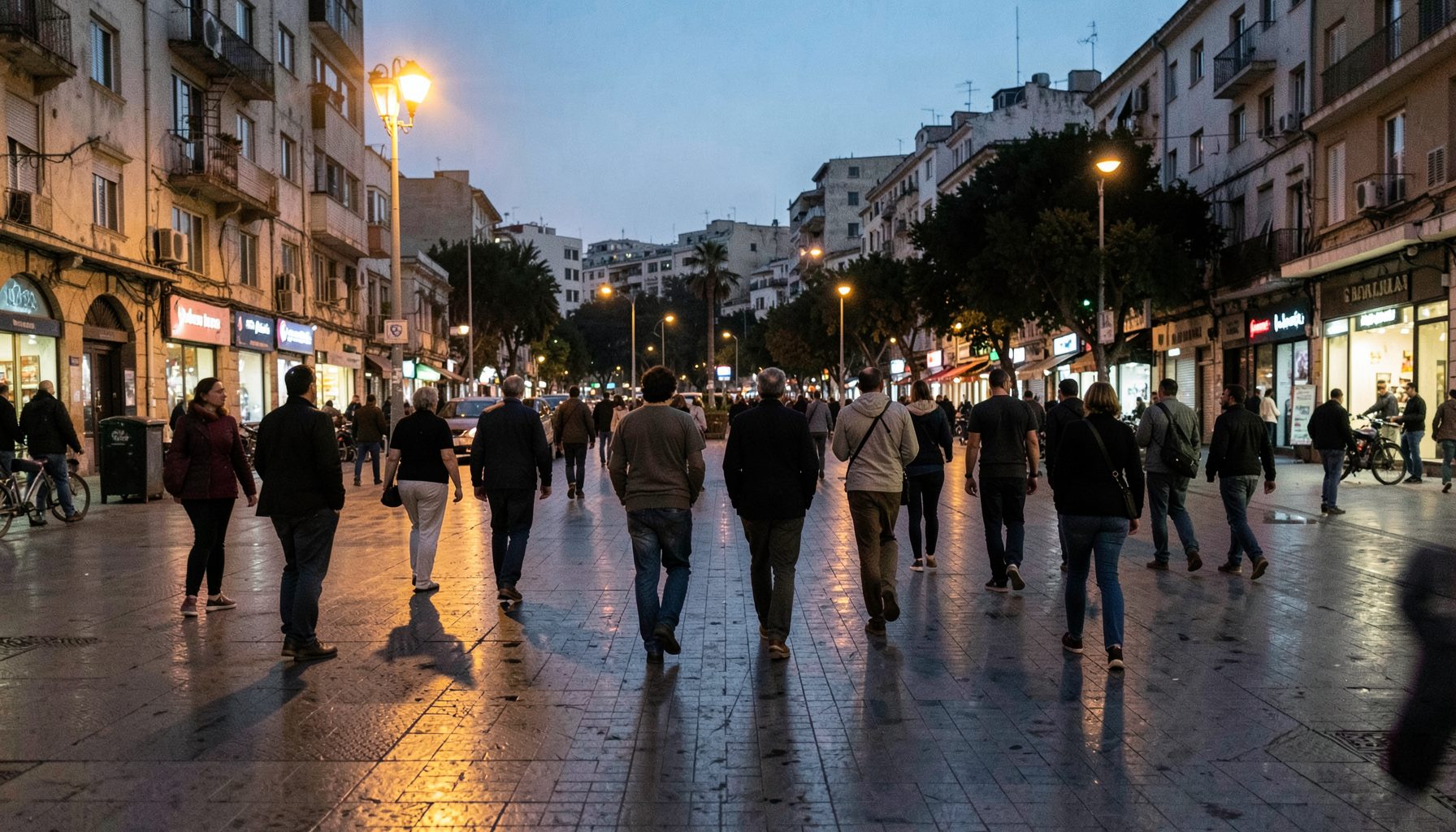
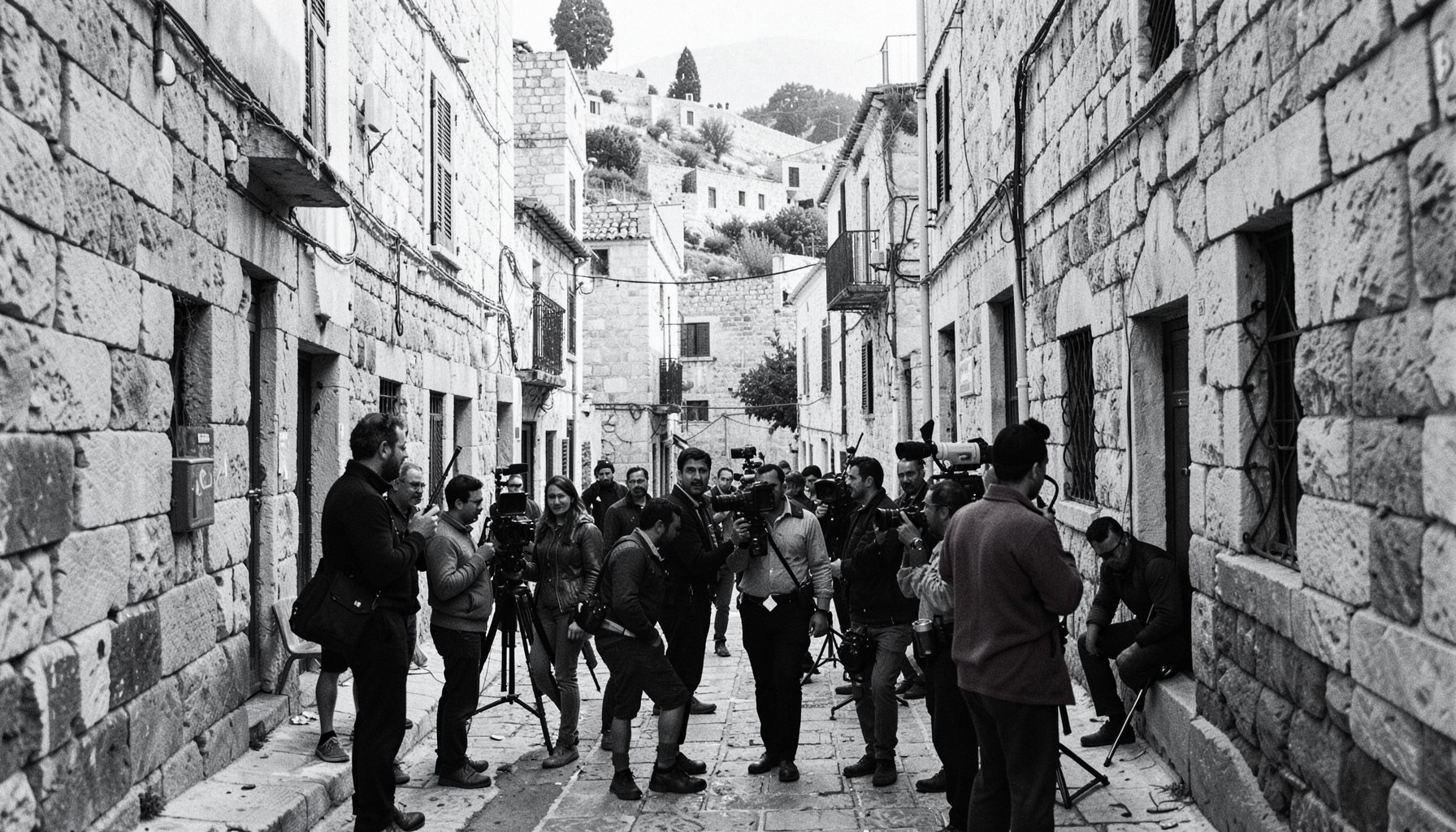
Shagrir’s photographs gain force from their proximity to lived experience. Streets, transit points, military sites, offices and gathering places become improvised studios in which nobody has fully agreed to pose. The photographer must respond quickly, and the resulting image often captures relationships that a formal session would suppress.
A person in the background may change the meaning of an entire scene. A child watching adults negotiate, a worker briefly looking into the lens or a group waiting beyond the main event can become the emotional centre of the frame. These details are especially important in images connected with migration, resettlement and public policy.
The archive’s material on Ethiopian immigrant absorption in the 1980s shows how documentary photography can move beyond headline events. The Ethiopian absorption photographs offer a basis for considering how institutions, families and individuals appear within the same visual field. For Australian viewers, there are useful parallels with photographs of post-war migration, refugee settlement and community life held by libraries and museums in Adelaide, Perth and regional New South Wales.
When documentary work becomes visual poetry
An accidental masterpiece does not have to abandon documentary truth. Its poetic quality often comes from the way real details align: a diagonal shadow, a recurring colour, an isolated figure or a gesture that echoes another figure nearby. The image remains factual, yet its composition invites interpretations beyond the original assignment.
Shagrir’s wider career matters here because photography was part of a broader media practice. Film editing, television production and journalism all depend on selecting moments from continuous time. A still negative can therefore be read as a miniature edit: a pause extracted from movement, with its own rhythm and implied before-and-after.
The collection’s film archive helps place these still images within that larger practice. Moving-image work encourages viewers to consider duration, sound and sequence, while a negative compresses those qualities into one frame. The contrast makes an apparently incidental photograph feel like a complete scene from a film that exists only in the imagination.
Reading the archive through its gaps
The most compelling discoveries are not always visually striking at first glance. Some are important because they preserve a person, meeting or setting that later accounts have simplified. Others reveal who was outside the official frame: relatives, assistants, local workers, children and bystanders whose presence complicates a celebrated public narrative.
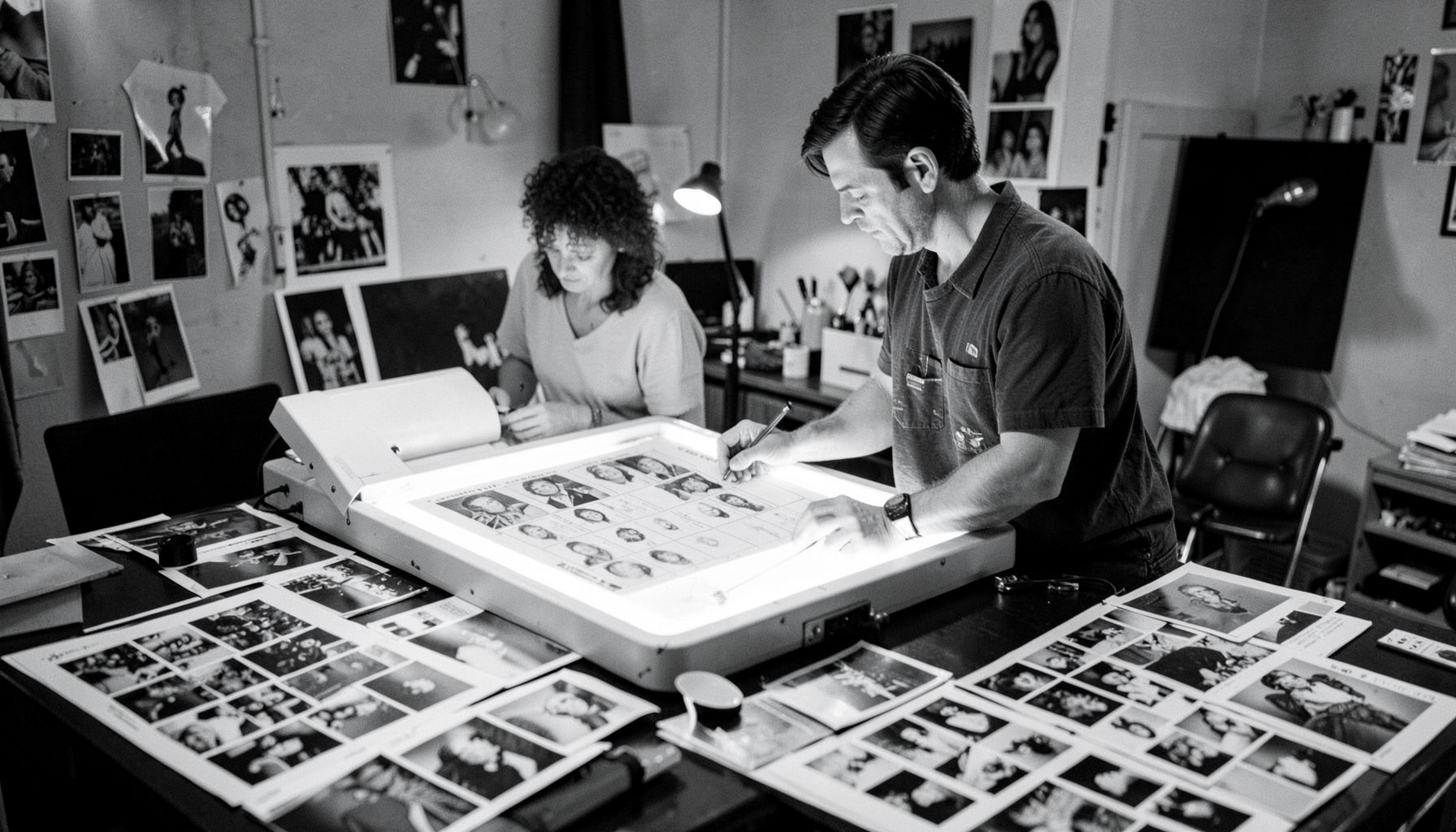
Cataloguing these materials requires care. Dates may be approximate, names may be misspelled and locations may have changed. A caption can guide interpretation, but it should not close it down. Comparing contact sheets, notebooks, newspapers, broadcast records and oral histories can turn a mysterious frame into a more reliable historical document.
This process has a useful Australian comparison. Researchers working with collections at the National Film and Sound Archive or state libraries often need to cross-reference a photograph with radio schedules, electoral material, community newspapers and local testimony. Even popular media records benefit from this approach; a television appearance timeline demonstrates how scattered broadcasts can be assembled into a coherent account of public presence.
A practical way to look at overlooked negatives
Viewing archival negatives well involves both visual attention and restraint. It is tempting to enlarge every frame, sharpen every edge and search for a dramatic story. A better method allows uncertainty to remain visible. The image may be powerful precisely because its circumstances cannot yet be fully explained.
Online archives also change the audience for this work. A viewer in Brisbane can inspect a frame at home, while a student in Hobart can compare it with photographs held in a local collection. Independent digital publishers, including visual storytelling practice, show how carefully presented images can reach communities beyond conventional cultural institutions. The surrounding text, however, remains essential: context helps viewers distinguish interpretation from fact.
A strong viewing habit is to move between scales. Begin with the whole frame, then study faces, hands, signage, architecture and empty spaces. Compare neighbouring negatives before deciding which is the “best” photograph. What looks secondary may reveal the social structure of the scene, while a formally beautiful frame may contain less historical information than its less polished companion.
Ways to explore the collection thoughtfully
- Compare several adjacent frames instead of judging a single negative in isolation.
- Record names, dates and locations separately from personal interpretations.
- Look for background figures and objects that complicate the main subject.
- Cross-check captions against newspapers, broadcasts, maps and oral histories.
- Preserve uncertainty when the archive does not provide a definite identification.
- Consider how cropping, selection and publication may have altered the original meaning.
What accidental masterpieces can teach us
The hidden value of Shagrir’s negatives lies in their dual identity. They are physical objects shaped by chemical processes, handling and storage, and they are historical records created during moments of social change. Digitisation makes them widely available, but it does not erase the need for conservation, description and responsible interpretation.
For Australian audiences, the archive also demonstrates why preservation funding and public access need to work together. A collection that remains locked away cannot support teaching or research, while a poorly documented digital image can be detached from the people and circumstances that give it meaning. Museums, universities, local councils and community archives all face this balance, particularly when collections contain politically sensitive or personal material.
| Feature | Selected published image | Overlooked negative |
|---|---|---|
| Immediate effect | Clear, edited and often visually resolved | Sometimes awkward, blurred or incomplete |
| Historical value | Represents an editorial decision | Reveals alternatives, context and excluded details |
| Viewer experience | Direct and easy to interpret | Requires comparison and closer investigation |
| Research potential | Usually supported by established captions | May prompt new identifications and questions |
| Artistic character | Deliberately composed or selected | Often shaped by chance, timing and accident |
An accidental masterpiece is therefore more than a lucky photograph. It is a reminder that history is assembled from choices, omissions and surviving traces. In Shagrir’s archive, the frame that once seemed too ordinary, too imperfect or too late may become the one that makes an entire period feel present.