Mapping Shagrir's Negatives to Historical Events
The Shagrir Collection brings together negatives, prints, films, recordings and papers produced during Micha Shagrir’s decades in Israeli media. Its project centres on matching images with the events they witnessed, turning material once separated by format, employer and accident into a searchable account of political, military and social history. A negative becomes more than a picture: it is a timestamp, a place marker and a piece of evidence.
That work depends on context. A frame may contain a uniform, building, street, vehicle or crowd, yet none of these details dates the photograph by itself. Dates from captions, assignment notes, film logs and broadcasts must be tested against visual and archival evidence. The aim is a transparent chain from one emulsion or reel to a documented occurrence, including honest notes where identification remains uncertain.
For Australian readers, the project offers a useful comparison with the way film, photographs and public memory are handled across Canberra, Melbourne and Sydney. It also raises familiar questions about conservation budgets, searchable catalogues, rights clearance and access for schools, researchers and community audiences. The Shagrir material has international significance, but its methods sit comfortably beside Australian archival practice.
Why a negative is historical evidence
A photographic negative retains technical traces beyond the visible scene. Frame numbers, edge markings, film-stock characteristics and the order of exposures can suggest when a series was made, how it was processed and where it belonged within a larger assignment. Even when captions are missing, these details offer researchers a way to reconstruct the life of a photographic set.
Mapping that evidence to a historical event changes its meaning. An official building may become a meeting point, a procession may become evidence of public reaction, and a uniformed figure may be connected to a particular period of military activity. Such associations must remain grounded in corroborating sources. The project’s value lies in showing both the connection and the reasoning behind it.
Building an event map
The project’s central instrument is an event map that links chronology, geography and provenance. It allows a researcher to approach Shagrir’s career through an incident, location or body of work rather than searching separate collections of photographs and audiovisual material.
- A chronological layer connects rolls, reels and assignments to particular stages of Shagrir’s career.
- A geographic layer locates subjects across Israeli cities, border regions, military sites and overseas journeys.
- A person-and-institution layer traces recurring subjects, employers, broadcasters and public organisations.
- Event records bring together photographs, films, written documents and contemporary reporting about the same occurrence.
An event is treated as a researched relationship rather than a replacement caption. It may represent a political decision, a military movement, a social gathering or an ordinary encounter that became historically significant. The catalogue should therefore preserve alternative dates, uncertain place names and the names researchers have proposed.
- Each event record includes a working title, probable date range and geographical description.
- Creator roles identify Shagrir as photographer, filmmaker, producer, journalist or interviewer.
- Source links connect the event to negatives, prints, moving images, recordings and relevant archival documents.
- Confidence notes distinguish firm identifications from visual inference and information awaiting confirmation.
This structure allows a search to work in both directions. A visitor can move from a historical event to every related object, while a scholar examining one strip of negatives can discover the wider campaign in which it was created. The result is a research tool rather than a decorative chronology.
Joining images to written records
Written material supplies the framework needed to interpret photographs and moving images. Contact sheets, processing slips, shooting schedules, scripts, broadcast logs, diaries, newspaper clippings and oral testimony can each correct or complicate a visual reading. Conflicts between sources are recorded rather than smoothed over, since disagreement may reveal an editing decision, a mistaken caption or an uncertain sequence of events.
For Australian readers, Canberra offers a close institutional parallel in the National Film and Sound Archive of Australia and the National Archives of Australia. Their catalogues demonstrate how audiovisual objects and government records can be described through provenance, access conditions and contextual relationships. Applying comparable cataloguing discipline to Shagrir’s holdings would make the archive easier to study alongside Australian collections.
Historical context also requires restraint. Military material should not be detached from the experiences of civilians, and political photographs should not be treated as neutral records of an entire society. The event map can retain such tensions by linking official and personal viewpoints, including evidence of celebration, protest, uncertainty and daily life.
Reading the photographic record
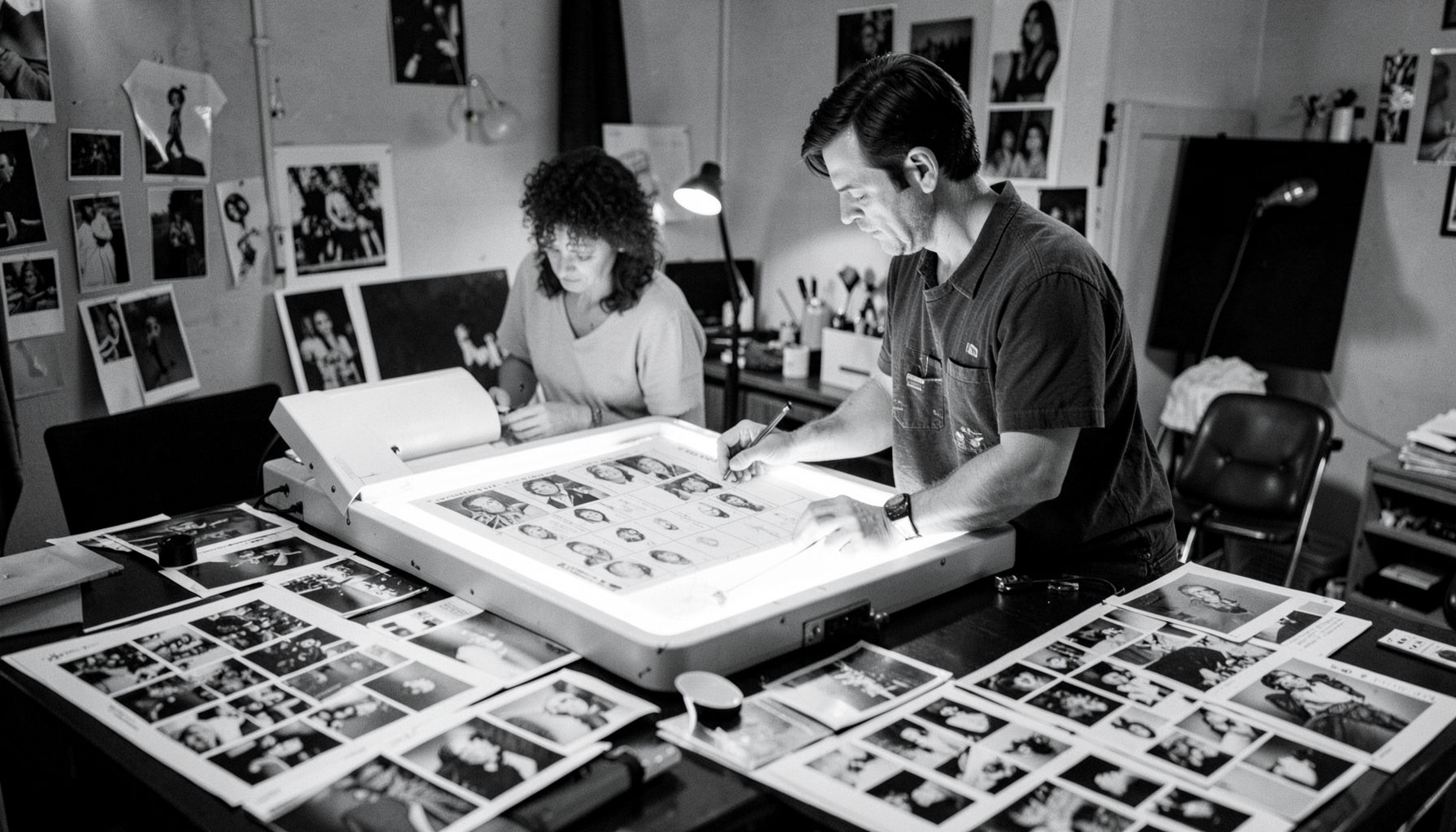
Readers can browse the photo gallery for a visual orientation to the collection before examining individual catalogue records. The gallery demonstrates how prints and negatives function as parts of a series. A single frame may have limited meaning, while a run of images reveals preparation, movement, repeated participants and changes in viewpoint.
Negative, print and digital surrogate require different levels of description. The negative records the original exposure and may contain technical information; the print carries tonal and cropping choices made in the darkroom; the digital file provides access but may be reduced in resolution. Keeping those distinctions visible protects researchers from treating every image as an equivalent reproduction.
Melbourne’s Australian Centre for the Moving Image provides a useful comparison for public presentation. Its combination of exhibitions, moving-image programmes and discussion around historical media parallels the Shagrir Collection’s ambition to connect preservation with audiences beyond specialist research. That model recognises photographs and films as cultural records with many possible uses, rather than as isolated museum objects.
Film, sound and fragmented narratives
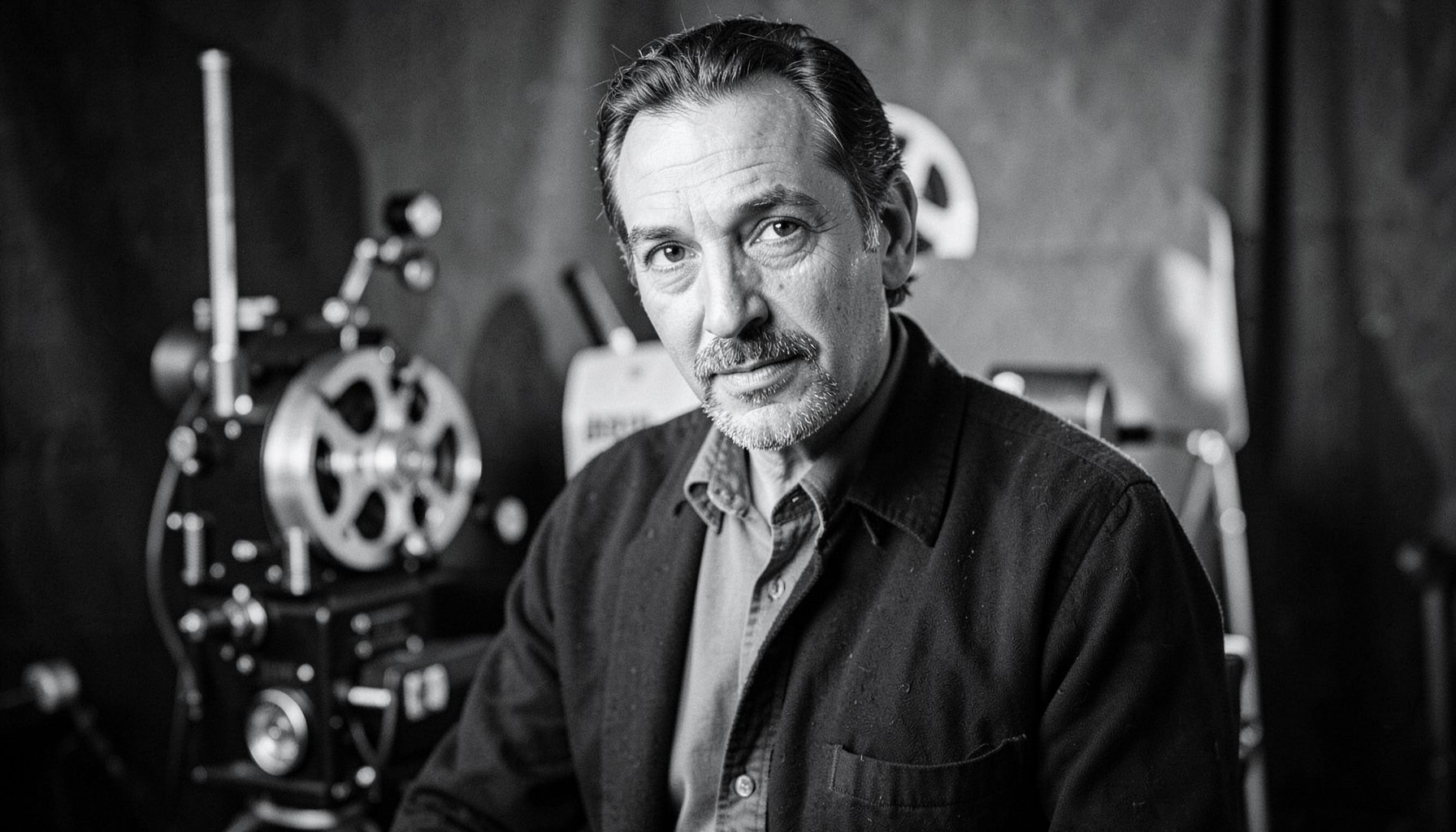
Moving images introduce time into the historical record. A sequence can show movement, sequence and duration in ways a still photograph cannot, while sound may supply names, locations or events absent from the image. Shot lists, editing plans, censorship records, credits and original broadcasts can therefore become essential evidence when identifying the occasion represented by surviving footage.
The collection’s account of the lost Red Sea film shows how surviving fragments can be ordered, compared and discussed without pretending that every gap has vanished. A digital reconstruction can restore a viewing experience, but it can also clarify exactly which parts are documented, inferred or missing.
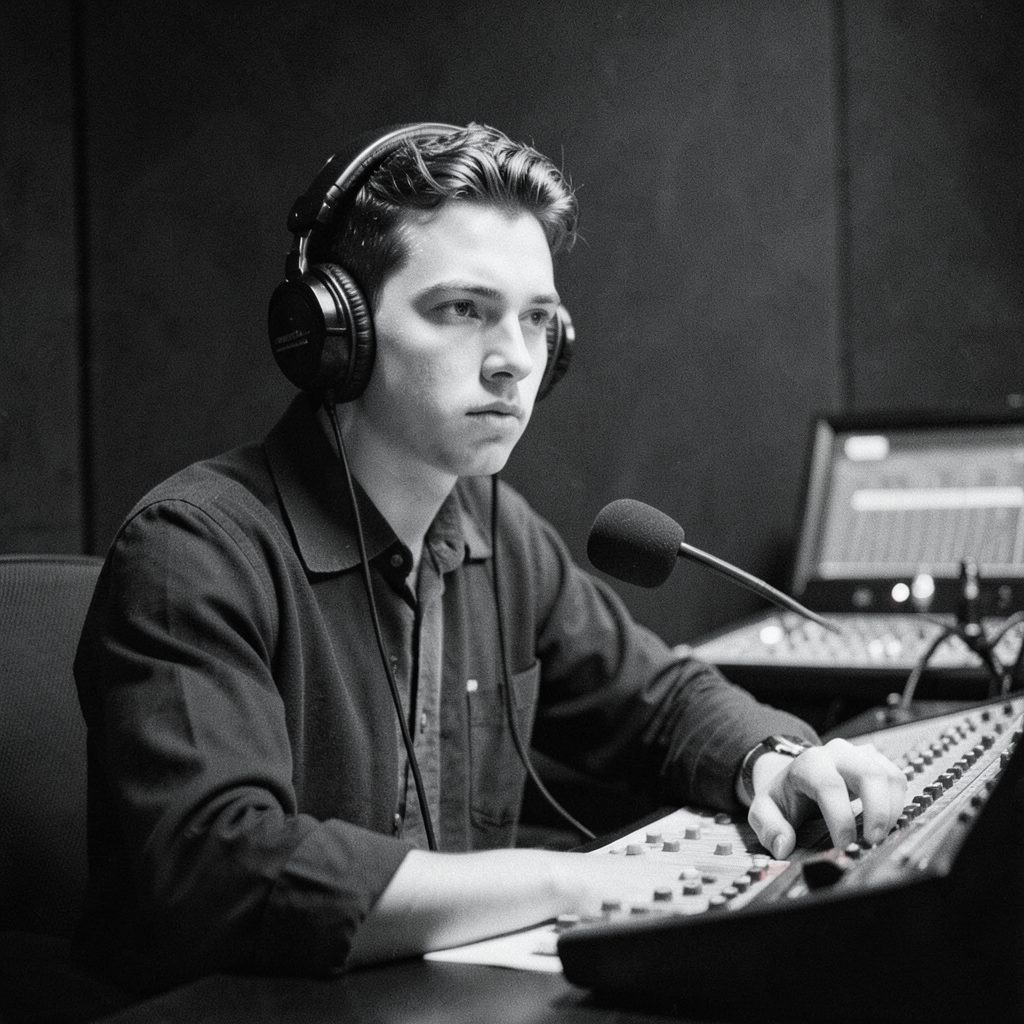
Audio deserves equal attention in this process. A voice may establish a place or date, while ambient sound can indicate a setting that the picture conceals. Background noise, damaged tracks and disputed transcriptions should be preserved as part of the object’s history. They show how a film was made, transmitted and understood at successive moments.
Preserving the chain of evidence
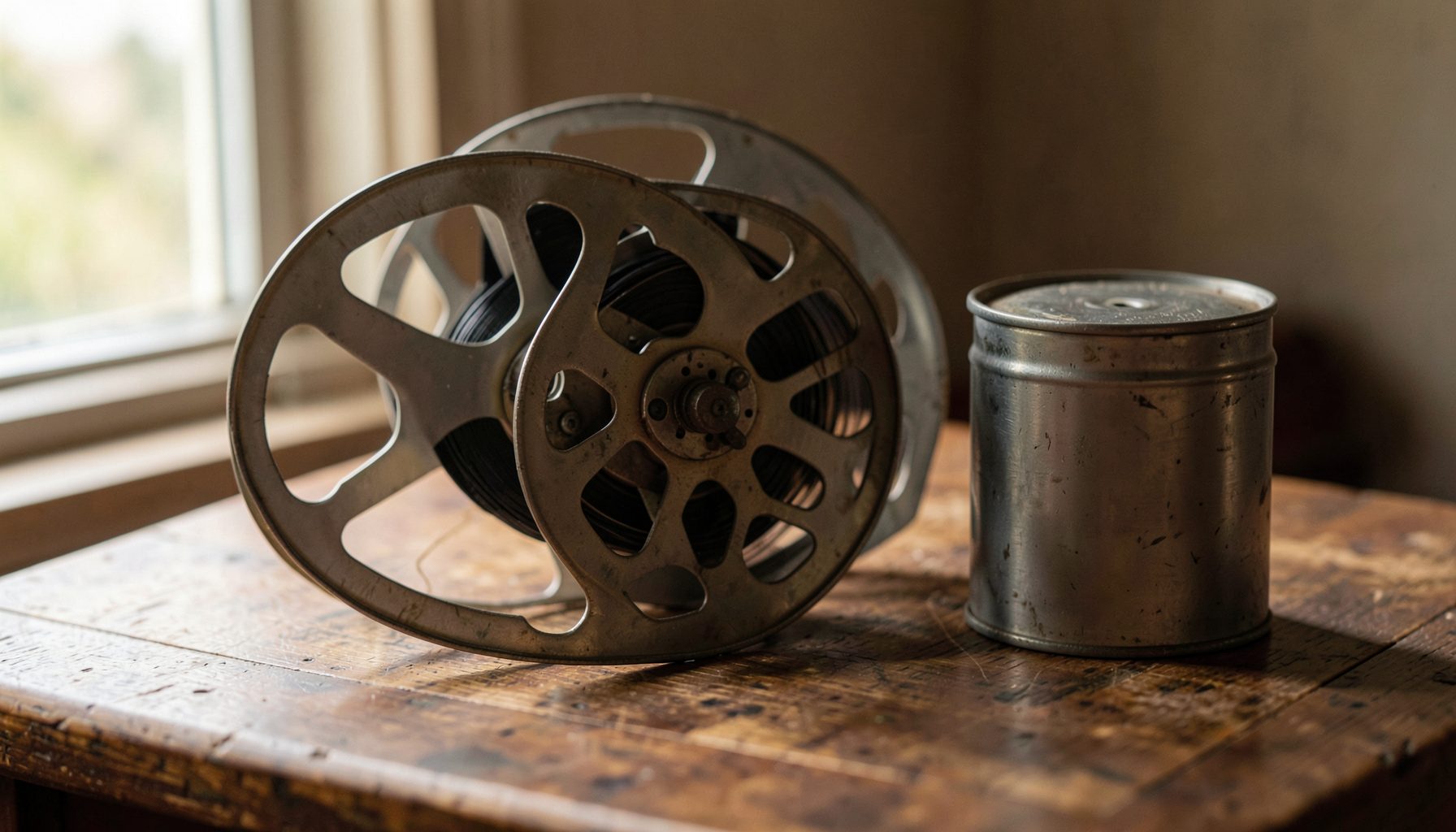
Preservation begins with the physical carrier. Negatives require controlled temperature, humidity and handling, while film reels need suitable storage and careful inspection before scanning. Condition reports, cleaning records and checksums create a traceable history from the original object to each digital derivative, allowing future researchers to understand how an image was handled and reproduced.
Technical work can involve specialist providers such as KIFilmally preservation services for film handling, scanning and condition reporting. Digital files still require managed storage, format monitoring and regular migration. Preservation is therefore a continuing technical process rather than a single delivery of high-resolution files.
In Australia, film scanning and conservation form a small specialist market comprising commercial laboratories, university imaging units and independent technicians. The Shagrir Collection can benefit from that ecosystem while maintaining its own curatorial authority. Public access, educational use and exhibition depend on every stage remaining viable, from a conserved reel to an accessible catalogue record.
The archive as a research partner
The event map invites researchers to begin with a date, place, person or political event and then test that starting point against primary material. Each image can be cited, compared with related objects and accompanied by a transparent account of its provenance. Corrections and new identifications can strengthen the map, turning research responses into additions to the collective record rather than private notes.
Sydney’s active film societies, independent cinemas and current-affairs culture provide an especially relevant audience for this work. A familiar Australian custom is to pair archival screenings with curatorial remarks and audience discussion. Such events allow a recovered frame or reconstructed film sequence to be examined in relation to lived history, rather than presented as a technical demonstration alone.
The broader achievement is a network in which photographs, films, voices and documents reinforce one another. It preserves the distinctiveness of Shagrir’s eye while recovering the social settings around his work. For the wider public, the map keeps his images visible as evidence of experienced history, connecting personal observation with the larger record of Israeli political, military and social life.