Reconstructing a lost Shagrir film about the Red Sea
The digital reconstruction of a lost Shagrir film about the Red Sea begins with a useful distinction: recovery is not invention. The Shagrir Collection’s negatives, prints, recordings, photographs and personal papers may each retain a different part of the filmmaker’s account of the Red Sea. A digital cut can reunite those elements, but it must show where an image or sound comes from and leave genuine gaps visible. Learn more about Kiflimally.com.
For Australian viewers, the project offers a way to approach a geographically distant history through familiar public media habits: listening to an ABC or SBS documentary, scrolling a news podcast on a morning tram, or watching harbour activity from a Sydney ferry. Such comparisons can illuminate the Red Sea’s role as a route, border and working maritime environment without treating an Israeli story as a simple lesson about Australia. Learn more about Teaching With The Archive Using Shagrir S Footage In Classrooms 9d4104.
| Evidence stream | What it contributes | Reconstruction task | Principal caution |
|---|---|---|---|
| Celluloid fragments | Original images, transitions and visual style | Scan, align and restore surviving frames | Optical damage may resemble intentional effects |
| Sound recordings | Speech, ambience and music | Synchronise and clean the soundtrack | Sources may belong to different edits |
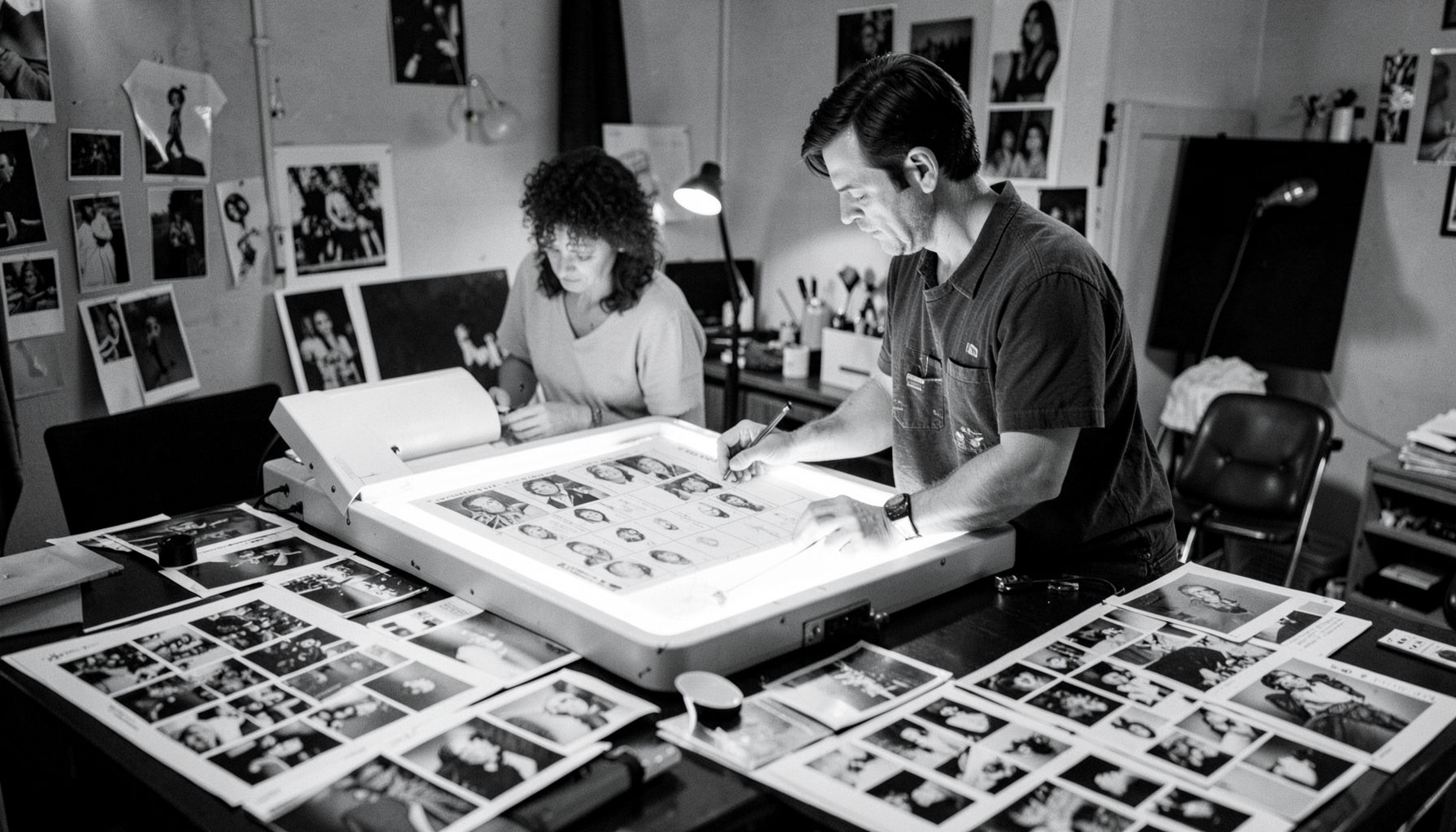
| Photographs and maps | Locations, people and geographical context | Identify places and corroborate scenes | Visual similarity is not proof of identity |
| Production papers | Notes, schedules, scripts and chronology | Test the proposed sequence | Working documents may be incomplete |
| Testimony and metadata | Personal context and archival history | Record provenance and uncertainty | Recollection and catalogue descriptions require verification |
Why the film counts as an archival loss
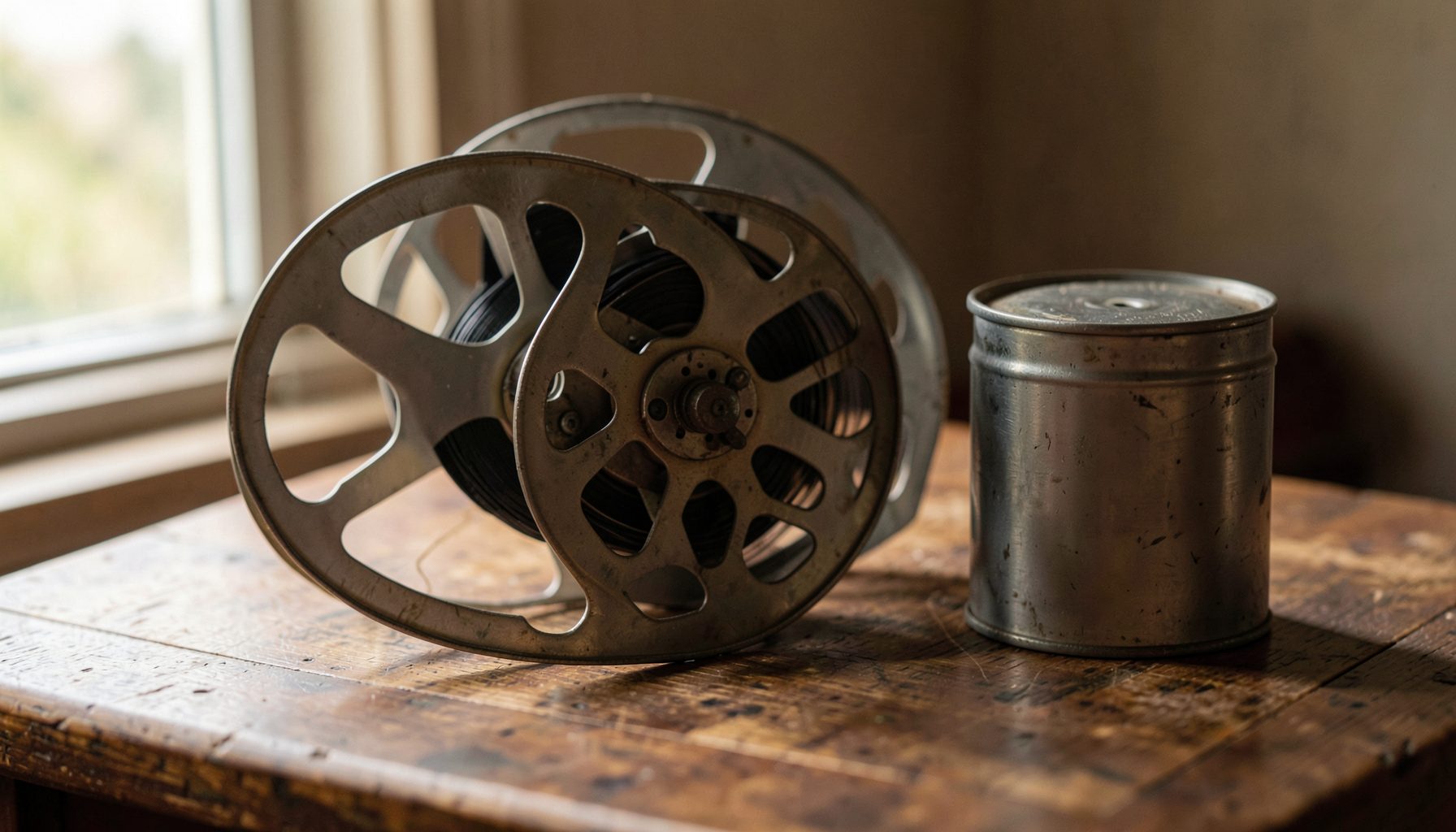
Loss is a condition of access, not necessarily the absence of every physical trace. A reel may survive without its original canister, a soundtrack may exist without its picture, or a print may preserve only fragments edited out of the newsreel version. The reconstruction therefore begins by classifying each item as an original source, derivative copy, related document or uncertain duplicate.
Ethical use depends on that classification. Publication also demands an element-by-element rights review, because surviving footage, music, photographs and production documents can have different owners. The archive’s copyright and permissions guidance should be consulted before a reconstructed sequence is released, uploaded, taught or commercially licensed.
Building a recoverable digital master
Preservation and digitisation begin with physical inspection rather than immediate scanning. Conservators check decomposition, shrinkage, brittle emulsion, warped film and damaged splices, then stabilise each item before capture. Collections in Canberra, Melbourne and Sydney offer useful models for this specialist work, including the National Film and Sound Archive of Australia and major state libraries.
Original celluloid is scanned frame by frame at high resolution, with particular attention to sprocket edges, scratches, flicker and optical soundtrack damage. Magnetically recorded sound may require a separate audio transfer if it cannot be played safely. The resulting preservation files remain distinct from lighter viewing copies, preventing routine compression from becoming the only surviving version.
A dependable workflow assigns unique identifiers, records every technical intervention, creates checksums and stores preservation and access derivatives separately. Frame counts, timecodes and catalogue references are written into a metadata record, giving future researchers a transparent path from the digital screen back to the physical artefact.
Restoring image, sound and sequence
Image restoration should reveal evidence rather than conceal it. Stabilisation, dust reduction and careful tonal correction can clarify a frame, but severe damage should not be replaced with invented movement. Titles, dissolves and missing frames are documented so that a clean modern edit cannot masquerade as Shagrir’s original montage.
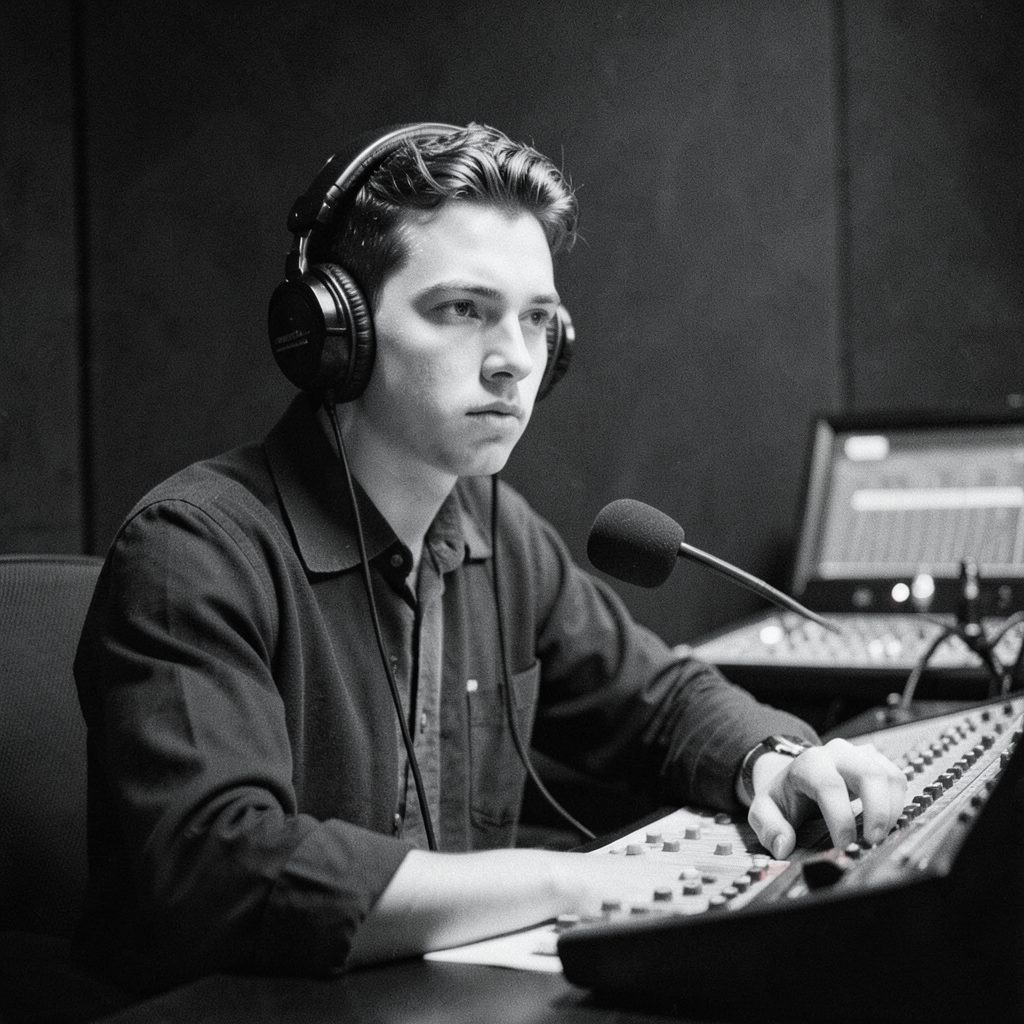
Sound restoration presents parallel choices. Background hiss, tape dropouts and damaged passages can be reduced, yet the location of every repair should remain audible to researchers. Cross-border partnerships offer a useful model, with the Kifilmally preservation project providing a contemporary reference for shared technical standards and cooperation among moving-image archives.
Sequence is reconstructed through intersecting evidence rather than appearance alone. A continuity jump might connect a negative to a print, while production notes, maps or photographs can identify an omitted scene. Where sources conflict, the reconstruction should preserve alternative timelines or insert a clearly marked research note instead of selecting the most convenient version.
A practical Australian research checklist
Researchers in Australia can adapt the workflow while respecting the collection’s provenance rules and the practical demands of local exhibitions, classrooms and screen archives. The archival preparation phase should begin with a concise, repeatable research record.
- Create a provenance register linking every digital file to its physical source
- Assign stable identifiers to reels, sound files, scans and text records
- Record dates, measurements, languages, credits and known technical faults
- Separate original files from restored masters and compressed viewing copies
- Document every crop, repair, colour adjustment and soundtrack intervention
The publication phase should translate specialist decisions into an accessible but accountable presentation. Exhibitions, broadcasts and online releases then have a concise evidence trail for educators, journalists and future catalogue users.
- Pair each reconstructed scene with its strongest corresponding source
- Caption uncertain identifications and distinguish recovered from inferred material
- Supply a short curatorial note explaining the reconstruction method
- Publish rights information and credits for footage, music and photographs
- Preserve a versioned master so corrections can be incorporated later
Teaching the Red Sea material in Australia
Short excerpts can support a lesson sequence based on the methods described in teaching with Shagrir footage, while the reconstructed Red Sea sequence offers a primary-source case study in editing, evidence and historical context. Students can examine how filmmakers use a cut, map, interview or title to construct an account of movement across contested geography.
Australian settings provide useful points of comparison without claiming equivalence. Fremantle’s working port, Port Phillip’s shipping routes and Sydney Harbour’s ferry traffic can prompt discussion about how ordinary waterfront activity becomes politically meaningful. A documentary viewed over coffee during a tram commute can sit comfortably beside these comparisons, showing that historical interpretation remains part of everyday media consumption rather than belonging only to specialist institutions.
Preserving access and widening participation
Australian legislation provides a useful reference point for responsible reuse. The Copyright Act 1968 governs reproduction and communication, including research and educational exceptions, while the National Film and Sound Archive Act 2008 establishes the country’s federal moving-image institution. The local documentary market—through ABC, SBS, National Indigenous Television, independent producers, festivals, libraries and museums—can support public access when licences and ethical guidelines are settled early.
Researchers who wish to verify a reel, contribute family material or propose a public screening can contact the collection team. Such enquiries can establish whether additional prints, recordings or recollections exist outside the online archive, strengthening the reconstruction through comparison rather than duplication.
The completed work should be treated as a new archival object in its own right. Its preservation master, annotated viewing edition, provenance notes and public transcript should evolve together, allowing teachers, historians and overseas researchers to challenge the reconstruction. A lost film cannot always be returned to its exact former shape, but authenticated fragments can become a transparent, durable and widely accessible form of the original work.