Shagrir’s Photographs Of Israeli Circus And Performing Arts
Micha Shagrir’s photographs of circus performers and stage artists open a lively view of Israeli cultural life. The images are records of movement, costume, rehearsal, travel and public spectacle, yet they also capture the quieter work behind a performance: waiting backstage, repairing props, applying make-up and gathering courage before an audience arrives.
Seen through the Shagrir Collection, these photographs belong to a wider history of Israeli media. They connect documentary photography with film, journalism and personal testimony, showing how entertainment circulated through communities shaped by migration, military service, political change and everyday improvisation. For Australian viewers familiar with the Adelaide Fringe, Sydney’s contemporary circus scene or Melbourne’s independent theatre, the material offers a compelling comparison between local performance culture and Israel’s distinctive social landscape.
A Camera Inside The Circus
Circus photography depends on timing. A still image must suggest the leap before it happens, the balance held for a second or the comic tension between performer and crowd. Shagrir’s approach brings this physical vocabulary into focus. Acrobats, clowns, musicians and jugglers become subjects of documentary attention rather than decorative background.
The photographs also reveal the circus as a working environment. Tents, ropes, painted scenery, transport cases and improvised dressing areas form part of the story. These details matter because touring performers often operate outside the permanent institutions that preserve theatre history. A photograph of a rehearsal or a dismantled set can therefore be as informative as an image taken during the main act.
Performance Beyond The Stage
Performing arts are never confined to a proscenium arch. Street events, variety shows, popular entertainment and public celebrations can turn a square, schoolyard or temporary venue into a theatre. Shagrir’s visual record helps trace that expansion, recording the relationship between artists and spectators as much as the performance itself.
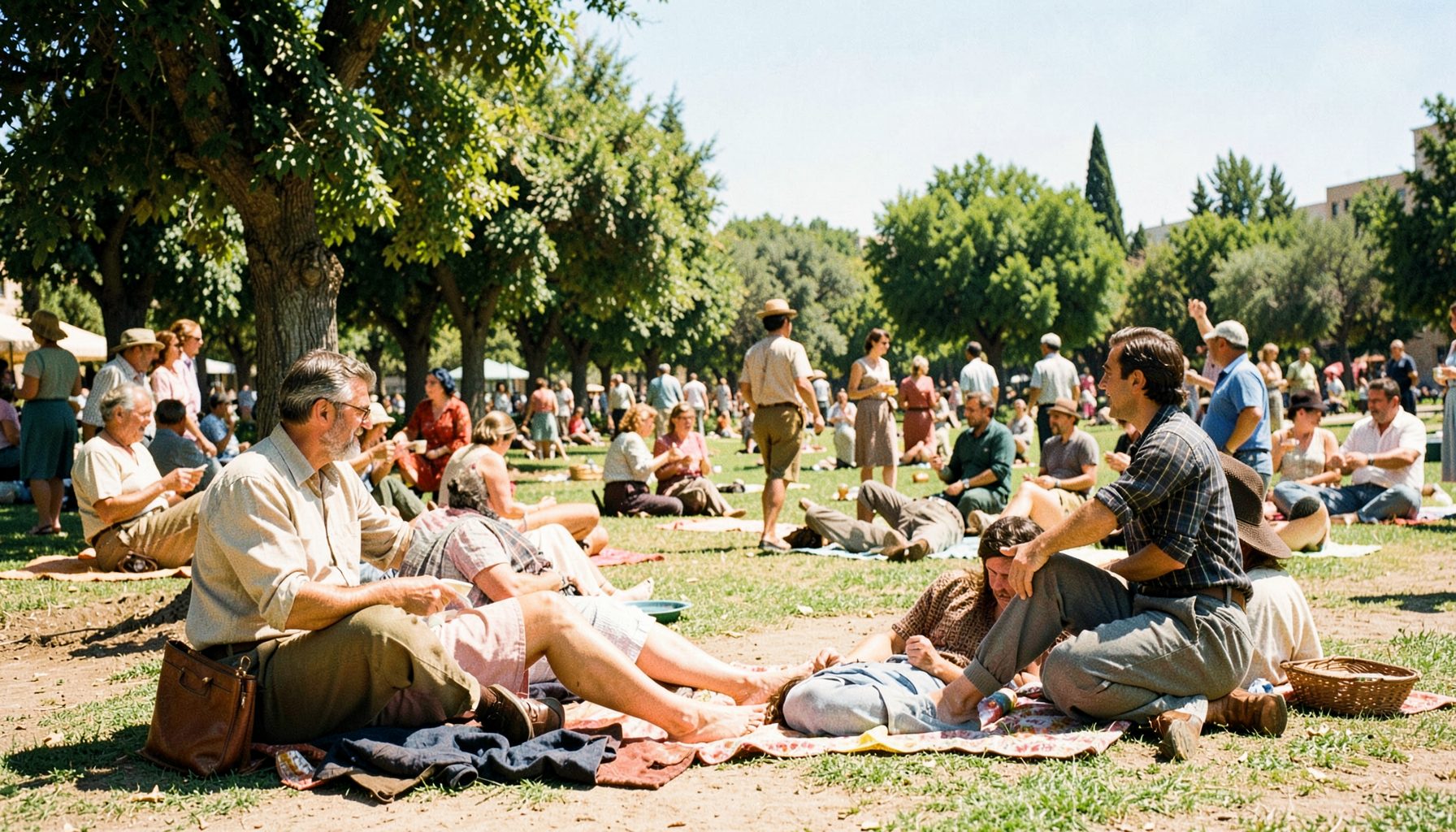
Faces in the audience are especially important. Their expressions, clothing and physical proximity to the performers place each act within a particular period. The photographs may show children watching with intense concentration, adults responding to humour or a crowd negotiating the limits of a small venue. Such evidence gives cultural historians access to public feeling, not merely to the names of celebrated artists.
Israeli Modernity In Motion
The circus arrived in Israel through routes shaped by immigration and international exchange. Performers brought skills, routines and production habits from different cultural backgrounds, while local audiences encountered familiar forms in a new national setting. The resulting entertainment culture was fluid, combining imported spectacle with the practical realities of Israeli touring and community life.
Shagrir’s images can be read alongside the broader visual history of Israeli modernity. Costumes and stage lighting suggest aspiration, while worn equipment and temporary spaces point to limited resources. The contrast is productive: the glamour of performance exists beside the labour required to sustain it. Photography preserves both dimensions without forcing the archive into a simple story of success or hardship.
For Australian audiences, this may recall the way travelling shows, regional festivals and contemporary circus connect metropolitan culture with smaller communities. A production seen in Brisbane or Perth can carry a different social meaning from one presented in Sydney’s established arts precincts. The Israeli material similarly shows performance adapting to place, audience and available infrastructure.
Colour, Film And The Archive
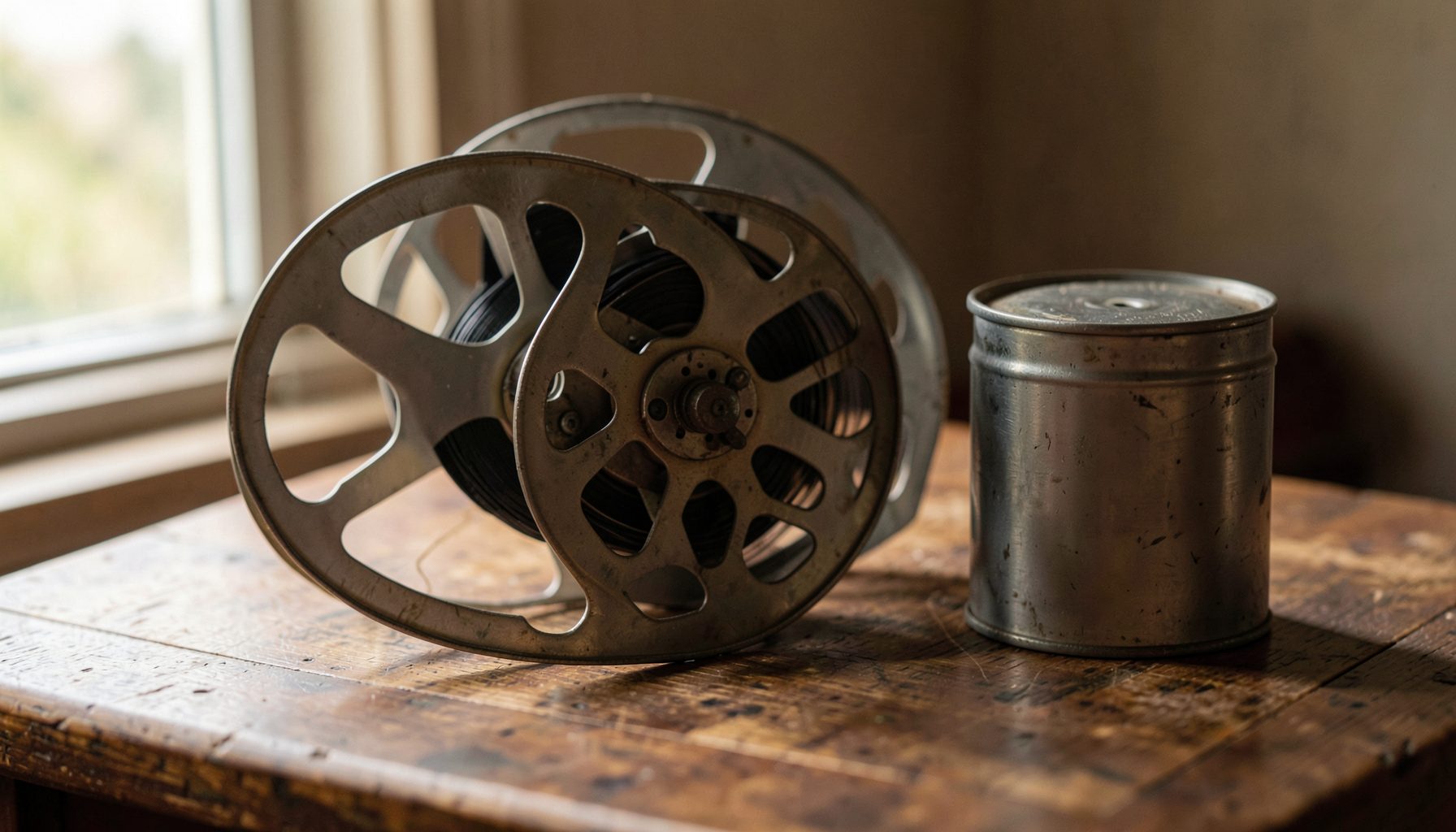
Many of Shagrir’s photographs were made on colour transparency film, a medium prized for its clarity and saturated hues. Circus is particularly well suited to colour: sequins, painted faces, fabrics, spotlights and posters communicate much of the event’s visual energy. Yet transparencies are vulnerable objects. Their dyes can fade, shift or deteriorate, changing the balance of colour that once defined the original image.
The technical and ethical issues are explored in preserving colour transparencies, which is essential reading for anyone interested in the material life of these photographs. Preservation involves more than scanning. It requires careful storage, accurate description, calibrated digitisation and decisions about how to represent an unstable original without disguising its age.
This concern will resonate with Australian collecting institutions, from the National Film and Sound Archive in Canberra to university libraries and local historical societies. Heat, humidity and fluctuating storage conditions can affect photographic materials, making conservation a practical priority rather than a distant specialist concern. Digital access extends the audience, but it cannot replace responsible care of the physical archive.
Photographing The People Behind The Act
A performance image often celebrates the finished gesture, while documentary photography can linger on preparation. Shagrir’s portraits and backstage views bring attention to workers whose names may not appear in conventional theatre histories. Technicians, assistants, costume makers and producers help create the conditions in which a performer can appear effortless.
This approach also complicates the idea of the circus star. The performer is shown as a person with a routine, a body under pressure and a professional identity shaped by collaboration. A clown adjusting make-up or an acrobat resting between acts may communicate more about the occupation than a perfectly composed publicity portrait.
For researchers, these photographs can support work on labour, gender, migration and popular culture. They may also invite family memories. Relatives of performers can identify faces, venues or touring companions, adding oral history to the visual record. Such contributions are valuable because archival description is often incomplete when collections have travelled across countries and institutions.
Images In Historical Context
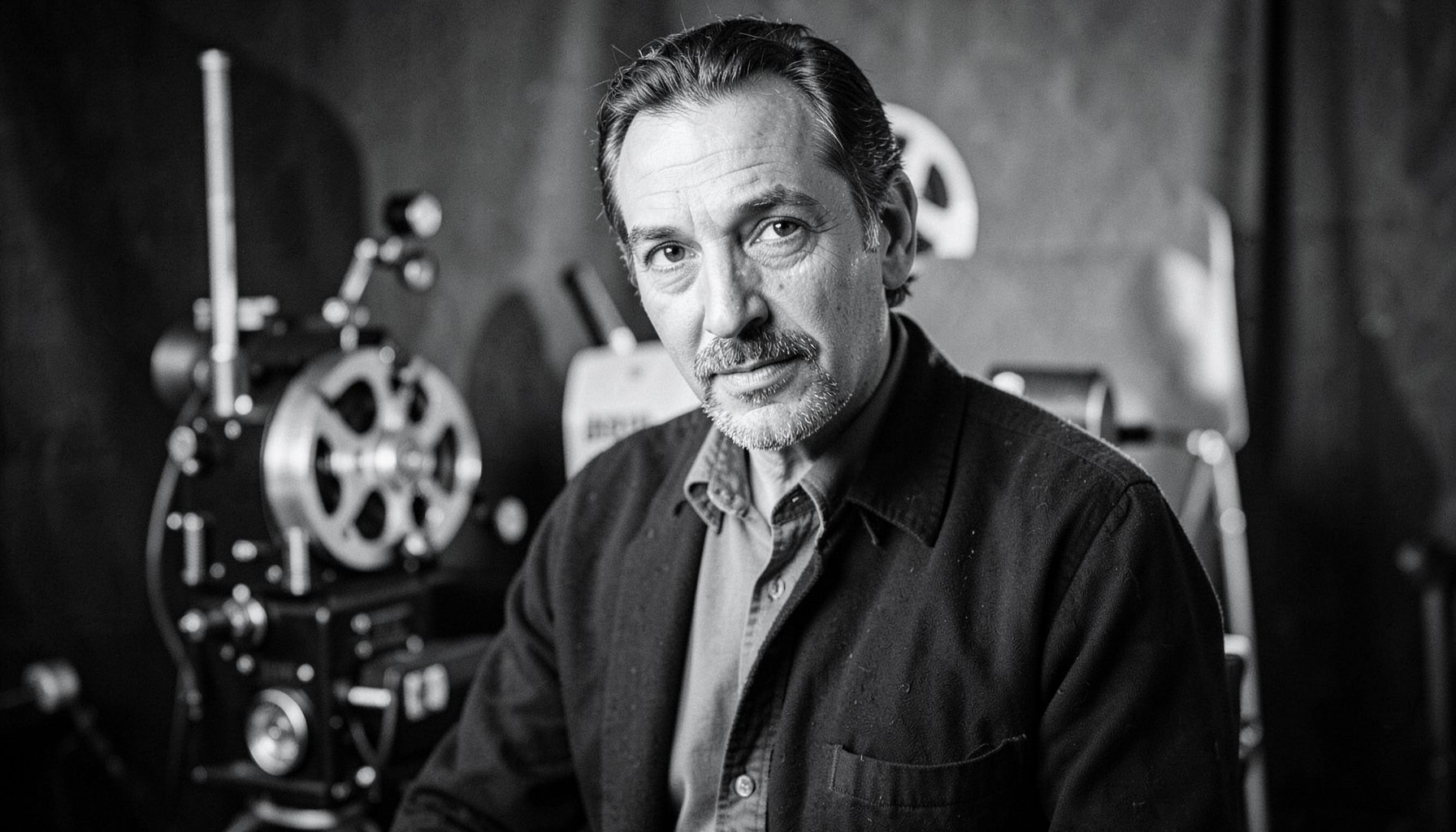
Shagrir’s career crossed documentary film, press photography and cultural reporting. His photographs of entertainment should therefore be considered with his other records of Israeli public life. The same photographer who observed a circus troupe could also document economic anxiety, political events or the effects of international crises, placing popular culture within a wider social frame.
The archive’s account of the 1973 oil crisis demonstrates how his press work connected everyday images with major historical forces. That context can sharpen a reading of performing-arts photographs: a bright costume or crowded venue does not exist outside the pressures of its time. Entertainment may offer escape, but it also reflects the conditions under which people gather, travel and spend money.
This is relevant to Australian cultural history as well. The economics of touring are shaped by fuel prices, distance and venue access, whether a company is travelling between Melbourne and regional Victoria or crossing the country from Adelaide to Darwin. Performance archives become richer when they preserve those practical circumstances alongside the spectacle.
Research, Teaching And Public Memory
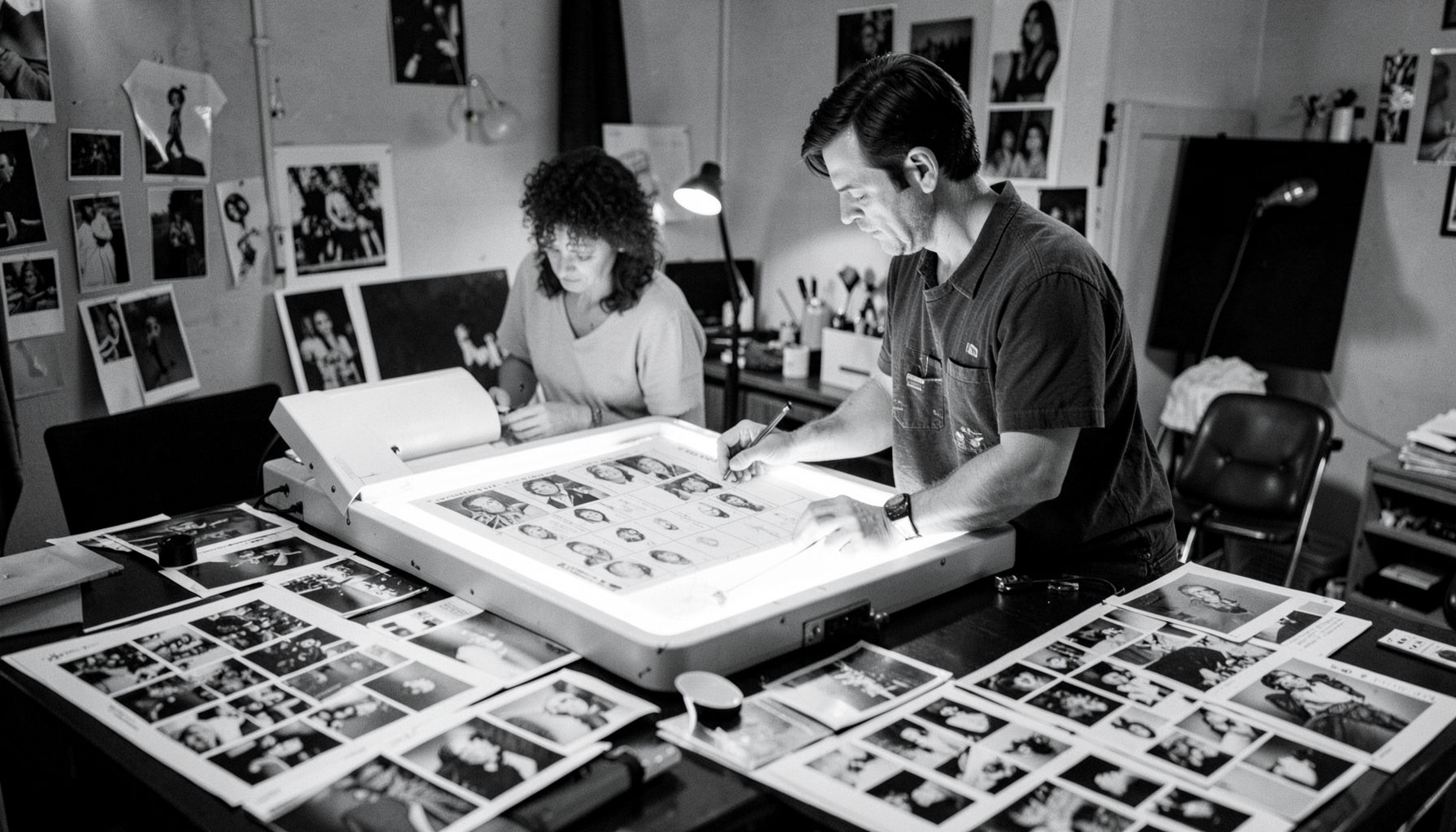
Digitised photographs can support many kinds of inquiry. Art historians may study visual style and stage design; social historians may examine audiences and urban spaces; film scholars may compare still images with moving footage. Educators can use a single photograph to discuss documentary ethics, the history of circus or the relationship between popular entertainment and national identity.
Digital collections also benefit from cross-disciplinary dialogue. A resource such as Deepali Gupta’s research platform can remind researchers that archival interpretation often moves between media, regions and methods. Connections of this kind encourage careful comparison rather than treating an image as self-explanatory. Captioning, provenance and the photographer’s working context remain central to responsible use.
Australian schools, universities and arts organisations could bring this material into conversations about contemporary circus and cultural memory. The Adelaide Fringe, for example, makes performance visible across the city each year, while companies such as Circus Oz have helped shape Australia’s international circus identity. Comparing those traditions with Shagrir’s photographs can reveal how spectacle carries ideas about community, mobility and national character.
Accessing A Living Collection
The value of the Shagrir Collection lies in the relationship between image and evidence. A photograph can be visually striking, but its deeper significance emerges through dates, locations, related negatives, personal papers, recordings and testimony. Together, these sources help reconstruct how a performance was made, received and remembered.
For Australian viewers, the collection offers a chance to look beyond familiar accounts of circus and theatre. It places Israeli performers within a history of movement and public life, while also raising universal questions about work, embodiment and memory. The images invite close attention to the details that performances usually leave behind: a scuffed floor, a folded costume, a tense hand or a child leaning forward in the crowd.
Preserving and sharing such records strengthens the history of the performing arts. Whether encountered by a researcher in Melbourne, a curator in Sydney or an audience member exploring the archive online from regional New South Wales, these photographs make a temporary act available for renewed interpretation. Their importance rests in that continuing exchange between the original moment and the people who now study it.