
Shagrir’s Palestinian interviews: preserving a rare documentary legacy
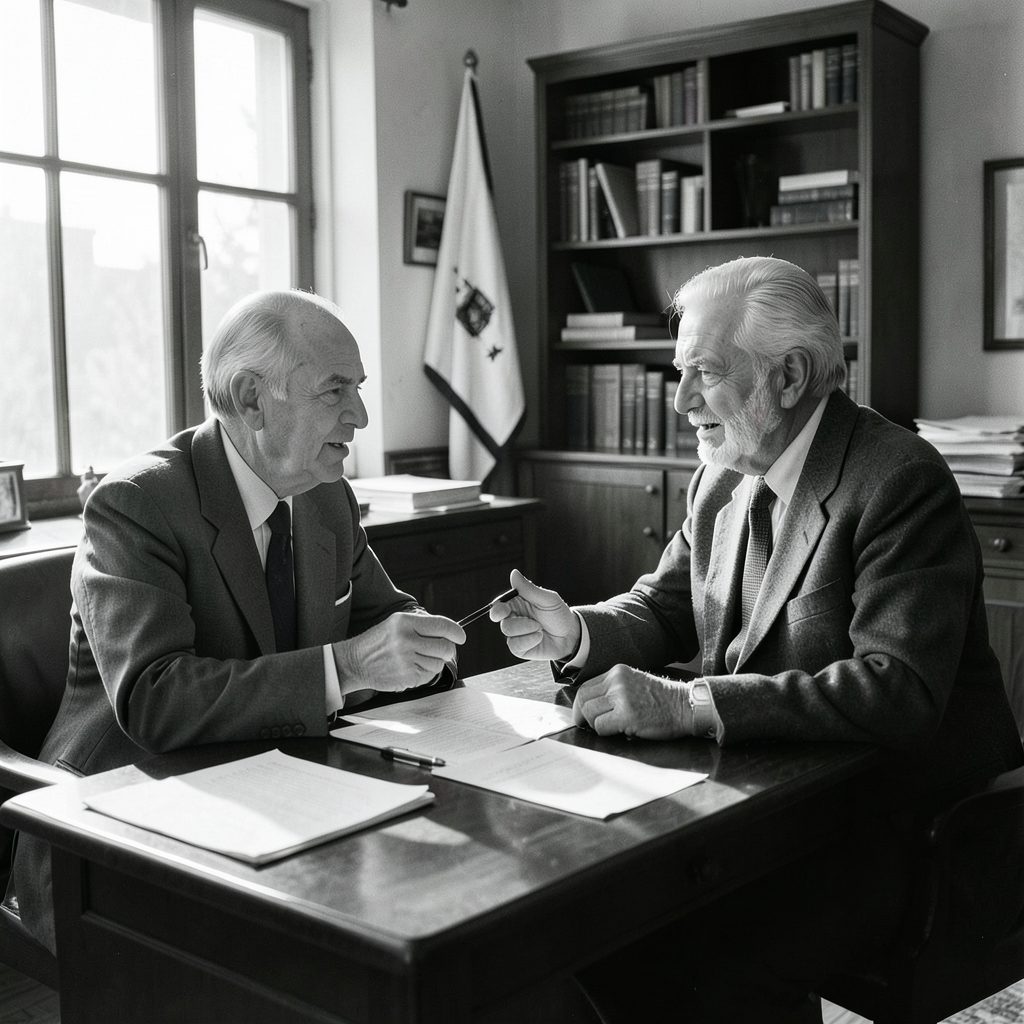
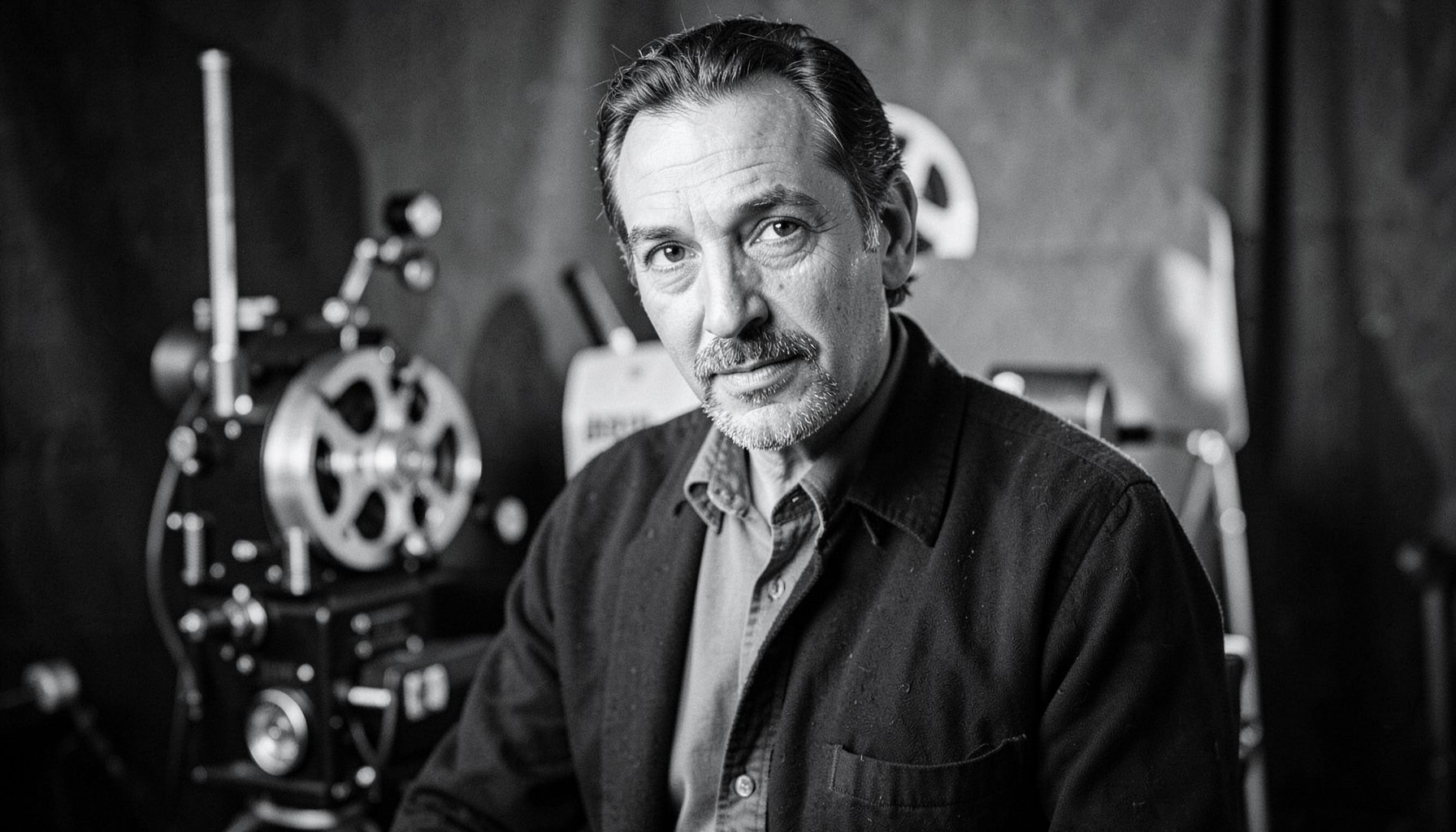
Micha Shagrir built a career where documentary film, photography and journalism overlapped. His interviews with Palestinian citizens of Israel form a striking part of that legacy: first-hand testimony recorded by a witness who understood how cameras, microphones and publication shape public memory. The conversations reward close listening, but they are not an unmediated window onto a single community.
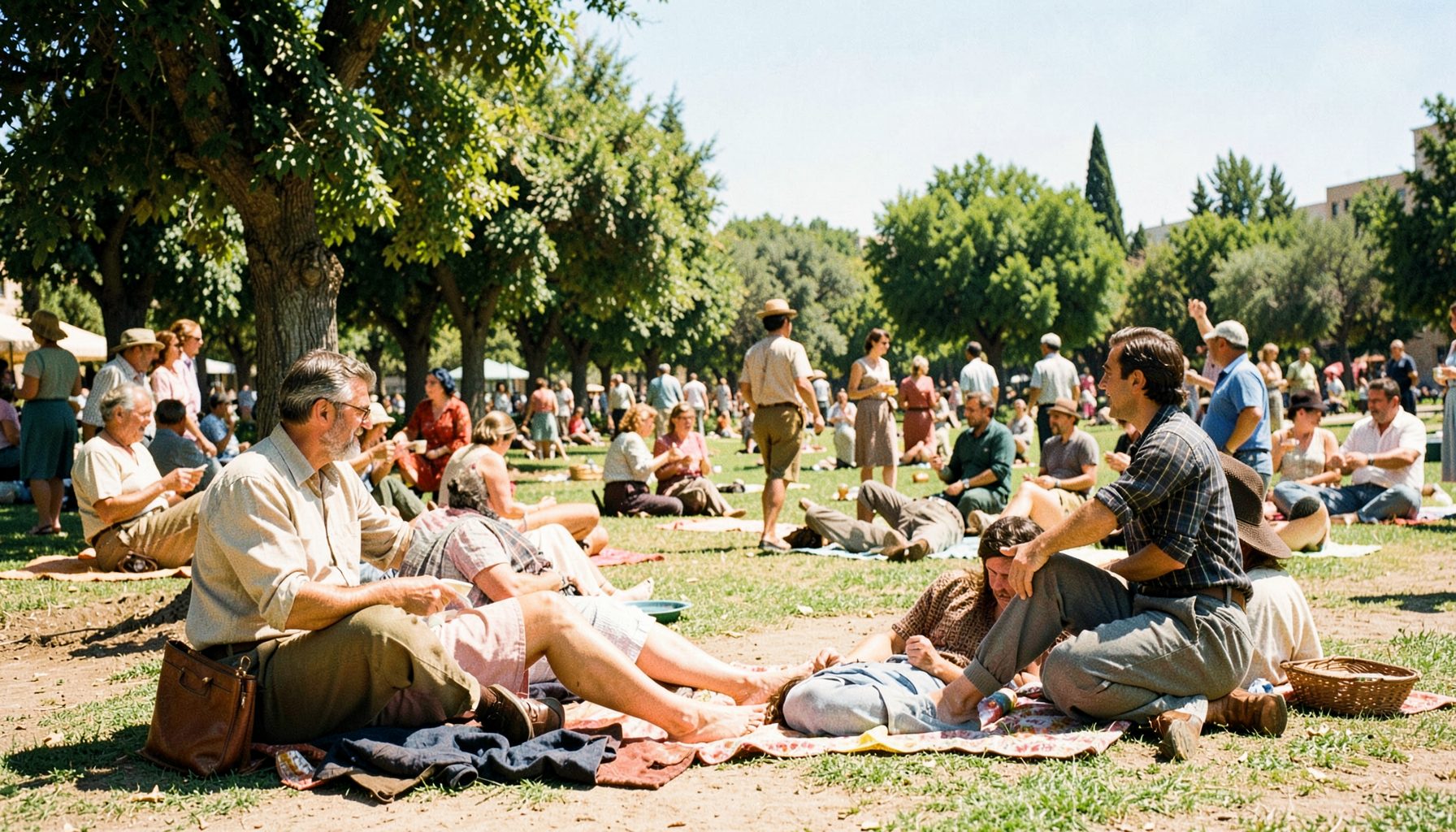
For readers unfamiliar with the term, Palestinian citizens of Israel are Palestinians living inside Israel’s pre-1948 borders who gained Israeli citizenship after the state’s creation while retaining Palestinian identity and family ties elsewhere. The category includes Muslims, Christians and other communities, and its members differ by village, political outlook, class, gender and generation. Accounts from Israeli towns and villages should not be conflated with recordings from Gaza or the West Bank.
The collection’s value lies in both historical position and surviving material form. Audio, film, photographs, papers and production notes can preserve speech, pauses and emphases that a polished summary erases. They also let researchers trace how an encounter became a broadcast, documentary or published account. That layered evidence makes the interviews more than a group of striking quotations.
Recorded encounters with Israeli society
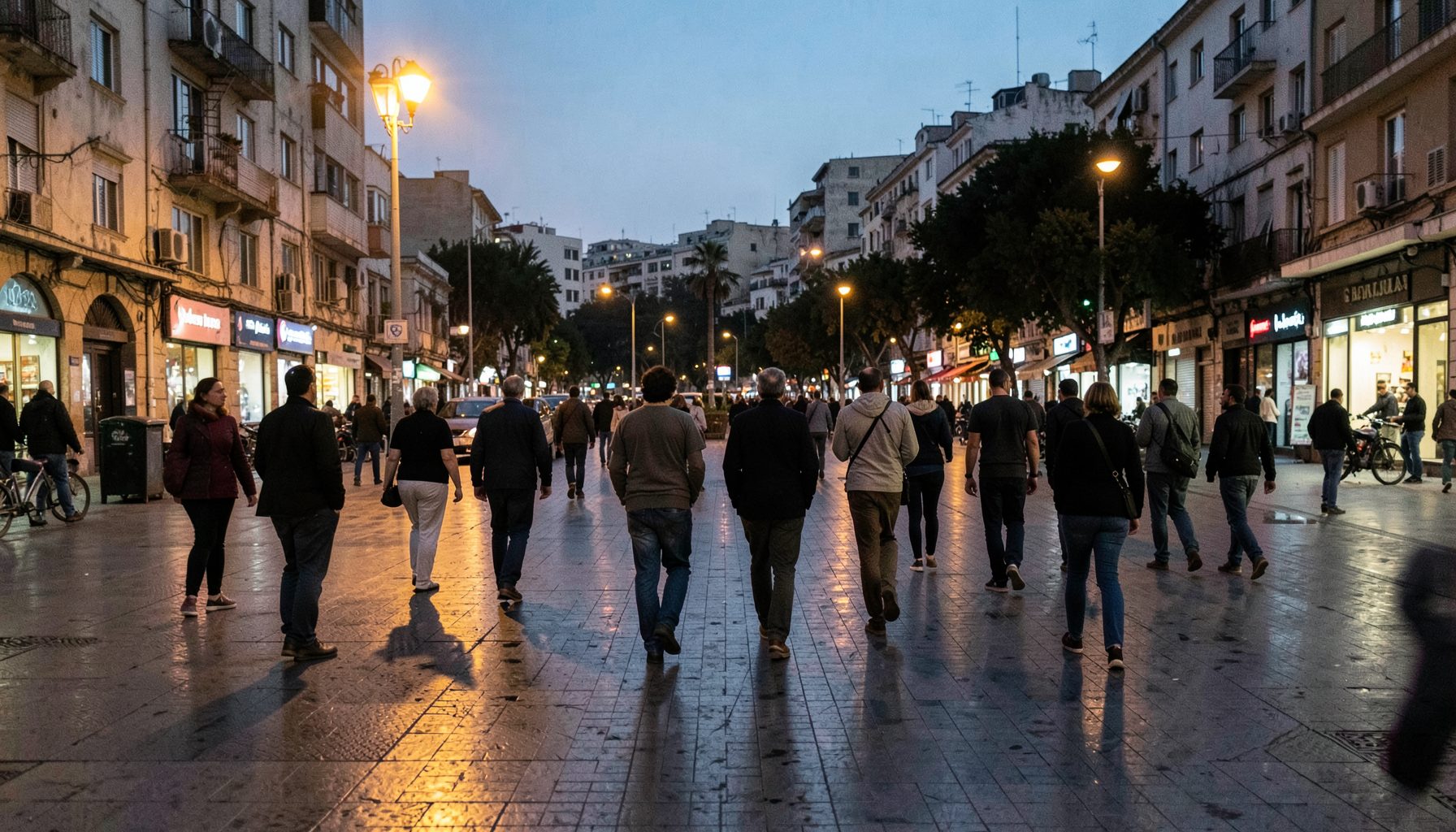
Shagrir’s approach joined a reporter’s curiosity to a documentary maker’s attention to place. The interviews with Palestinian citizens of Israel give particular weight to how people describe everyday life, public institutions and the choices available to them. Their significance grows when read alongside his wider work. A related resource, the Israeli agricultural documentary, directs attention towards land, rural development and the Israeli economy, offering a useful counterweight to abstraction.
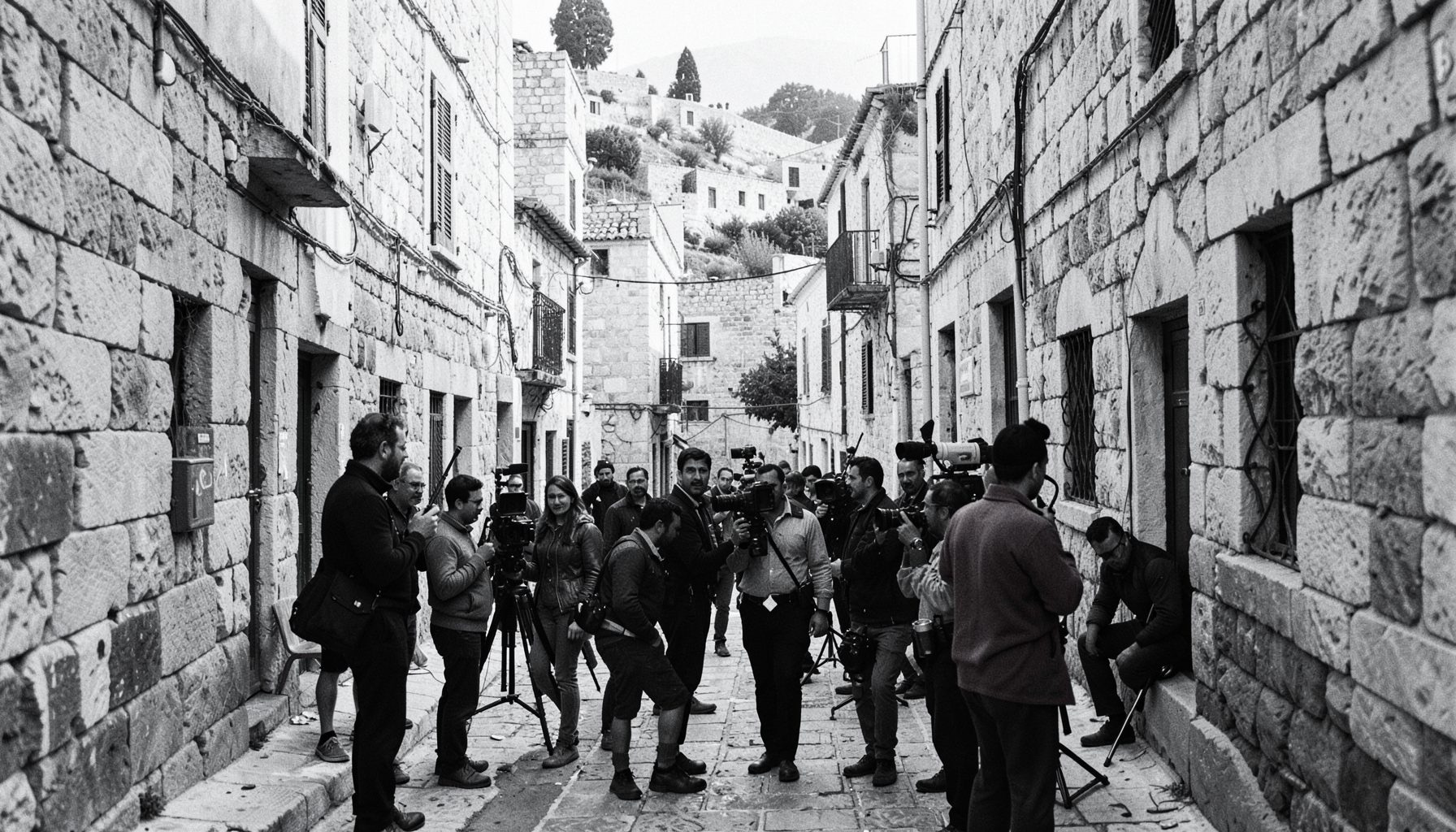
The collection is also distinctive in preserving the machinery of encounter. A filmed interview may contain more than a voice: a room, a gesture, clothing, an interviewer’s framing and evidence of the circumstances in which someone spoke. These details can support social history, but they require caution. A visible setting does not prove a speaker’s political commitments, and an interviewer’s question may shape the answer that follows.
Why these voices matter
These accounts complicate political disputes by keeping individual experience visible. A conversation about municipal services, education, work or family life can show how state rules are encountered in particular places. It can also reveal disagreements within Palestinian society, including criticism directed at community leaders and institutions. The record is most useful when treated as testimony from situated speakers, not as a substitute for Palestinian writing, organisational records or scholarship produced in the communities themselves.
Researchers can explore the Shagrir Collection to move between interview material, documentary films and visual records. This cross-media route can reveal recurring subjects and changes in Shagrir’s questions over time. It also helps distinguish a person’s statement at one moment from an editorial position shaped by a programme. That distinction protects the recorded voice from being overread while opening a larger view of Israeli media history.
Preserving voices beyond their original moment
Preservation is essential because recorded speech is fragile. Magnetic tape can suffer decay; film can scratch; paper can fade; and obsolete playback equipment can make an otherwise available recording inaccessible. Digitisation can secure a master, but a file without provenance, dates, participant names and contextual notes can quickly become opaque. Good archival description must travel with the recording, recording where it came from, who handled it and what transformations it underwent.
Transcription and translation belong to that descriptive work. Researchers should retain the original language where possible, identify any translation, and distinguish documented words from editorial summaries. A silence, overlapping exchange or change in address may carry meaning that a clean transcript suppresses. Interpretation becomes more responsible when readers can compare the recorded encounter with the surrounding notes and understand the conditions under which it was made.
Learning to listen in Australia
For Australian researchers, access to specialist archives usually runs through institutions rather than a large retail market. The country’s small population makes such collections viable through university departments, public libraries, film archives, grants and public-interest media. A researcher may need to plan for travel, digitisation costs and rights clearance, while community organisations often reach the material through screenings rather than catalogues.
Melbourne offers a particularly layered setting for this work. Its Jewish, Arab and Palestinian histories sit alongside migration, exclusion and belonging, and the University of Melbourne’s Australian Centre for Jewish Civilisation provides a scholarly setting for public discussion. Australian audiences often respond best when a screening connects archival testimony to local experience without pretending the political contexts are identical.
Canberra’s National Film and Sound Archive of Australia offers another point of reference for preserving moving-image and sound heritage. In Sydney, Palestinian, Arab and Jewish organisations can provide the community setting that a bare academic event lacks, while SBS’s history of Arabic-language broadcasting supplies experience making international stories legible to Australian audiences. The Kiflimally project offers related documentary perspectives for programmers seeking a broader frame.
Rights, consent and historical responsibility
Archival significance does not remove questions of consent. A speaker may have accepted an interview for broadcast without anticipating online publication, educational reuse or commercial circulation. The archive’s copyright and permissions guidance should be consulted before reproducing excerpts, photographs or films, and permission should be checked against the particular use, territory and duration required.
Labels also need care. “Palestinian citizen of Israel” describes a legal position, not a single political attitude. Some interviewees may have spoken in Arabic, Hebrew or English, and later captions can flatten differences in identity, dialect and political vocabulary. Where names or circumstances remain uncertain, responsible description records that uncertainty rather than filling the gap with inference.
Context should include both the conditions of the original interview and the later history surrounding it. Audiences may ask why a question was omitted, why a sequence was edited or why a participant later changed an opinion. None of those points automatically invalidates the recording. They establish its boundaries and prevent a contemporary audience from projecting present controversies wholesale onto a speaker’s words.
Practical ways to engage with the archive
Researchers and cultural workers can engage with the material in ways that keep evidence and interpretation in balance.
- Begin with provenance. Locate the full catalogue entry, date, interviewer, participant names, recording format and associated papers before quoting a short excerpt.
- Keep languages in view. Preserve the original wording where available, name the translator and explain significant differences in tone or meaning.
- Build context across sources. Compare interviews with newspapers, official records, Palestinian community publications and other documentary material rather than relying on one item.
- Check rights and sensitivity. Confirm reuse conditions, especially for living participants, identifiable family members and politically sensitive locations.
- Invite critical dialogue. Pair subtitled screenings with Palestinian and Israeli scholars, as well as Australian historians and community speakers, to distinguish evidence from competing interpretations.
- Support long-term access. Encourage accredited digitisation, consistent metadata, searchable transcripts and preservation formats that do not depend on obsolete equipment.
The interviews endure as evidence because Shagrir recorded people making their own distinctions, grievances and arguments in their own voices. Their lasting importance lies in that specificity: the archive can hold a place in public memory without turning any one testimony into a verdict about an entire people.