
How Micha Shagrir documented the rise of Israeli agriculture
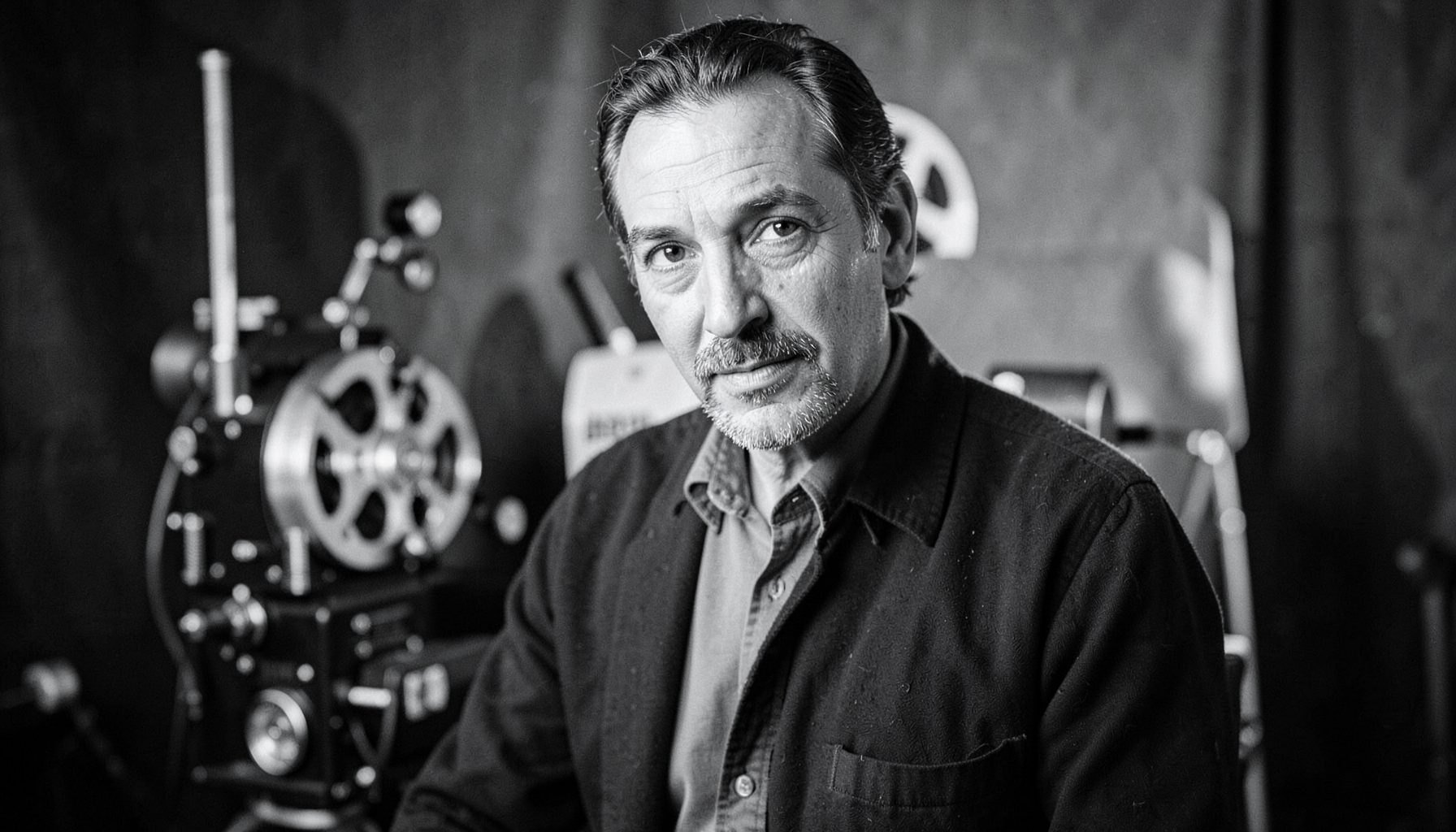
Micha Shagrir spent decades behind a camera, chronicling the political and social fabric of a young nation. Yet among his many documentary projects, the films tracking the transformation of Israeli farmland stand as some of the most quietly influential work in his catalogue. Shot during the 1960s and 1970s, these projects followed the men and women who coaxed crops from sandy soil, drained swamps, and turned desert edges into productive orchards.
For viewers unfamiliar with the era, the footage reveals a landscape caught between memory and invention. European settlers, recent immigrants from North Africa and the Middle East, and veteran kibbutz members appear shoulder to shoulder in fields of cotton, citrus, and wheat. Shagrir's camera lingered on hands planting seedlings, on the slow rise of irrigation pipes, and on communal dining halls where labourers shared meals after long shifts under the sun.
The films matter now because the agricultural story they tell shaped modern Israel in ways that reach beyond food production. Cooperative farming seeded ideas about labour, land ownership, and national resilience that filtered into the country's broader self-image. Cinema, in Shagrir's hands, became an instrument for recording that transformation while it was still happening, not decades after the fact.
Researchers, educators, and curious viewers can explore recent press materials documenting the collection's preservation work. The archive itself catalogues everything from cinematographic equipment to handwritten shooting logs, offering a layered view of how state-building and rural revival were filmed at close range.
The origins of a farming-focused cameraman
Shagrir was already an experienced photojournalist when state-sponsored agricultural bodies approached him about a series of educational films. Israel in the early 1960s was actively recruiting immigrants and investing heavily in turning marginal land into productive farmland. Film seemed a natural medium for explaining, in plain terms, what was happening in the fields and why.
The brief was practical. Training centres needed visual material to teach new arrivals about irrigation cycles, dairy hygiene, and crop rotation. Settlement administrators wanted to document successful methods for circulation between regions. Shagrir's assignment suited his temperament: he preferred working on location, listening to subjects, and capturing scenes that did not need to be restaged.
What began as commissioned work evolved into a personal project over more than a decade. Shagrir returned to the same kibbutzim year after year, tracking the slow maturing of orchards and the changing faces of the workforce. The resulting body of work reads less like a series of one-off commissions and more like a long conversation with the land itself.
Capturing the kibbutz fields at ground level
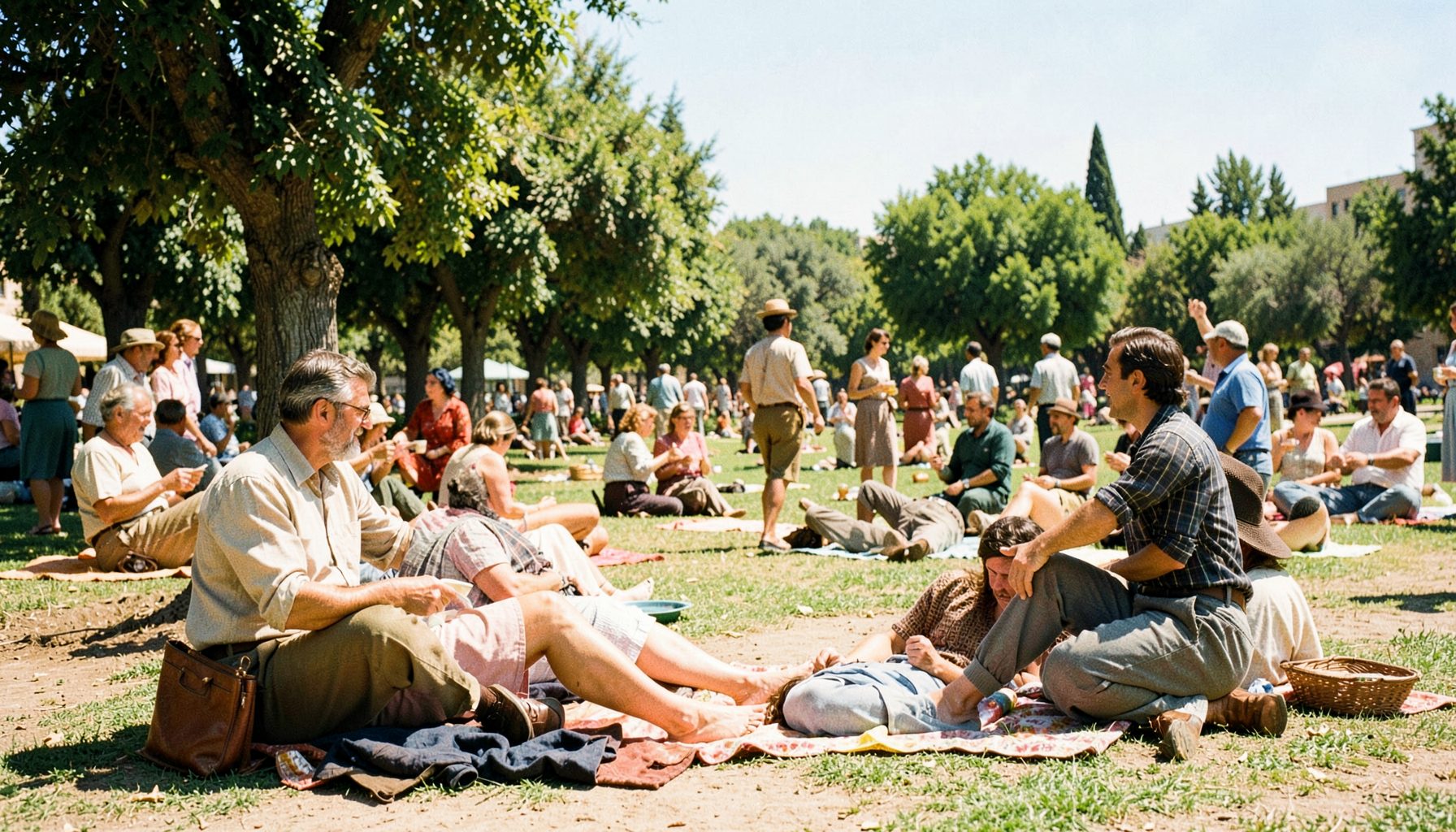
Shagrir's agricultural films rarely open with wide landscape shots. Instead, they begin at ground level, where water meets soil and seeds meet furrows. This choice frames the early kibbutz experience as a story of practical engineering rather than ideology. Drainage channels, pipe-laying crews, and the constant rotation of crops across newly terraced land appear alongside group portraits of pioneers eating lunch beneath fig trees.
The visual language borrows from both agrarian documentary and observational cinema. Long takes show a tractor working a hillside while a narrator explains how marginal land was coaxed into production. Cutaways to archival photographs, taken years earlier, contrast barren plots with the same fields after irrigation. In one sequence, the camera follows a young agronomist walking row by row, pointing out which seedlings have survived a particularly dry week.
That attention to incremental progress, the small adjustments that turn a struggling plot into a reliable yield, has clear resonance for Australian growers watching the Murray-Darling basin's salinity challenges play out over seasons. The patience Shagrir documents on screen mirrors a familiar cadence of rural life.
Voices from the moshav and the marketplace
Beyond soil and water, Shagrir's camera fixed on people. New immigrants arriving from Morocco, Iraq, and Yemen step into frames already occupied by veteran settlers from Poland and Hungary. Training films follow them through onion sorting, dairy milking, and grapefruit packing. The tone is matter-of-fact, but the underlying message is clear: the agricultural project depended on many hands, not one vision.
This people-first approach distinguishes Shagrir's work from the more polished propaganda reels produced by official bodies of the period. Workers speak on camera, sometimes in hesitant Hebrew, about what brought them to a particular moshav. A woman explains how she traded her urban tailoring skills for irrigation duty. A man describes the satisfaction of seeing the first harvest from a plot he had cleared himself.
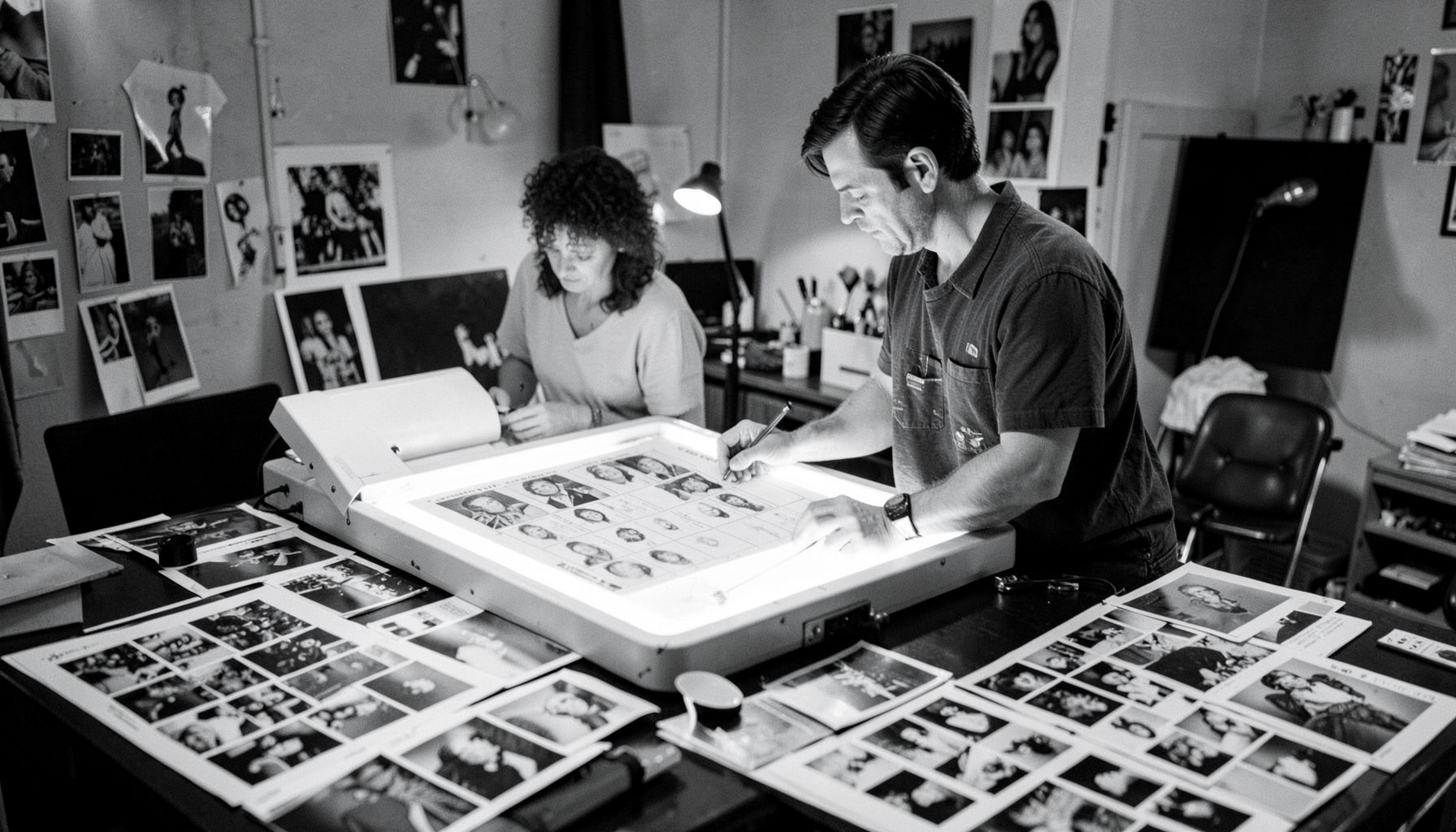
These voices lend the documentary a grounded quality that resists myth-making, a quality appreciated by anyone who has spent time at a country field day in regional Victoria and listened to growers chat candidly over a thermos. The collection preserves these testimonies not only on film but in still photography, with negatives and prints archived alongside related paperwork. Researchers tracing migration patterns or rural labour history can request access through the personal papers catalogue, which documents how the films were shot, edited, and circulated.
A visual language built on patience
Shagrir rarely used dramatic music, slow-motion flourishes, or sweeping helicopter shots. His agricultural films relied on long, steady takes, natural sound, and clear explanatory voice-over. The result feels closer to a working journal than a broadcast production, and that stylistic restraint has aged remarkably well.
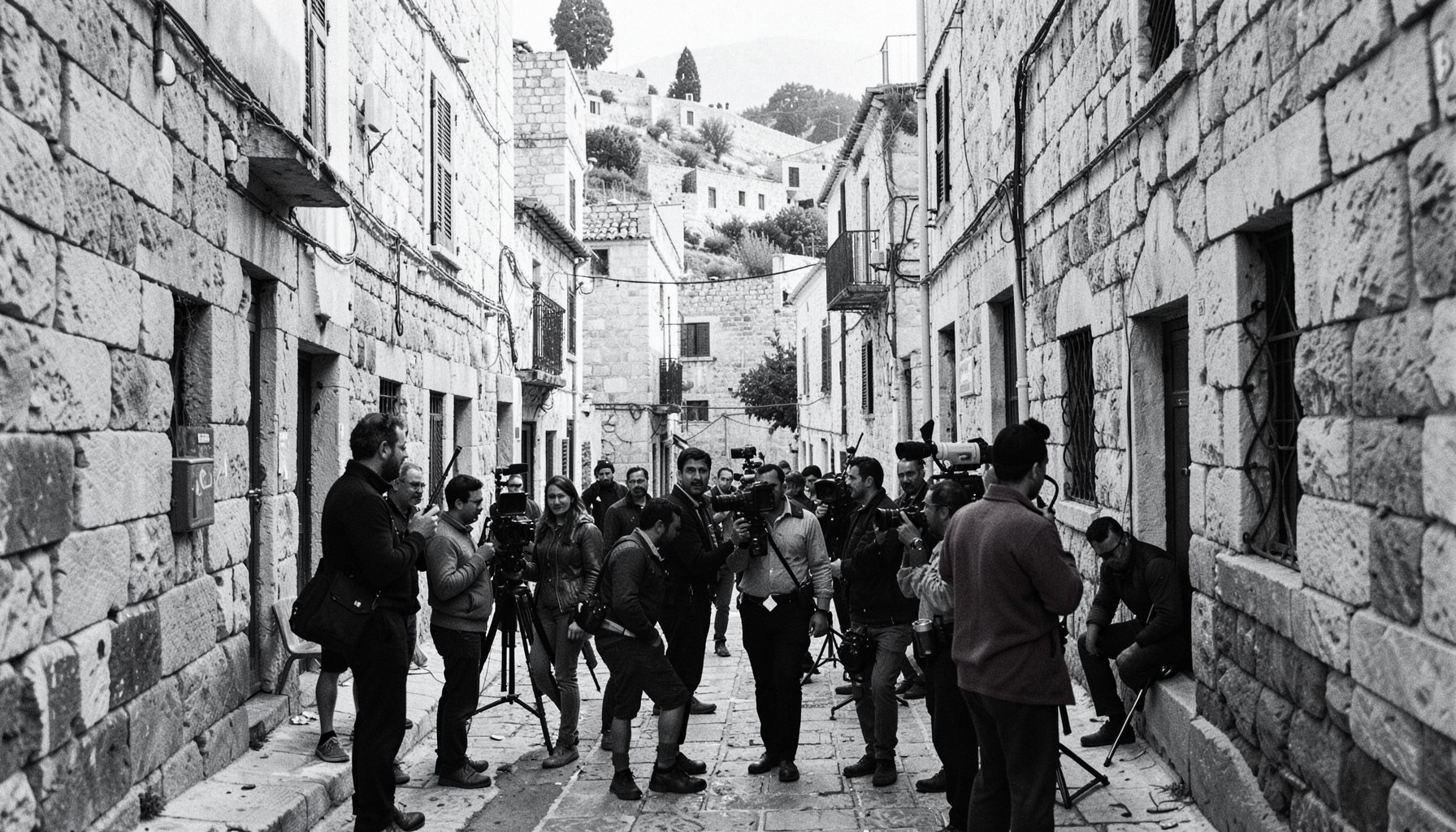
Shooting through heat and dust required practical adjustments that became part of the film's identity. Crews learned to rig cameras on trailers to follow tractors, to film milking parlours without disrupting routines, and to wait hours for the right light across a wheat field. Audiences today read those choices as deliberate, but at the time they were simply how the work had to be done.
The same restraint shows in the supporting photographs. Many frames show workers mid-action, tools in hand, glances directed at a task rather than the camera. The effect is cumulative: viewers come away with a sense of rhythm rather than spectacle, which is exactly the rhythm of agricultural life.
Lessons that travel across continents
Although separated by hemisphere, Israel and Australia share several chapters in their rural histories. Both nations wrestled with vast tracts of arid land, both relied on organised settlement schemes, and both leaned heavily on government-backed irrigation programs during formative decades. The Snowy Mountains Scheme, with its web of tunnels and aqueducts, finds a quiet echo in the National Water Carrier that fed the Israeli coastal plain.
Viewers in Australia often respond to the kibbutz sequences with surprise and recognition. The footage of dirt tracks, the careful rationing of household water, and the improvisational tinkering in farm sheds feel familiar to anyone raised around a station in western Queensland or a citrus grove near Mildura. The visual grammar of rural perseverance translates across continents, and Shagrir's unflinching eye catches that grammar without overselling it.
Researchers at the University of Melbourne's agricultural faculty have referenced Israeli field trials in their studies of citrus rootstock and salinity management. Documentary filmmakers working on Australian rural histories have studied Shagrir's approach when planning observational projects across the Riverina, drawing on his willingness to let scenes simply unfold.
Saving the reels for future hands
The ongoing task facing the collection is both technical and interpretive. Films require digitisation, colour correction, and careful cataloguing so that researchers can locate scenes by location, date, or subject. Many reels still carry the fingerprints of the era's humidity and haste, with vinegar syndrome threatening some acetate stocks.
Funding bodies, philanthropic partners, and academic institutions around the world have shown interest in supporting this work. In Australia, conversations have begun with cultural agencies about cross-listing selected materials on platforms used by regional libraries, particularly those serving communities along the Murray and its tributaries. Such partnerships could bring footage of Israeli pioneer farming to Australian viewers researching the global history of irrigation.
Educators, journalists, and the curious public can browse the growing collection through the photo gallery, which features curated stills from the agricultural films alongside Shagrir's standalone photographic work. Each frame connects a moment in the field to the broader story of how a young nation fed itself, and how one filmmaker made sure the work did not go unwitnessed.