Archiving Shagrir's photographs of the 1991 Gulf War in Israel
In January 1991 the night sky over Tel Aviv was lit not by celebrations but by the intermittent flashes of Patriot interceptors racing to meet incoming SCUD missiles. Across Israel's cities civilians sealed themselves inside sealed rooms, plastic-wrapped their windows, and waited for the all-clear siren. Among them walked Micha Shagrir, camera in hand, capturing the tension etched across a society bracing for what might come next. His negatives from those weeks form a remarkable visual record of an entire nation experiencing modern warfare for the first time.
For audiences in Australia the Gulf War of 1991 sits in a peculiar historical distance. The coalition operations were broadcast into Australian living rooms through SBS news bulletins and ABC reports from the Persian Gulf, yet few Australians experienced the conflict on the ground. Examining Shagrir's imagery offers a way to understand how a democracy under missile attack maintained daily routines, broadcast its own news, and grappled with the strange normalcy of life during wartime.
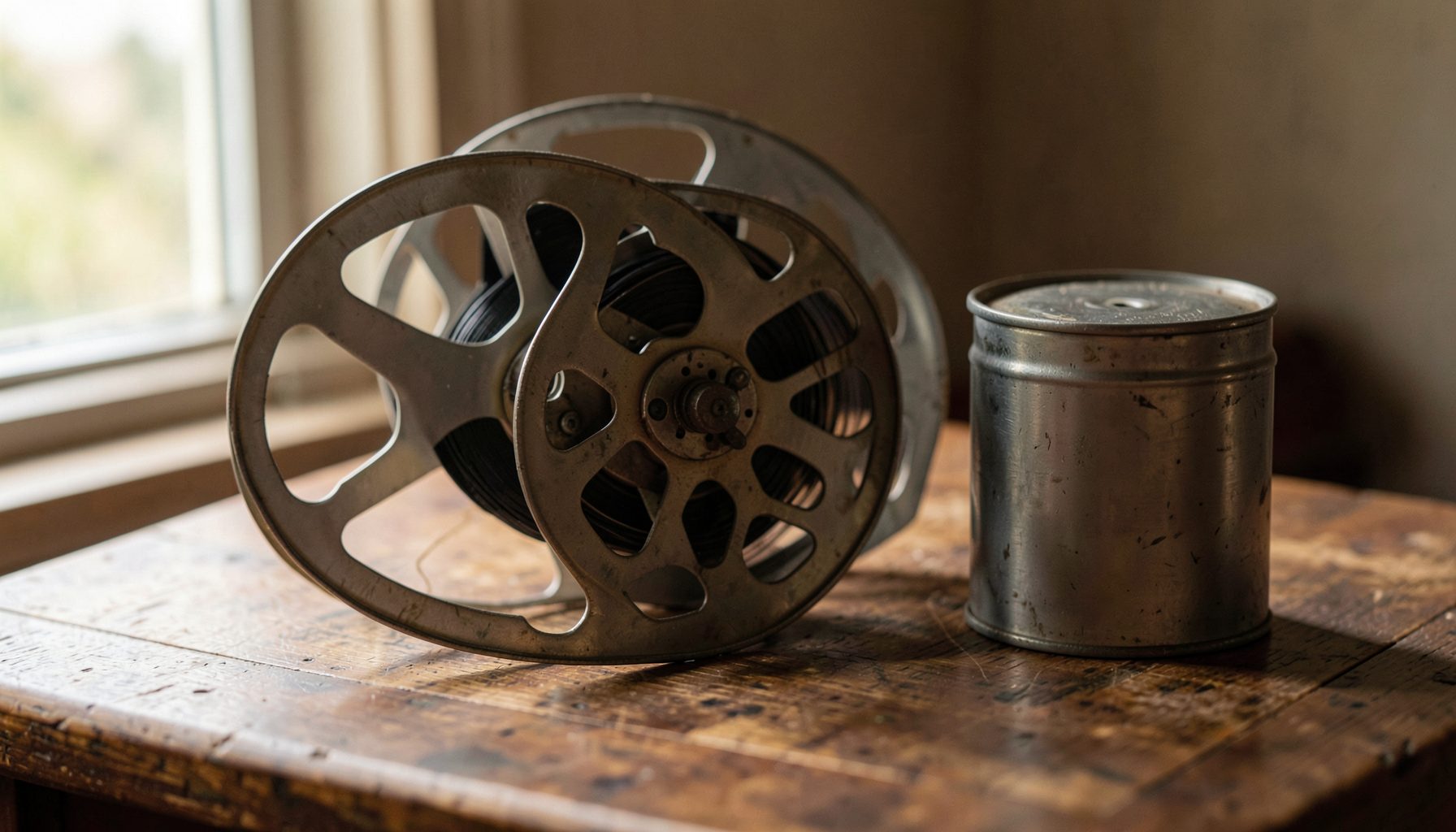
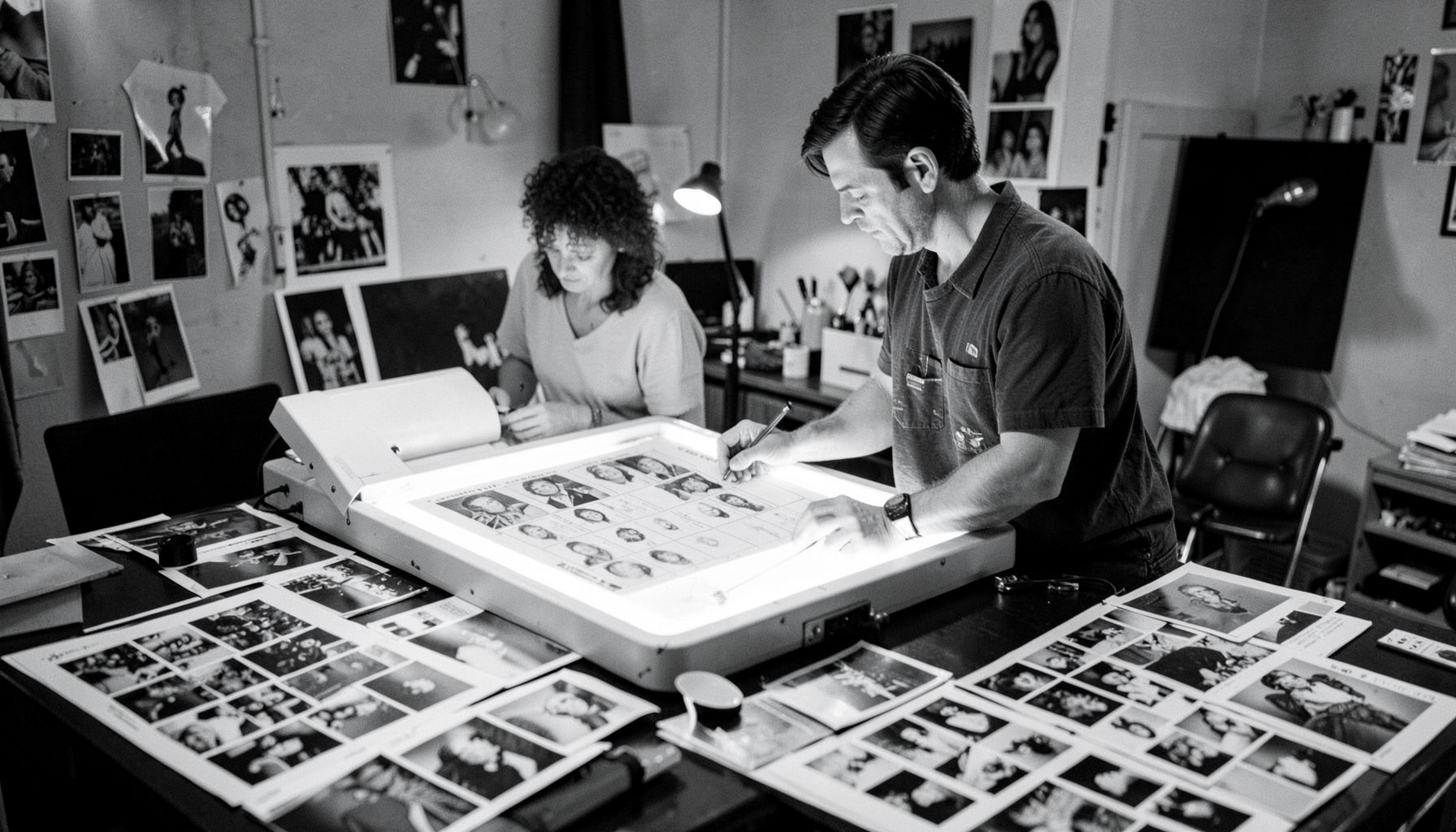
The Shagrir Collection preserves these photographs as primary-source artefacts rather than simple news images. The negatives, contact sheets, and accompanying caption notes are treated as historical documents, comparable in importance to diplomatic cables or parliamentary records. This treatment transforms Shagrir's wartime work into a scholarly resource that researchers and curious members of the public can consult for decades to come.
A photographer already embedded in the story
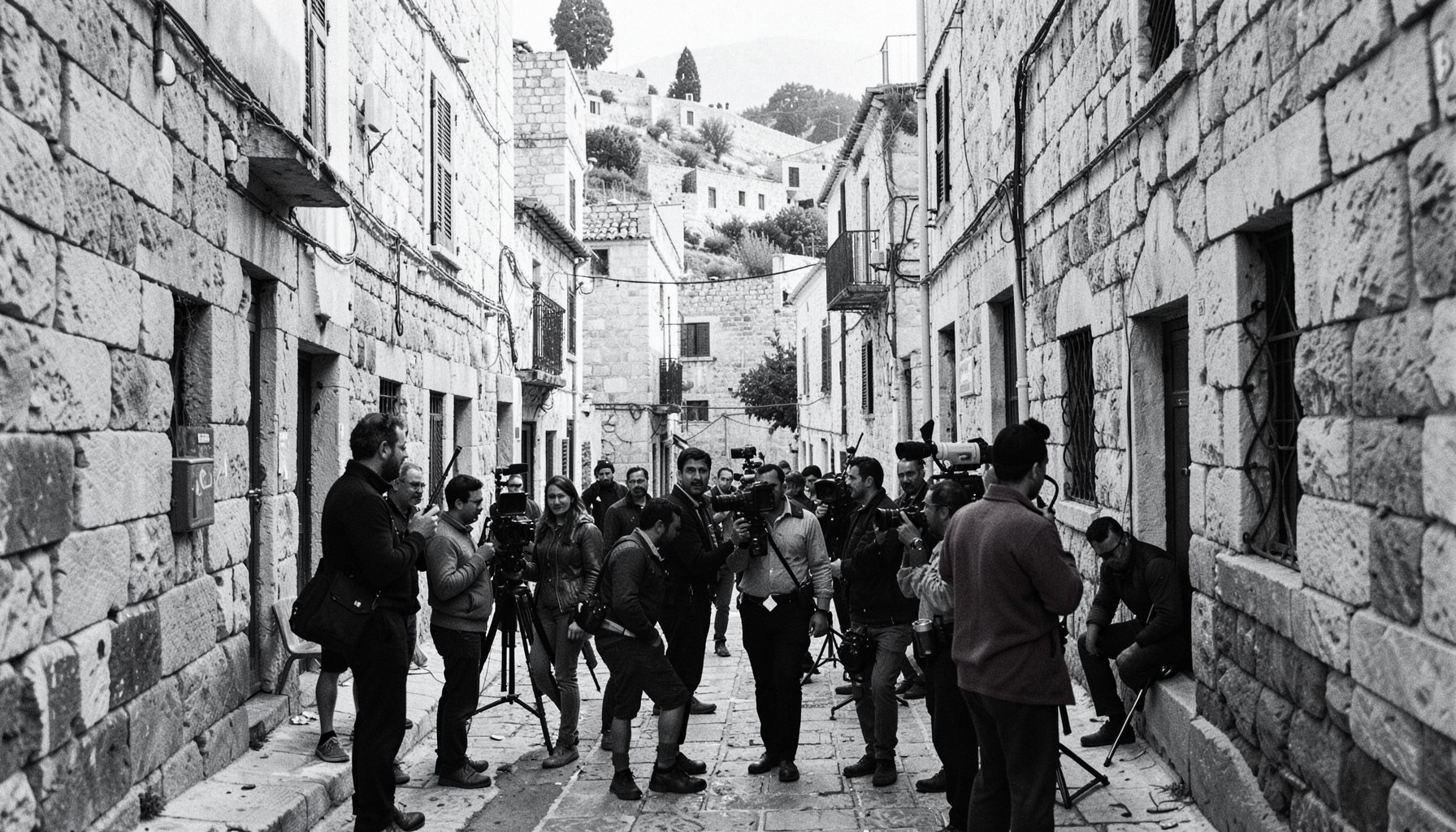
Shagrir was no stranger to conflict photography when the Gulf War began. By 1991 he had spent more than two decades covering Israeli political life, immigration waves, and military engagements, building relationships with officials, soldiers, and ordinary citizens who trusted his presence. When the first SCUDs landed near Tel Aviv and Haifa in mid-January, his established network allowed him to move quickly between command centres, hospital wards, and family homes, often arriving at scenes before other crews.
His approach combined photojournalism with something closer to ethnography. Rather than seeking only the dramatic flash of an explosion, he photographed the rituals of preparation: parents fitting gas masks onto children in cramped Tel Aviv apartments, families arguing over whether to drive south to relatives in the Negev, and elderly Holocaust survivors debating whether to evacuate. These quieter moments form a counterweight to the spectacular imagery carried by wire services and give historians a much fuller picture of the period.
The collection also preserves Shagrir's working notes, written in Hebrew on the backs of contact sheets and in spiral-bound notebooks. Researchers visiting the archive can trace the development of a single frame from assignment slip to published print. For those interested in a comparable body of his earlier work, the Israeli artists blog offers a useful entry point into his portrait photography of the previous decade.
Gas mask distribution and the visual oddities of life under SCUD attack
Few photographs in the archive capture the strangeness of the period as clearly as the images of Israelis wearing rubber respirators in spaces rarely imagined as emergency places. Wedding guests in Haifa posed for portraits with sealed hoods over their formal attire. Kindergarten teachers in Petah Tikva led children in songs while clutching gas mask carriers designed in bright colours to reduce anxiety. Shop assistants in the Carmel Market continued selling pomegranates while their colleagues sat on crates waiting for the next siren.
Researchers sometimes describe these scenes as visual resilience, capturing the uncanny normalcy of life during missile alerts. Beyond the impact of the unusual, Shagrir's lens gives the collection a much fuller picture of the period. His images have become touchstones for documentary filmmakers and educators who want to show younger audiences what a sealed room really looked like, what the angle of a gas mask strap conveyed, and how a population adapted its body language almost overnight.
Australians curious about civil defence can compare Shagrir's images with the archival material held at the Australian War Memorial in Canberra, where photographs document Australian civil preparedness exercises from the same era. The comparison reveals two democracies responding to very different threats but engaging in surprisingly similar community drills, household sealing practices, and public information campaigns. Readers keen to safeguard such fragile records may also consider supporting the collection directly.
Press freedom, wartime censorship, and the Israeli media landscape
The 1991 Gulf War took place during a transitional moment for media regulation in Israel. Military censors retained the authority to review security-sensitive material before publication, a legacy of pre-state arrangements formalised under the 1948 Emergency Regulations and subsequent Orders. Shagrir, like other senior Israeli journalists, worked under this system and negotiated clearance with the military censor's office for images showing troop deployments, missile impacts, and certain infrastructure.
His wartime negatives therefore carry a second layer of historical significance. Researchers can identify which images were submitted for review, which were delayed, and which appeared abroad before appearing in the domestic press. Any researcher planning to republish these images in Australia must review the copyright terms governing reproduction, since Australian copyright law interacts with Israeli archival rights in specific ways.
For Australians researching comparable questions, the Australian Defence Force media liaison arrangements and the Freedom of Information Act 1982 offer parallel avenues of inquiry. Sydney-based researchers might compare his clearance practices with Australian Defence imagery released through official channels, while Melbourne scholars working in media studies can pair his work with studies of the Australian Press Council's wartime rulings.
A shared archival ethos across hemispheres
Archival practice in Israel and Australia has followed broadly parallel paths since the late twentieth century, shaped by shared influences from British colonial administration and a common commitment to public access. Both countries have invested in digitisation programmes that allow researchers to consult fragile originals through surrogate files, an approach that mirrors efforts at the National Library of Australia in Canberra and the National Library of Israel in Jerusalem.
Yet differences remain. Australian archives operate under the Privacy Act 1988, which places restrictions on the publication of identifiable faces in certain research contexts, particularly when subjects are still living or recently deceased. Israeli privacy law operates through different mechanisms, including the Protection of Privacy Law of 1981 and specific provisions for archival material.
The collection also benefits from partnerships that link historical imagery to contemporary artistic practice. A recent collaboration with this creative platform demonstrates how archival photographs can be reimagined through digital installations, opening new audiences in countries far from the original events. Researchers interested in cross-border projects may also find useful guidance in this Japanese-language guide, which outlines practical methods for international archival collaboration.
Engaging with the archive: practical pathways
Researchers, students, and curious members of the public can approach the Shagrir Collection through several practical pathways, depending on their interests and available time. These suggestions are drawn from the practices of scholars and educators who have used the archive in recent years, and they are written with Australian researchers in mind.
- Begin with the collection's biographical material to understand Shagrir's career arc before diving into wartime imagery.
- Review the collection's reproduction policies before requesting high-resolution scans, since permissions and fees vary depending on intended use.
- Consider donating to help preserve fragile negatives that have not yet been digitised at archival quality.
- Contact the curators to arrange supervised access to original materials that are too fragile for routine handling.
- Pair Shagrir's wartime imagery with contemporary Australian sources held at the Australian War Memorial to build a comparative research project.
- Use the archive's online catalogue to identify contact sheets for specific assignments, since these provide context for individual frames that captions alone cannot convey.
- Share findings through university seminars, local history groups in cities like Brisbane or Adelaide, or community film programmes at venues such as the Melbourne International Film Festival.
The Gulf War of 1991 may belong to a previous century, but the questions it raised about civil defence, press freedom, and the role of the image in shaping public memory are subjects of active inquiry across Australian universities and cultural institutions. Shagrir's archive offers a grounded, image-led way to pursue those questions while connecting Australian researchers to a global community of practice dedicated to preserving twentieth-century photojournalism.