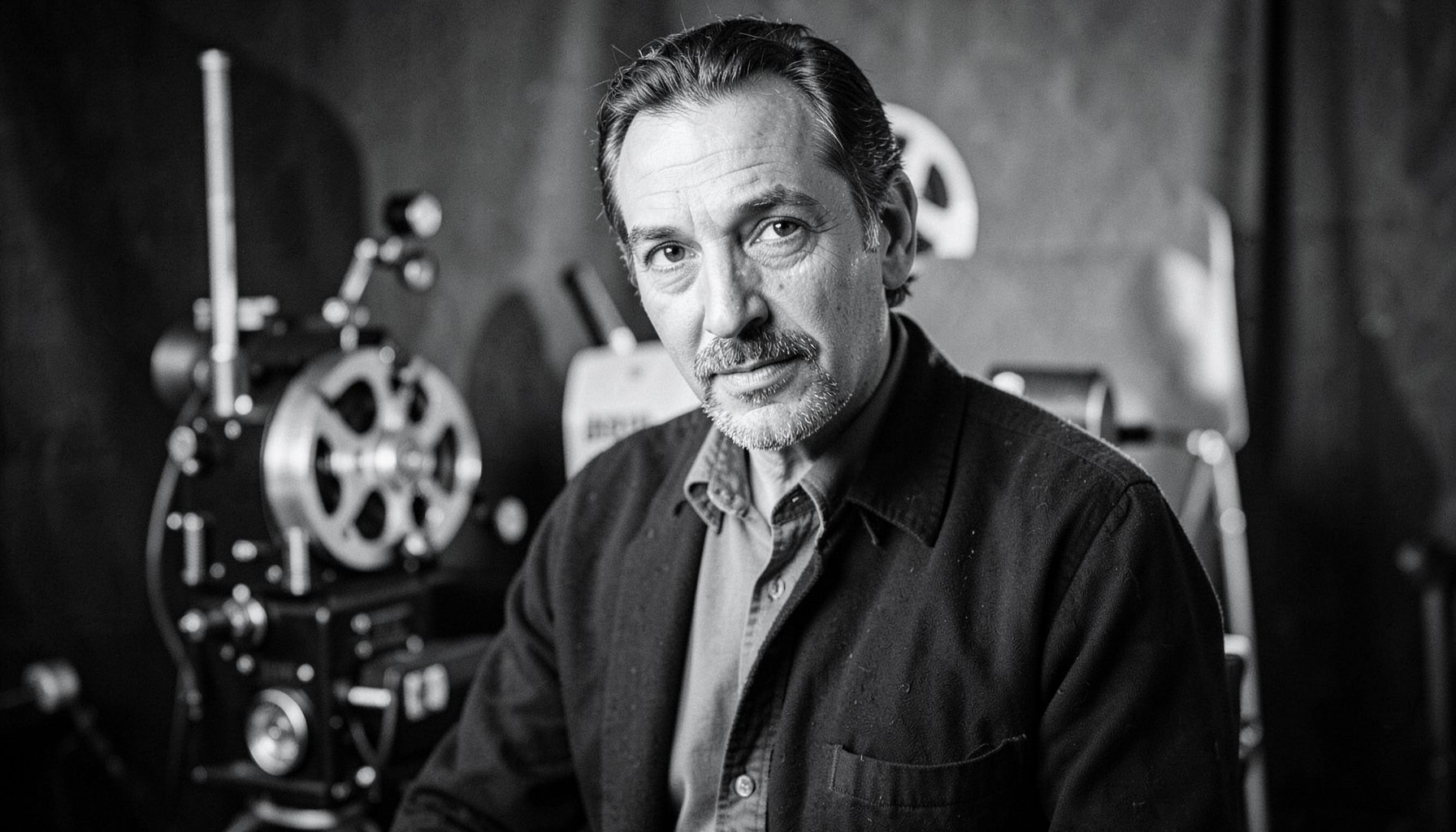

Micha Shagrir's lens for the Israeli Broadcasting Authority
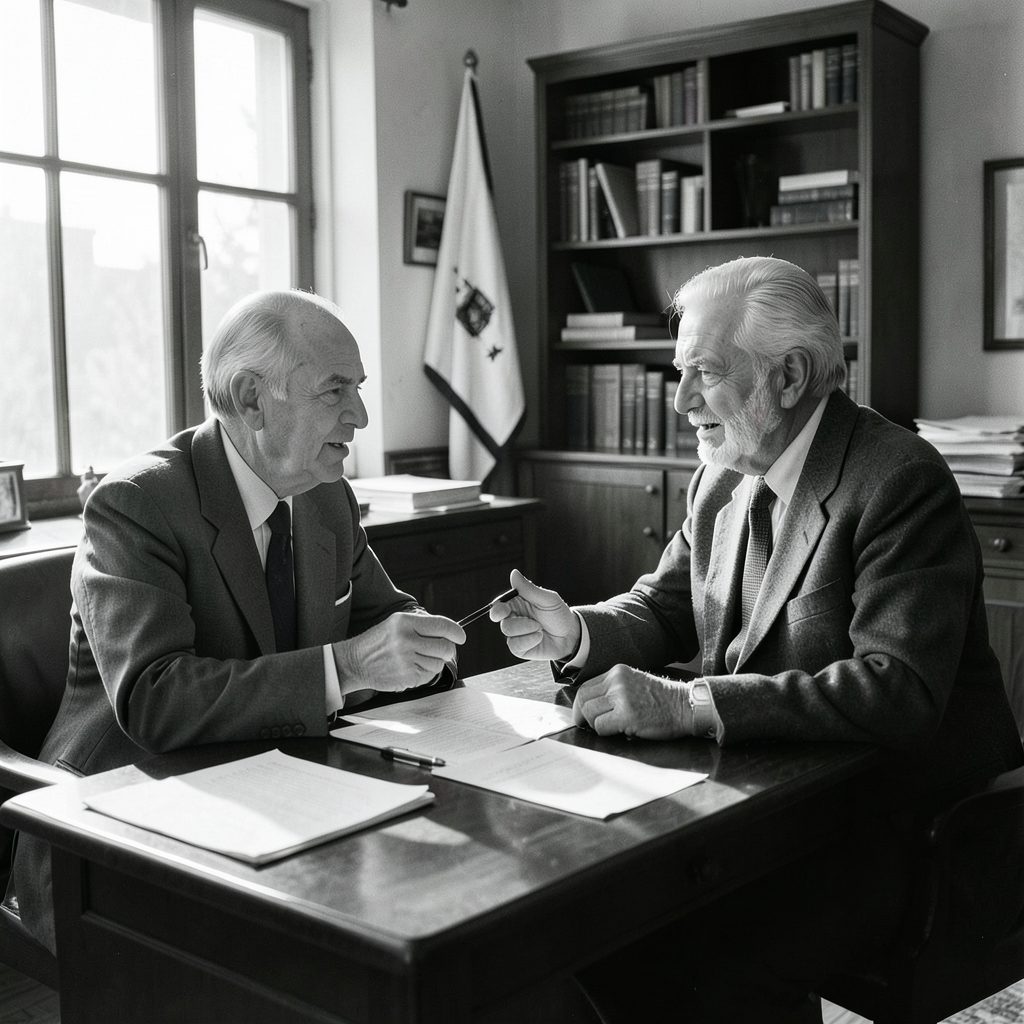
Micha Shagrir spent more than three decades moving between camera, microphone, and typewriter, building a body of work that helped define what broadcast reportage could look like in the young State of Israel. His long association with the Israeli Broadcasting Authority placed him at the centre of some of the most consequential news events of the twentieth century, from the aftermath of the 1967 war to the political turbulence that followed. Researchers, students, and curious viewers across the world, including a growing community in Australia, are now able to trace that career through the materials preserved in the Shagrir Collection, which holds negatives, prints, sound recordings, and personal papers spanning his working life.
For Australian audiences, Shagrir's work offers a window into a history that often shapes local conversation, particularly within the Jewish communities of Melbourne and Sydney. While SBS and the ABC have introduced many Australians to international documentary traditions, the raw visual record of Israeli political and military history remains less familiar. Initiatives that digitise and contextualise materials such as those held in the archive make it possible for film students in Brisbane, journalists in Perth, and historians in Adelaide to engage directly with primary-source material rather than relying on secondary summaries.
The story of how Shagrir operated inside the institutional framework of the Israeli Broadcasting Authority reveals a great deal about the era's television culture. At a time when crews were small, equipment was bulky, and broadcast slots were tightly controlled, his ability to secure access, frame complex scenes, and deliver footage under deadline shaped both public memory and policy debate. The collection documents that craft, inviting contemporary readers to examine not only what was filmed but how it was filmed.
Early years inside the broadcast studios
Before Shagrir became a familiar face in Israeli newsrooms, he worked as a photographer and field reporter, gradually earning the trust of editors who valued his visual instincts. The Israeli Broadcasting Authority, established in the years following independence, was still building its identity when Shagrir joined its ranks, and his early assignments reflect a transitional moment for the medium. Television was no longer a novelty, but it had not yet settled into the routines that would later define nightly news.
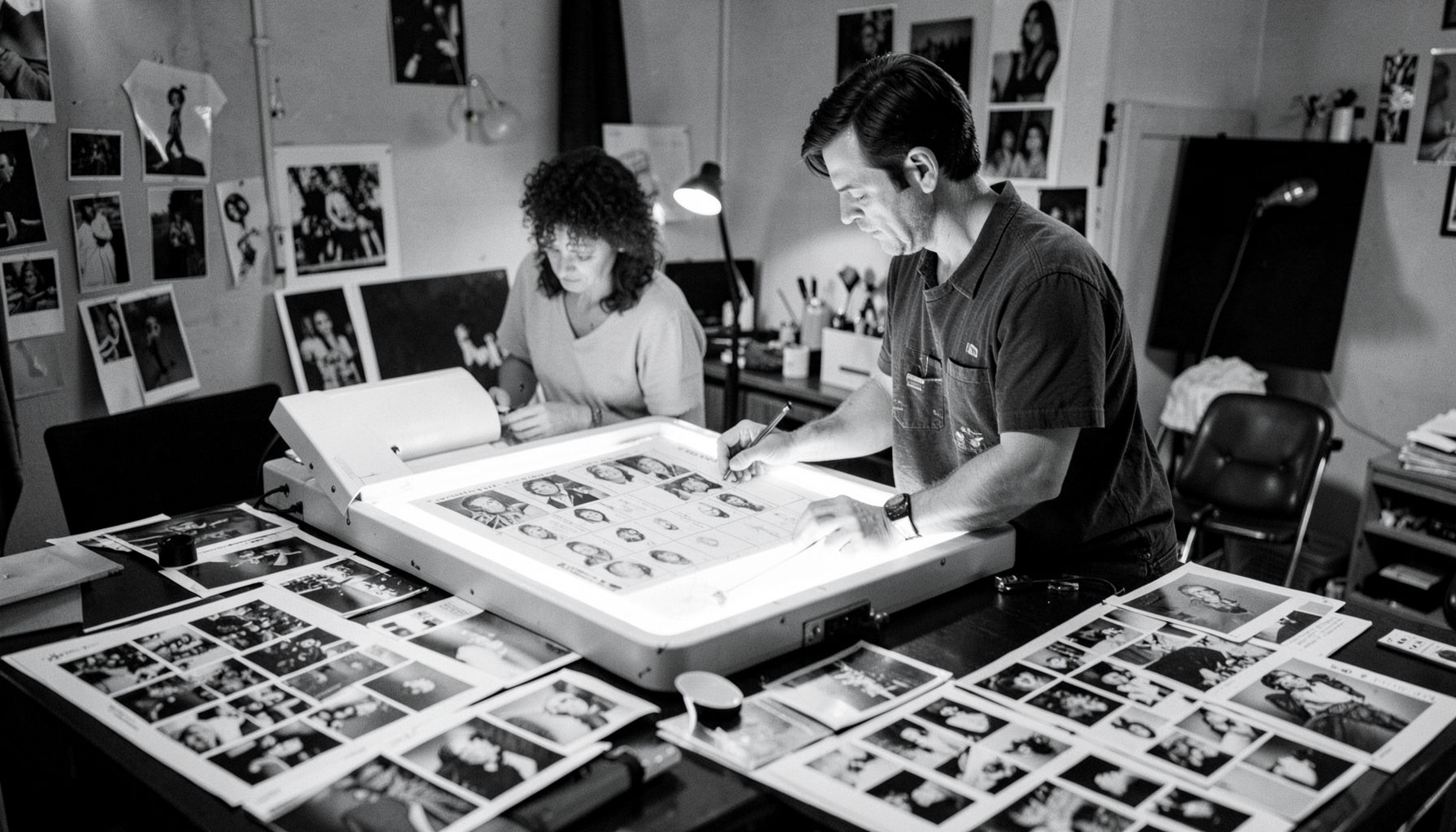
His training across still photography and motion picture gave him an unusual advantage in a broadcast environment that often separated roles. He understood composition, light, and pacing in ways that many of his colleagues did not, and he brought that sensibility into documentary segments that needed to inform as well as move viewers. Researchers examining the archive can find early scripts, contact sheets, and production notes that show how his editorial thinking evolved alongside the institution itself.
The Authority's editorial guidelines, shaped by a mixture of governmental oversight and professional ambition, created tight parameters for sensitive subjects. Shagrir learned to navigate those constraints without dulling his reporting, a skill that became increasingly important as his career progressed. Those early internal documents, now held at the Shagrir Collection, reveal how much negotiation shaped what eventually reached the screen.
Wartime reporting and visual authority
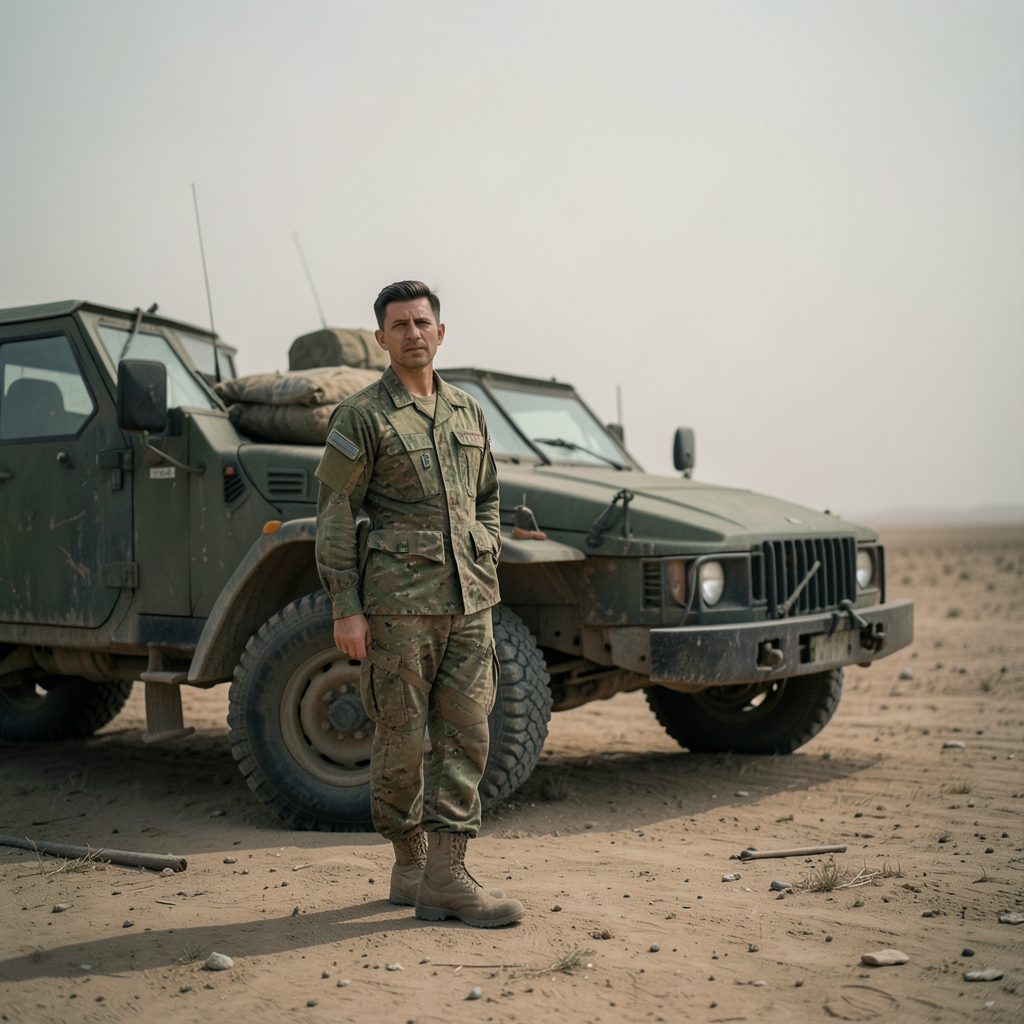
The 1967 war transformed Shagrir's public profile and left an indelible mark on the archive itself. Working from a moving vehicle, he filmed scenes that would later be replayed for decades, capturing the movement of troops, the faces of civilians, and the dust of the Sinai in a single, restless sequence. That body of footage, often cited in scholarly work on visual journalism, is represented in the archive by original negatives, edited prints, and the field notebooks that document the chaotic logistics of wartime broadcast.
Viewers in Australia first encountered much of this material through international news exchanges and later through retrospective programmes curated for community events in cities such as Sydney and Melbourne. The local appetite for Middle Eastern history, fostered by university programmes and cultural institutions, has kept interest in such primary footage unusually high. Researchers at the National Film and Sound Archive in Canberra have drawn parallels between Shagrir's mobile filming style and the work of Australian documentary pioneers who faced similar equipment limitations in the field.
Beyond the war itself, Shagrir continued to cover military and political transitions for the Authority, often balancing official briefings with independent observation. His segments routinely included human-scale detail that larger networks overlooked, a reminder that broadcast journalism can illuminate as much through small gestures as through grand statements. The digital access pathways now available through the collection make it possible to compare those sequences across decades, a resource that was simply unavailable to previous generations of researchers.
Craft, equipment, and the discipline of the field kit
Shagrir's reputation rested as much on his technical discipline as on his editorial instincts. Field kits in his era were heavy, and crews often had to choose between spare lenses, additional lighting, and protective cases. His notebooks, preserved in the collection, show a methodical approach to gear selection, often listing weight, battery life, and the conditions under which a particular lens performed best. Such records offer a rare glimpse into the practical decisions that shaped some of the era's most reproduced broadcast images.
For contemporary practitioners, the appeal of studying this material lies partly in the contrast with today's mirrorless systems and digital workflows. Students enrolled in Australian film schools frequently look back at analogue broadcast work as a kind of craft benchmark, valuing the deliberateness that physical limitations imposed. Materials held in the archive, including detailed camera logs, illustrate how Shagrir planned for failure, redundancy, and the unpredictability of breaking news.
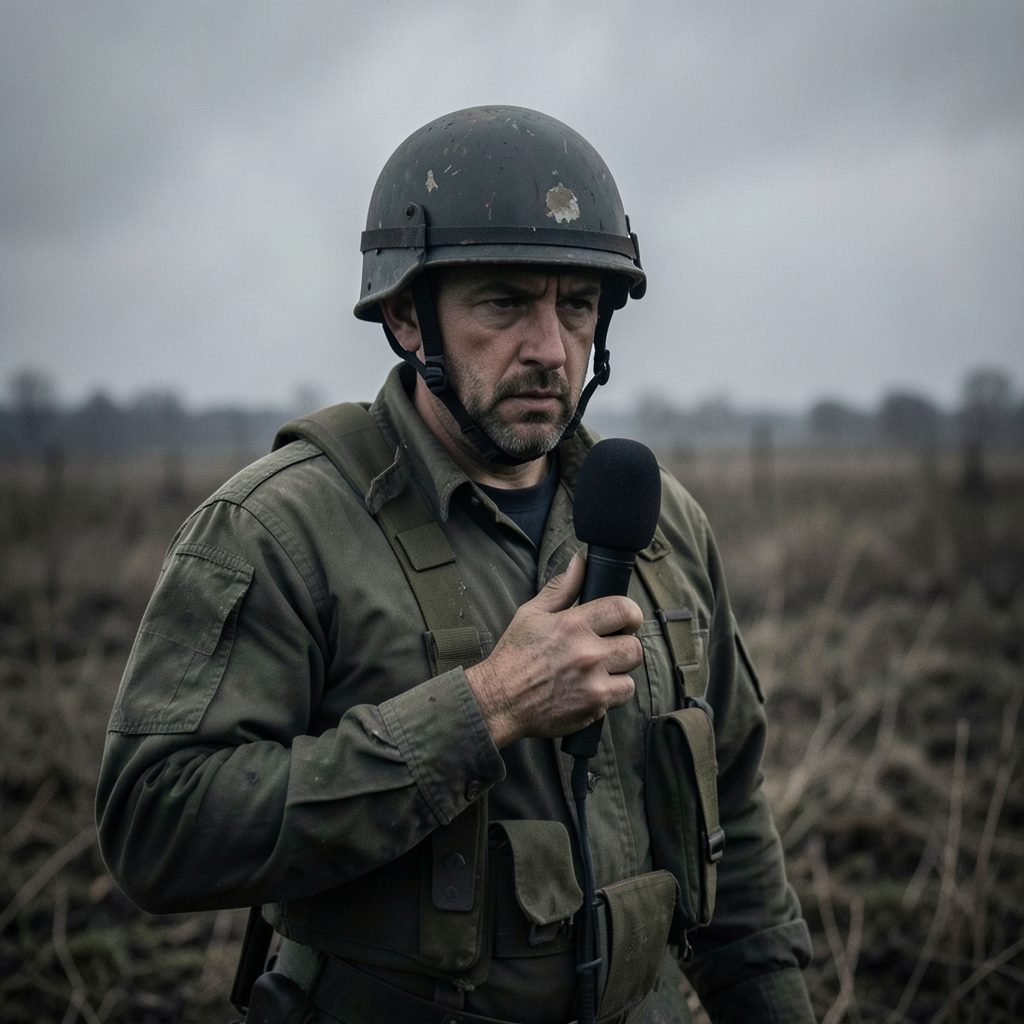
Sound recording presented its own challenges, particularly in outdoor or combat-adjacent settings. The Authority's standards required intelligible dialogue or, at minimum, clear ambient audio for post-production narration. Shagrir's crews developed small rituals around microphone placement and wind protection that are now documented in the collection's field manuals. Anyone curious about the realities of mid-century broadcast production can examine those routines through the same materials used by Shagrir himself.
Preserving broadcast memory in the digital era
The challenge of preserving magnetic tape, optical sound, and photographic negatives in stable conditions has occupied archivists for decades, and the Shagrir Collection has invested heavily in climate-controlled storage, redundant backups, and detailed cataloguing. The Authority's original masters, many of which were recorded on formats that are now obsolete, have been transferred to digital surrogates wherever rights and condition permit. This careful work ensures that future researchers, including those working remotely from Australian institutions, can examine footage without handling fragile originals.
Educational partnerships have also expanded the archive's reach. Workshops designed for film schools, secondary history teachers, and community organisations have used Shagrir's broadcasts as case studies in visual literacy. In Melbourne, sessions held in collaboration with local libraries have drawn on the collection to examine how wartime imagery shapes collective memory. Similar programmes in other Australian cities suggest a steady appetite for primary-source material that is rarely available outside specialist circles.
Legislation governing the use of archival footage, including Australian re-use rules and international copyright agreements, requires careful navigation. The archive provides guidance on citation, fair-dealing provisions under Australian law, and the conditions under which excerpts may be used in new productions. Anyone preparing public-facing materials will find practical support throughout the process, from citation advice to access to image preparation tools such as white background image resources that help transform raw archival material into polished scholarship.
Engaging with the archive from Australia
Researchers approaching the collection from outside Israel should plan their enquiries with several practical considerations in mind. The archive's online catalogue is the natural starting point, but high-resolution access often requires advance arrangement, particularly for materials still undergoing conservation. Australian researchers should also be aware of the time-zone difference when planning consultations, as the curatorial team responds most efficiently during overlapping working hours.
Funding and travel support for international visits can sometimes be sourced through Australian bodies, including university research grants and cultural exchange programmes. Several institutions maintain formal relationships with Israeli counterparts, and enquiries through those channels can simplify logistics. For those who cannot travel, the archive's growing library of digital surrogates offers a workable alternative, provided the requested items fall within current access conditions.
Practical avenues for researchers and enthusiasts
The following suggestions may help those beginning to explore the collection in earnest:
- Begin with the curated blog essays, which provide narrative context for individual clips and photo essays, including a detailed piece on capturing the Six-Day War from a jeep.
- Cross-reference catalogue entries with the Authority's broadcast schedules to understand how individual segments were framed for different audiences.
- Reach out to the curatorial team before formal citation, particularly when working with materials still in the conservation pipeline.
- Use Australian re-use and fair-dealing provisions as a starting point for any new production involving excerpts.
- Combine archival footage with oral history interviews where available, as Shagrir's contemporaries occasionally appear in companion recordings.
- Plan visits around scheduled conservation windows, when additional materials may be temporarily accessible.
- Consider partnerships with local institutions, such as state libraries or university media studies departments, to share access costs and expertise.