
Shagrir and the construction of the Knesset
The Shagrir Collection preserves Micha Shagrir’s film about the construction of the Knesset building as part of a much broader archive of Israeli political and social history. The documentary records more than stone, steel and concrete: it follows a new national institution taking physical form in Jerusalem. Images of work, structure and civic space make the project legible as both an engineering undertaking and a statement about who a young state intended to become. That double character gives the film lasting value, even when its images are read beside the construction plans and personal memories now held alongside it.
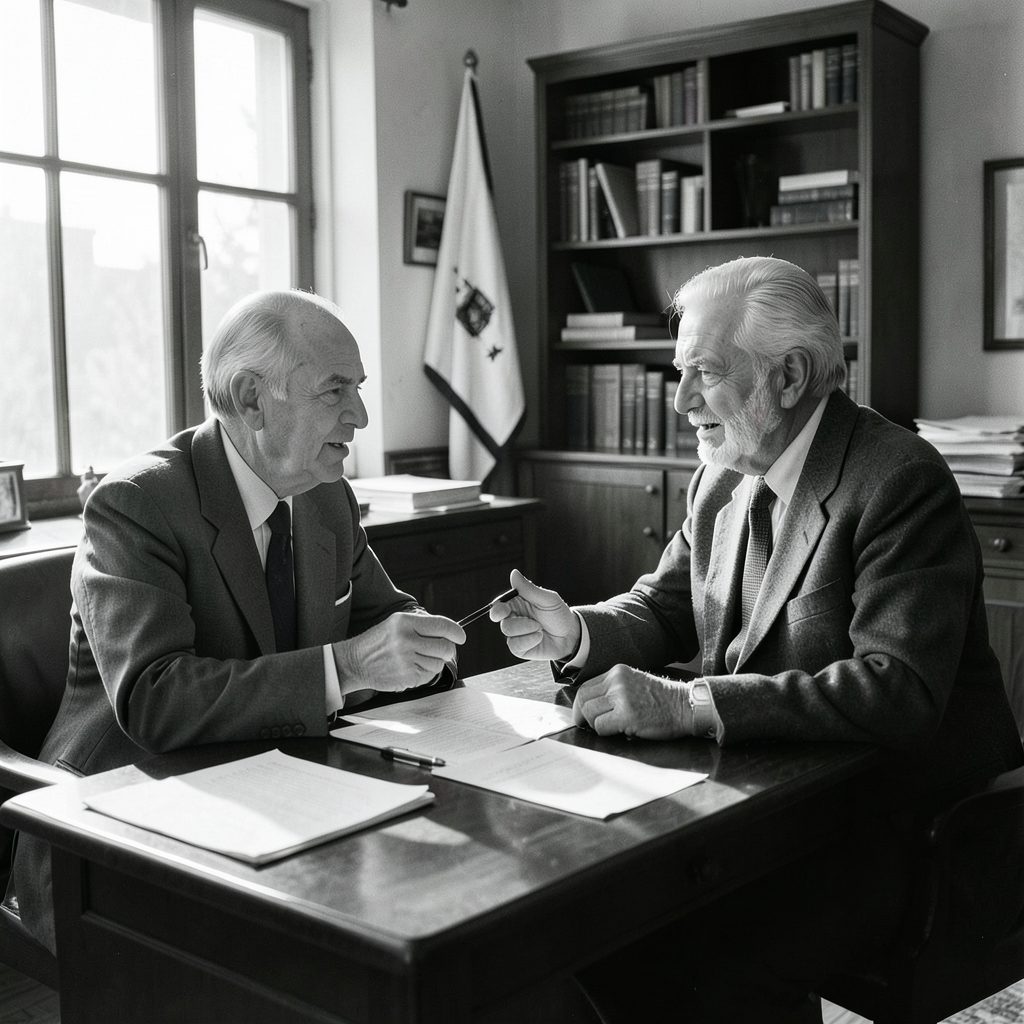
Shagrir was not simply a spectator with a camera. His movement from newspaper reporting into film, historical documentation and public broadcasting brought him repeatedly into contact with the institutions he photographed. The Knesset project belongs to the formative years of Israeli media, when photographs and short documentaries helped citizens encounter national events that could otherwise remain remote. For an Australian audience, the subject carries a familiar resonance: Canberra, Australia’s purpose-built capital, likewise became a working argument about landscape, symbolism and democratic life. Yet Shagrir’s Jerusalem setting gives the film a different political texture, rooted in the creation and consolidation of the state.
From the newspaper camera to the national project
Shagrir’s early-career experience of Davar photojournalism established the reporter’s instinct for turning events into visual evidence. The newspaper environment demanded speed, economy and an awareness of what readers needed to see. Construction sites offered a concentrated version of those demands: machinery entered the frame, officials posed in predictable locations, and each stage of the work had to be interpreted without lengthy explanation.
That background is relevant to the Knesset documentary because a building under construction supplies its own drama. Temporary arrangements become visible alongside permanent structures. Workers and specialists occupy the same spaces that will later be reserved for legislators, officials and visitors. The camera can record factual progress while also revealing the hierarchy and organisation behind the finished national monument.
Newspaper photography also trained Shagrir to work across formats. A single photograph, caption and sequence of pictures could carry a different kind of argument from a documentary film. In the film, duration allows architectural processes to unfold: the scale of the site, the movement of people through it and the transformation of raw materials into a functioning civic interior become parts of the same historical story.
Architecture as a record of political change
The Knesset building, completed in Jerusalem in 1966, was intended to embody the permanence and democratic character of the state’s legislature. Its architecture had to accommodate chambers, offices, public galleries, circulation routes and the ceremonial expectations surrounding parliamentary government. Shagrir’s documentary is valuable because it keeps that institutional transformation connected to the physical labour that made it possible.
The finished exterior alone offers an incomplete account of the institution. Inside, the arrangement of rooms and passages determines how people encounter political debate, ceremony and administration. The documentary can expose this relationship by showing construction as a process rather than presenting the building as an isolated finished object. Concrete, wiring, windows and public rooms acquire meaning through the stages required to complete them.
Australian audiences can find a local parallel in Canberra, where Parliament House opened in 1988 after years of visible construction and intense debate about national symbolism. The Australian Parliament’s ceremonial spaces, flag and broad approach have become familiar features of civic life, but they also appeared in newspapers, television reports and photographic assignments while the project was still under way. Shagrir’s film preserves a comparable moment for Israel, when the future institution was physically incomplete and its public meaning remained open to interpretation.
What the documentary preserves
Film and photography preserve different aspects of an event. A still photograph isolates a decisive instant, while documentary footage gives bodies, machinery and surroundings a shared duration. Shagrir’s work therefore offers evidence beyond the appearance of individual structures. It retains sequences of movement, incidental gestures and the relationship between human scale and architecture.
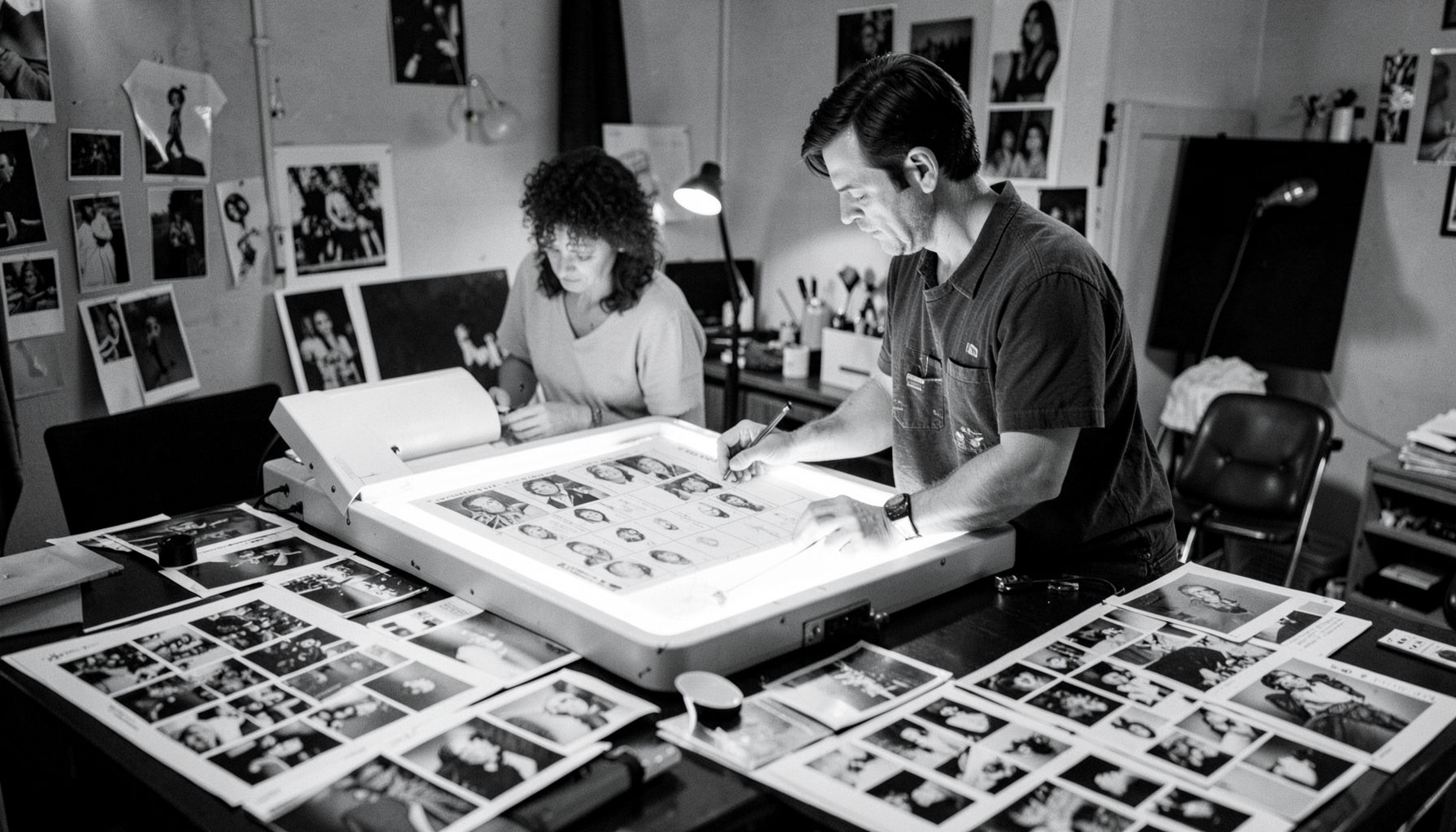
The film becomes especially important when contextual material is available. The collection includes negatives, prints, recordings, personal papers and other primary sources connected with Shagrir’s career. Together, these materials allow researchers to examine how an event was observed, edited and presented. The documentary can be studied as a work of media history as well as a record of the Knesset’s construction.
That distinction matters because filmed evidence is neither a neutral transcript nor an entirely self-explanatory account. Camera position, editing and narration shape what audiences see. Archivists and historians can compare the film with contemporary newspaper reports, architectural records and Shagrir’s own papers, identifying where visual observation, institutional explanation and personal perspective meet.
This kind of cross-checking has a strong Australian counterpart. The National Archives of Australia in Canberra holds records of federal institutions, while parliamentary papers, state archives and audiovisual collections preserve the workings of government across the country. Australian researchers also operate within federal and state access-to-information frameworks that shape how public records are requested and interpreted. In that setting, a film of construction can sit within a much larger paper trail documenting policy, funding and political decisions.
Keeping the evidence accessible
Preservation begins with the physical carriers of the record. Film reels, photographic negatives, prints and written notes each react differently to heat, humidity, light and handling. Their survival depends on appropriate storage, careful inspection and regular maintenance. The archive’s responsibility extends beyond retaining objects to ensuring that their contents remain intelligible through accurate descriptions, dates, names and contextual relationships.
Broader discussions of photographic preservation practice reinforce the need to treat handling procedures as part of the historical record itself. Labels, annotations and original storage methods can reveal how images were used and how institutions understood their own work. Digitisation expands access, but it does not remove the need to preserve the original material or document the interpretive decisions involved in creating digital surrogates.
Access also raises questions about audience and ownership. Construction photographs can become engineering records, architectural evidence, political documents and works of cultural memory at the same time. Exhibitions and educational programs can reveal those overlapping meanings without separating the images from the people and labour they depict. This approach is relevant to the commercial photographic culture of Melbourne and Sydney, where gallery programs, collector markets and weekend print fairs circulate historical images as valued objects. The market creates a public audience, while archives must also preserve context that commercial display often compresses.
A wider public history
The public account of the Shagrir Collection presents Shagrir’s life through photographs, films, documents and recordings accumulated across several decades. This range gives the Knesset documentary a broader significance. It belongs to the record of a filmmaker who documented national institutions, military events, social conditions and everyday life from the perspective of a working journalist.
For Australian institutions, the collection demonstrates how a personal archive can become a public resource. Its historical value lies in the connections between media production and the events being recorded. Shagrir’s photographs and films illuminate how Israeli society saw itself, how public institutions presented themselves and how information circulated through newspapers and broadcasting.
That public-facing role has particular force in Australia’s tradition of public broadcasting and parliamentary openness. The ABC and other media organisations have long provided pathways from government activity to a national audience, while museums and archives extend that access through exhibitions, research and education. Shagrir’s work belongs within a comparable public history, although its national context and political circumstances remain distinctly its own.
Seen in this way, the documentary on the Knesset’s construction is more than a chronicle of a building rising from the ground. It is a record of democratic institutions acquiring form, of media interpreting national development and of a cameraman deciding which aspects of that transformation deserved to remain visible.