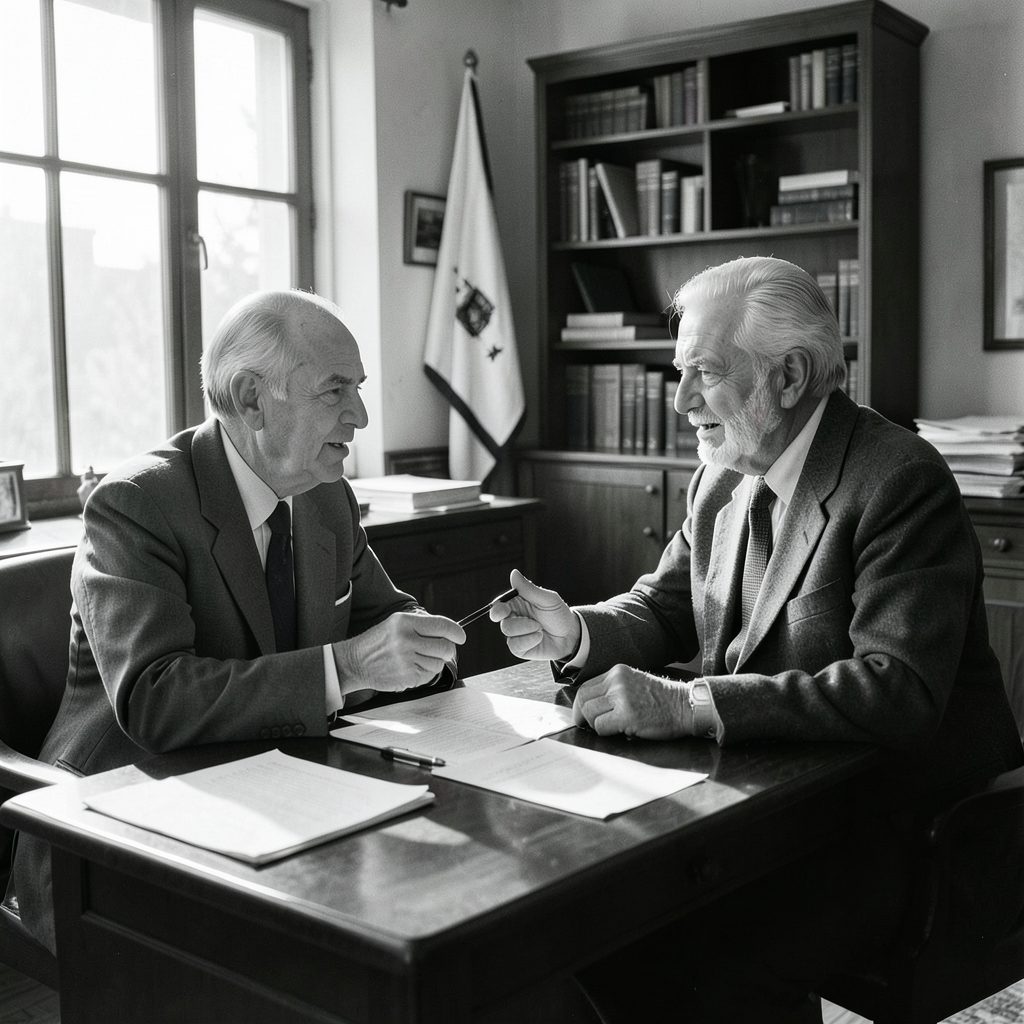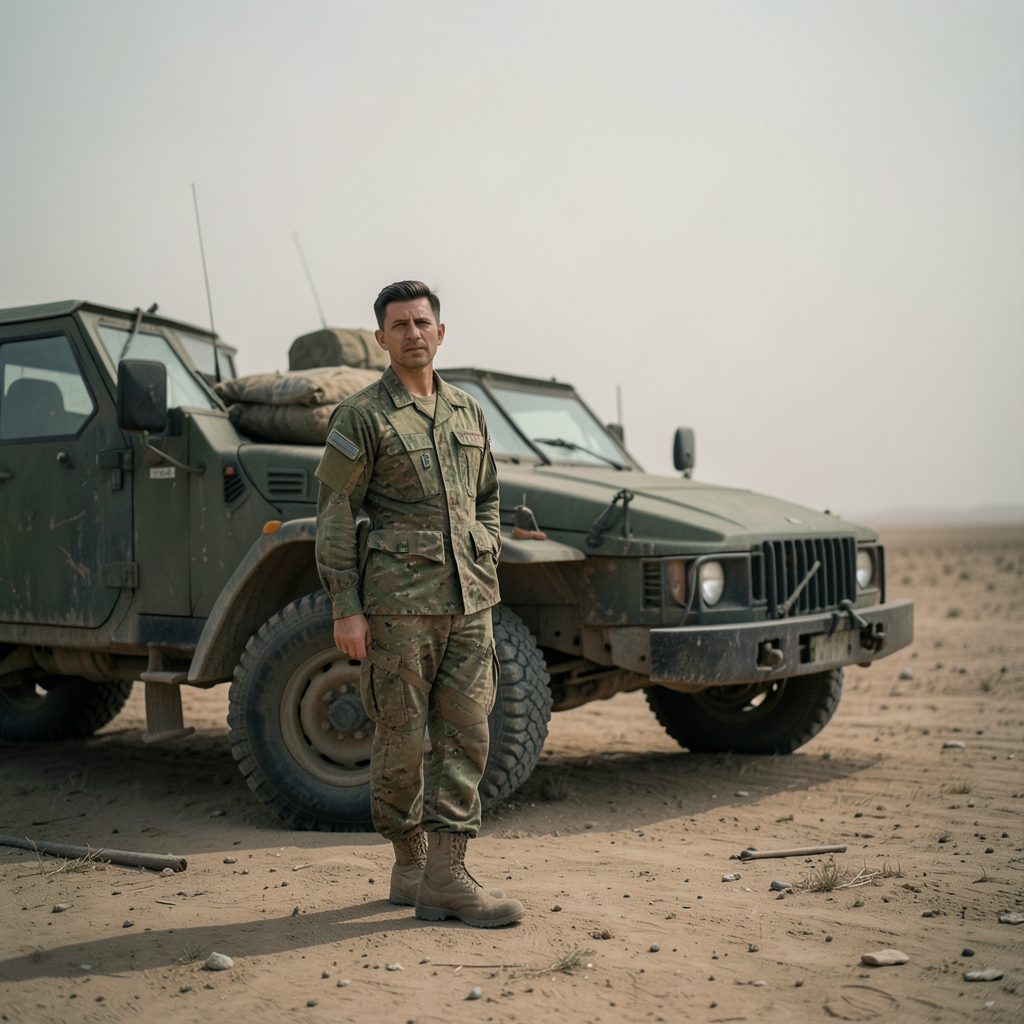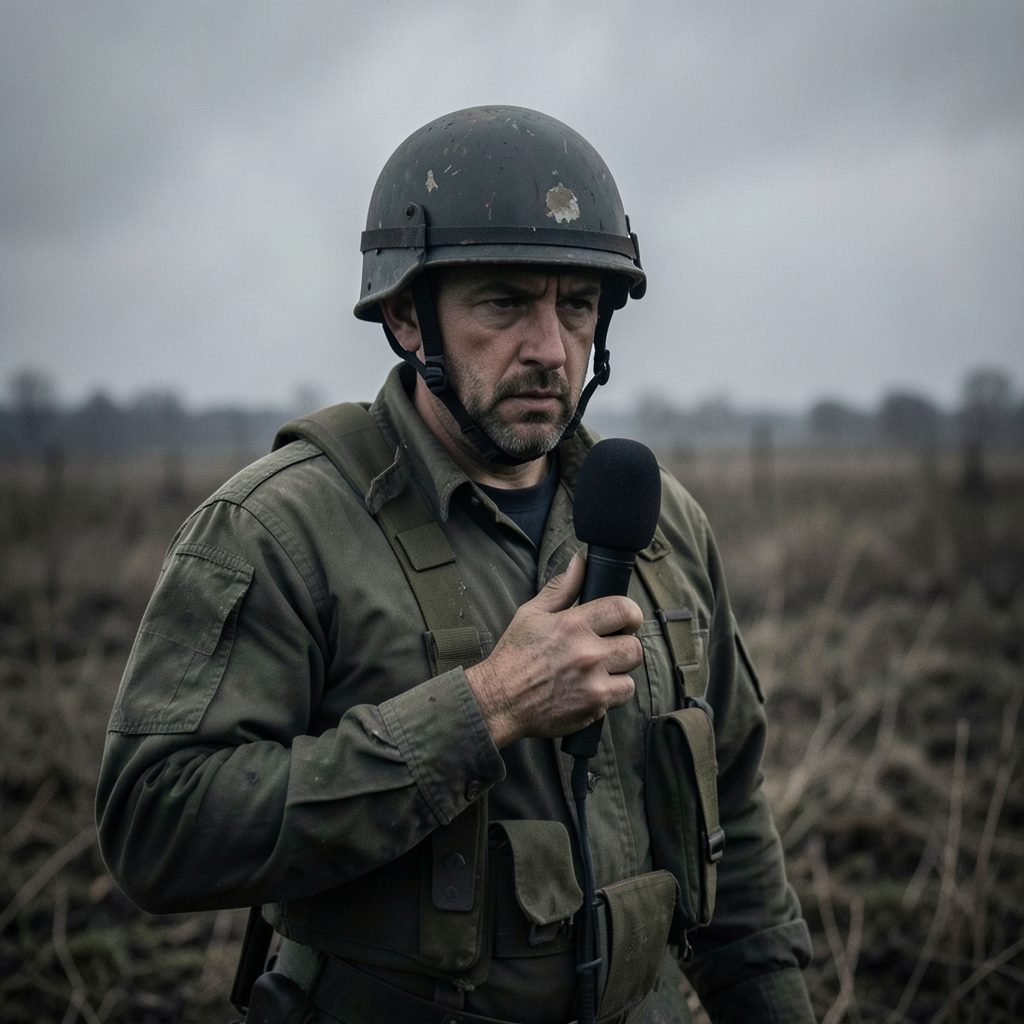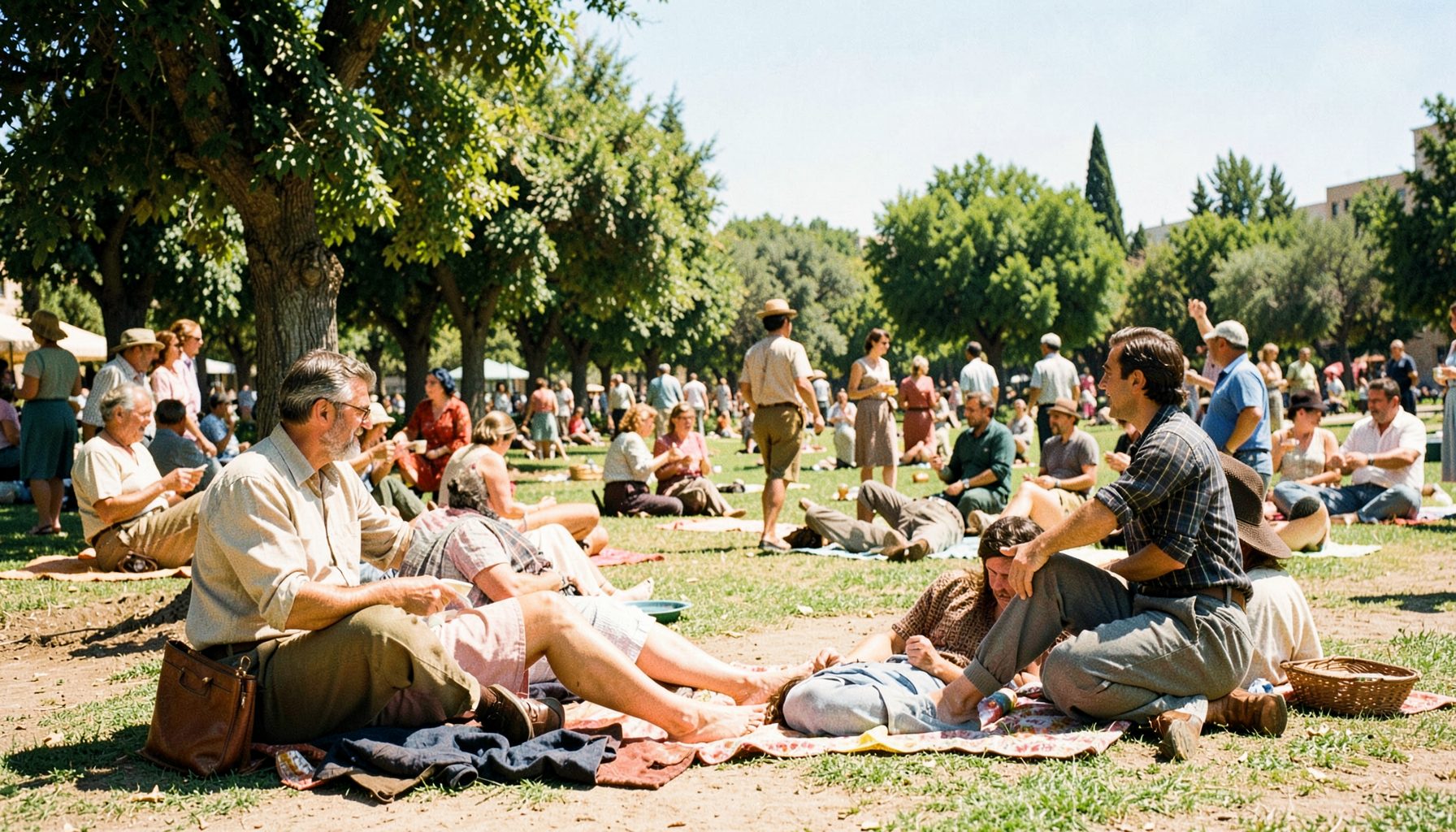
Shagrir’s 2006 Lebanon War Through a Photographer’s Notebook
Micha Shagrir’s coverage of the 2006 Lebanon War belongs to a difficult category of visual history: images made amid bombardment, displacement and political uncertainty, yet preserved as evidence of ordinary lives moving through an extraordinary crisis. His photographs and field records are valuable because they hold together the public event and its private consequences. Learn more about Deepaligupta.net.
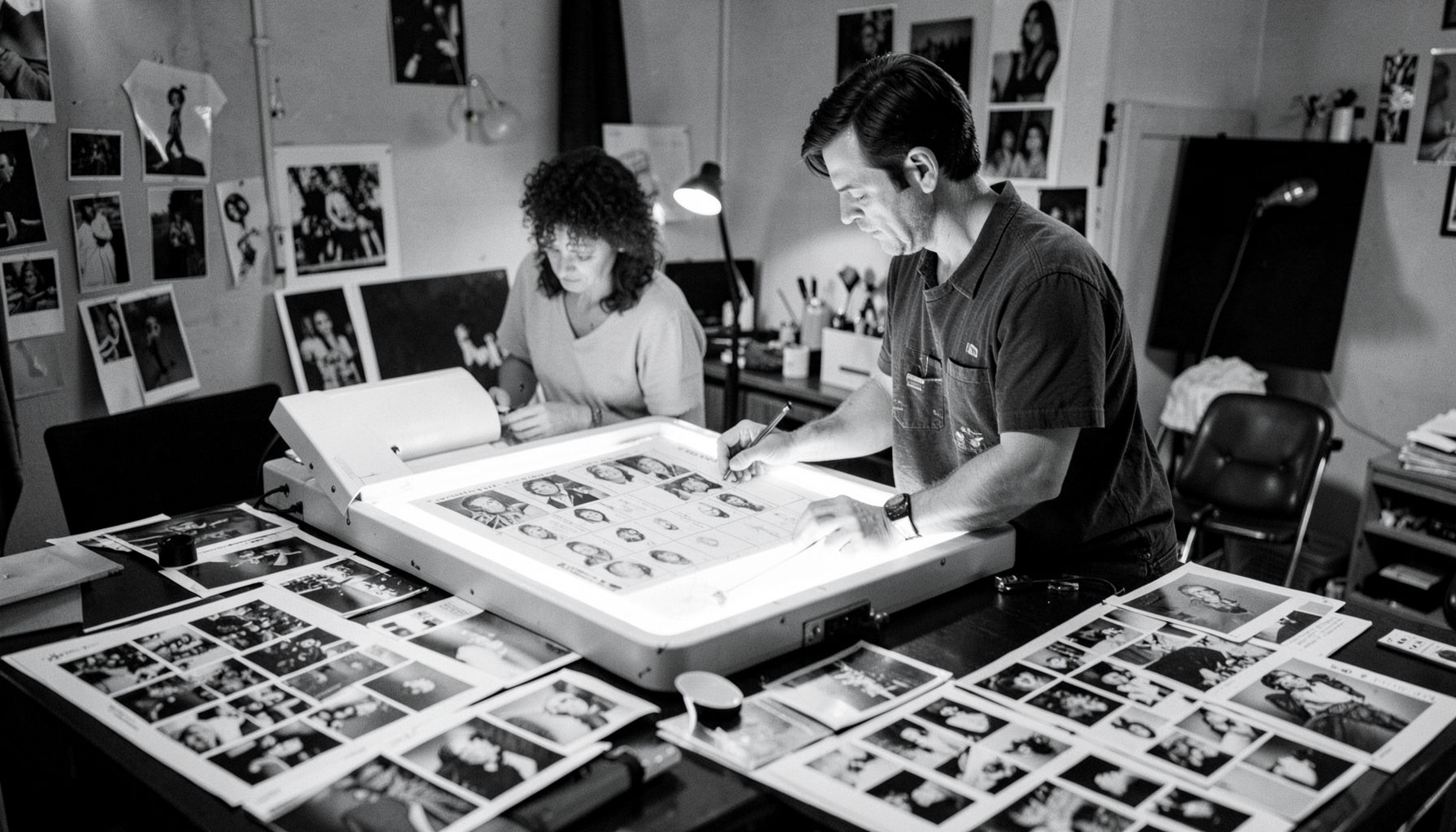
A photographer’s notebook is rarely a simple sequence of finished images. It may include contact sheets, negatives, captions, travel notes, recorded conversations and photographs that were never published. Read together, these materials reveal how Shagrir worked: what he noticed, where he stood, which moments he selected and how the visual language of war was shaped before it reached an audience.
For Australian viewers, the archive offers a useful point of comparison with the work of ABC, SBS and independent photojournalists covering conflict overseas. The distance between Israel and Australia can make the 2006 war seem remote, yet the questions are familiar: how should civilian fear be represented, how does an image acquire authority, and what responsibilities follow when photographs circulate through newspapers, television and digital platforms?
The Shagrir Collection makes those questions available through primary sources rather than retrospective commentary alone. Its significance extends beyond a single conflict. The material belongs to a wider history of Israeli documentary practice, in which journalism, filmmaking, photography and political memory frequently overlap.
| Archival element | What it can reveal | Why it matters |
|---|---|---|
| Negatives and contact sheets | The sequence behind a published image | Shows selection, omission and timing |
| Prints and captions | How photographs were framed for audiences | Connects visual evidence with editorial decisions |
| Personal papers and notebooks | Locations, encounters and working conditions | Restores the photographer’s process |
| Film and audio recordings | Voices, atmosphere and movement | Adds context that still images cannot provide |
| Digital exhibitions | Patterns across the collection | Helps researchers compare events and periods |
A War Seen Through Movement And Interruption
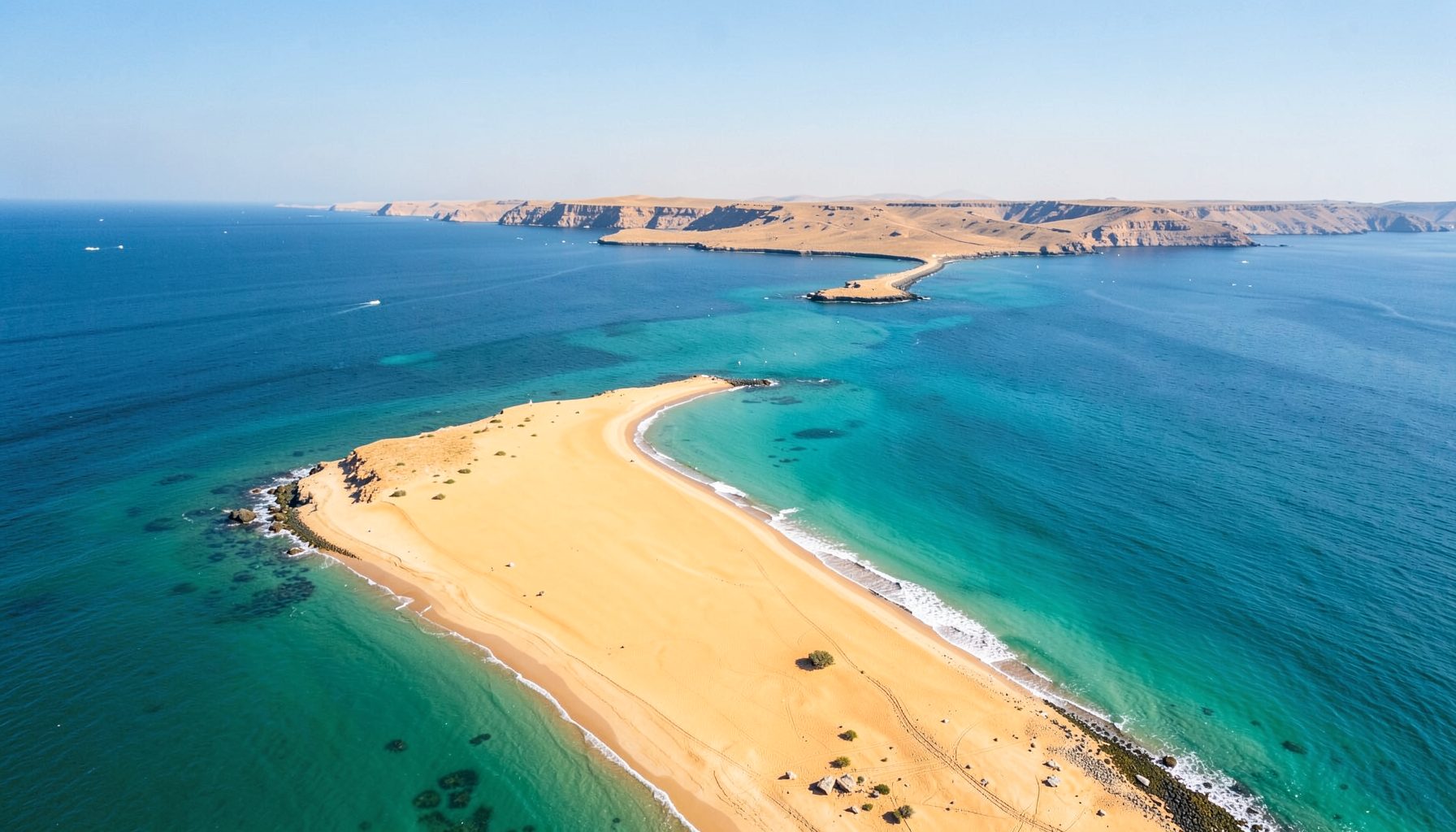
The 2006 Lebanon War lasted 34 days, beginning after Hezbollah captured two Israeli soldiers in a cross-border raid and Israel launched a major military response. Air strikes, rocket attacks and ground operations affected communities in Israel and Lebanon, while roads, shelters, hospitals and border areas became charged photographic spaces.
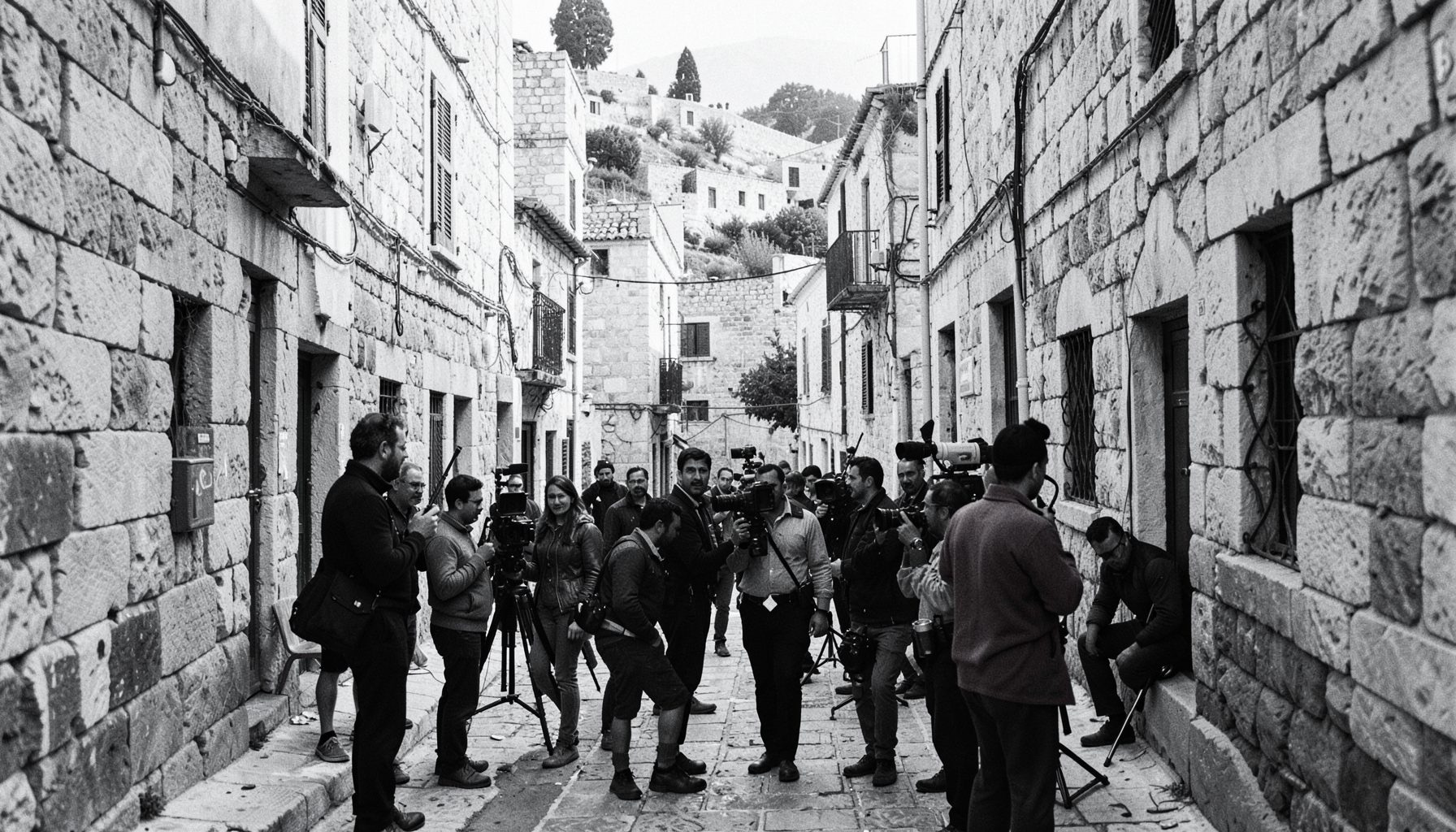
Shagrir’s approach can be read through movement: travelling towards damaged locations, waiting for access, following civilians and returning to scenes after the immediate news cycle had passed. That rhythm distinguishes field documentation from a single iconic photograph. The notebook form preserves uncertainty, delay and repetition, all of which are central to understanding conflict photography.
The strongest images from such conditions often avoid spectacle. A shutter may record a family carrying bags, a street emptied by warning sirens, a damaged building or a medic working in compressed conditions. These details make the war legible through human scale. They also resist the tendency to treat destruction as an abstract landscape.
Between News Image And Historical Record
A newspaper photograph is made for speed. It must communicate quickly, fit a layout and compete with headlines, maps and political statements. An archival photograph has a longer life. It can be examined years later, compared with other frames and placed beside documents that complicate its original meaning.
This difference is important when studying Shagrir’s 2006 work. The images can be approached as journalism, yet they also function as historical records of public space, clothing, architecture, military presence and civilian behaviour. A contact sheet may show that the most familiar published frame was one choice among many, rather than an inevitable summary of the event.
The Collection’s earlier material strengthens this perspective. Its account of the lost 1967 interview demonstrates how film and journalism can preserve political voices long after the original broadcast context has faded. The same archival logic applies to photographs from 2006: meaning grows as images are reunited with dates, locations, annotations and related records.
The Civilian Landscape Of Conflict
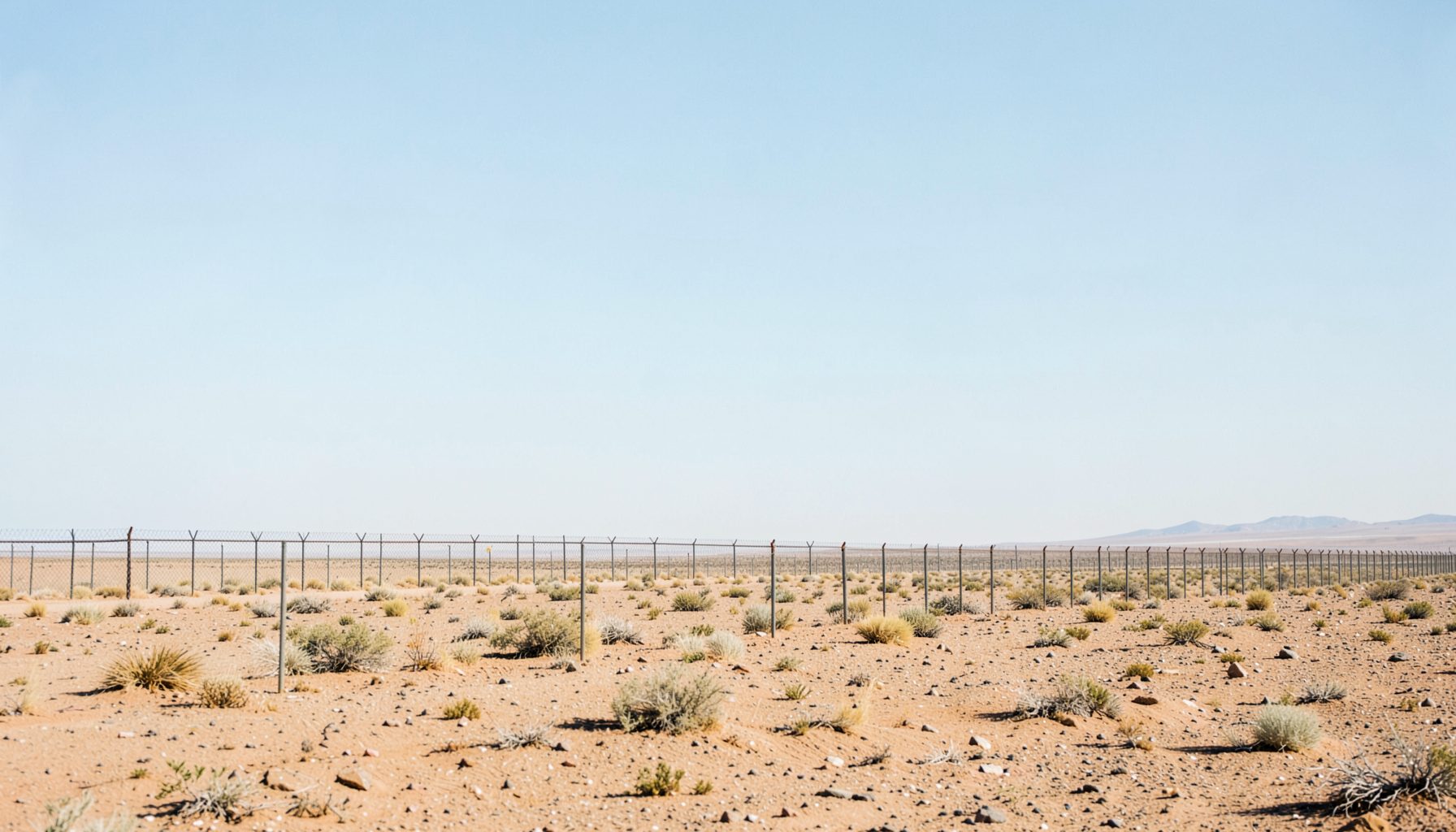
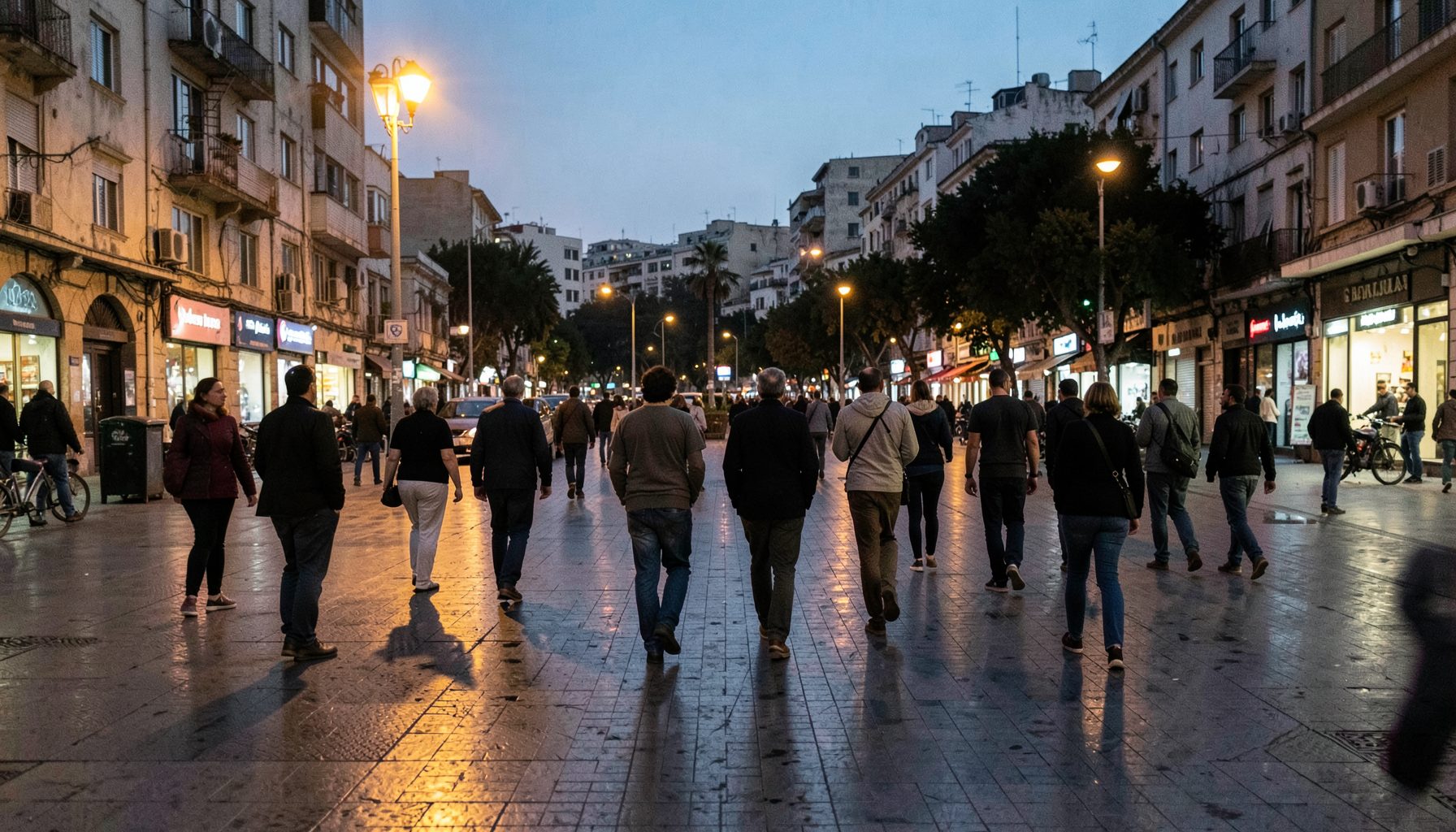
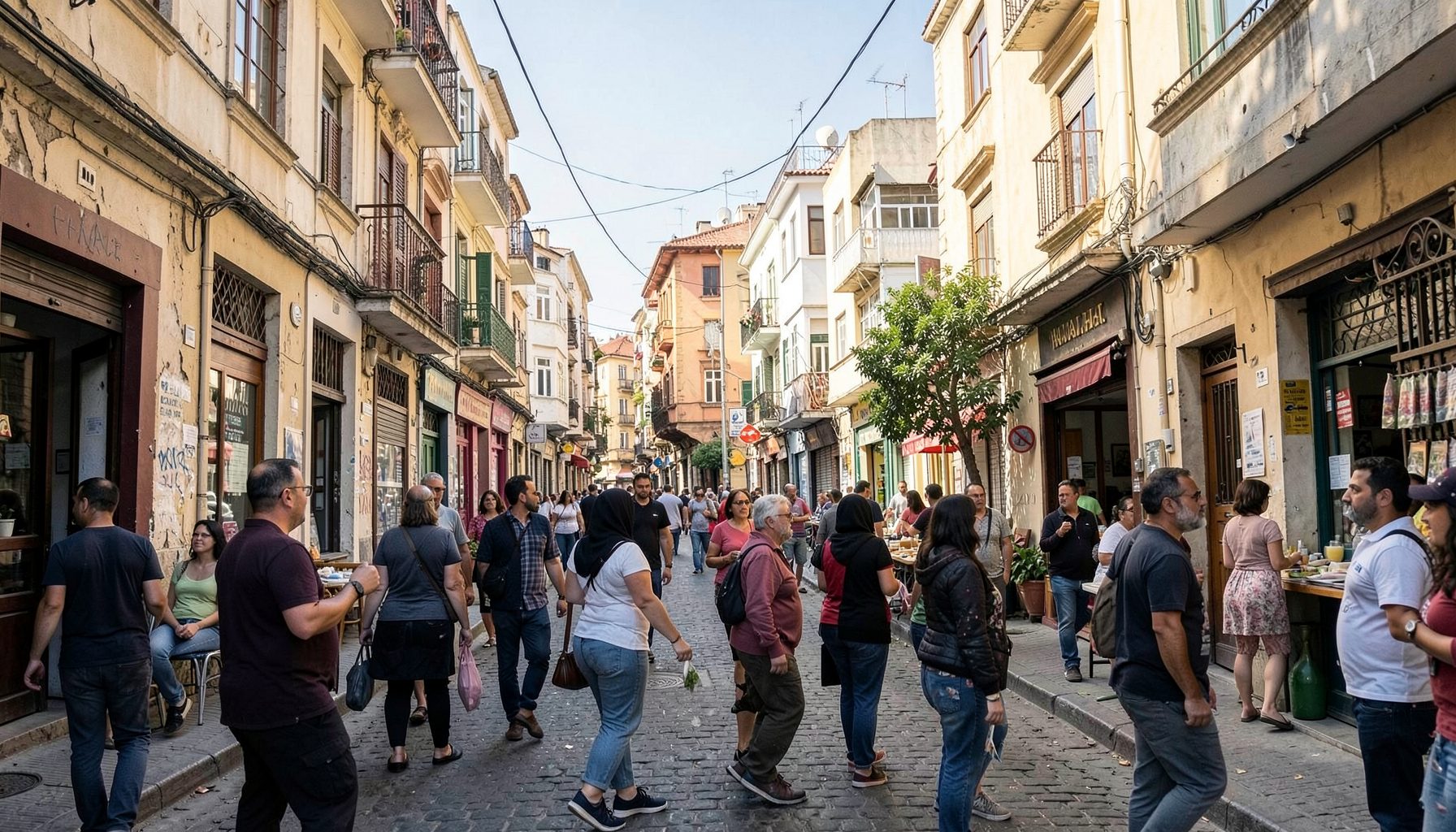
War photography is frequently associated with front lines, military hardware and moments of impact. Shagrir’s documentary sensibility invites attention to the surrounding civilian landscape: streets interrupted by alerts, temporary accommodation, public shelters, transport routes and the visual traces left after an attack.
This emphasis matters because civilian experience is often fragmented. People remember the war through sounds, waiting, routines and absences as much as through visible destruction. A photograph of a quiet road may carry evidence of fear; a crowded shelter may show social organisation; a damaged apartment may reveal domestic life through objects left behind.
For an Australian audience, the comparison may be found in how local media document floods, bushfires or remote emergencies. The ABC’s regional reporting, photographic coverage of evacuation centres and images from towns affected by disaster often depend on the same visual balance: showing immediate danger while preserving dignity. The circumstances differ, yet the ethical problem remains recognisable.
Reading The Archive As A Working Method
The notebook suggests that documentary photography is a process of decisions under pressure. Light, access, safety and time influence what can be photographed. So do relationships with editors, fixers, residents and officials. Looking at the archive means examining these conditions rather than treating each image as an isolated act of observation.
Preservation technologies are central to that task. Film negatives require stable storage, careful scanning and accurate metadata; prints can carry marks, cropping evidence and annotations that disappear in a digital reproduction. Resources discussing image preservation methods help explain why conservation is more than simply placing old photographs online.
The Collection’s wider holdings also show how Shagrir returned to moments of protest and political change. His student protests series provides a useful comparison with the Lebanon War material: both bodies of work involve crowds, authority, public space and contested narratives, but each requires a different tempo and visual grammar.
Why The 2006 Material Still Matters
The importance of Shagrir’s Lebanon War coverage lies in its ability to connect immediate reporting with long-term cultural memory. Images from 2006 continue to circulate in histories of Israel, Lebanon and the broader Middle East, yet archival context can prevent them from becoming detached illustrations. Their value increases when viewers can ask who made them, under what conditions and alongside which other records.
The photo gallery offers a direct route into the Collection’s visual language, where portraits, political events and documentary scenes can be considered across decades. This wider view helps place 2006 within Shagrir’s career rather than treating the war as a separate episode.
There is also a practical relevance for Australia’s cultural sector. Institutions in Sydney, Melbourne, Brisbane and Canberra are increasingly balancing digitisation with conservation, public access and Indigenous cultural protocols. Researchers, teachers and exhibition producers need reliable captions, rights information and provenance when using historical images. Material such as Shagrir’s photographs can support university courses, museum displays and public programs while retaining the complexity of the circumstances in which it was created.
For audiences accustomed to browsing collections through Trove, the Australian War Memorial or state library portals, the Shagrir archive demonstrates the special value of a focused personal collection. Its strength is the relationship between photographs and the surrounding working documents. A war is present in the frame, but the photographer’s method remains visible as well: the movement, hesitation, selection and care behind the image.