A photographic journey through Shagrir’s coverage of the 1968 student protests
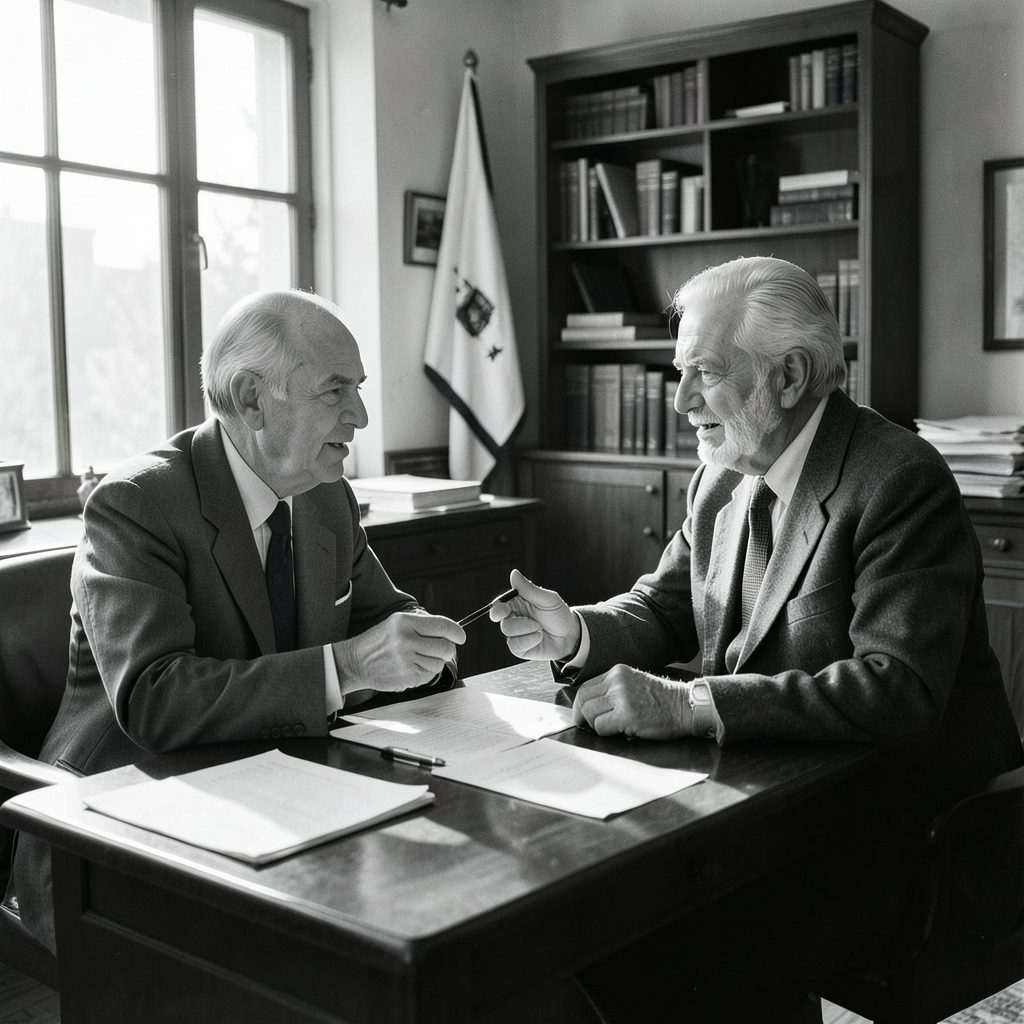
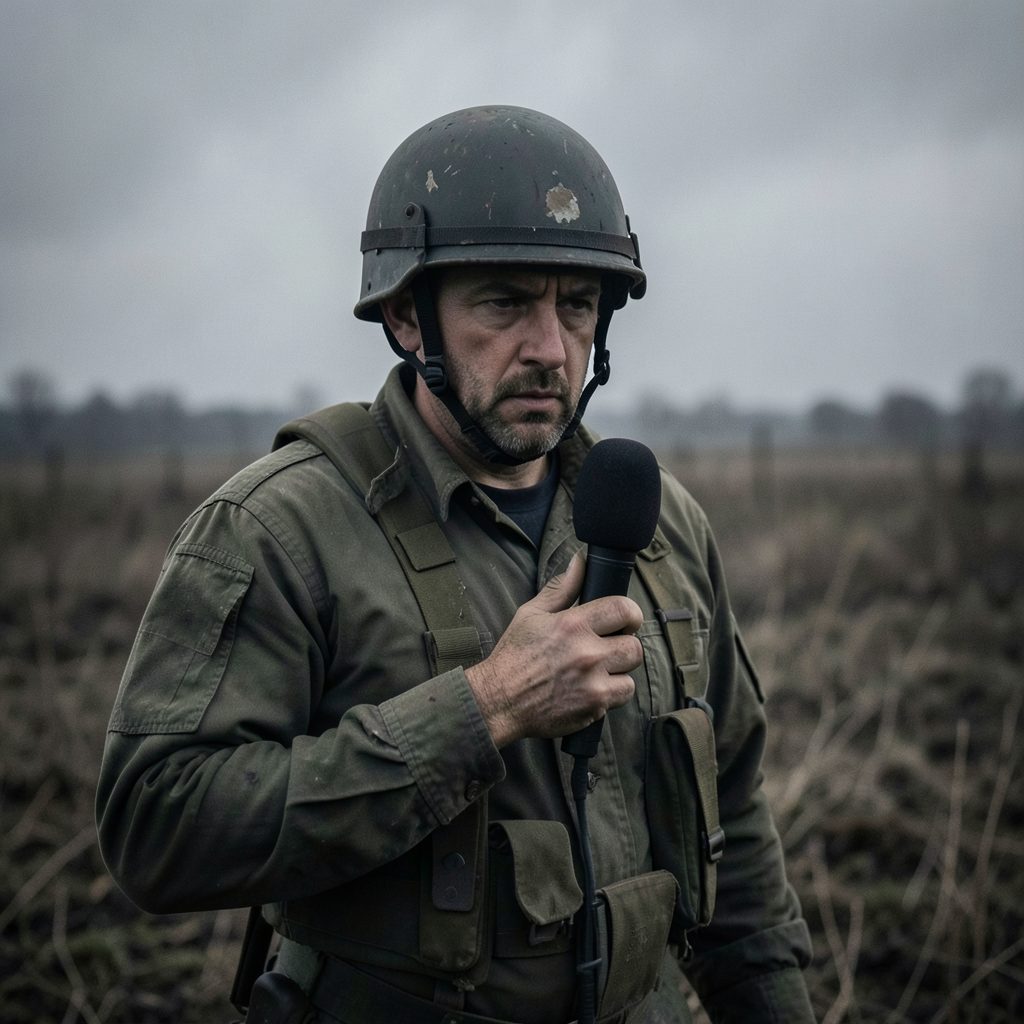
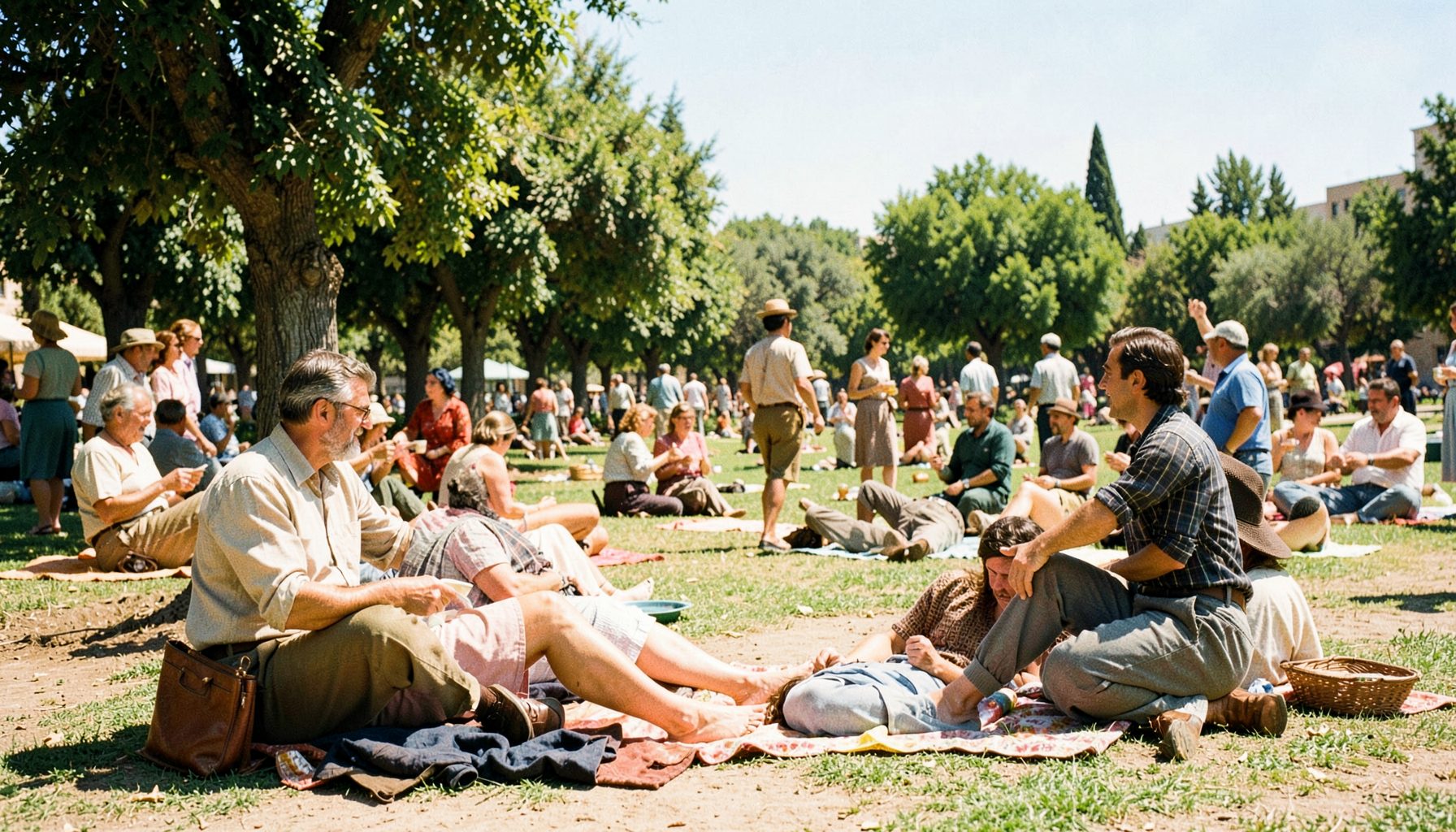
The photographs associated with Micha Shagrir’s coverage of the 1968 student protests offer more than a record of crowds in motion. They preserve gestures, hand-painted signs, tense encounters, improvised meeting places and the shifting relationship between young demonstrators, journalists and public authority. Seen together, these frames turn a moment of political unrest into a visual sequence that can be examined slowly.
The year 1968 is often remembered through iconic scenes from Paris, Prague, Mexico City and the United States. Israel had its own political pressures and campus debates, shaped by the aftermath of the 1967 war, changing public attitudes and arguments about the country’s future. Shagrir’s photographs provide a way to approach that atmosphere through primary evidence rather than through a simplified global story.
| Photographic detail | Historical question | Useful reading |
|---|---|---|
| Placards and handwritten slogans | What ideas were students putting into public space? | Transcribe words, identify language and compare messages |
| Tight portraits and gestures | How did individuals express uncertainty, conviction or fear? | Study faces, posture, clothing and proximity |
| Police, barriers and crowds | How was protest managed and contained? | Trace movement, authority and the use of streets |
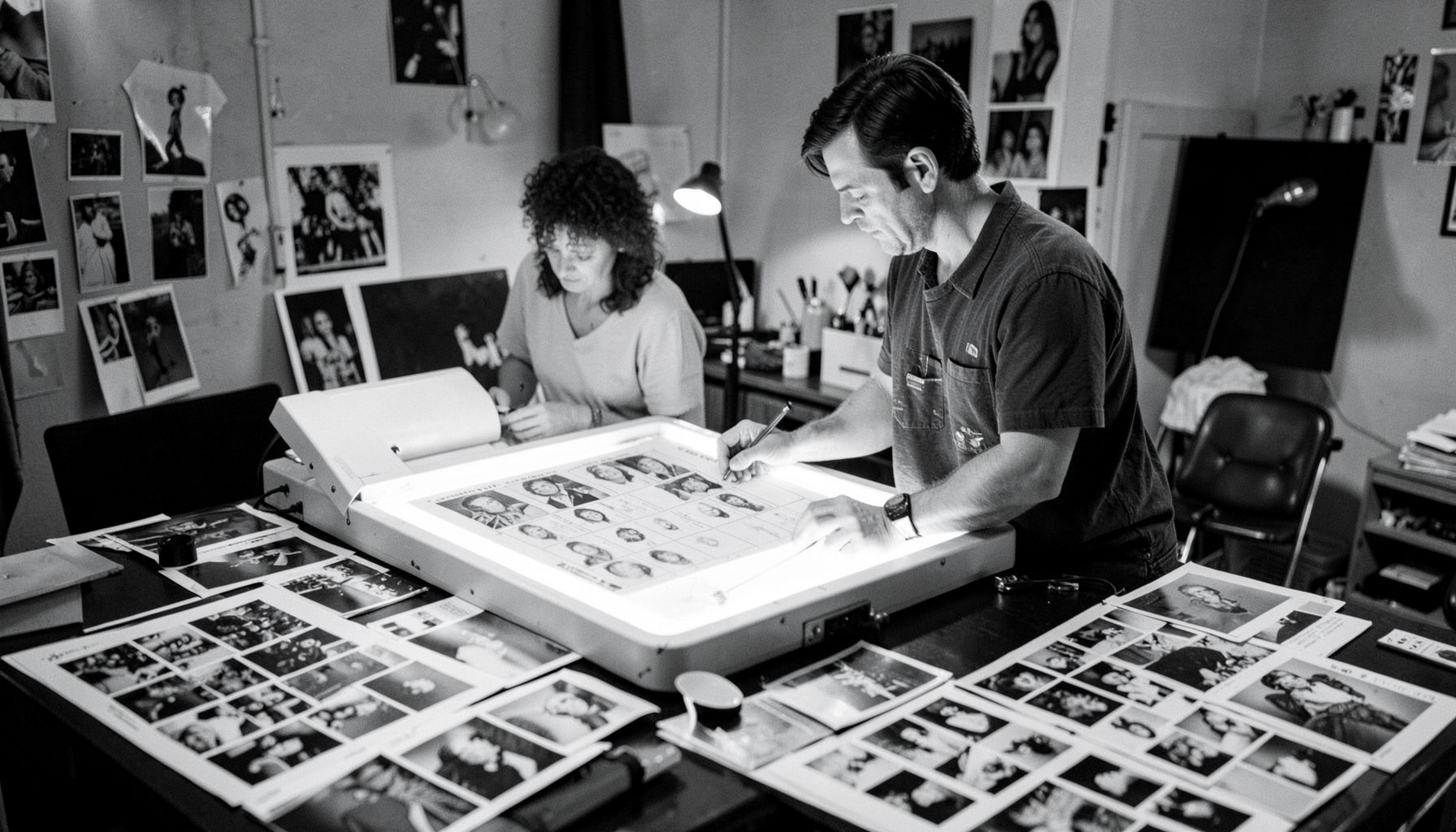
| Contact sheets and repeated frames | What did the photographer choose to pursue? | Compare timing, cropping and points of attention |
| Captions, negatives and papers | How can an image be dated and contextualised? | Cross-reference archival records and contemporary sources |
Reading the protest through the frame
A protest photograph is never a neutral window. The photographer selects a position, waits for a moment and decides when to release the shutter. A wide view may show the scale of a gathering, while a close frame can make a single raised arm or anxious expression stand for the mood of an entire crowd. Shagrir’s work invites viewers to move between these levels rather than treating any one image as a complete account.
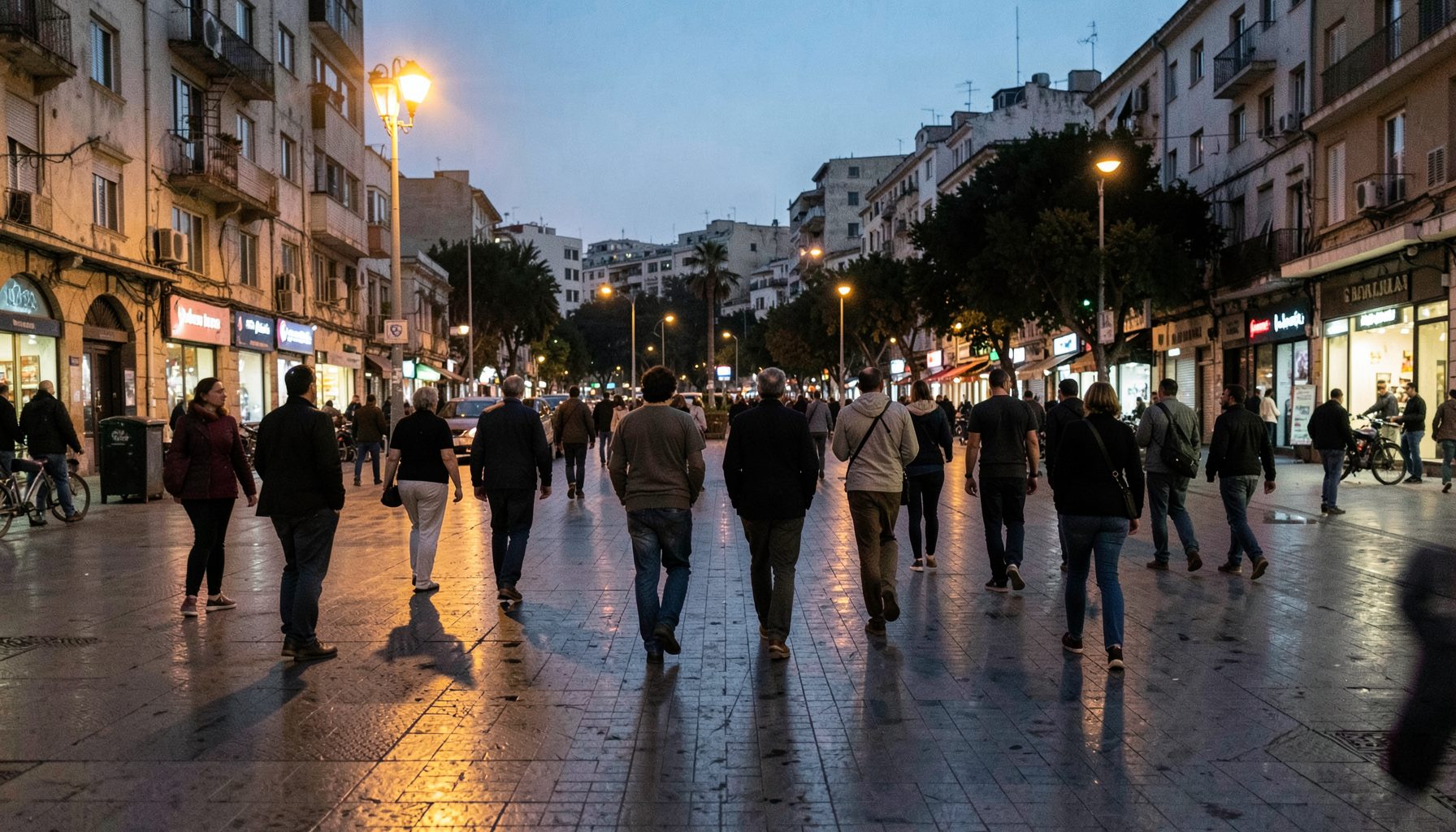
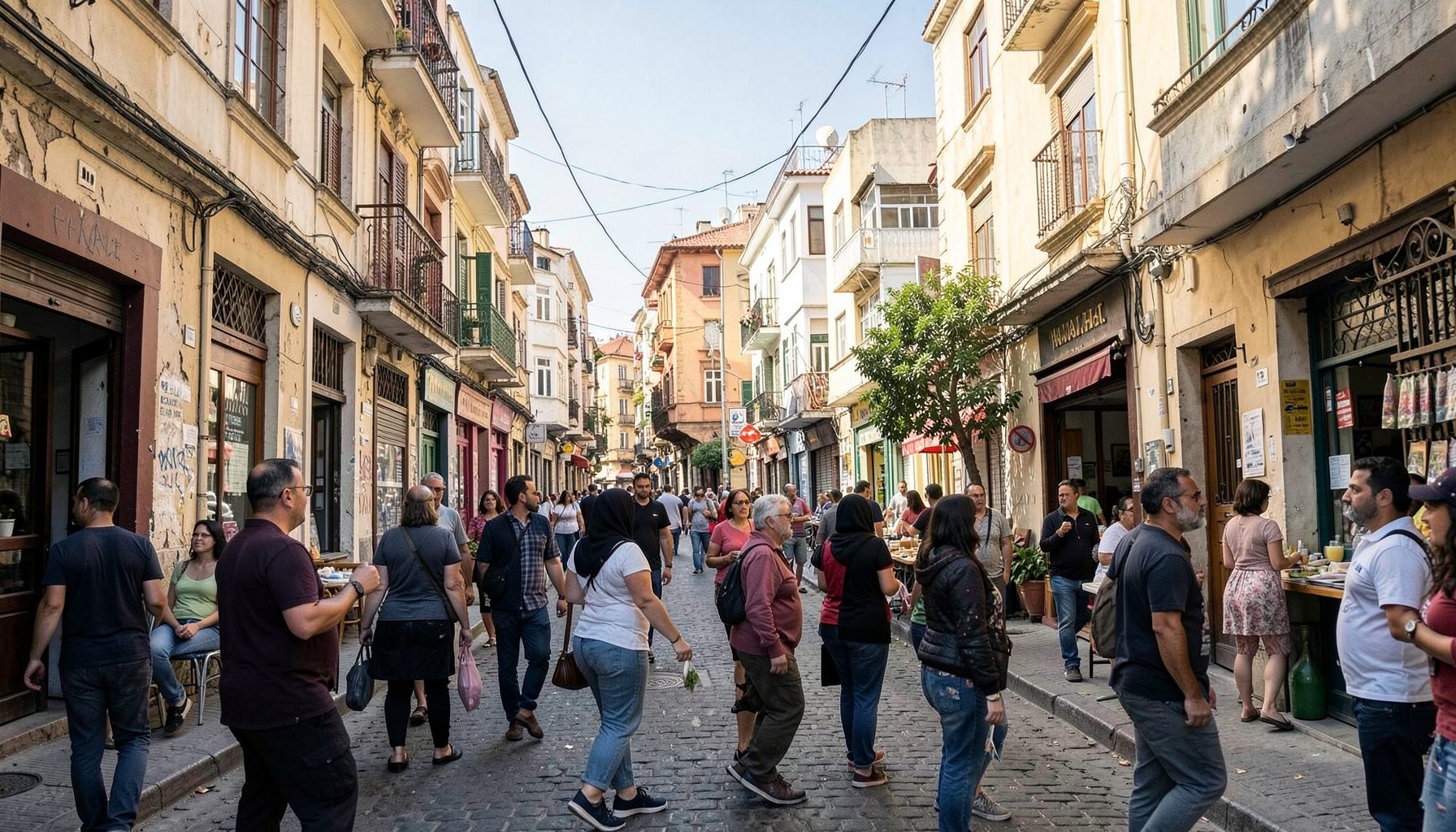
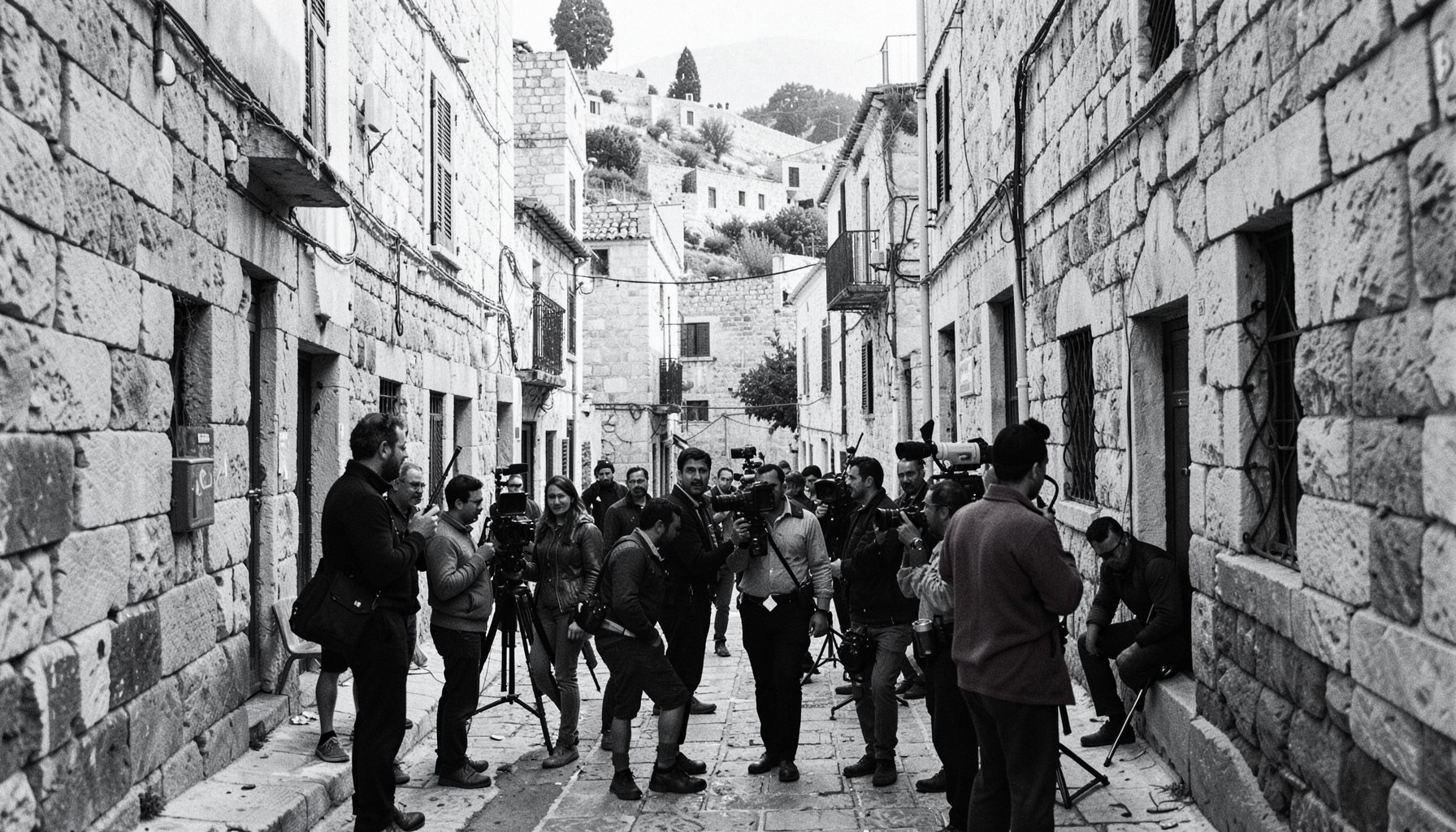
The most revealing details may sit at the edge of the composition. A passer-by looking towards the demonstration, a shopfront partly hidden by bodies or a uniformed officer standing outside the main group can explain how protest occupied ordinary urban life. In 1968, demonstrations were also performances of visibility: students needed to be seen by fellow citizens, political institutions and the media. The camera was part of that public exchange.
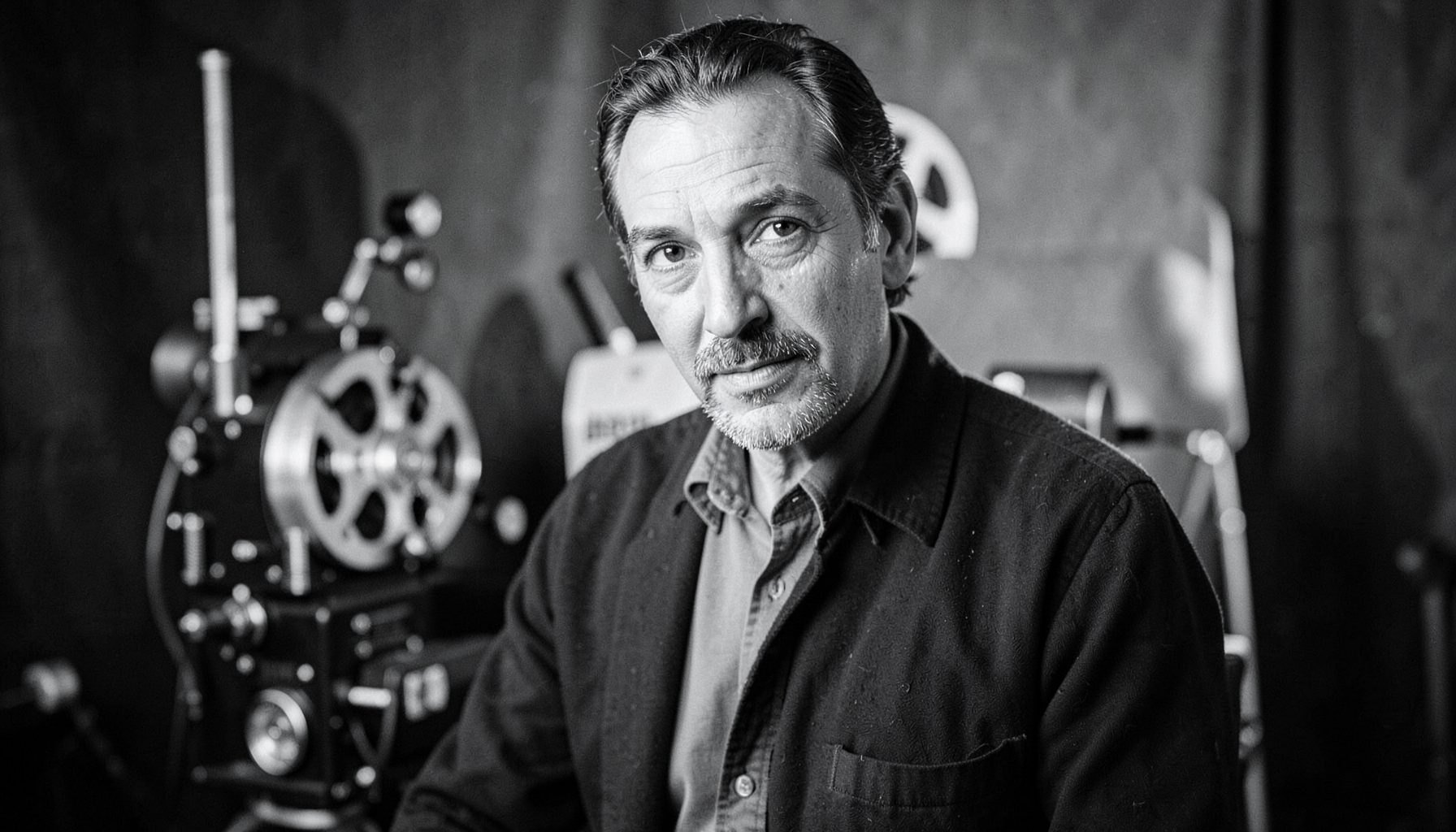
To understand the photographs responsibly, viewers should consider the caption, date, location and sequence in which each image appears. The Micha Shagrir background helps place the images within his wider career as a filmmaker, producer, photographer and journalist. That context matters because a photojournalist’s working habits, professional networks and documentary interests influence what reaches an archive.
From negative to historical record
The journey from an exposed negative to a public digital image involves many decisions. Film may carry scratches, uneven exposure or traces of hurried working conditions. A contact sheet can reveal alternatives that were never published: a wider establishing shot, a less dramatic expression or a frame where the photographer is still searching for the decisive moment. These materials complicate the polished idea of a single representative photograph.
Archival interpretation also depends on grouping. A photograph of students seated in discussion means something different when placed beside images of a march, a confrontation or an empty campus corridor. Repetition can be important. Several similar frames may show that a moment unfolded over time, while changes in distance and angle reveal how Shagrir moved through the event.
Preservation gives researchers the chance to test memory against material evidence. Negatives, prints, film, recordings and personal papers can be read alongside newspapers and oral histories, while gaps in the collection remain part of the story. The collection’s copyright information is also relevant to anyone wishing to reproduce, publish or study these images, particularly when digital access makes archival material easy to circulate without its original context.
Students, streets and the politics of visibility
The student protests of 1968 belonged to a wider international climate of dissent, but local circumstances shaped their language and emotional force. Israeli students were responding to their own political environment, including debates intensified by the 1967 war and the pressures of a society living with military conflict. Photographs can register this specificity through signs, uniforms, buildings, crowd behaviour and the relationship between civilian space and state authority.
A strong visual reading should resist turning every raised fist into a universal symbol. Clothing, hairstyles, printed material and patterns of gathering can identify a particular generation, while the architecture and street layout may help establish a location. A frame that appears spontaneous may also contain careful organisation: marshals guiding a march, students distributing leaflets or speakers positioned to face a known audience.
There is a useful tension between individual identity and collective action in Shagrir’s images. A crowd suggests solidarity, yet portraits reveal different degrees of commitment, fatigue or apprehension. The photographer may show students as political actors, media subjects and young people negotiating the risks of public dissent. This layered view is especially valuable when official accounts reduce protest to disorder or when later memory turns it into a romantic symbol.
Why the archive matters in Australia
For Australian audiences, the photographs can be approached through familiar experiences of campus politics while retaining their Israeli setting. Students at the University of Sydney, the University of Melbourne or Monash University have long used lawns, lecture theatres and city streets for rallies, teach-ins and petition drives. The physical scale differs from one institution to another, yet the visual questions remain recognisable: who controls public space, who gets heard and how does a movement represent itself?
Australian everyday habits also shape how people encounter historical images. A visitor might view the collection on a phone during a tram ride in Melbourne, browse it from a public library in Brisbane or discuss a photograph in a tutorial after commuting across Sydney. Online access changes the archive’s audience, but it does not remove the need for careful research. A fast scroll can flatten a complex event into a few dramatic pictures, whereas sustained viewing encourages attention to captions, provenance and omissions.
The local cultural market adds another layer. Australian museums, university archives, galleries and specialist booksellers regularly balance public access with conservation costs, licensing conditions and the commercial value of high-quality reproductions. The Australian Copyright Act 1968 also forms part of the legal environment in which educators, researchers, publishers and cultural organisations assess copying and publication. Australian users therefore benefit from treating rights information as part of historical literacy, not as an administrative detail added after interpretation.
Learning from primary sources
The protest photographs are well suited to teaching because they invite evidence-based observation. Students can begin by listing what is visible without assigning motives: the number of people, the direction of movement, the presence of signs, the apparent age of participants and the relationship between foreground and background. They can then separate observation from interpretation and identify which claims require supporting sources.
A classroom comparison might place one Shagrir image beside a newspaper report, a government statement or a later oral history. Students can ask how each source frames responsibility, urgency and legitimacy. They may also compare a published print with a contact sheet or related negative, considering how selection and cropping shape the public meaning of an event. This method works across history, media studies, photography and civics.
The archive’s educational programs for schools extend that approach by treating photographs as objects to investigate rather than illustrations that simply confirm a textbook narrative. Australian teachers can connect the activity to source analysis, democratic participation and media literacy while explaining that Israeli political history must be studied on its own terms.
A photographic journey through the 1968 student protests ultimately moves in two directions. It brings viewers closer to particular people and moments, and it raises wider questions about journalism, protest, memory and preservation. Shagrir’s images endure because they leave room for inquiry: the frame records what was visible, while the archive helps us investigate what happened before, around and after the shutter clicked.